Explore our high-performance structural barrier materials designed to meet demanding global geotechnical standards.
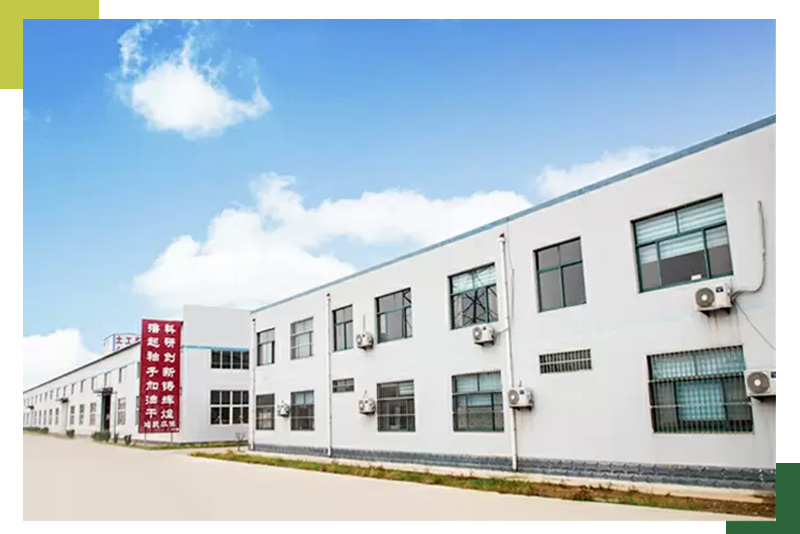
Located at the north end of Fufeng Street, Lingcheng District, Dezhou, Shandong Province, Shandong Hongyue Environmental Engineering Co., Ltd. is a scientific and technological geotechnical material manufacturer integrating engineering material production, sales, design and construction services. The company was registered in Lingcheng District Market Supervision and Administration Bureau of Dezhou City on April 6, 2023, with a registered capital of 105 million yuan. It stands as one of the largest production bases of geotechnical materials in China at present, with superior geographical location and convenient transportation systems.
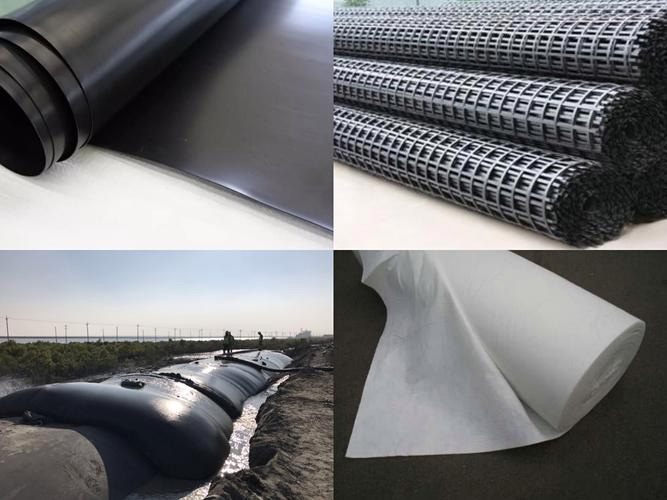
Since the establishment of the company, our business has expanded rapidly. We mainly deal in a wide variety of engineering solutions including geotextiles, geomembranes, composite geomembranes, waterproof boards, bentonite waterproof blankets, 3D composite drainage nets, (composite) drainage boards, weaving cloth, woven cloth, membrane bags, blind ditches, waterproof and drainage combinations, woven bags, ecological bags, cement blankets, fiber plant blankets, and flexible pervious pipes. Our business covers geosynthetics manufacturing, sales, construction, and international import and export. As a key member of the Dezhou Geotextile Association, we boast high-quality products and a professional sales and technical team.
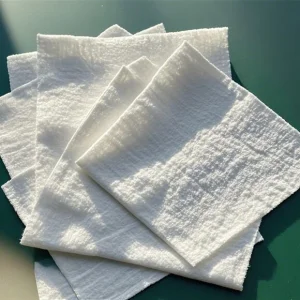
Analysing the critical engineering functions of 250g/m² non-woven geotextiles in large-scale infrastructure projects.
The primary function of the 250g/m² non-woven geotextile is to prevent the intermixing of adjacent soil layers. In road and railway building, it isolates coarse aggregate from fine subgrade soils, preserving the structural integrity and load-bearing capacity of the pavement foundation.
Featuring optimal pore size distribution and high water permeability, our 250g/m² geotextile allows liquid to pass through while retaining soil particles. This makes it ideal for subsurface drainage systems, retaining wall wraps, and coastal protection works where water flow must be maintained without soil loss.
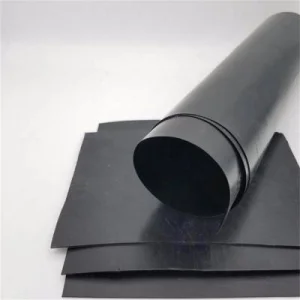
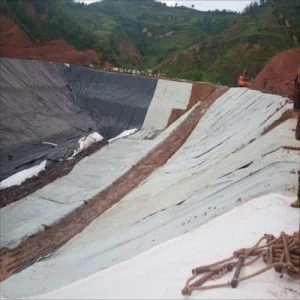
In environmental containment systems such as municipal landfills and reservoir dams, geomembranes are susceptible to puncture from stones and irregular substrate elements. Wrapping these geomembranes with 250g/m² needle-punched geotextiles provides a thick, resilient cushion that absorbs localized stresses.
The global demand for environmental containment and infrastructure protection has propelled the geosynthetics market into a new era of strict regulation and high performance. Factors such as climate-induced heavy rain events, rising sea levels, and the rapid expansion of railway transport networks require highly standardized materials.
Our 250g M2 geotextiles are exported to Europe, the United States, Australia, and various other regions. By utilizing state-of-the-art melt extrusion lines and needle-punching machinery, Shandong Hongyue meets the supply constraints of mega-scale engineering works, securing an uninterrupted supply chain from Raw Material to Site Delivery.
Through our comprehensive global sales offices and agency channels established in over 40 large and medium-sized cities, we offer site consultation, localized structural calculation reports, and engineering design support tailored to international safety margins.
How we ensure consistency, mechanical strength, and pore size uniformity in every batch of our 250g M2 Geotextile.
The main raw materials are high-grade polyester (PET) chips, polypropylene (PP) filament, and viscose fibers. Raw materials are systematically dried, inspected, and cataloged to ensure baseline tensile strength.
Raw materials are melted at high temperatures and extruded through micro-spinnerets using screw extruders to form micro-thin continuous filaments, ensuring molecular alignment and tenacity.
The continuous filaments are systematically distributed onto a conveyor belt to form a uniform, multi-directional web structure, carefully regulating cross-directional density.
Thousands of barbed needles penetrate the fiber web, entangling the filaments mechanically. Optional thermal bonding is applied to achieve the exact thickness and dimensional stability of 250g/m².
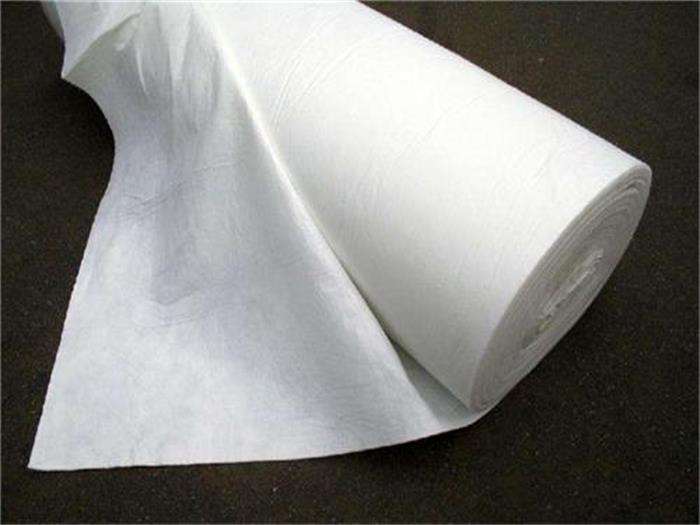
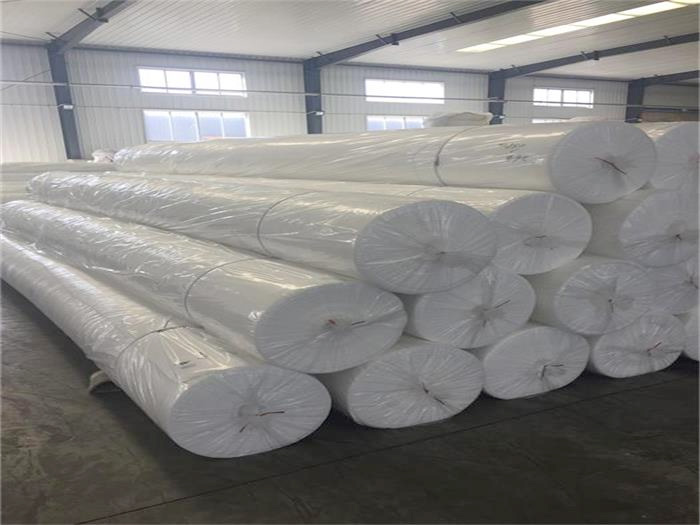
The cured geotextiles are trimmed to precise widths (up to 6 meters) and rolled onto heavy-duty cores. Every roll is wrapped in UV-protective film to prevent degradation during transit.
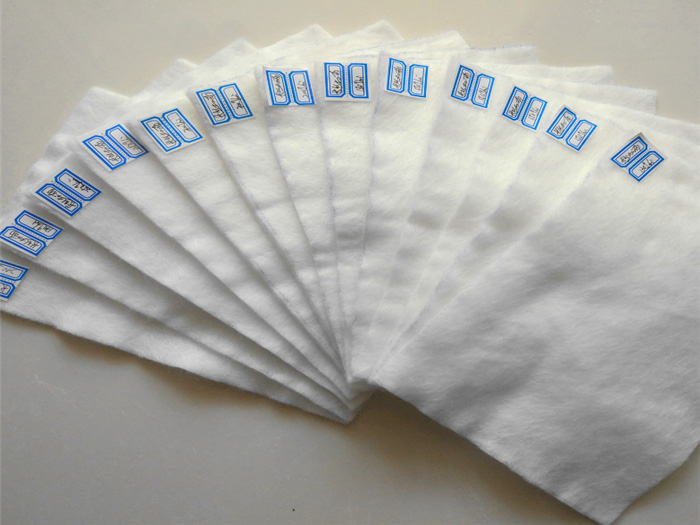
Our in-house laboratory tests samples from each production run for tensile strength, puncture resistance, permeability, and thickness, matching ISO and ASTM standards.
To maximize the operational life of the 250g M2 geotextile, correct site preparation and installation protocols must be followed. Poor installation techniques account for over 80% of geosynthetic failures in the field.
The ground must be cleared of sharp stones, tree roots, and construction debris. Subgrade soils should be compacted according to the engineering design parameters to avoid localized settlement.
Roll out the geotextile flat without wrinkles. Overlapping sections must be at least 300mm to 500mm wide, depending on subgrade stability. For critical waterworks, adjacent sheets must be hot-wedge welded or sewn with high-strength synthetic threads.
Aggregate backfill must be placed carefully, avoiding direct traffic of heavy machinery on the exposed fabric. A minimum initial lift of 150mm of aggregate is required before compacting.
How combined geosynthetic layers protect dam foundations, canals, and agricultural water reserves.
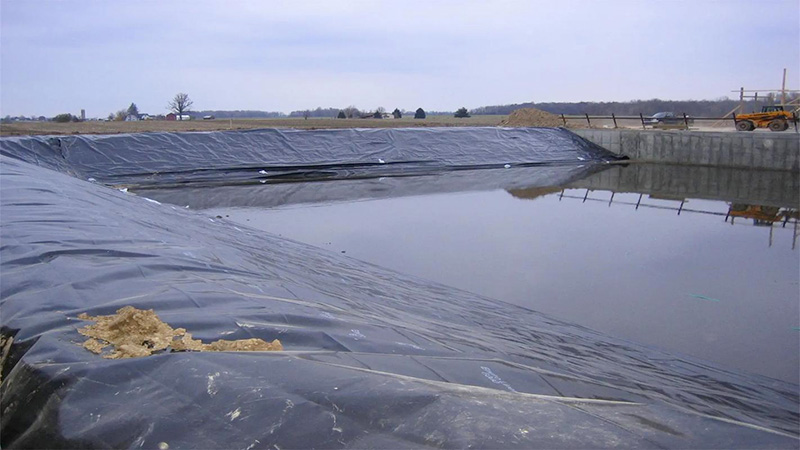
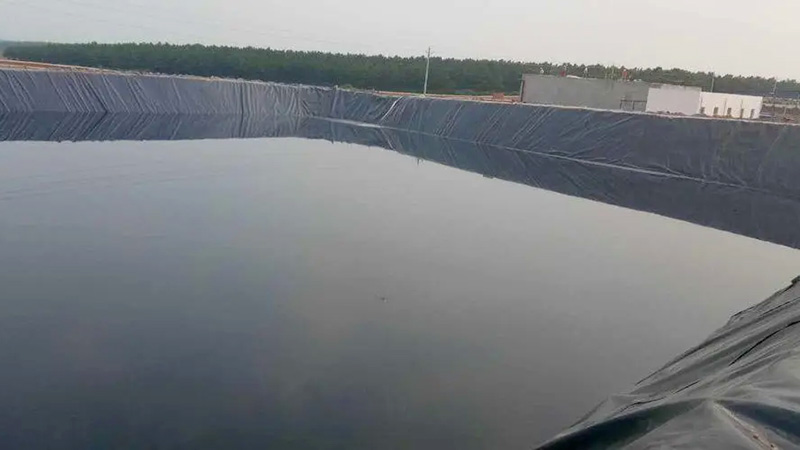
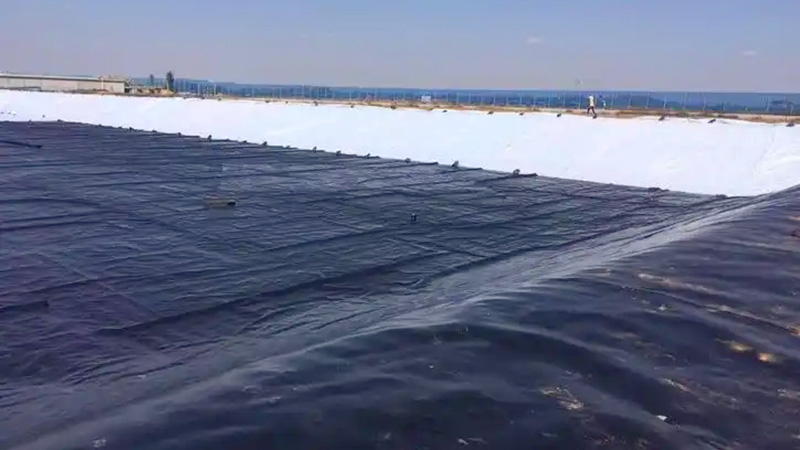
In hydraulic engineering, water containment and soil erosion control are twin challenges. When geomembranes are used to prevent water loss in canals and reservoir basins, they must be shielded from stress concentration. Our 250g M2 non-woven geotextile serves as an optimal protective underlay and overlay.
Dams and Reservoirs: The high hydraulic pressures inside reservoirs can press geomembranes against rocky subgrades. The needle-punched texture of our 250g M2 fabric redistributes these forces, absorbing shear stresses caused by seismic activity or shifting water levels.
River and Canal Banks: In channels subjected to high flow velocities, geotextiles prevent the migration of fine sediments while allowing hydrostatic pressure to dissipate. This prevents structural blowout of the concrete linings or stone gabions placed along the channel slopes.
Guaranteeing global regulatory alignment through certification, scientific testing, and strict quality control.
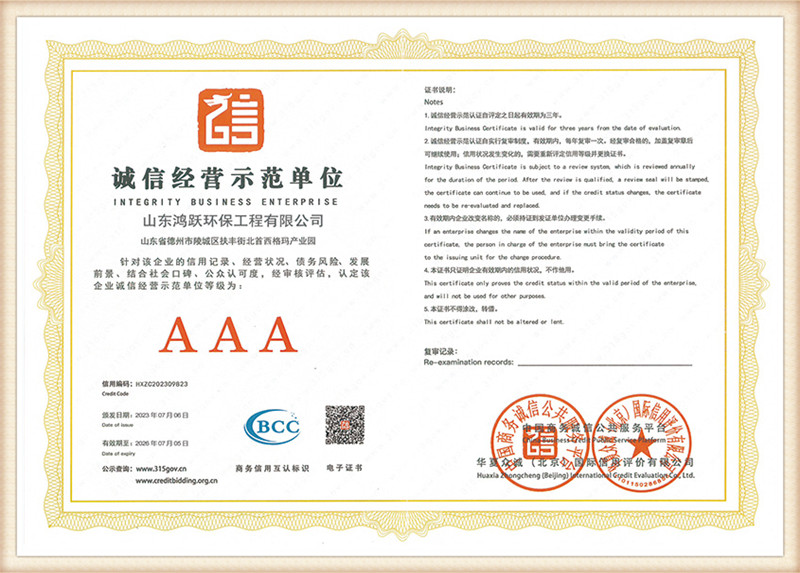
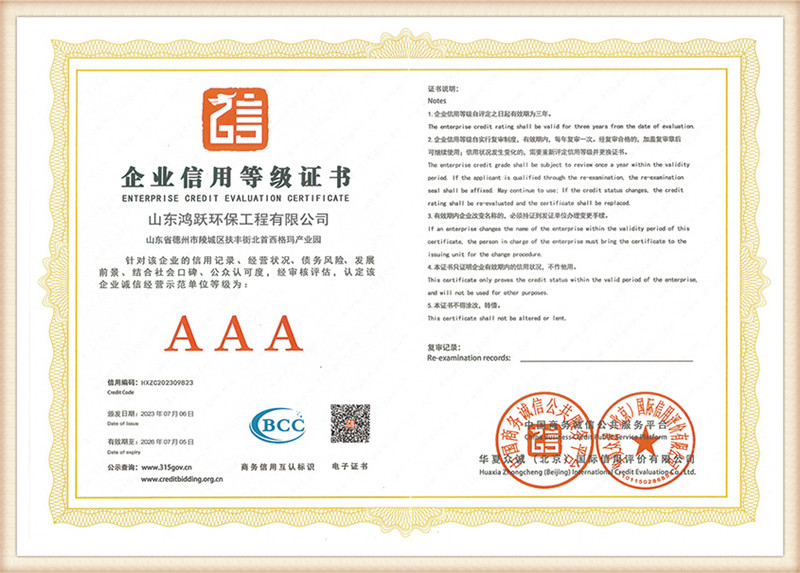
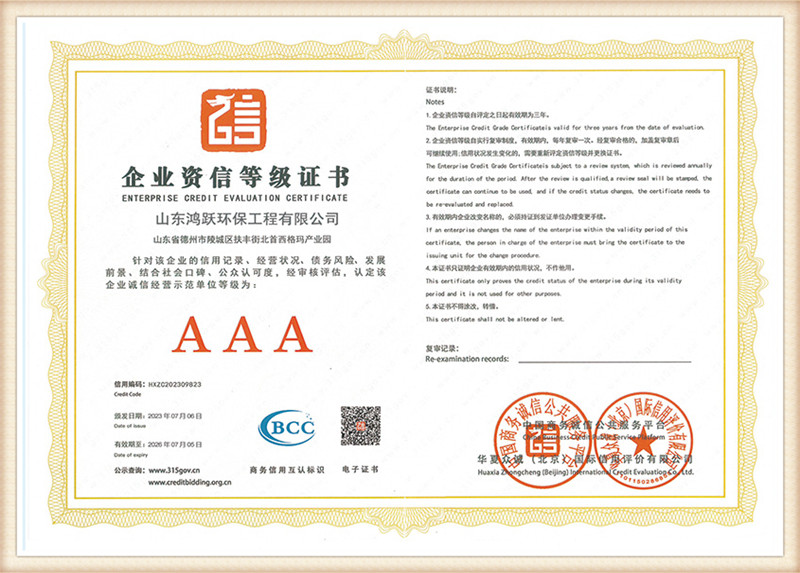
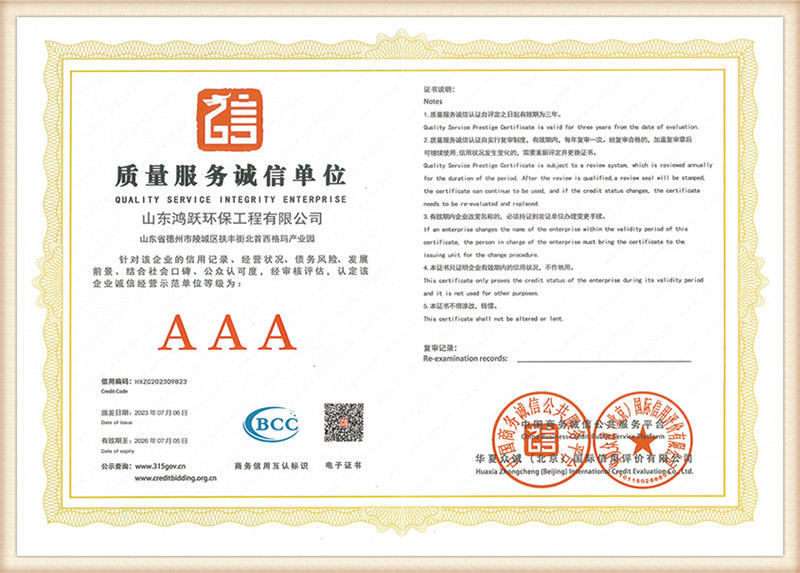
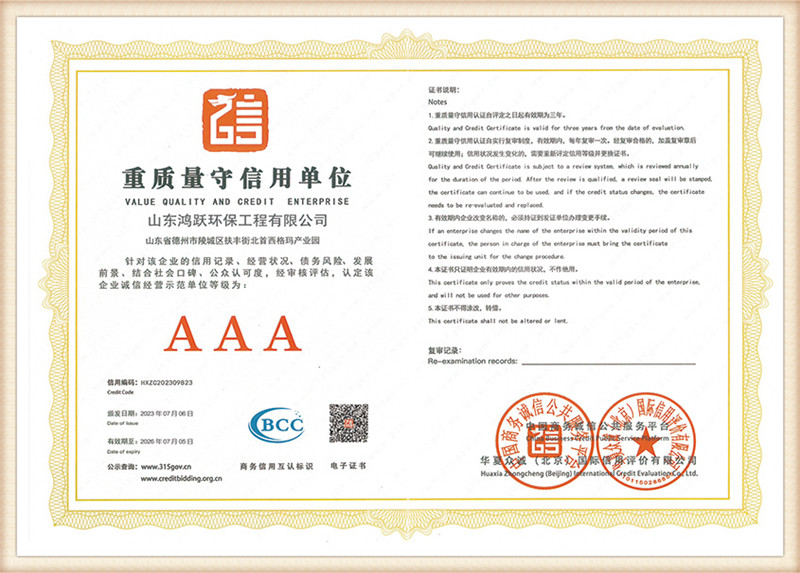
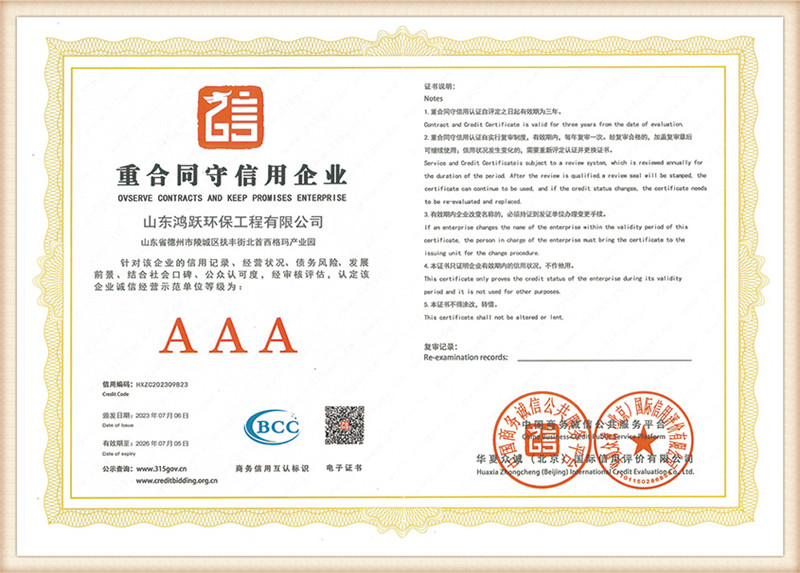
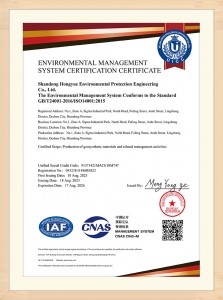
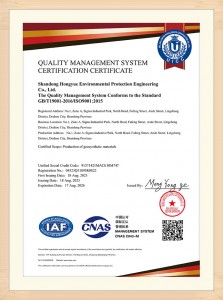
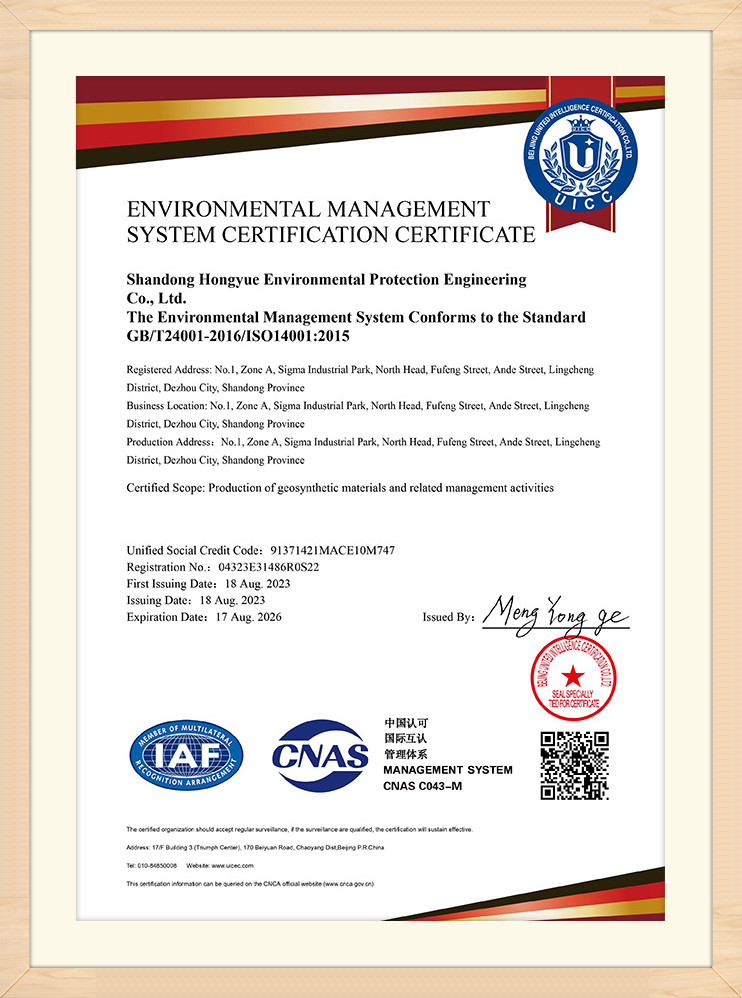
At Shandong Hongyue Environmental Engineering Co., Ltd., we have established a complete and scientific management system. We have passed the ISO9001 international quality system certification, ISO14000 environmental management system certification, and ISO45001 occupational health and safety management system certification.
Our quality control measures are characterized by:
The next generation of high-durability, eco-friendly geosynthetics developed by Shandong Hongyue.
Researching PLA and natural-fiber composite geotextiles for temporary agricultural and soil erosion control projects, minimizing plastic pollution in agricultural subgrades.
Integrating micro-fiberoptic sensors directly into the needle-punching process. These smart geotextiles can monitor structural strain, moisture levels, and slope deformation in real-time for high-speed rail lines.
Developing advanced carbon-black additive formulations to double the design life of geotextiles exposed directly to harsh solar radiation in arid mining areas.
Expert answers to your technical and commercial questions about 250g M2 Geotextiles.
Select specialized containment and reinforcement materials to complete your system requirements.
 Hongyue