High-performance geomembranes, geotextiles, and drainage matrix systems engineered for extreme civil applications.
Technical insight into global anti-seepage standardizations, polymer science, and industrial manufacturing capacity.
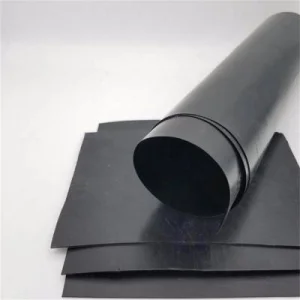
In modern megastructure civil engineering, environmental engineering, and hydraulic infrastructure, the prevention of hazardous liquid migration, leachate infiltration, and water loss is of paramount importance. High-Density Polyethylene (HDPE) liners stand as the global benchmark for impermeable lining barriers. Renowned for their extraordinary tensile strength, exceptional resistance to environmental stress cracking (ESCR), micro-chemical inertness, and near-zero hydraulic conductivity, HDPE geomembranes serve as the critical line of defense in modern containment applications.
As premier leader within China's geosynthetic manufacturing ecosystem, Shandong Hongyue Environmental Engineering Co., Ltd. (located at the north end of Fufeng Street, Lingcheng District, Dezhou, Shandong Province) operates as a scientific and technological geotechnical titan. Integrated with cutting-edge polymer extrusion technology, the company brings together material design, rigorous laboratory testing, large-scale production, global sales logistics, and site-level installation services. Officially registered with a capital of 105 million yuan, Shandong Hongyue has solidified its stance as one of China’s largest specialized geotechnical production hubs.
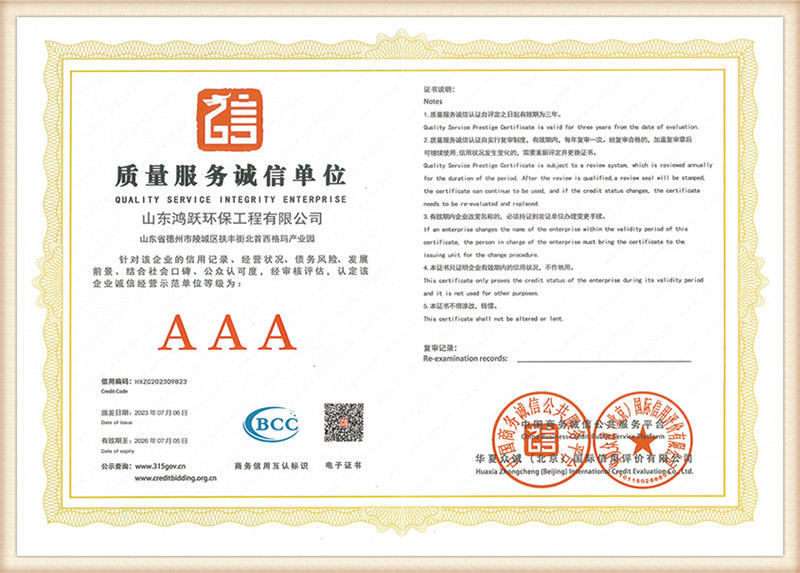
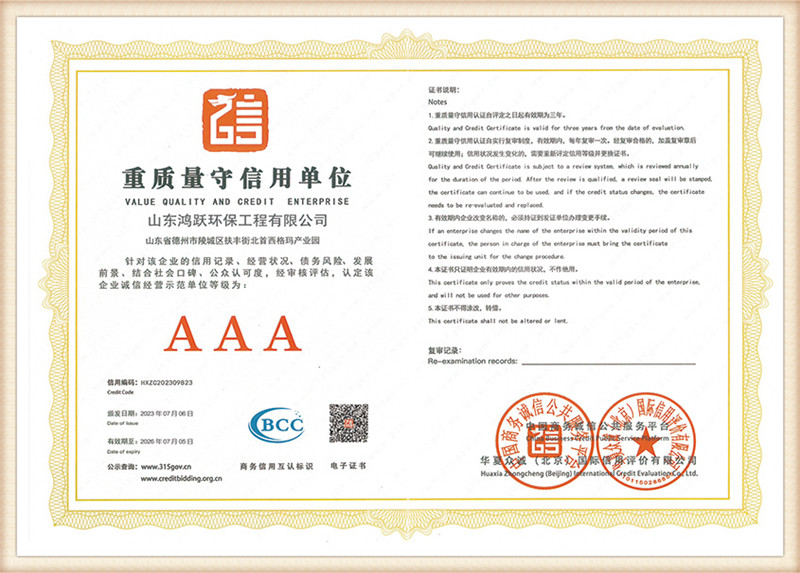
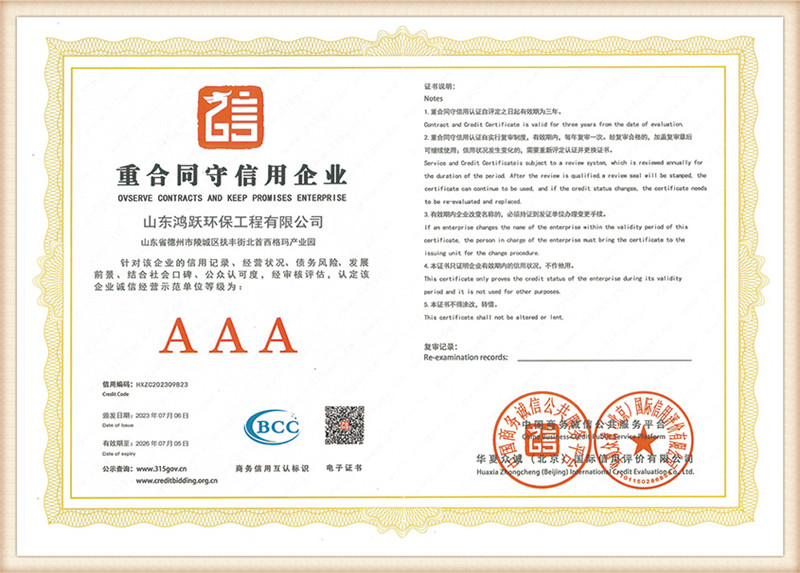
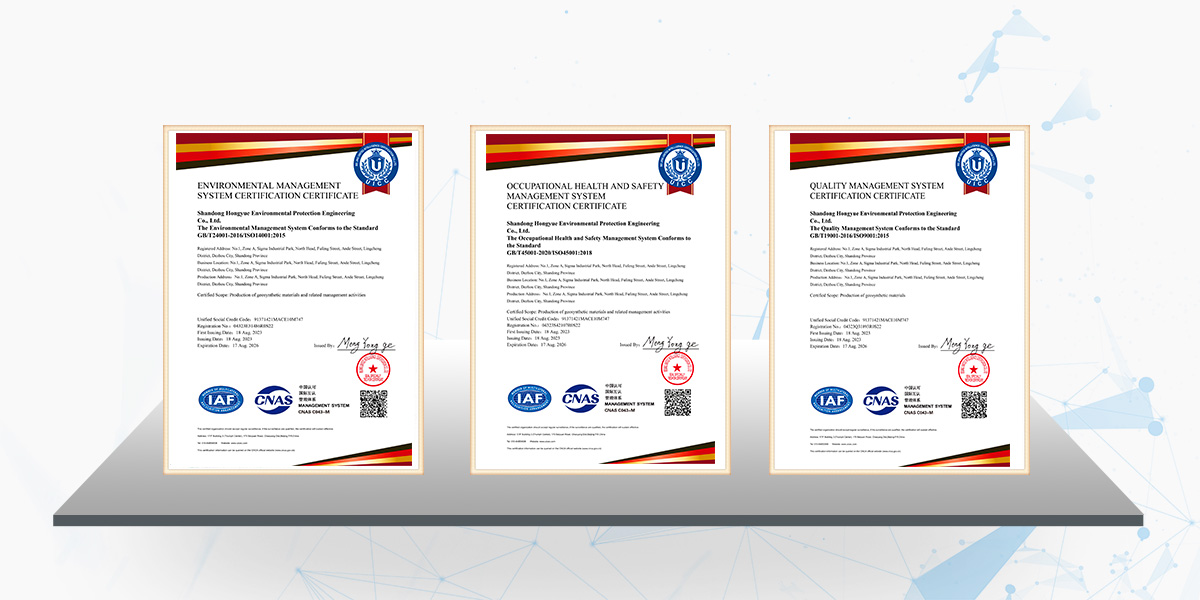
Founded with a focus on innovation and high-reliability civil materials, Shandong Hongyue operates state-of-the-art production lines certified under ISO 9001 (Quality System), ISO 14000 (Environmental Management), and ISO 45001 (Occupational Health & Safety). Recognized as a "High-Tech Industry", "Green and Environmentally Friendly Building Materials Enterprise", and "Famous Chinese Brand", the facility supplies both domestic key infrastructure projects and international industrial conglomerates across North America, Europe, Australia, and the Middle East.
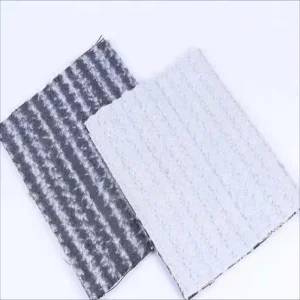
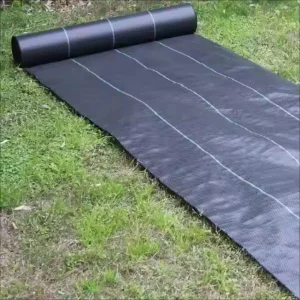
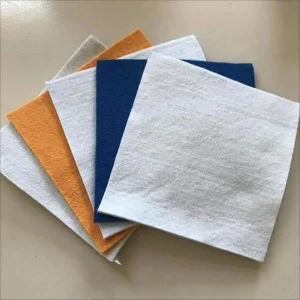
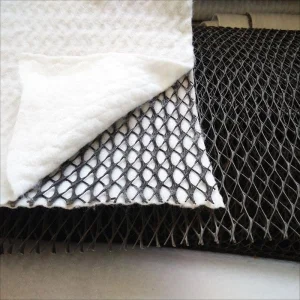
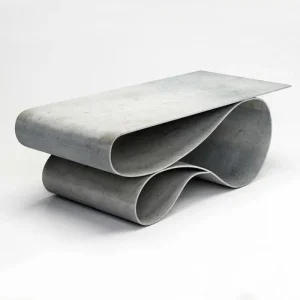
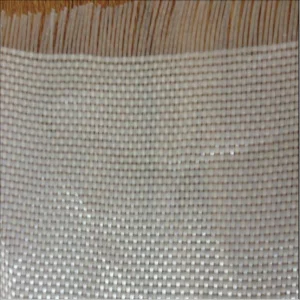
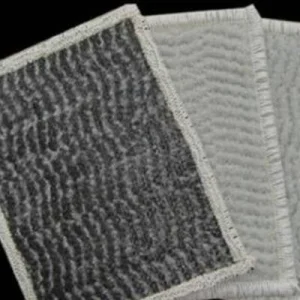
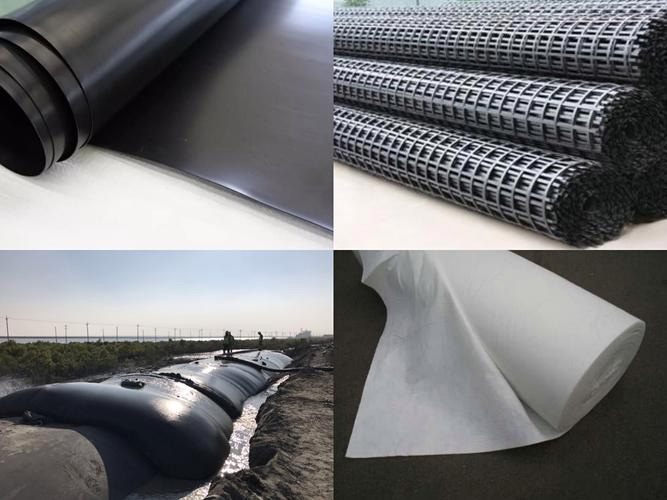
The manufacturing capabilities span across extensive product lines including smooth and textured HDPE geomembranes, non-woven polypropylene geotextiles, high-tenacity filament woven fabrics, composite drainage networks, bentonite geosynthetic clay liners (GCL), 3D geocells, concrete canvas (cement blankets), and specialty blind ditches designed for complex geotechnical stabilization.
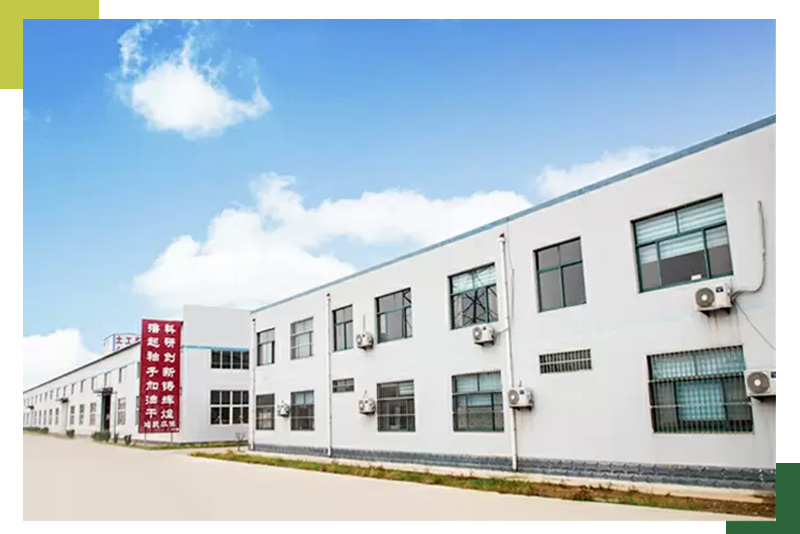
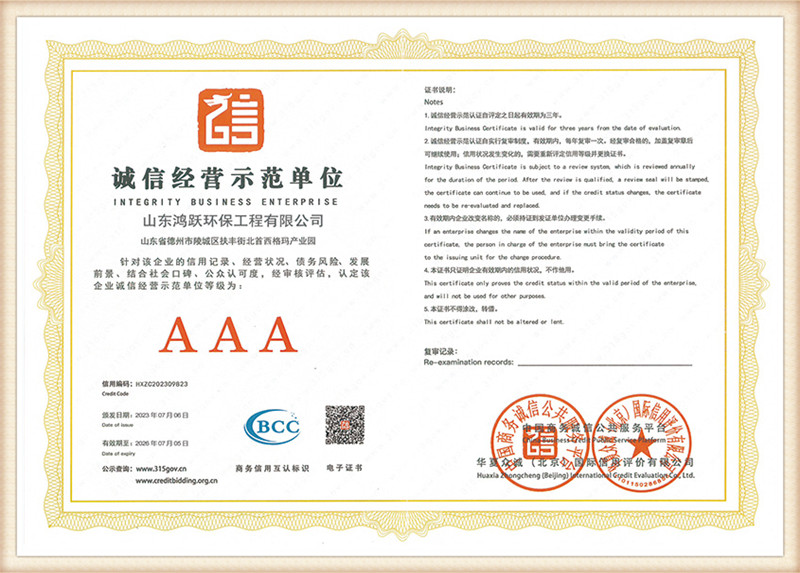
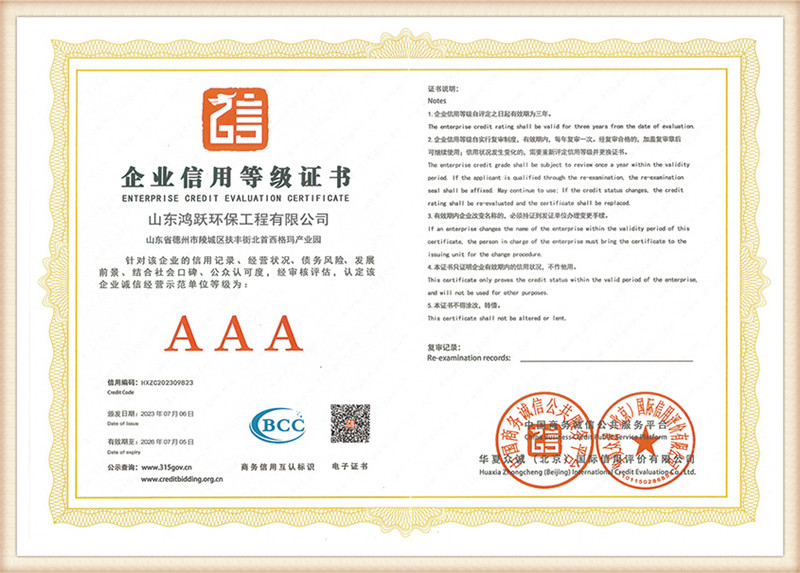
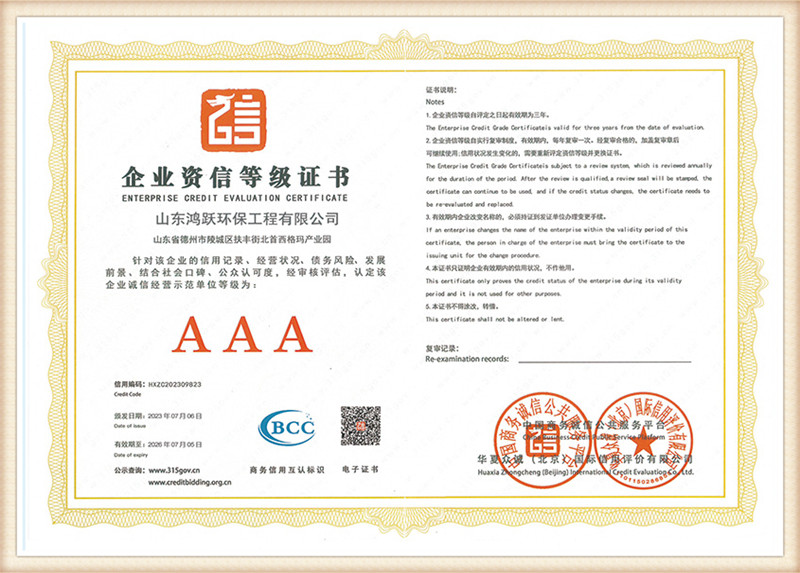
Empowering civil infrastructure, mining, ecological restoration, and hydraulic engineering nationwide and abroad.
The global demand for premium HDPE liners is fueled by stringent environmental protection legislation, escalating industrial waste management compliance, and expansive water resource conservation initiatives. Engineered from high-density virgin polyethylene resin combined with precise concentrations of carbon black, antioxidants, and thermal stabilizers, HDPE membranes offer unsurpassed longevity (exceeding 100 years under submerged, unexposed conditions).
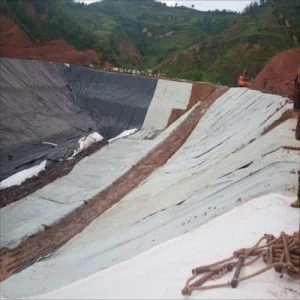
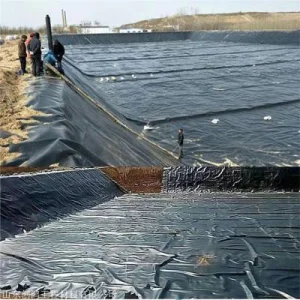
Water loss through seepage in agricultural canals, dams, and municipal reservoirs accounts for up to 40% of diverted water globally. Shandong Hongyue’s custom reservoir dam geomembranes form a continuous, impermeable seal over complex geological substrata, suppressing subgrade erosion and maintaining hydraulic integrity.
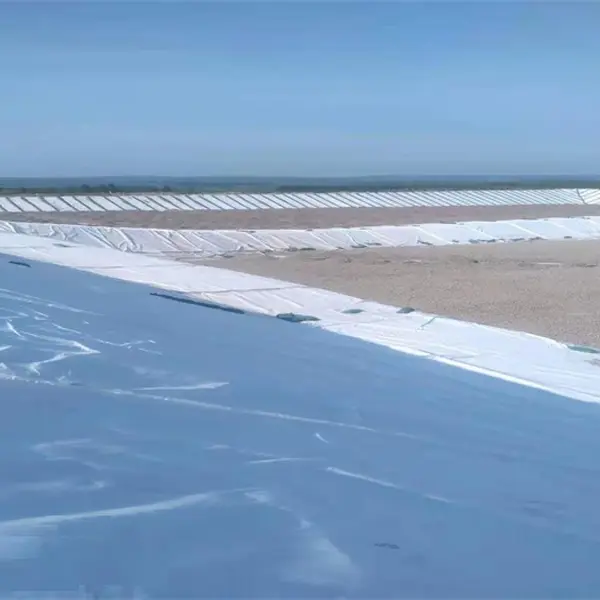
Municipal Solid Waste (MSW) landfills and hazardous waste facilities require multi-layered liner systems (including primary HDPE liners, GCL, and 3D drainage nets) to mitigate leachate runoff. Hongyue’s smooth and textured geomembranes resist aggressive chemicals, organic solvents, and heavy metals without mechanical degradation.
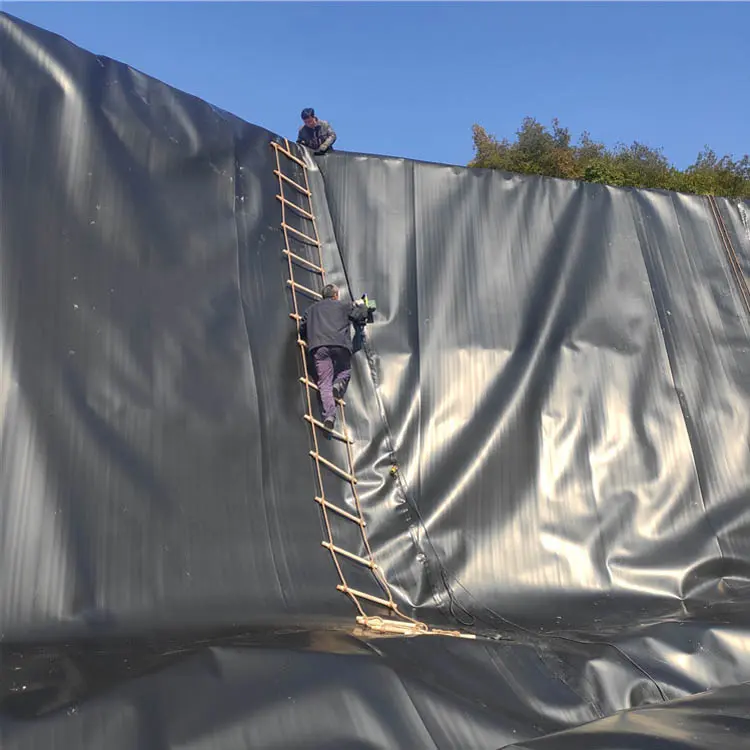
In heap leach mining operations (gold, copper, uranium) and petrochemical tank farms, lining systems face hyper-corrosive chemical solutions and heavy static loading. High-tensile HDPE sheets withstand stress cracking while guaranteeing zero percolation into underlying groundwater tables.
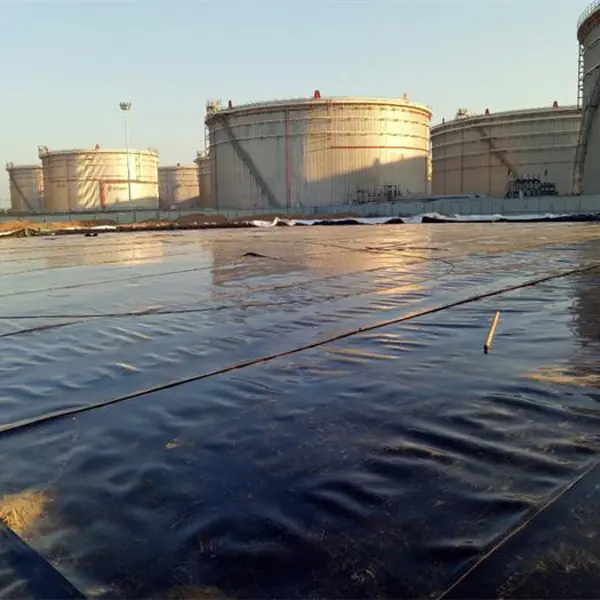
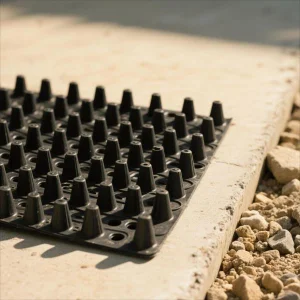
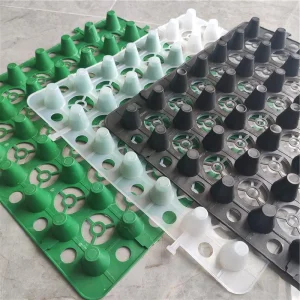
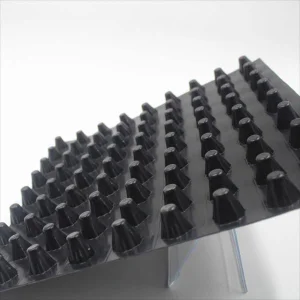
In modern industrial aquaculture, anti-seepage fish pond membranes prevent water percolation, balance water chemistry, and stop pathogen transmission from soil. Concurrently, for commercial high-rises and underground parking garages, composite storage and drainage boards prevent root penetration, alleviate hydrostatic pressure, and retain storm water for green roof landscapes.
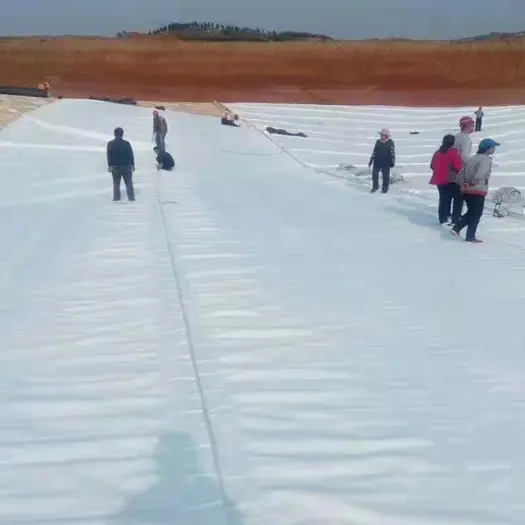
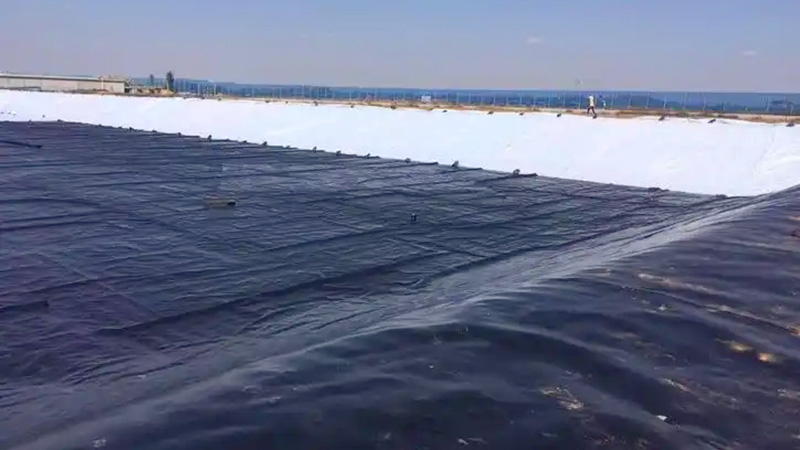
From raw resin evaluation to draft curing and GRI-GM13 standard verification.
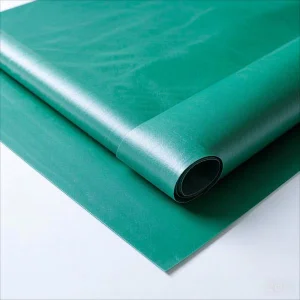
The structural integrity of a geomembrane relies fundamentally upon polymer purity and processing precision. At Shandong Hongyue, automated blow-molding and flat-die co-extrusion technology guarantee uniform gauge thickness, elimination of pinholes, and optimal molecular orientation.
Utilizing high-molecular-weight virgin HDPE resin (minimum 97.5% polymer formulation), blended with premium carbon black (2.0-3.0%) and hindered amine light stabilizers (HALS). Raw materials undergo Melt Flow Index (MFI) and density verification.
Under computer-controlled multizone thermal extruders, the polymer melt is homogenized at high pressure. Die head adjustments ensure strict adherence to target nominal thickness (0.3mm to 2.0mm+), minimizing standard deviation.
For slope stabilization applications, co-extruded textured geomembranes are processed via nitrogen gas injection or mechanical impingement, yielding high friction coefficients for secure soil-liner interaction.
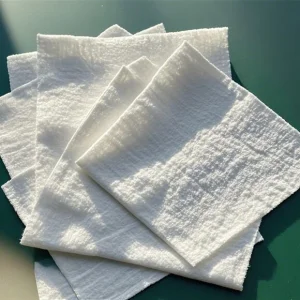
Non-woven long-filament polyester geotextiles undergo needle-punching, draft orientation, and thermal bonding to form needle-punched composite geomembranes offering filtration, separation, and barrier functions in a single roll.
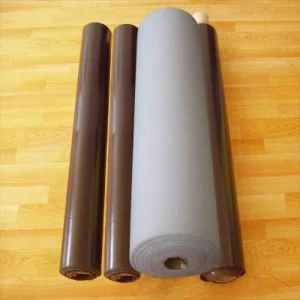
Automated tension-controlled winders package geomembrane rolls up to 8 meters in width (reducing field welding requirements). Dimensional measurements (width, length, surface smoothness) are logged electronically.
Finished batches undergo rigorous quality control: Tensile Yield & Break Strength (ASTM D6693), Tear Resistance (ASTM D1004), Puncture Resistance (ASTM D4833), and Carbon Black Dispersion (ASTM D5596).
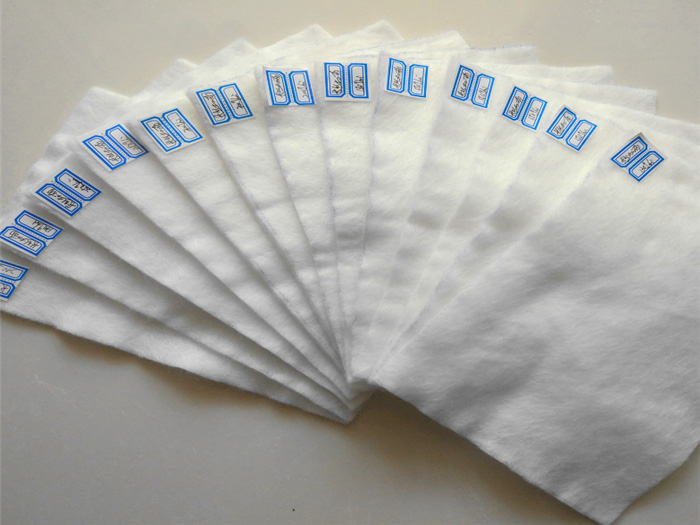
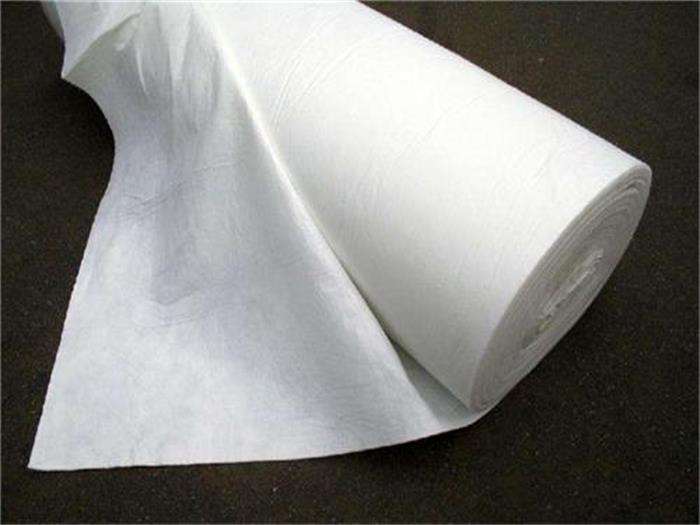
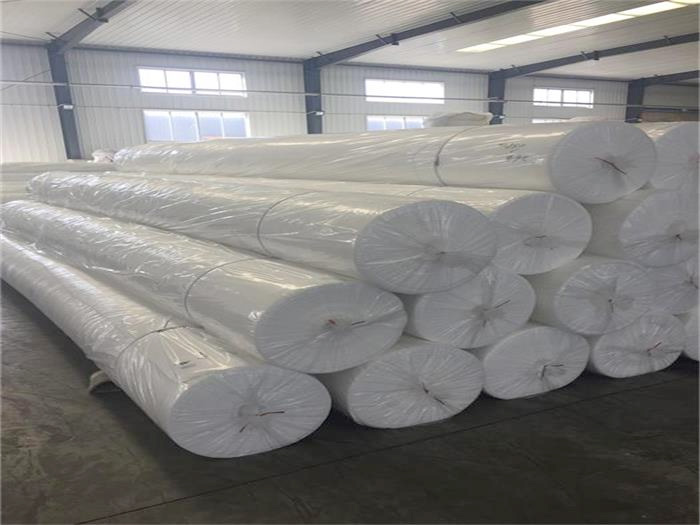
Construction Quality Assurance (CQA) methodologies to prevent containment breaches.
The receiving ground surface must be compacted to a minimum 95% Modified Proctor density, free of sharp stones, roots, or standing water. Geotextile cushions (non-woven needle-punched) are deployed over rough subgrades prior to liner layout. Anchor trenches at top-of-slope must be excavated per hydraulic design calculations to prevent liner pull-out under fluid loads.
Longitudinal and transverse panel seams are joined primarily via automated dual-track hot wedge welding equipment. The machine melts adjacent sheet surfaces, applying targeted pressure rollers to create a continuous thermal bond with an integrated central air channel for non-destructive pressure testing.
Around pipe penetrations, sumps, appurtenances, and repair patches, hand-held extrusion welders deploy molten molten HDPE bead filler matching the parent resin chemistry. Surface oxidation must be removed via light grinding immediately prior to extrusion bead placement.
All field seams undergo rigorous CQA verification: Air Pressure Testing on double-wedge welds (pressurizing the central cavity to 250 kPa for 5 minutes without pressure loss) and Vacuum Box Testing (using soapy solution under negative pressure) for single-track extrusion welds.
Localization support across 40+ logistics hubs and next-generation smart geosynthetics.
Navigating global regulatory landscapes requires adherence to region-specific civil codes. Shandong Hongyue products carry international certifications, complying with US EPA requirements, European CE marking (EN 13242, EN 13492), and South American infrastructure guidelines.
By establishing dedicated technical liaison offices in major urban logistics nodes (including Beijing, Shanghai, and overseas distribution hubs), Hongyue offers 24-hour engineering consultation, seamless customs documentation, emergency site-delivery logistics, and on-site welding equipment rentals.
Looking forward, geosynthetic engineering is undergoing a digital revolution. Shandong Hongyue's R&D division is driving innovation in three key technological vectors:
Expert solutions to common queries regarding HDPE geomembrane selection, installation, and compliance.
Explore our CE-certified geomembranes, drainage boards, bentonite blankets, and specialized geotextiles.
 Hongyue