Highly engineered geosynthetic solutions sourced directly from our advanced production lines. Global compliance, precision manufacturing, and proven field durability.
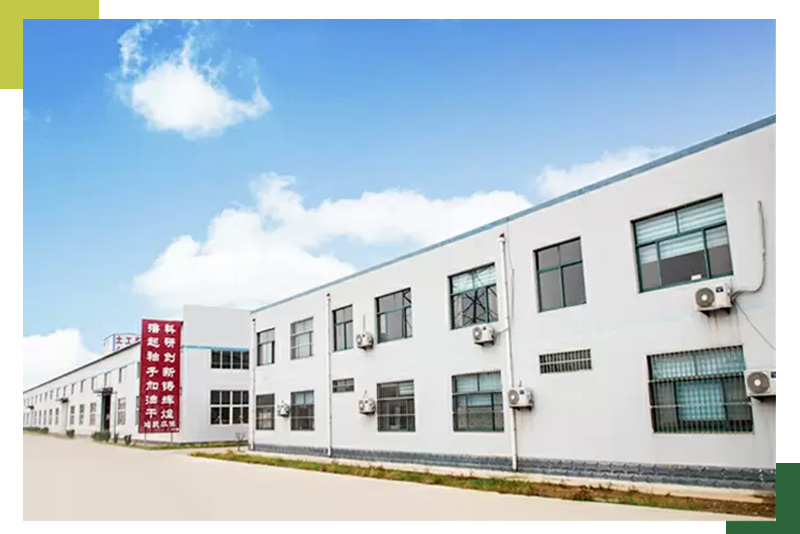
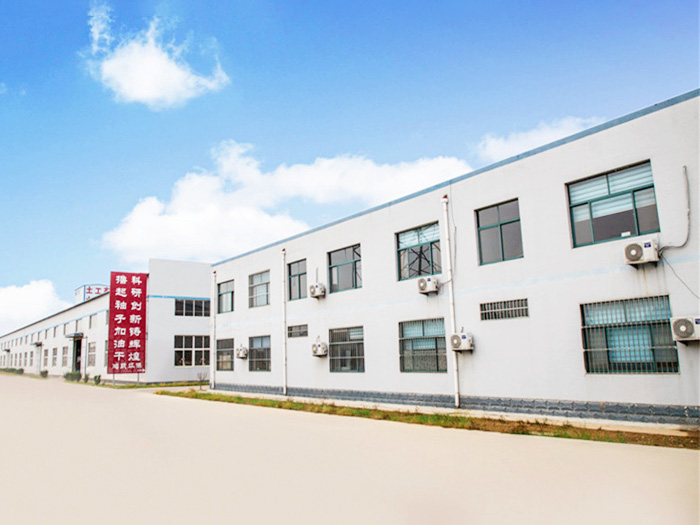
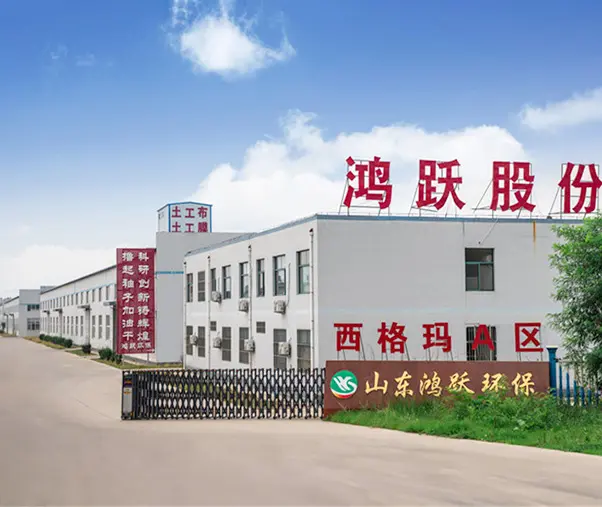
Established on April 6, 2023, with a robust registered capital of 105 million yuan, Shandong Hongyue Environmental Engineering Co., Ltd. (located at the north end of Fufeng Street, Lingcheng District, Dezhou, Shandong Province) stands as one of the largest and most advanced production bases for geotextiles and environmental barrier systems in China. Centered inside China's premier geotechnical industrial cluster, we seamlessly integrate R&D, structural design, ISO-compliant manufacturing, and international export logistics.
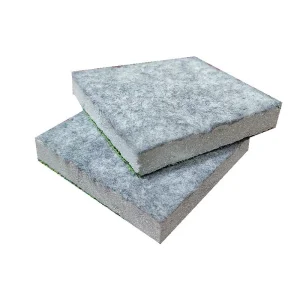
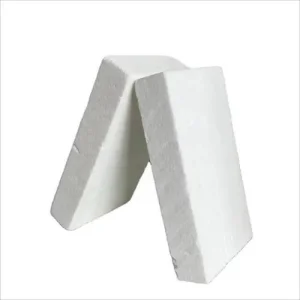
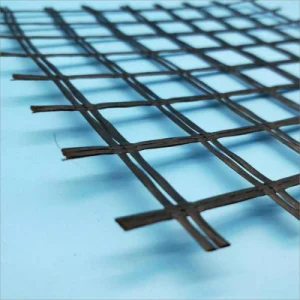
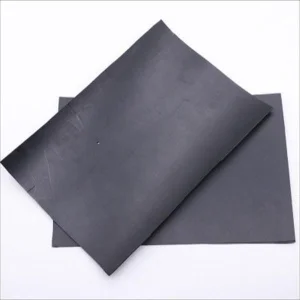
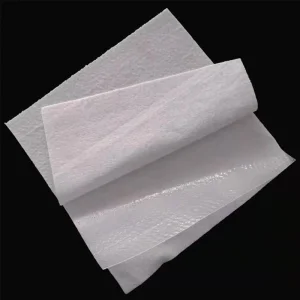
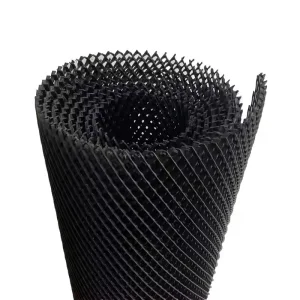
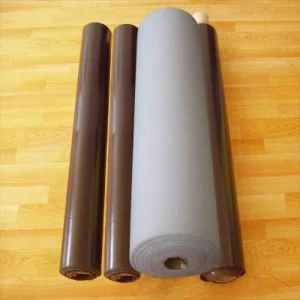
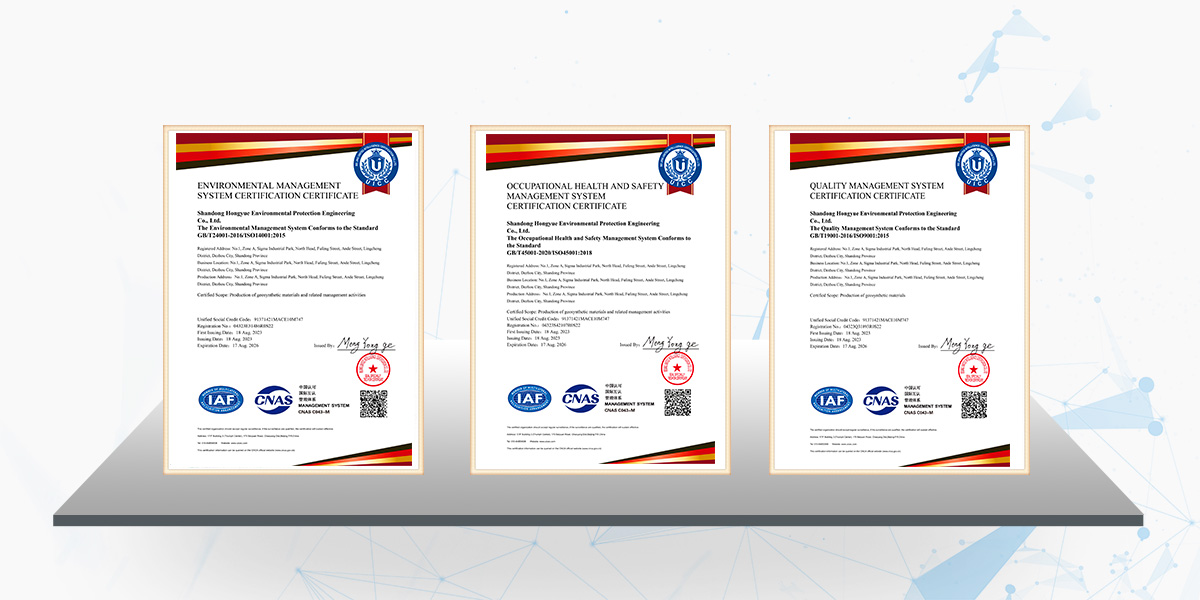
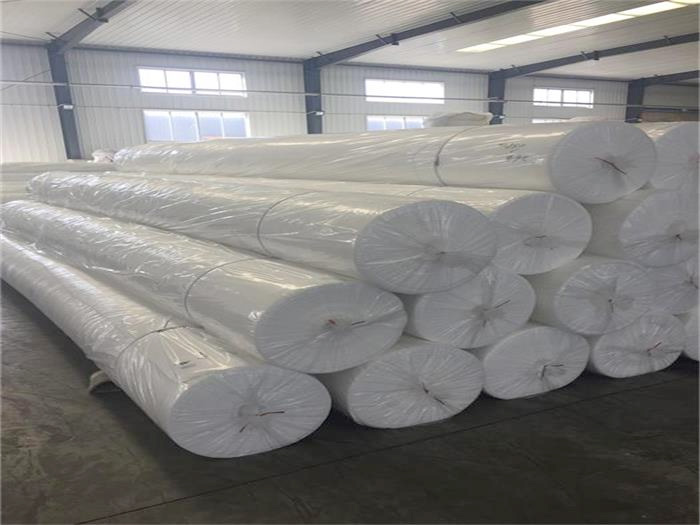
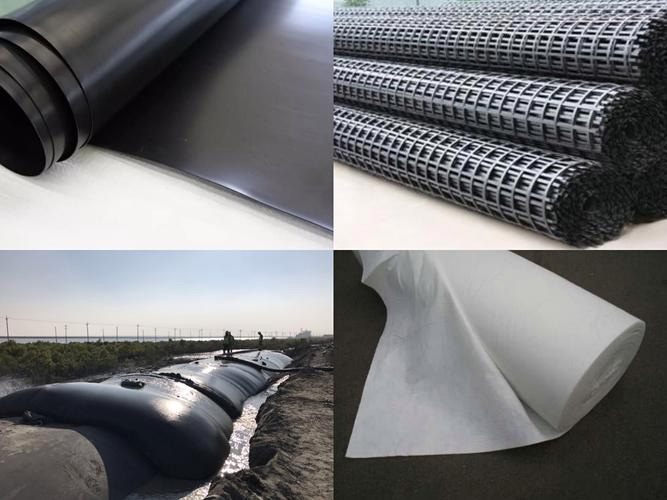
Our expansive product portfolio serves critical infrastructure domains worldwide, encompassing high-density needle-punched Geosynthetic Clay Liners (GCLs), custom geomembranes, advanced non-woven and woven geotextiles, composite drainage net systems, concrete cement blankets, and polymer geogrids. Engineered for extreme stress environments, our products are certified through stringent international frameworks including ISO9001 Quality Management, ISO14001 Environmental Protection, and ISO45001 Occupational Health and Safety systems.
An in-depth exploration of the mechanical evolution, chemical structure, and next-generation barrier performance of Geosynthetic Clay Liners (GCLs).
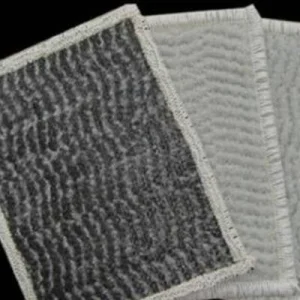
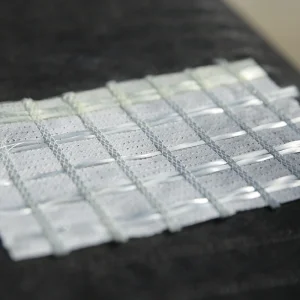
Sodium bentonite waterproof blankets, internationally designated as Geosynthetic Clay Liners (GCLs), represent a pinnacle of hydraulic containment engineering. They consist of a uniform layer of highly expansive natural sodium bentonite clay particles, mechanically encapsulated between a carrier geotextile (woven) and a cover geotextile (non-woven). Through an intensive needle-punching process, thousands of high-strength fibers are pulled through the bentonite layer, anchoring the structural fabric sheets. This mechanism locks the clay in place under pre-determined confinement pressure, ensuring consistent barrier behavior during hydration.
The core active mineral is natural sodium bentonite, dominated by montmorillonite. Upon contact with water, the interlayer spacing expands as sodium ions hydrate, swelling up to 15-20 times its original dry volume. This immense volumetric expansion creates a highly dense, gelatinous crystalline matrix, exhibiting a hydraulic conductivity as low as ≤ 1 x 10-11 m/s. If the blanket suffers micro-punctures or structural shifts during installation, the swelling bentonite lateral expansion automatically fills the voids, ensuring continuous self-sealing capability.
Standard clay sheets are prone to internal shear failure on steep slopes. Our advanced GCL production utilizes specialized computerized high-density needle-punching loops. This cross-links the upper cover non-woven fibers to the lower woven backing structure, forming a high-strength matrix. It significantly enhances internal shear strength and prevents bentonite shifting on slopes up to 3H:1V. In extreme environments, we offer thermal lock technology to fuse the needle-punched fibers to the backing, securing the clay layer.
The next phase of geosynthetic development integrates sensing systems with structural clay matrix layers. Our R&D team is currently prototyping electro-conductive and optical sensor backings embedded directly within the woven geotextile carrier. This breakthrough will allow operators to locate sub-millimeter punctures and monitor hydration states in real-time, preventing subsurface aquifer contamination in critical landfills and chemical storage areas.
Deploying tailored containment architectures across ecological protection, mineral recovery, public utilities, and civil engineering projects.
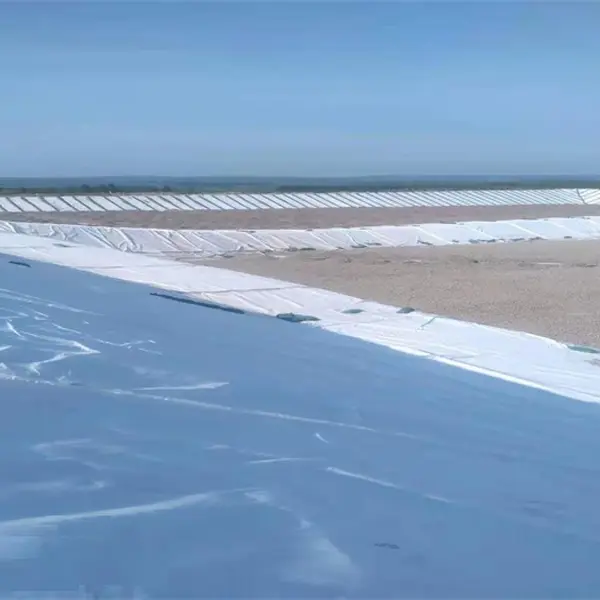
In modern landfill containment configurations, environmental safety depends on lining systems. GCLs serve as the primary containment layer when paired with HDPE geomembranes in composite lining systems. In municipal solid waste (MSW) structures, GCLs function as a redundant shield, swelling to seal any punctures that might arise in the primary geomembrane from stress concentrations. In hazardous waste repositories, our custom chemical-resistant bentonite formulations resist heavy metal chemical erosion, ensuring long-term containment integrity.
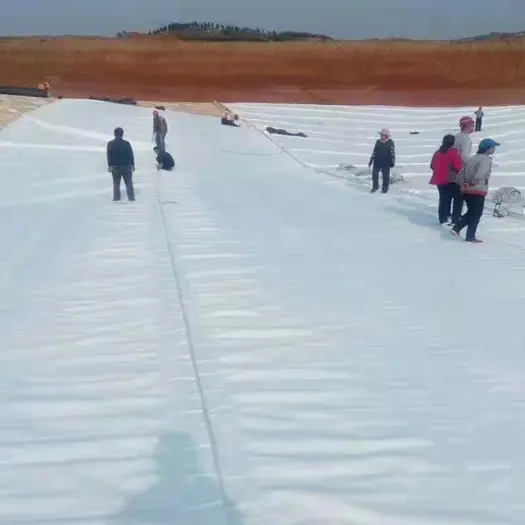
Water scarcity and conveyance efficiency demand low leakage in canals and reservoirs. Unlike traditional poured concrete or compacted clay linings, custom GCL systems install quickly, tolerate ground subsidence, and resist thermal cracking. The flexible properties of our needle-punched blankets conform smoothly to irregular excavations and high-velocity channels. Once hydrated, the GCL maintains a stable barrier that limits seepage losses, protecting agricultural canals and municipal water supplies.
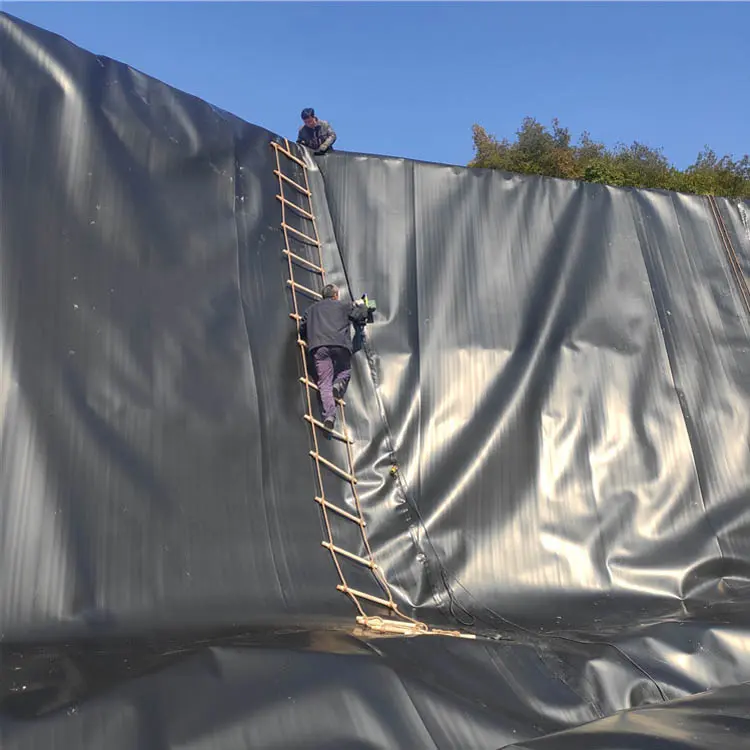
Mining operations require robust containment solutions to manage leachate chemicals like cyanide and acid rock drainage. GCL barriers must endure physical stresses, high point loads from rock deposits, and corrosive chemical flows. By incorporating tailored polymer modifications, our bentonite blankets resist pore-fluid contamination, maintaining low permeability under high pressure. These systems are used in pregnant leach solution ponds, tailings lagoons, and site closures, protecting local groundwater basins.
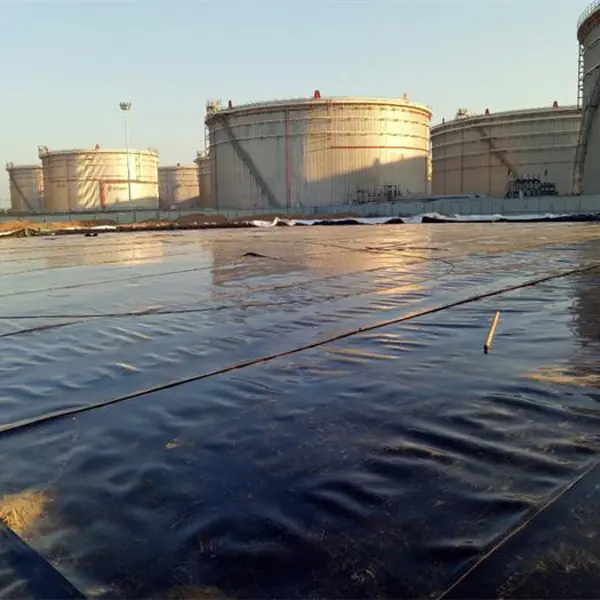
Refineries and oil storage depots require dependable containment barriers to prevent soil contamination. Secondary containment structures, including tank farm bases and transfer stations, must resist chemical fuels and hydrocarbons. Our composite GCL systems include a thin, integrated geomembrane film layer. This barrier repels volatile liquids and chemicals, allowing operators to detect leaks and remediate them before soil penetration occurs.
Strategic logistics, raw material proximity, and advanced quality monitoring in our Dezhou manufacturing hub.
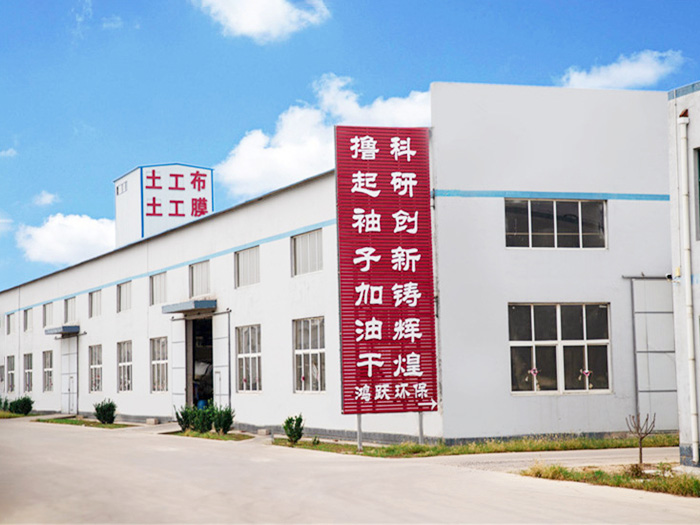
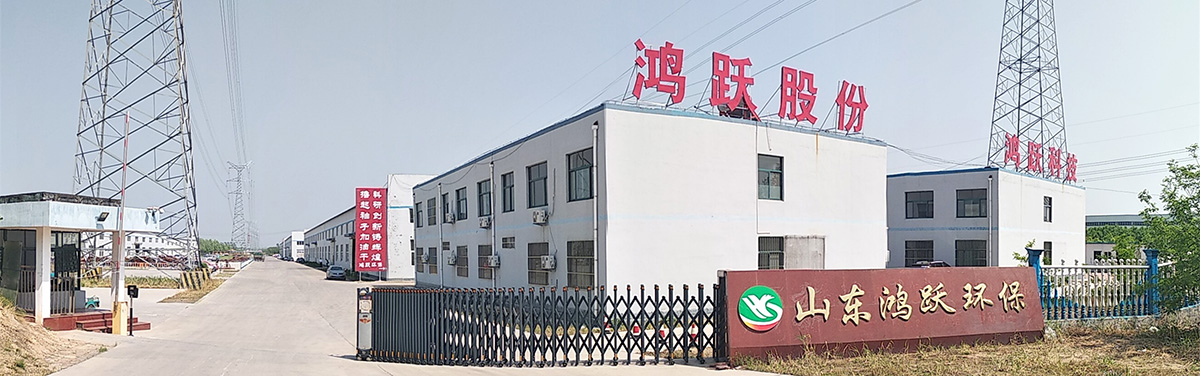
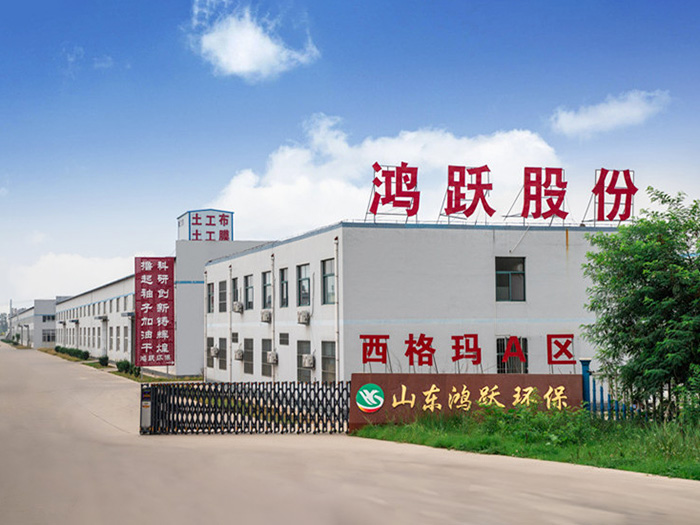
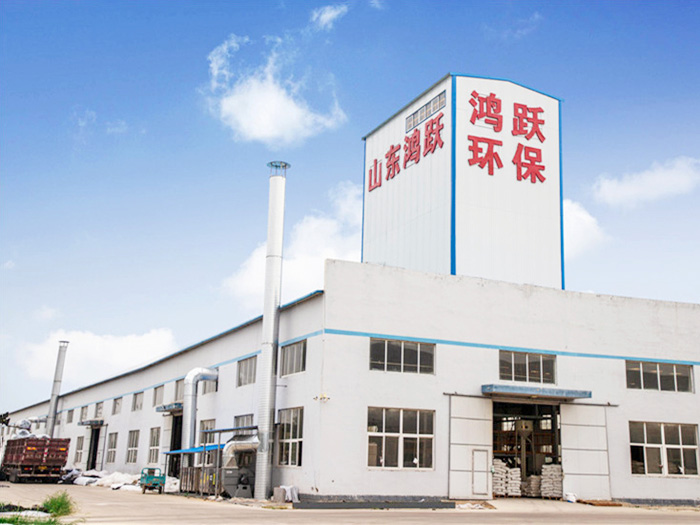
Operating a high-capacity geotechnical production facility in Dezhou, Shandong Province, provides significant structural advantages. Shandong Hongyue Environmental Engineering Co., Ltd. uses a manufacturing model that integrates raw material selection, production control, and global logistics. This integration ensures competitive pricing and reliable supply chains for clients worldwide.
Our raw material sourcing is directly integrated with premium bentonite deposits in northern China. By maintaining strict supply control, we secure sodium bentonite clay that exhibits high montmorillonite content (>85%) and swelling values exceeding 24 ml/2g. This selection process yields consistent hydraulic performance in our GCL barriers, preventing issues associated with inferior calcium-based or adulterated clays.
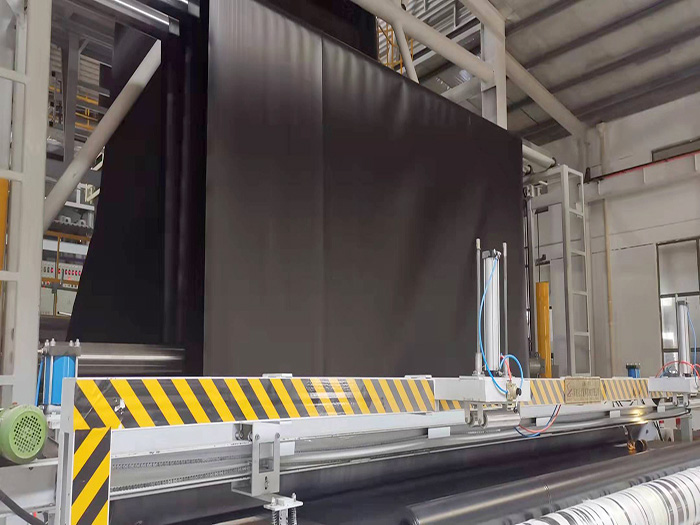
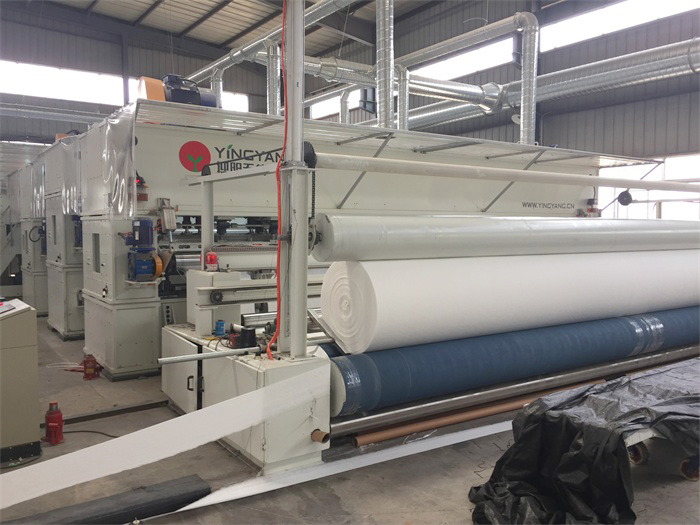
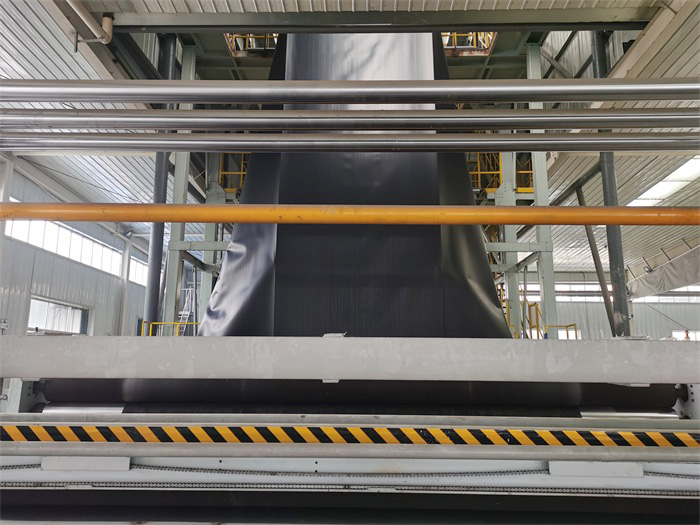
Our manufacturing facility runs automated, wide-width needle-punching production lines. Computerized tension sensors adjust fiber density in real-time, distributing the bentonite powder evenly at 4.5kg/m² to 6.0kg/m². This precision assembly prevents clay shifting during transit and installation, ensuring reliable hydraulic performance across the entire blanket roll.
Located in the Lingcheng District of Dezhou, Shandong, our facility benefits from excellent transport infrastructure. Close proximity to Qingdao and Tianjin ports allows for rapid container loading and ocean freight dispatch. Our domestic logistics partners ensure reliable delivery to major shipping hubs, keeping large-scale infrastructure projects on schedule.
A compliance roadmap for sourcing engineers: Understanding standard testing, mechanical parameters, and custom dimension limits.
Procuring geosynthetics for major infrastructure projects requires careful evaluation of technical standards and manufacturing compliance. Standard specs sheets must align with localized design requirements. The table below outlines key engineering performance indicators for high-performance GCL procurement:
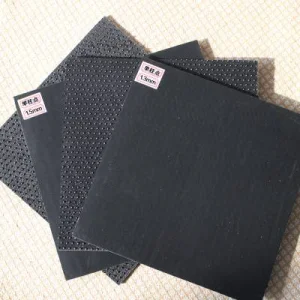
Our facility offers extensive customization for GCL assemblies. We produce rolls in widths up to 6.0 meters, reducing overlap waste and installation time compared to standard widths. We also offer composite GCL variants featuring heat-laminated PE/PP geomembrane backings (ranging from 0.2mm to 1.0mm). These composite barriers provide dual-containment protection, combining the self-healing swelling of bentonite with the chemical resistance of polymer sheeting.
Exposing the testing protocols and management certifications that validate Hongyue products.
Quality control at Shandong Hongyue is integrated throughout the production cycle. Our facility operates in compliance with ISO9001:2015, ISO14001:2015, and ISO45001:2018 standards. Raw bentonite shipments are inspected and tested in our laboratory prior to unloading, checking for moisture content, fluid loss, and swell index.
During needle-punching, our quality control team takes core samples from finished rolls to measure clay distribution weight, grab tensile strength, and peel resistance. Testing is conducted in accordance with ASTM and EN standards, and products are certified by recognized independent testing centers. These measures ensure our materials consistently meet design specifications for critical infrastructure applications worldwide.
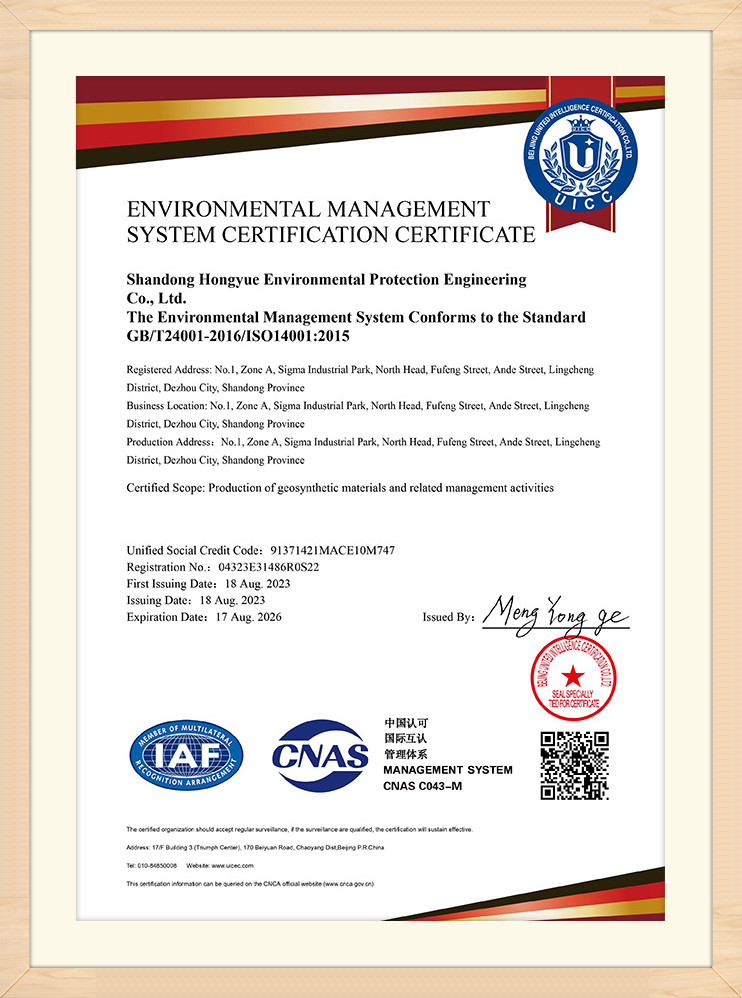
Our production processes are systematically organized to ensure product consistency and traceable quality. Below is the step-by-step manufacturing workflow for our geotextiles and GCL components:
High-purity polymer chips (PET/PP) are melted and extruded through spinnerets to form high-strength filaments. These filaments are laid into uniform fiber webs, establishing the physical foundation for the carrier geotextiles.
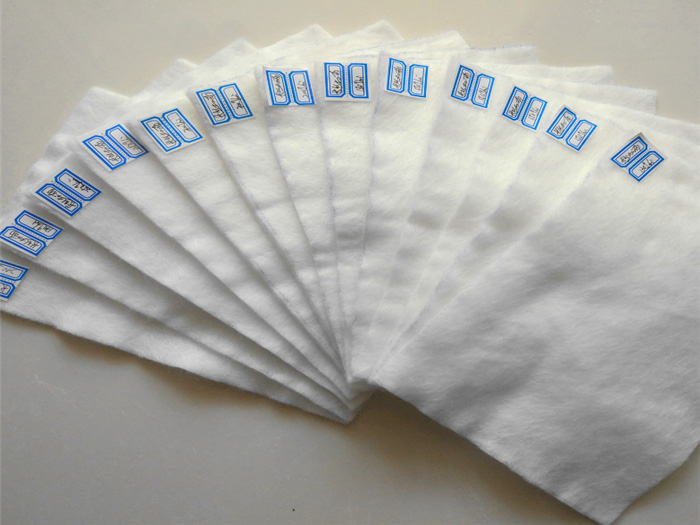
The fiber webs pass through high-speed needle boards. Thousands of barbed needles mechanically interlock the filaments, producing non-woven geotextiles with high mechanical strength and water permeability.
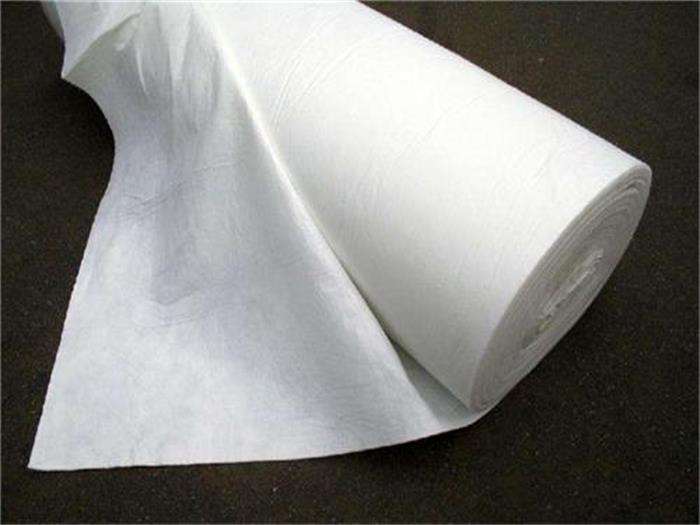
The fabrics undergo thermal treatment to stabilize dimensions and mechanical properties. In-line laser sensors inspect roll thickness and surface uniformity prior to final rolling and packaging.
Investigating the installation, mechanical anchoring, and performance stability of containment barriers in water infrastructure.
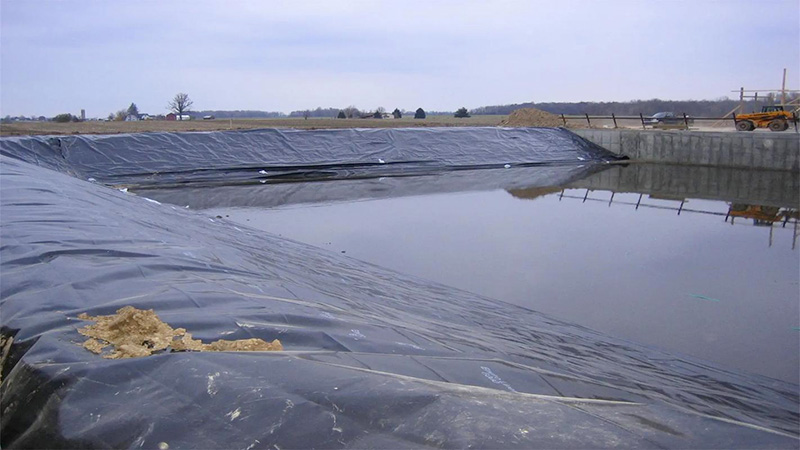
The successful performance of GCL and geomembrane barriers in hydraulic applications depends on correct installation techniques and appropriate material selection. High-pressure hydraulic conditions require barriers that can withstand shear stresses and conform to subgrade movements without tearing.
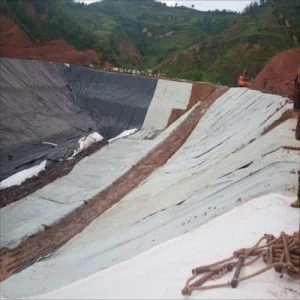
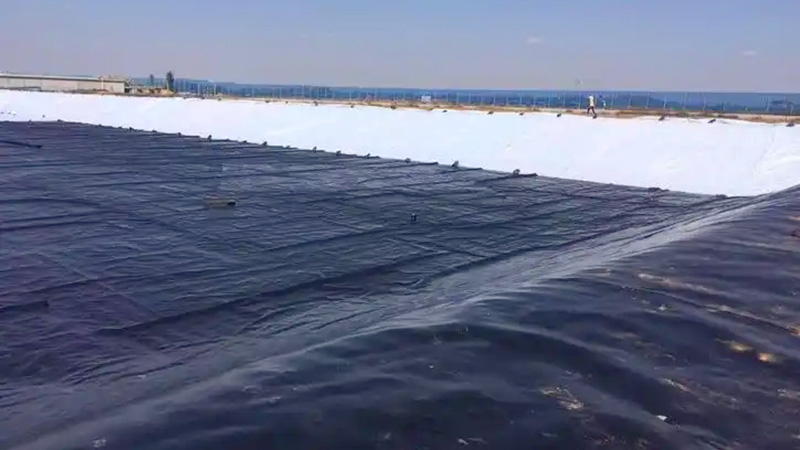
During reservoir installation, subgrade surfaces must be thoroughly compacted and cleared of sharp debris to prevent localized puncturing of the clay liner. Joining adjacent GCL sheets requires overlapping the edges by 150mm to 300mm and applying dry sodium bentonite powder between the sheets to create a continuous hydraulic seal. Our engineering team provides detailed design support and installation guidelines, helping clients optimize barrier performance for challenging hydraulic projects.
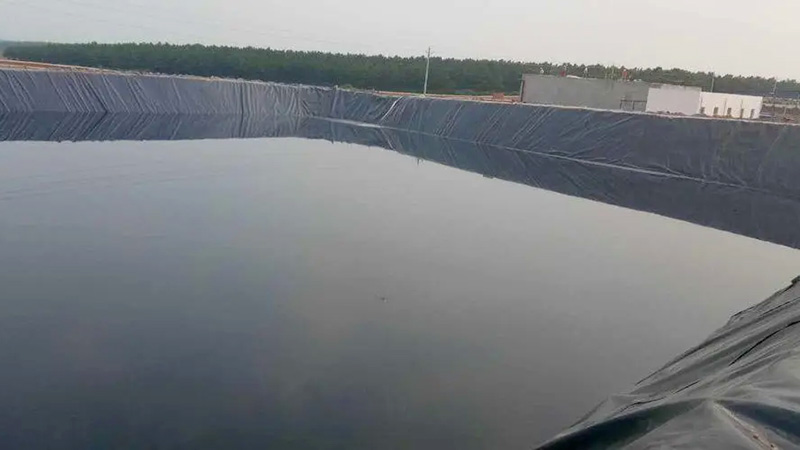
In high-capacity drainage systems and municipal canal channels, containment linings must resist erosion from constant water flow. Combining needle-punched GCLs with protective concrete overlays prevents erosion while maintaining a low-permeability seal. The weight of the concrete layer provides the confinement pressure needed to optimize the swelling performance of the hydrated bentonite.
For canal structures, GCL rolls are deployed parallel to the direction of flow. In slope areas, the sheets are anchored in pre-excavated trenches at the top of the bank to prevent slippage. This configuration secures the lining against hydraulic forces and water velocity variations, ensuring long-term containment stability.
Effective quality control is critical during GCL installation. Field engineers conduct regular checks on overlap widths, clay distribution consistency, and moisture levels before backfilling. Because premature exposure to rainfall can cause GCL hydration before containment pressure is applied, installed sheets must be covered with soil or geomembrane layers during the same working day.
Shandong Hongyue provides comprehensive field installation manuals, offering details on joint preparation, patch repairs for damage, and anchor trench designs. This technical support helps project engineers achieve successful containment performance in diverse geographical regions.
Direct technical answers to common queries regarding design, performance, and installation of Geosynthetic Clay Liners (GCLs).
Browse our complete range of specialized civil engineering, drainage, and containment materials.
 Hongyue