Engineered to withstand extreme environmental parameters and secure structural integrities globally
Founded with a registered capital of 105 million yuan, Shandong Hongyue Environmental Engineering Co., Ltd. operates as a leading force at the north end of Fufeng Street, Lingcheng District, Dezhou, Shandong Province. We represent a vast technological base specializing in the R&D, manufacture, configuration design, and standard deployment of geosynthetics and environmental protection engineering systems.
Recognized as a leading enterprise by the Dezhou Geotextile Association, our solutions bridge heavy-duty engineering requirements with eco-conscious materials. Our expansive suite comprises state-of-the-art geotextiles, geomembranes, composite geogrids, bentonite waterproof blankets, three-dimensional drainage nets, and structural Slope Protection Cement Blankets.
Through modern infrastructure and integrated testing laboratories, our materials are routinely specified for key infrastructural initiatives across China, Europe, the Americas, and Australia.
Registered Capital (CNY)
Global Export Hubs
9001 / 14000 / 45001 Certs
Tested Compliance Rate
Why modern hydraulic projects are transitioning to flexible, pre-impregnated concrete mats (GCCMs)
Deploying concrete blankets requires no mixing equipment or heavy pouring trucks. Unroll, secure with anchors, and hydrate to form a resilient concrete defense line, boosting speed up to 10x over standard methods.
By consuming up to 90% less physical concrete volume compared to conventional cast-in-place strategies, cement blankets dramatically lower raw material transportation logistics and carbon emissions.
The highly flexible fabric matrix easily maps onto complex contours, irregular trench geometries, and natural curves. It eliminates structural cracking caused by differential settlement over time.
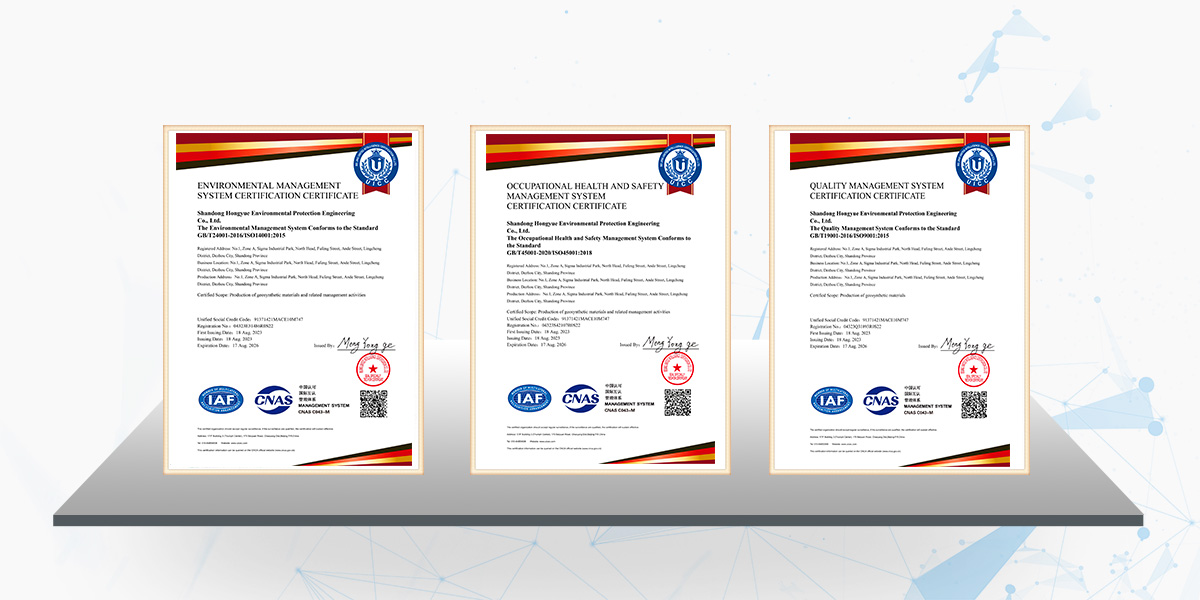
At Shandong Hongyue, every production batch is subject to meticulous quality control under a certified ISO 9001 management structure. The key materials exhibit high flexural strength, outstanding freeze-thaw durability, and chemical resistance.
Our facility houses advanced testing arrays to inspect material thickness, geotextile tensile strengths, and composite hydraulic properties, ensuring complete alignment with global engineering specifications.
Understanding the engineering rigorousness behind high-durability geosynthetic infrastructure
Meticulous sorting of high-grade polyester chips, polypropylene filaments, and customized fibers to guarantee thermal stability and tensile integrity.
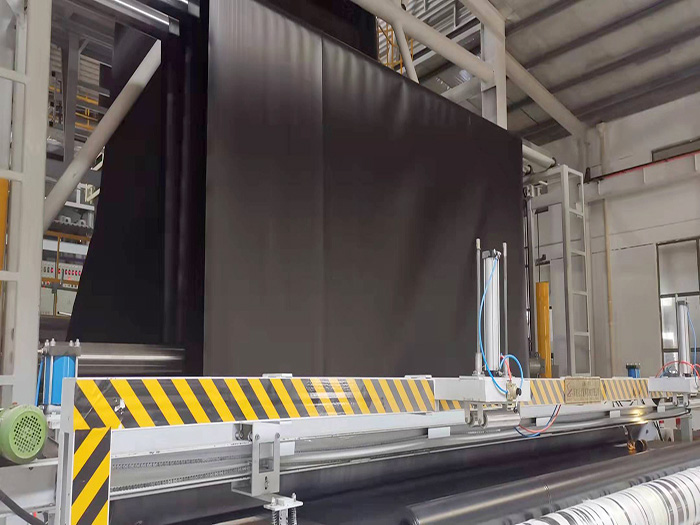
Fibers are extruded via high-temperature screw extruders, with parameters calibrated for optimal structural uniformity.
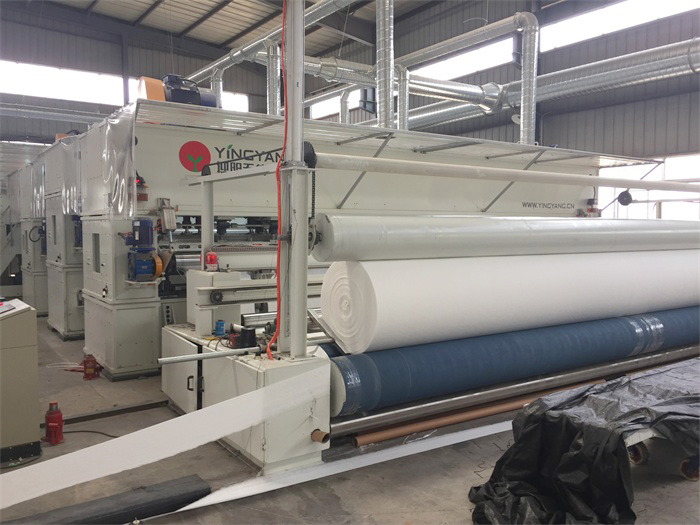
Strategic orientation of fibers on the conveyor bed to engineer high multi-directional mechanical properties.
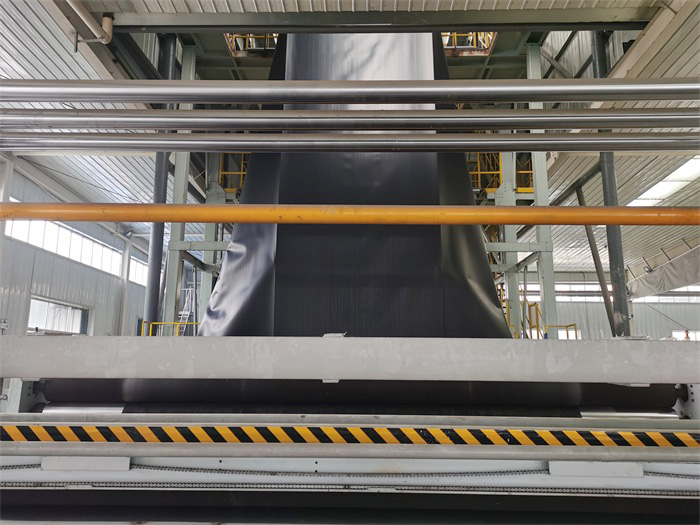
Precision thermal-mechanical drafting locks fiber geometry, optimizing the composite mat's overall puncture resistance.
Dynamic thickness testing, tensile testing, and hydraulic conductivity checks prior to final packaging and global dispatch.
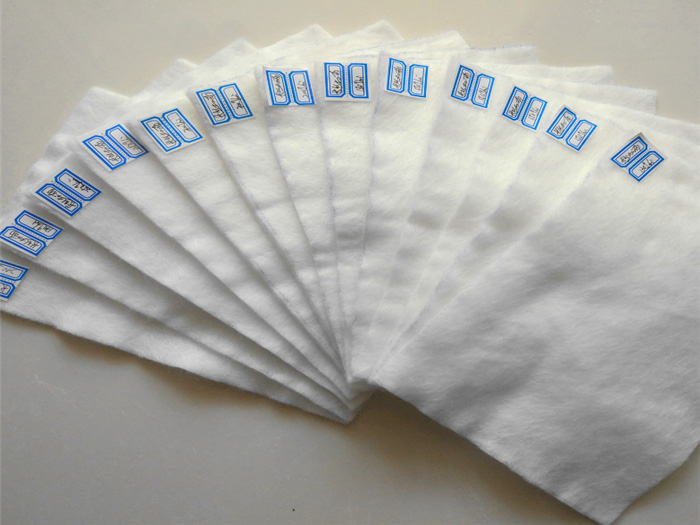
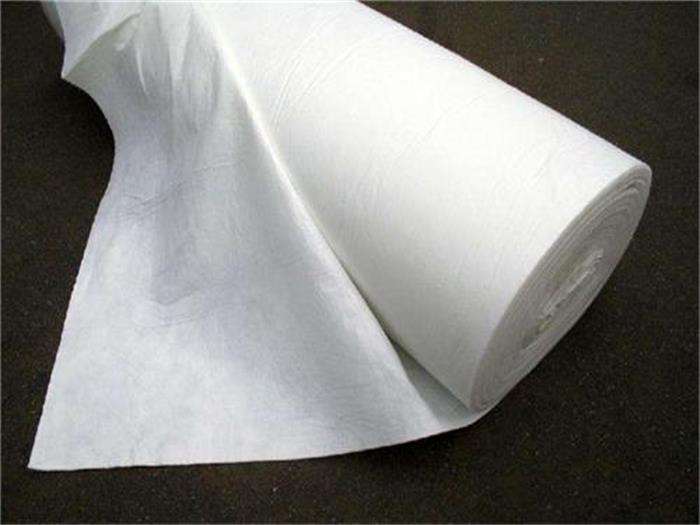
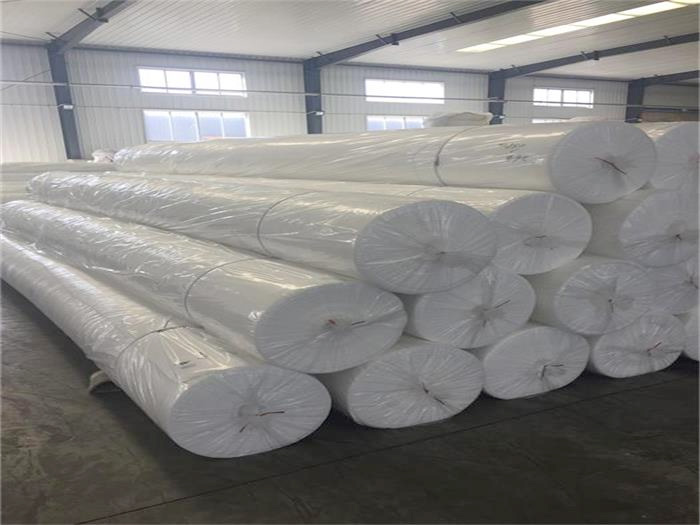
Comprehensive geosynthetic systems adapted for intense hydraulic, environmental, and geological stresses
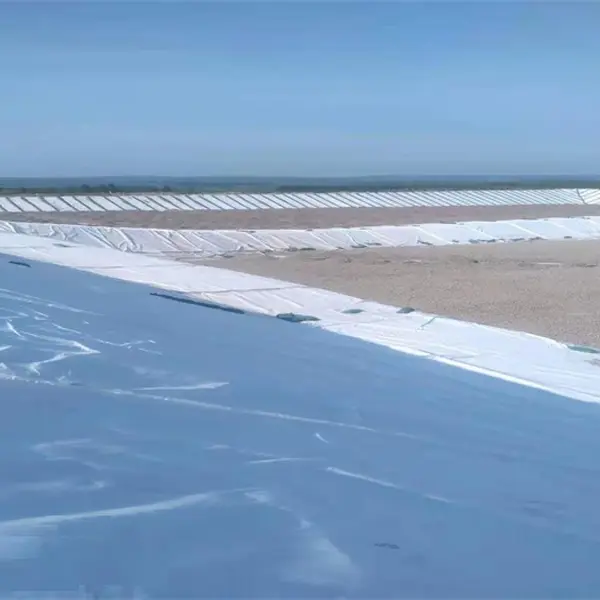
Preventing sub-grade erosion in massive water reservoirs, keeping soil bases stable while blocking water egress.
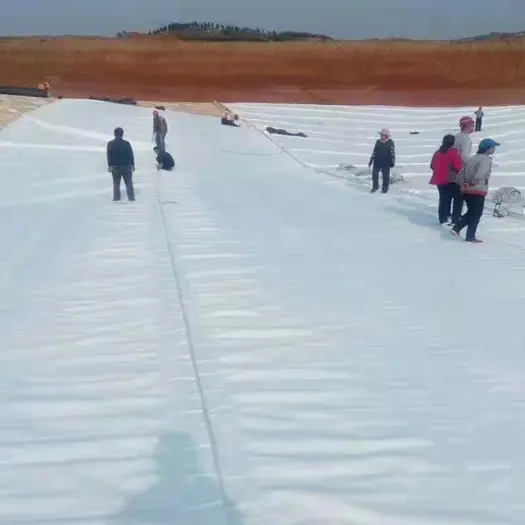
Lining high-velocity canals with concrete blankets to prevent scouring, scour-erosion, and excessive water loss.
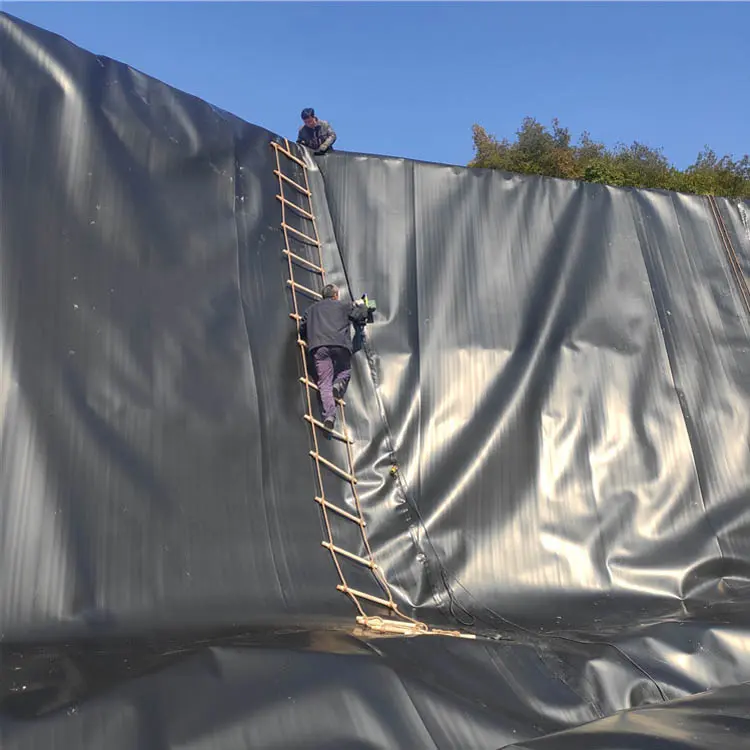
Reinforcing geomembrane layers with protective composites to ensure zero leachate migration to underlying aquifers.
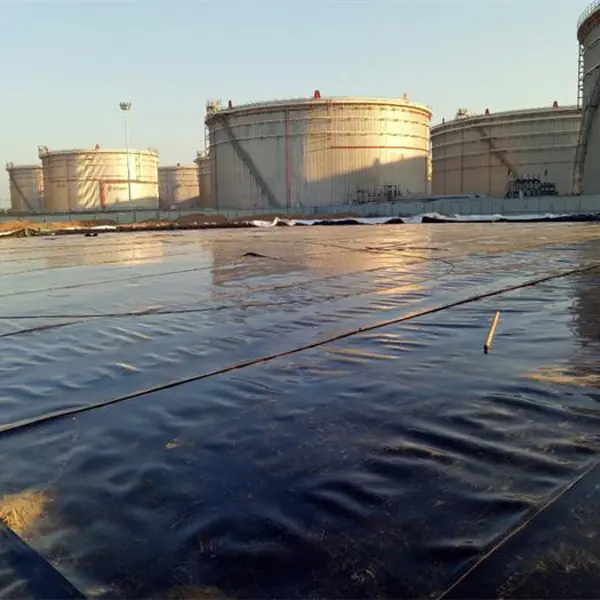
Deploying concrete blankets and geomembranes in industrial tank farms to form fire-resistant, liquid-impermeable safety bunds.
Standardized operational sequence for engineering teams to optimize material lifespan and performance
Begin by removing loose boulders, plant debris, and sharp contours. The surface must be graded to dynamic structural specs to prevent point-stress punctures.
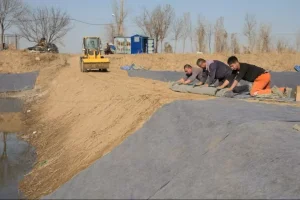
When laying down geomembranes or cement blankets, always deploy from top to bottom of the slope to ensure proper material tension. Lap the material in the direction of anticipated hydraulic flow to avoid seam lift.
For geomembranes, utilize dual-track hot-wedge welding to form hermetic joints. For cement blankets, joint sealing is achieved via physical mechanical fasteners (screws/ground anchors) combined with specialized adhesive sealant or thermal bonding prior to hydration.
Hydrate the cement blanket uniformly using standard pressurized water equipment. Avoid using high-velocity streams that might wash out dry concrete powder before curing. Allow the matrix to set; full physical structural strength is achieved within 24 hours.
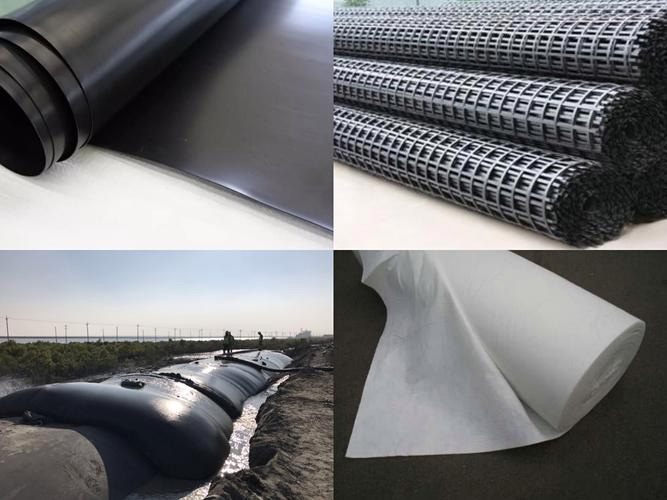
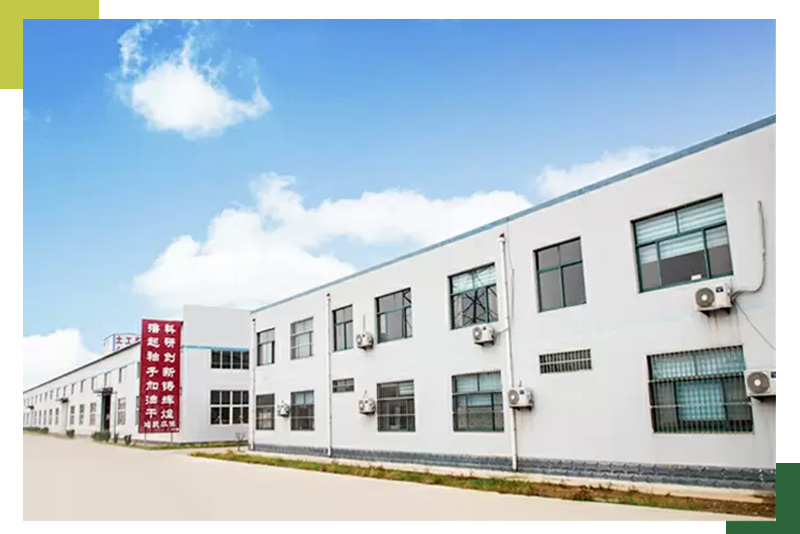
A glimpse inside our specialized manufacturing facilities, raw material hubs, and test labs
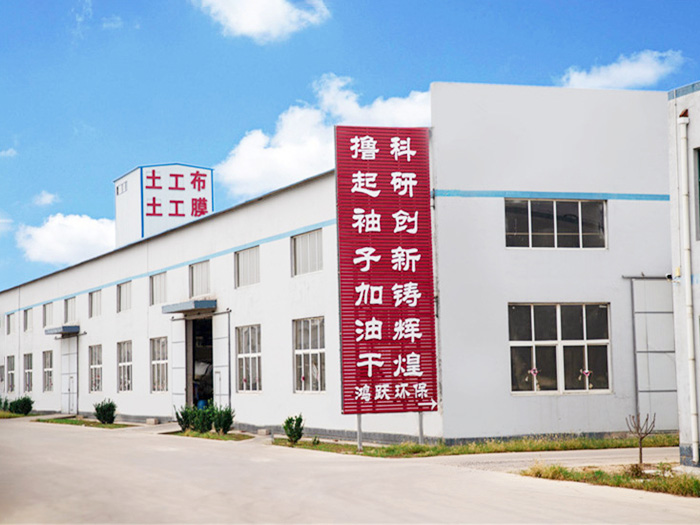
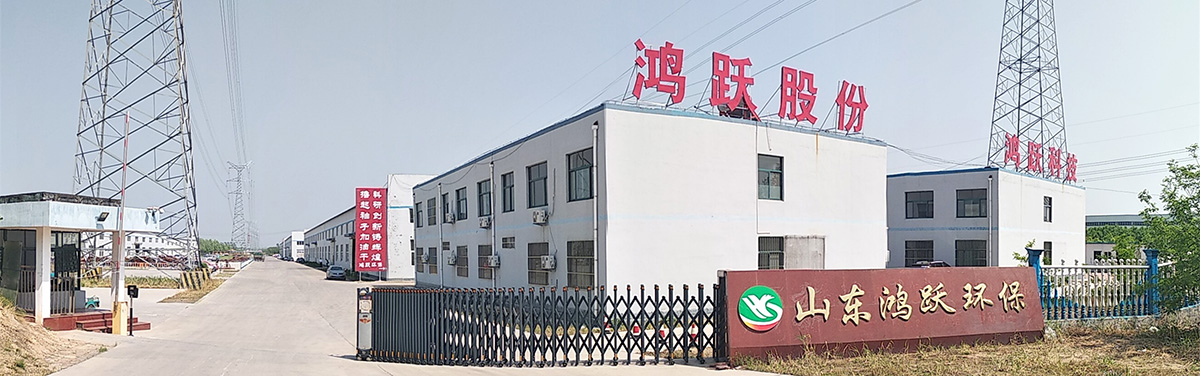
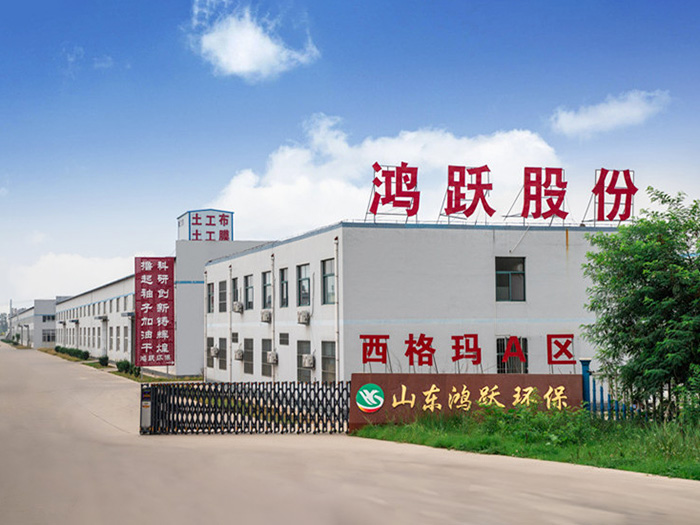
Delivering high-tech geosynthetics and custom concrete blanket composites to global markets
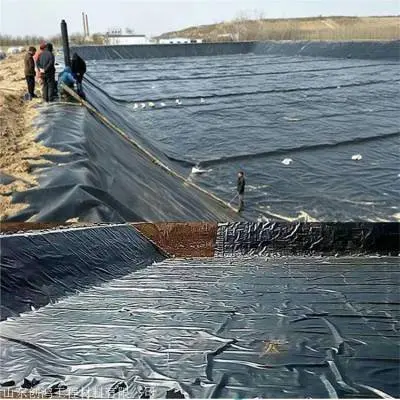
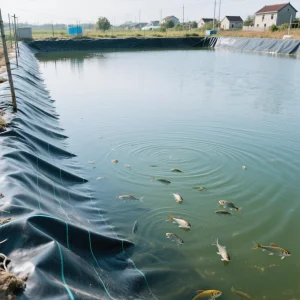
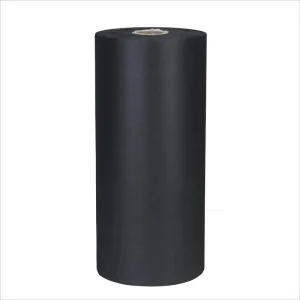
High-grade non-toxic HDPE membrane system engineered to sustain delicate aquaculture biomes.
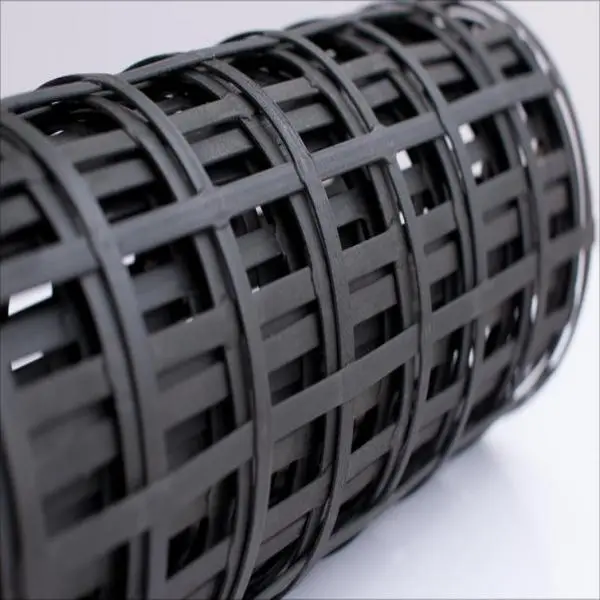
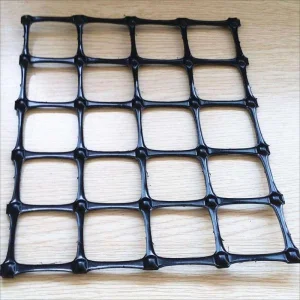
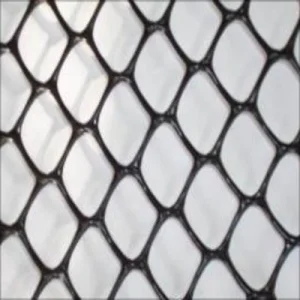
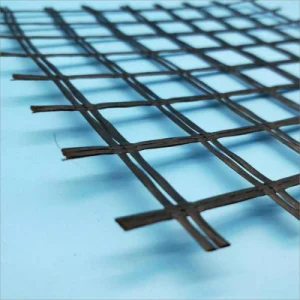
Heavy-duty structural reinforcement grids designed to anchor high-embankment soil masses.
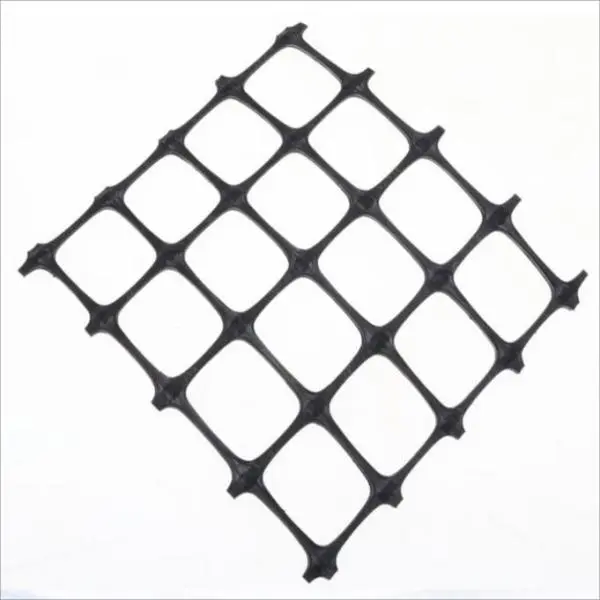
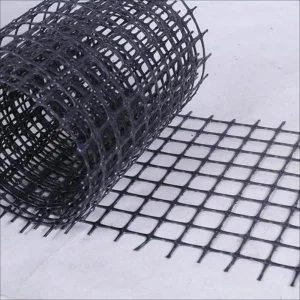
Optimized bi-axial patterns designed to reinforce weak subgrades under highways and railways.
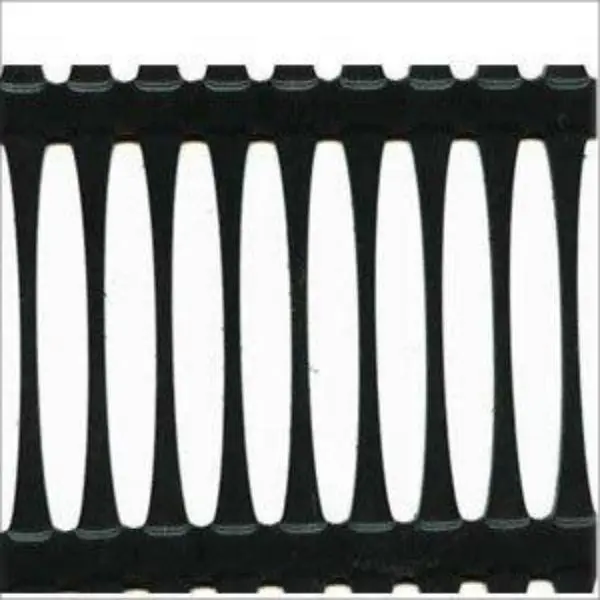
High unidirectional tensile strengths ideal for retaining walls and steep slope stabilization.
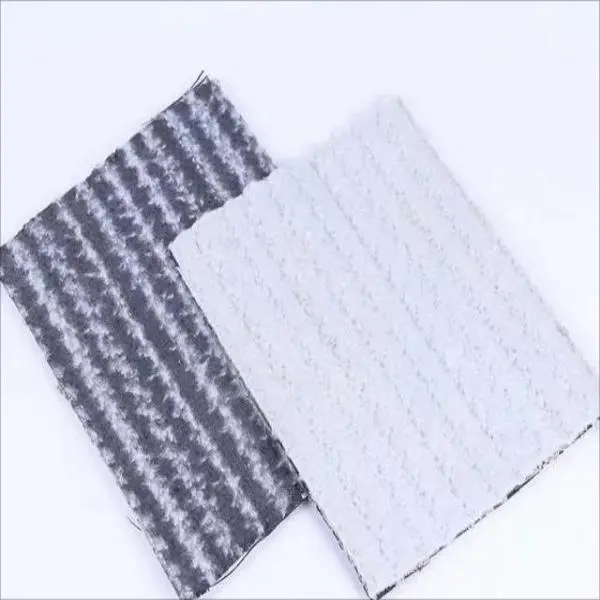
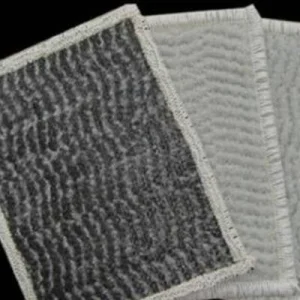
Fibers blended with high-durability concrete matrix to create crack-resistant slope blankets.
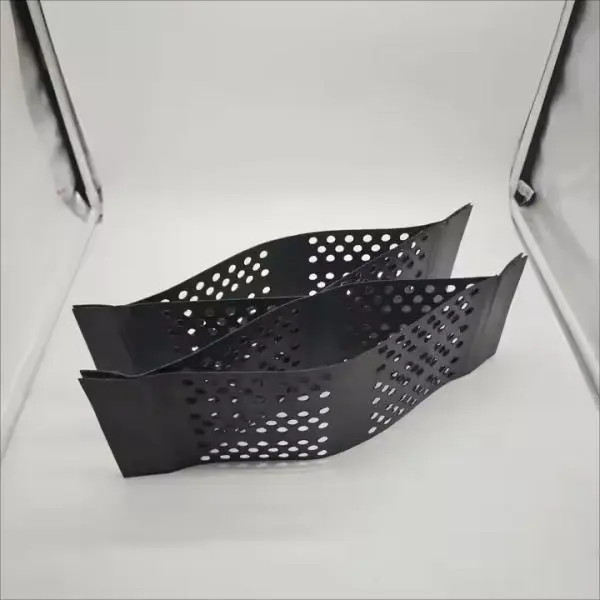
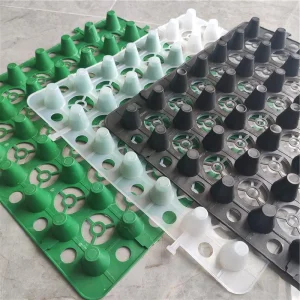
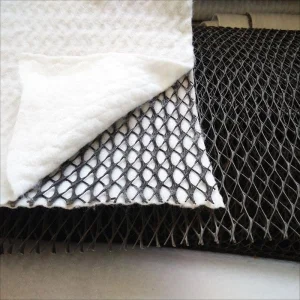
Three-dimensional honeycomb confinement systems preventing topsoil lateral erosion.
Compliant with international construction frameworks and national test specifications
Shandong Hongyue ensures all material runs undergo multi-point inspection checks. Our QC facility tests for load resistance, hydraulic puncture strength, water impermeability, and UV degradation resistance.
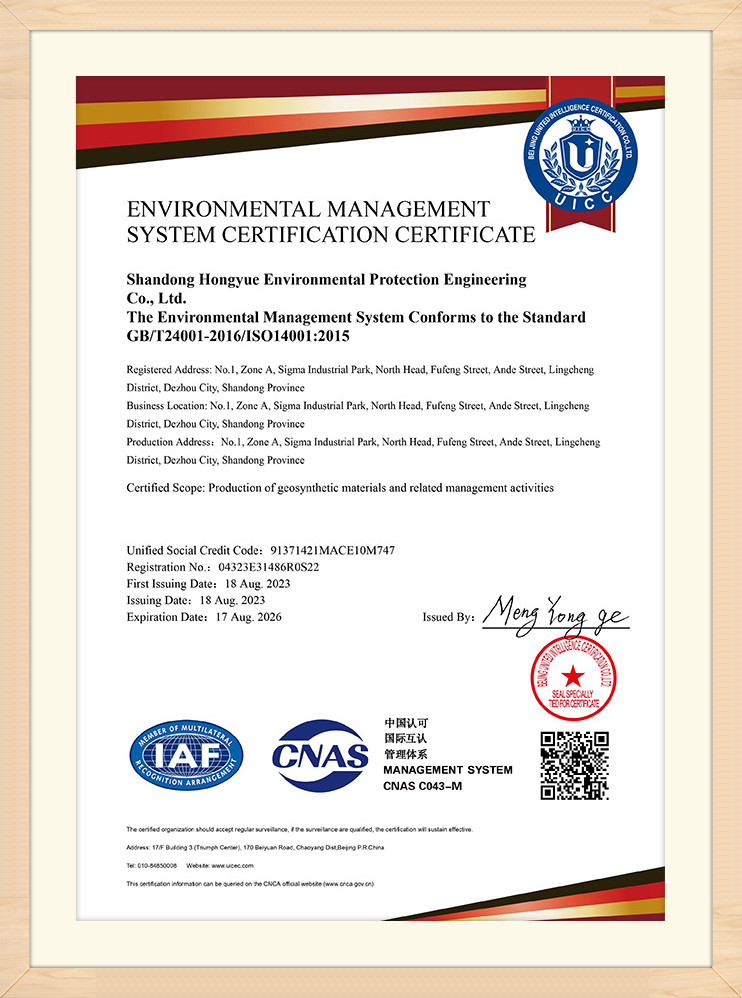
Our systems have attained ISO 9001, ISO 14000, and ISO 45001 accreditations, passing audits commissioned by the National Geosynthetics Testing Center of China. Consequently, our materials are routinely deployed in critical state-level infrastructure.
Technical insights on cement blankets and macro geosynthetic engineering projects
Complete geosynthetic solutions for water conservancy, environmental containment, and slope reinforcement projects
 Hongyue