Premium civil engineering and environmental containment materials direct from our production lines.
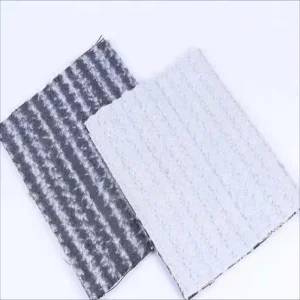
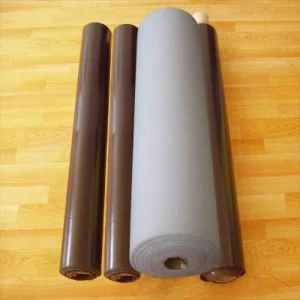
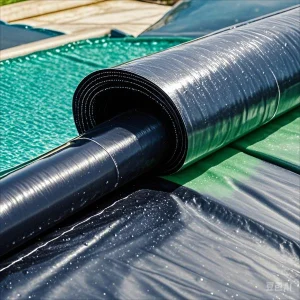
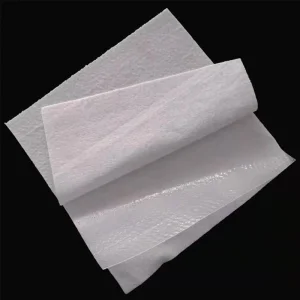
In modern civil and environmental engineering, the management of soil mechanics, hydraulic dynamics, and structural integrity demands materials of the highest technical standards. Permeable Geotextile Membranes act as structural barriers and fluid conduits, performing critical functions in soil separation, filtration, drainage, reinforcement, and protection.
These membranes are designed from high-density polymers—primarily polypropylene (PP) and polyester (PET)—through complex industrial processes including needle-punching, thermal bonding, and weaving. The microscopic pore structures within the geotextiles are engineered to allow fluids to flow through freely while retaining structural soil particles. This prevents fine soil migration, which is the primary cause of subterranean erosion, subgrade failure, and structural instability in roads, embankments, and hydraulic retaining walls.
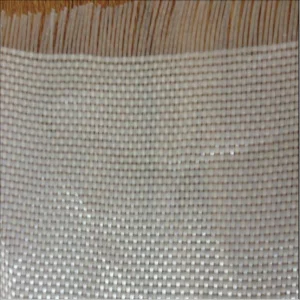
Determining whether to use a woven or non-woven geotextile depends on the primary engineering challenge:
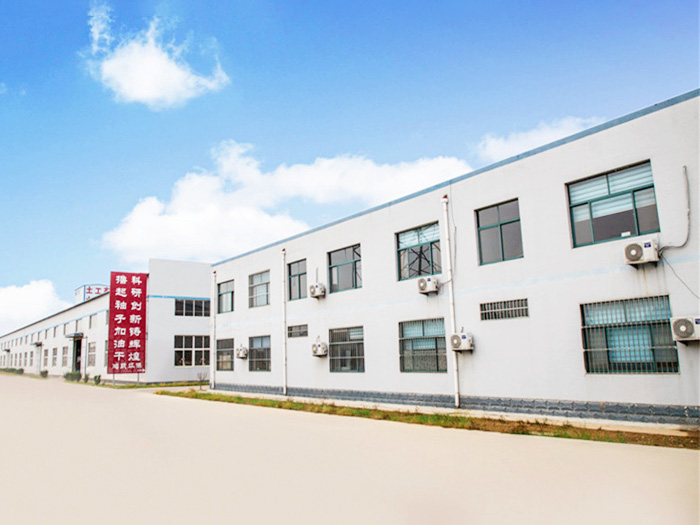
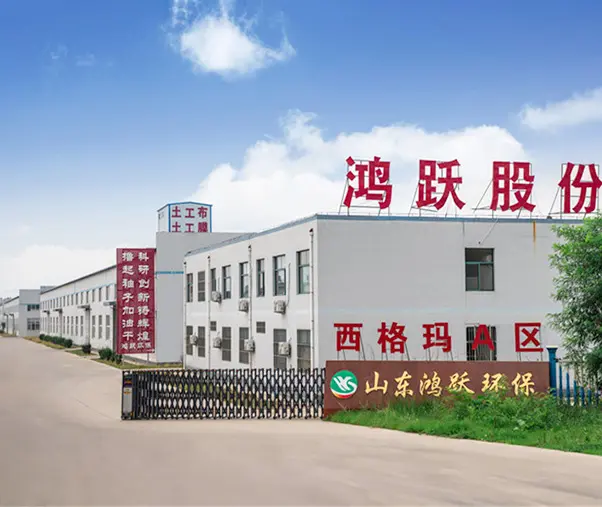
Shandong Hongyue Environmental Engineering Co., Ltd., located at the north end of Fufeng Street, Lingcheng District, Dezhou, Shandong Province, is a scientific and technological geotechnical material manufacturer integrating engineering material production, sales, design and construction services. The company was registered in Lingcheng District Market Supervision and Administration Bureau of Dezhou City on April 6, 2023, with a registered capital of 105 million yuan. It is one of the largest production bases of geotechnical materials in China at present, located in Lingcheng District, Dezhou, Shandong Province, with superior geographical location and convenient transportation.
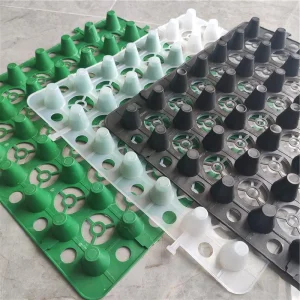
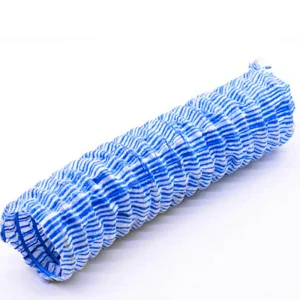
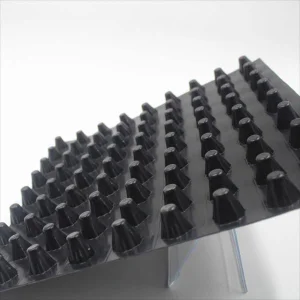
Since the establishment of the company has developed rapidly, business continues to grow and expand, our company mainly deals in geotextiles, geomembrane, composite geomembrane, waterproof board, bentonite waterproof blanket, 3D composite drainage net, (composite) drainage board, weaving cloth, woven cloth, geotextiles, membrane bags, blind ditches, waterproof and drainage combinations, woven bags, ecological bags, cement blankets, fiber plants blankets, geotextiles, flexible pervious pipes, business includes geosynthetics, waterproofing membrane production, sales, construction, import and export of goods.
We have high quality products and a professional sales and technical team. Our company belongs to the Dezhou Geotextile Association, and our products are widely used in highways, railways, bridges and tunnels, reservoirs and canals water conservancy, artificial lakes, environmental protection, aviation, mining, agriculture and other fields.
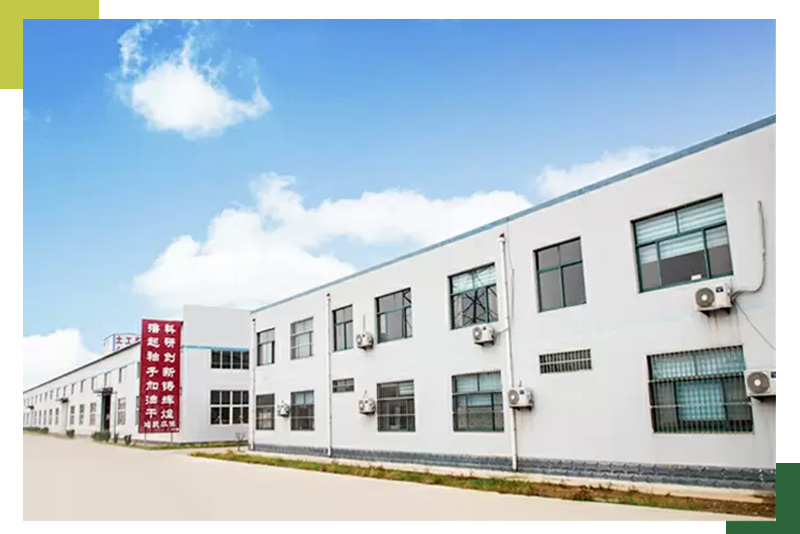
Sourcing Permeable Geotextile Membranes from China, specifically from Dezhou in Shandong Province (widely recognized as the geopolitical hub of Chinese geosynthetics), provides global procurement departments with unprecedented strategic advantages. The regional industrial clustering facilitates immediate access to high-grade polymer raw materials, specialized machinery manufacturing, and a highly skilled workforce, lowering overall operational costs without sacrificing quality.
Our pricing architecture is structured transparently, taking into account raw material grades (virgin vs. recycled resins), mass per unit area (typically ranging from 100g/m² to 1000g/m²), and shipping volume discounts. Below is an engineering estimation guide for budget planning.
| Material Classification | Weight Specification (g/m²) | Tensile Strength (kN/m) | Hydraulic Conductivity (cm/s) | Estimated FOB Price Range (USD/m²) |
|---|---|---|---|---|
| PET Non-Woven Geotextile | 150g/m² | ≥ 4.5 | 1.0 x 10⁻¹ to 1.0 x 10⁻² | $0.18 - $0.25 |
| PET Non-Woven Geotextile | 300g/m² | ≥ 9.5 | 1.0 x 10⁻¹ to 1.0 x 10⁻² | $0.36 - $0.48 |
| PP Non-Woven Geotextile (High-Strength) | 400g/m² | ≥ 15.0 | 2.0 x 10⁻¹ to 2.0 x 10⁻³ | $0.55 - $0.72 |
| High Strength Woven Geotextile | 200g/m² | ≥ 40.0 | 1.0 x 10⁻² to 1.0 x 10⁻⁴ | $0.30 - $0.42 |
| Filament Spunbond Geotextile | 500g/m² | ≥ 22.0 | 1.0 x 10⁻¹ to 1.0 x 10⁻³ | $0.78 - $0.98 |
*Note: The prices above are indications only. Custom formulations with UV stabilizers, specific pore distribution sizes, or custom widths can be quoted individually.
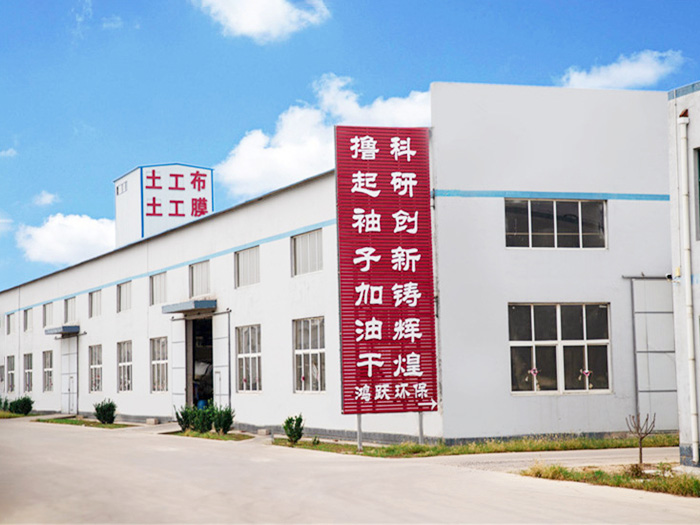
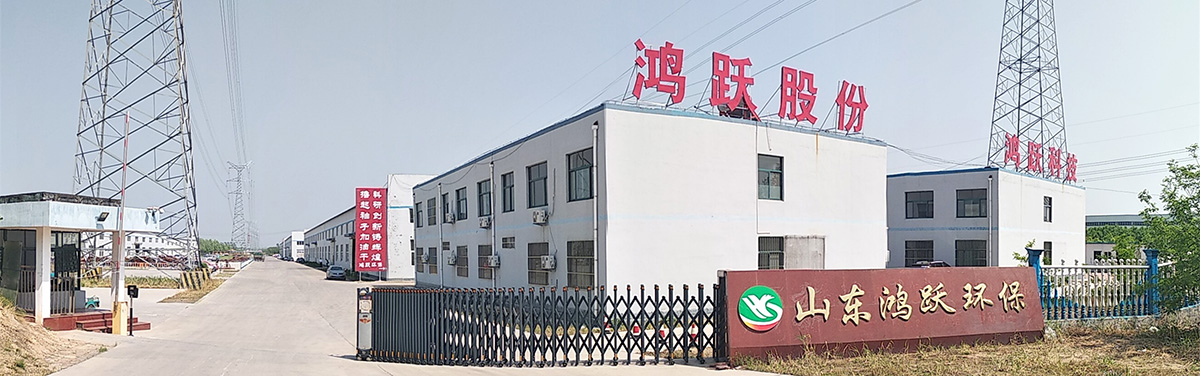
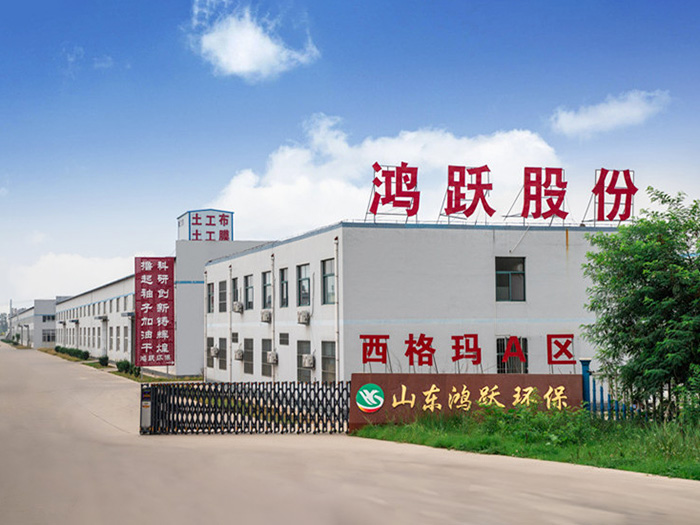
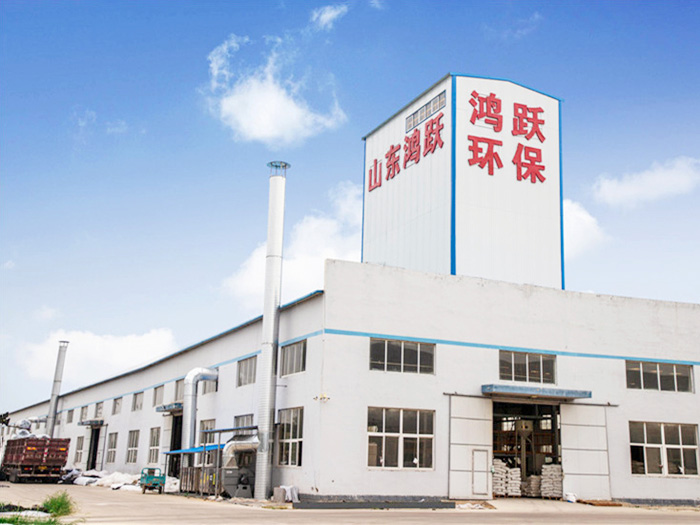
Take an inside look at our state-of-the-art production base in Lingcheng District, Dezhou, Shandong Province.
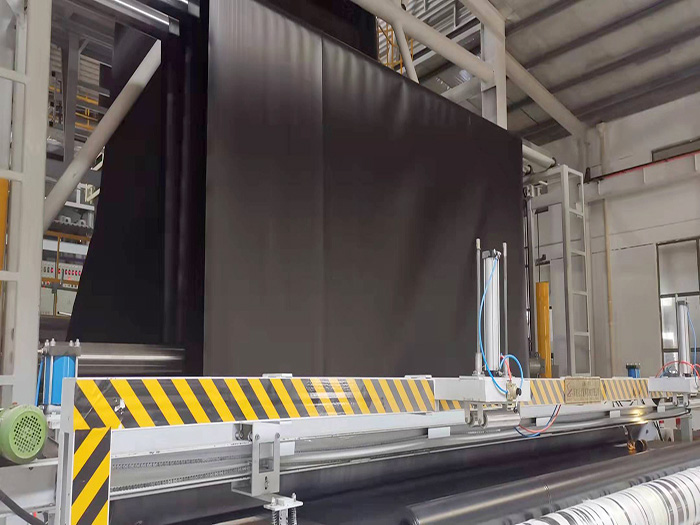
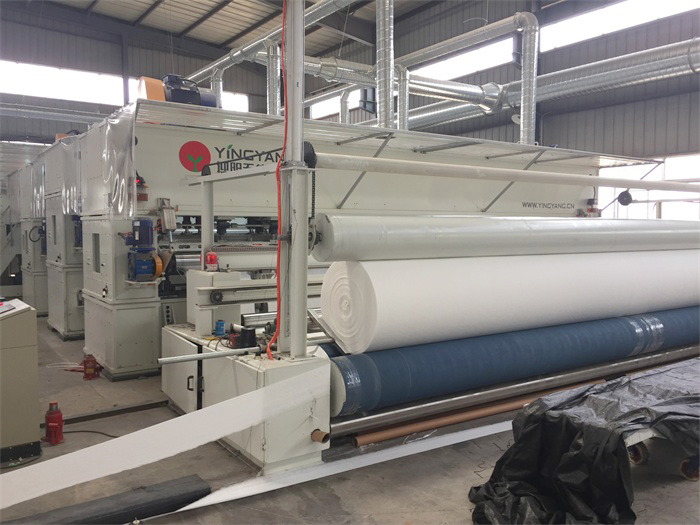
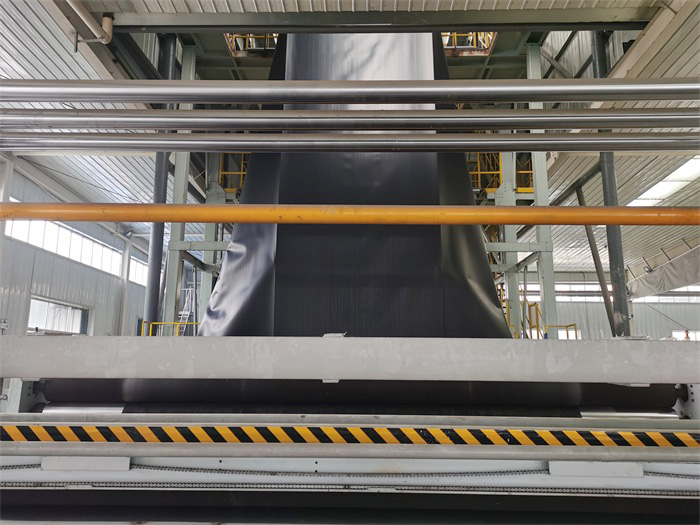
Our structured manufacturing process ensures high tensile strength and physical durability.
Geotextile is widely used in civil engineering materials, with filtration, isolation, reinforcement, protection and other functions, its production process includes raw material preparation, melt extrusion, mesh rolling, draft curing, winding packaging and inspection steps, need to go through multiple links of processing and control, but also need to consider its environmental protection and durability and other factors. Modern production equipment and technology have been widely used, making the production efficiency and quality of geotextiles have been significantly improved.
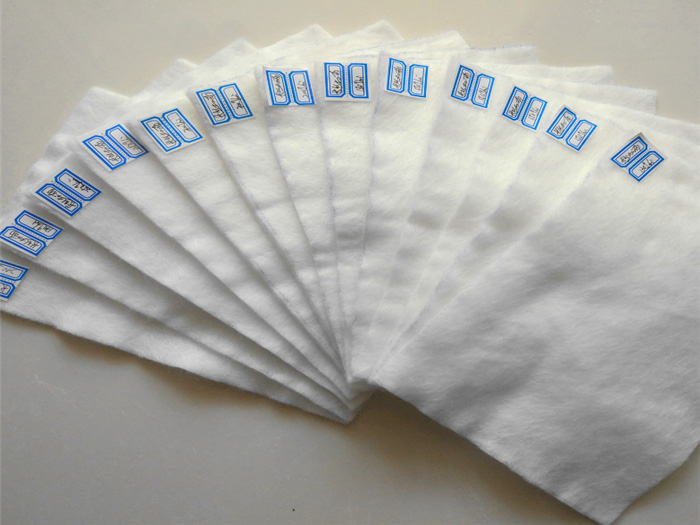
The main raw materials of geotextile are polyester chips, polypropylene filament and viscose fiber. These raw materials need to be inspected, arranged and stored to ensure their quality and stability.
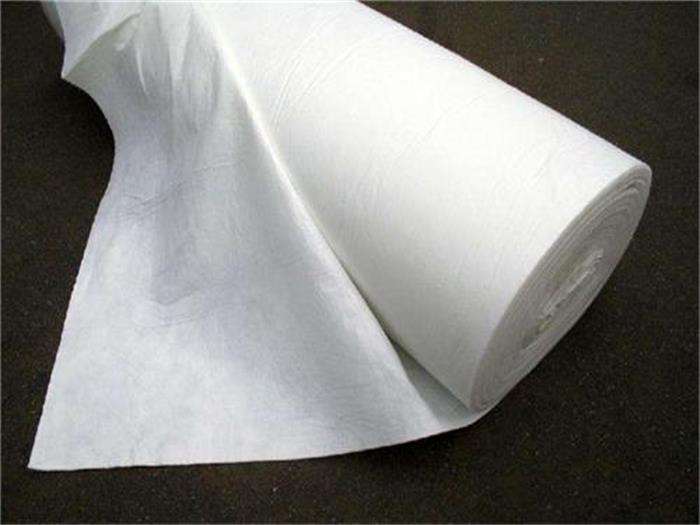
After the polyester slice is melted at high temperatures, it is extruded into a molten state by a screw extruder. The melt is sprayed through the spinneret to form a fibrous network structure on the conveyor belt.
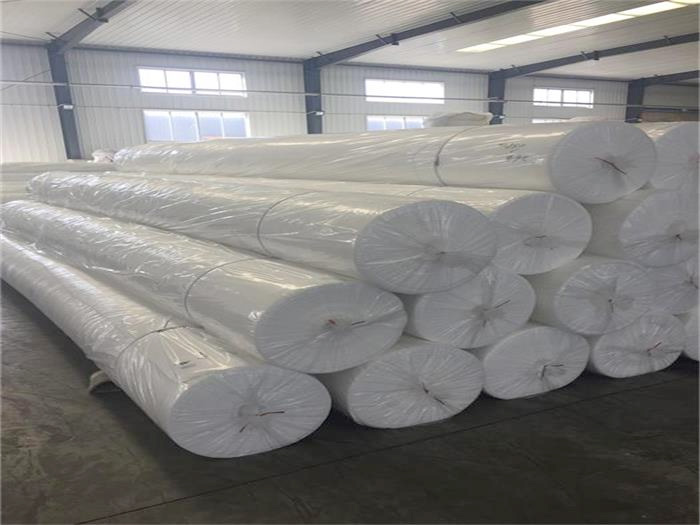
Following network creation, draft curing occurs to lock the fibers in place. The geotextiles are rolled, packed, and subjected to physical property tests before being cleared for shipment.
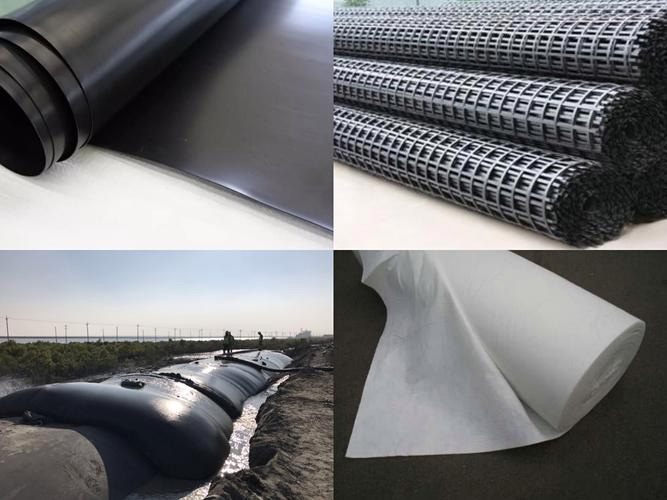
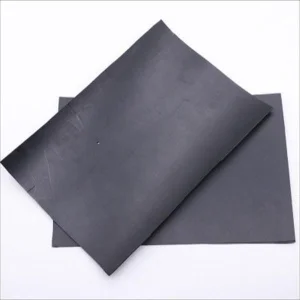
Geomembrane is a kind of material widely used in engineering projects, which has the functions of seepage prevention, isolation and reinforcement. This section introduces the application technology of geomembrane, including selection, laying and maintenance.
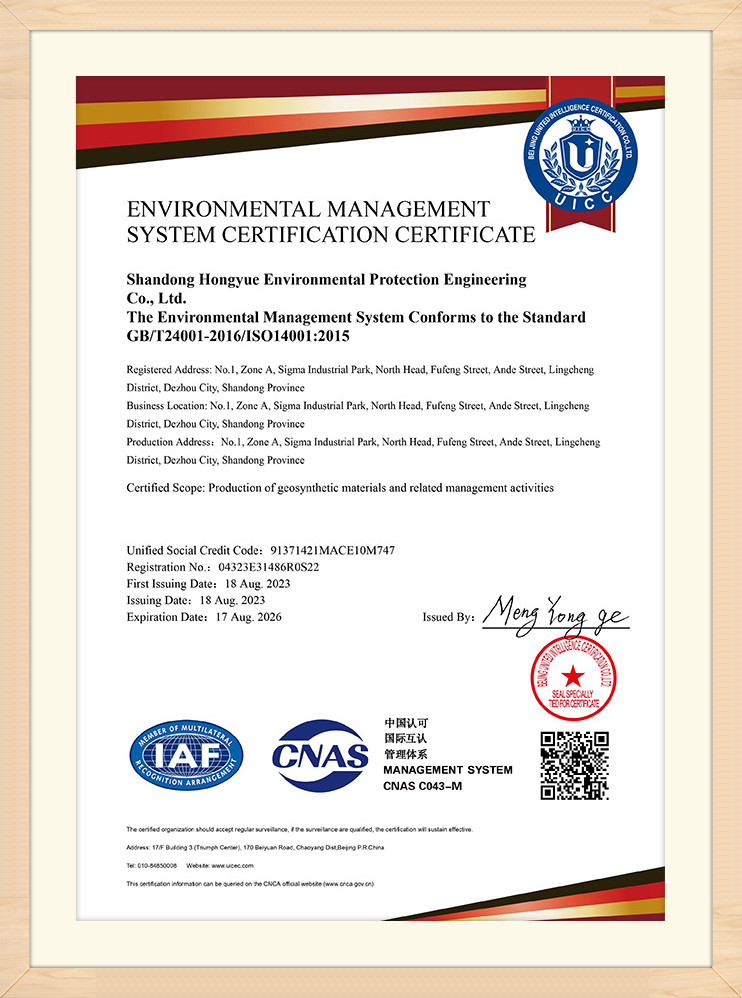
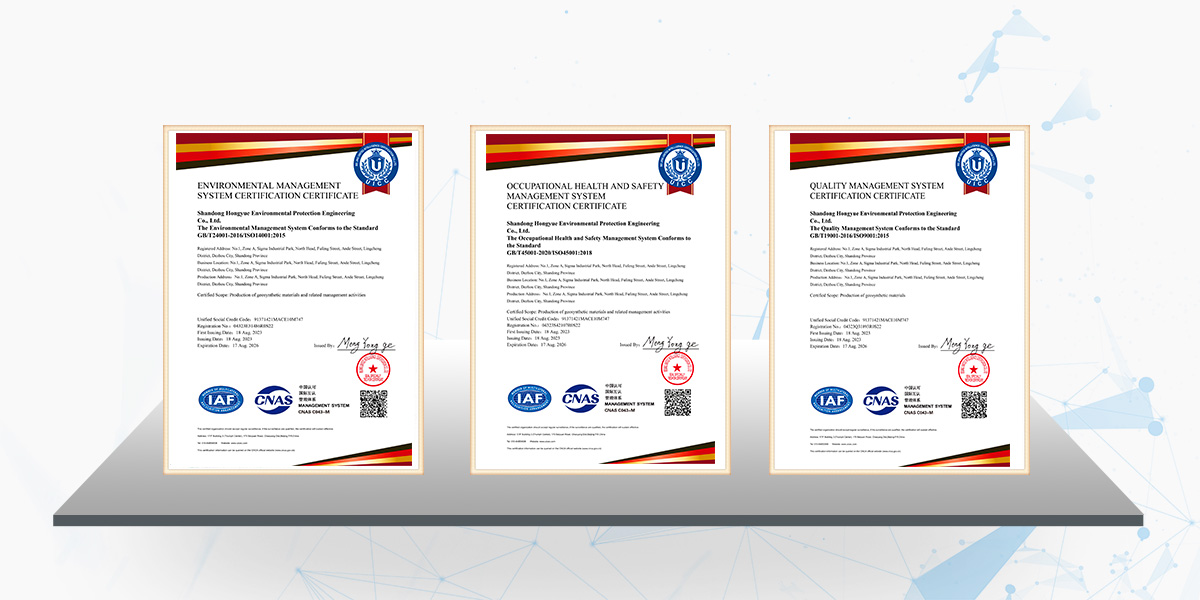
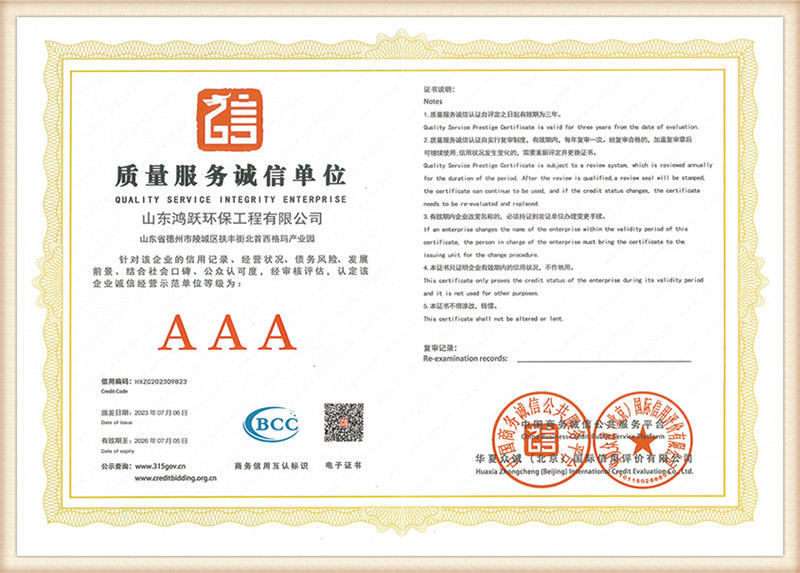
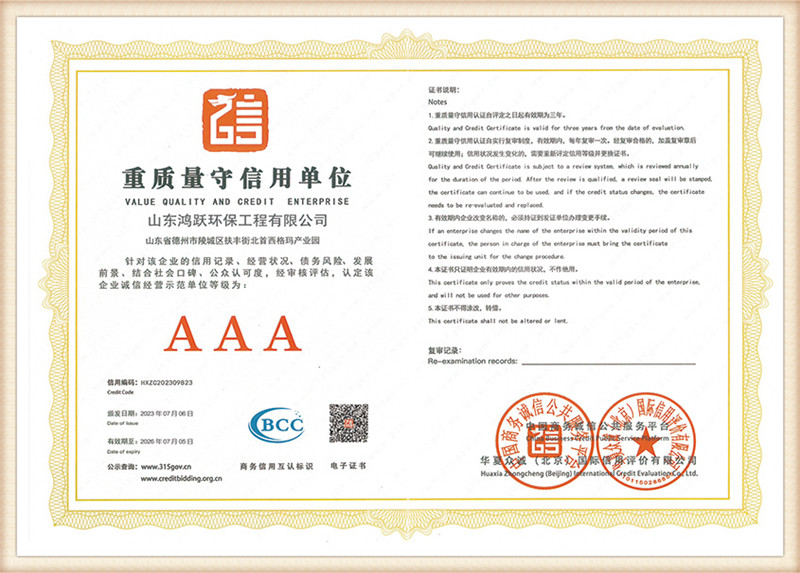
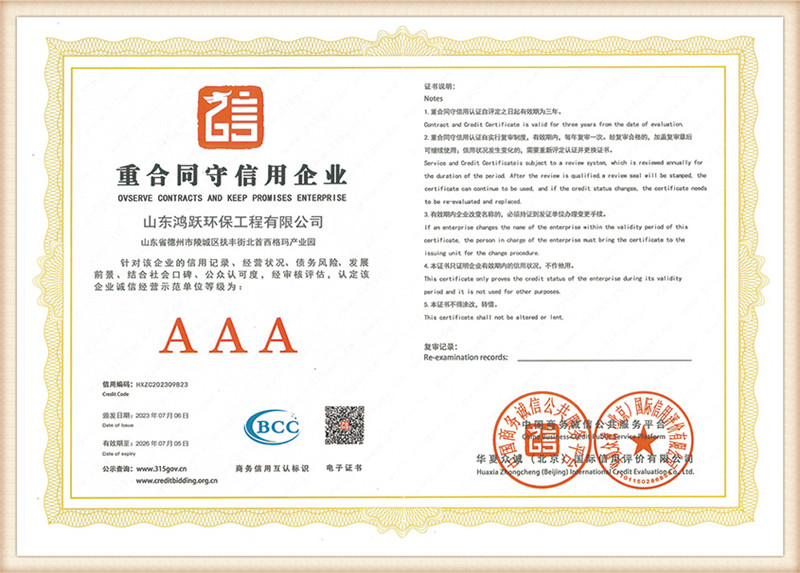
Shandong Hongyue operates under strict international quality management standards.
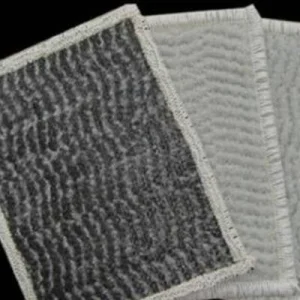
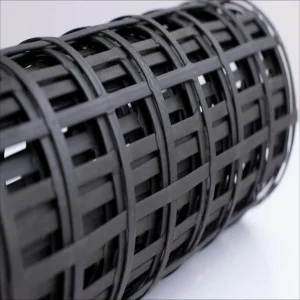
Shandong Hongyue Environmental Engineering Co., Ltd. mainly produces various types and specifications of geotextile, geomembrane, composite geomembrane, waterproof plate, bentonite waterproof blanket, composite geomembrane drainage network, anti-drainage board, waterproof roll, geogrille, water stop, permeable pipe and other products, forming four material systems of impermeability, environmental protection, protection, reinforcement and water stop, integrated supply.
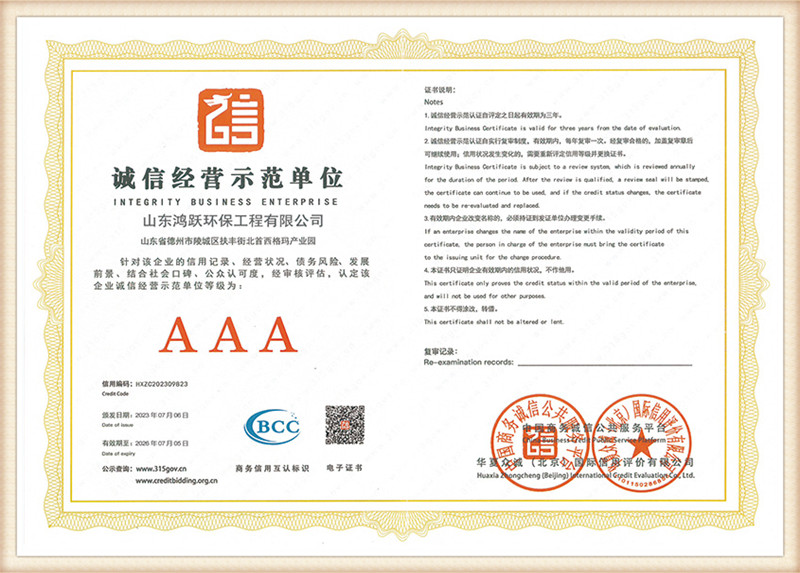
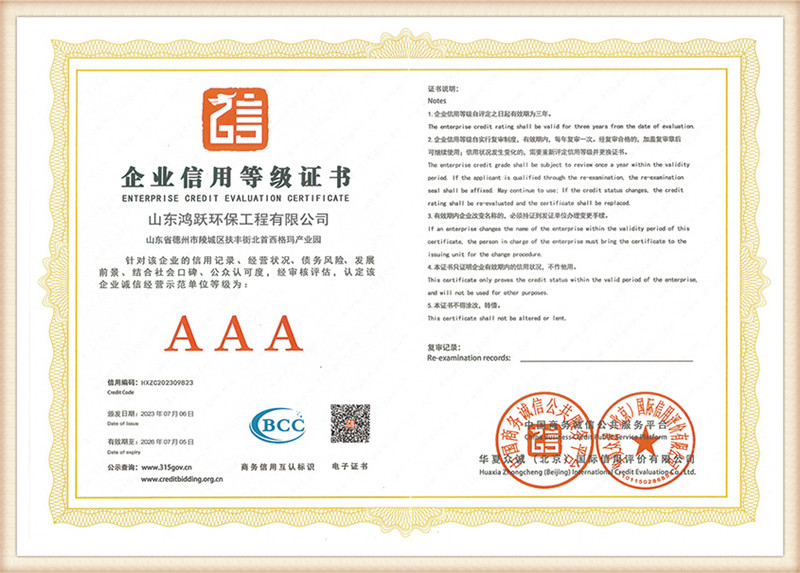
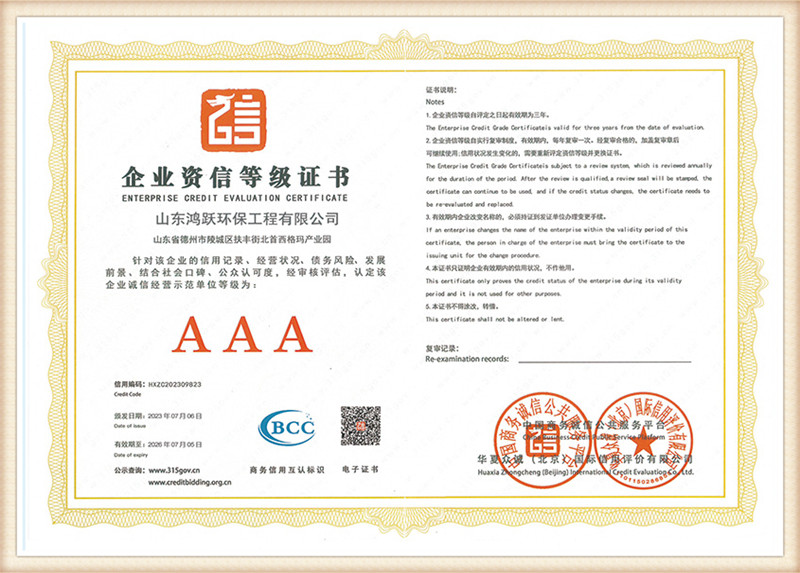
The company has passed the ISO9001 international quality system certification, ISO14000 environmental system certification, and ISO45001 occupational health and safety management system certification. It has won many honors such as "Green building Materials Products", "No consumer complaints", "China Famous Brand", "High-tech Industry", "Quality Service Double excellent Unit", "Provincial poverty alleviation Leading Enterprise" and so on. The company adopts the most advanced production technology and equipment process, and has perfect detection means and precision inspection equipment to ensure that the products always maintain excellent performance. The quality of all products produced by the company has reached or exceeded international standards, and passed the certification of China National Testing Center, and all passed the national quality supervision and sampling inspection.

Proven geosynthetic system configurations deployed in national-level water conservancy and environmental projects.
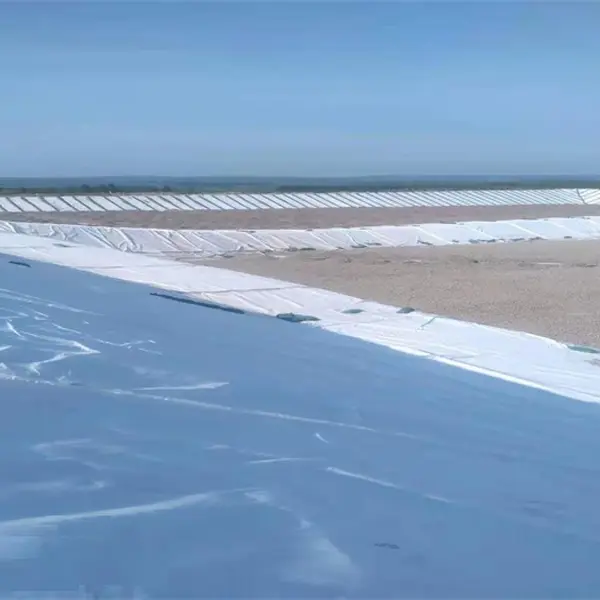
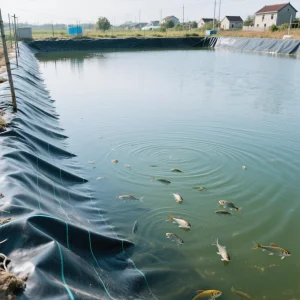
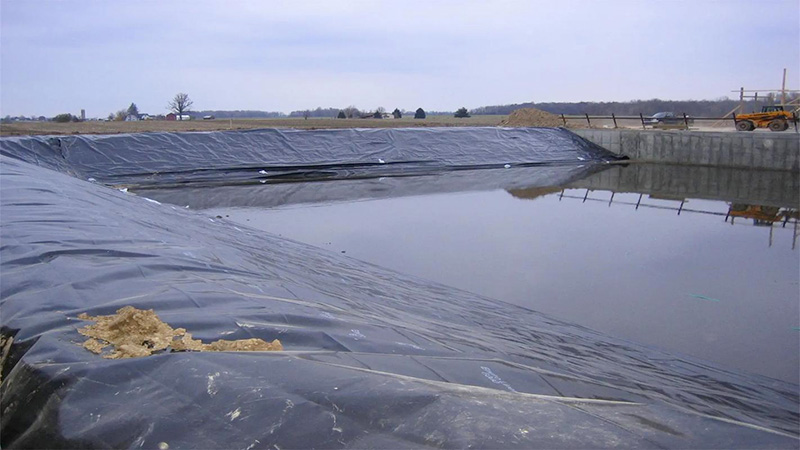
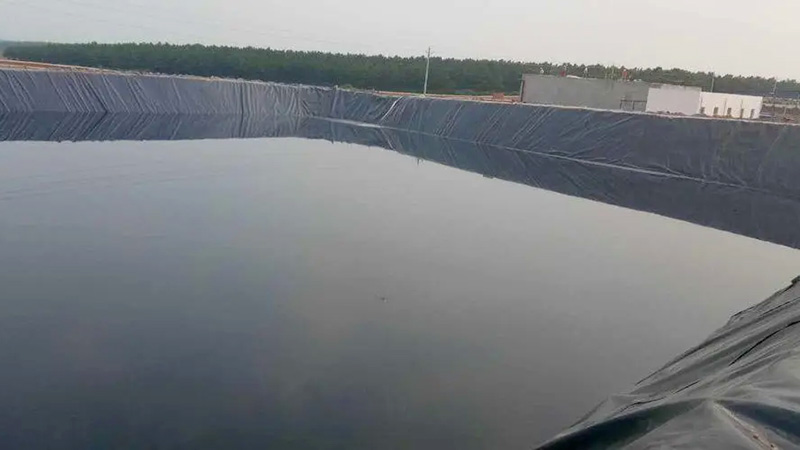
In reservoir constructions, our geomembranes play a key role in seepage prevention. Since reservoirs are usually built in valleys with complex geological structures, our materials seal the reservoir bottom and rock interfaces, improving safety.
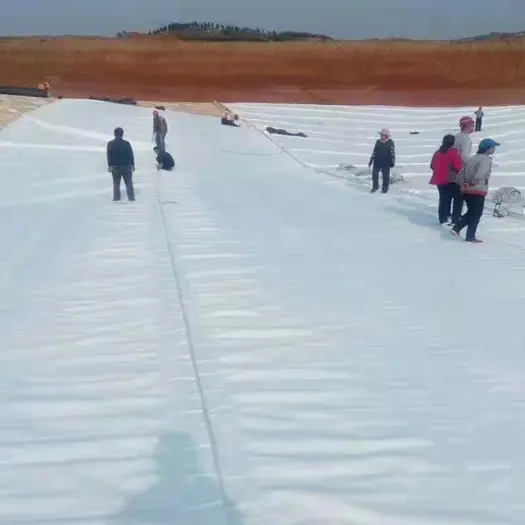
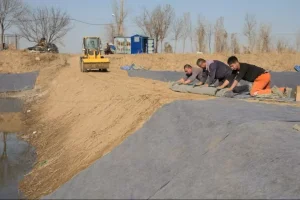
During the construction of levees and river embankments, permeable geotextiles and geomembranes are used together to strengthen the structures against flooding. The system prevents erosion of underlying soils and seals structural voids.
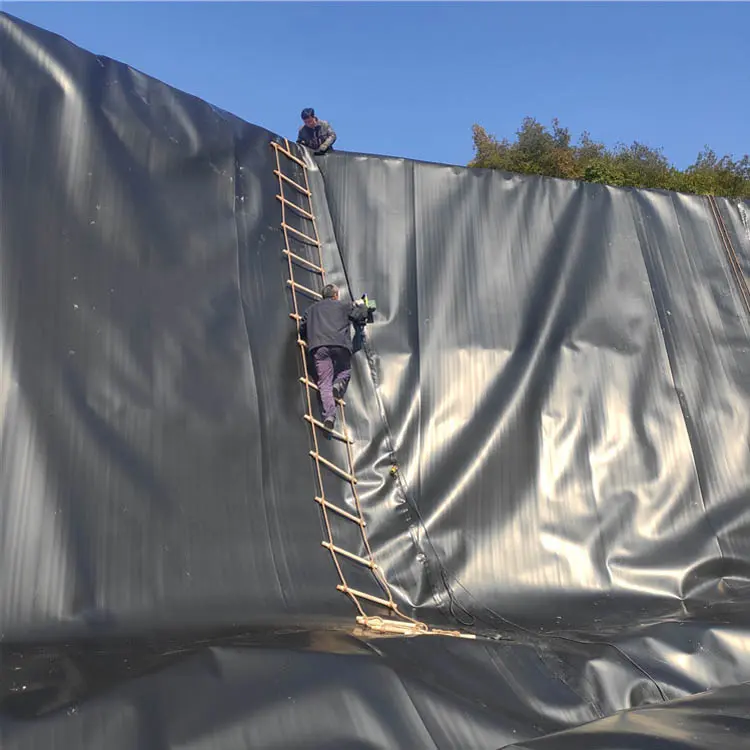
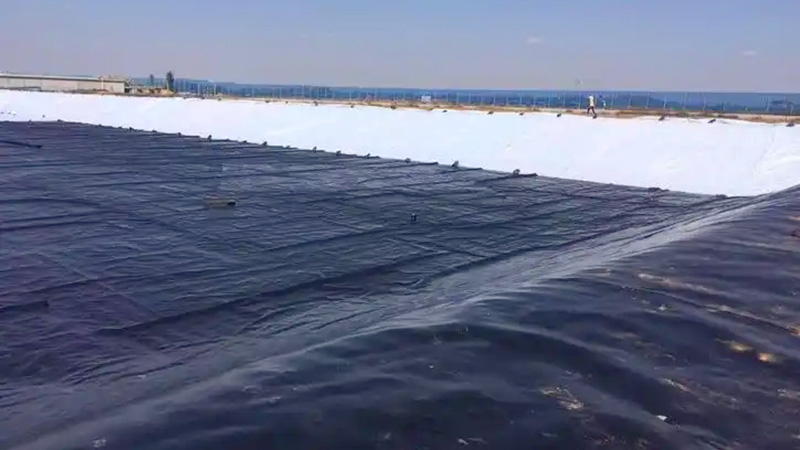
Combining heavy-duty non-woven geotextiles with robust HDPE geomembranes provides complete leachate containment. This multi-layered barrier system prevents soil and groundwater contamination in municipal waste facilities.
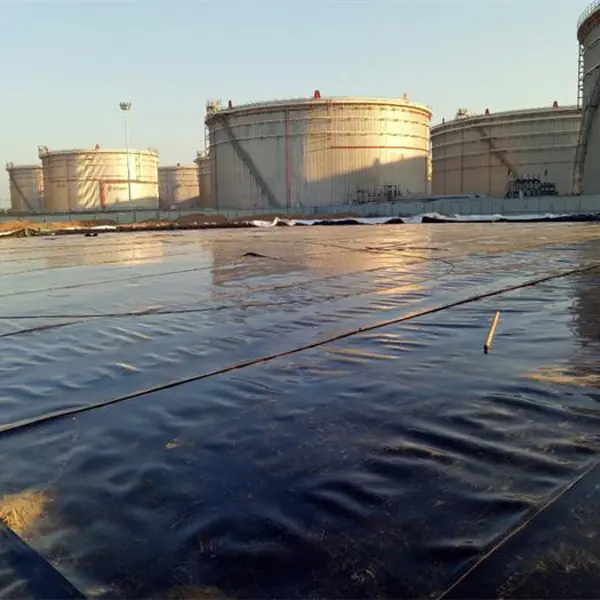
Highly resistant to chemical deterioration and petroleum hydrocarbons, our composite liner systems are installed around chemical tank farms to act as secondary containment barriers, preventing hazardous fluid leaks.
Infrastructure projects require compliance with specific international codes. Shandong Hongyue designs and tests materials according to standard specifications such as ASTM International (including ASTM D4632 for grab strength, ASTM D4533 for trapezoid tearing, and ASTM D4751 for Apparent Opening Size) and EN ISO guidelines (such as ISO 11058 for water permeability and ISO 12236 for static puncture resistance).
Our engineers provide on-site technical guidance, subgrade analysis, and custom sizing options. With roles spanning across major export destinations including Europe, North America, Southeast Asia, and Australia, we manage customs documentation and load optimization to lower cross-border logistics costs.
Common questions from civil engineers, procurement managers, and contractors.
The final price is influenced by three main metrics: polymer base (Virgin Polypropylene is typically priced higher than Polyester), unit weight (measured in g/m², e.g., 200g/m² vs. 800g/m²), and mechanical specifications (like high tensile strength or UV stability). High volume orders also qualify for tiered pricing discounts.
AOS indicates the maximum opening size in the geotextile. It must be balanced: if the pore structure is too large, fine soil particles pass through, leading to piping and settlement; if it is too small, it can clog, increasing hydrostatic pressure and threatening structural stability.
Yes. Our laboratory is equipped to test and verify products against global standards, including AASHTO M288, ASTM D-series, and ISO/CEN codes, providing full technical documentation for submittal packages.
When shielded from direct UV exposure, high-quality virgin polypropylene and polyester geotextiles can maintain their design properties for more than 50 to 100 years. Their longevity is supported by their resistance to biodegradation and chemical attack in the soil.
Broad range of containment and environmental lining systems for municipal and structural applications.
 Hongyue