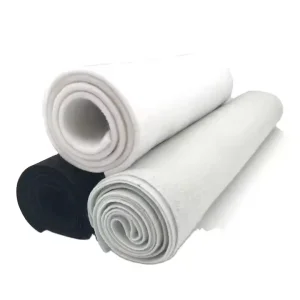
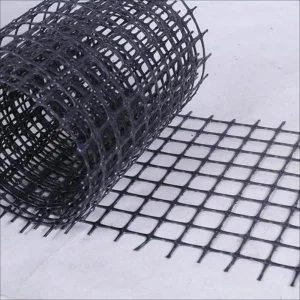
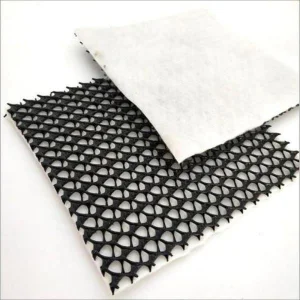
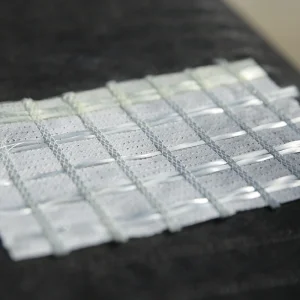
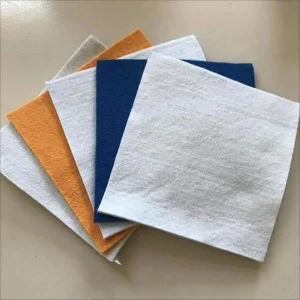
Explore our certified geotechnical materials customized to fulfill high-tensile separation, filtration, and reinforcement requirements across global construction sites.
In modern civil engineering, civil construction sites are constantly challenged by soft subgrades, varying water tables, and high-load traffic designs. Woven polypropylene geotextiles have emerged as the foundational solution to improve structural longevity, optimize gravel layers, and prevent soil migration. The designation Mirafi 500x represents the industry standard for high-performance woven geotextiles, recognized for its exceptional grab tensile strength, high flow rates, and robust UV stability.
As a leading scientific and technological geotechnical material manufacturer in China, Shandong Hongyue Environmental Engineering Co., Ltd. produces structural woven geotextile fabric engineered to align with and exceed the benchmark parameters of Mirafi 500x. Certified to international benchmarks, our custom-engineered woven geotextile filaments are structured specifically to meet civil specifications worldwide, offering superior cost efficiency, localized supply chain security, and absolute structural compliance.
Comparative metrics for subgrade reinforcement materials designed to meet the Mirafi 500x specifications:
*Evaluated in accordance with ASTM international test methods including D4632, D6241, and D4355.
A premier engineering material manufacturer integrating advanced research, production, sales, design, and construction services.
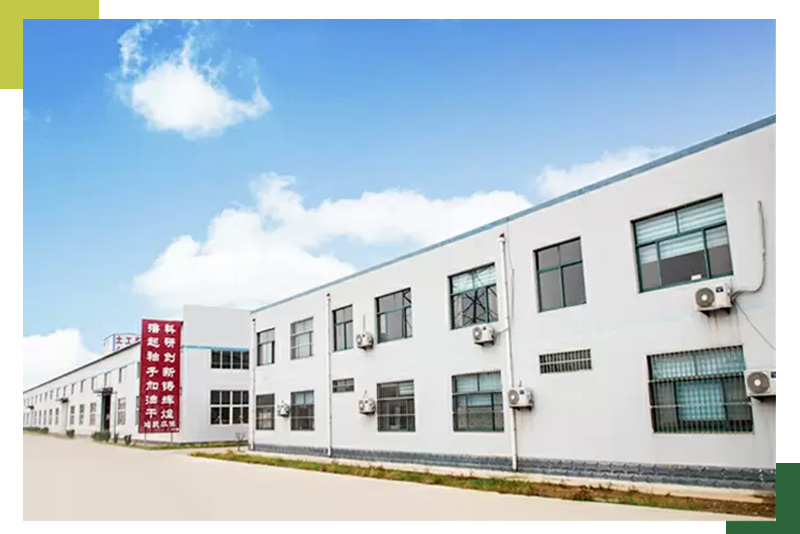
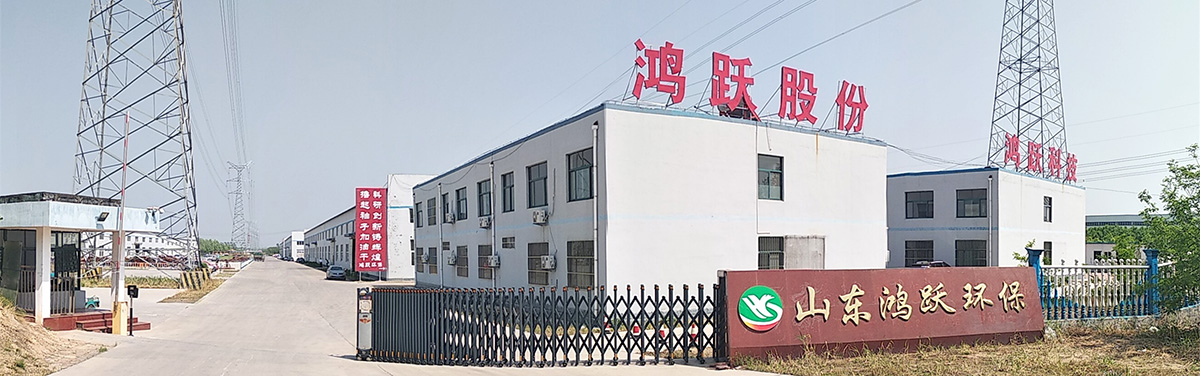
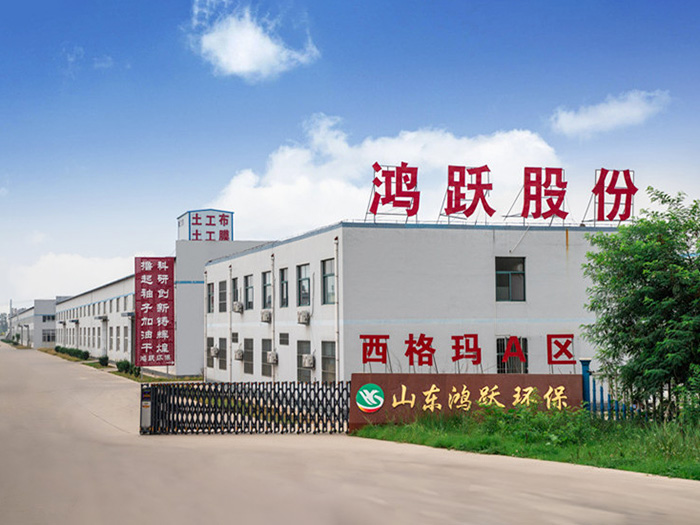
Registered on April 6, 2023, with a substantial registered capital of 105 million yuan, Shandong Hongyue Environmental Engineering Co., Ltd. is positioned at the north end of Fufeng Street, Lingcheng District, Dezhou, Shandong Province. Currently standing as one of the largest production bases of geotechnical materials in China, the company benefits from a superior geographical location and highly convenient logistics networks.
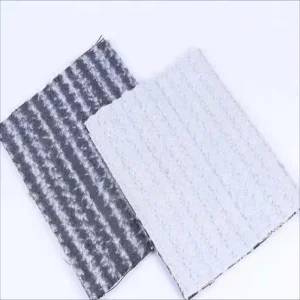
Our expansive business scope covers the manufacture and sales of high-performance geotextiles, geomembranes, composite geomembranes, waterproof boards, bentonite waterproof blankets (GCL), 3D composite drainage nets, (composite) drainage boards, weaving cloths, and flexible pervious pipes. We house a professional technical service team alongside state-of-the-art production machinery, serving as an active and critical member of the prestigious Dezhou Geotextile Association.
Analyzing the macro-economic forces, sustainability mandates, and technical demands that shape modern geosynthetics sourcing.
Modern infrastructure design demands materials that minimize excavation depths and optimize aggregate usage. High-strength woven geotextiles like the Mirafi 500x equivalents are shifting from simple separation utilities to multi-functional structural reinforcement layers. This ensures pavement subgrades remain structurally isolated from underlying clay soils, which substantially prevents rutting and premature base failure.
Global procurement teams from North America, Australia, Europe, and Southeast Asia look to Chinese manufacturers like Shandong Hongyue to circumvent local supply chain bottlenecks. By maintaining a vast raw material reserve and high-capacity manufacturing lines, we guarantee stable pricing, prompt port deliveries, and continuous batch uniformity for large-scale engineering schedules.
With global green building and environmental compliance regulations tightening, geosynthetic materials must prove minimal chemical leaching and high environmental resistance. Our products carry ISO 14001 certification and are tested for structural integrity under extreme pH levels, ensuring compatibility with municipal landfill systems, clean waterways, and agricultural protection projects.
How our comprehensive geosynthetic range solves complex environmental isolation, anti-seepage, and stability problems.
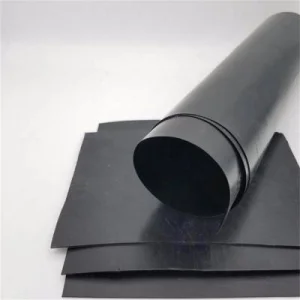
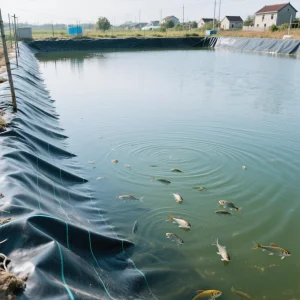
Geomembranes serve as critical barrier materials, providing robust fluid barrier systems in reservoirs, canals, and storage structures. In complex valley geological zones, using high-density polyethylene (HDPE) membranes effectively blocks sub-surface water migration and prevents slope failure.
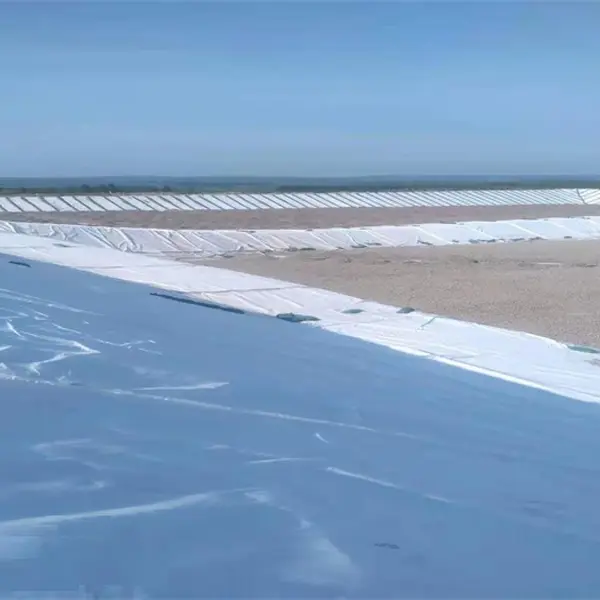
Dikes and river canals rely on geomembrane barriers and heavy-duty geotextile separation layers to withstand heavy hydraulic pressure. This combination restricts erosion forces and holds soil foundations in place, ensuring long-term community flood safety.
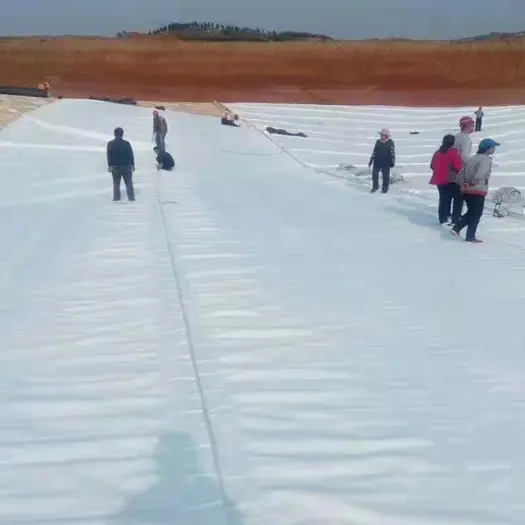
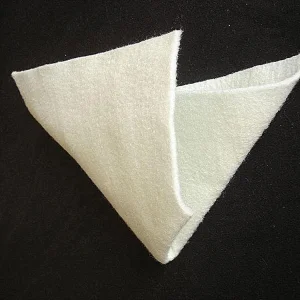
Leachate containment is vital in waste isolation projects. Standardized anti-seepage materials, comprising composite geomembranes and thick non-woven geotextile cushion barriers, protect local aquifers against toxic landfill runoff.
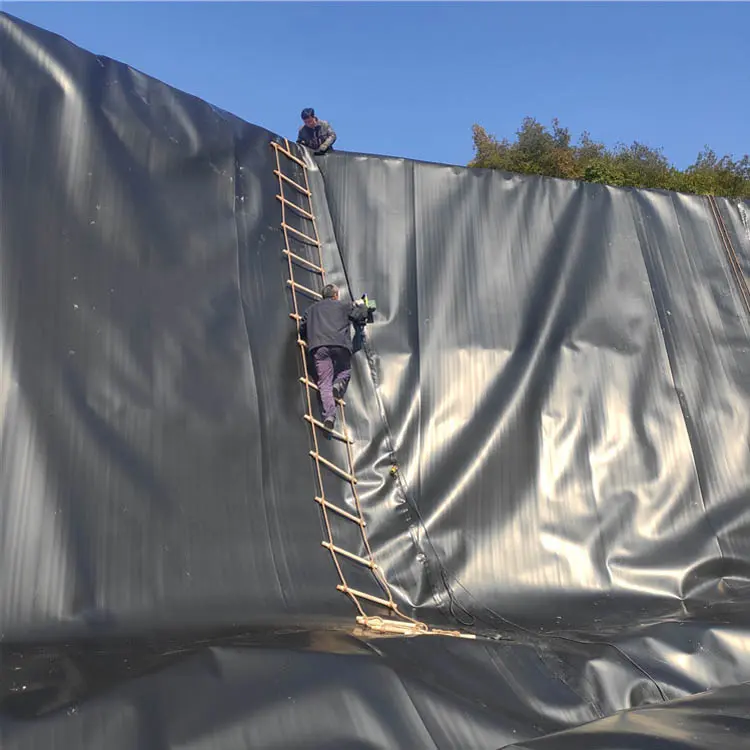
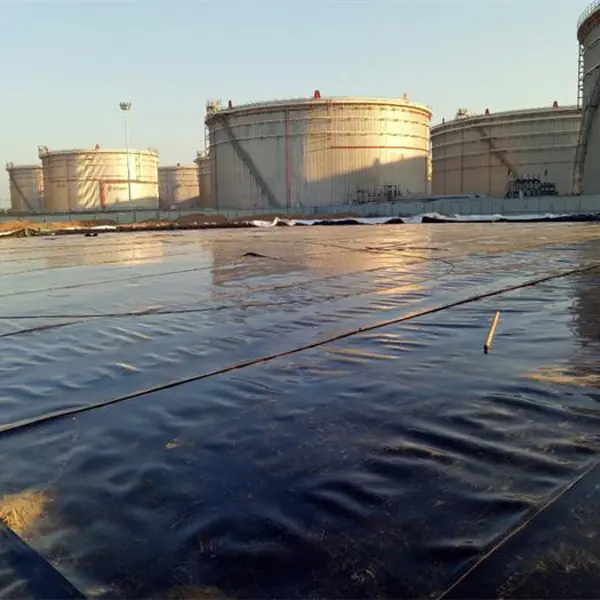
Petrochemical plants use LLDPE and HDPE liners under tank farms to provide secondary containment. These systems prevent hazardous hydrocarbons from entering subsoils and are designed to tolerate aggressive fuel chemistries.
A step-by-step review of our advanced manufacturing system, designed to produce high-grade geotextiles matching global standards.
The manufacturing process begins with high-quality virgin polyester chips, polypropylene filament, and select viscose fibers. These raw materials are carefully checked and sorted to ensure optimal density, chemical resistance, and strength consistency.
Polyester and polypropylene chips are melted at high temperatures and extruded through precision screw machinery. During extrusion, the temperature and pressure are carefully regulated to achieve uniform viscosity and melt strength.
The molten polymer is extruded through specialized spinnerets to create micro-fine filaments. These fibers are laid down on continuous conveyor systems to form a uniform, multi-directional web structure before final bonding.
The fibrous web undergoes a heating and mechanical drafting process. Precise controls over tension ratios and heating zones align the polymer molecules, giving the final geotextile fabric its high tensile strength and stable dimensions.
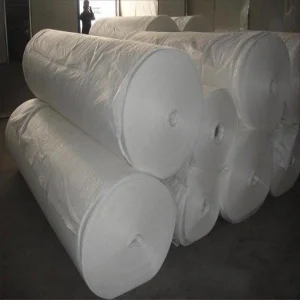
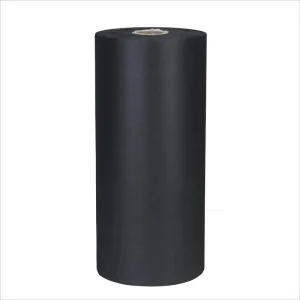
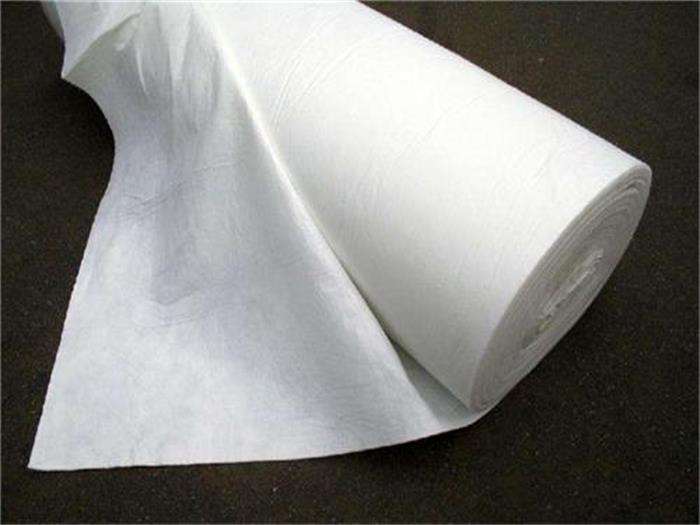
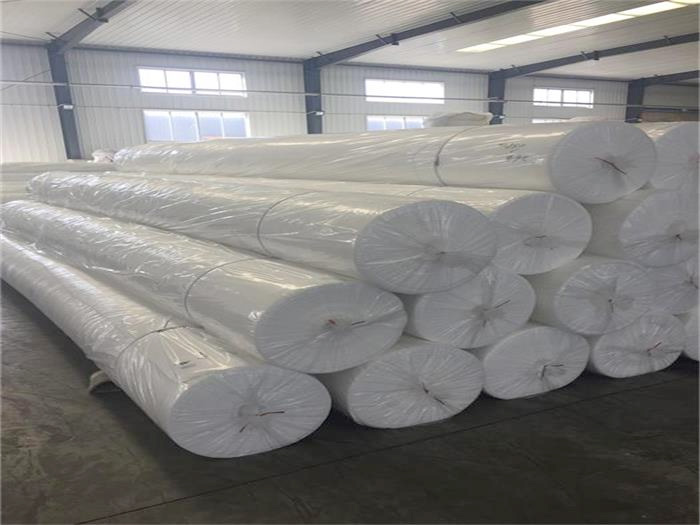
Cured geotextiles are rolled onto structural cores in standardized widths (typically 3.81m to 5.4m) and lengths. Heavy-duty black UV-resistant wrap is applied to protect the rolls during shipping and construction site storage.
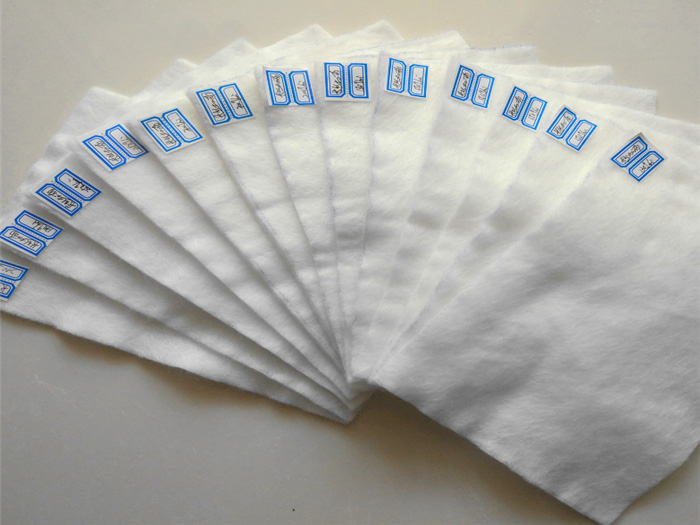
Samples are regularly taken from every production run for testing at our on-site lab. We verify grab tensile strength, CBR puncture resistance, water permeability, and pore size distribution to confirm full compliance with design requirements.
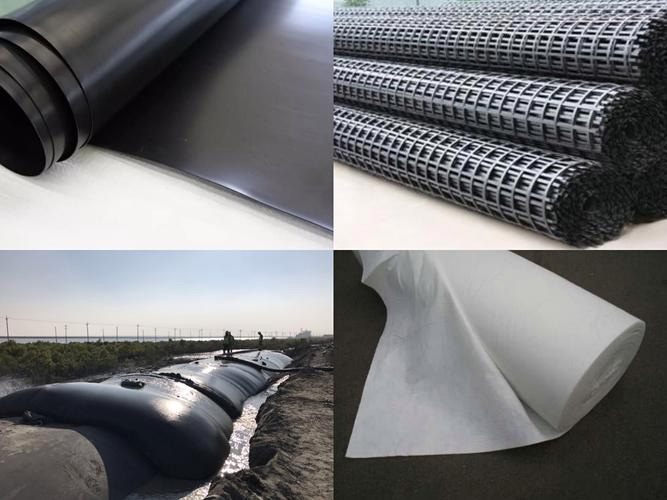
A step-by-step technical guide to proper soil installation, joint treatment, and maintenance to ensure long-term performance.
Proper installation is critical to avoid punctures and preserve the performance of geosynthetic barriers. Site work must begin with thorough land preparation: the subgrade must be level and free of sharp stones, roots, and standing water. Unrolling the geomembrane or woven geotextile should proceed with moderate tension to prevent excessive folds, while allowing enough slack to accommodate thermal expansion and contraction.
For geomembranes, thermal welding serves as the standard joint treatment. Dual-track hot wedge welding is used for long seams, allowing for easy pressure testing of the inner channel. E/C extrusion welding is applied on complex shapes, pipe penetrations, and repair patches. Proper fixing is completed by anchoring the membrane edges in trench designs backfilled with compacted clay soil or concrete slurries.
Geosynthetic installations require regular inspections, particularly before backfilling. Key steps include cleaning the exposed surface to remove wind-blown dirt and debris, which simplifies checking for damage. If punctures occur, repairs are completed with matching membrane patches extending at least 150mm beyond the damaged zone, hot-air welded to restore the seal.
Heavy machinery should never drive directly on geotextiles or geomembranes before the initial base soil lift is spread. A minimum layer of 150mm to 300mm of sand or gravel aggregate should be pushed ahead of light construction equipment to prevent point-load punctures during placement.
Examine our global standard certifications, quality control practices, and technical support frameworks.
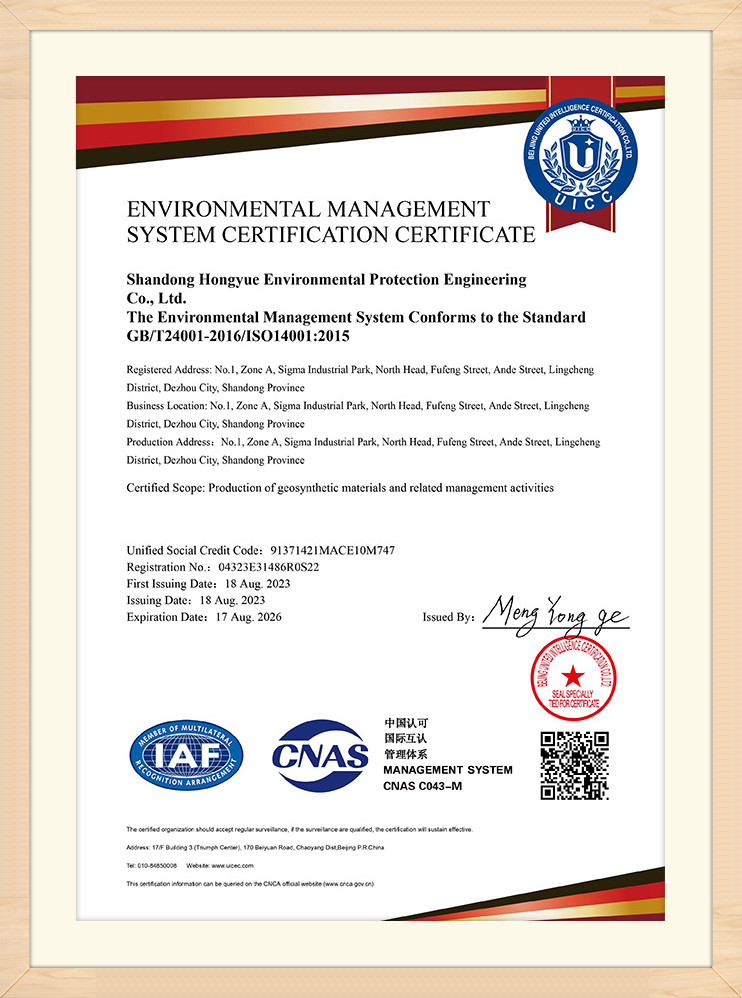
Shandong Hongyue Environmental Engineering Co., Ltd. operates under a strict, certified quality management system. We hold official certifications for ISO9001 (Quality Management), ISO14001 (Environmental System), and ISO45001 (Occupational Health & Safety). Our focus on quality has earned us several awards, including "Green Building Materials Products," "China Famous Brand," and "High-Tech Industry."
All products undergo evaluation by the China National Testing Center and must pass regular quality audits. We maintain sales offices and technical support branches across major cities in China, and our exports are shipped to major projects across Europe, North America, Australia, and Asia. Our engineers have over ten years of experience and provide 24-hour design support, material selection advice, and on-site installation guidance for our customers.
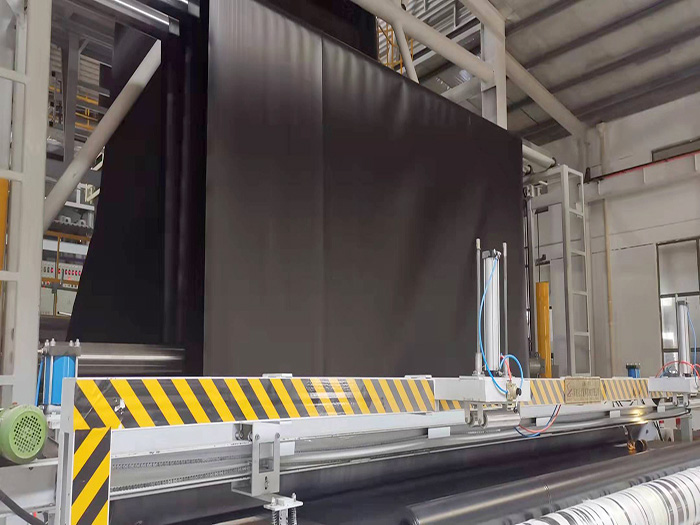
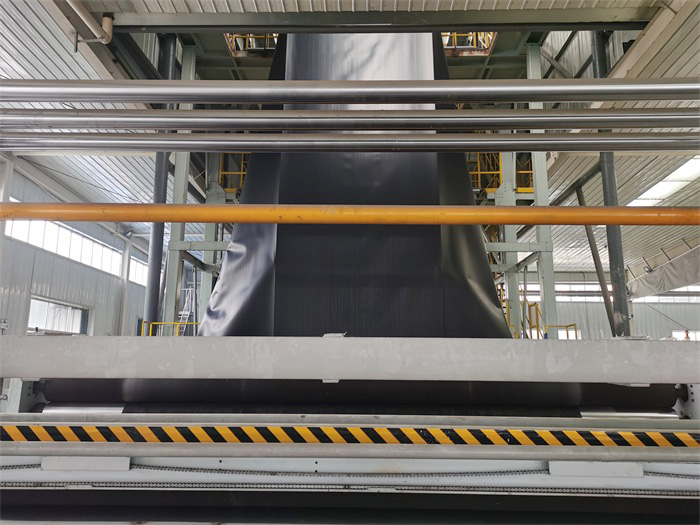
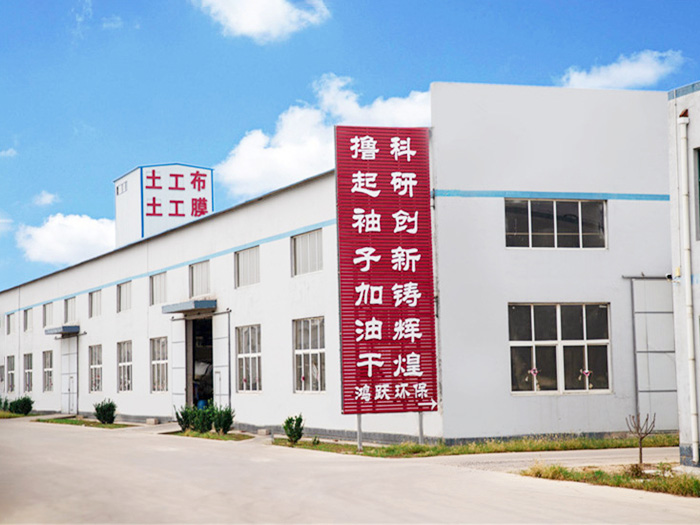
A look at our advanced production floor, showing the clean, organized setup of our manufacturing lines.
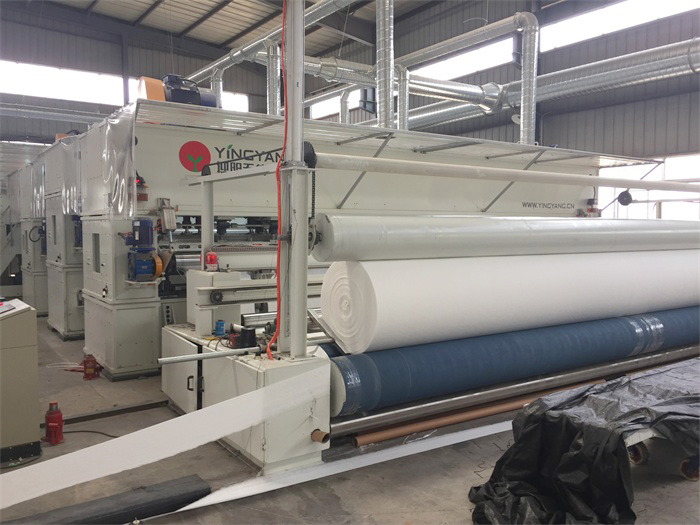
Our research and development focus is shifting toward sustainable materials and smart geosynthetic technologies.
We are investigating bio-derived polymers to reduce reliance on petroleum-based raw materials. These new fibers are designed to degrade safely at the end of their service life, making them ideal for temporary erosion control and agricultural soil protection.
We are testing woven geotextiles embedded with optical fibers or conductive elements. These smart materials monitor real-time strain, settlement, and temperature variations inside subgrades, helping detect structural issues early.
Our goal is to lower our carbon footprint by upgrading our heat recovery systems, using solar power on factory roofs, and reducing energy use during raw material melting and extrusion stages.
Technical answers to common questions about choosing, installing, and using high-strength woven geotextiles.
Our heavy-duty woven geotextile fabric is manufactured to align with the core performance specs of Mirafi 500x. It provides a grab tensile strength of 315 lbs (1400 N) and a CBR puncture resistance of 900 lbs (4000 N). This ensures the fabric functions effectively as a structural separation and reinforcement layer for road bases and subgrades.
Woven geotextiles, like our Mirafi 500x equivalents, are best for separation and stabilization where high tensile strength is needed to limit base movement. Non-woven geotextiles have lower tensile strength but higher water permeability, making them better suited for drainage, filtration, and protecting geomembranes from punctures.
When properly buried within the soil structure and shielded from direct sunlight, our woven geotextiles are designed to last over 50 years. The raw material includes UV stabilizers to protect the fabric during installation, ensuring it retains over 70% of its strength even after 500 hours of direct exposure to sunlight.
Our rolls are wound on heavy-duty cardboard cores and wrapped in a black, UV-resistant plastic film. Every roll is labeled with its specifications, batch number, and dimensions. We ship in standard sea containers to protect the materials during transit and ensure they arrive dry and ready for installation.
Explore our additional range of environmental protection, reinforcing geogrids, and engineered drainage panels.
 Hongyue