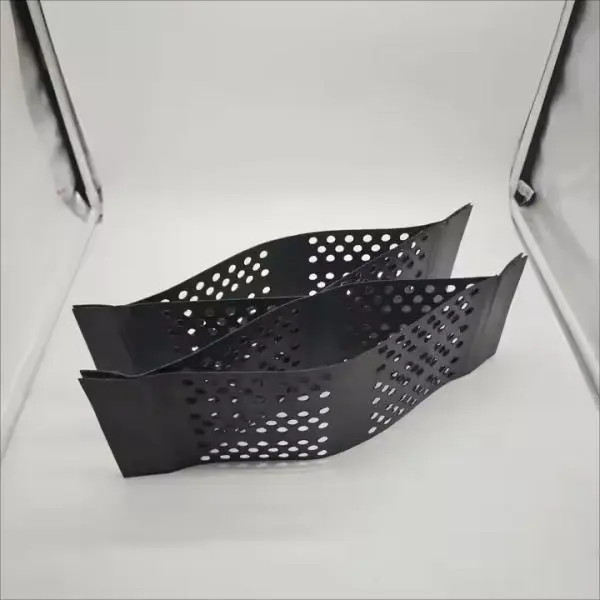
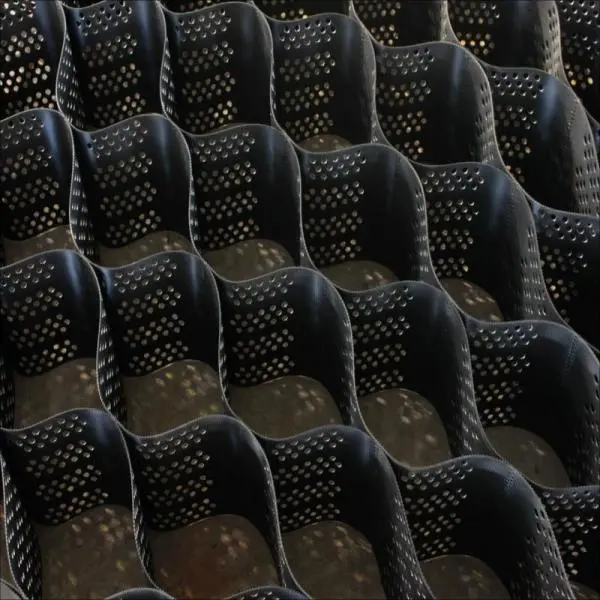
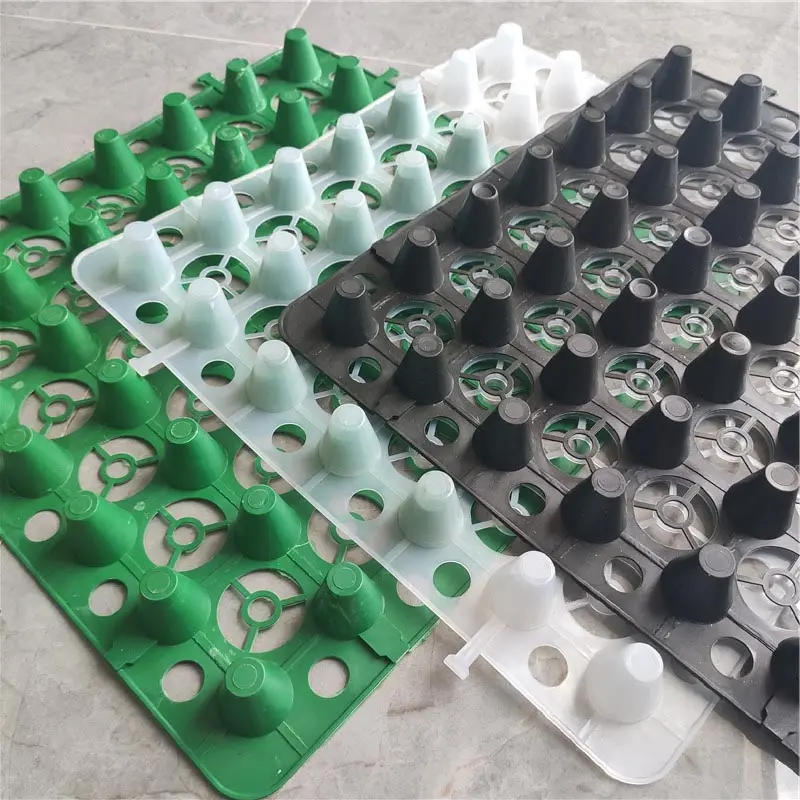
Engineered for long-term stabilization, water management, and construction reliability.
Understanding subgrade load-bearing parameters, hydraulic flow, and interface separation dynamics.
Gravel driveways and unpaved access paths represent complex civil structures subjected to repetitive dynamic wheel loads. The most common cause of driveway failure is not aggregate degradation, but rather the migration of base-layer aggregates into the soft, plastic subgrade soils below. When wheel loads are applied, localized shear stresses push the gravel down while forcing subgrade clay and silt upward. This mixing reduces the mechanical interlock of the aggregate base, leading to deep rutting, potholes, and structural collapse.
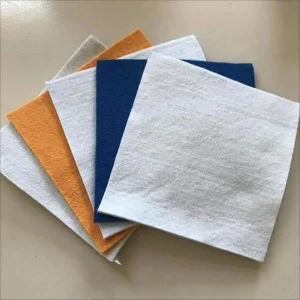
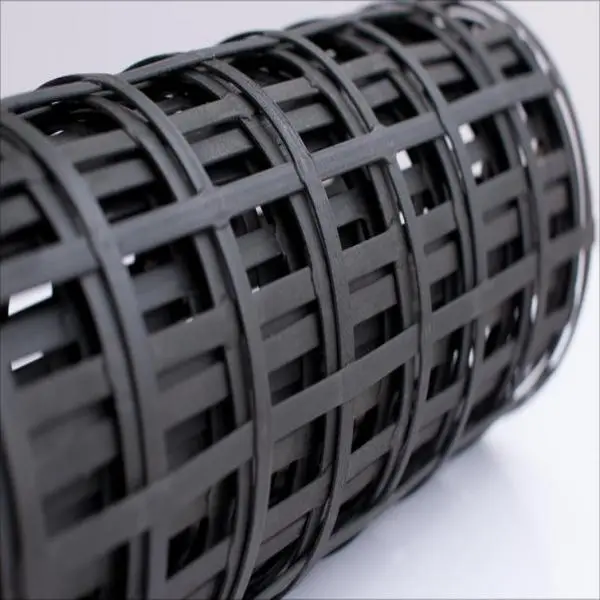
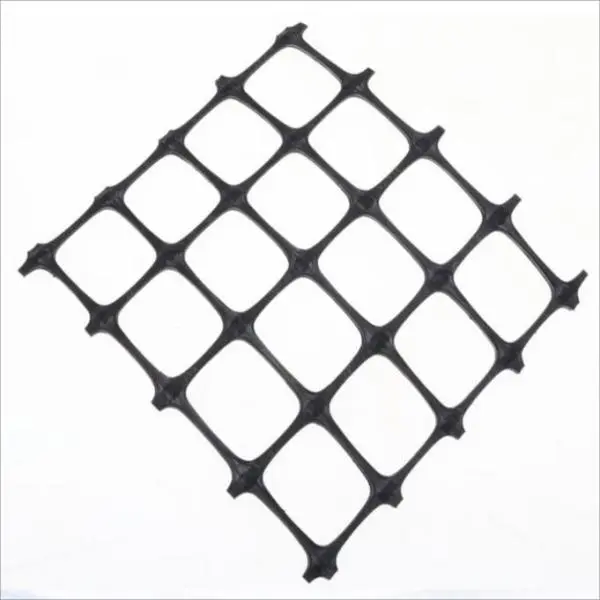
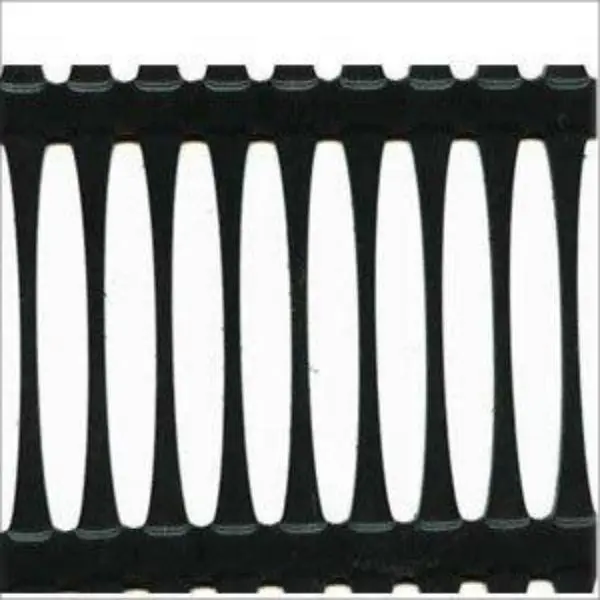
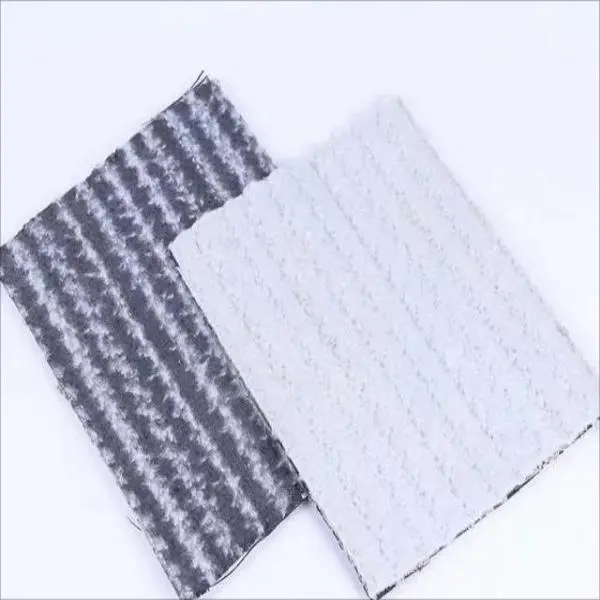
To mitigate this, high-performance geotextile fabrics act as a continuous separation barrier. By distributing wheel loads over a wider surface area (the membrane effect), the geotextile reduces peak vertical stresses transferred to the soil subgrade. The filtration properties allow water to flow freely horizontally and vertically, preventing pore pressure buildup and subsequent subgrade liquefaction while retaining fine soil particles.
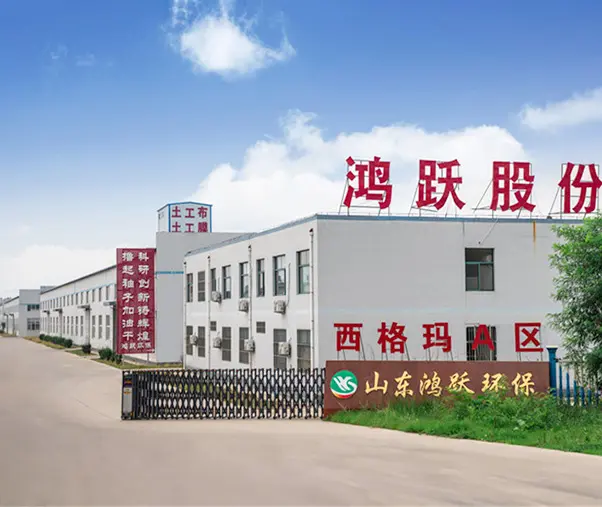
A premier Chinese scientific geotechnical manufacturer establishing global standards.
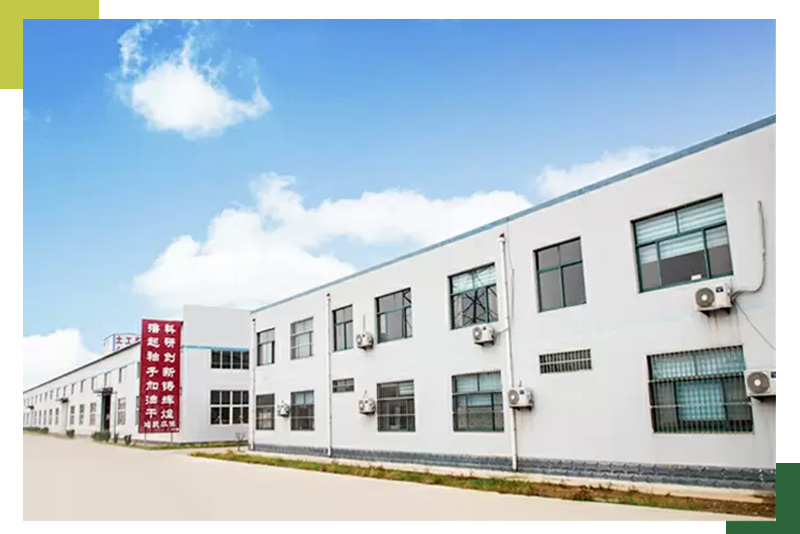
Located at the north end of Fufeng Street, Lingcheng District, Dezhou, Shandong Province, Shandong Hongyue Environmental Engineering Co., Ltd. is a scientific and technological geotechnical material manufacturer integrating engineering material production, sales, design, and professional construction services. The company was registered in Lingcheng District Market Supervision and Administration Bureau of Dezhou City on April 6, 2023, with a registered capital of 105 million yuan.
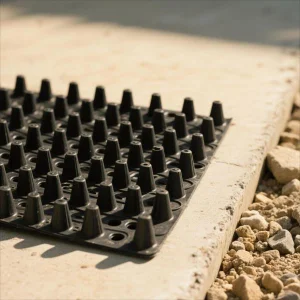
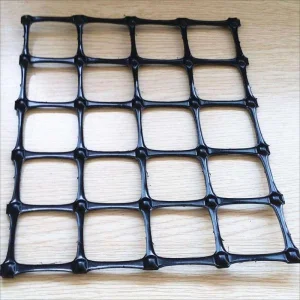
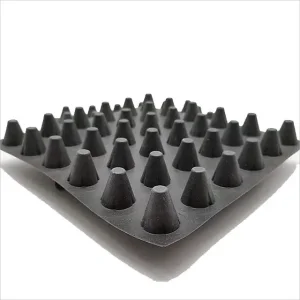
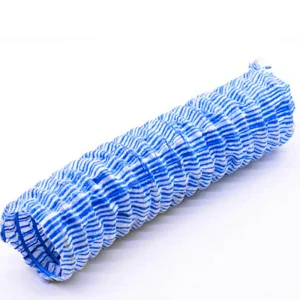
As one of the largest production bases of geotechnical materials in China, our superior geographical location ensures convenient transportation access for international export. We have established advanced, automated production lines designed to supply various types and specifications of geotextiles, geomembranes, composite geomembranes, waterproof boards, bentonite waterproof blankets, 3D composite drainage nets, (composite) drainage boards, woven and weaving geotextiles, membrane bags, blind ditches, waterproof-drainage combinations, woven bags, ecological bags, cement blankets, fiber plant blankets, and flexible pervious pipes.
A detailed engineering comparison to determine the optimal material for your specific site conditions.
| Property Parameter | Woven Slit-Film Geotextile | Non-Woven Needle-Punched Geotextile | Optimal Driveway Application |
|---|---|---|---|
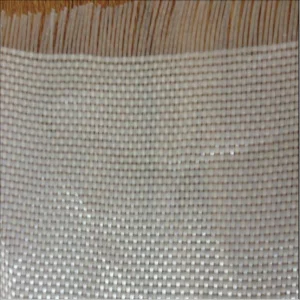
| Primary Function | Reinforcement & Separation | Filtration, Separation & Subsurface Drainage | Woven for structural load; Non-woven for wet/muddy soils. |
| Tensile Strength | Very High (typically 1.5 to 4.0 kN) | Moderate (0.5 to 1.8 kN) | Woven resists heavy truck rutting better. |
| Water Permeability | Low (under 10-15 gpm/ft²) | High (typically 80-150 gpm/ft²) | Non-woven prevents pooling by draining runoff quickly. |
| Elongation % | Low (< 20% typical strain) | High (> 50% elongation before puncture) | Non-woven conforms to uneven subgrades without breaking. |
| CBR Puncture Resistance | High | Very High (stretches to absorb angular gravel impact) | Non-woven is preferred for crushed stone with sharp edges. |
Decision Rule of Thumb: For driveways carrying typical residential vehicles over stable clay or loam, a 200-250 gsm non-woven needle-punched geotextile provides the optimal balance of filtration and separation. For heavy agricultural machinery, industrial yards, or soft peat subgrades (CBR < 3), a high-tensile woven geotextile should be deployed to prevent base failure.
How Shandong Hongyue ensures structural reliability from raw polymer to shipped rolls.
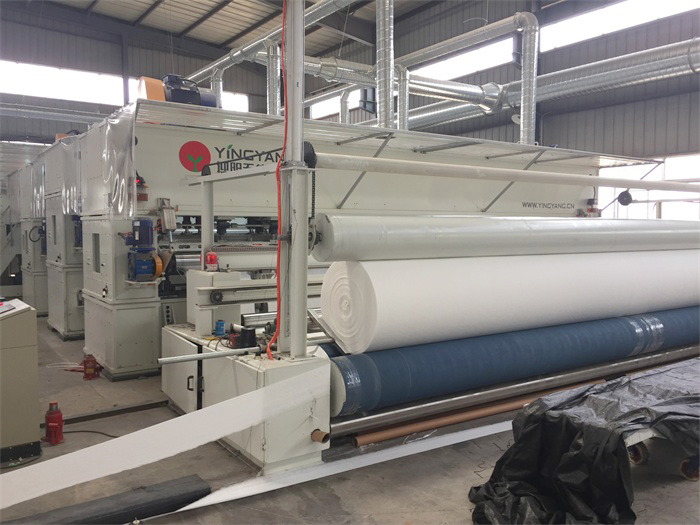
We selectively source high-purity polyester (PET) chips, virgin polypropylene (PP) filaments, and high-tenacity fibers. All incoming materials undergo rigorous viscosity and density verification to prevent degradation during heat-setting.
Raw polymers are melted inside high-precision, multi-zone temperature-controlled screw extruders. The liquid melt is forced through high-density spinnerets to form continuous micro-thin synthetic filaments.
Filaments are pneumatically stretched, separated, and systematically distributed onto a moving wire conveyor belt. This forms a high-uniformity, isotropic web structure with equal physical properties in both directions.
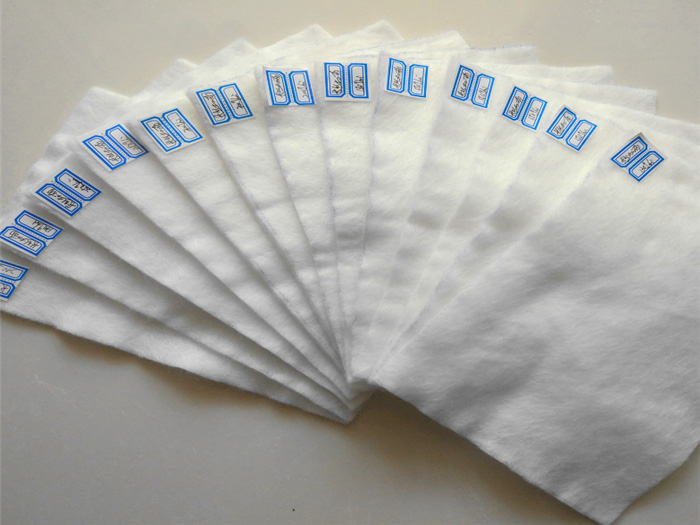
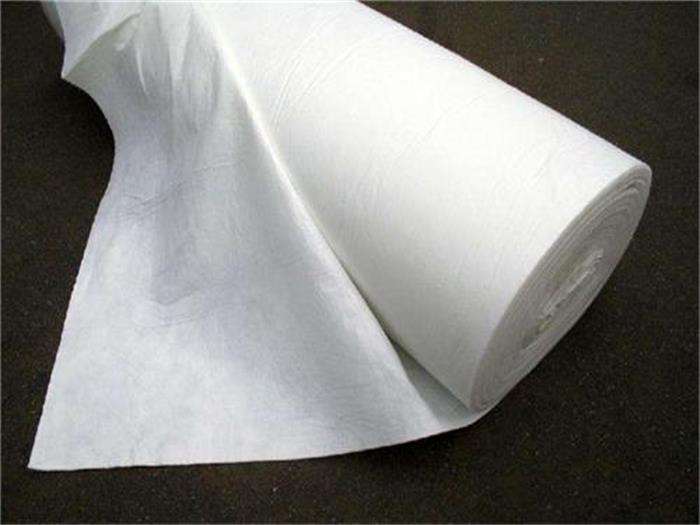
Thousands of barbed needles vertically punch through the fiber web. This mechanical interlocking forces the fibers to entangle into a dense, highly porous geotextile sheet with superior dimensional stability.
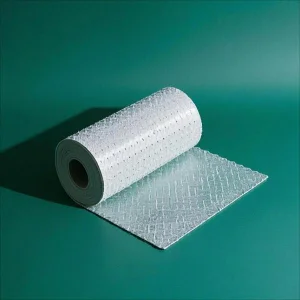
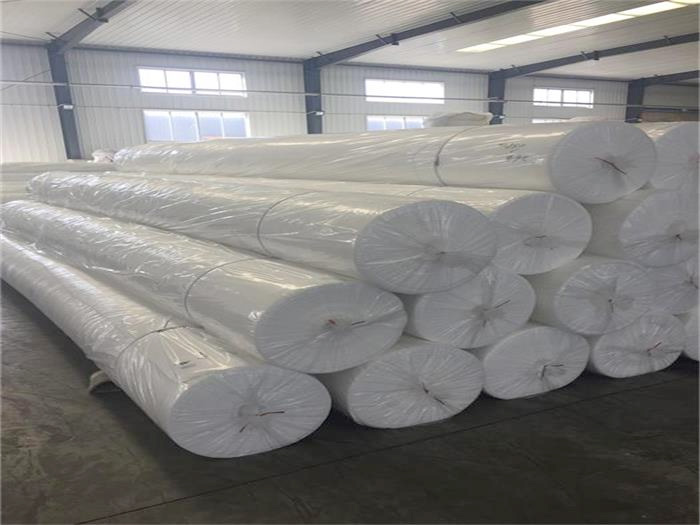
Following curing, the geotextile is continuously monitored for thickness and width, slit to target dimensions, and wound onto heavy-duty cardboard cores before being wrapped in UV-protective polyethylene film.
Samples from every production batch undergo rigorous testing, checking mass per unit area, grab tensile strength, trapezoid tear strength, apparent opening size (AOS), and CBR puncture capacity.
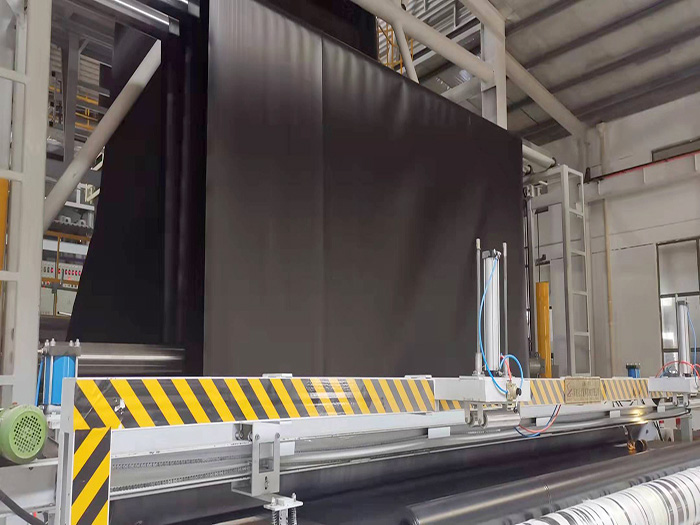
How raw polymer costs, production weight, roll sizes, and logistics impact global bulk pricing quotes.
Navigating the bulk pricing matrix of Chinese geotechnical exporters requires understanding the technical cost drivers. Unlike consumer goods, geotextiles are priced based on raw material weight, polymer type, and processing complexity. High-performance projects typically specify products based on grams per square meter (gsm).
Virgin Polypropylene (PP) provides outstanding acid/alkali resistance and strength, and commands a premium. Recycled Polyester (PET) offers an economical, eco-friendly option for standard light-duty stabilization projects.
Price is directly proportional to weight. Standard driveway fabrics (150gsm - 300gsm) utilize less raw material than heavy-duty canal stabilization sheets (400gsm - 800gsm), which require longer needle punching cycles.
Standard rolls are 4m to 6m wide and 50m to 100m long. Custom slitting or narrow widths increase manufacturing run times and generate edge waste, slightly raising the unit cost per square meter.
For accurate bulk pricing, global importers should request FOB (Free on Board) terms from major ports like Qingdao or Tianjin, or CIF (Cost, Insurance, and Freight) terms. Purchasing directly from verified manufacturers like Shandong Hongyue minimizes middleman markups, ensuring access to authentic, lab-tested geosynthetics at factory-direct pricing.
Exploring the integrated application of multi-layer impermeable barriers and high-capacity drainage systems.
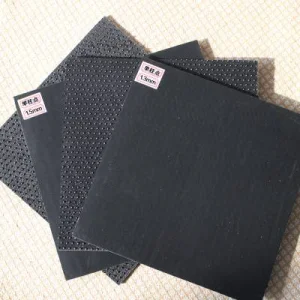
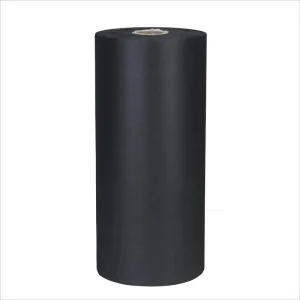
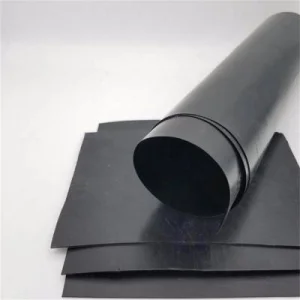
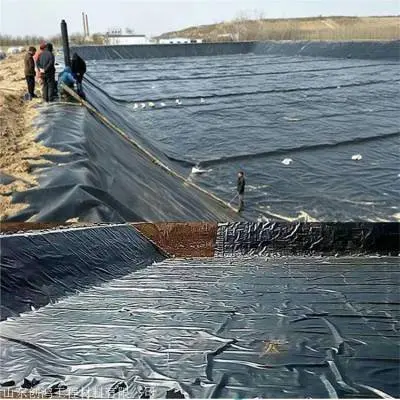
While permeable geotextiles are critical for structural stabilization and filtration, complex civil infrastructure projects often require impermeable barrier systems. High-density polyethylene (HDPE geomembranes) and linear low-density polyethylene (LLDPE geomembranes) provide durable, low-permeability containment barriers. These geomembranes are widely used in hydraulic engineering, artificial reservoirs, landfill lining, wastewater ponds, and secondary containment in fuel depot areas.
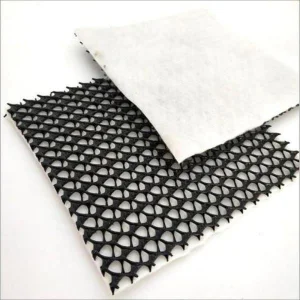
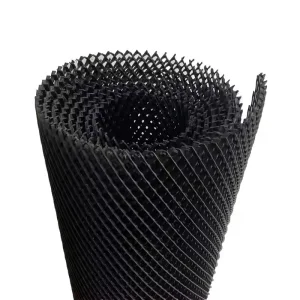
To maximize engineering life, geomembranes are typically paired with non-woven geotextiles. The geotextile acts as a protective cushion, absorbing mechanical stresses and preventing sharp aggregates in the subgrade from puncturing the thin impermeable sheet. Additionally, when paired with 3D composite drainage networks, they create an efficient pathway to collect and channel subsurface liquid runoff, relieving dangerous hydrostatic pressure.
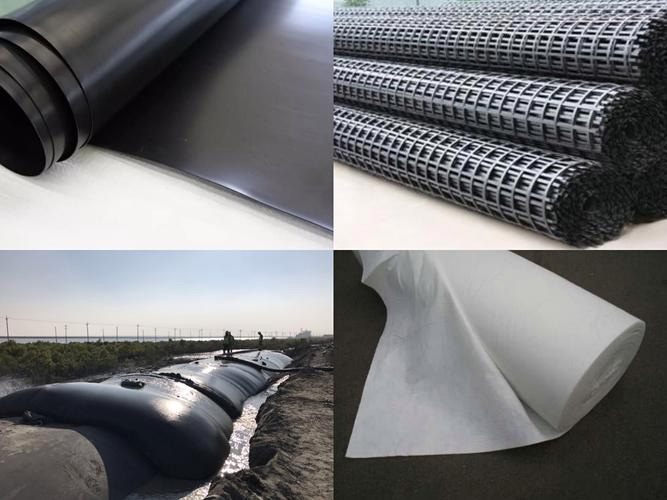
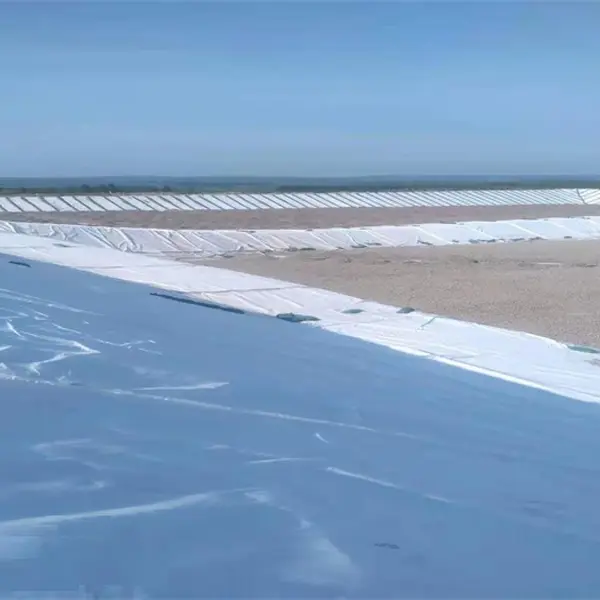
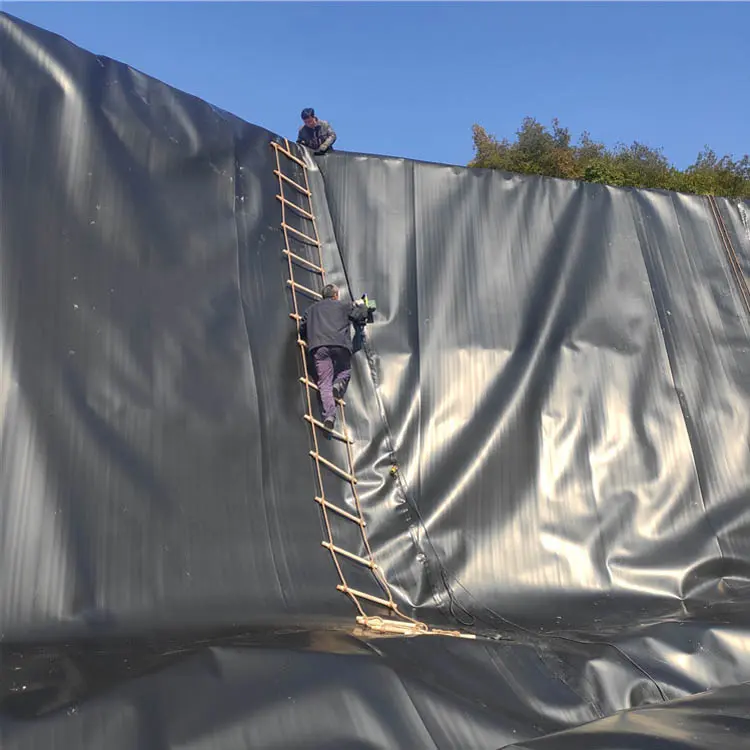
Geomembrane lining systems prevent critical water loss in large-scale agricultural and municipal reservoir installations.
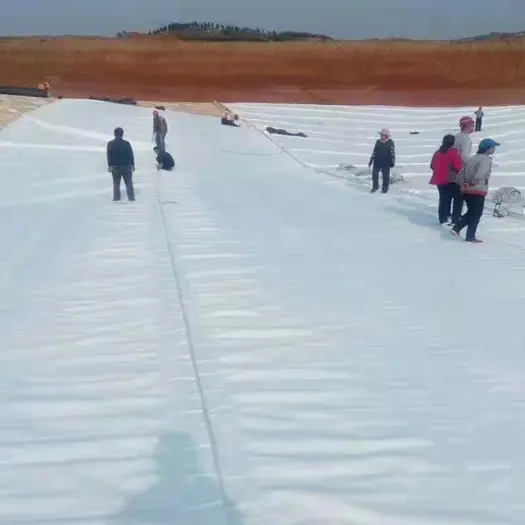
Mitigates channel erosion and prevents soil piping along fast-flowing municipal irrigation canals.
Prevents toxic leachates from migrating downward and contaminating local groundwater tables.
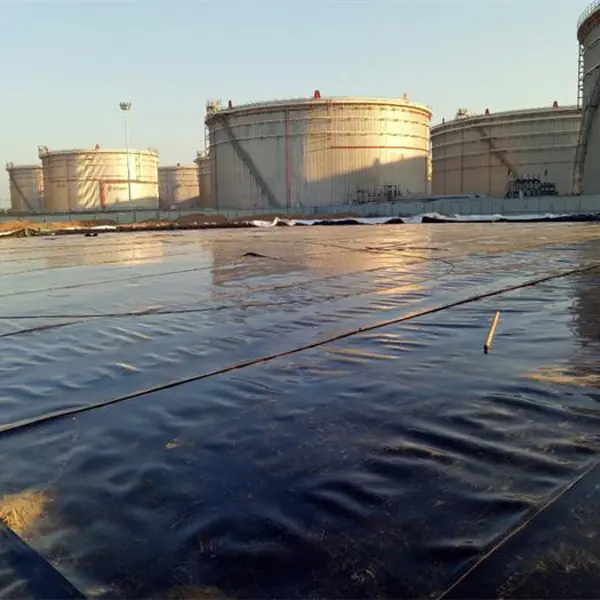
Provides high chemical resistance barriers under bulk storage tanks and tank farms.
Best practice engineering protocols for deploying geosynthetics in harsh environment sites.
A high-quality geosynthetic system is only as reliable as its field installation. For both geotextiles and geomembranes, proper subgrade preparation is essential. The subgrade soil must be compacted and cleared of sharp rocks, roots, or debris that could cause localized shear damage.
For impermeable geomembranes, joint sealing is the most critical step. We utilize automated dual-track hot-wedge welding machines to seal adjacent panels. This process melts the interface of the two sheets under pressure, creating a continuous, high-strength seam. Weld integrity is verified using pressurized air-channel tests or vacuum box assessments. For geotextiles, joints must be either thermally bonded, sewn with industrial handheld sewing units, or overlapped by at least 300mm to 500mm depending on subgrade stability.
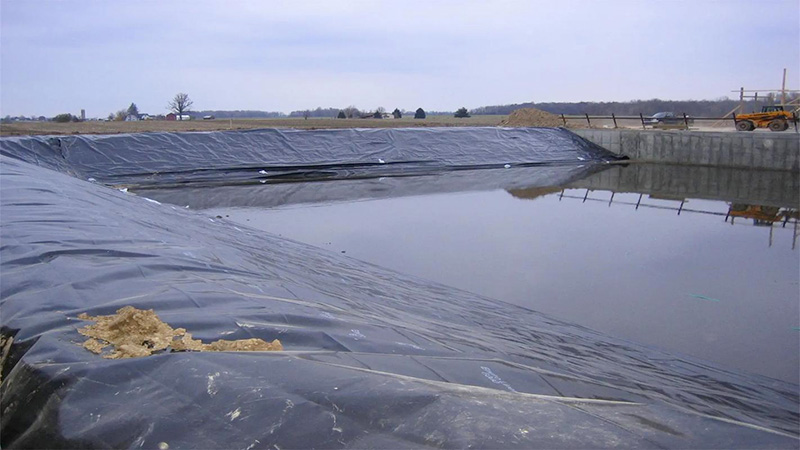
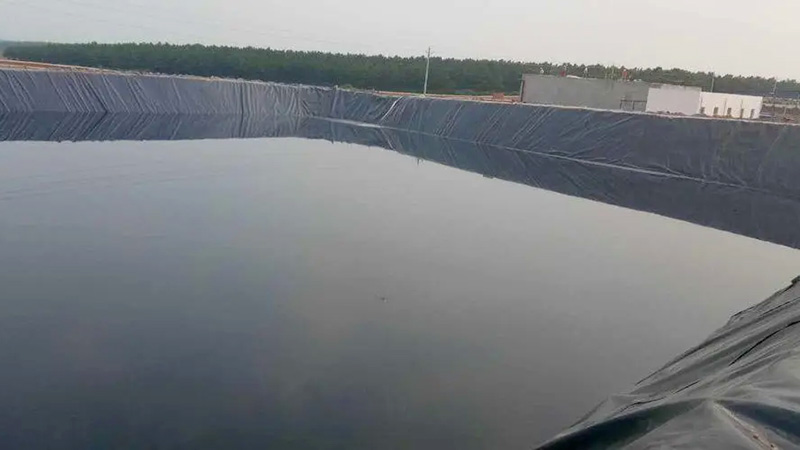
Excavate anchor trenches along slope perimeters to secure the geotextile/geomembrane edges, preventing slippage or wind uplift during installation.
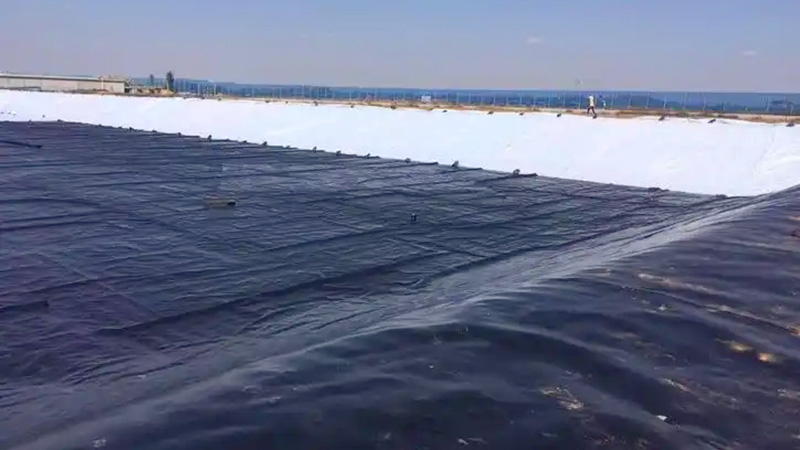
Ensure all thermal welds or physical overlaps meet standard specifications to eliminate pathways for subgrade soil migration or water bypass.
Perform routine visual and electronic inspections for physical damage or UV degradation. Patch any damaged sections quickly to maintain system integrity.
Why global sourcing partners trust the structural reliability of Shandong Hongyue materials.
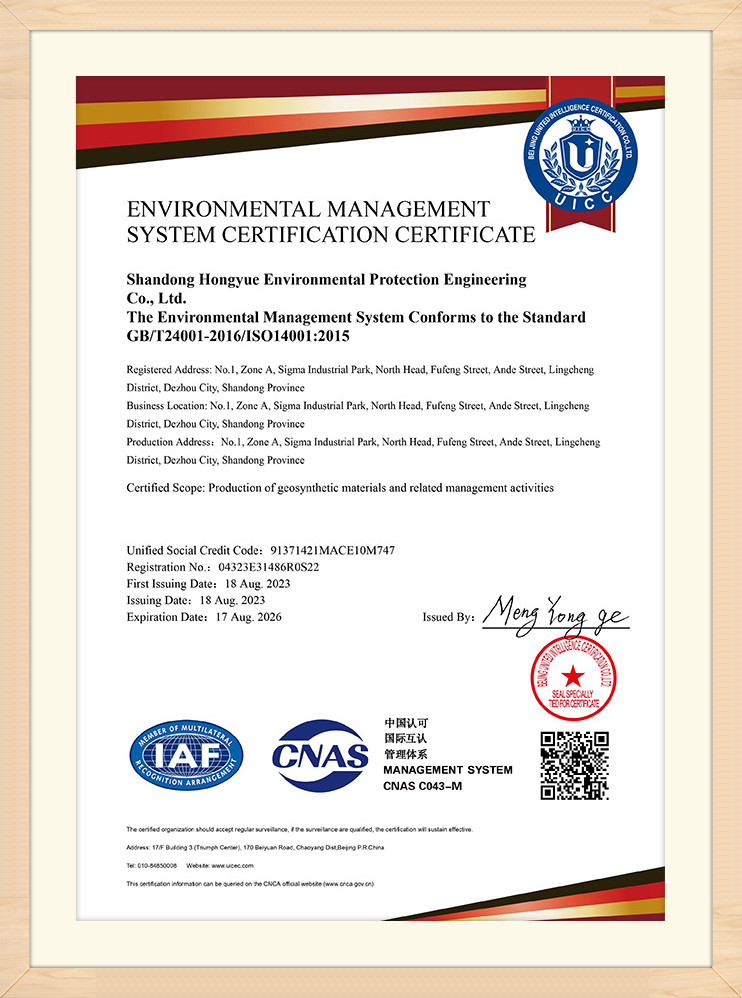
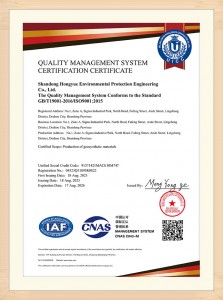
Quality is central to Shandong Hongyue's operations. Our testing facility is equipped with high-precision instruments to monitor polymer physical properties and test finished materials. We have passed ISO9001 quality management, ISO14000 environmental management, and ISO45001 occupational health and safety certifications.
Our laboratory regularly measures parameters including mass per unit area (gsm), thickness, grab tensile strength, tear strength, hydraulic conductivity, and CBR puncture resistance. All products meet or exceed national GB/T standards and international ASTM/EN standards, verified by sampling inspections from the China National Testing Center.
Shandong Hongyue's technical roadmaps for next-generation green infrastructure.
We are researching PLA and bio-derived co-polymers for eco-sensitive installations, offering high strength during construction and bio-assimilating over decades without generating microplastics.
Integrating distributed fiber-optic sensors (DFOS) into the geotextile structure to monitor localized stress, strain, and pore pressure changes in real-time, providing early warnings for slope instability.
We are reducing our manufacturing carbon footprint by utilizing rooftop solar arrays on our production halls, recovering thermal energy from extrusion zones, and optimizing motor drive cycles.
Expert technical answers to common queries regarding driveway geotextiles and global sourcing.
Explore our full line of stabilization, reinforcement, and moisture barrier systems.
High-quality geosynthetic materials engineered for specific project conditions.
 Hongyue