Engineered to meet international ASTM, ISO, and CE standards for demanding global projects.

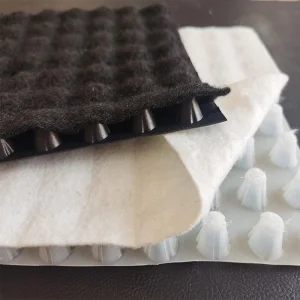
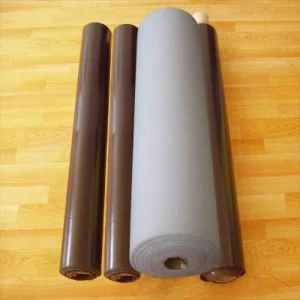
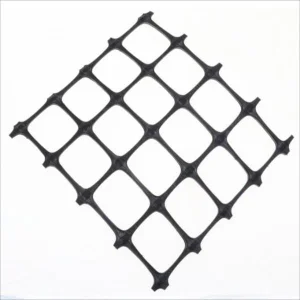
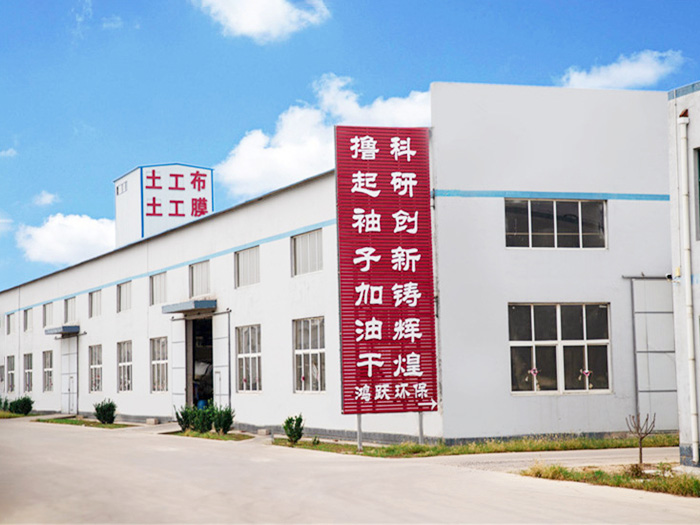
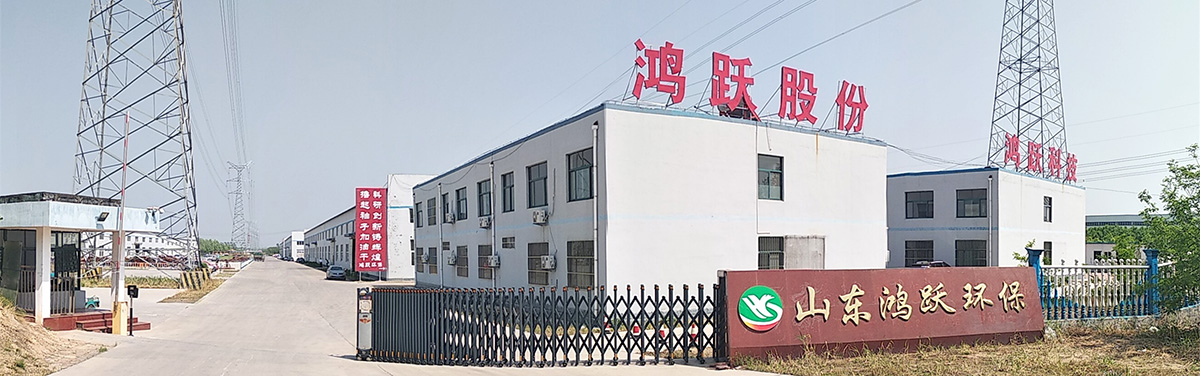
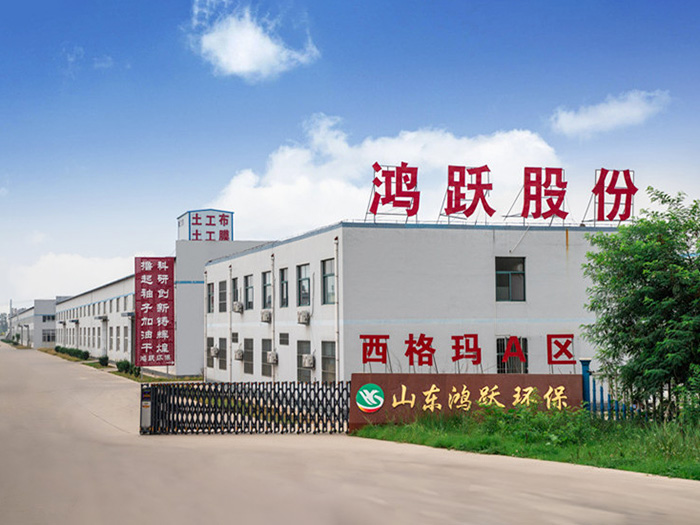
Shandong Hongyue Environmental Engineering Co., Ltd., located at the north end of Fufeng Street, Lingcheng District, Dezhou, Shandong Province, is a scientific and technological geotechnical material manufacturer integrating engineering material production, sales, design and construction services. The company was registered in Lingcheng District Market Supervision and Administration Bureau of Dezhou City on April 6, 2023, with a registered capital of 105 million yuan. It is one of the largest production bases of geotechnical materials in China at present, located in Lingcheng District, Dezhou, Shandong Province, with a superior geographical location and convenient transportation.
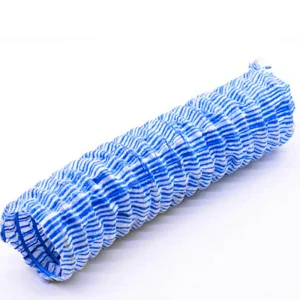
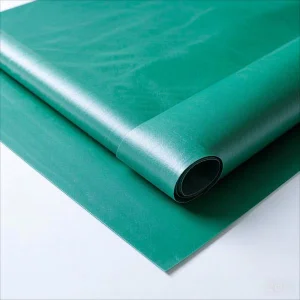
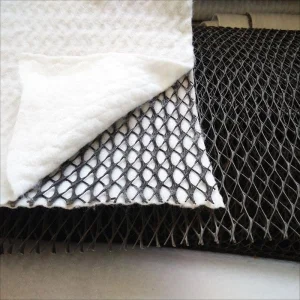
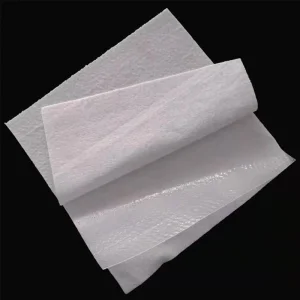
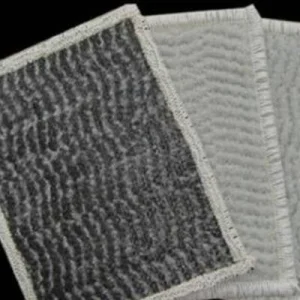
Since its establishment, the company has developed rapidly, and its business continues to grow and expand. Our comprehensive portfolio includes geotextiles, geomembranes, composite geomembranes, waterproof boards, bentonite waterproof blankets, 3D composite drainage nets, (composite) drainage boards, weaving cloth, woven cloth, membrane bags, blind ditches, waterproof and drainage combinations, woven bags, ecological bags, cement blankets, fiber plant blankets, and flexible pervious pipes.
Our company belongs to the Dezhou Geotextile Association, and our products are widely utilized in highways, railways, bridges, tunnels, reservoirs, canals, water conservancy structures, artificial lakes, environmental protection facilities, aviation, mining, and agricultural fields. We boast high-quality products along with a professional sales and technical team to support client demands globally.
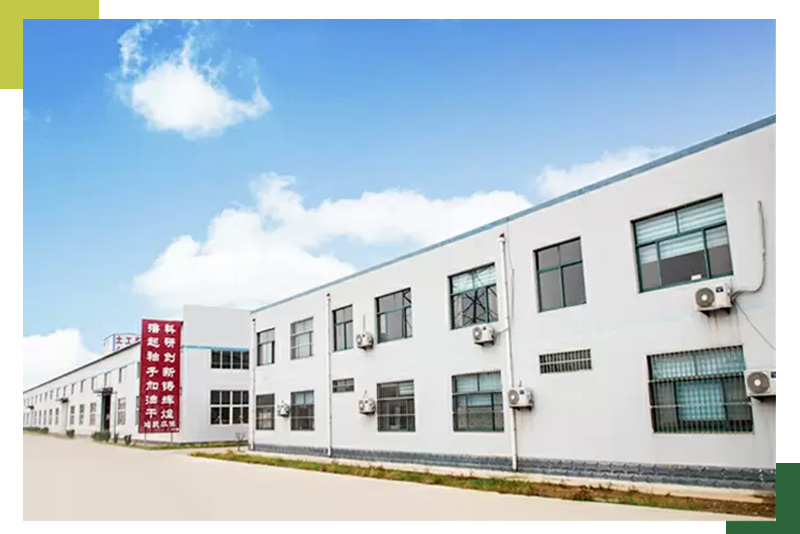
Unlocking systemic value, high-speed logistics, and unparalleled supply chain concentration for international infrastructure buyers.
Dezhou City in Shandong Province represents the epicenter of China’s geotextile and geomembrane manufacturing ecosystem. By clustering raw material suppliers, polymer extruders, needle-punch machinery builders, and testing labs in one location, we achieve significant overhead reduction that is directly passed down to global procurement managers as pricing benefits.
Equipped with specialized testing machinery, our QA lab tests for tensile strength, elongation limits, puncture resistance, and chemical compatibility. All products meet or exceed Chinese National Standards and international equivalents. The physical properties are vetted through the China National Testing Center prior to domestic and foreign shipping.
Strategically linked to primary logistics networks, Dezhou allows rapid freight shipping to Qingdao Port, Tianjin Port, and major railway networks connecting to Central Asia and Europe. This geographic connectivity minimizes lead times and transit expenses, ensuring your construction project remains strictly on schedule.
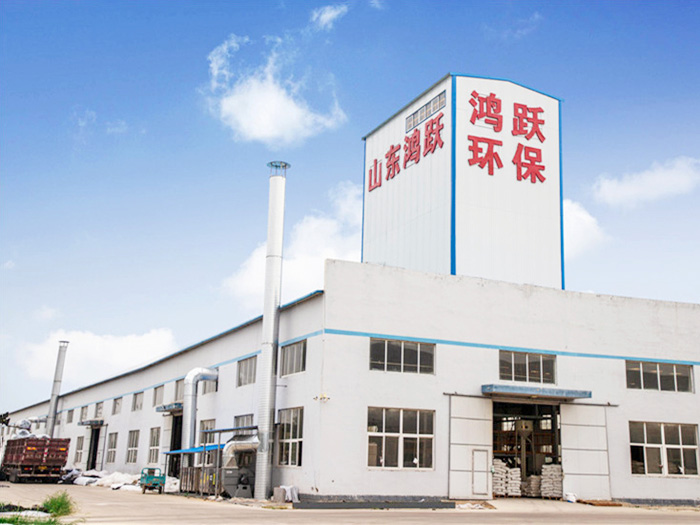
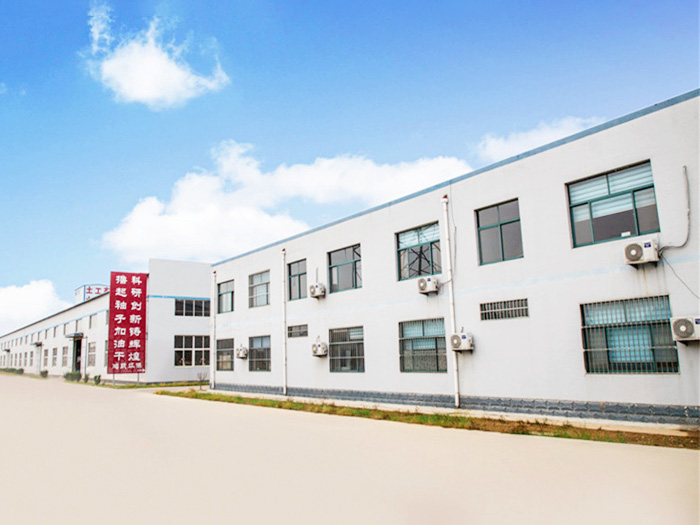
Take a closer look at our high-output manufacturing lines, specialized testing laboratories, and inventory warehouse.
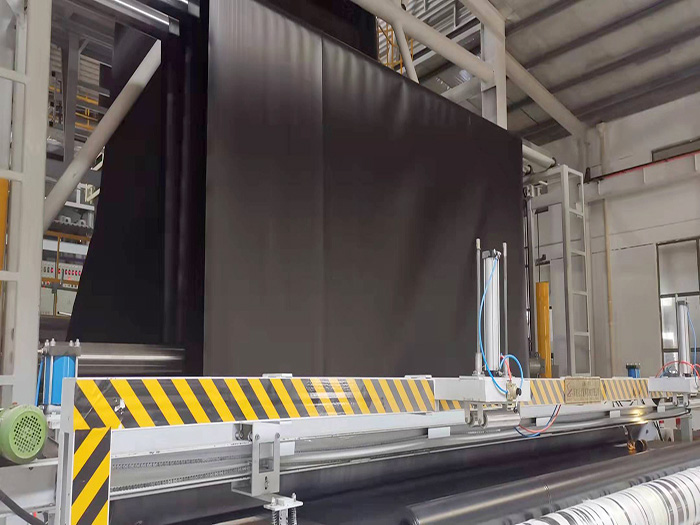
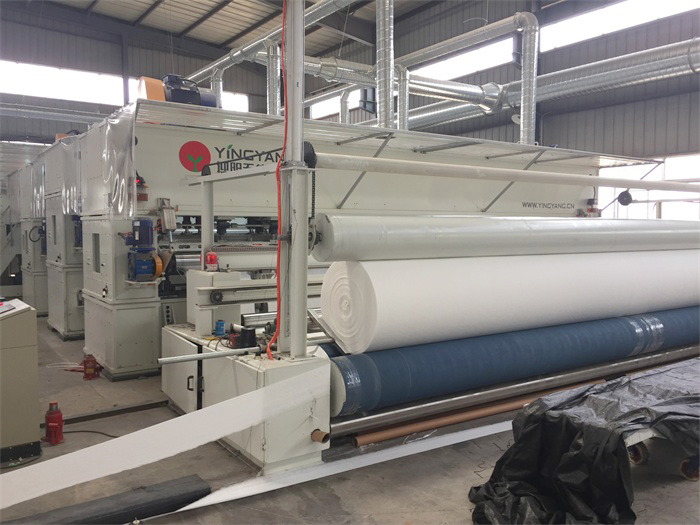
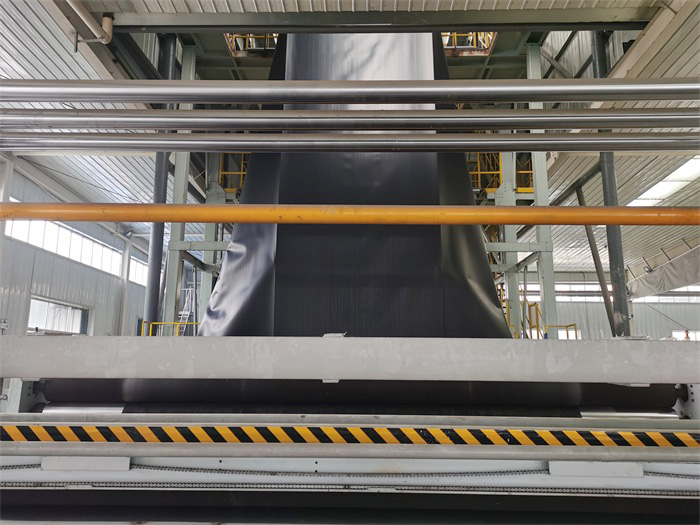
Modern engineering practices demand precise parameters. Here is how we ensure performance at every stage of production.
Polyester (PET) chips, polypropylene (PP) filaments, and viscose fibers are thoroughly analyzed for molecular density, melt flow index, and tensile qualities to guarantee basic structural reliability before entering production.
Polymer raw materials are melted inside high-temperature screw extruders. Polypropylene filament and viscose fibers are mixed at exact heat ratios. Pressures and temperatures are closely monitored to prevent polymer degradation.
The liquid melt is extruded through spinnerets to produce continuous micro-filaments. These are layered onto a dynamic conveyor belt, establishing a uniform web architecture that defines final mechanical strength.
Layers undergo mechanical entanglement via thousands of barbed needles reciprocating at high speeds, interlocking the fibers into a robust, three-dimensional porous structure designed for filtration and reinforcement.
The stabilized fabric is trimmed to exact widths (up to 6+ meters) and rolled to specific lengths. Specialized protective wrapping prevents UV exposure during long-term storage and ocean transit.
Every production run is systematically tested for tear strength, hydraulic permeability, opening size, and thickness. Batch certifications are filed and sent directly to the purchasing entity.
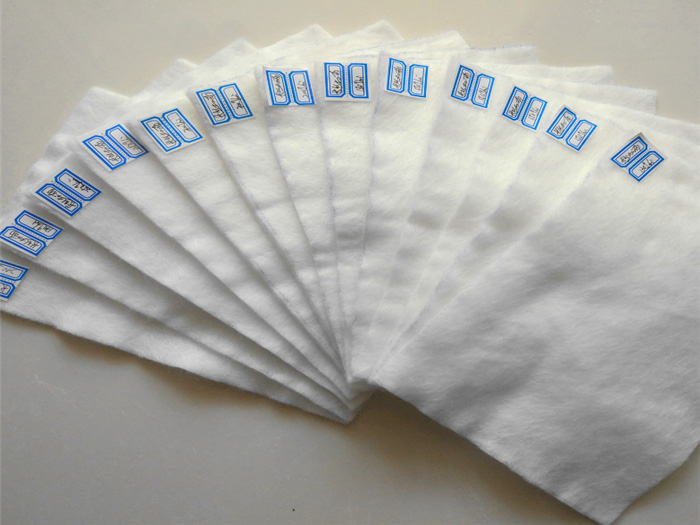
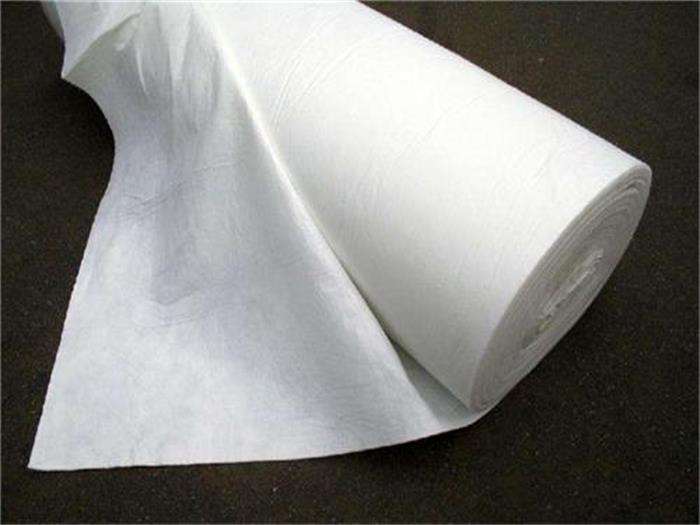
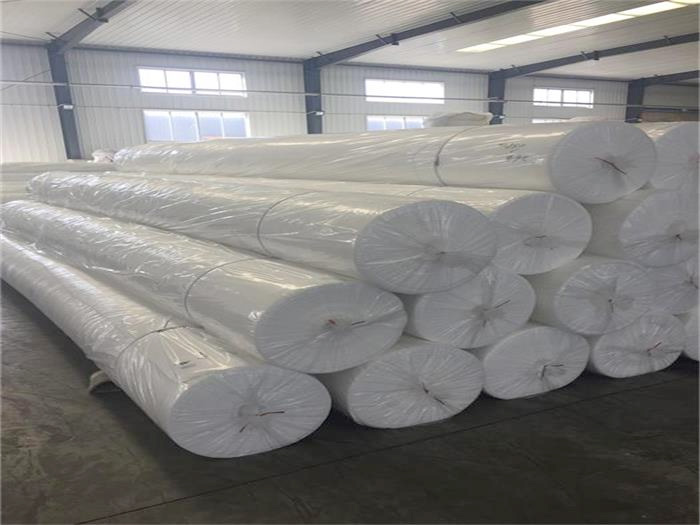
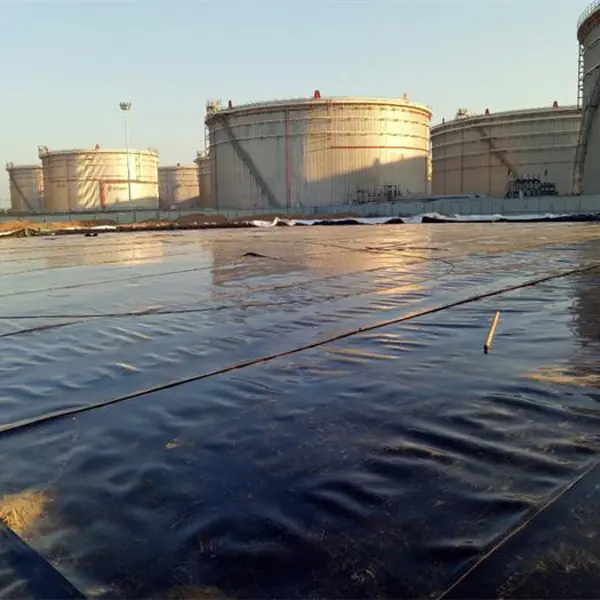
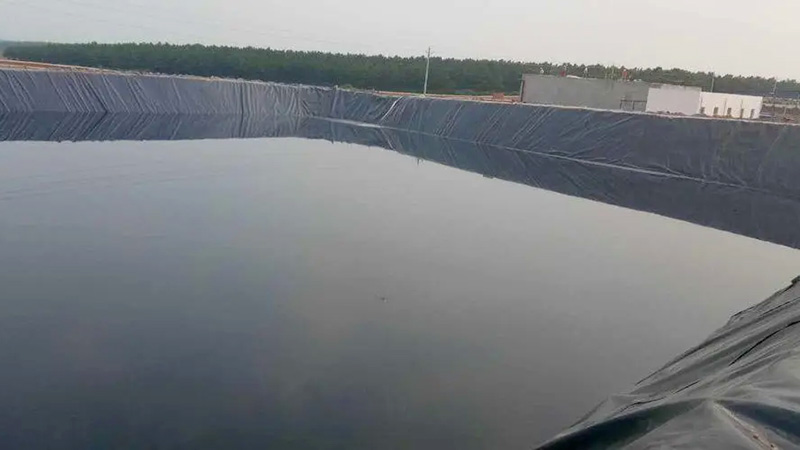
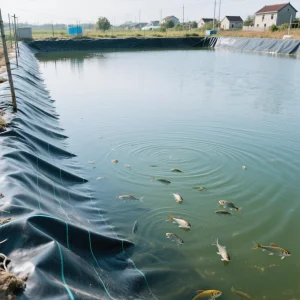
Proper application of impermeable geomembranes represents a key variable in municipal landfills, mining containment, and agricultural reservoirs.
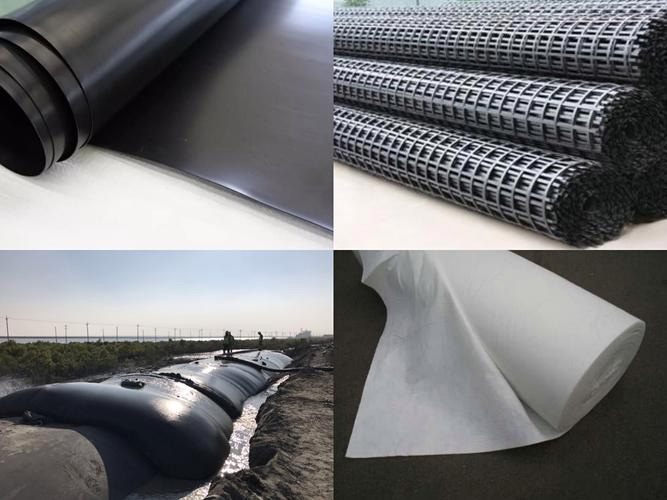
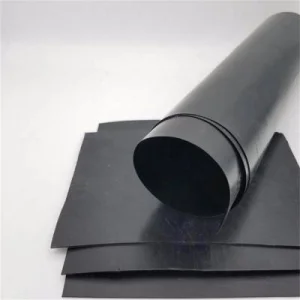
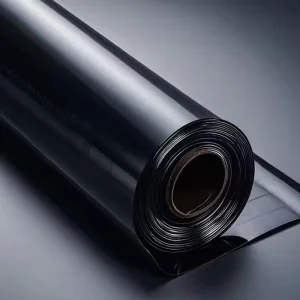
Selecting the appropriate raw polymer is critical. High-Density Polyethylene (HDPE) provides excellent chemical resistance and durability, making it ideal for landfill liners and aggressive mine leaching pads. Linear Low-Density Polyethylene (LLDPE) offers superior flexibility and elongation, perfect for irregular surfaces and projects experiencing differential settlement. Thickness generally ranges from 0.3mm to 3.0mm depending on hydrostatic pressures.
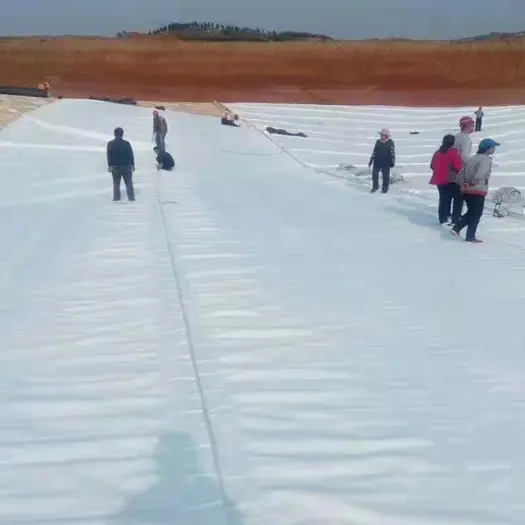
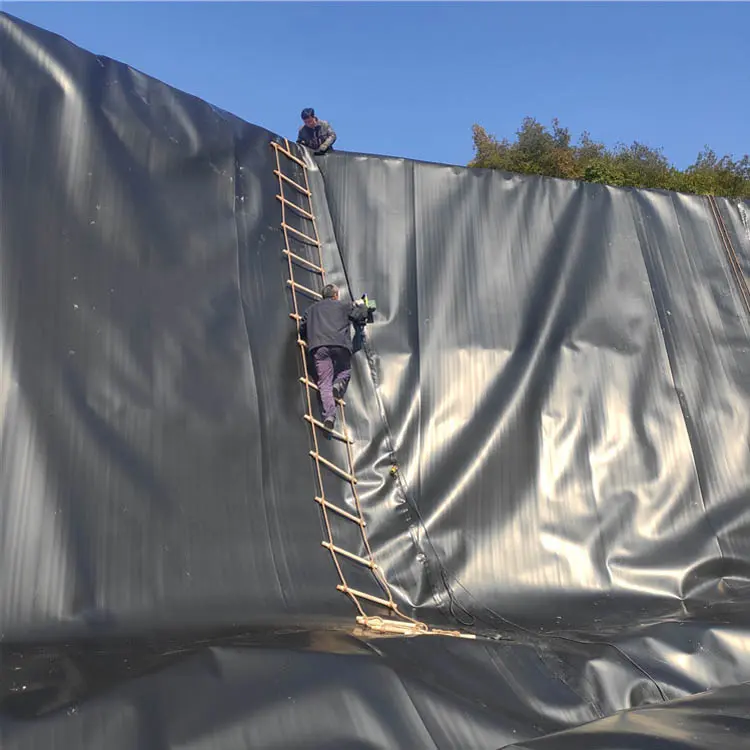
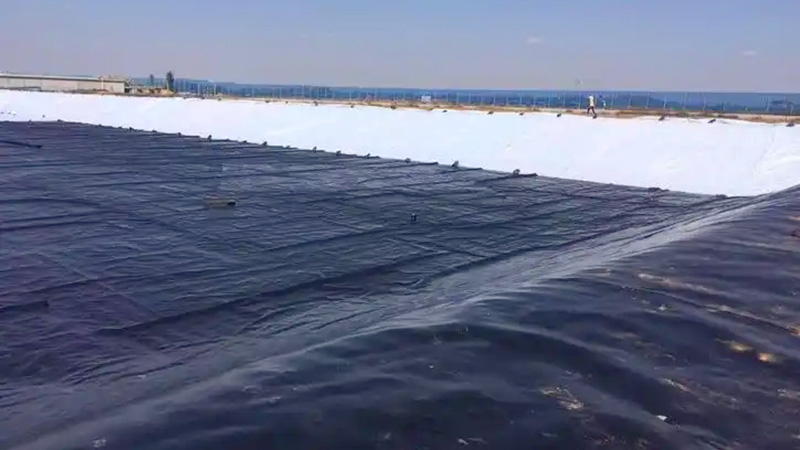
The subgrade must be compacted and cleared of sharp rocks, debris, and roots. Panels are placed with a 10cm to 15cm overlap. Dual-track hot wedge welding is the standard method for long seams, allowing for air-channel pressure testing to verify joint integrity. For complex configurations around pipe penetrations, extrusion welding with matching HDPE rod is utilized.
While our geomembranes include specialized carbon black and UV stabilizers, covering them with a protective layer of geotextile and soil prevents mechanical damage and environmental aging. Regular inspections should be conducted to detect silt accumulation, mechanical tears, or chemical distress, allowing for immediate localized patch repairs.
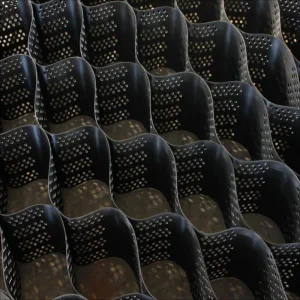
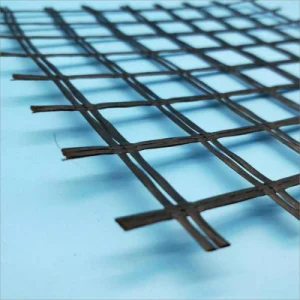
Discover our advanced geogrids, geocells, and composite liners for earth stabilization and reinforcement.
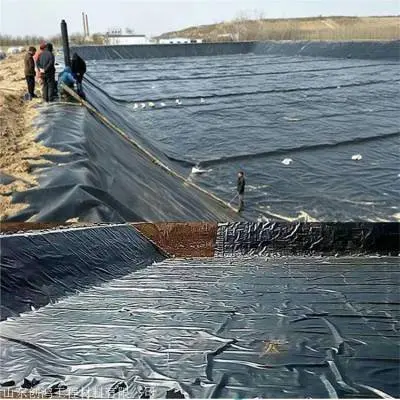
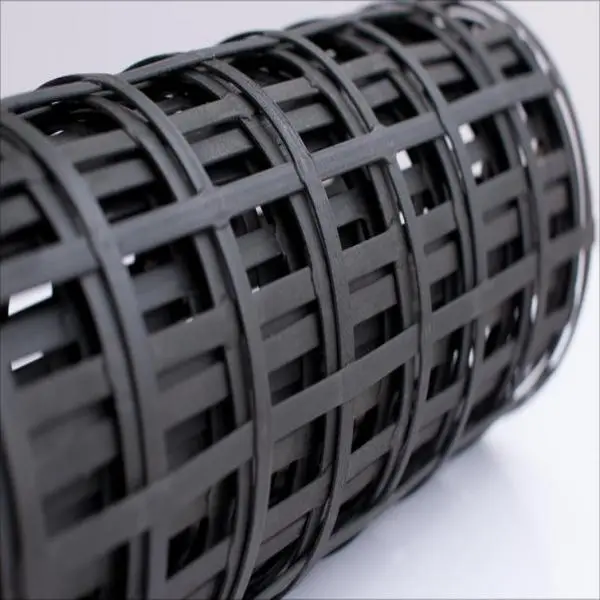
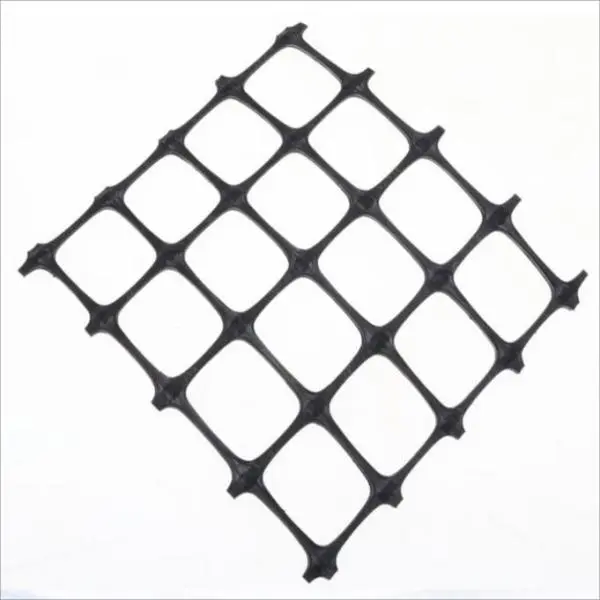
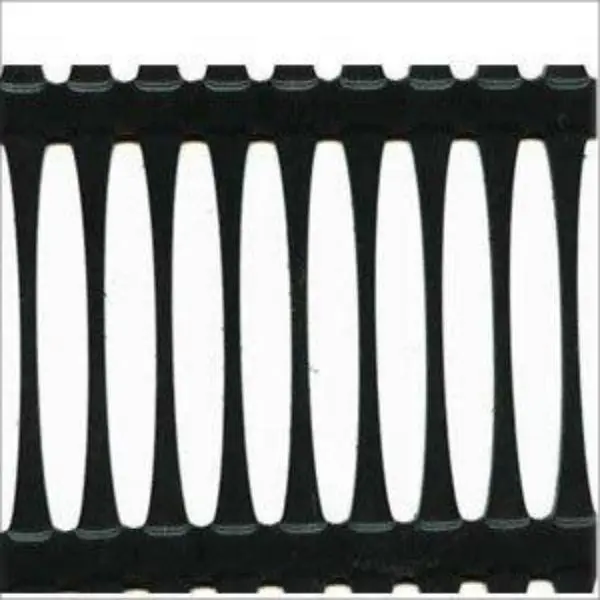
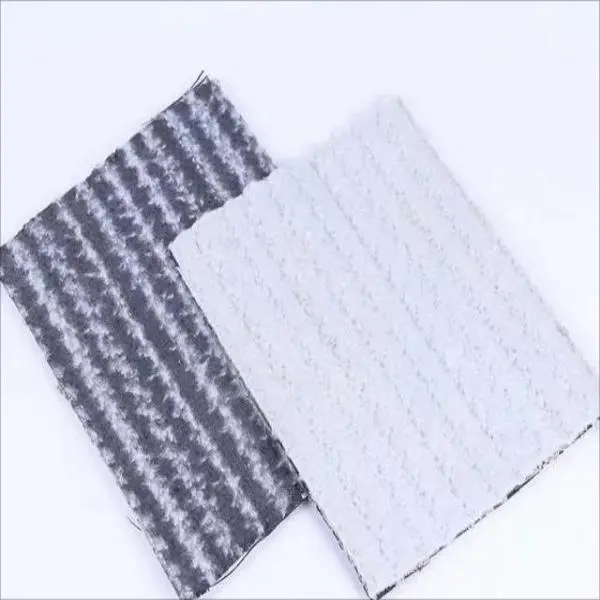
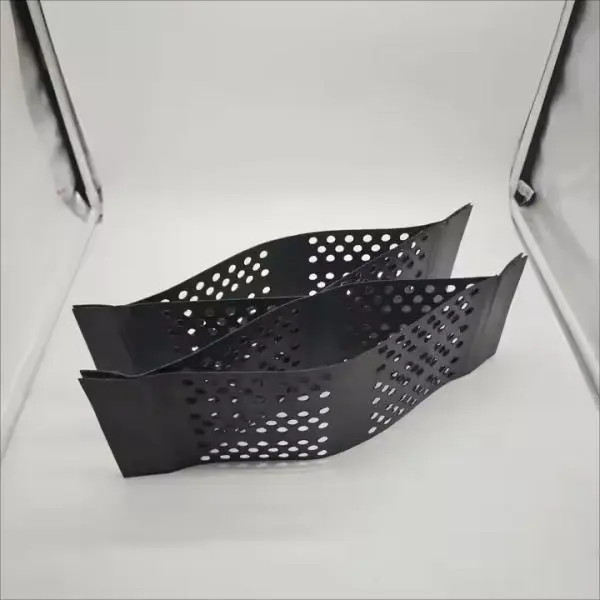
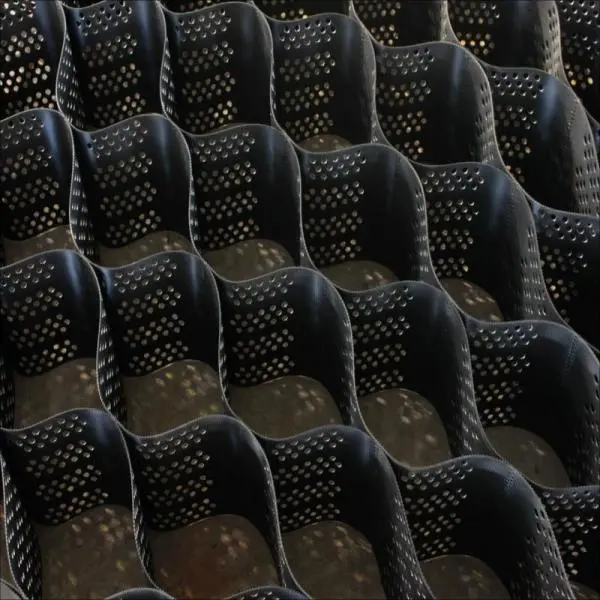
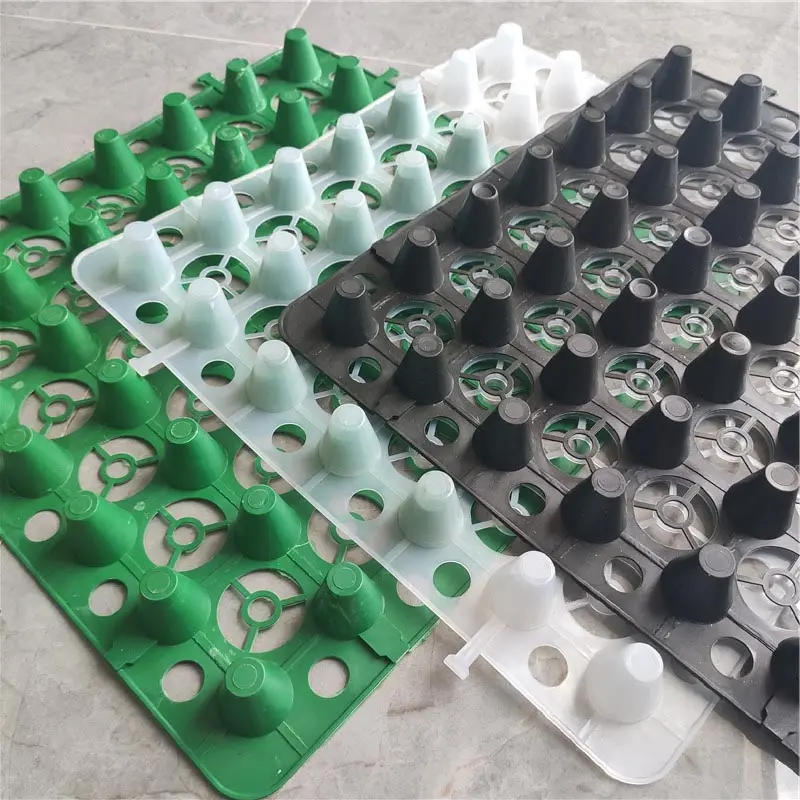
Customized engineering solutions tailored to balance environmental safety and structural load requirements.
How we align with global benchmarks to secure long-term durability and pass municipal audits.
Industrial geotechnical applications present zero margin for error. A failure in the liner system of a municipal landfill or chemical containment pond can result in catastrophic environmental damage and millions of dollars in liability. At Shandong Hongyue, our manufacturing processes are aligned with rigorous international quality standards.
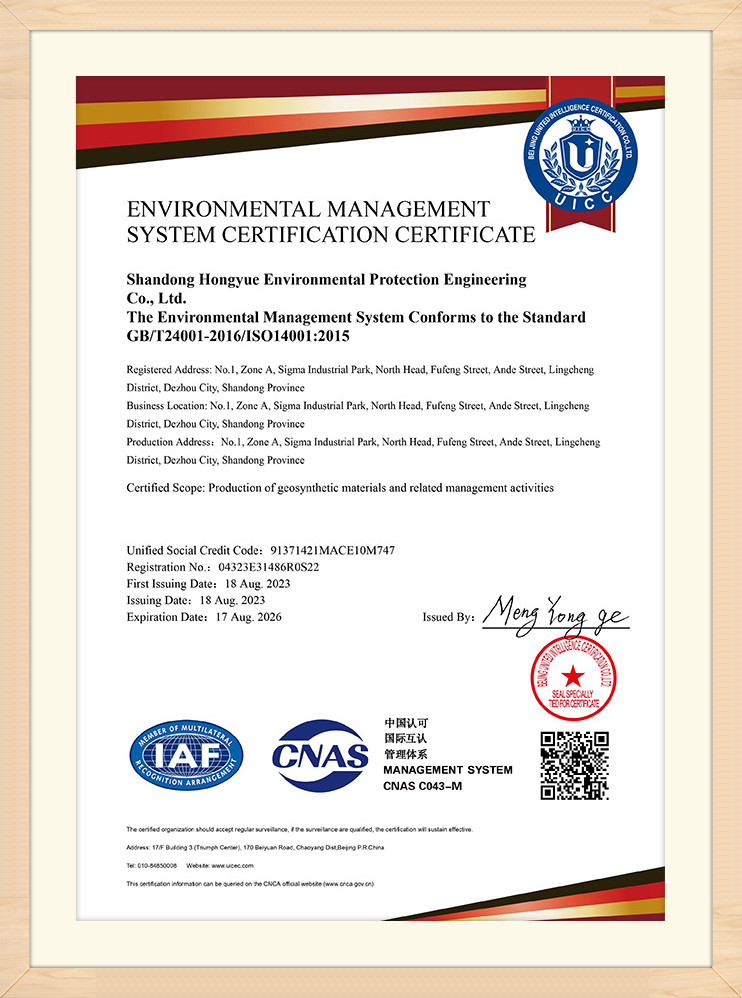
We have secured and maintain the ISO9001:2015 International Quality Management System, ISO14001:2015 Environmental Management System, and ISO45001:2018 Occupational Health and Safety Management System certifications. For European Union and global markets demanding rigorous conformity markings, our core geotextiles, geomembranes, and geonets are CE certified, ensuring seamless border clearance and compliance with structural engineering requirements.
In our advanced laboratory, we test for a wide range of properties, including:
The industry is shifting toward smart, sustainable, and highly specialized composite materials.
The integration of fiber-optic cabling and conductive elements directly into geotextiles is transforming structural monitoring. These smart geotextiles can transmit real-time strain, temperature, and leakage data back to monitoring stations, allowing engineers to address dam or highway issues before they escalate.
For temporary applications like short-term erosion control along riverbanks, the industry is adopting natural fibers like coir, jute, and PLA. These materials stabilize soil while vegetation establishes, gradually decomposing without leaving synthetic residues in the environment.
Incorporating nanoclay particles and advanced polymers increases resistance to chemical degradation and micro-cracking under stress. These materials are becoming the standard choice for harsh petrochemical containment and highly acidic mining tailings.
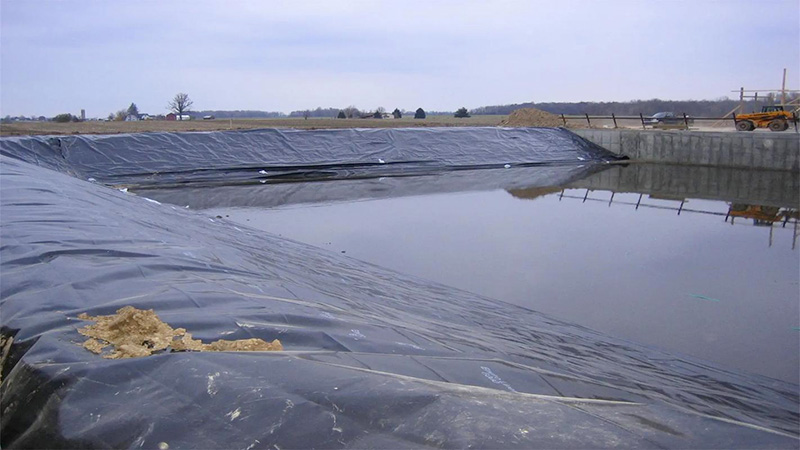
Geomembranes play a key role in modern water conservancy projects. Their low permeability, lightweight design, and cost-effectiveness make them essential for complex hydraulic systems.
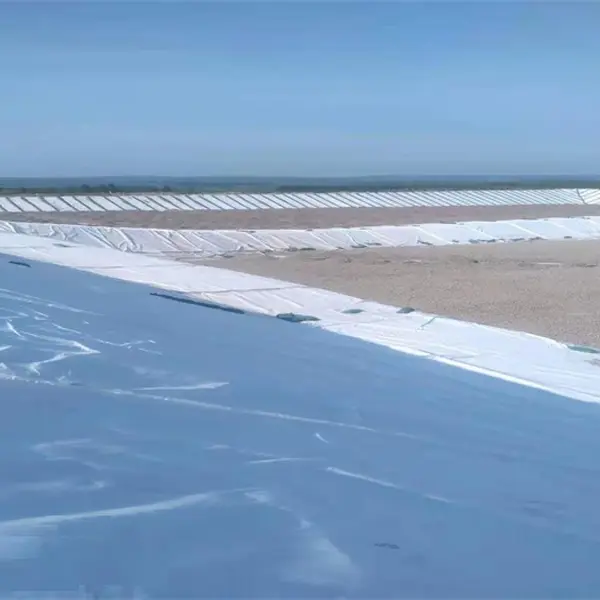
In reservoir construction, geomembranes act as an effective barrier against water loss. Built in valleys or low-lying areas, reservoirs often face challenging geological conditions. Using geomembranes helps prevent seepage through the reservoir bottom and surrounding rock, improving overall safety and stability.
Additionally, geomembranes are used to reinforce levees. Dikes and levees protect downstream communities from flooding, but unpredictable variables can create weaknesses during installation. In these scenarios, geomembranes serve as a reliable secondary barrier.
For river channel management and canal lining, geomembranes prevent erosion, stabilize slopes, and reduce water loss through seepage. They help maintain design flow rates and protect adjacent infrastructure from water damage.
Addressing the key technical, commercial, and quality questions of global procurement teams.
Factory-direct supply chains for engineering contractors and distributors worldwide.
 Hongyue