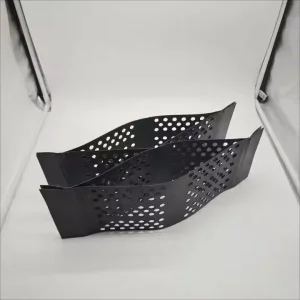
Engineered to meet stringent global standards, our core product series delivers unmatched durability and structural stabilization for international projects.
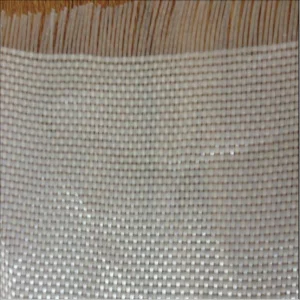
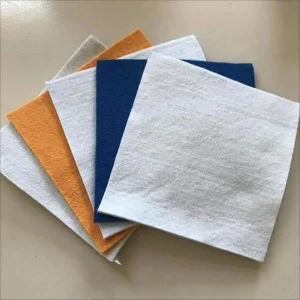
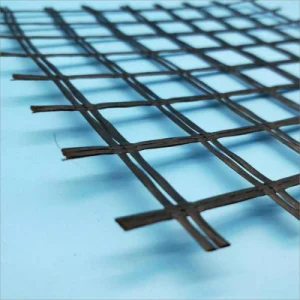
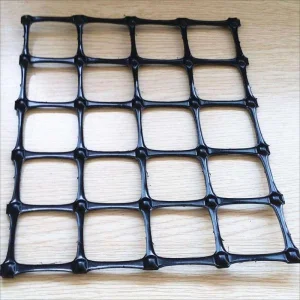
An in-depth look at material performance, compliance standards, and mechanical functionality in ecological restoration.
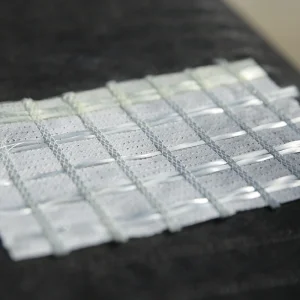
As global infrastructure shifting towards sustainable solutions, the engineering demand for CE-certified Polypropylene (PP) Eco Bags has surged. These ecological bags are specialized geocontainers constructed from high-tensile, UV-stabilized nonwoven polypropylene geotextile fabric. They are engineered to facilitate vegetation growth while providing robust structural stabilization for soil slopes, waterways, and coastal embankments.
The core significance of CE Certification for PP Eco Bags extends beyond regulatory compliance; it is a testament to rigorous quality assurance. In European and international markets, CE certification ensures that geosynthetic materials meet strict mechanical, hydraulic, and environmental safety regulations (such as EN 13249 and EN 13250 for geotextiles in civil engineering). This guarantees that the bags can withstand continuous UV exposure, biological degradation, and high hydraulic stresses without releasing harmful chemicals into the soil.
Standard polypropylene nonwoven fabrics used in cheap imitations often degrade within months. In contrast, CE-certified polypropylene eco bags from professional factories incorporate high-purity virgin polymer chips combined with specialized carbon black and chemical light stabilizers. This ensures an operational lifetime of up to 50–100 years, providing long-term stabilization where natural vegetation can securely take root and replace temporary physical structures.
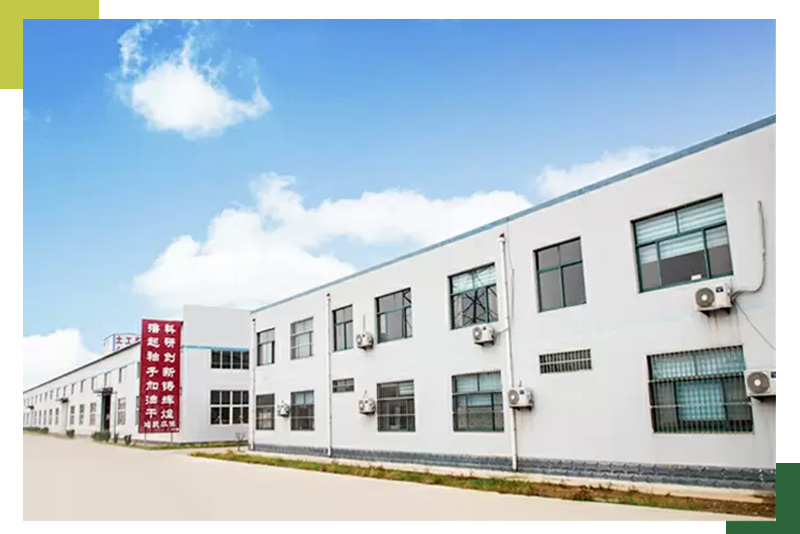
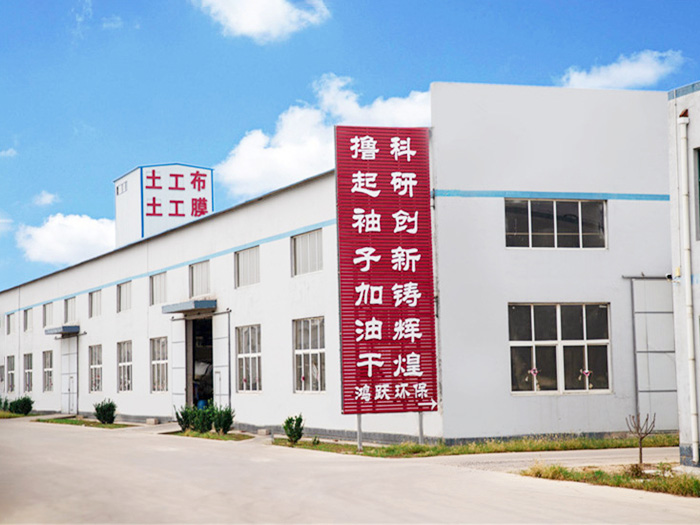
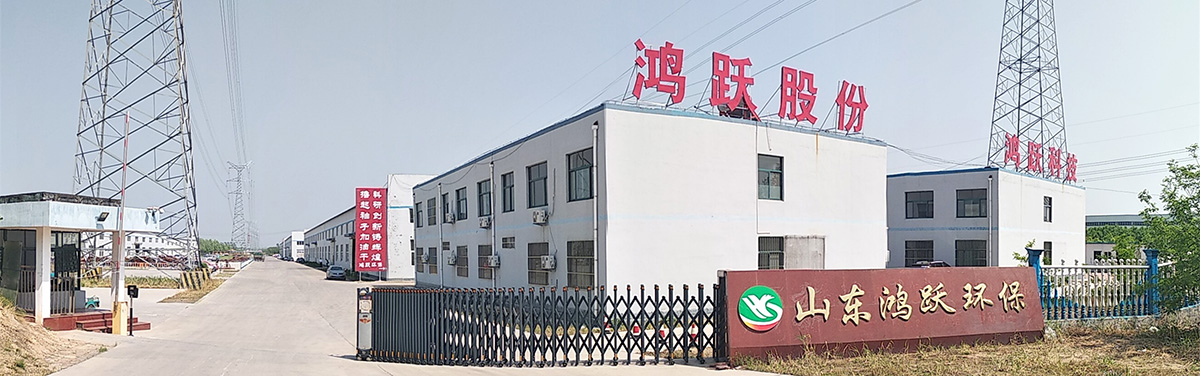
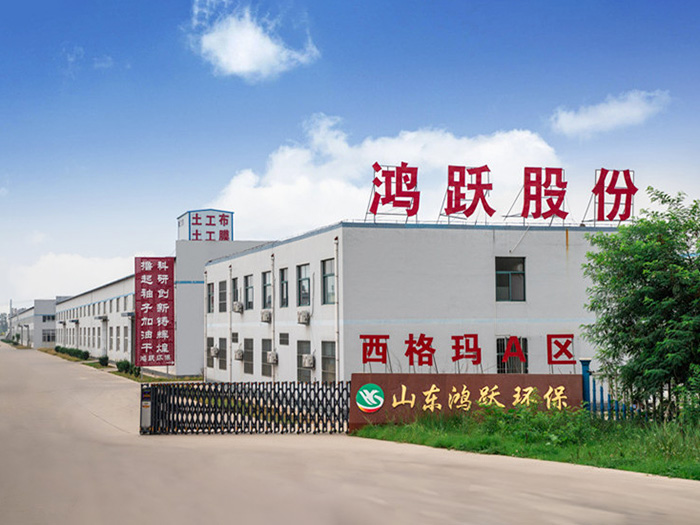
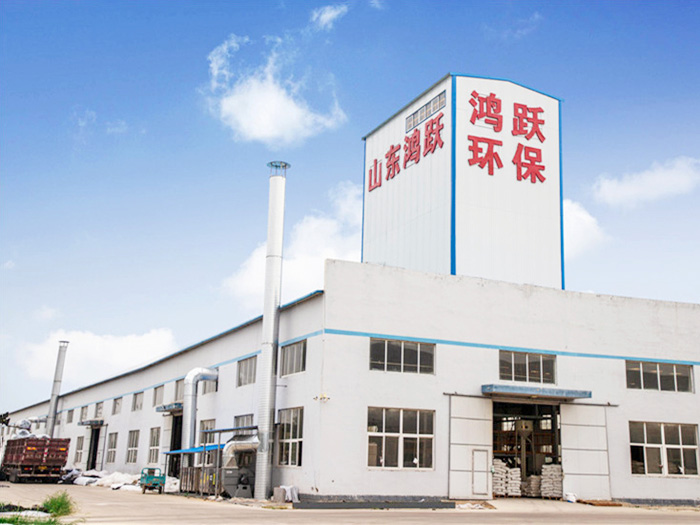
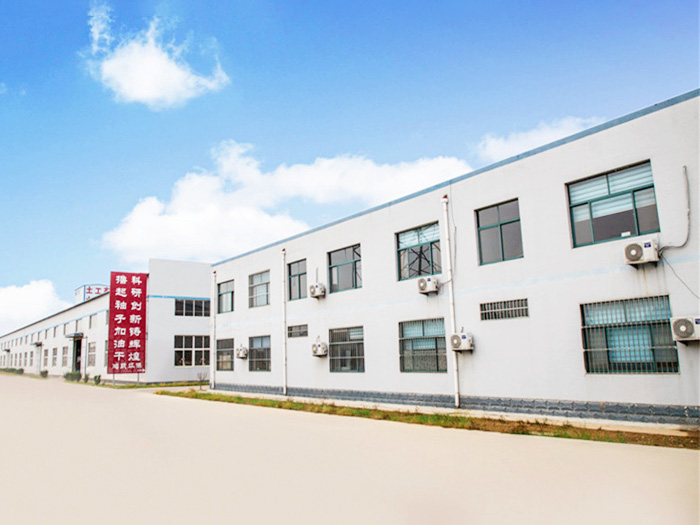
Established on April 6, 2023, with a robust registered capital of 105 million yuan, Shandong Hongyue Environmental Engineering Co., Ltd. has rapidly positioned itself as a global leader in the geotechnical material market. Located at the northern section of Fufeng Street, Lingcheng District, Dezhou City, Shandong Province, China, our modern factory serves as one of the nation's largest production bases for advanced geosynthetics.
Our location in Dezhou offers unparalleled geographical advantages and a highly efficient logistics network, allowing us to supply large-scale international infrastructure projects seamlessly. Our comprehensive operations integrate product research and development, high-capacity manufacturing, engineering design, and professional field technical guidance.
Over the years, our company has consistently achieved rapid business expansion, delivering high-performance products that satisfy rigorous international criteria. Backed by a professional technical and sales team, we actively support the Dezhou Geotextile Association, setting industry benchmarks for manufacturing quality and product reliability.
Registered Capital (RMB)
Export Countries
CE & ISO Compliance
Technical & Site Support
Dezhou, Shandong is the ultimate cluster for geotechnical raw materials, offering unprecedented value, efficiency, and engineering precision.
Being situated in the Dezhou industrial cluster allows us to source raw polymers and specialized additives locally. This integration eliminates freight markups on raw materials and optimizes supply chains, translating directly to cost benefits for global buyers.
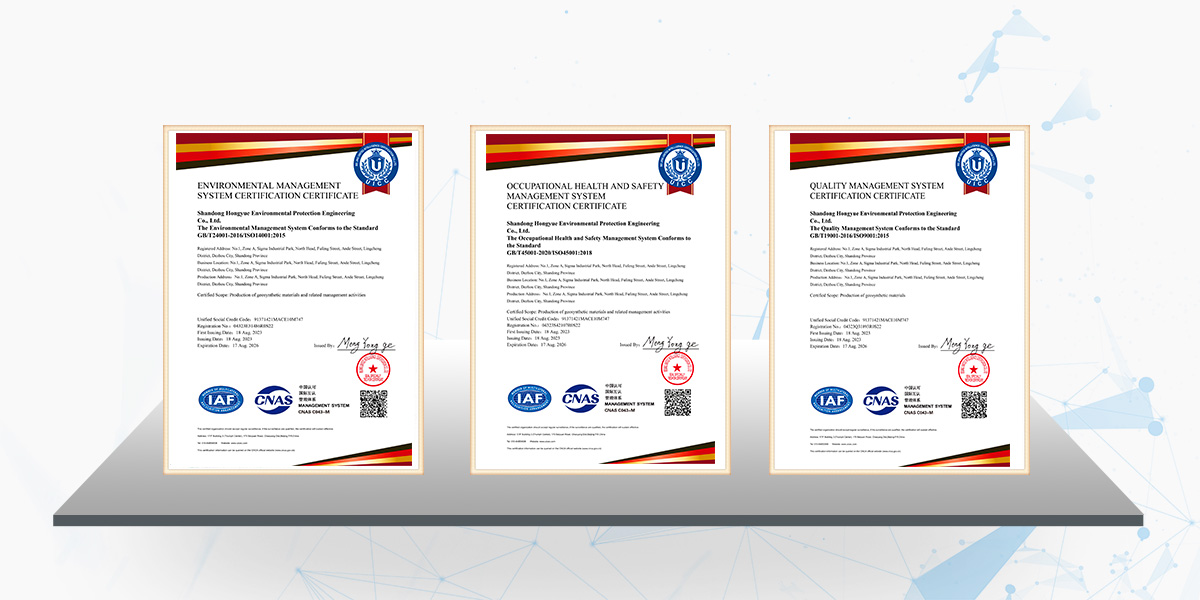
Our production lines are backed by ISO 9001 (Quality Management), ISO 14001 (Environmental Protection), and ISO 45001 (Occupational Health & Safety) certifications. This comprehensive quality infrastructure guarantees every batch matches design tolerances.
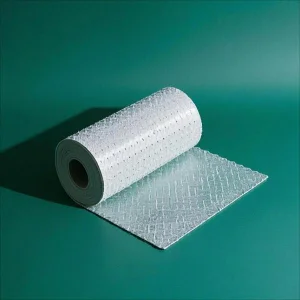
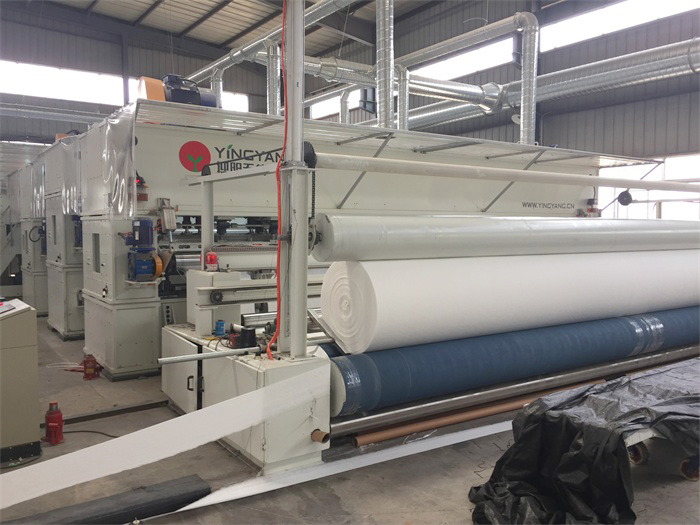
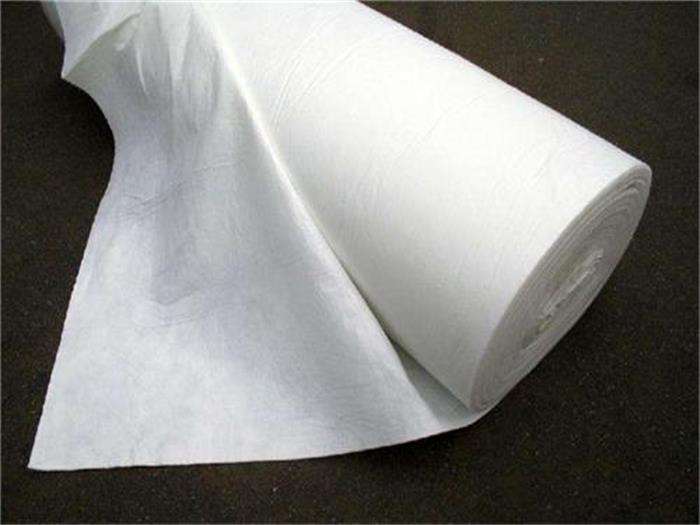
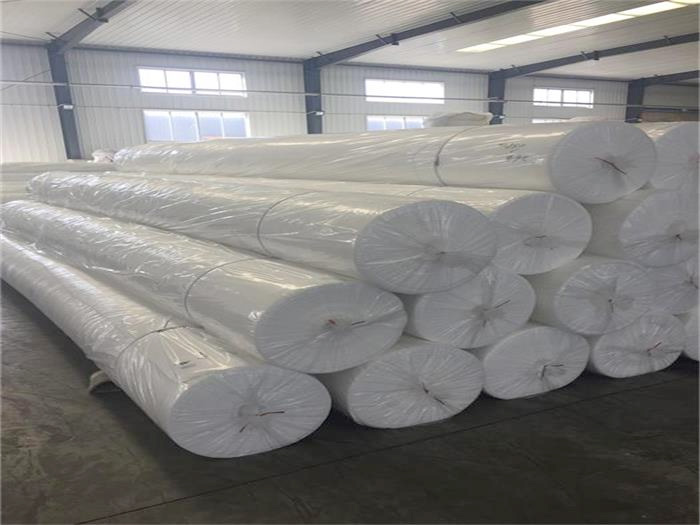
With massive melt-extrusion and automated needle-punching machinery, Shandong Hongyue can output thousands of high-strength geotextile rolls and custom eco bags daily, scaling easily to fulfill large municipal or transcontinental projects.
A transparent look into our systematic production flow, guaranteeing consistency and adherence to global CE testing protocols.
We source premium polyester chips and polypropylene virgin filament. Every batch of polymer is inspected for molecular weight uniformity and moisture content before batching.
Polymer chips are melted at high temperatures and extruded through a screw extruder. Dynamic mixing distributes UV stabilizers and anti-oxidants evenly throughout the polymer matrix.
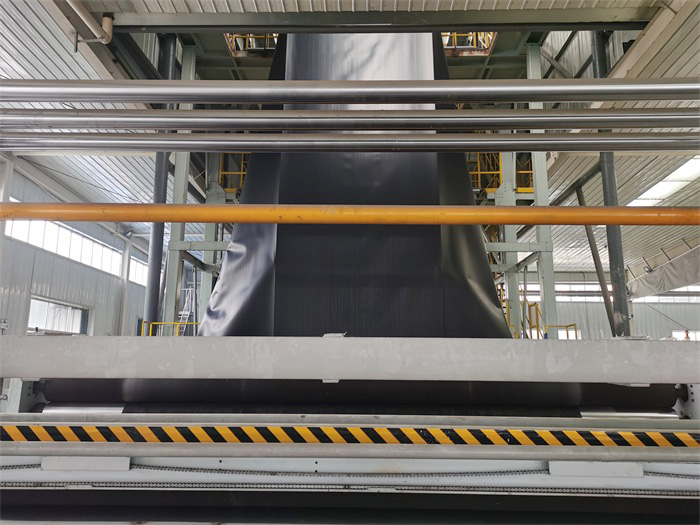
The molten polymer is sprayed through fine spinnerets to form continuous micro-filaments, which are structured into a uniform web on conveyor belts, controlling thickness and density.
The raw fiber web undergoes multi-directional draft curing. Heavy needle-punching interlocking systems bind the fibers, enhancing mechanical shear strength and hydraulic permeability.
The cured geotextiles are rolled, measured for width/thickness, and cut. For Eco Bags, the rolls are cut and sewn with specialized UV-resistant high-tensile threads using a lock-stitch pattern.
Finished goods are tested at our internal laboratory for grab tensile strength, puncture resistance, and water permeability. Only certified batches are cleared for domestic and export distribution.
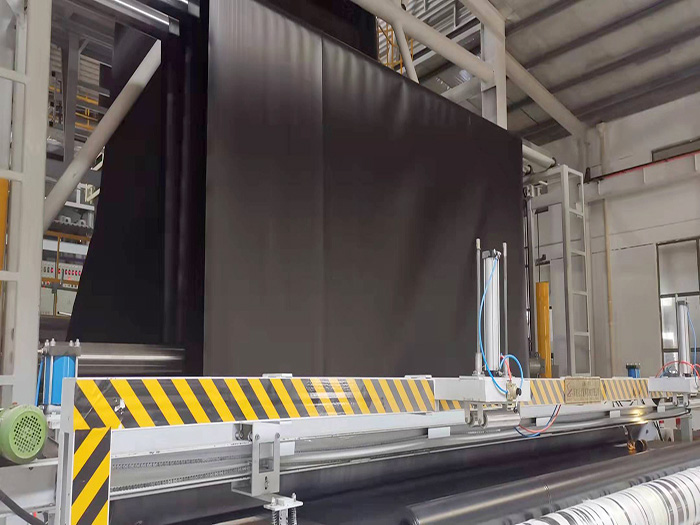
A comprehensive overview of selecting, laying, and maintaining geosynthetic systems in complex engineering environments.
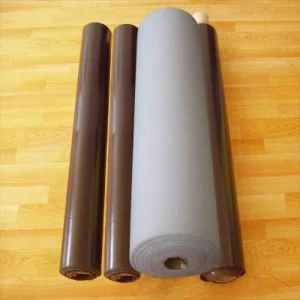
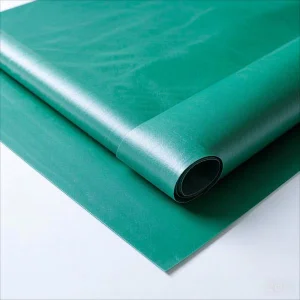
Choosing the correct geomembrane or eco bag involves analyzing material chemistry (e.g., HDPE vs. LLDPE vs. PP), calculating required thickness (typically 0.3mm to 2.0mm for membranes), and defining hydraulic impermeability. Ensure all geotextile components possess sufficient opening sizes to retain soil while allowing free water passage.
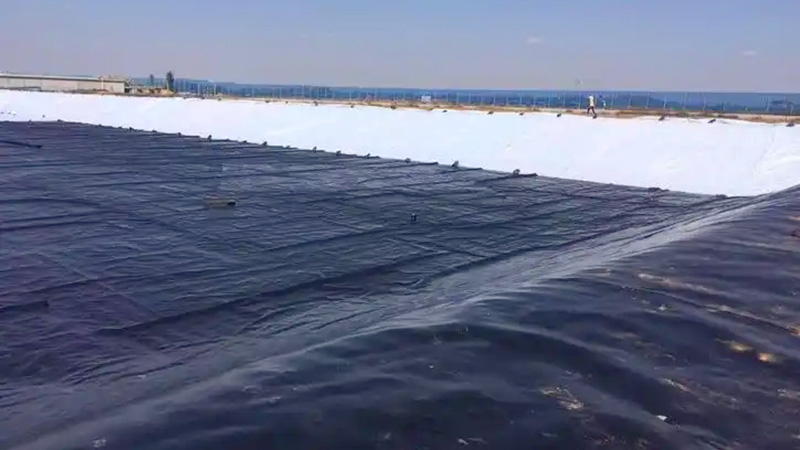
Laying requires strict surface preparation—ensuring the subgrade is level and free of sharp rocks. Materials are laid flat with designed overlap margins. At joints, thermal welding or specialized physical anchoring is applied to prevent soil seepage and sliding, keeping the system securely bound to the terrain.
Regular visual inspections prevent localized failure. Clean surface debris to maintain hydraulic pathways and inspect seams for mechanical wear or UV damage. Avoid bringing sharp construction equipment in direct contact with exposed membranes or eco bag faces to maximize design lifetime.
How our products operate in real-world environments, serving civil, hydraulic, and municipal infrastructure projects.
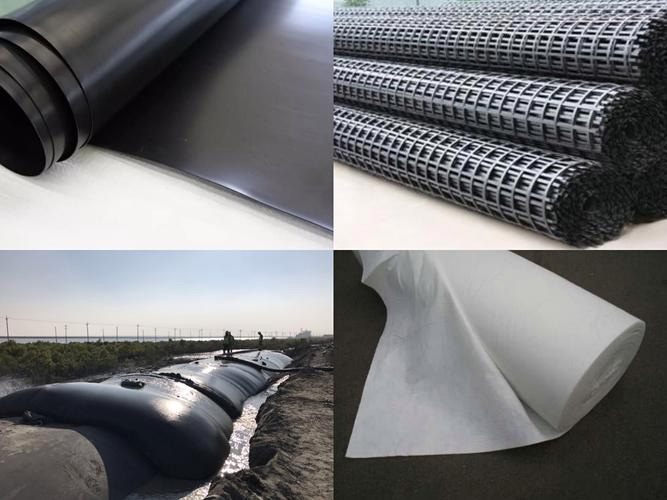
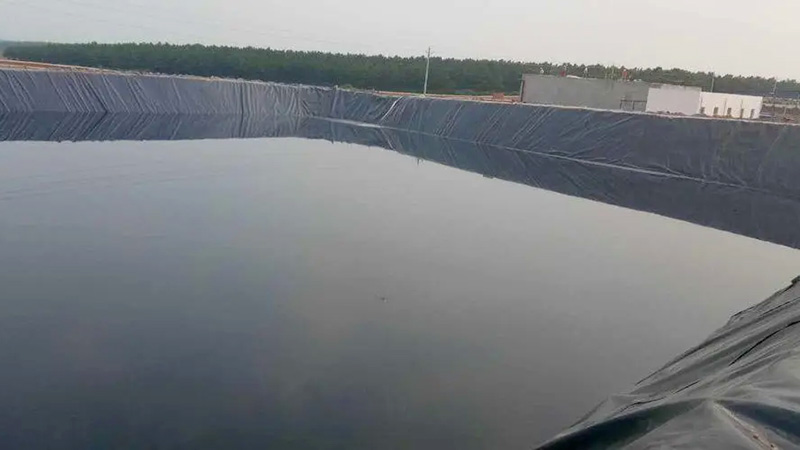
Geomembranes and eco bags are essential components of hydraulic systems. In reservoir construction, lining the subgrade with high-impermeability membranes prevents geological seepage into nearby bedrock, enhancing overall structural stability. Similarly, riverbank and dike projects utilize eco bags to reinforce channel walls. These bags allow native plants to root through the fabric, creating natural biological barriers that absorb hydro-mechanical energy and prevent localized slope failure during flood cycles.
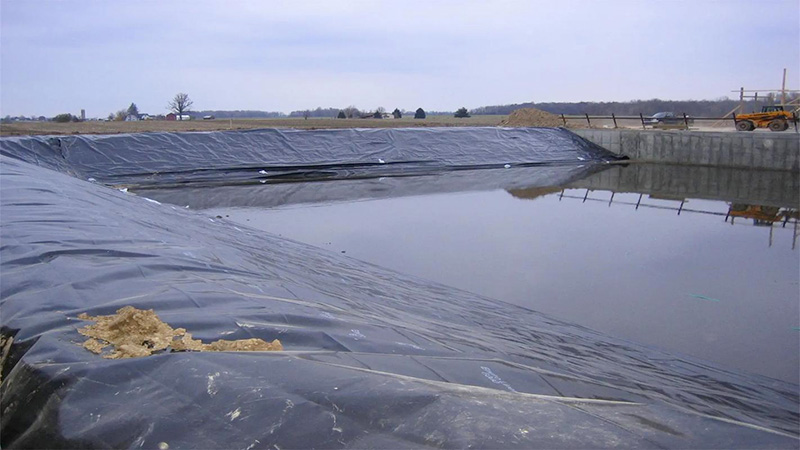
For landfills and mining operations, containment is the highest priority. High-density geomembranes create impermeable cells that prevent hazardous runoff from entering ground aquifers. Combined with nonwoven geotextiles that cushion the membrane against mechanical punctures, these systems offer reliable environmental protection. For highway and railway cuts, stacking eco bags forms stable retaining walls that resist erosion and blend into the surrounding green landscape.
Large international buyers require more than high-quality products—they need a partner that understands global logistics and compliance. Shandong Hongyue meets these requirements with a dedicated OEM/ODM service, supplying customizable roll dimensions, specific polymer formulations, and localized documentation. We assist international procurement teams by translating technical data sheets, organizing customs clearances, and providing engineering support in languages suited to the job site. This ensures projects proceed smoothly from purchase to installation.
Our commitment to international quality standards is backed by strict laboratory testing and high-capacity manufacturing lines.
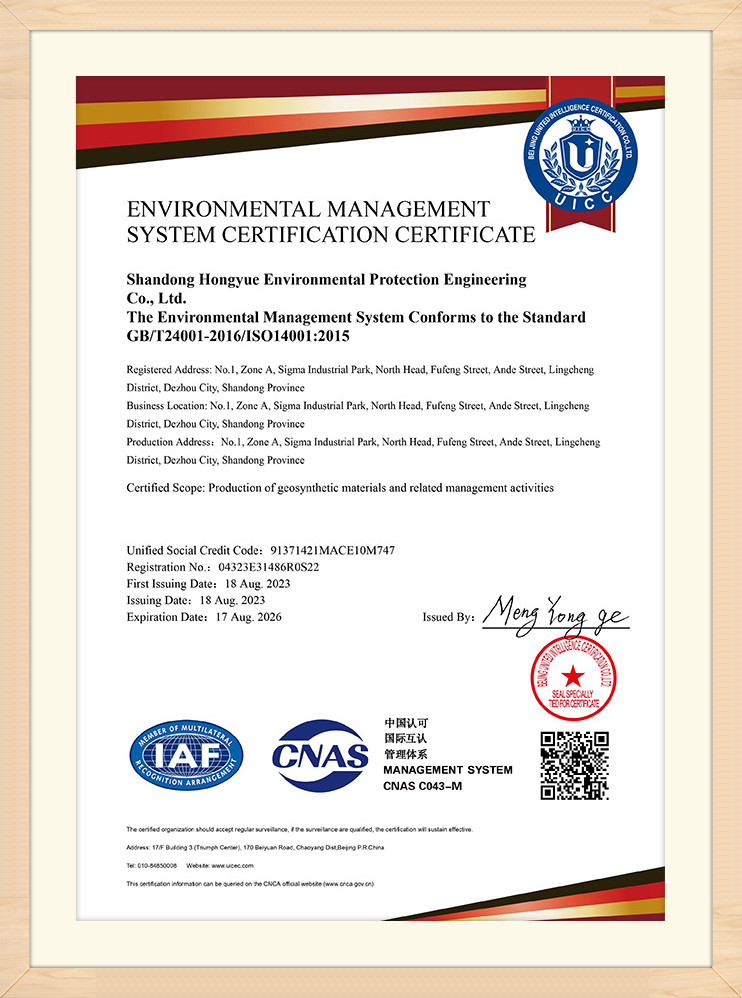
Shandong Hongyue's materials have successfully cleared testing by the China National Testing Center, as well as regular quality audits conducted by the State Administration of Quality Supervision and Inspection. Our production processes focus on reducing our carbon footprint, using energy-efficient extrusion lines and recyclable packaging systems. This helps global partners meet their project sustainability goals.
Get answers to common technical, design, and logistics questions about CE-certified polypropylene eco bags and geotextiles.
Our eco bags are manufactured using high-strength, UV-stabilized polypropylene. In standard buried or vegetated applications, they are designed to resist biological and chemical degradation for up to 50–100 years. If exposed directly to intense sunlight, the carbon black and UV inhibitors help maintain structural integrity until vegetation takes root and covers the system.
CE Certification indicates that the geosynthetic materials comply with European Union construction product regulations. For global engineering projects, this certification provides independent verification of material properties—such as tensile strength, puncture resistance, and permeability—simplifying the approval process for consultants, municipal bodies, and engineering firms.
With a registered capital of 105 million yuan and high-capacity manufacturing lines, we support both standard bulk shipments and custom OEM orders. We can adjust bag dimensions, geotextile weights, seam strength, and chemical stabilization packages to match the specific environmental and load conditions of your job site.
The needle-punched nonwoven structure of our eco bags is permeable to water and air, allowing plant root systems to grow through the fabric. Once the roots penetrate the bag wall and bind with the underlying soil, they establish a natural, living green barrier that reinforces the slope face.
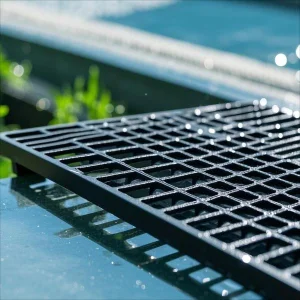
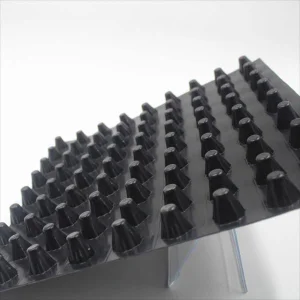
Explore our complete range of geosynthetic systems designed for water conservation, mining, civil construction, and slope stabilization.
 Hongyue