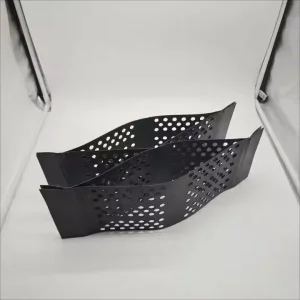
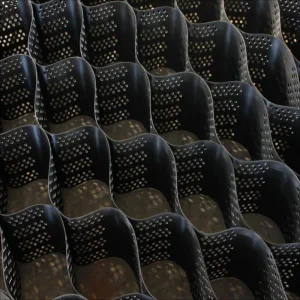
In an era defined by extreme climate events, localized soil instability, and massive global infrastructure initiatives, slope protection has transitioned from a routine civil engineering requirement to a complex geological science. Geocell confinement systems, composed of ultrasonic-welded High-Density Polyethylene (HDPE) strips, have emerged as the gold standard for stabilizing vulnerable embankments, riverbanks, and highway batters.
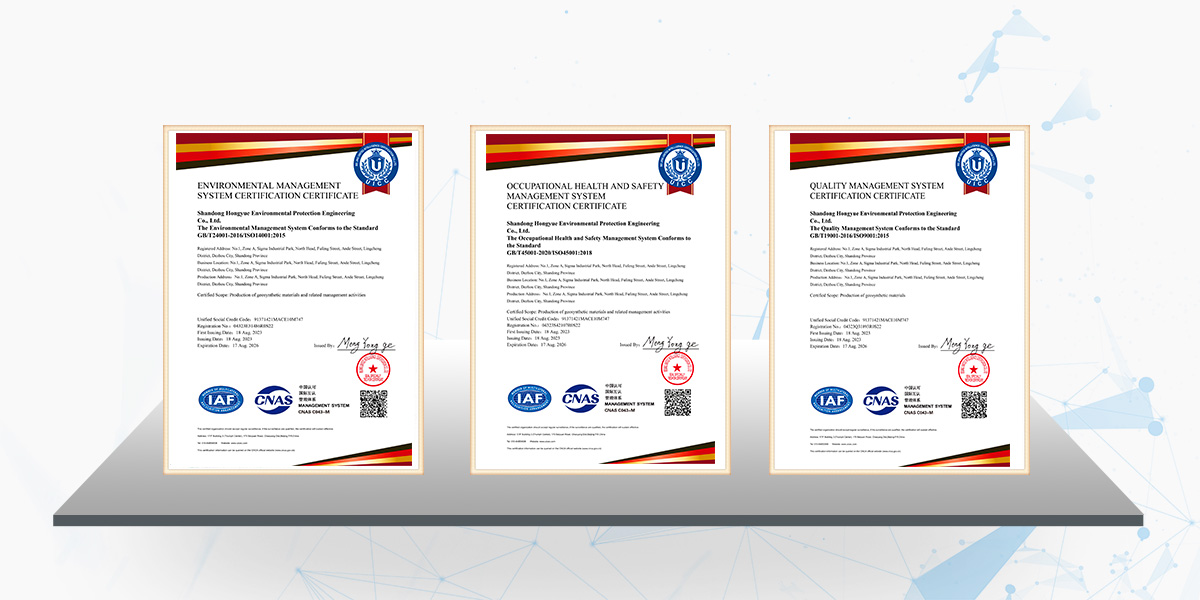
To ensure structural resilience over design lifespans exceeding 50 years, geotechnical engineers and international procurement departments prioritize materials validated by rigorous testing regimes. Specifically, CE Certification serves as a mandatory benchmark of compliance, indicating that the geocell conform to European Union health, safety, and environmental protection standards. For exporters and contractors bidding on municipal works, transport corridors, or environmental reclamation projects, sourcing CE-marked geocells is not merely an option—it is a critical prerequisite for commercial validation.
Geocells stabilize soil through a three-dimensional network of interconnected cells that act as a mechanical baffle. When filled with granular materials, soil, or concrete, the system restricts lateral displacement of soil particles. This creates a stiff structural slab that distributes dynamic loads across a wider footprint, reduces downslope migration, and mitigates shear stresses that induce erosion or catastrophic failures.
The global geosynthetics sector is currently experiencing a rapid paradigm shift. The integration of ecological restoration with structural stabilization is driving the growth of "green engineering." Instead of traditional concrete lining, engineers are utilizing vegetated geocell systems. These allow root networks to lock into the cellular pockets, creating a composite organic-synthetic barrier that promotes biodiversity, reduces urban heat-island effects, and facilitates natural hydrological drainage.
Moreover, the shift toward sustainable procurement has prompted manufacturers to design geocells with optimal tensile properties using pure raw materials, minimizing reliance on unverified recycled plastics that fail under prolonged UV exposure. Leading developers are seeking exporters capable of supplying customized cell dimensions, variations in weld spacing, and micro-perforated cell walls to accommodate specific regional soil compositions and hydraulic regimes.
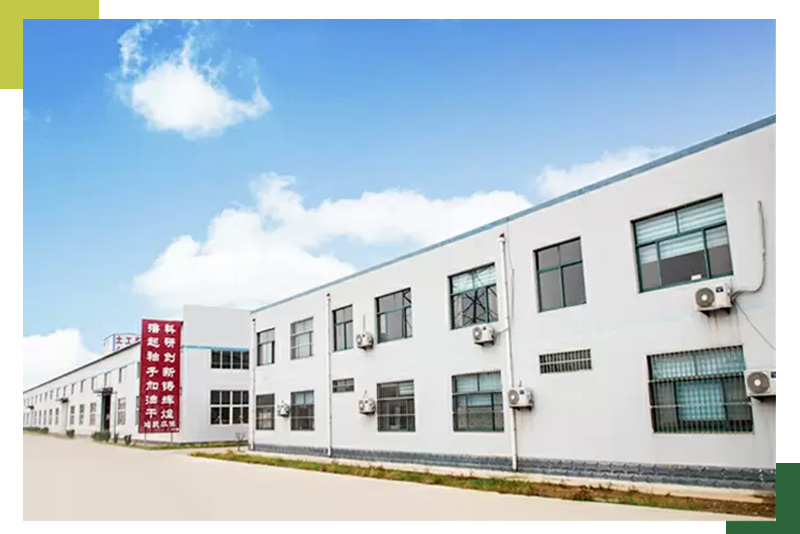
Shandong Hongyue Environmental Engineering Co., Ltd., situated in Dezhou's Lingcheng District, Shandong Province, stands at the absolute vanguard of China’s Factory 4.0 evolution. Spanning one of the nation's largest specialized geotechnical manufacturing footprints, the facility leverages highly automated extruders and state-of-the-art ultrasonic welding technology to manufacture precision geocells.
With a registered capital of 105 million Yuan, Shandong Hongyue integrates advanced material science, design research, and field installation services. By utilizing computerized thickness gauges and automated stress-testing equipment, the factory ensures consistent weld-line tensile strength, preventing cell rupture under intense dynamic load conditions.
In terms of global logistics, the factory’s geographical location in Shandong Province provides seamless access to primary international ports, such as Qingdao and Tianjin. This proximity allows for optimized container loading schemes, reduced shipping lead times, and structural cost benefits that are passed down to global buyers in the form of highly competitive Geocell Slope Protection Quotes.
High-grade virgin HDPE resins are verified through ISO-certified labs for molecular weight, density, and carbon black distribution before undergoing continuous temperature-controlled melt extrusion.
State-of-the-art multi-point ultrasonic welding heads apply high-frequency thermal energy to bond the textured polymer strips at precise intervals, establishing optimal joint shear strength.
To secure CE validation, random batch samples are subjected to long-term tensile testing, creep analysis, and accelerated weathering chambers to simulate severe environmental exposure.
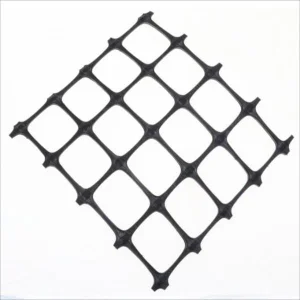
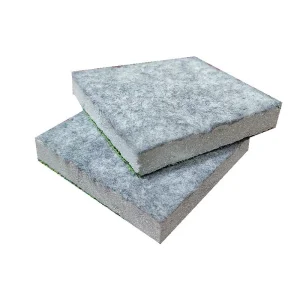
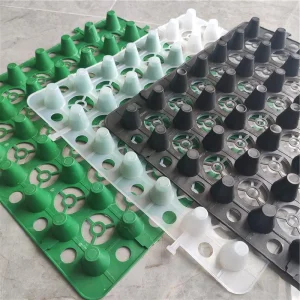
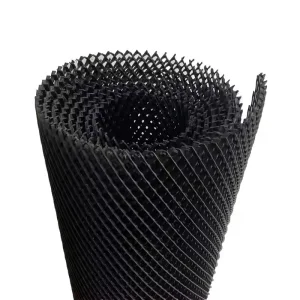
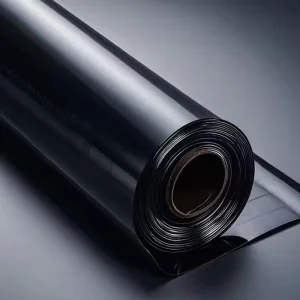
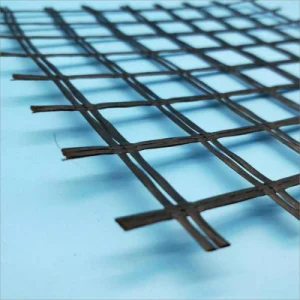
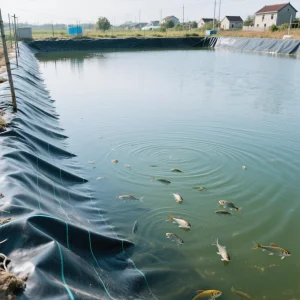
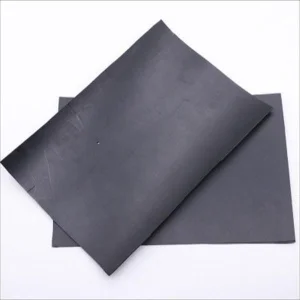
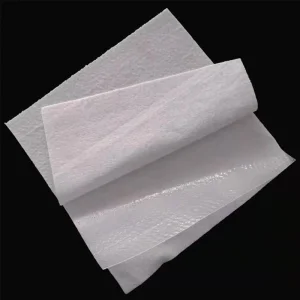
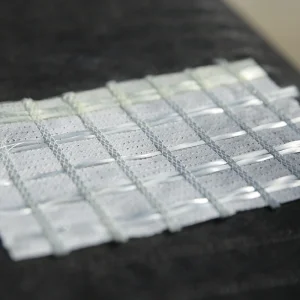
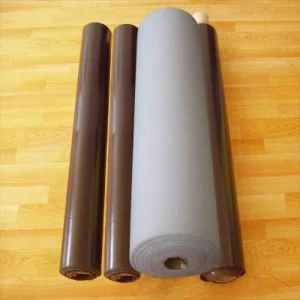
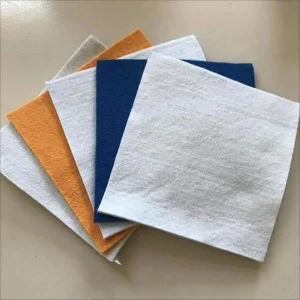
Beyond geocells, Shandong Hongyue’s manufacturing infrastructure delivers complex, integrated geotechnical systems. Our geotextile line incorporates melt-extrusion, carding, web formation, and needle-punching/draft-curing cycles. Every production run is documented and tested to verify parameters such as grab tensile strength, puncture resistance, and hydraulic permittivity. This ensures that the geocomposites and geomembranes function reliably in the field, preventing environmental contamination and structure shift.
By consolidating multi-material supply lines under a single production ecosystem, international project managers can secure unified quotes covering Geocells, HDPE Geomembranes, and non-woven protection layers, optimizing container consolidation and reducing overall procurement friction.
From sub-zero highway batters to tropical river channel restoration, geocell designs must adapt to local climates, geotechnical specifications, and regulatory frameworks.
For steep road cut-offs and highway batters, geocells prevent surface erosion from rainfall impact and runoff. Standard vegetated fill options establish natural flora, blending modern roads into their local environment.
Under flow velocities that scour unprotected soil, geocells filled with concrete or granular rock act as a dynamic armor. Perforated walls allow hydraulic pressure equalization while retaining the soil structure.
When soft subgrades compromise structural integrity (e.g., in intermodal hubs or heavy railway corridors), geocell layers distribute vertical forces, reducing asphalt deformation and extending base life.
A high-profile water conservation scheme in Europe required a sustainable alternative to rip-rap and heavy shotcrete. The engineering consultant specified a 3-dimensional confinement structure to withstand high flow velocities and seasonal floods. Due to regulatory requirements, only manufacturers with valid CE Certification and verifiable ISO documentation were allowed to bid.
Shandong Hongyue supplied custom-designed 100mm-deep perforated HDPE geocells, complete with high-durability non-woven geotextile underlays. The integration of vegetation within the geocell pockets successfully limited soil migration, reduced sediment buildup in the canal, and achieved the design goals.
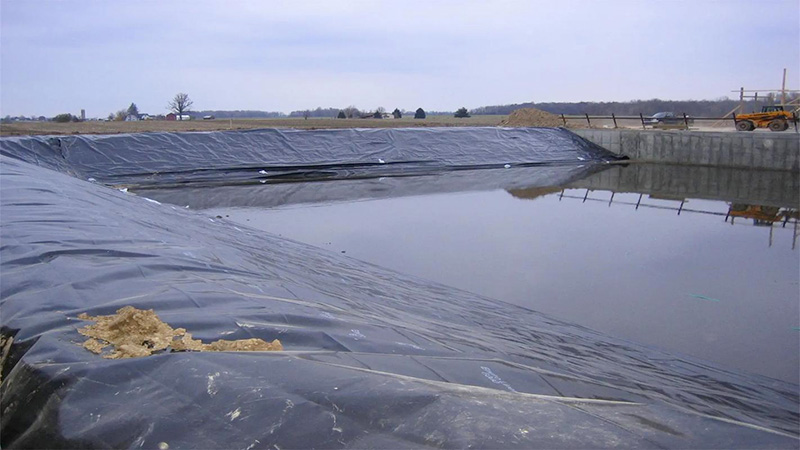
Prior to laying geocells or geomembranes, the slope must be cleared of sharp debris, organic roots, and local irregularities. A flat, compacted surface ensures even distribution of shear stresses.
Secure the top of the geocell panels within an anchor trench at the crest of the slope. This is crucial for preventing gravitational slide of the cells prior to filling and during heavy rain events.
Panels are joined using pneumatic staplers, high-strength industrial clips, or cable ties. Ensure the tension is uniform across all interconnected grids to maintain structural integrity.
 Hongyue