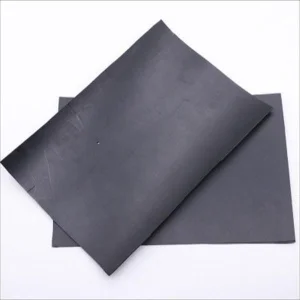
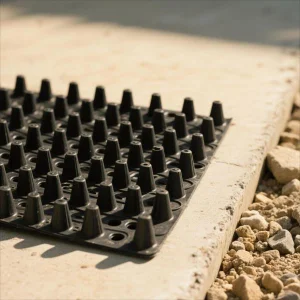
Explore our premium containment and reinforcement products tested to perform under extreme project workloads.
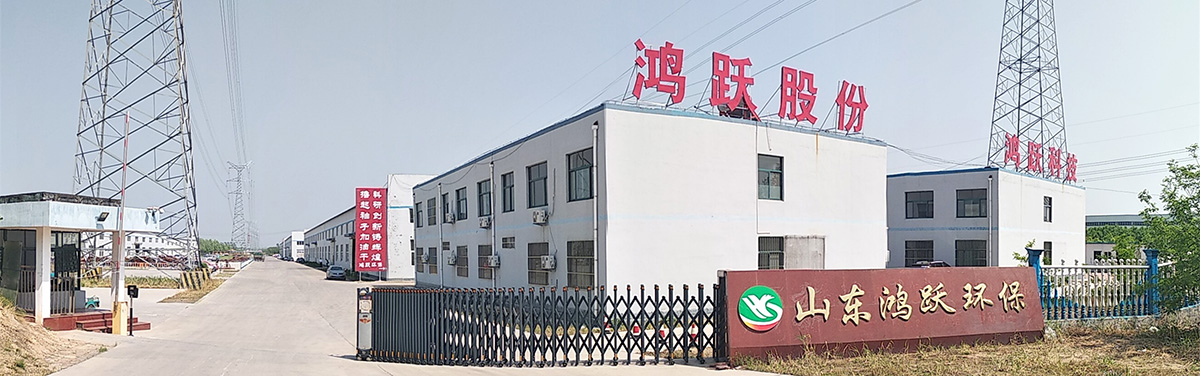
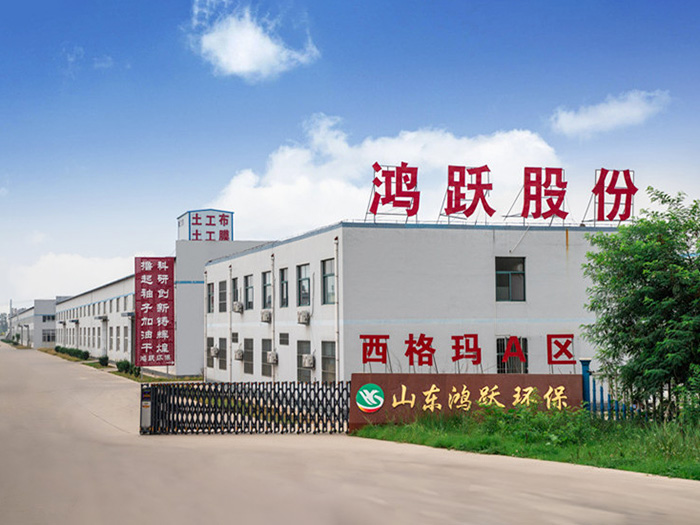
Shandong Hongyue Environmental Engineering Co., Ltd., located at the north end of Fufeng Street, Lingcheng District, Dezhou, Shandong Province, is a scientific and technological geotechnical material manufacturer integrating engineering material production, sales, design and construction services. The company was registered in Lingcheng District Market Supervision and Administration Bureau of Dezhou City on April 6, 2023, with a registered capital of 105 million yuan. It is one of the largest production bases of geotechnical materials in China at present, located in Lingcheng District, Dezhou, Shandong Province, with superior geographical location and convenient transportation.
Our business includes geosynthetics, waterproofing membrane production, sales, construction, and import/export of goods. We have high quality products and a professional sales and technical team. As a proud member of the Dezhou Geotextile Association, our products are widely used in highways, railways, bridges, tunnels, reservoirs, canals, water conservancy systems, artificial lakes, environmental protection, aviation, mining, and agriculture.
How Shandong Hongyue aligns local precision with international compliance expectations.
The company has successively passed the ISO9001 international quality system certification, ISO14000 environmental system certification, and ISO45001 occupational health and safety management system certification. We have won multiple honors such as "green and environmentally friendly building materials products", "no consumer complaints", "famous Chinese brands", "high-tech industries", "quality service double excellent units", and "provincial-level poverty alleviation leading enterprises".
The company has established sales networks or agency agencies in more than 40 large and medium-sized cities such as Shanghai and Beijing, and its products are exported to multiple countries and regions such as Europe, the United States, Australia, and all parts of China. The products are widely used in key projects in various provinces and cities.
Advancing structural lifetime across hydraulic, municipal, environmental, and mining infrastructures.
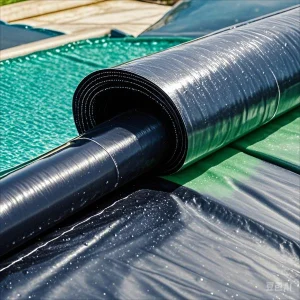
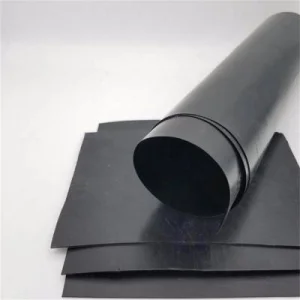
In modern civil engineering, geomembranes are no longer just basic lining sheets; they form the core barrier system protecting our soil and groundwater resources from pollutants, and safeguarding civil structures from water damage. High-Density Polyethylene (HDPE) geomembranes act as robust barrier coatings. When manufactured to meet rigorous CE certification (following European Standards such as EN 13361, EN 13362, and EN 13491), they present guaranteed levels of tensile strength, multi-axial strain capacity, and chemical resistance.
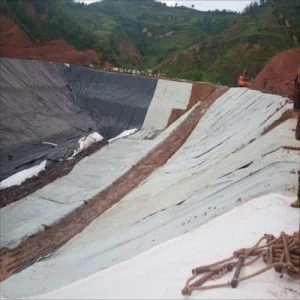
Used directly inside reservoir basins, irrigation canals, and flood dams to control seepage. The primary objective is to maintain structural mass integrity and avoid base erosion or slope landslides caused by water pressure differentials.
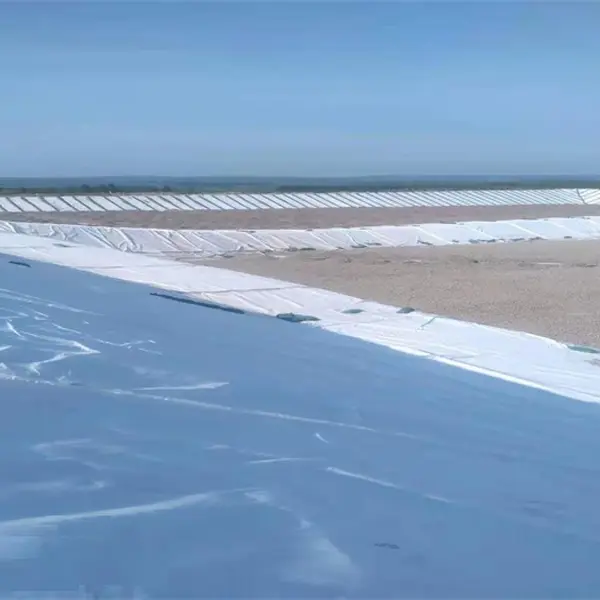
Applied extensively to long-distance canal networks and river channel realignments. By combining geotextiles with geomembranes, we establish composite barriers that stand up to constant water flow shear stress and scouring.
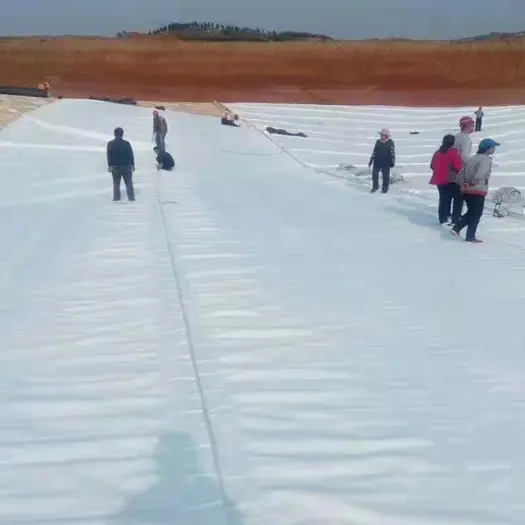
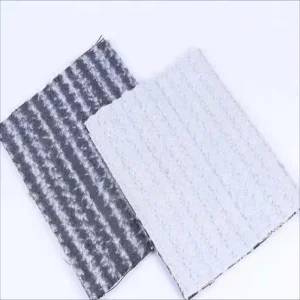
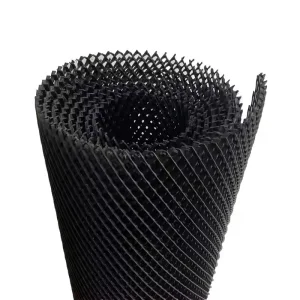
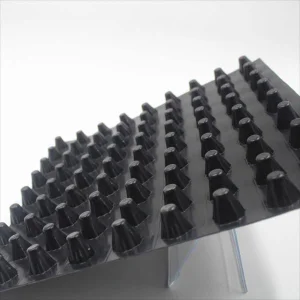
Heavy-duty municipal solid waste (MSW) containment demanding zero-leakage tolerances. Protects surrounding soils against toxic leachate penetration, working together with bentonite clay blankets and drainage net systems.
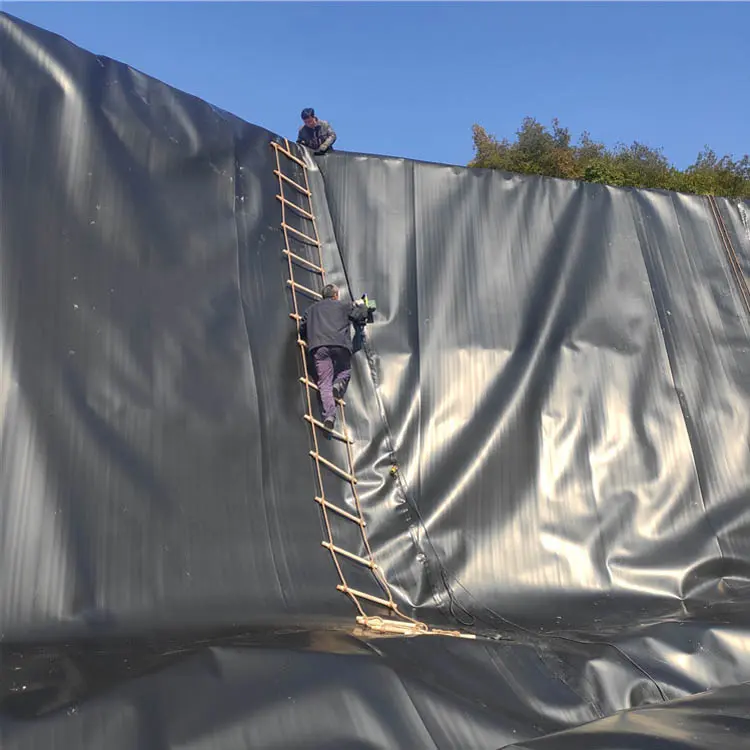
Critical oil tank farm containment and emergency secondary chemical containment basins. Prevents rapid penetration of fuels, petrochemicals, and reactive hydrocarbons into subgrade foundations.
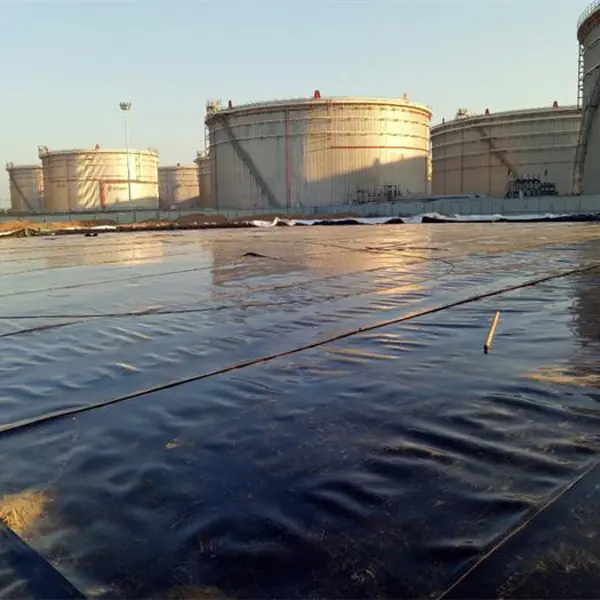
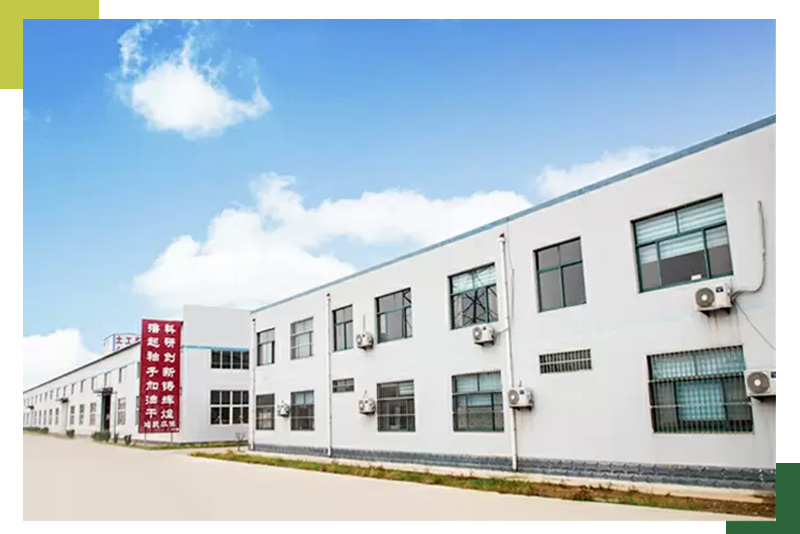
Inside Dezhou's leading advanced geo-materials manufacturing plant, showcasing our industrial-scale capabilities.
Our company has strong technical strength and rich construction experience, with the capability to undertake various difficult anti-seepage projects. We have achieved standardization of construction site management, standardization of anti-seepage materials, professionalization of construction teams, and integration of engineering after-sales services. The company takes "serving customers and benefiting people's livelihoods" as its responsibility, adhering to the corporate culture of "working hand in hand and creating the future together."
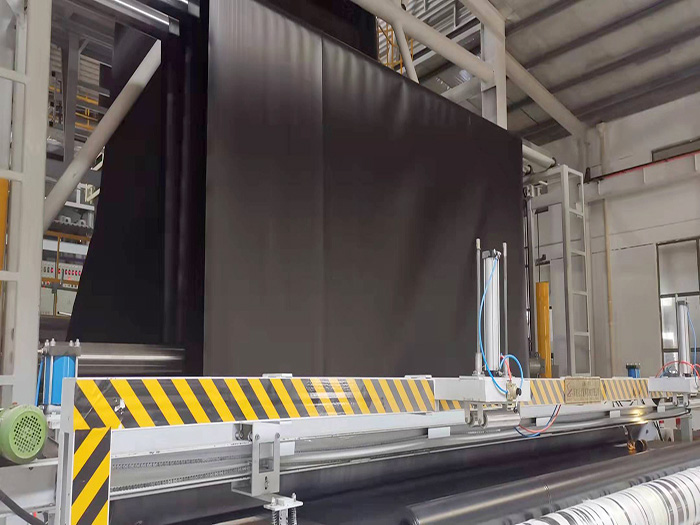
Advanced blown film lines producing ultra-wide geomembrane sheets with uniform structural thickness.
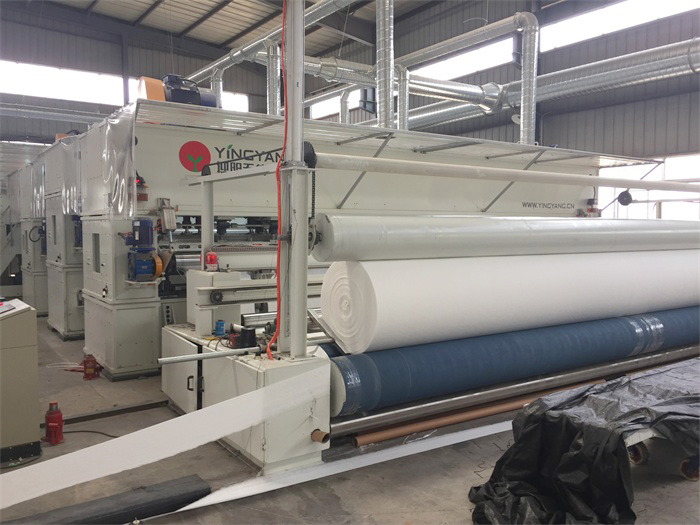
Precision temperature control calendering rollers to form textured and multi-layer composites.
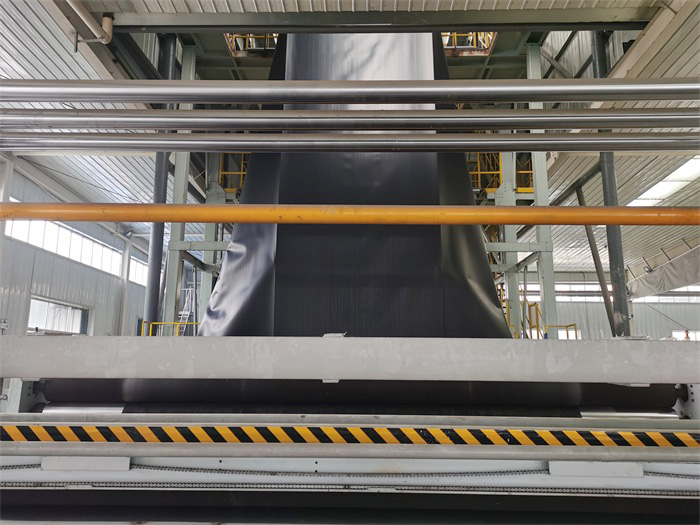
Fully automated vertical feed silos containing premium grade HDPE and LLDPE resin chips.
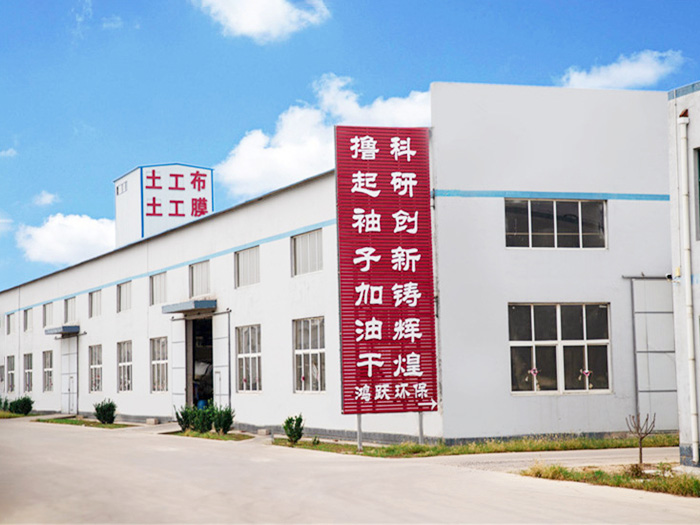
Spacious and organized logistics storage, guaranteeing fast order shipment and protection from UV rays.
Automated non-woven geotextile manufacturing line, ensuring uniform physical density and weight distribution.
Equipped with state-of-the-art instruments for checking mechanical puncture limits and melt index values.
Every roll of geotextile is engineered to meet national and international standards through a six-step quality loop.
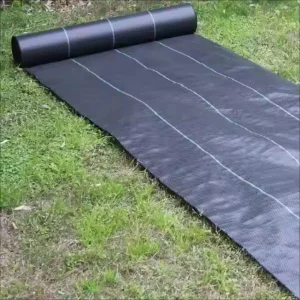
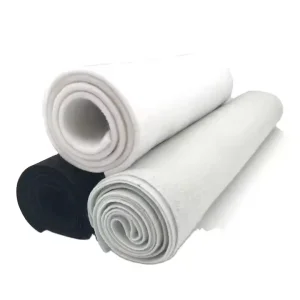
The main raw materials of geotextiles are polyester chips, polypropylene filament, and viscose fiber. These raw materials need to be inspected, organized, and stored under moisture-controlled conditions to ensure their purity, quality, and chemical stability.
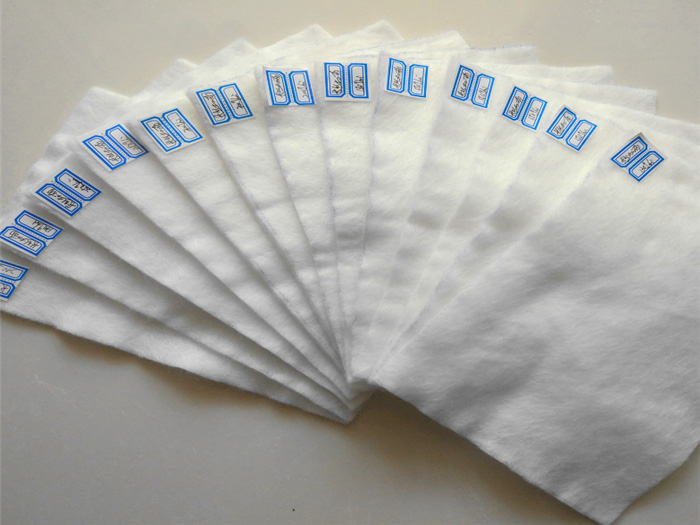
Polyester slices are melted at high temperatures and extruded into a molten state using a screw extruder, and polypropylene filament and viscose fiber are added for mixing. Temperature, pressure, and flow rates must be precisely controlled to avoid polymer degradation.
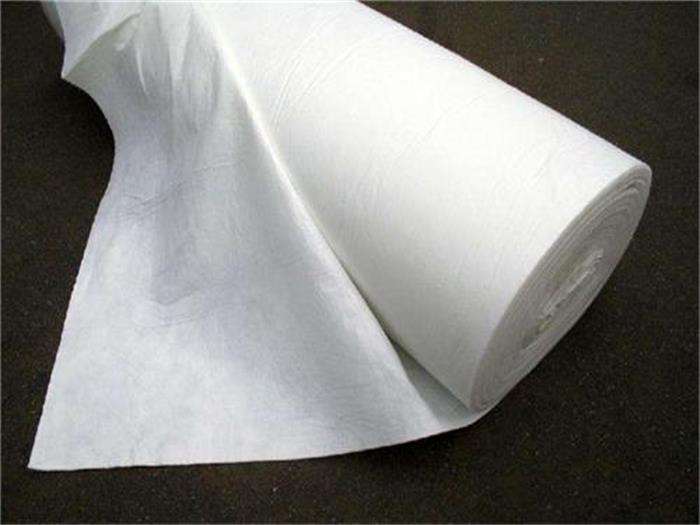
After mixing, the melt is sprayed through the spinneret to form a fibrous substance and form a uniform network structure on the conveyor belt. At this stage, it is necessary to monitor the thickness, uniformity, and fiber orientation of the mesh.
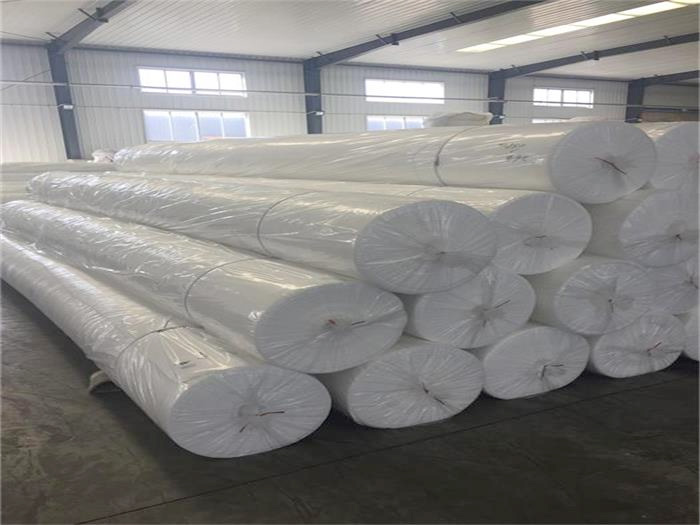
After laying the net into rolls, it undergoes draft curing treatment. The temperature, speed, and draft ratio must be precisely balanced to realign the polymer chains, significantly boosting the material's tensile strength and mechanical stability.
The geotextile after draft curing is rolled up and packed for subsequent construction. The length, width, and thickness of each geotextile roll are measured and labeled to ensure that it aligns with specific project design requirements.
At the end of each production link, the physical, mechanical, and chemical properties of the geotextiles are tested. Only rolls that meet or exceed regional quality requirements are approved for shipment to market.
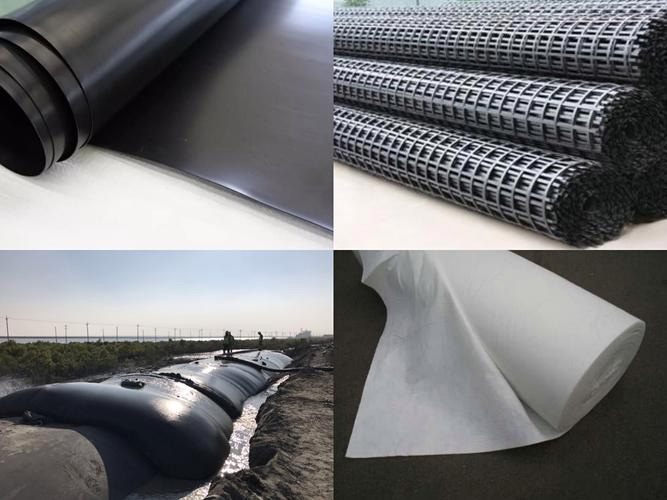
Proper select, lay, and maintain steps are critical to secure the maximum barrier performance of geomembranes over decades of service.
- Material chemistry: Pick either high-density polyethylene (HDPE) or linear low-density polyethylene (LLDPE) based on structural movement risk and chemical exposure.
- Thickness calibration: Commonly ranges from 0.3mm to 2.0mm. Demanding engineering applications typically require 1.0mm to 2.0mm to withstand mechanical stress.
- Impermeability verification: Ensure that the geomembrane has low permeability coefficients to prevent liquids and contaminants from transferring into the subgrade.
- Subgrade Preparation: Smooth and clean the terrain, removing sharp rocks, twigs, or roots that could puncture the membrane.
- Laying Methods: Roll out the geomembrane smoothly without stretching it tightly. Allow 2-3% extra material to accommodate thermal expansion and contraction.
- Double-Track Fusion Welding: Align joints with an overlap of 10-15cm, and weld using hot-wedge welding equipment to verify airtight connections.
- Secure Anchoring: Build perimeter anchor trenches to secure the geomembrane edges, preventing wind-uplift and shifting.
- Periodic Cleaning: Clear silt, biological growth, and debris off the membrane surface to maintain visibility and inspect the barrier integrity.
- Visual Inspection: Look for physical damage, weld degradation, or signs of environmental stress cracking.
- Avoid Sharp Tool Contact: Prevent heavy equipment and sharp tools from directly contacting the membrane during maintenance.
Delivering high-performance barrier membranes that exceed global standards through scientific testing and certifications.
Shandong Hongyue Environmental Protection Engineering Co., Ltd. has established a comprehensive, scientific quality management system. The company uses advanced production technology, complete detection processes, and precision testing equipment to guarantee that all products exhibit superior mechanical performance. The physical properties of our geomaterials meet or exceed Chinese national and ASTM international standards. All products are verified by the China National Testing Center and successfully pass national quality audits.
Our lab technicians regularly run strict quality tests on incoming polymer resins and finished geomembrane rolls:
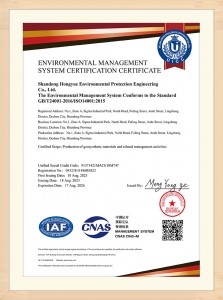
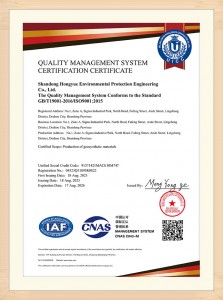
Our products are regularly subjected to independent third-party evaluations to confirm full compliance with international safety and quality standards:
Shandong Hongyue's technical support team operates nationwide, offering support with technical questions, site design, installation strategies, and project management. We provide 24-hour service to ensure your containment project is completed successfully.
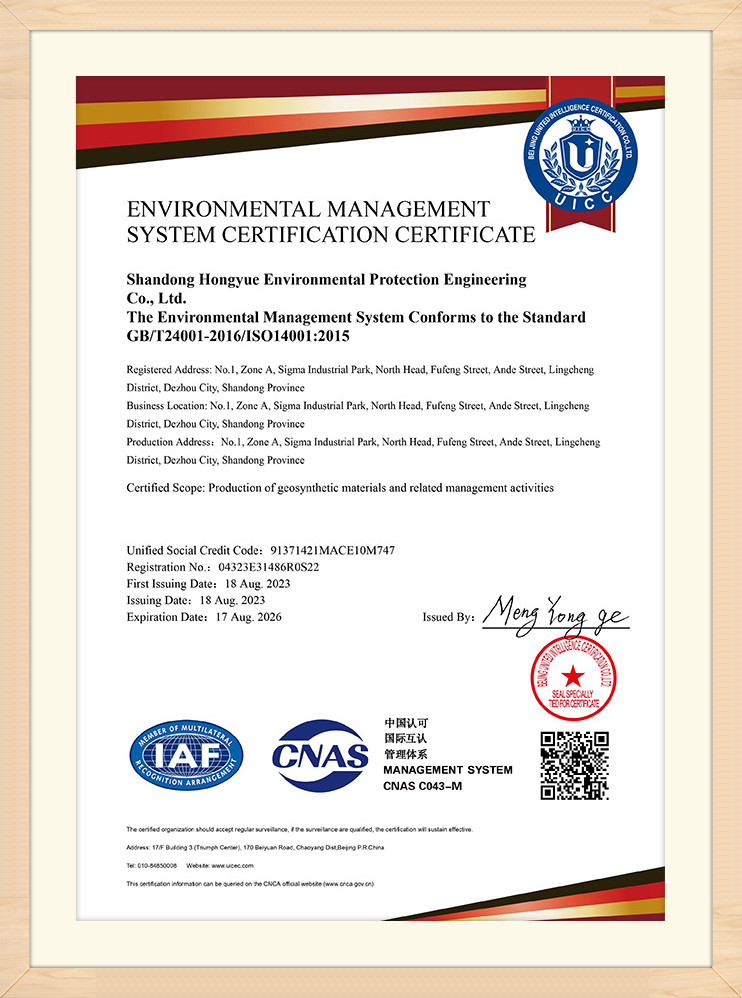
A technical guide to matching geomembrane properties to specific environmental climates and compliance systems.
Successful geomembrane performance depends on matching the correct material properties to the specific environment. Different regions have varying climates, regulations, and mechanical stresses. Design engineers must select and install materials carefully to ensure long-term durability and structural safety.
- Arid/High-UV Regions (e.g., Australia, Middle East): High temperatures accelerate polymer oxidation. In these areas, select geomembranes with elevated High-Pressure OIT (Onygen Induction Time, ASTM D5885) and high carbon black content to resist UV degradation.
- Cold/Freeze-Thaw Environments: Sub-zero temperatures can cause stiff materials to crack. LLDPE geomembranes offer better flexibility and multi-axial strain properties, making them ideal for cold-weather installations.
- Acidic/Alkaline Waste Sites: Acid rock drainage in mines or chemical industrial wastewater can degrade inferior polymers. High-grade HDPE resists chemical attack from pH 2 to 12.
- Frictional Stability: Smooth geomembranes may slide on steep slopes. Textured geomembranes provide the necessary friction to prevent cover soil or composite liners from slipping.
- European Market (CE Marking): Requires testing to EN 13361 (reservoirs/dams) and EN 13491 (tunnels/underground structures) to ensure consistent quality.
- American Market (GRI-GM13/GRI-GM17): The Geosynthetic Research Institute standards specify minimum thickness, density, tensile properties, tear strength, and oxidative resistance.
At Shandong Hongyue, we continuously improve our manufacturing processes to meet the changing demands of environmental containment. Our technical roadmap focuses on three main development areas:
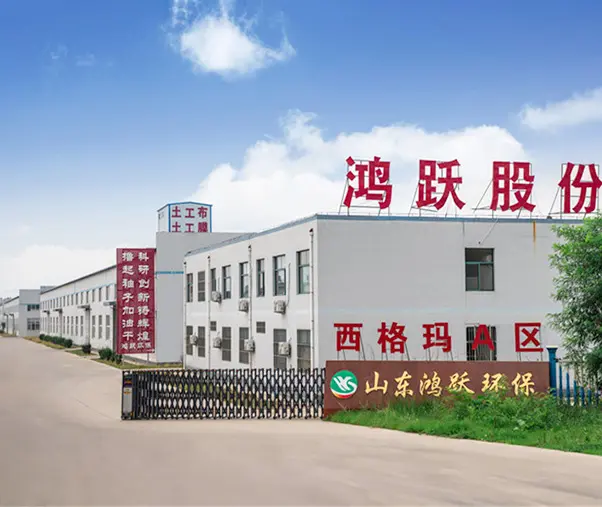
A closer look at how geomembranes prevent seepage in critical water resource infrastructures.
Geomembranes are efficient anti-seepage materials that play a key role in water conservancy projects. Their reliable barrier properties, lightweight design, simple installation, and low cost make them essential for modern hydraulic structures.
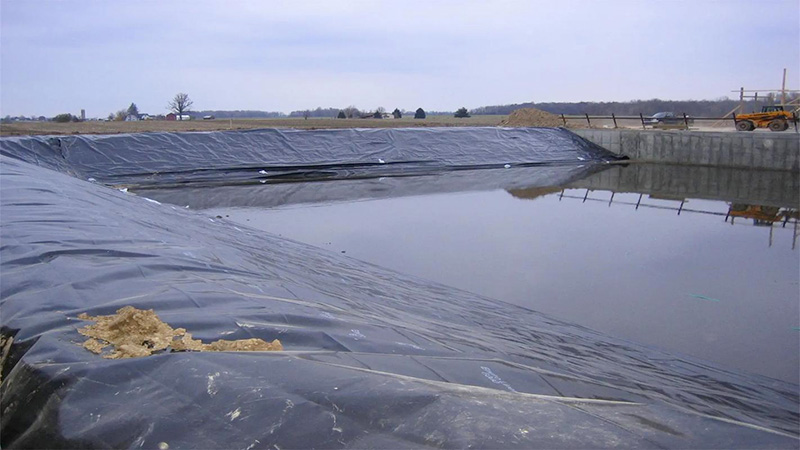
Reservoirs are often built in valleys with complex geological structures. If left unlined, high water pressure can cause leakage through faults and cracks in the bedrock. Installing a geomembrane liner forms a continuous barrier that prevents water loss and helps protect the stability of the surrounding slopes.
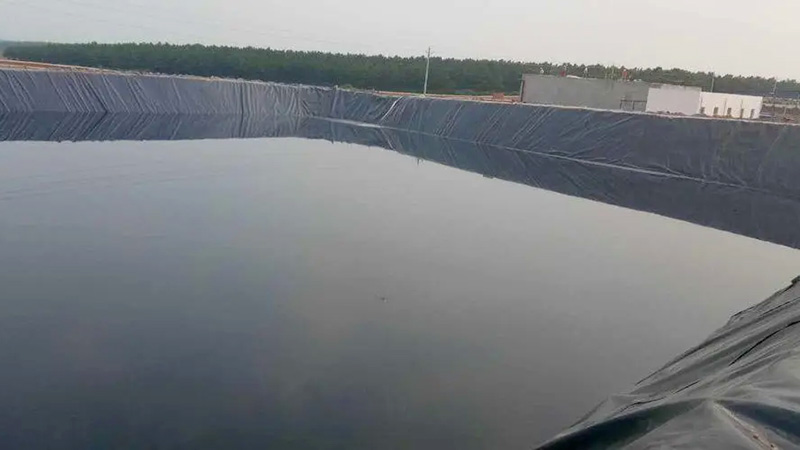
Dikes protect low-lying communities from flooding. However, interior piping, animal burrows, and soil erosion can create weak spots within the structure. Applying a geomembrane liner helps seal these areas, preventing seepage and reinforcing the dike against floodwaters.
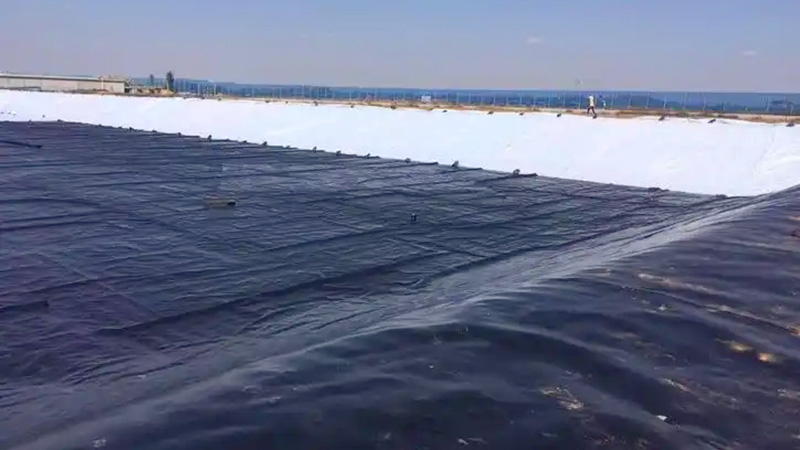
Irrigation canals and urban river channels require effective water conservation and erosion control. Installing a geomembrane lining prevents water loss from infiltration and protects the channel slopes against erosion, supporting local ecosystems and water management systems.
Technical answers to common questions about geomembrane selection, installation, and compliance.
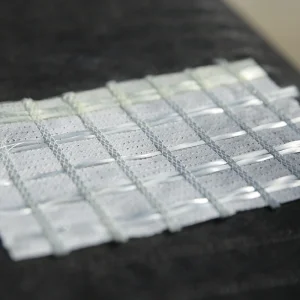
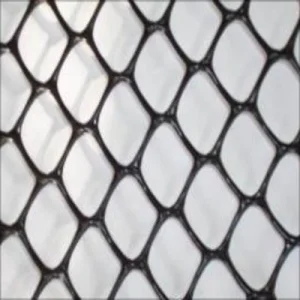
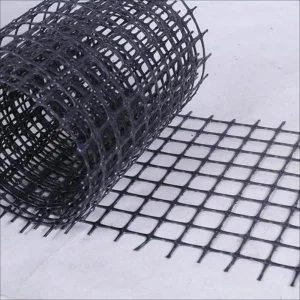
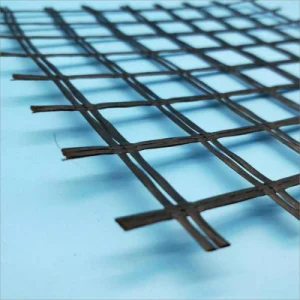
Supporting civil engineering projects with high-quality geogrids, drainage nets, and structural composite materials.
 Hongyue