
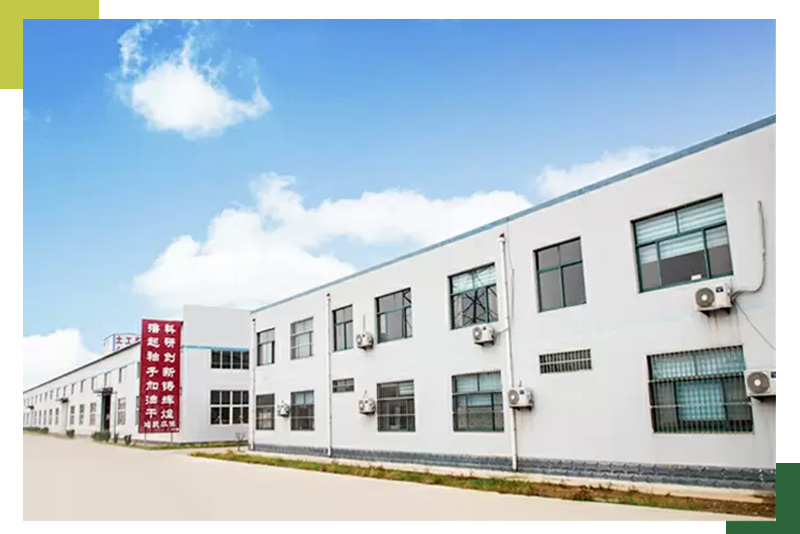
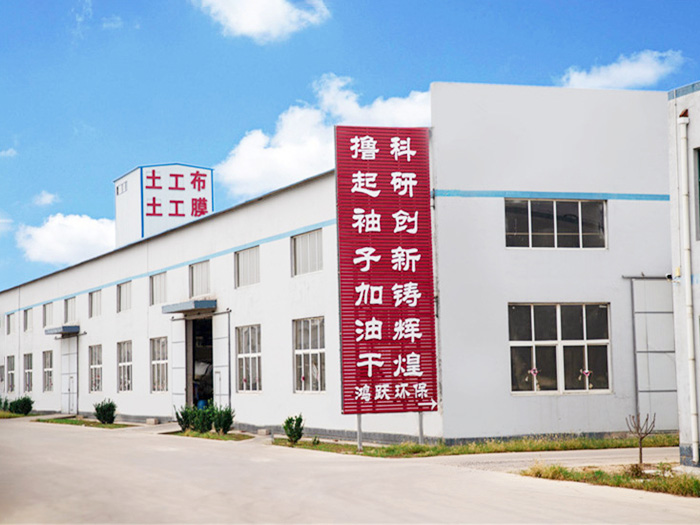
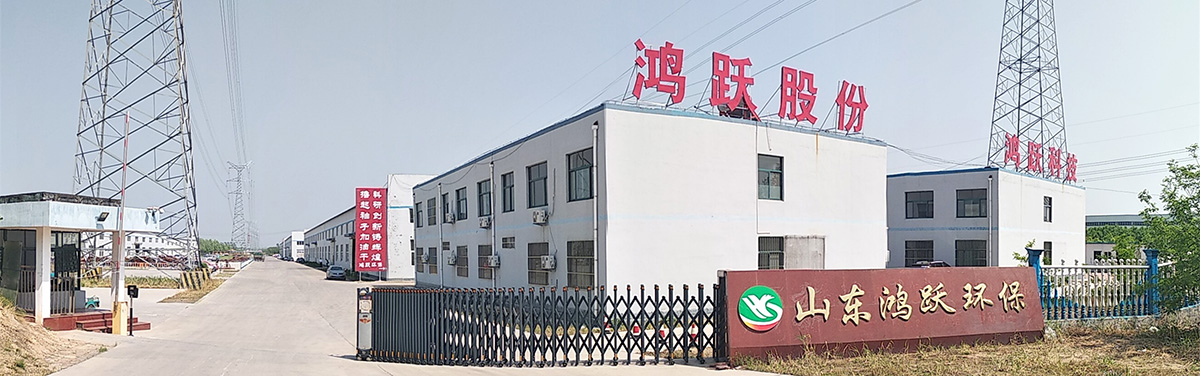
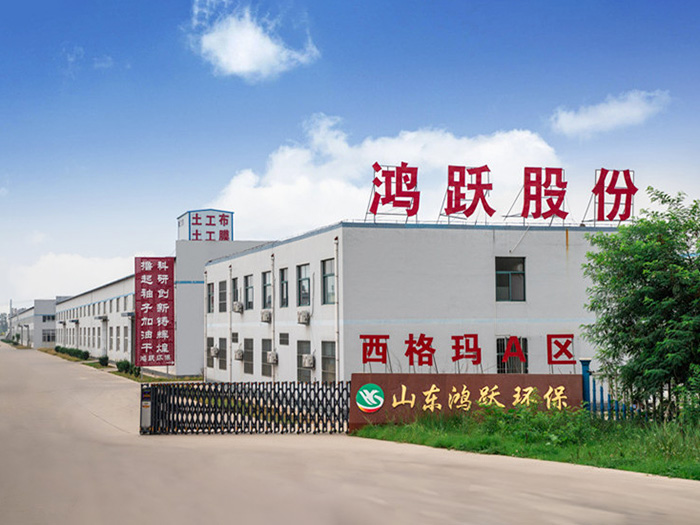
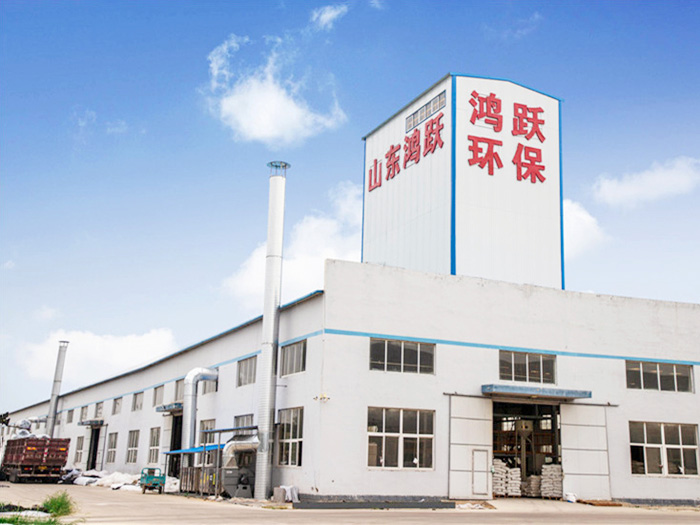
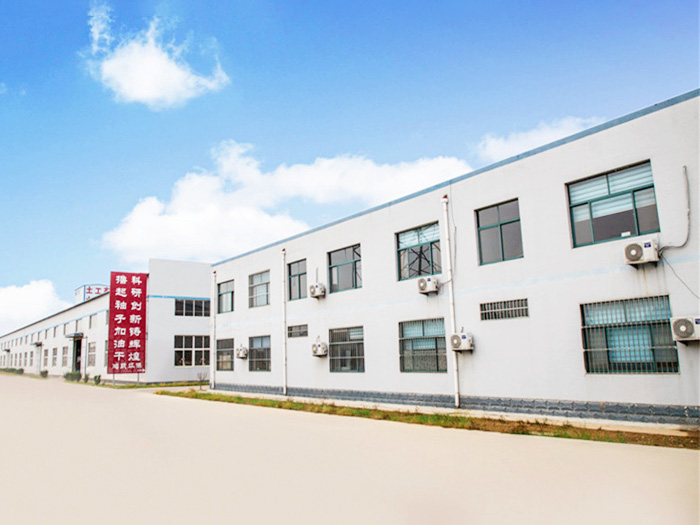
Shandong Hongyue Environmental Engineering Co., Ltd., located at the north end of Fufeng Street, Lingcheng District, Dezhou, Shandong Province, is a scientific and technological geotechnical material manufacturer integrating engineering material production, sales, design and construction services. The company was registered in Lingcheng District Market Supervision and Administration Bureau of Dezhou City on April 6, 2023, with a registered capital of 105 million yuan. It is one of the largest production bases of geotechnical materials in China at present, located in Lingcheng District, Dezhou, Shandong Province, with superior geographical location and convenient transportation.
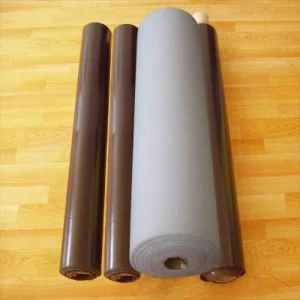
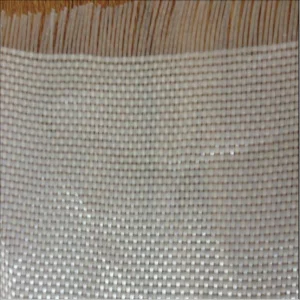
Since the establishment of the company has developed rapidly, business continues to grow and expand, our company mainly deals in geotextiles, geomembrane, composite geomembrane, waterproof board, bentonite waterproof blanket, 3D composite drainage net, (composite) drainage board, weaving cloth, woven cloth, geotextiles, membrane bags, blind ditches, waterproof and drainage combinations, woven bags, ecological bags, cement blankets, fiber plants blankets, flexible pervious pipes. Our business includes geosynthetics, waterproofing membrane production, sales, construction, import and export of goods. We have high quality products and professional sales and technical team, and belong to the Dezhou Geotextile Association. Products are widely used in highways, railways, bridges and tunnels, reservoirs and canals water conservancy, artificial lakes, environmental protection, aviation, mining, agriculture and other fields.
Poland's position as a central transportation and logistical corridor in Europe has catalyzed massive public investment in transport infrastructure, industrial hubs, and environmental systems. Large-scale national initiatives, such as the Central Communication Port (CPK) network, alongside widespread highway (Autostrady) and expressway (Drogi ekspresowe) expansions (like the S6, S19, and S61), demand advanced geotechnical engineering materials that conform to stringent European standards. The geotechnical challenges of the Polish landscape—characterized by complex glacial clays, variable water tables, and severe seasonal freeze-thaw cycles—require drainage systems with high load capacity and lasting hydraulic conductivity.
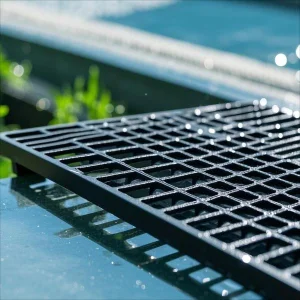
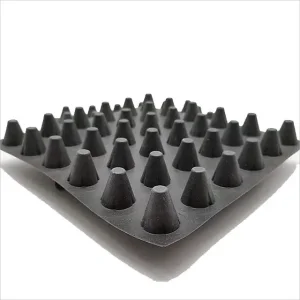
In municipal landfills, wastewater reservoirs, and industrial containment sites across regions such as Masovia, Silesia, and Greater Poland, strict EU environmental protection guidelines dictate the installation of zero-leakage composite lining systems. Standard geonets serve a critical function within these layered structures, providing planar transmission of liquid and gas under heavy soil loads. By acting as the primary drainage layer directly adjacent to geomembranes and geotextiles, high-density polyethylene (HDPE) geonets eliminate hydrostatic pressure and secure the structural stability of landfills and highway embankments against internal shear failure.
Geosynthetics play a vital role in modern civil and environmental engineering by replacing traditional, energy-intensive sand and gravel drainage trenches. From mining tailings facilities in South America to landfill developments in Central Europe, the global construction industry is transitioning to polymer-based planar drainage networks. High-density polyethylene (HDPE) geonets provide consistent hydraulic performance over decades of load exposure, maintaining high compressive resistance and biological stability even in harsh acidic or basic chemical conditions.
This global transition is driven by the need for sustainable, low-carbon engineering practices. Incorporating lightweight, high-performance geonets dramatically reduces the fuel consumption and logistical footprint of trucking tons of natural aggregates to job sites. As regulatory bodies enforce strict environment protection standards, the demand for certified, predictable, and chemically inert geosynthetic materials continues to rise globally.
“Shandong Hongyue Environmental Engineering Co., Ltd. continues to set benchmarks in the production and deployment of industrial-grade geosynthetics. Our ISO-certified production lines deliver solutions that address the specific engineering, climate, and structural needs of key European corridors, with a strong focus on the Polish market.”
Our state-of-the-art production base in Dezhou, Shandong Province, operates within China's largest geotextile manufacturing hub. This location offers significant logistics and raw-material sourcing advantages. Our integrated operations translate to cost efficiencies, high production volume, and consistency in polymer grade and formulation. We maintain full control over the chemical composition of our products, ensuring that UV stabilizers, carbon black additives, and virgin polymer resins are properly blended to withstand prolonged field exposure.
Our export infrastructure enables seamless delivery to Poland's major ports, including Gdańsk and Gdynia, as well as land-based transport connections to industrial hubs in Warsaw, Poznań, Wrocław, and Katowice. Every production batch is fully traceable and accompanied by testing documentation verifying compliance with international requirements. This level of quality control ensures our products perform reliably in demanding civil engineering applications.
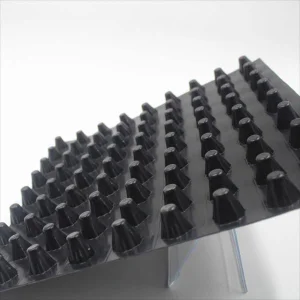
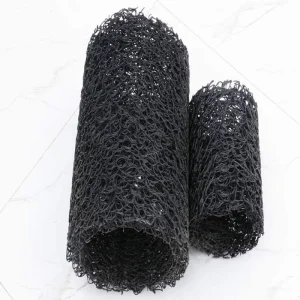
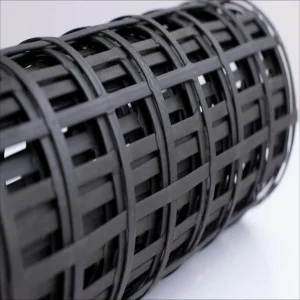
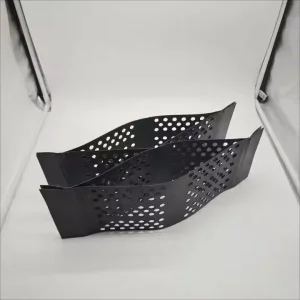
In Silesia's coal mining districts, historic industrial sites require soil remediation and land stabilization. Our composite drainage nets and high-tensile geogrids support heavy surcharge loads on unstable ground. The drainage net prevents groundwater accumulation beneath protective soil caps, minimizing the risk of localized erosion or collapse.
Expanding the highway network near Warsaw involves building over soft alluvial soils. Using 3D geonets paired with non-woven geotextiles helps dissipate pore water pressure within the subgrade. This rapid drainage preserves the shear strength of the road base, protecting the asphalt layer from settlement under heavy vehicle traffic.
Infrastructure expansions near Gdańsk require efficient containment and drainage solutions under high saline conditions. Our corrosion-resistant HDPE geonets are formulated to perform in marine environments, providing steady sub-surface drainage beneath heavy container terminals and storage yards.
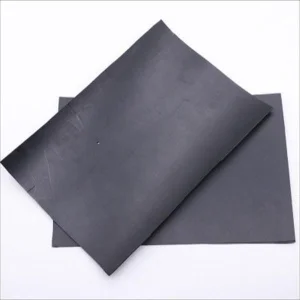
Managing water flow and preventing seepage along the Vistula River dykes is critical for flood defense. Incorporating composite geomembranes and geonets inside the dyke cores prevents internal erosion (piping). This system safely diverts seepage water back into the river channel, reinforcing the structural stability of the earth fill barriers.
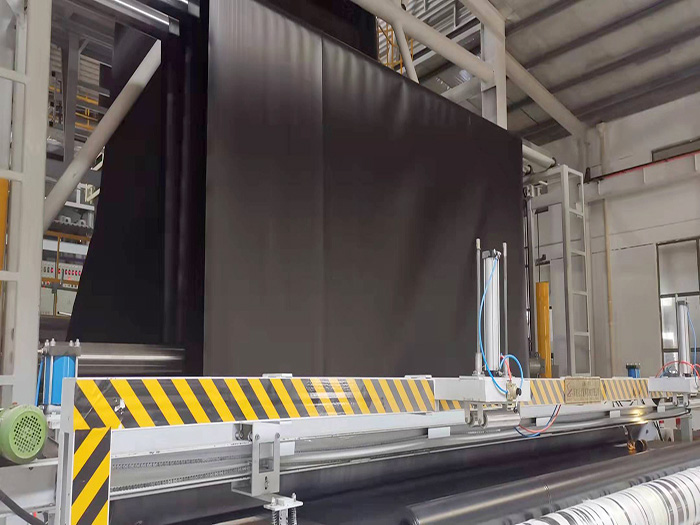
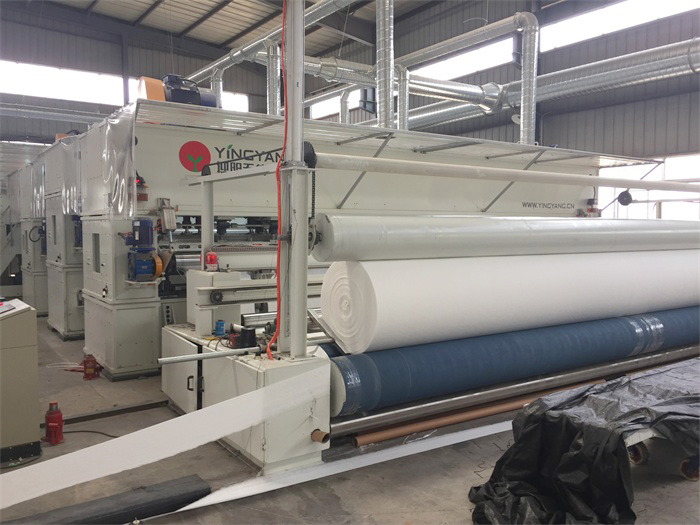
High-quality virgin polyethylene resins are mixed with carbon black and chemical stabilizers. This formulation ensures durability and chemical resistance in municipal waste and soil environments.
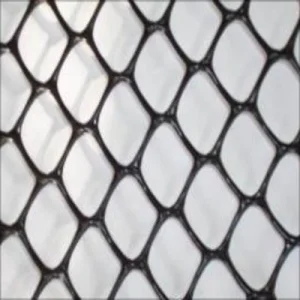
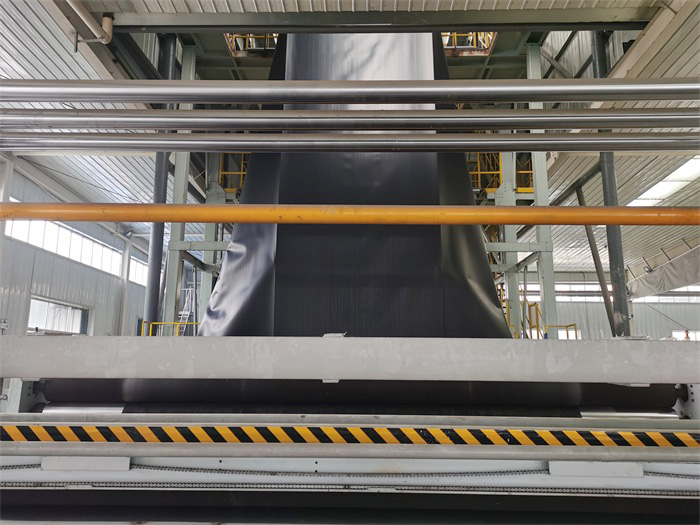
The compounded polymer is melted and extruded through a rotating die header. The overlapping strands create a stable rib structure designed for high load capacity and fluid flow.
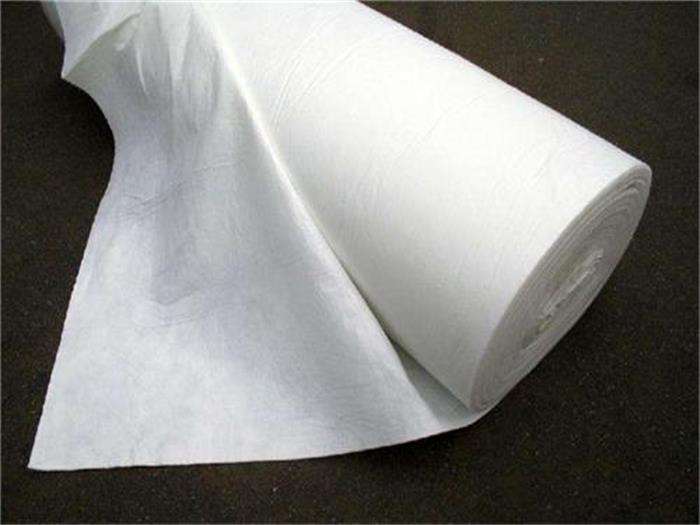
The geonet grid passes through calibrated cooling chambers to lock in its dimensional structure and tensile strength, preventing rib deformation under heavy soil loads.
Finished rolls are wrapped in protective covers to shield the material from UV rays and moisture during transit to domestic sites and export terminals.
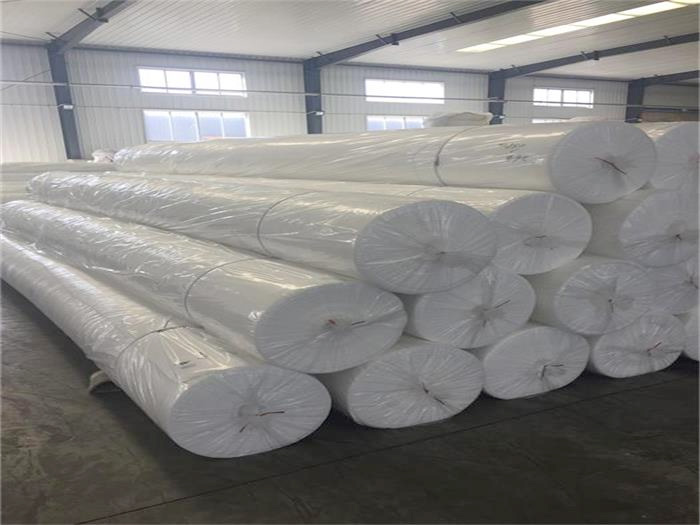
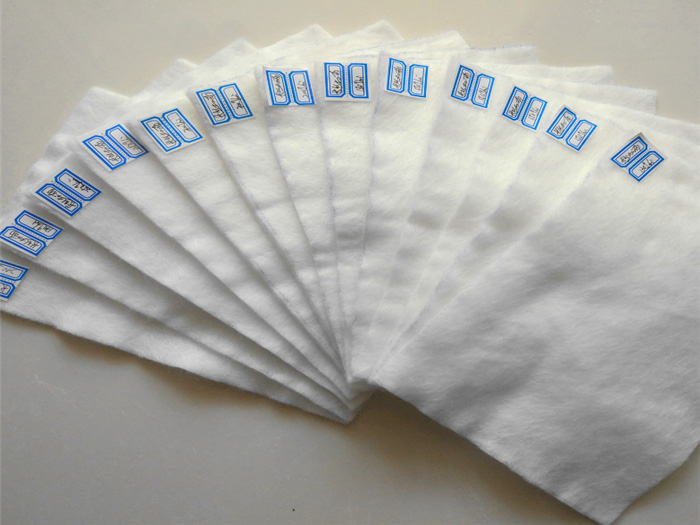
Samples from each batch are tested for compressive behavior, hydraulic transmissivity, carbon black dispersion, and tensile strength to confirm compliance with EU and international standards.
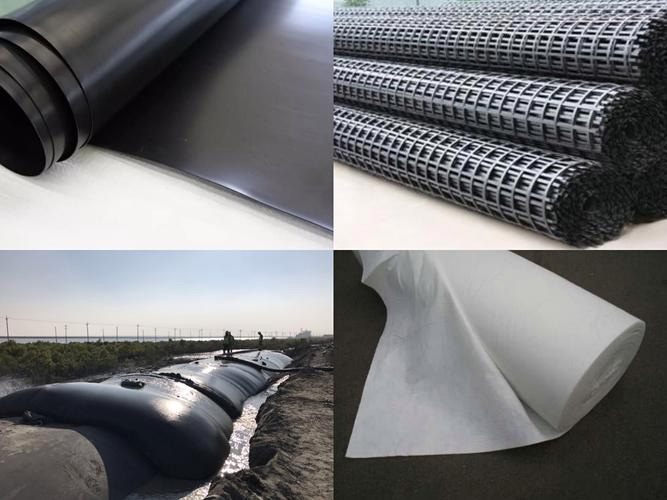
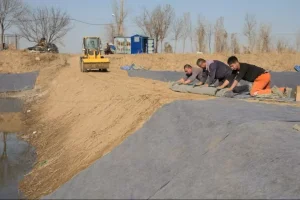
Installing geosynthetic barrier systems requires careful preparation and execution to avoid leaks and maintain drainage performance. Key steps include:
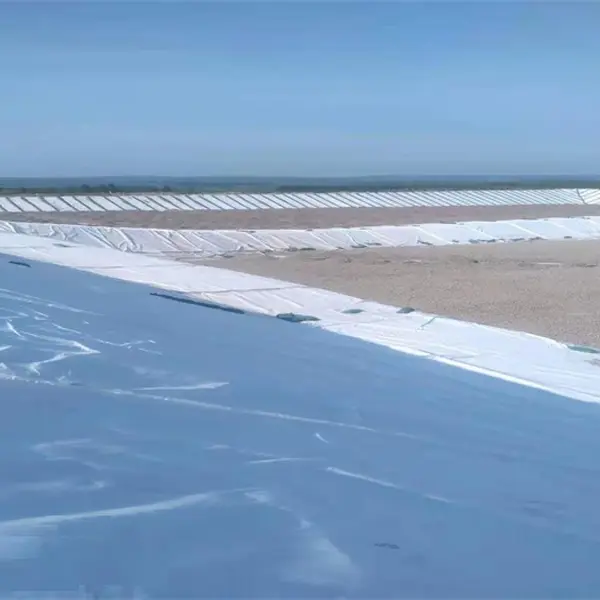
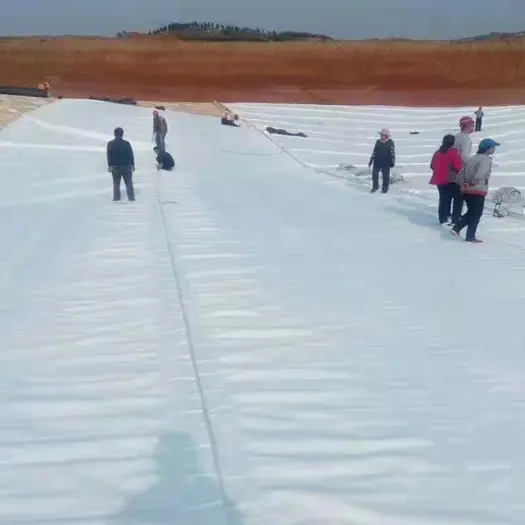
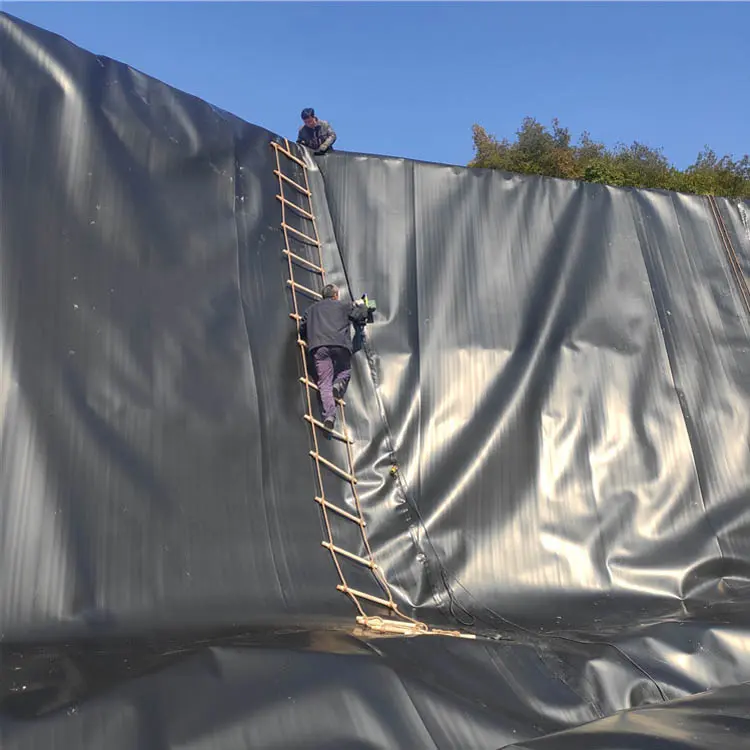
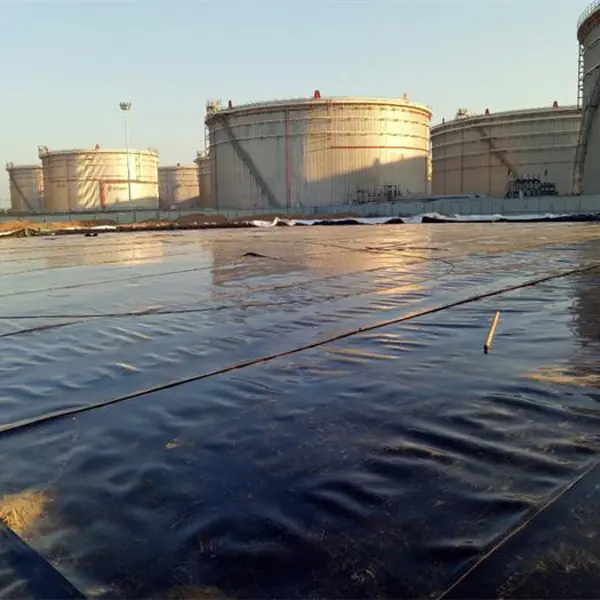
The geosynthetics industry is shifting from single-layer geonets toward multi-functional composite systems. Products like tri-planar geonets and composite drainage nets with heat-bonded non-woven geotextiles are increasingly preferred for complex projects. These composite structures provide consistent lateral drainage while preventing soil particles from clogging the net core, ensuring steady flow performance over long service lives.
Additionally, the industry is focusing on improved raw material longevity and sustainability. Manufacturers are developing polymer stabilizers that offer better resistance to chemical exposure and temperature extremes, particularly for winter conditions in Central Europe. Advanced QC monitoring technologies are also being integrated into the extrusion process to maintain strict thickness, rib angle, and density specifications across large production runs.
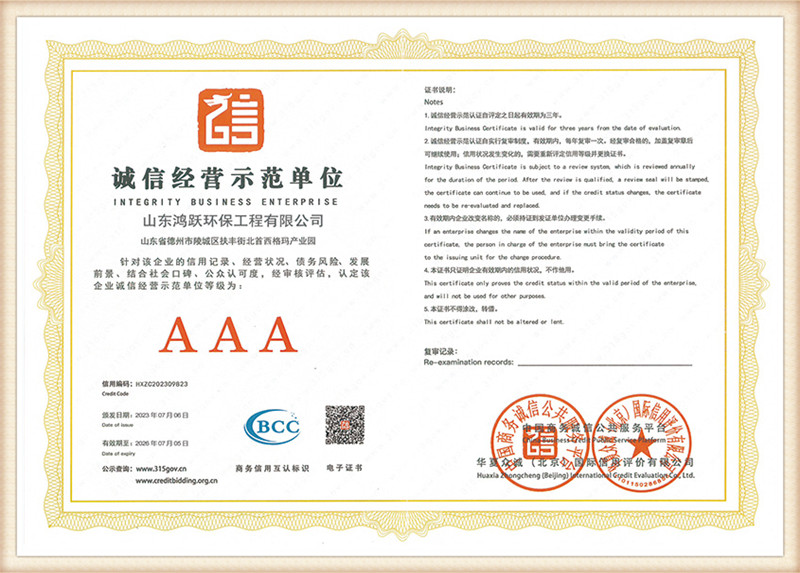
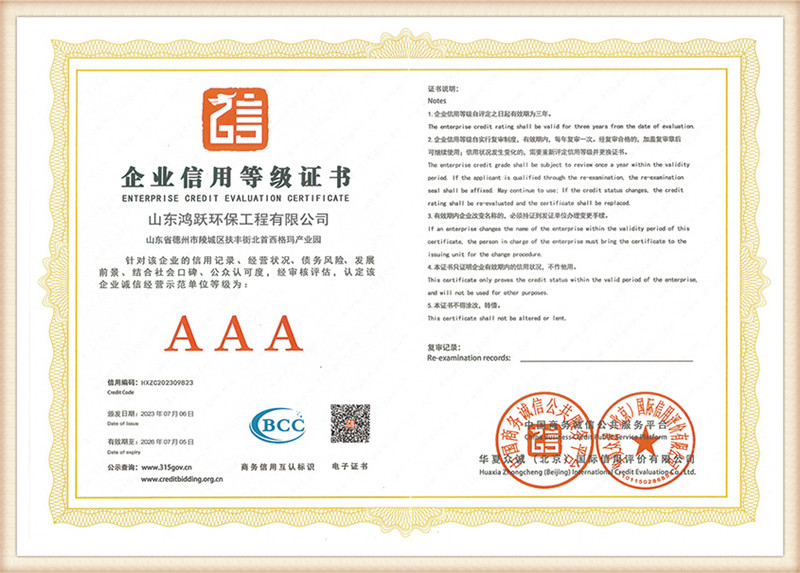
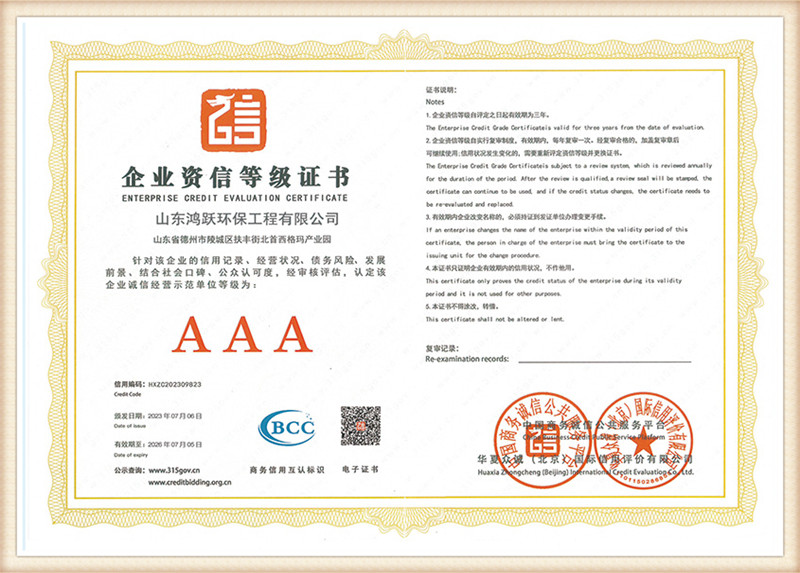
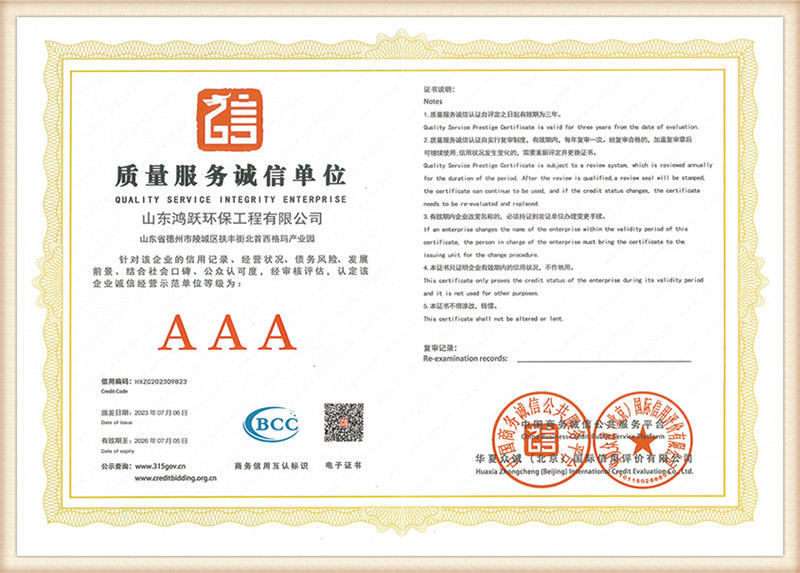
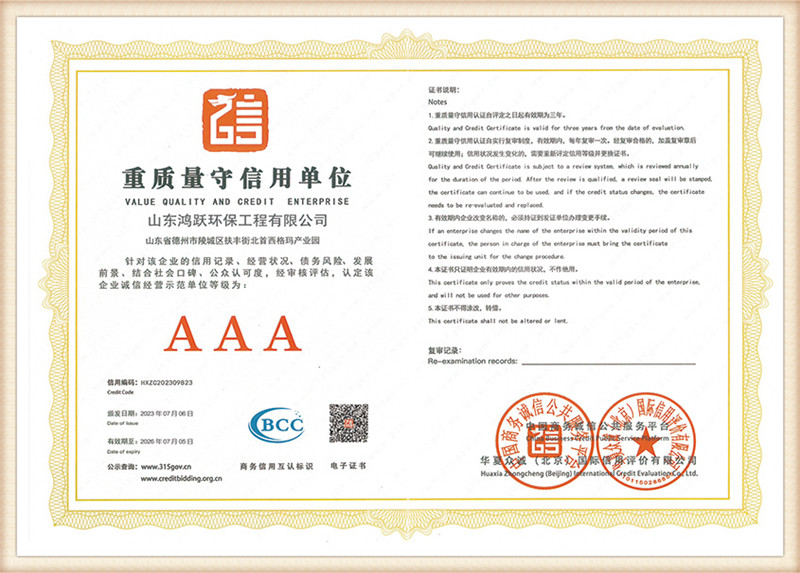
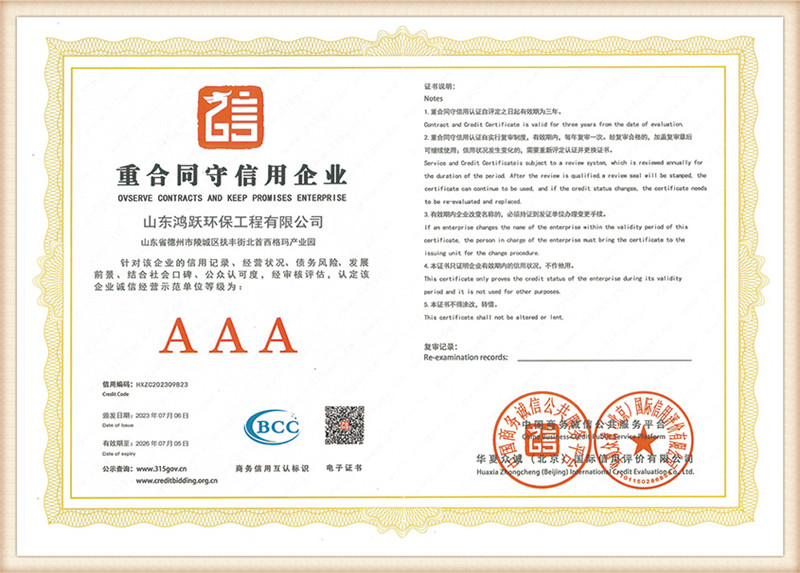
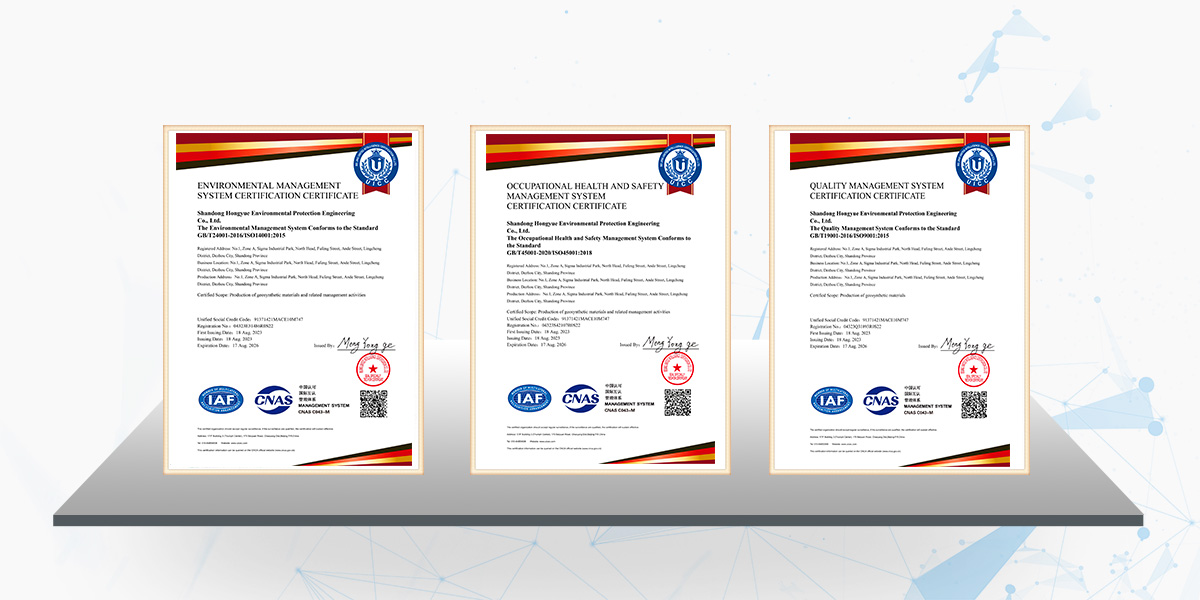
For international procurement managers, verifying a supplier's compliance with local construction codes is a key step in the sourcing process. In the EU, geosynthetics must carry the CE mark and meet performance benchmarks established by testing standards (such as EN ISO 12956, EN ISO 11058, and EN ISO 10319). These certifications ensure the material meets required properties for pore size, water permeability, and tensile strength under structural loads.
Shandong Hongyue works with independent certification bodies to verify our product specifications. We maintain a detailed quality assurance log for every batch, including raw material certificates, melt flow index results, carbon black dispersion ratios, and tensile strength profiles. This documentation gives engineering contractors and project owners confidence that the geosynthetic materials will perform reliably over the long term.
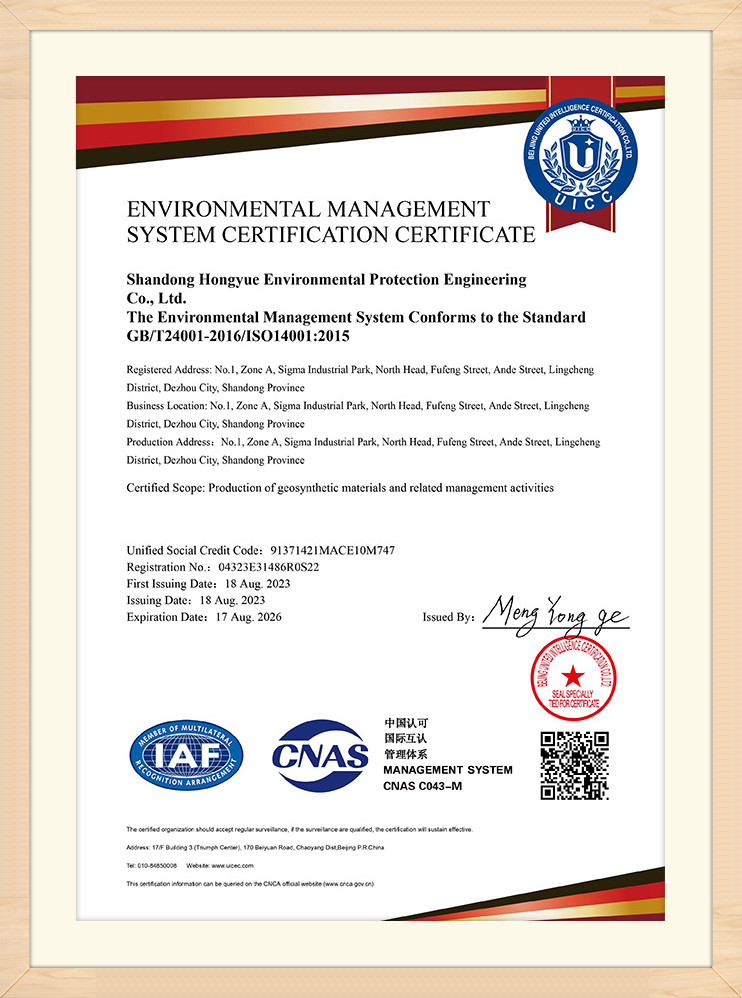
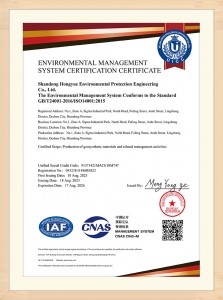
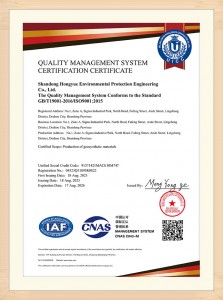
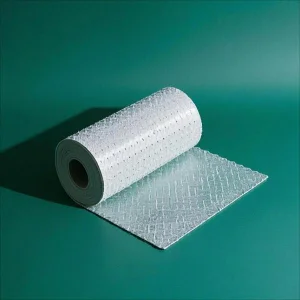
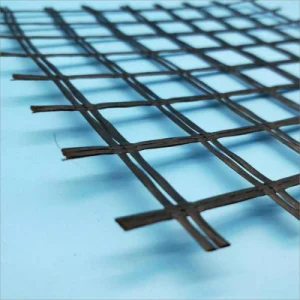
All geosynthetic products exported to Poland must carry the CE mark. Shandong Hongyue's materials are tested and certified to meet harmonized European standards, including EN 13252 (drainage systems) and EN 13257 (waste disposal sites). We provide full documentation, including Declaration of Performance (DoP) certificates, to verify compliance with local engineering specifications.
Production lead times depend on order volume and customization requirements, generally ranging from 10 to 15 days. Sea shipping from Qingdao or Tianjin port to Gdańsk or Gdynia takes approximately 35 to 45 days. We also offer rail transport options via the China-Europe Railway Express for faster delivery to landlocked industrial hubs like Warsaw or Katowice.
Traditional gravel drainage layers are heavy, logistically demanding, and prone to silting over time. In contrast, 3D composite drainage nets are lightweight, easy to install, and provide consistent, design-specified drainage capacity. They also feature high compressive resistance, ensuring reliable water diversion even under heavy winter snow loads and freeze-thaw cycles.
Our HDPE geonets are formulated to withstand extreme temperature ranges, maintaining their mechanical properties and flexibility from -40°C up to +80°C. This ensures the material remains stable during cold-weather installations and throughout seasonal freeze-thaw cycles in Poland.
We source virgin polyethylene resins from certified global petrochemical producers. Each delivery undergoes internal quality testing to verify density and melt flow index values. Carbon black and UV stabilizers are blended during extrusion to ensure even distribution and long-term durability in the field.
Get technical support, custom product specifications, and direct factory pricing for your civil, environmental, or agricultural projects in Poland.
Send Inquiry Now Hongyue