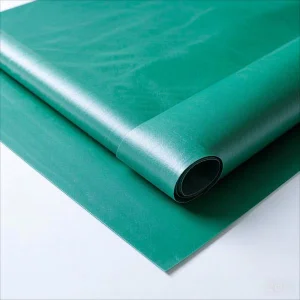
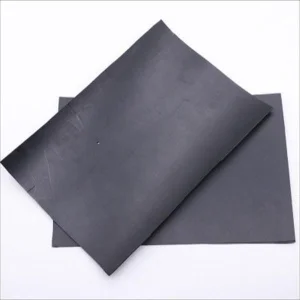
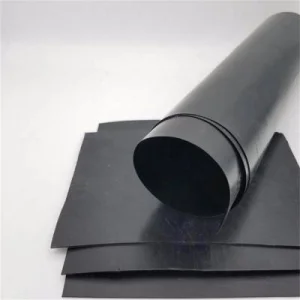
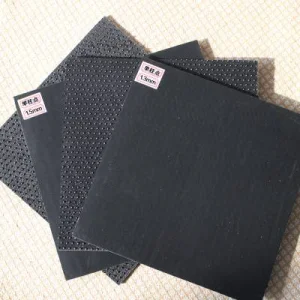
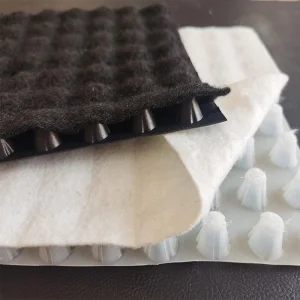
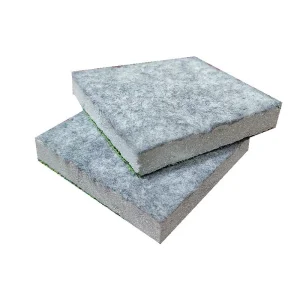
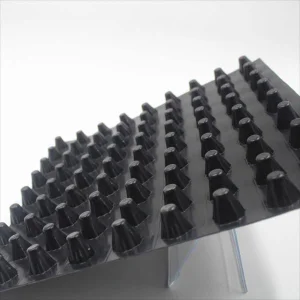
A curated selection of our high-durability containment solutions tailored specifically to withstand the environmental challenges, intensive sun exposure, and geochemical loads typical in Morocco's civil engineering projects.
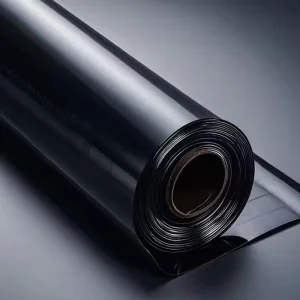
Morocco is characterized by diverse geological formations—ranging from the Atlas Mountain ranges to arid Saharan expanses. The local climate presents intense solar UV index readings and wide diurnal temperature shifts. Standard containment membranes degrade prematurely under these conditions. Our High-Density Polyethylene (HDPE) membranes are manufactured with up to 2-3% carbon black additives, providing superior resistance to UV exposure, thermal oxidation, and stress cracking (tested under ASTM D5397 standards).
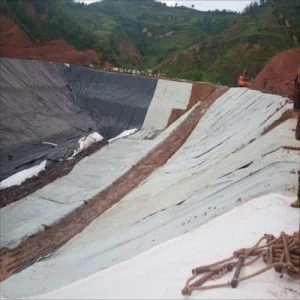
As home to over 70% of the world's phosphate reserves, Morocco's mining sector demands heavy-duty lining systems for tailings storage facilities (TSFs) and chemical process ponds. Acidic wastewater and chemical reagents require liner formulations with verified chemical resistance. Our smooth and textured HDPE geomembranes meet or exceed GRI-GM13 specifications, ensuring zero leakage of heavy metals or acidic fluids into local groundwater aquifers.
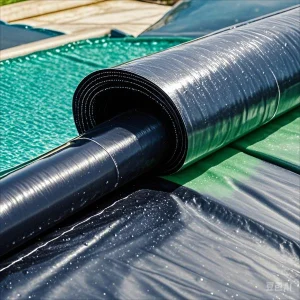
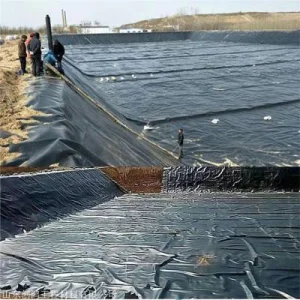
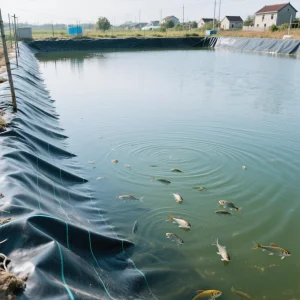
Under the "Generation Green" strategy, Morocco is optimizing its agricultural water use. Artificial irrigation reservoirs and canals lined with advanced geomembranes prevent costly water loss due to soil seepage. By installing nonwoven composite geomembranes, farmers and municipal authorities can ensure up to 98% water retention efficiency in highly permeable soils.
Global supply chains for geosynthetics are driven by raw material availability, quality consistency, and manufacturing scale. Shandong Hongyue Environmental Engineering Co., Ltd. sits at the center of China’s largest geotechnical material production base. This scale provides immediate advantages to Morocco infrastructure procurement teams:
Every batch of geomembrane is subjected to rigorous testing before container loading. Our internal laboratory tests for tensile strength, tear resistance, puncture resistance, and thickness conformity under both ASTM and European standards (CE mark). This ensures that imports arriving at Casablanca or Tanger-Med ports are ready to pass strict local project audits.
By leveraging large-scale petrochemical supply channels in China, we manufacture using premium virgin polymer resins (Dow Chemical, Sinopec). This translates to high melt-flow consistency, minimal raw-material defects, and extremely stable mechanical behaviors under structural stress.
We work in tandem with global logistics giants to optimize sea freight routing. Whether your project requires standard 20ft/40ft containers or specialized open-top containers for extra-wide rolls, our shipping team coordinates with major maritime lines to ensure smooth customs declaration and predictable ETA windows.
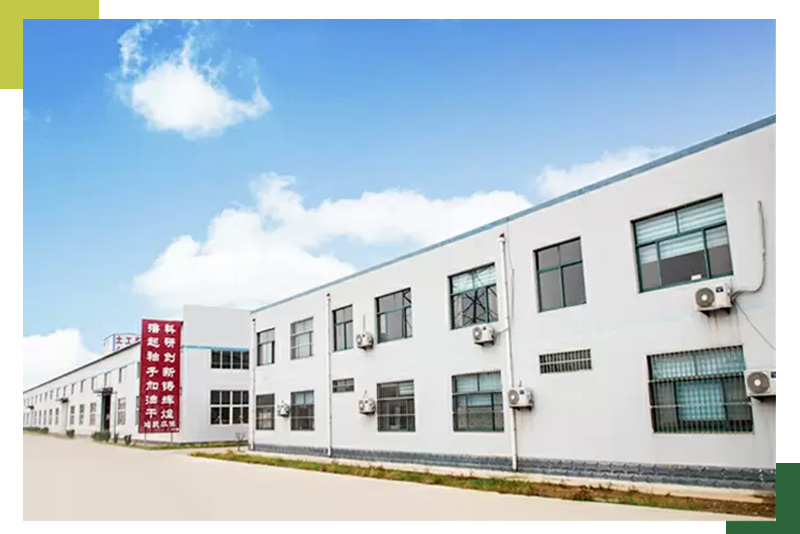
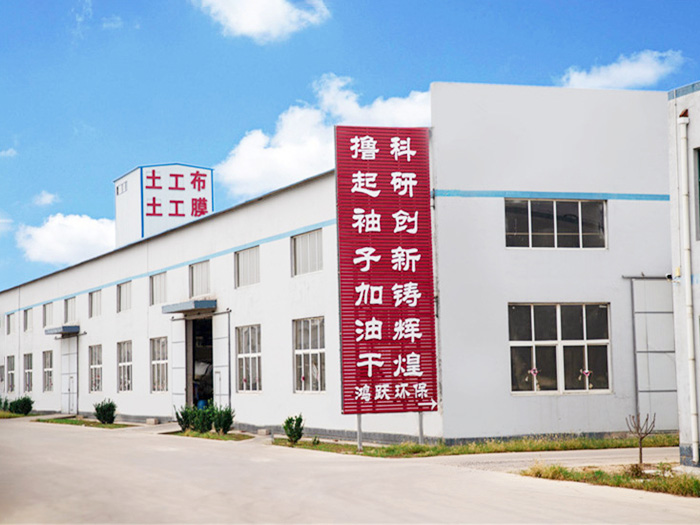
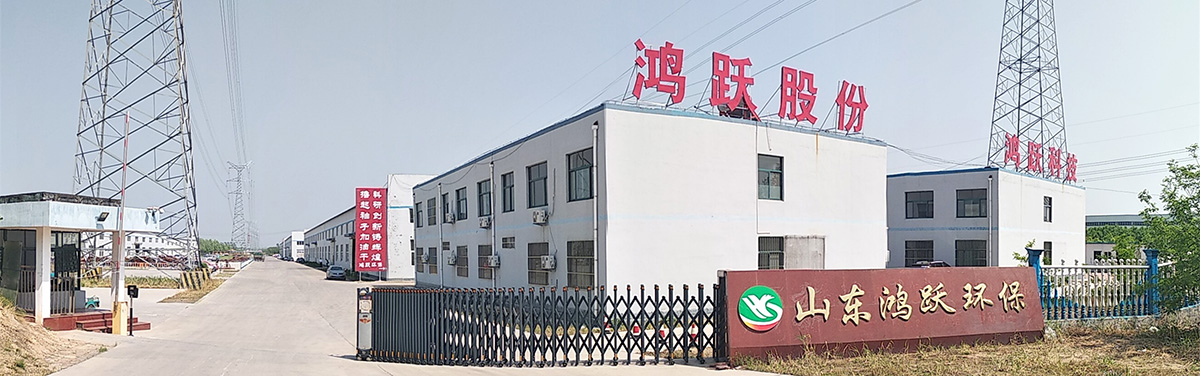
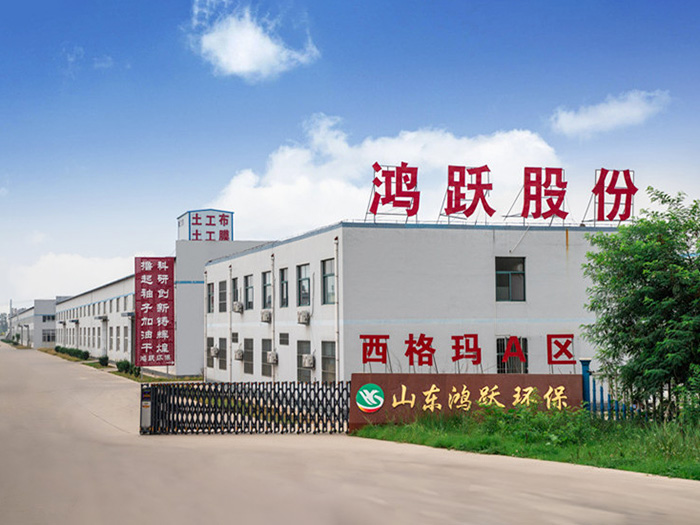
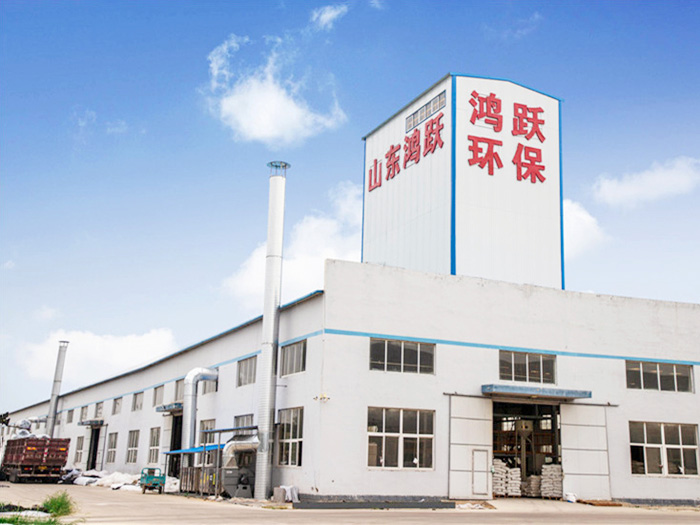
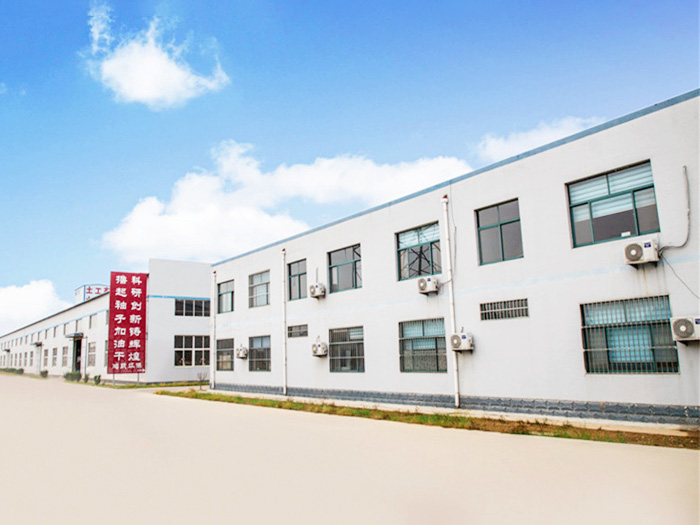
Shandong Hongyue Environmental Engineering Co., Ltd. Headquarters & Production Facility
Shandong Hongyue Environmental Engineering Co., Ltd., located at the north end of Fufeng Street, Lingcheng District, Dezhou, Shandong Province, is a scientific and technological geotechnical material manufacturer integrating engineering material production, sales, design and construction services. The company was registered in Lingcheng District Market Supervision and Administration Bureau of Dezhou City on April 6, 2023, with a registered capital of 105 million yuan. It is one of the largest production bases of geotechnical materials in China at present, located in Lingcheng District, Dezhou, Shandong Province, with superior geographical location and convenient transportation.
Since the establishment of the company has developed rapidly, business continues to grow and expand, our company mainly deals in geotextiles, geomembrane, composite geomembrane, waterproof board, bentonite waterproof blanket, 3D composite drainage net, (composite) drainage board, weaving cloth, woven cloth, geotextiles, geotextiles, geotextiles, geotextiles, geotextiles, geotextiles, geotextiles, geotextiles, membrane bags, blind ditches, waterproof and drainage combinations, woven bags, ecological bags, cement blankets, fiber plants blankets, geotextiles, flexible pervious pipes, business includes geosynthetics, waterproofing membrane production, sales, construction, import and export of goods (according to the law must be approved by the relevant departments before starting business activities), we have high quality products and professional sales and technical team, our company belongs to Dezhou Geotextile Association, products are widely used in highways, railways, bridges and tunnels, reservoirs and Canals Water Conservancy, artificial lakes, environmental protection, aviation, mining, agriculture and other fields.
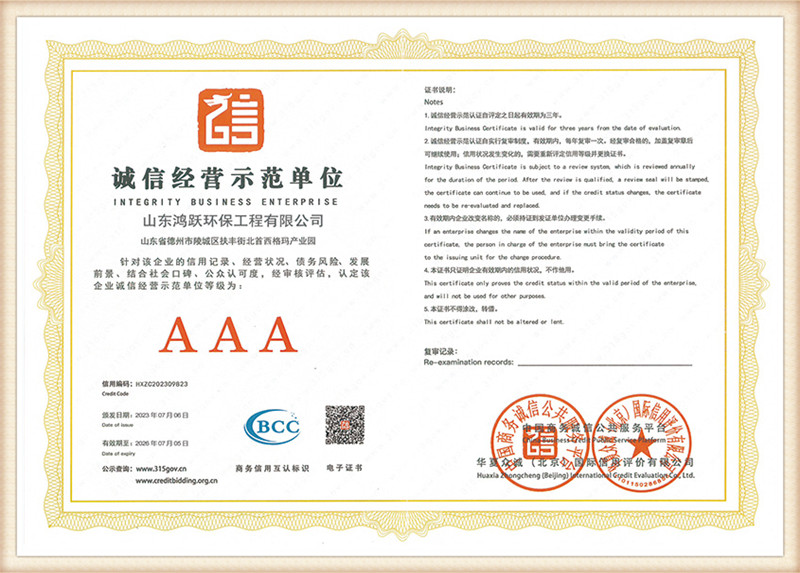
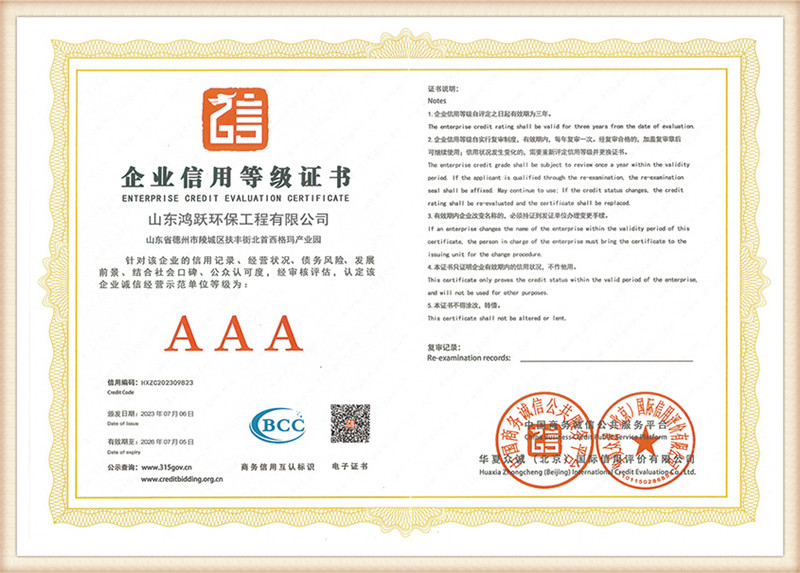
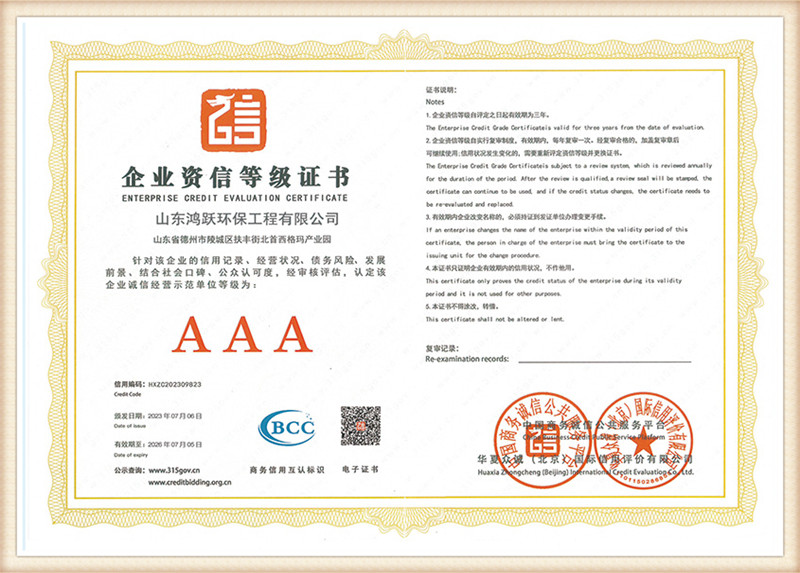
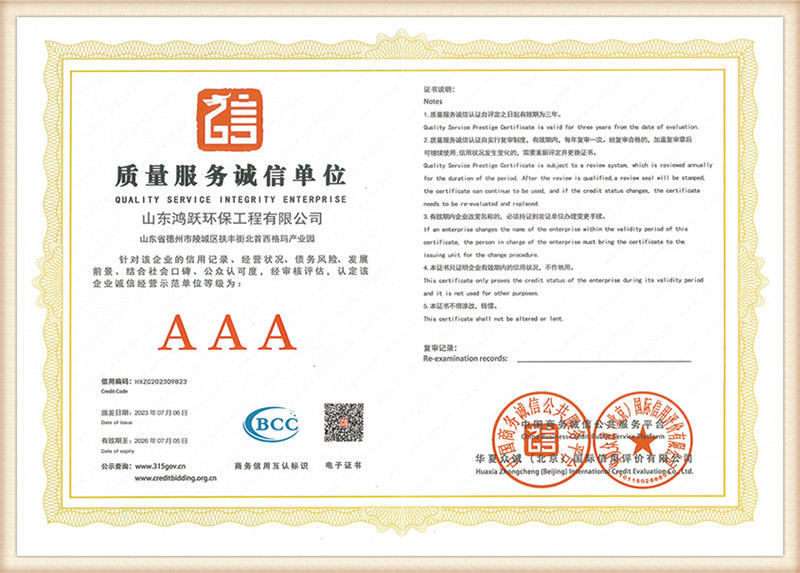
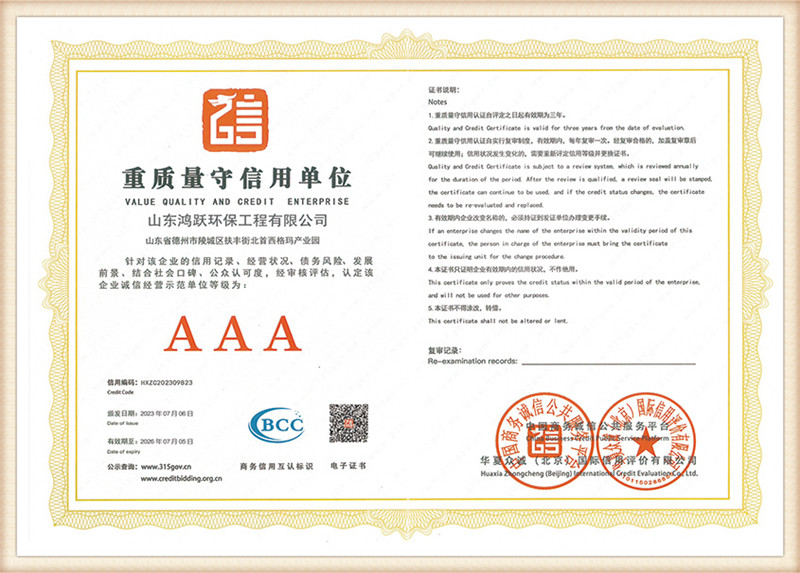
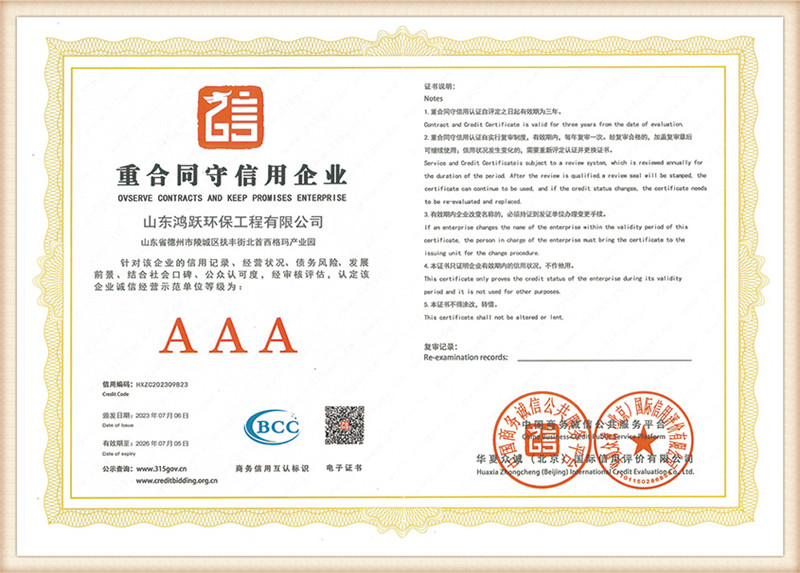
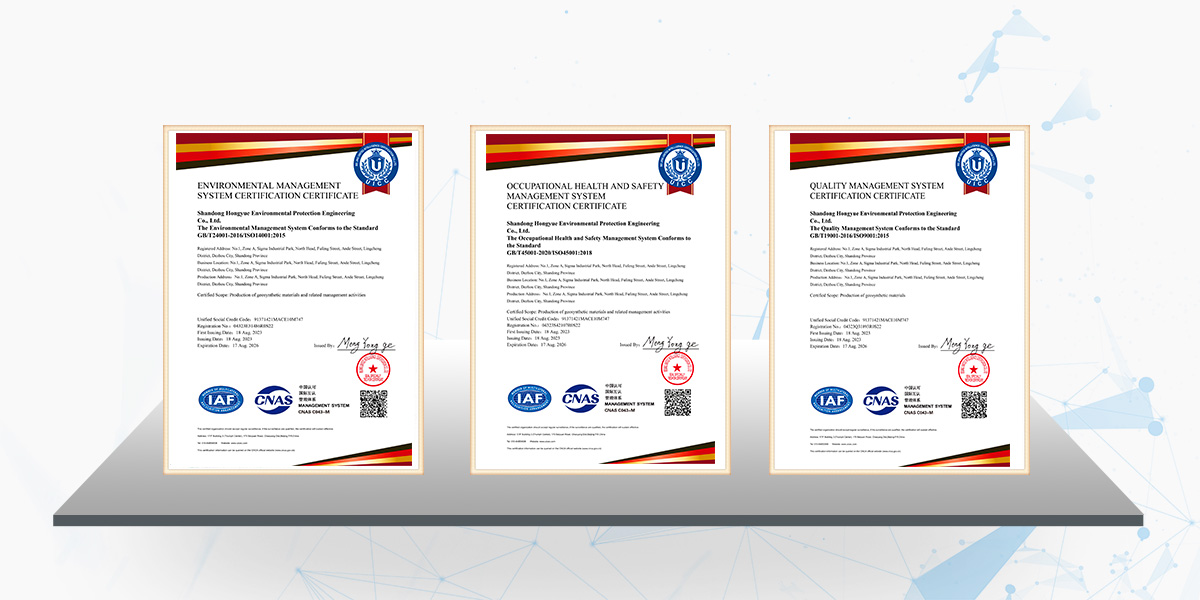
The company has successively passed the ISO9001 international quality system certification, ISO14000 environmental system certification, and ISO45001 occupational health and safety management system certification, and has won multiple honors such as "green and environmentally friendly building materials products", "no consumer complaints", "famous Chinese brands", "high-tech industries", "quality service double excellent units", and "provincial-level poverty alleviation leading enterprises". The company has established sales networks or agency agencies in more than 40 large and medium-sized cities such as Shanghai and Beijing, and its products are exported to multiple countries such as Europe, the United States, Australia, and various parts of the country. The products are widely used in key projects in various provinces and cities.
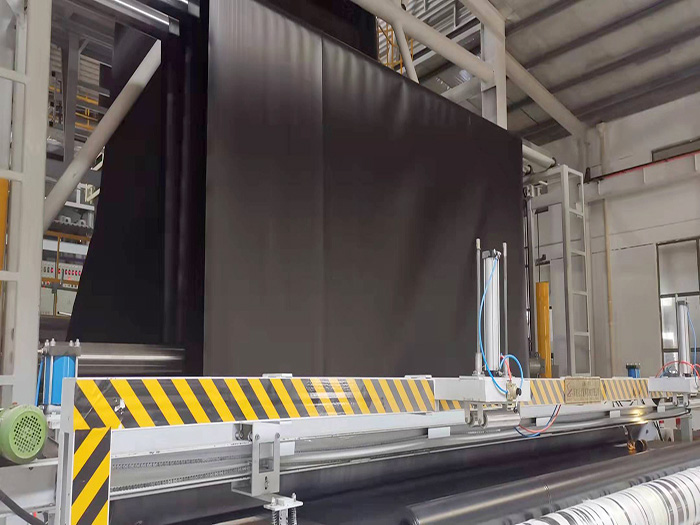
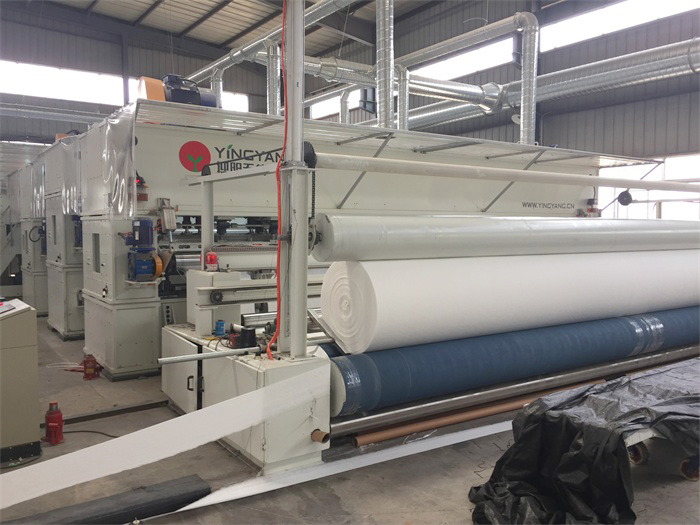
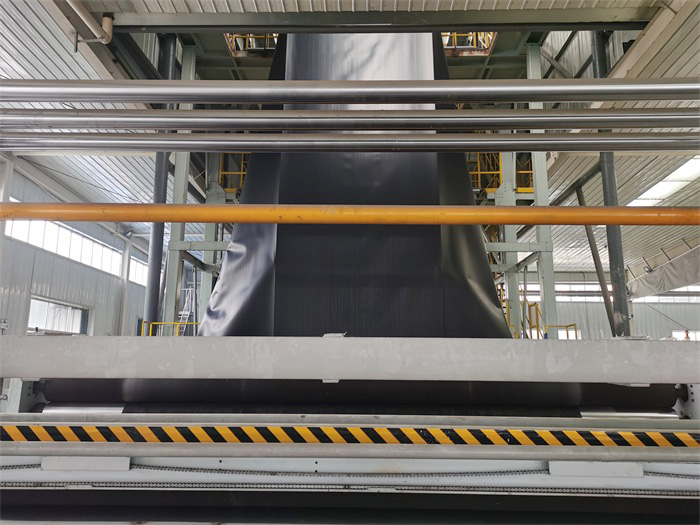
The performance of geotechnical products depends entirely on molecular orientation, thermal history, and compound additive homogeneity. Our automated manufacturing line integrates advanced technologies to maintain consistency in molecular weight distribution and mechanical strength.
Initial staging involves checking virgin high-density polyethylene resins and polypropylene filaments. Melt Flow Index (MFI) and density tests verify the polymeric base before extrusion.
High-temperature screw extruders melt and blend polymer chips under precise heat and pressure controls to ensure uniform blend metrics, including carbon black dispersion.
For smooth membranes, precise calendering rollers ensure even gauge thickness. For textured geomembranes, structured nitrogen gas injection or specialized texturing rollers apply high-friction profiles to prevent slip on steep embankments.
Controlled cooling systems stabilize the internal crystalline matrices of the plastics, improving stress cracking resistance (ESCR) and tensile elongation indices.
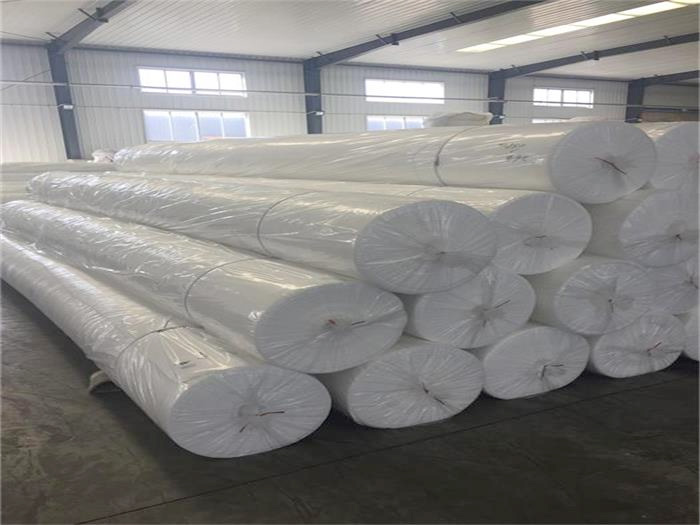
Finished materials are wound onto high-strength steel-reinforced structural tubes, labeled with unique tracking codes, and wrapped in thick woven geotextile protective bags to prevent shipment abrasion.
Every shipment is sampled for tensile properties (ASTM D6693), puncture resistance (ASTM D4833), and thickness verification (ASTM D5199), generating a verified test certificate (MTR).
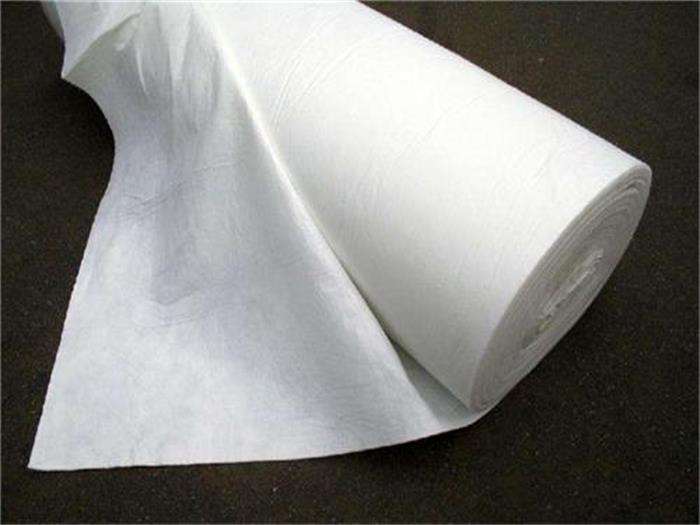
Installing geomembranes requires strict construction guidelines to maintain barrier integrity. Poor subgrade preparation or faulty welding is the primary cause of system failures in the field.
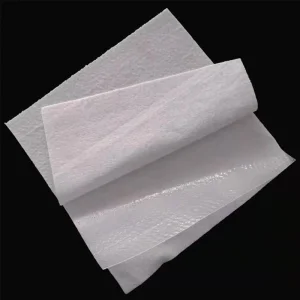
Before laying the geomembrane, the underlying subgrade must be compacted to the specified density and cleared of all sharp aggregates, roots, standing water, and organic matter. We highly recommend using a protective nonwoven geotextile cushion (300g/m² to 500g/m²) directly underneath the liner to prevent mechanical punctures from subgrade movement.
Field panels are bonded using automatic hot wedge welders that form a double weld track separated by an air channel. The temperature, speed, and roller pressure must be adjusted based on the time of day and Ambient air temperature. For detailed joints, penetrations, and repair patches, handheld extrusion welders are utilized using HDPE welding rods matching the base liner compound.
Moroccan civil engineering projects typically require rigorous testing protocols. Our technical support team coordinates with on-site engineers to execute:
• Air Pressure Testing: Sealing the dual-track weld channel and pressurizing it to detect leaks via pressure loss.
• Vacuum Box Testing: Applying a vacuum chamber over single-track welds to check for soap bubble indications of leaks.
• Spark Testing: Utilizing conductive backing geomembranes for high-voltage testing of hard-to-access detail points.
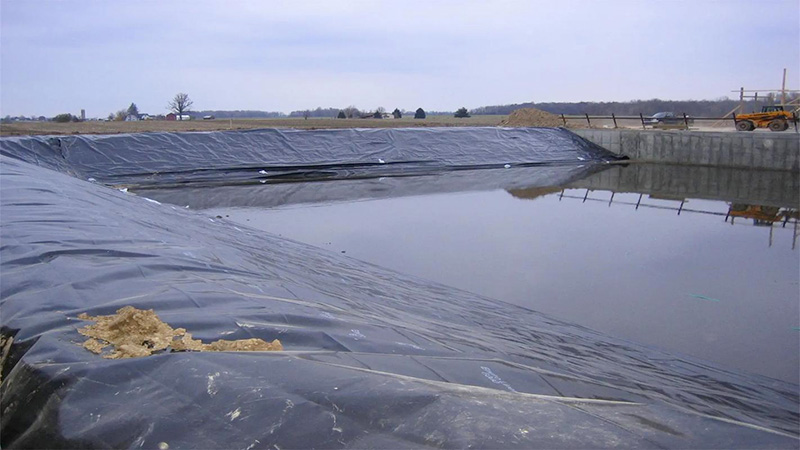
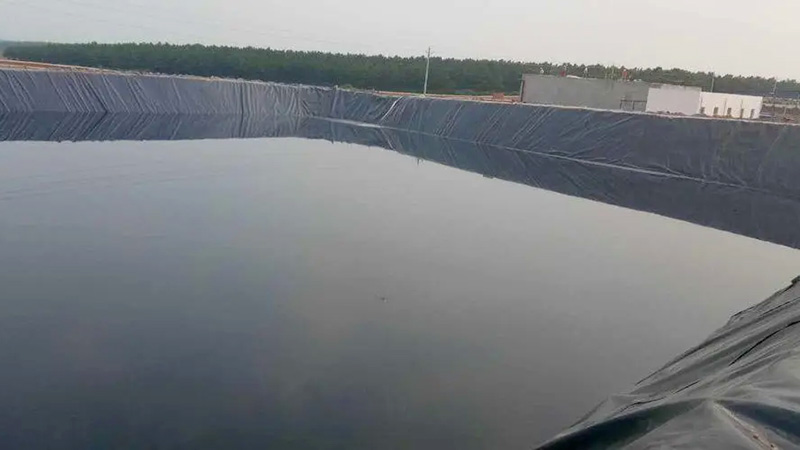
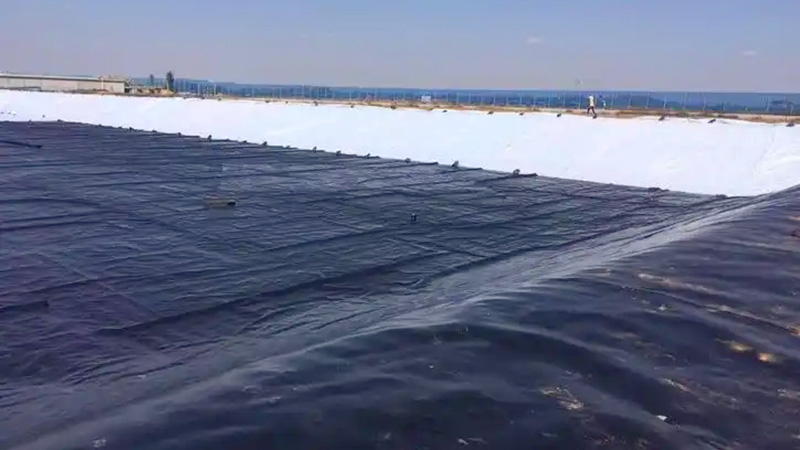
Sourcing large volumes of geomembranes from China is highly cost-effective, but project managers must understand how the ultimate landing cost is structured. Key pricing parameters include:
Pricing is typically calculated per square meter. Standard specs (0.5mm, 0.75mm, 1.0mm, 1.5mm, and 2.0mm thickness) scale in cost linearly with the polymer mass per unit area. Selecting the appropriate gauge for your application prevents costly over-engineering.
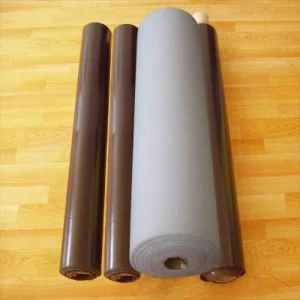
High-Density Polyethylene (HDPE) provides the best overall chemical and UV resistance. LLDPE offers higher flexibility for complex site geometries and high settlement soils. PVC works well for tunnels. Resin pricing indexes directly impact the cost of finished liners.
Shipping rates fluctuate globally. Sourcing from Qingdao or Tianjin port to Tanger-Med or Casablanca container terminals requires planning. We coordinate freight booking to lock in low ocean freight rates, optimizing transit times and storage fees.
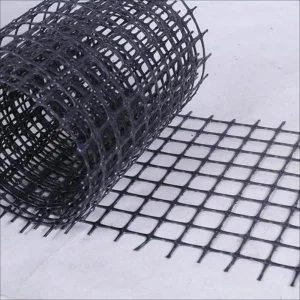
Explore our full line of specialized containment barriers, drainage systems, and soil reinforcement materials. All items can be customized to match your project specifications.
Clear answers to critical engineering, pricing, and shipping questions related to purchasing geomembranes for Moroccan civil and industrial installations.
For municipal solid waste (MSW) landfills, environmental regulations typically mandate a minimum thickness of 1.5mm to 2.0mm of High-Density Polyethylene (HDPE). This ensures long-term puncture resistance and prevents toxic leachate from contaminating surrounding subsoils and shallow water tables. Projects with less severe environmental risks, such as agricultural irrigation ponds, often utilize 0.75mm to 1.0mm thicknesses.
We offer shipping under standard incoterms including FOB, CFR, and CIF. Our shipping department handles export customs declarations, container loading, and ocean freight logistics to Morocco's primary entry ports. Our packaging includes thick protective sleeves to shield the rolls from damage during ocean transport and terminal handling.
Our manufacturing and processing facilities operate under ISO 9001:2015 (Quality Management), ISO 14001:2015 (Environmental Management), and ISO 45001:2018 (Occupational Health & Safety) systems. Our geomembranes are CE certified, confirming compliance with EU safety, health, and environmental protection requirements, which are widely accepted in Morocco.
HDPE exhibits significant thermal expansion and contraction. In desert regions like Southern Morocco, high daytime temperatures cause the liner to expand, while cold nights cause contraction. Installation crews must incorporate adequate slack (folding ripples) during hot daytime welding. Failure to account for thermal contraction will put the welds under tension, risking tearing along the anchor trench during colder periods.
When formulated with quality virgin resins and 2.5% carbon black, exposed HDPE geomembranes possess an outdoor service life exceeding 20 years in highly sunny environments. If the membrane is buried under a protective soil layer, the projected operational lifespan expands to over 100 years, outlasting the active operational phase of most landfills and mines.
Whether you require GRI-GM13 certified HDPE liners, composite drainage nets, or bentonite clay blankets, our technical sales engineers will help you select the optimal specifications and provide a competitive CIF Casablanca/Tanger-Med quote.
Send Inquiry Now Hongyue