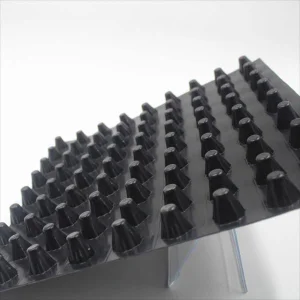
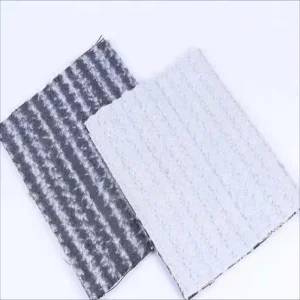
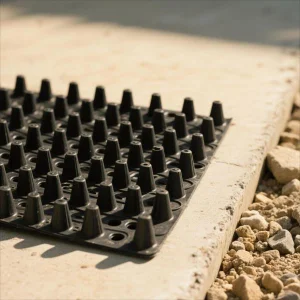
Explore our core high-durability geomembrane products, certified to international standards for tropical environments, landfills, and civil works.
An authoritative analysis of geological challenges, regulatory demands, engineering guidelines, and geomembrane performance standards in the Southeast Asian tropical sector.
Deploying geological containment membranes in Indonesia requires addressing distinct environmental challenges. The archipelago's climate presents significant challenges for polymer integrity, featuring high temperatures, heavy tropical rain cycles, and intense ultraviolet radiation. Under these conditions, standard low-grade polyethylene liners suffer accelerated photo-oxidative degradation, leading to premature environmental stress cracking.
Furthermore, Indonesia's location on the Pacific Ring of Fire creates a high-seismic environment. Geotechnical structures in mining zones (such as Sulawesi, Halmahera, and Papua) must accommodate ground shifting, lateral shear, and substrate settlement. In soft peatlands across Sumatra and Kalimantan, differential settlement is a common challenge for linear infrastructures. This structural variability requires high tensile strength, exceptional multiaxial elongation properties, and robust interface friction angles to prevent structural lining failures.
Indonesia's industrial expansion drives the need for high-performance barrier systems. Our geomembranes and geosynthetic clay liners are manufactured to address critical engineering challenges across several key sectors:
Selecting the appropriate polymer formulation and thickness is crucial to ensuring a project's target service life. The table below outlines the comparative mechanical parameters of various geomembranes for different engineering applications:
| Material Type | Primary Tensile Standard | Puncture Resistance (N) | Chemical Resistance profile | Best Application Match in Indonesia |
|---|---|---|---|---|
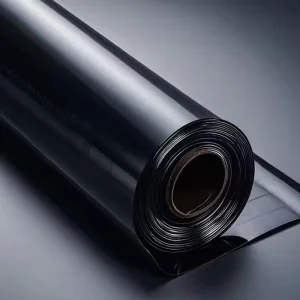
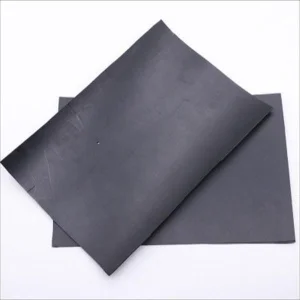
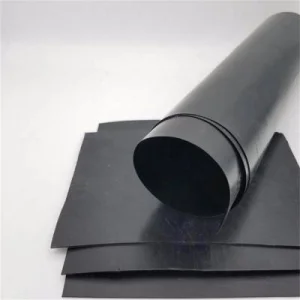
| HDPE Smooth (1.5mm - 2.5mm) | GRI-GM13 (ASTM D6693) | > 500 N | Excellent (Acids, Bases, Salts, Hydrocarbons) | Mining Tailings Storage, POME Digesters, Landfills |
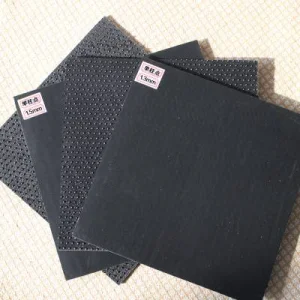
| HDPE Textured (Rough Surface) | GRI-GM13 (High Friction) | > 480 N | Excellent (High shear resistance on slopes) | Steep slope waste landfills & mountainous mining dams |
| LLDPE Flexible Liner | GRI-GM17 Standard | > 350 N | Good (Highly flexible and puncture resistant) | Soft peat soil foundations, reservoir liners |
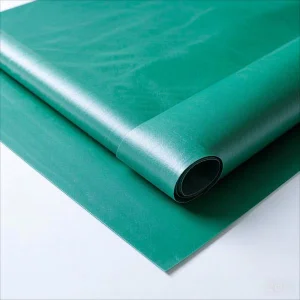
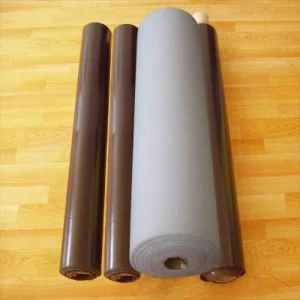
| PVC Waterproof Membrane | ASTM D7176 Class | > 280 N | Moderate (Excellent flexibility and weldability) | Tunnels, subways, foundations & underground works |
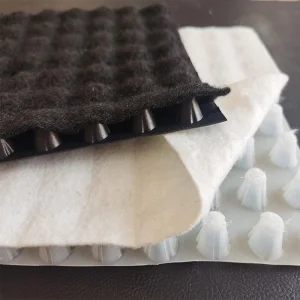
| Composite Geomembrane | GB/T 17642 / CE Standard | > 800 N (Reinforced) | Dual layer protection with geotextile backing | River channel restoration, canal seepage prevention |
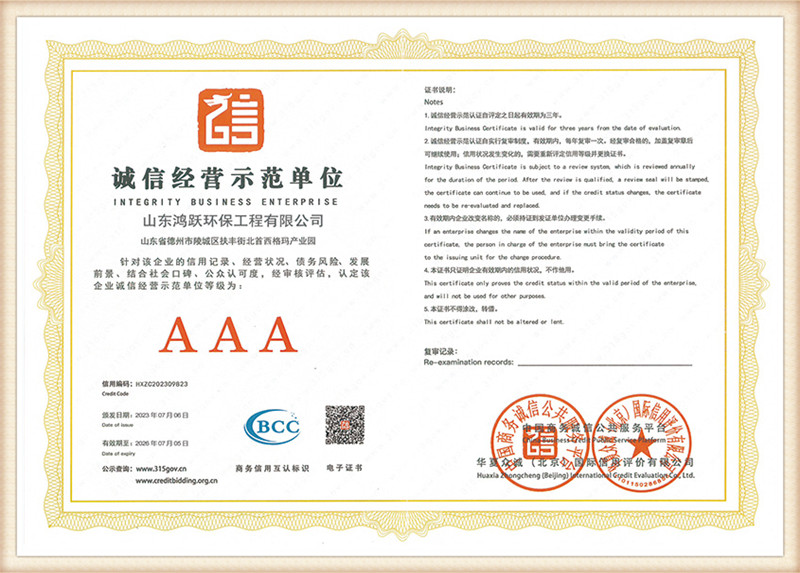
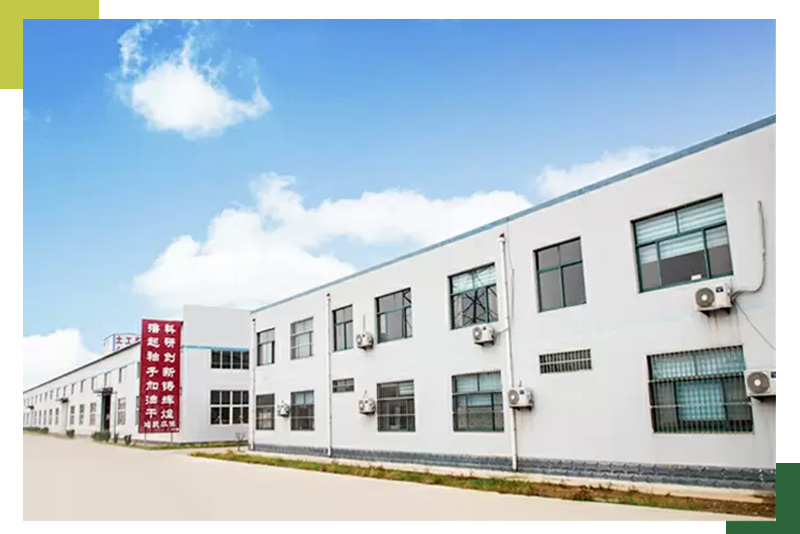
Shandong Hongyue Environmental Engineering Co., Ltd. operates state-of-the-art production facilities. Our raw materials are sourced from premium suppliers to ensure the formulation consists of 97% virgin polyethylene polymer, blended with 2-3% carbon black, thermal stabilizers, and antioxidants. We do not use recycled regrind or post-consumer plastic waste in our structural membranes, which helps prevent early stress cracking.
Our manufacturing processes are certified to ISO9001 (Quality Management), ISO14001 (Environmental Standards), and ISO45001 (Occupational Health & Safety). Our quality control labs test every batch for thickness profile accuracy (ASTM D5199), density (ASTM D1505), carbon black dispersion (ASTM D5596), tensile properties (ASTM D6693), and environmental stress crack resistance (ASTM D5397).
As environmental regulations tighten globally and in Indonesia, infrastructure projects demand longer service lives and reduced carbon footprints. Shandong Hongyue is responding to this challenge with a technical product development roadmap:
We deliver integrated engineering material configurations for diverse site profiles, ensuring leak-free performance and environmental safety.
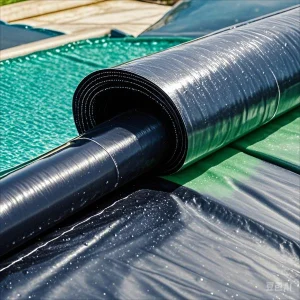
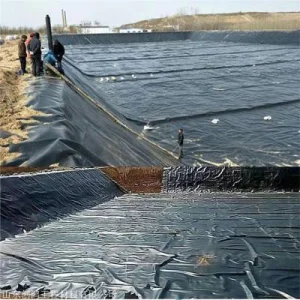
Canal and river anti-seepage linings designed to resist continuous water flow, heavy rainfall cycles, and sub-base movement.
View Product Details →Double-barrier containment lining configurations using high-thickness HDPE and GCL to hold aggressive chemical slurries.
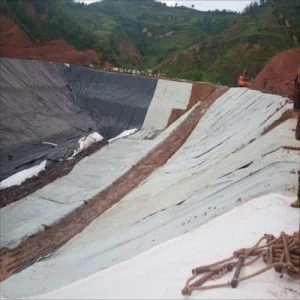
View Product Details →Leachate collection and lining systems using textured geomembranes to maintain stability on steep slope profiles.
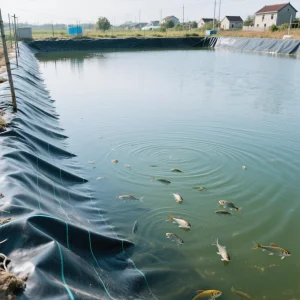
View Product Details →Eco-safe containment barriers for shrimp and fish farming ponds, designed for ease of sanitation and chemical resistance.
View Product Details →Every roll of Shandong Hongyue geomembrane is monitored from raw material preparation to final product packaging, ensuring consistency and project longevity.
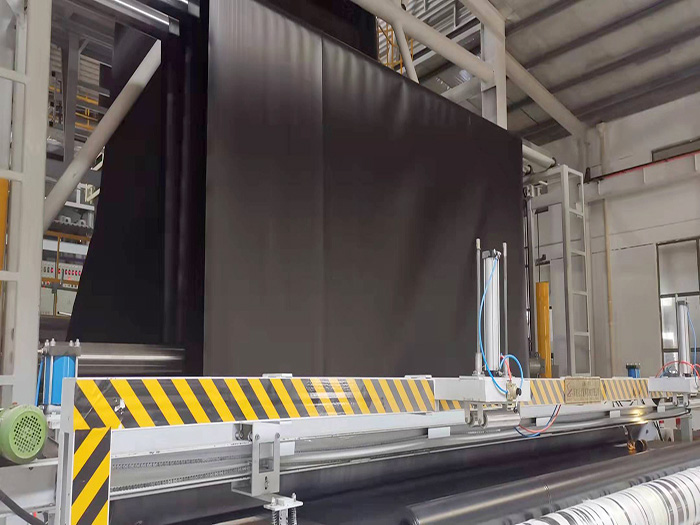
Virgin resin granules are inspected for density and melt flow index (MFI) to meet project standards.
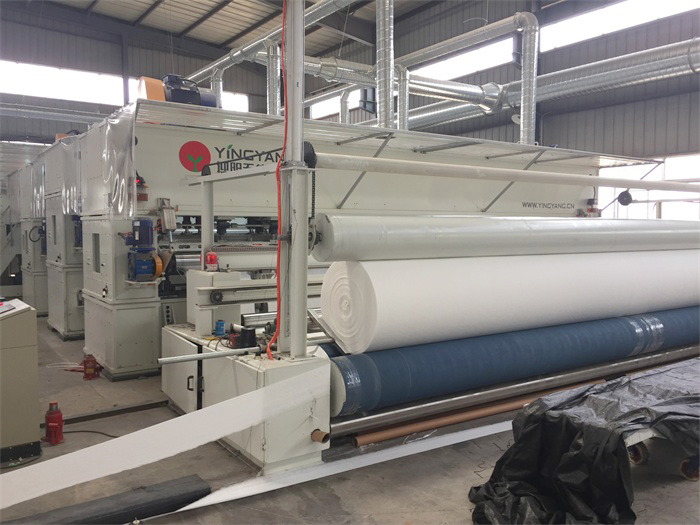
Advanced blown film co-extrusion technology produces multi-layer membranes with uniform thickness.
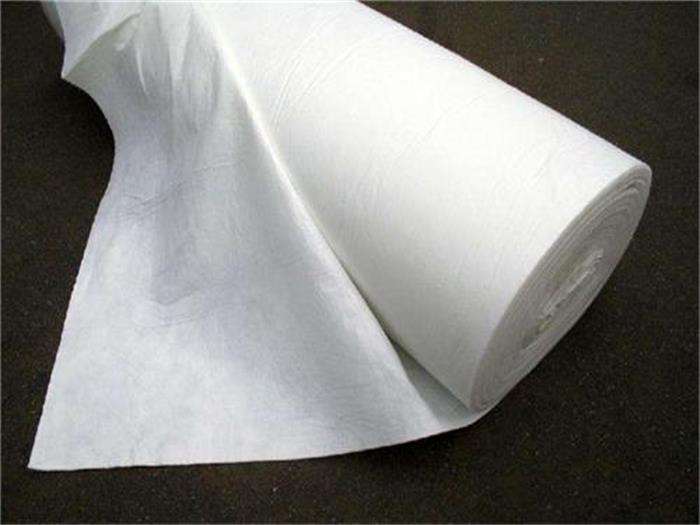
Specialized processing creates textured surfaces, enhancing interface friction angles on steep slopes.
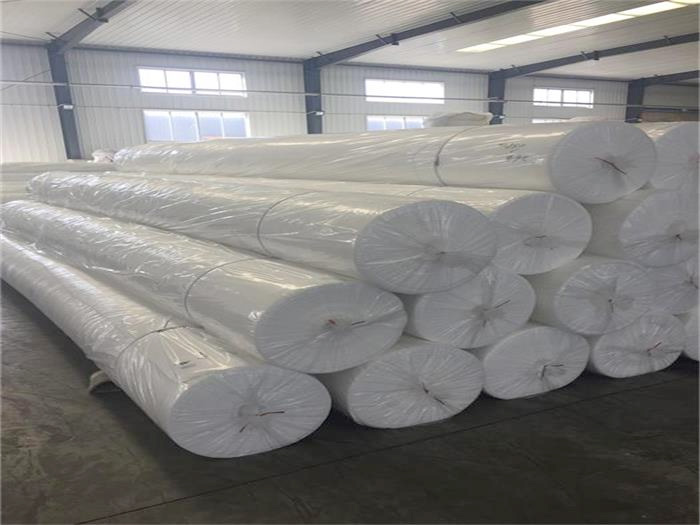
Batch testing measures tensile strength, puncture resistance, and carbon black content.
We address key technical questions related to specifying, installing, and validating geomembranes in the high-humidity, seismic conditions of Indonesia.
We offer a wide range of geocomposites, drainage systems, and specialized barrier materials to meet diverse civil engineering requirements.
 Hongyue