Luxembourg, situated at the heart of the European Union, is a crucial crossroad for transit networks, high-speed rail links, and multimodal logistics hubs. The expansion of projects such as the Eurohub Sud logistics platform and national road stabilization systems requires robust civil engineering materials. With strict compliance directives governed by European Standards (EN ISO) and EU Environmental Protection Agency regulations, the demand for superior HDPE geocells and geomembranes has surged.
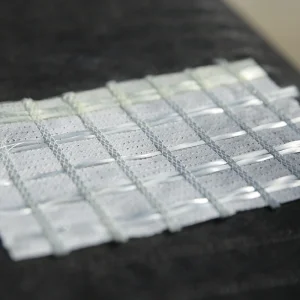
Modern Luxembourgish civil engineering requires systems that not only improve load-bearing capacities of weak subgrade soils but also respect the country's strict environmental footprint rules. The implementation of cellular confinement systems (geocells) solves two crucial design parameters: structural load stabilization and ecological erosion control. Furthermore, local hydraulic projects, canal lining systems, and landfill management operations rely heavily on geomembranes to prevent pollutant seepage into vital aquifers.
Our entire geosynthetics catalog complies strictly with European CE certification and EN ISO test parameters, meeting Luxembourg's demanding standards.
High-density polyethylene structures ensure non-toxic containment, safe for Luxembourgish natural reserves and surrounding river basin aquifers.
Geocells provide 3D confinement, reducing base thickness by up to 50% while preventing lateral displacement of aggregate infill.
The global construction market is experiencing a shift towards sustainable, value-engineered solutions. Rather than relying on traditional thick gravel layers or reinforced concrete structures, modern civil engineers use cellular confinement technology. This method decreases aggregate consumption, lowers transport costs, and drastically reduces the overall carbon footprint of infrastructure projects.
Our state-of-the-art production base in Dezhou, Shandong Province, operating as Shandong Hongyue Environmental Engineering Co., Ltd., offers key technical and commercial advantages for European procurement officers:
Shandong Hongyue Environmental Engineering Co., Ltd., located at the north end of Fufeng Street, Lingcheng District, Dezhou, Shandong Province, is a scientific and technological geotechnical material manufacturer integrating engineering material production, sales, design and construction services. The company was registered in Lingcheng District Market Supervision and Administration Bureau of Dezhou City on April 6, 2023, with a registered capital of 105 million yuan. It is one of the largest production bases of geotechnical materials in China at present, located in Lingcheng District, Dezhou, Shandong Province, with superior geographical location and convenient transportation.
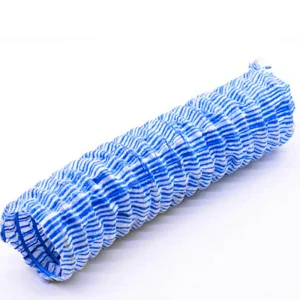
Since the establishment of the company has developed rapidly, business continues to grow and expand, our company mainly deals in geotextiles, geomembrane, composite geomembrane, waterproof board, bentonite waterproof blanket, 3D composite drainage net, (composite) drainage board, weaving cloth, woven cloth, geotextiles, membrane bags, blind ditches, waterproof and drainage combinations, woven bags, ecological bags, cement blankets, fiber plants blankets, geotextiles, flexible pervious pipes, business includes geosynthetics, waterproofing membrane production, sales, construction, import and export of goods. We have high quality products and professional sales and technical team. Our company belongs to Dezhou Geotextile Association, products are widely used in highways, railways, bridges and tunnels, reservoirs and Canals Water Conservancy, artificial lakes, environmental protection, aviation, mining, agriculture and other fields.
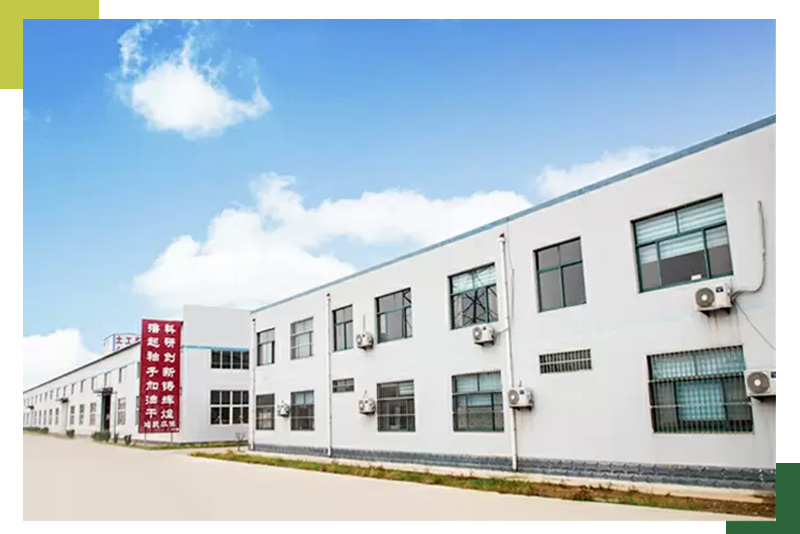
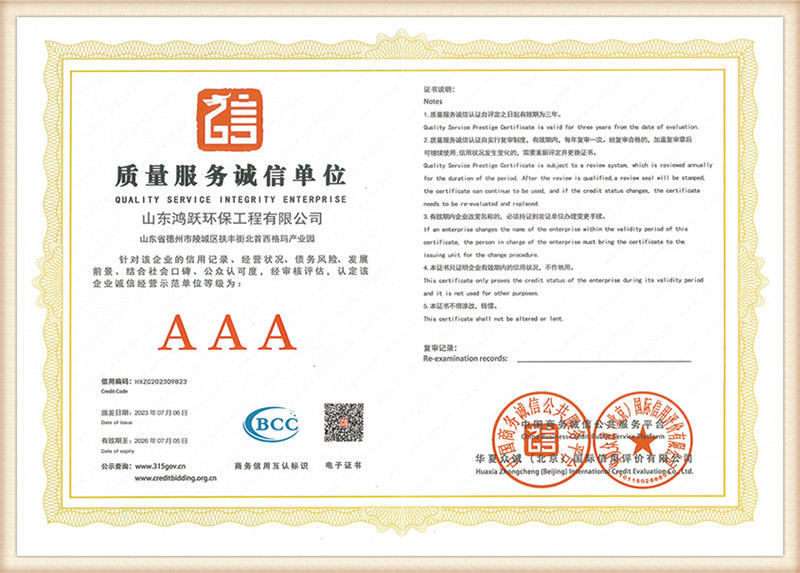
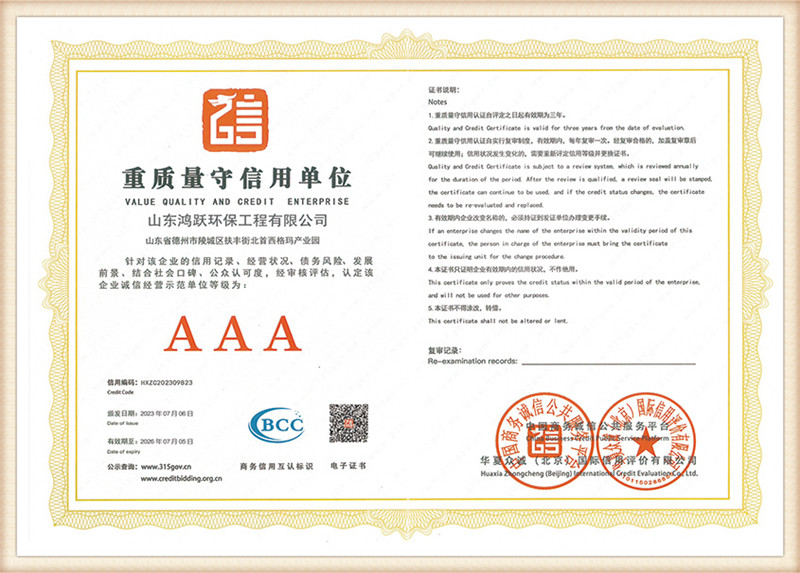
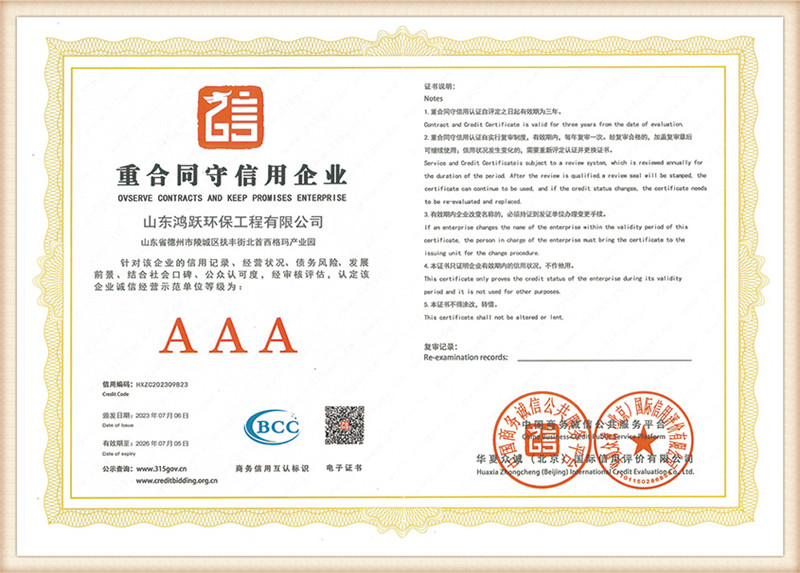
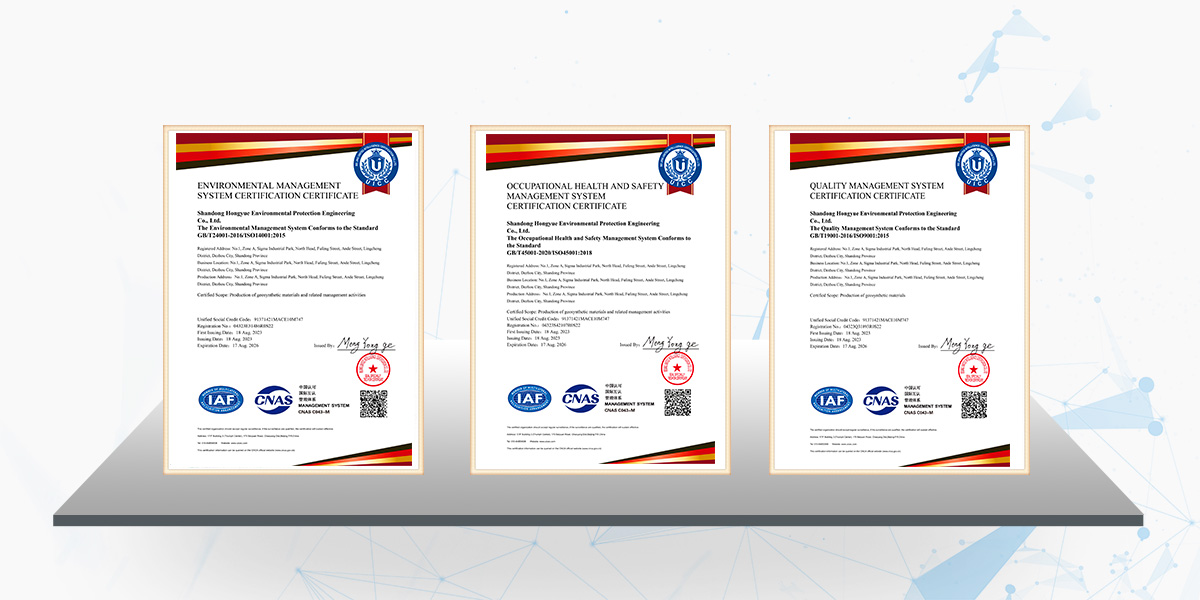
The company has successively passed the ISO9001 international quality system certification, ISO14000 environmental system certification, and ISO45001 occupational health and safety management system certification, and has won multiple honors such as "green and environmentally friendly building materials products", "no consumer complaints", "famous Chinese brands", "high-tech industries", "quality service double excellent units", and "provincial-level poverty alleviation leading enterprises". The company has established sales networks or agency agencies in more than 40 large and medium-sized cities such as Shanghai and Beijing, and its products are exported to multiple countries such as Europe, the United States, Australia, and various parts of the country. The products are widely used in key projects in various provinces and cities.
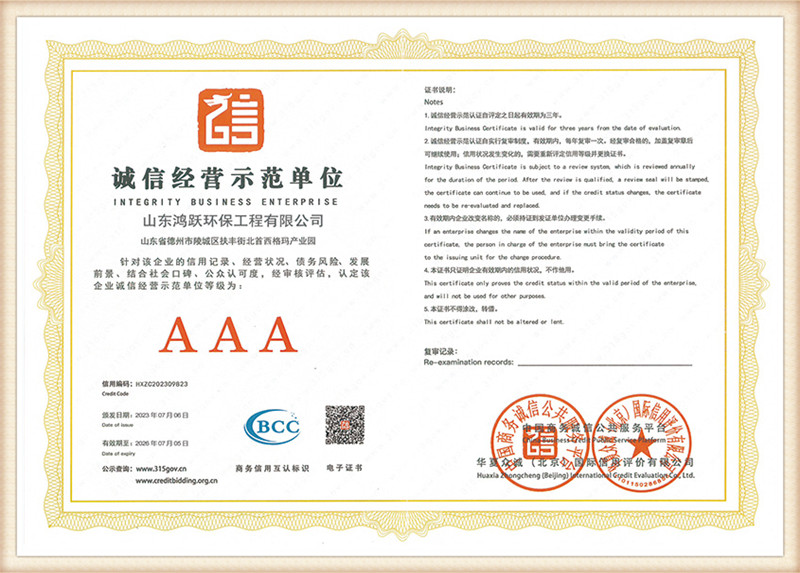
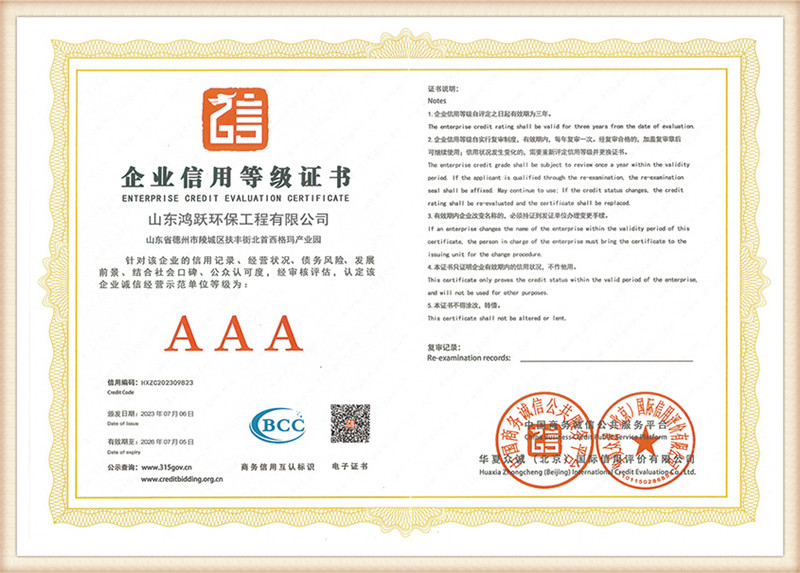
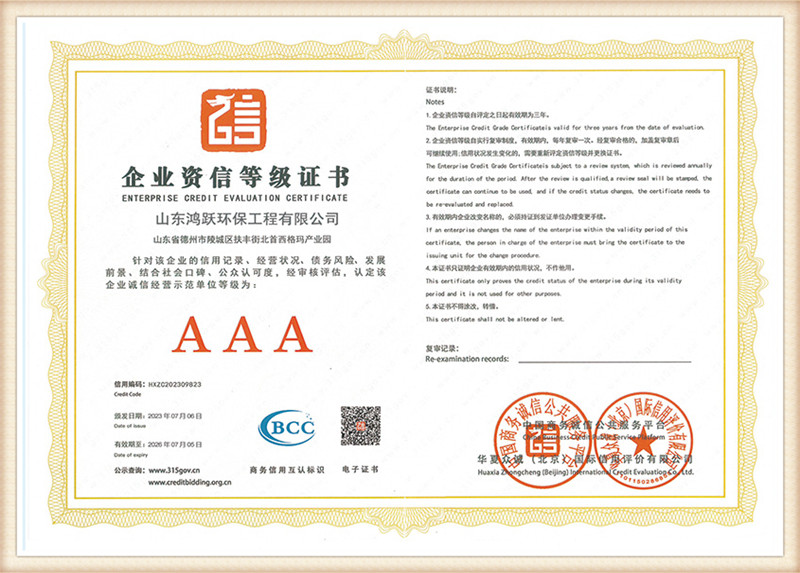
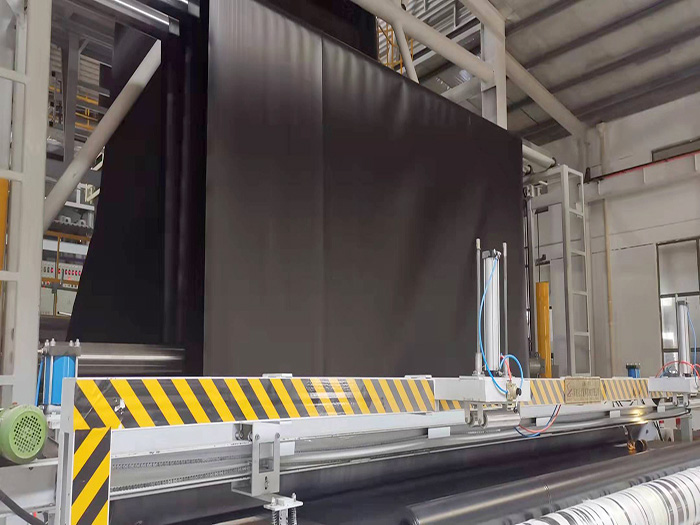
Our geotextiles, geomembranes, and geocells are manufactured under strict operational parameter guidelines to guarantee that final products withstand severe stresses in structural applications.
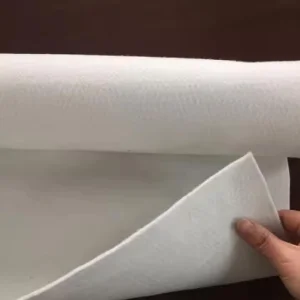
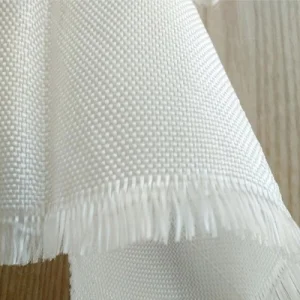
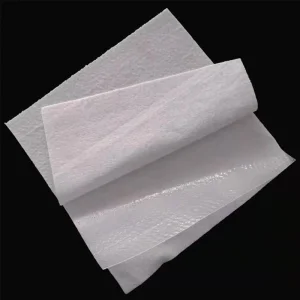
The main raw materials of geotextile are polyester chips, polypropylene filament and viscose fiber. These raw materials need to be inspected, arranged and stored to ensure their quality and stability.
After the polyester slice is melted at high temperatures, it is extruded into a molten state by a screw extruder, and polypropylene filament and viscose fiber are added for mixing. In this process, the temperature, pressure and other parameters need to be precisely controlled to ensure the uniformity and stability of the melting state.
After mixing, the melt is sprayed through the spinneret to form a fibrous substance and form a uniform network structure on the conveyor belt. At this time, it is necessary to control the thickness, uniformity and fiber orientation of the mesh to ensure the physical properties and stability of the geotextile.
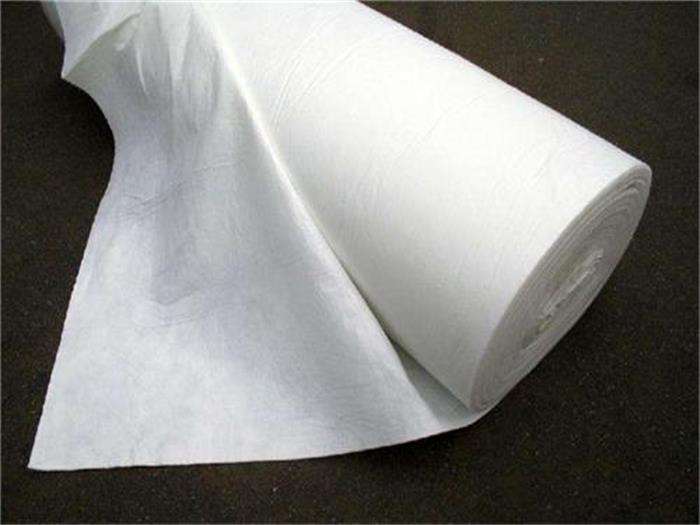
After laying the net into rolls, it is necessary to carry out draft curing treatment. In this process, the temperature, speed and draft ratio need to be precisely controlled to ensure the strength and stability of the geotextile.
The geotextile after draft curing needs to be rolled up and packed for subsequent construction. In this process, the length, width and thickness of the geotextile need to be measured to ensure that it meets the design requirements.
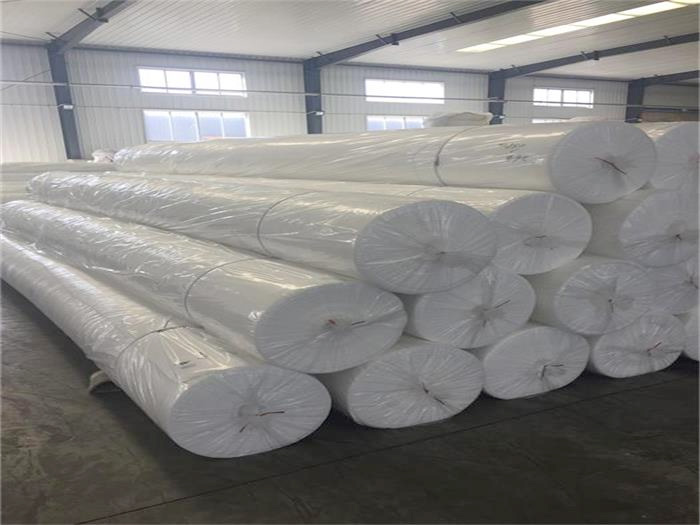
At the end of each production link, the quality of geotextile needs to be inspected. The inspection contents include physical property test, chemical property test and appearance quality test. Only geotextiles that meet the quality requirements can be used in the market.
A sound deployment is critical to securing the designed service life of geosynthetic systems in hydraulic or roadway structures. We provide complete technical consulting regarding selection, installation parameters, and maintenance practices.
It is very important to choose the suitable geomembrane. Here are some key points to choose geomembrane:
The laying of geomembrane needs to follow certain steps and techniques:
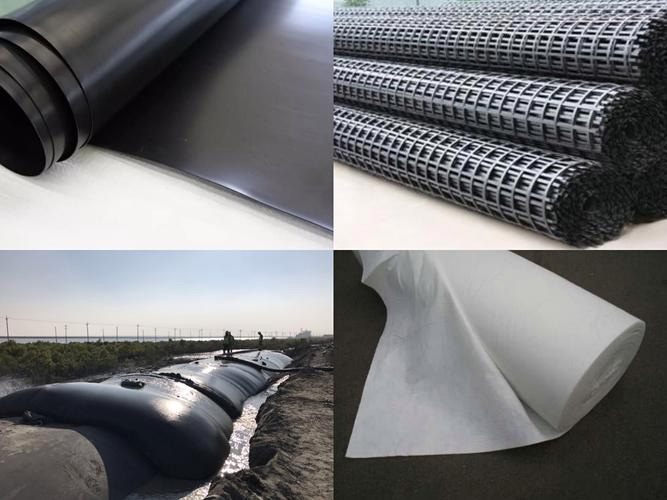
Maintenance of geomembrane can extend its service life and function:
In Summary: The application technology of geomembrane includes selecting suitable geomembrane, laying geomembrane correctly and maintaining geomembrane regularly. Reasonable application of geomembrane can effectively improve the functions of seepage prevention, isolation and reinforcement of engineering projects, and provide guarantee for the smooth progress of engineering.
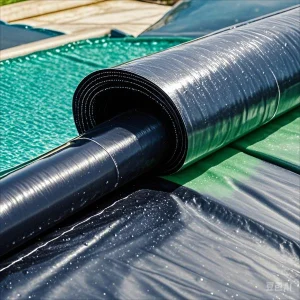
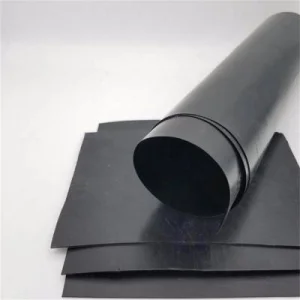
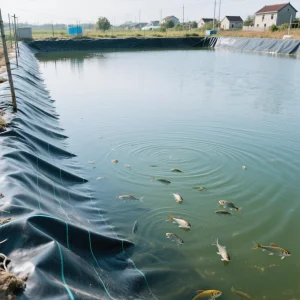
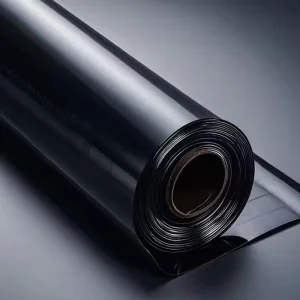
Geomembrane, as an efficient anti-seepage material, plays a vital role in water conservancy projects. Its excellent anti-seepage performance, light and easy construction characteristics and relatively low cost make geomembrane become an indispensable part of water conservancy projects.
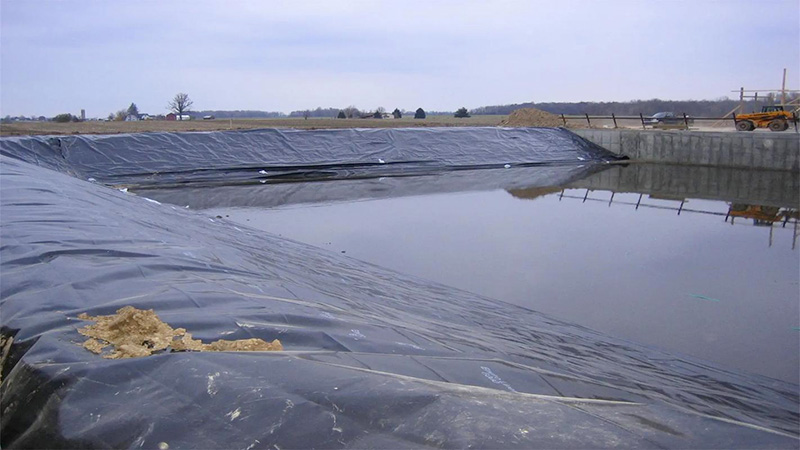
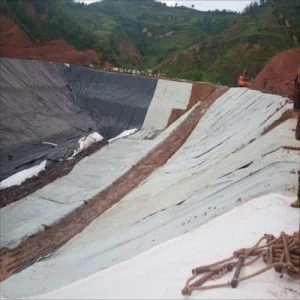
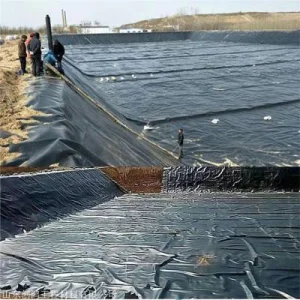
In the construction of reservoirs, geomembrane plays a critical anti-seepage role. Because reservoirs are usually built in valleys or low-lying areas with complex geological conditions, the use of geomembrane effectively prevents leakage between the bottom of the reservoir and surrounding rock structures, increasing overall system safety.
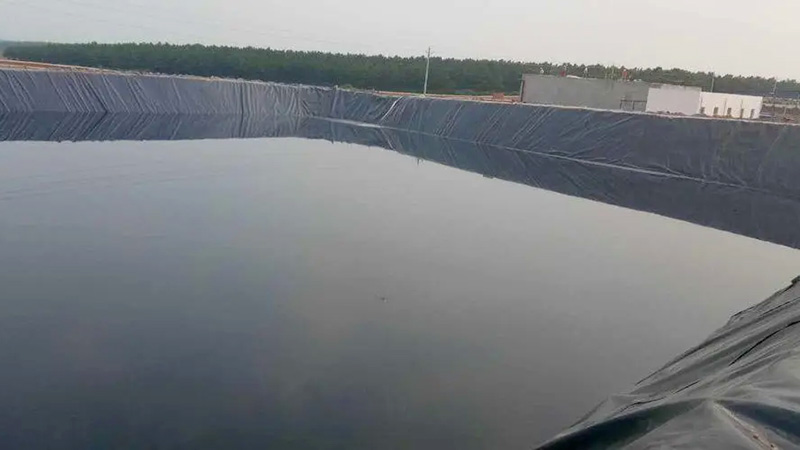
During the construction of levees, geomembrane reinforces the anti-seepage barriers. Since dikes protect downstream locations from unpredictable flooding forces, installing geomembranes provides structural support and seals potential voids in the earthen dam design.
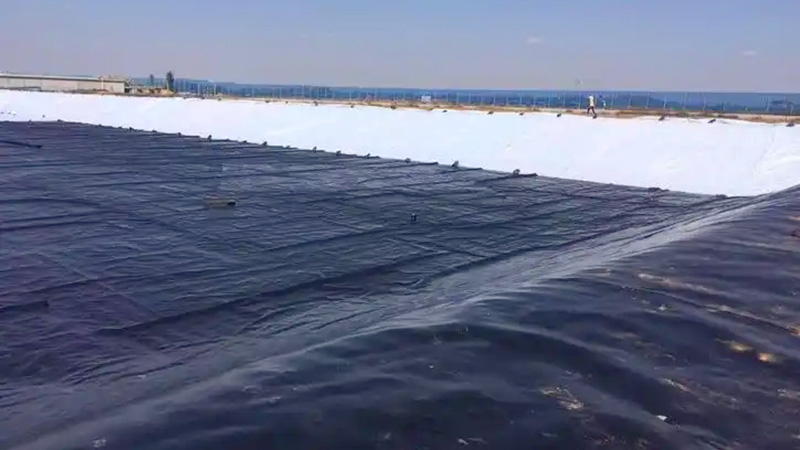
Rivers and channels are vital components of modern municipal water governance. Using geomembranes resolves common geotechnical failure hazards like seepage loop erosion, bank sliding, and lateral soil shift, optimizing the regional ecosystem.
The global geosynthetics market is transitioning toward complex composite materials that perform multiple actions simultaneously, such as filtration, drainage, containment, and reinforcement. In Europe, and specifically in Luxembourg, the implementation of sustainable development goals drives structural engineers to prioritize products that offer higher durability and minimize earthwork volume requirements.
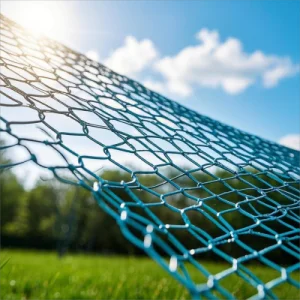
Geocells employ a 3D honeycombed cell confinement configuration. When filled with granular materials, the cells confine the aggregate laterally. Under wheel loads, this confinement generates high passive resistance, distributing stress over a broader base area. This mechanism prevents rutting, soil shifting, and reduces sub-base thickness demands by 30% to 50% on soft foundation profiles common in local valleys.
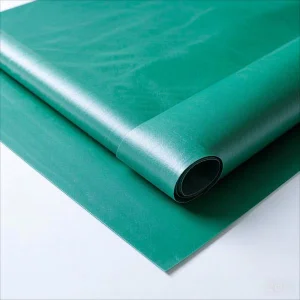
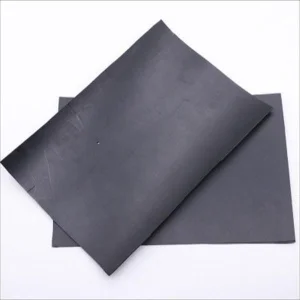
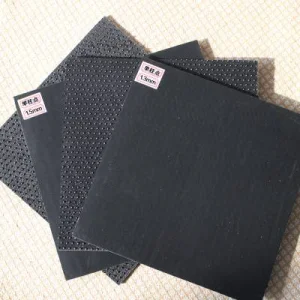
HDPE (High-Density Polyethylene) provides exceptional chemical resistance, high stiffness, and long-term aging durability, making it ideal for landfill liners and municipal water reservoirs. LLDPE (Linear Low-Density Polyethylene) offers superior flexibility, elongation characteristics, and puncture resistance, making it suitable for uneven soil surfaces or localized designs requiring steep slope contours.
Yes, all raw materials undergo strict quality screening. Our products do not contain plasticizers or chemical additives that leach into groundwater systems. We ensure compliance with European CE standards, as well as ISO 14001 environmental safety processes, making our geomembranes safe for ecological conservation and reservoir applications.
Manufactured using premium carbon black additives and anti-aging agents, our HDPE systems maintain structural integrity for over 50 years under standard underground environments. Even under constant UV exposure on steep drainage slopes, they sustain high physical performance parameters over decades of use.
Our dedicated global trade division coordinates packaging, container logistics, and customs documentation. We export directly from China to major European transport channels (e.g., Rotterdam, Antwerp, or Hamburg), ensuring quick overland transport to Luxembourgish building sites with all paperwork in order.
Contact our technical sales team for sample specifications, custom quotes, or engineering design support for your projects in Luxembourg and worldwide.
Send Inquiry Now Hongyue