Premium specialized systems optimized for roadbeds, foundation isolation, and water discharge in Indian civil works.
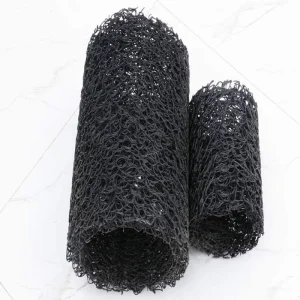
Designed for heavy structural loads, these blind ditches manage critical sub-grade drainage under heavy monsoon conditions in India.
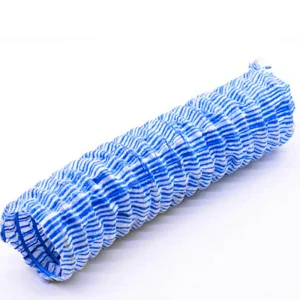
Highly flexible, permeable drainage hoses designed to mitigate soil erosion and channel underground seepage systematically.
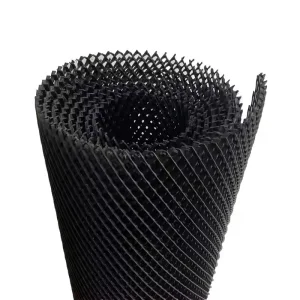
Tri-dimensional structural core laminated with nonwoven geotextiles. Ideal for landfills and deep drainage systems.
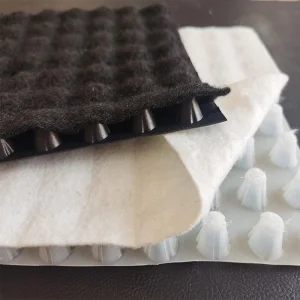
Combines structural waterproofing with flow channels, mitigating hydrostatic pressure on subsurface structural walls.
India is experiencing a massive scaling up of infrastructure development. Under national masterplans like PM Gati Shakti and the National Infrastructure Pipeline (NIP), major highway networks, high-speed rail links, metro corridors, and massive landfill expansions are underway. However, the subcontinent's diverse geological profile presents significant challenges. From the expansive black cotton soils of central regions to the heavy monsoon floods in coastal zones like Mumbai, Chennai, and Kolkata, effective drainage is vital for structural stability.
Traditional aggregate-based drainage systems (using gravel and sand) struggle to keep up under intense rainfall and are logistically expensive. Modern geosynthetic drainage material series represent a cost-effective, high-performing alternative. As a leading manufacturer with a registered capital of 105 million RMB, Shandong Hongyue Environmental Engineering Co., Ltd. supplies high-performance geonets, drainage boards, and geotextiles designed to meet these complex engineering requirements.
During peak monsoon seasons, rainfall can saturate road subgrades. High-capacity geonets help rapidly drain water, preserving structural integrity.
Geosynthetic clay liners (GCLs) and structured drainage boards restrict water ingress, stabilizing expansive clay formations in regions like Madhya Pradesh and Maharashtra.
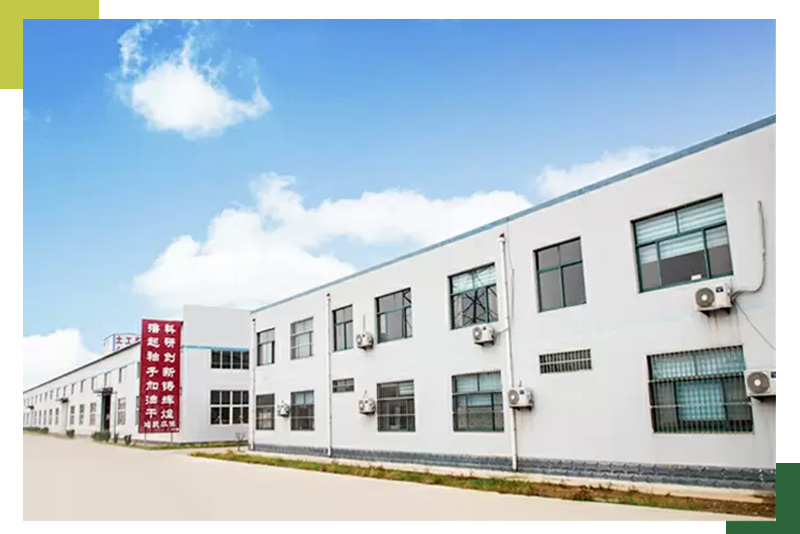
Shandong Hongyue's state-of-the-art geotechnical production base in Lingcheng District, Dezhou, Shandong Province.
Why international EPC contractors choose our Dezhou-based supply hub for major Indian infrastructure contracts.
Our production base in Dezhou, Shandong offers straightforward transport to Qingdao port. From there, we schedule reliable ocean freight to primary Indian ports like Nhava Sheva (Mumbai), Chennai, and Kolkata, minimizing transit delays.
Operating a registered capital of 105 million RMB, our automated extrusion and needle-punching lines maintain consistent output. This large-scale manufacturing capability helps shield buyers from sudden price fluctuations in raw polymer markets.
Every production run undergoes strict in-house testing. Our products are fully certified under ISO9001:2015, ISO14001:2015, and ISO45001:2018, and comply with international ASTM and Indian BIS/IRC parameters.
We provide comprehensive engineering datasheets, factory test certificates (MTCs), and case study portfolios to assist with your bid submissions.
Get Technical Support DocumentsAn inside look at our advanced manufacturing lines for geotextiles, geomembranes, and structured drainage cores.
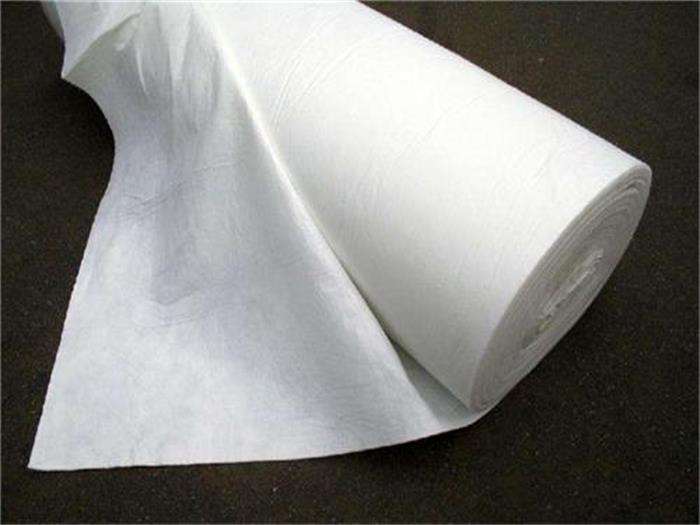
Our manufacturing processes integrate high-precision polymer formulation and mechanical stabilization. This ensures our materials resist long-term physical stresses, biological decay, and chemical attack when buried.
Shandong Hongyue's quality control lab conducts testing on every batch to verify physical and hydraulic performance before shipment:
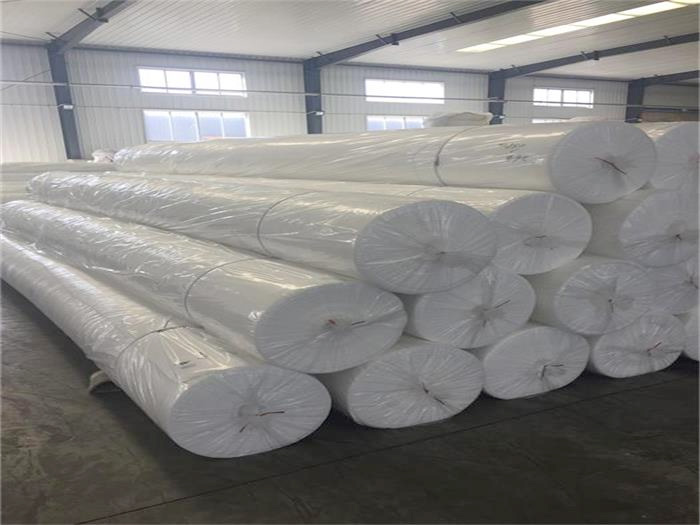
Ensuring our drainage systems meet Indian regulatory and engineering guidelines.
Our drainage composites and geotextiles comply with the Indian Roads Congress guidelines for use in highway sub-bases and embankment stabilization.
For municipal solid waste (MSW) landfills in cities like Delhi, Mumbai, and Bengaluru, our geomembranes meet Central Pollution Control Board mandates for double composite lining systems.
Our tri-dimension drainage networks and heavy geotextiles meet the filtration and separation requirements outlined by the Research Designs and Standards Organisation for Indian Railways.
Specialized drainage boards, geocomposites, and sheet systems for commercial foundations, municipal works, and civil engineering projects.
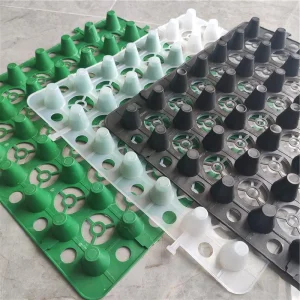
Designed for rooftop gardens and podium decks. Retains moisture for plants while draining excess rainwater to prevent structural overloading.
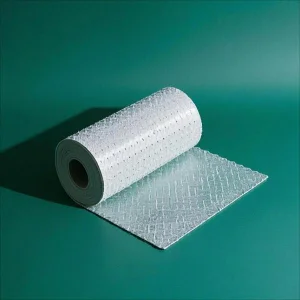
Easy-to-roll, high-density polyethylene dimpled sheets that act as a protective barrier and high-flow drainage pathway for retaining walls.
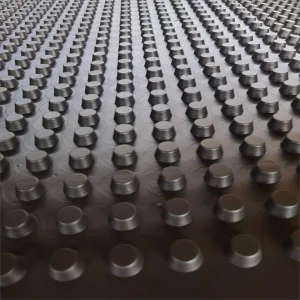
Cost-efficient dimpled plastic cores designed to relieve hydrostatic pressure behind heavy concrete structures.
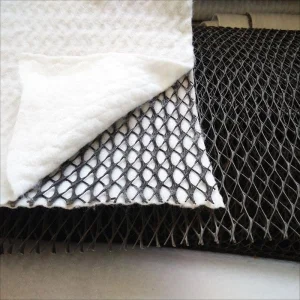
Heavy-duty geonets designed for reservoirs, canals, and river embankments. Prevents water buildup and stabilizes soil structures.
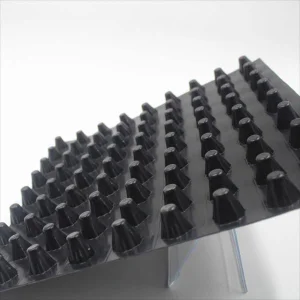
Features an integrated self-adhesive backing layer to simplify vertical installation on basement walls and foundation structures.
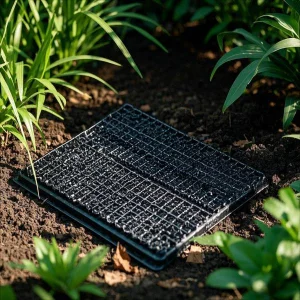
Available in customized dimple heights and tensile ratings. Optimized for large-scale urban infrastructure projects.
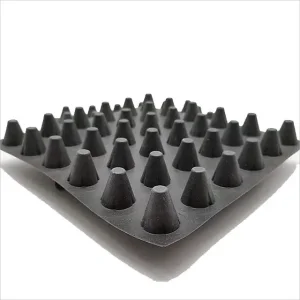
Provides a high-compressive-strength drainage and protection layer between structural concrete slabs and the underlying soil.
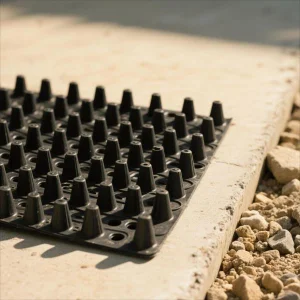
Standard-compliant polymeric drainage sheets designed to protect structures and manage subsurface water flow.
Heavy-duty geocells and geomembranes designed to stabilize soils and prevent containment seepage.
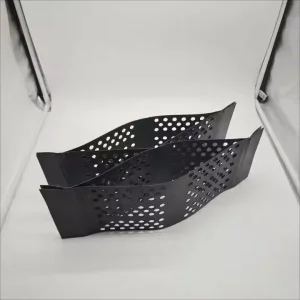
Three-dimensional honeycombed cell structures designed to prevent erosion on steep slopes and channel borders.
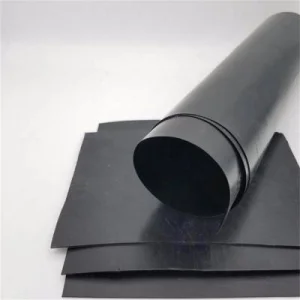
High-strength geomembranes designed to line ponds, chemical storage areas, and municipal landfill systems.
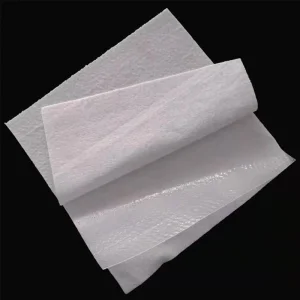
Combines a geomembrane barrier with protective nonwoven geotextiles. Designed to resist damage during backfilling.
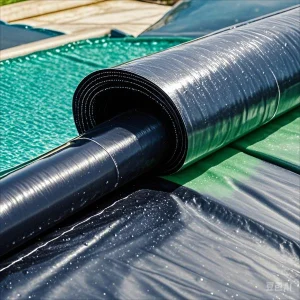
Impermeable polymer liners designed to prevent pollutants from leaching into the groundwater table.
Practical deployment instructions for engineering teams working in hot, humid, and rainy conditions.
Correct installation is critical to ensure the lifetime performance of geosynthetic systems. For horizontal applications like roadbeds or basement floors, the subgrade must be compacted and cleared of large rocks, roots, or sharp debris that could puncture the polymer core or tear the geotextile filter.
Unroll the drainage sheets or geonets with the dimples/flow channels aligned with the planned slope or outlet directions. In vertical installations on retaining walls or foundation basements, secure the top edge of the board with mechanical fasteners or specialized washing anchors, then seal the edges to prevent soil backfill from entering behind the board.
To prevent soil entry at the joints, adjacent sheets of composite drainage board must be overlapped by at least 100mm to 150mm. For geomembrane applications, use dual-track hot wedge welding to create strong, water-tight seams.
Conduct regular air pressure tests on welded double-track seams to verify joint integrity before backfilling.
Peel back and overlap the nonwoven geotextile layers over the joint core, then tape or melt the fabric to maintain a continuous filtration barrier.
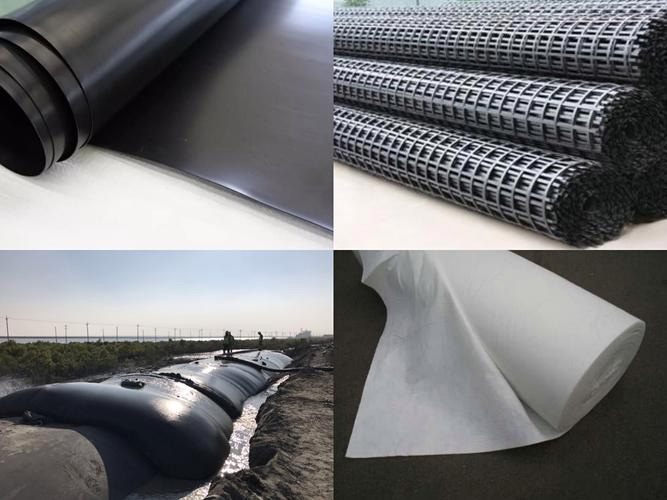
Field crews executing dual-track thermal fusion on a large-scale liquid containment project.
Answers to common questions from design offices, procurement managers, and civil contractors.
Delivering consistent, high-volume geotechnical systems to civil infrastructure projects globally.
Get in touch with our design engineers for specification reviews, volume pricing models, or to request product samples for laboratory testing.
Send Inquiry Now Hongyue