Engineered to comply with EU safety standards, delivering rapid deployment solutions for civil engineering works in Barcelona and Catalonia.
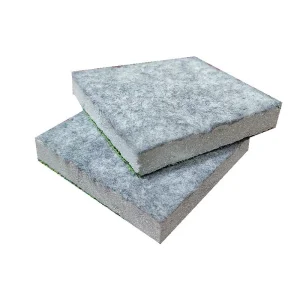
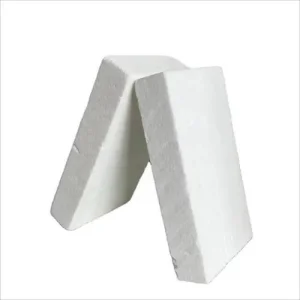
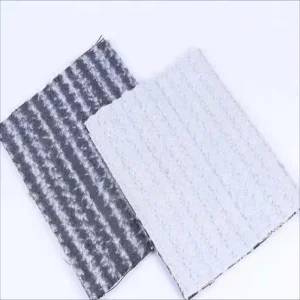
As one of Southern Europe's primary logistics and industrial hubs, Barcelona demands highly advanced, durable infrastructure solutions. Under Catalonia's severe geological and climatic variations—characterized by sudden torrential rains (aiguats) and vulnerable coastal landscapes—traditional soil stabilization and concrete lining techniques have reached their limits. Transporting ready-mix concrete to steep Pyrenean slopes, high-speed rail lines, or protected environmental corridors surrounding the Llobregat and Besòs river basins presents prohibitive logistics and high ecological footprints.
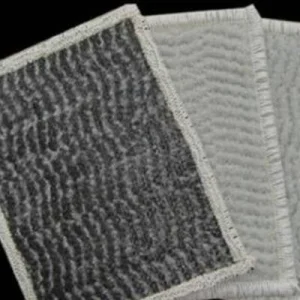
Cement Blanket technology (GCCMs) addresses these limitations by combining a flexible, fiber-reinforced geosynthetic matrix with an engineered, dry-mix cement powder layer. Hydrated on-site, GCCMs set into a water-impermeable, fire-resistant, and structural concrete shell in under 24 hours. By replacing traditional sprayed concrete (shotcrete) or pre-cast blocks, regional project developers can accelerate execution times by up to 90% while significantly reducing onsite carbon emissions—aligning seamlessly with Spain's Código Técnico de la Edificación (CTE) and the European Green Deal guidelines.
Registered Capital Base
EU CE Standard Compliant
Global Export Markets
Professional Engineering Support
Aligning raw materials performance with Spain's CTE guidelines and international environmental criteria.
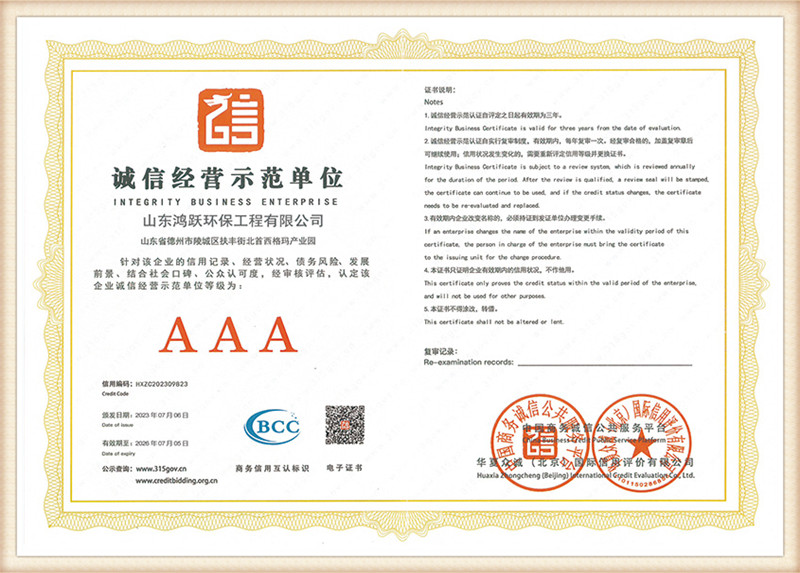
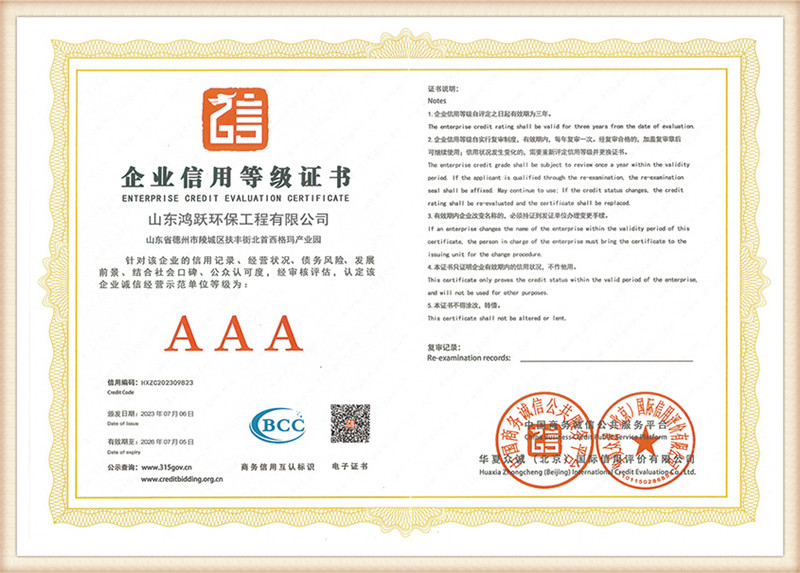
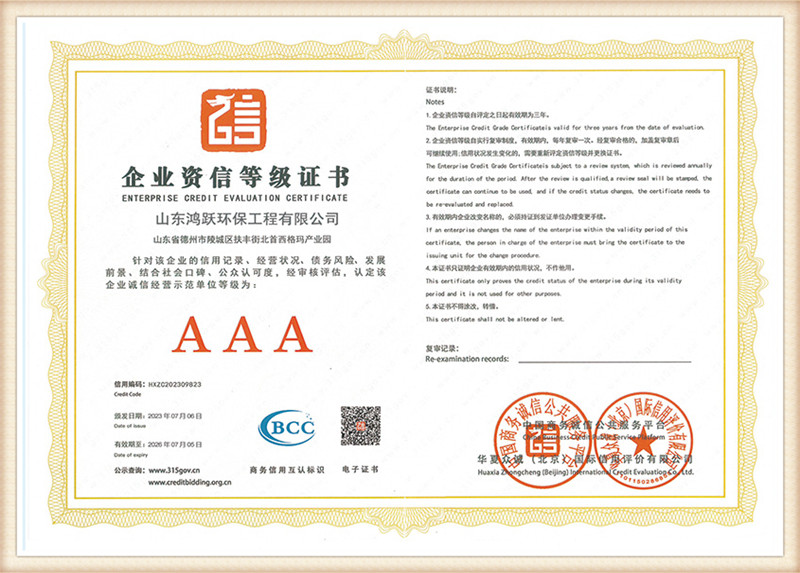
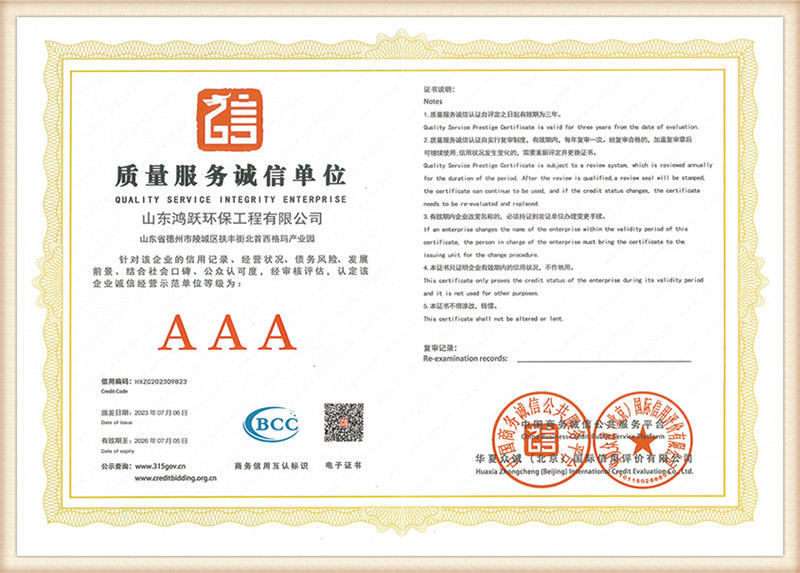
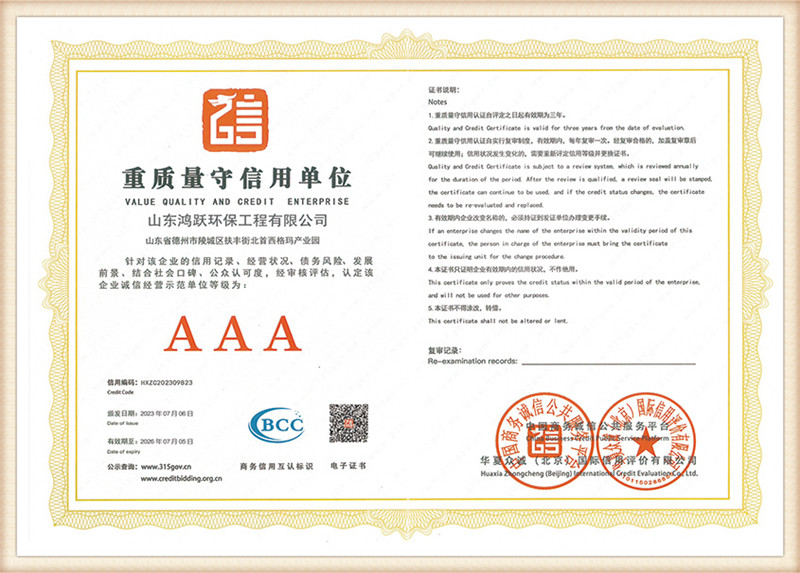
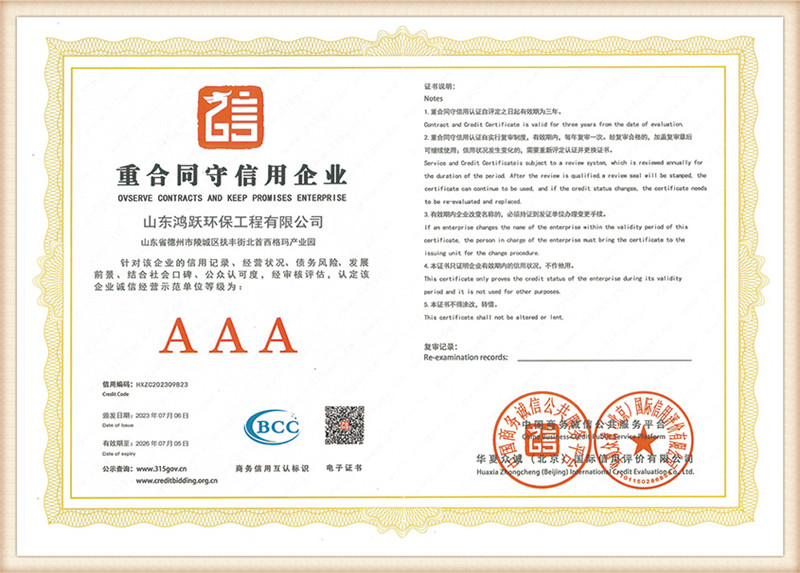
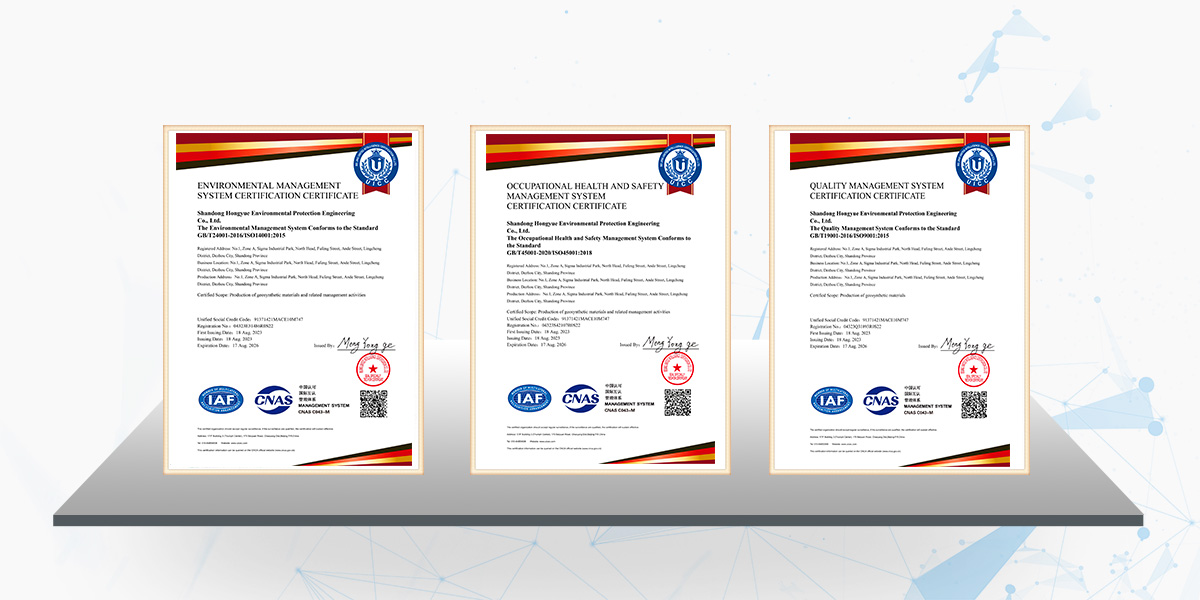
The procurement framework for modern European infrastructure projects demands strict documentation. At Shandong Hongyue Environmental Engineering Co., Ltd., our manufacturing line is standardized under the ISO 9001:2015 International Quality Management System, ISO 14001:2015 Environmental System, and ISO 45001:2018 Occupational Health and Safety. Each batch of Cement Blanket and composite geosynthetics shipped to the Port of Barcelona is stamped with the CE mark, proving its suitability for critical slope stabilization, rail line drainage, and retention basin liners.
| Property Class | Test Standard | Performance Indicator (GCCM-8mm) | Operational Advantage for Spain |
|---|---|---|---|
| Flexural Strength | EN 12467 | Initial > 4.0 MPa / Final > 9.5 MPa | Prevents structural cracking under ground shifts |
| Compressive Strength | ASTM C109 | Set strength > 45 MPa (at 28 days) | Withstands high hydraulic dynamic forces |
| Water Permeability | ASTM D5887 | < 1 x 10⁻¹² m/s | Ensures absolute containment of runoff water |
| Freeze-Thaw Resistance | EN 12467 / ASTM C1185 | Passed 100 cycles without degradation | Reliable performance in the Pyrenees mountains |
| UV Exposure Stability | EN 12224 | Strength retention > 90% (after 500 hours) | Withstands extreme Iberian summer sunshine |
Our composite materials ensure a clean lifecycle footprint. By using a controlled geo-mesh, we minimize dust emissions during transport and dry laying. Water consumption during hydration is optimized—requiring only minimal local non-potable or marine-buffered water, reducing resource strain on the arid Mediterranean environment.
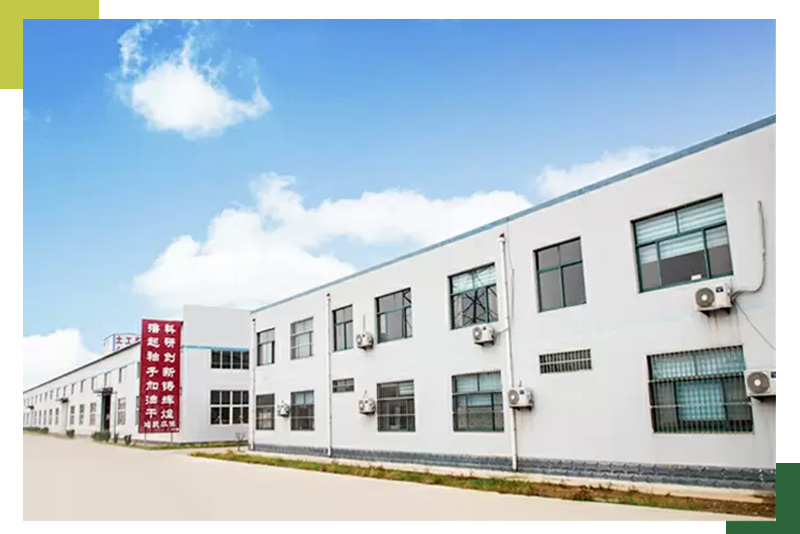
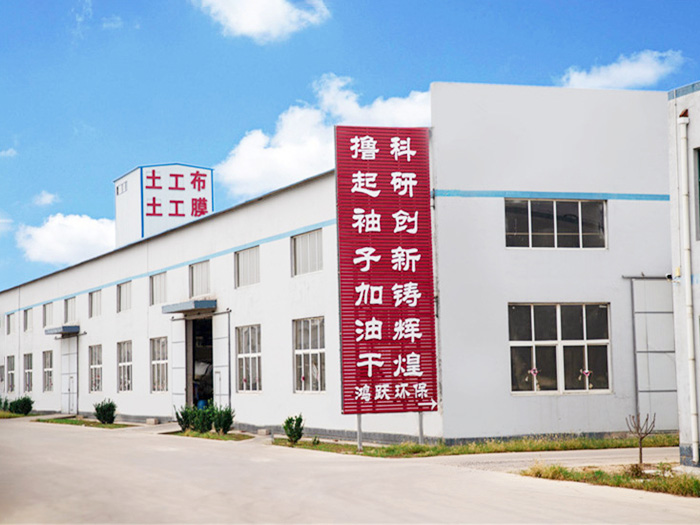
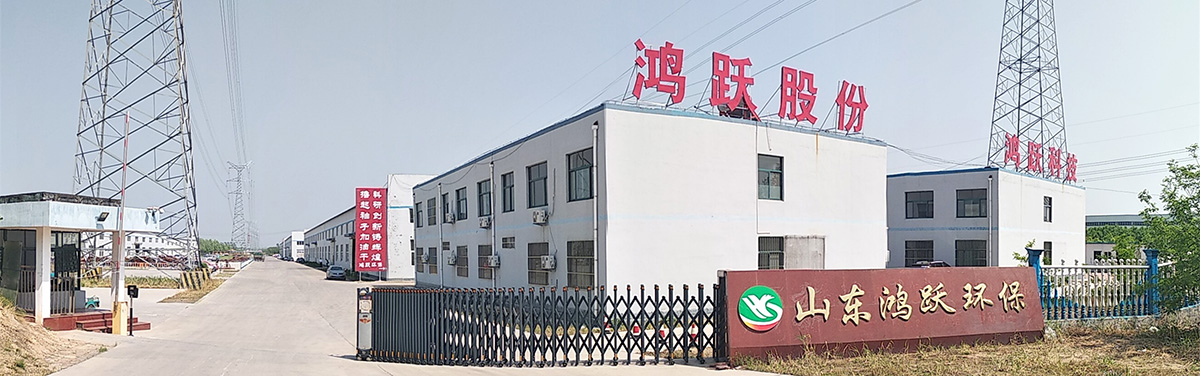
Based in Dezhou City, Shandong Province, Shandong Hongyue Environmental Engineering Co., Ltd. is a leading scientific and technological geotechnical material manufacturer. Founded with a capital of 105 million yuan, our facility is recognized as one of the largest and most technologically advanced geosynthetic production bases in China.
We combine advanced research, manufacturing capability, and comprehensive logistics pathways to provide a highly competitive supply chain for the Barcelona and European markets. Through our dedicated technical and customer service departments, we guarantee direct-from-factory shipping, offering competitive bulk quotes and ensuring the products arrive on-site with full traceability certifications.
Integrating advanced engineering controls to guarantee that every square meter of geosynthetics meets international tolerances.
The core substrate relies on high-quality polyester chips, polypropylene filaments, and viscose fibers. Every incoming material batch undergoes chemical purity, tensile index, and moisture inspections to ensure stability before melt extrusion.
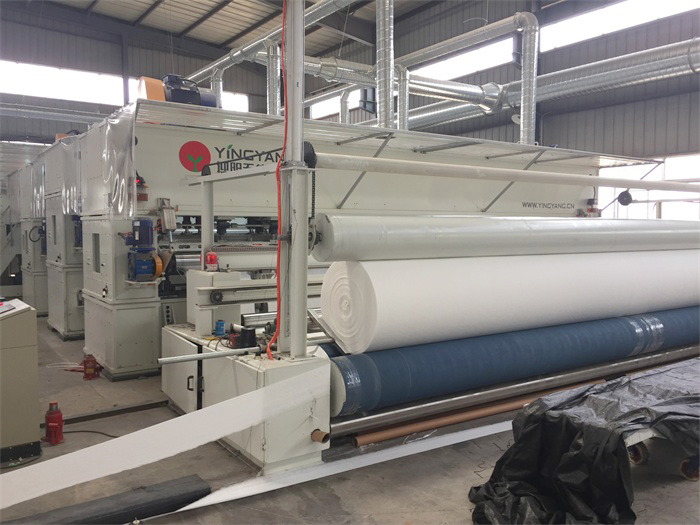
Polyester slices are melted at high temperatures and extruded by precision screw systems. Fibers are combined under precise thermal and pressure settings, laying down the stable structural net that holds the dry concrete matrix securely.
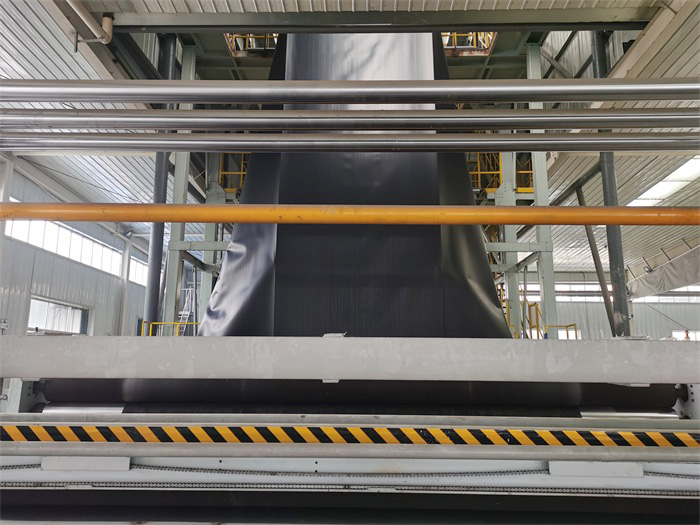
The molten polymer is sprayed through spinnerets, forming a structured fiber network. Controlling the thickness, weight density, and orientation of this geo-mesh is critical to establishing the anti-shear properties of the final product.
The rolled fibers undergo thermal draft curing, optimizing structural alignment. Precise settings dictate speed and draft ratios, guaranteeing that the backing geosynthetic layer achieves the design tensile strength.
After structural curing, geosynthetics and GCCM sheets are wound into standard roll widths and packaged under clean, moisture-proof barriers. Detailed dimensions are audited and marked to facilitate efficient on-site deployment.
Every production lot undergoes rigorous laboratory inspections. Physical metrics (thickness, tensile strength), chemical durability indices, and aesthetic properties are certified. Only fully qualified materials proceed to shipping.
Executing successful stabilization projects in Catalonia requires rigorous field methodology. Standard civil guidelines recommend the following phases for deploying GCCMs and geomembranes in the field:
1. Ground Preparation & Grading: The subgrade must be compacted and cleared of any sharp elements, large gravel, or vegetative roots. A clean, uniform foundation guarantees that the backing PVC membrane of the cement blanket maintains an absolute seal against water filtration and root intrusion.
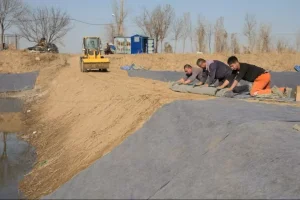
2. Roll Placement & Overlap Design: Unroll the mats along the gradient direction of the slope or channel. Successive layers must overlap by at least 100mm in the direction of the water flow. Joints are secured using mechanical anchors or specialized adhesive grout systems to seal the seams against high shear forces during storm runoff events.
3. Controlled Hydration: Hydrate the blanket with water starting from the top down. Utilize a spray nozzle to distribute water uniformly across the surface without washing away the fiber matrix. The water-to-cement ratio is self-limiting; however, re-spraying after 20 minutes ensures complete curing of thick-profile GCCM grades.
4. Ongoing Maintenance: Although practically maintenance-free once cured, operators must inspect critical drainage outlets annually. Regularly clear debris from the channel surface to preserve optimal design flow velocity and evaluate localized anchor points for potential slope shifts.
Browse our integrated solutions, covering waterproofing, soil stabilization, and reinforced geosynthetic materials.
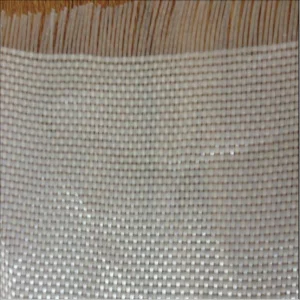
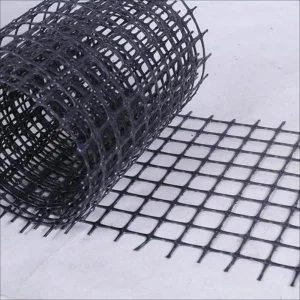
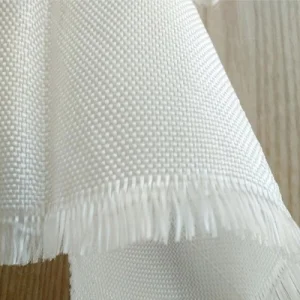
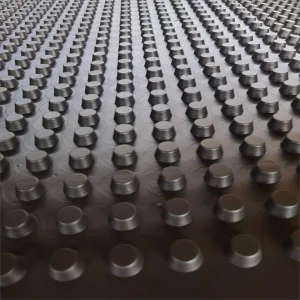
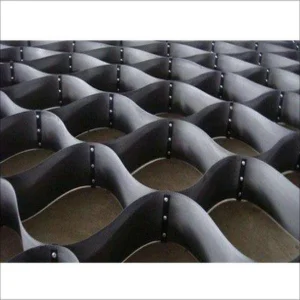
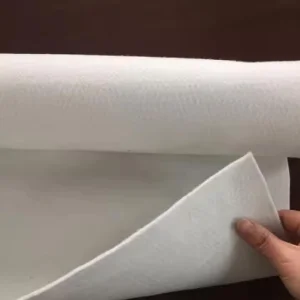
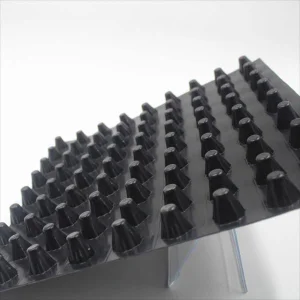
At Shandong Hongyue, our laboratory protocols exceed basic regulatory checks. We enforce complete, closed-loop monitoring of chemical raw materials and mechanical stress criteria. Our quality system ensures that each roll of Cement Blanket dispatched to Spain is certified to meet European infrastructure standards before loading at the port.
Our internal testing laboratory is equipped with advanced testing systems including digital hydrostatic testers, universal electronic tensile testers, and environmental degradation chambers that simulate decades of thermal aging. These facilities ensure that all composite materials retain their structural properties, preventing environmental containment failures and maintaining optimal safety parameters in hydraulic projects.
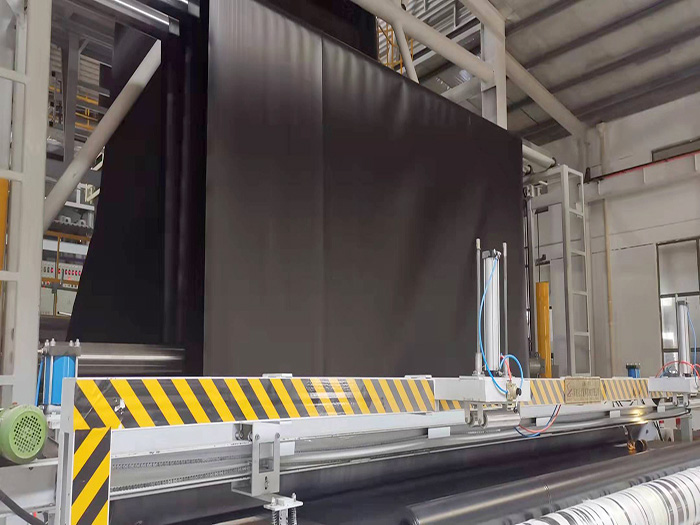
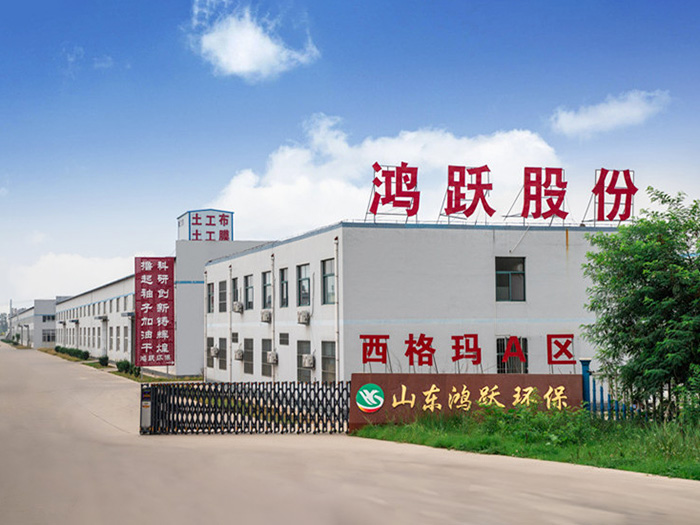
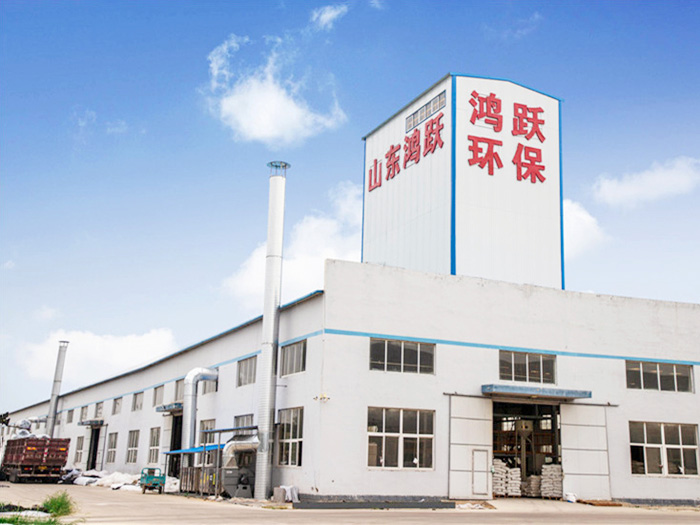
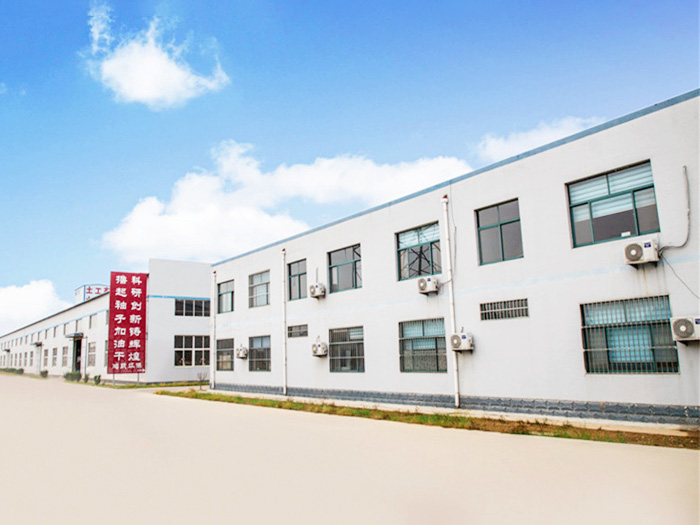
Proven execution of geomembranes, geocells, and cement composite mats across complex structural conditions.
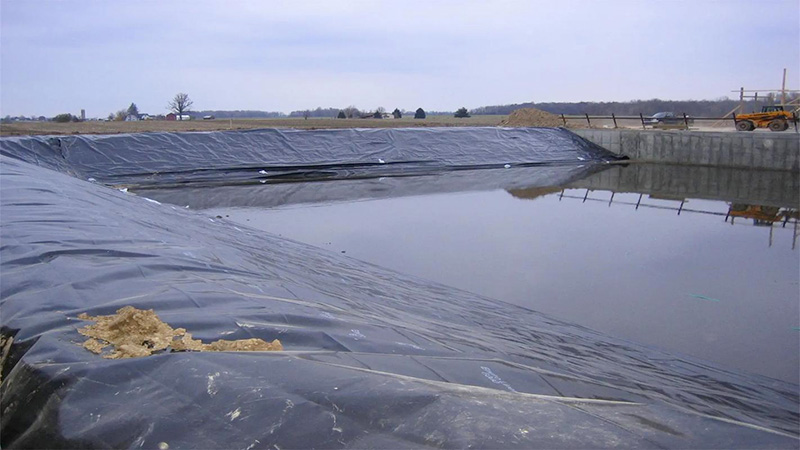
Because reservoirs are constructed in valleys or complex geological zones, preventing structural leakage is critical. Using geomembranes and cement blankets establishes a reliable protective shield, enhancing the long-term integrity of the storage facility.
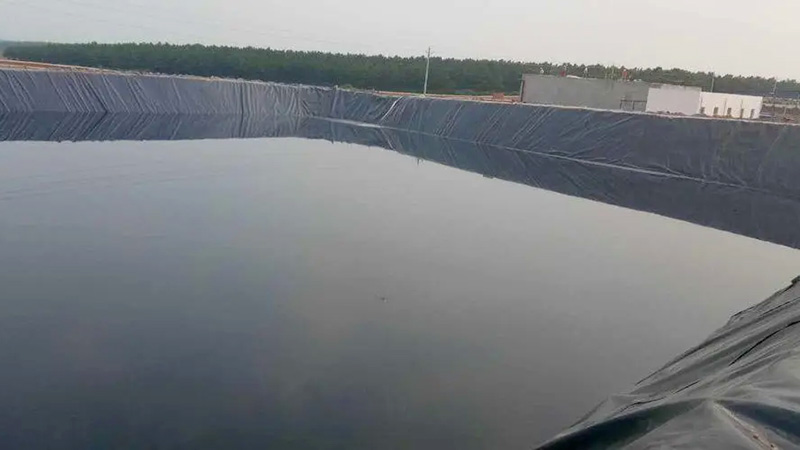
In coastal flood control, embankments are exposed to continuous wave impact and environmental weathering. Integrating composite blankets improves soil stabilization, preventing erosion cracks and protecting downstream agricultural and civil infrastructure.
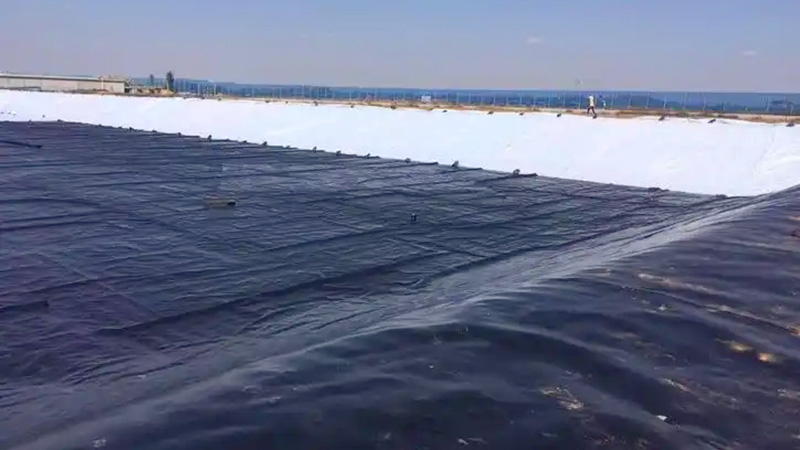
Fluvial systems in rural and urban areas require structured containment to control peak storm runoff. Concrete blankets offer high-velocity hydraulic resistance, preventing channel scour and stabilizing river slopes against washouts.
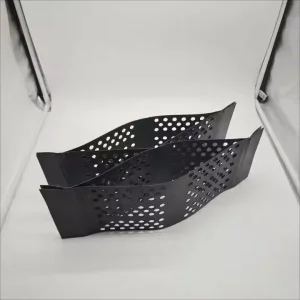
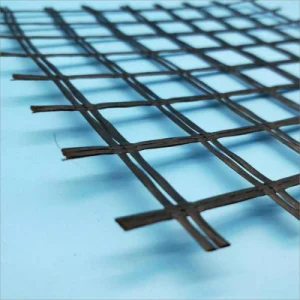
Beyond our cement blankets, Shandong Hongyue manufactures and supplies an integrated line of geosynthetic materials designed for complex infrastructure challenges:
Addressing crucial specifications, procurement details, and installation criteria for engineering consultants and contractors.
All our Cement Blankets, geosynthetic clay liners (GCLs), and geomembranes carry the CE mark, indicating compliance with European safety, health, and environmental standards. We also maintain ISO 9001, ISO 14001, and ISO 45001 certifications. Detailed testing documentation is included with every shipment sent to the Port of Barcelona.
While the raw material cost per square meter of a Cement Blanket can be higher than simple liquid concrete mix, the overall project cost is often 30% to 50% lower. This saving stems from eliminating heavy machinery, reduction in labor hours, and minimal site preparation. Furthermore, project timelines are completed up to 10 times faster.
Yes, our dry-mix cement formulation is engineered to successfully hydrate using non-potable water, including brackish or seawater. This makes it ideal for coastal projects along Catalonia's Mediterranean shoreline, where fresh water access may be restricted or ecologically costly.
Once fully hydrated and cured, our composite cement blankets have an expected operational lifespan of over 50 years. The internal 3D fiber matrix protects the concrete shell from cracking due to UV degradation, thermal expansion, or local soil movements, matching the lifetime of traditional concrete structures.
Standard bulk manufacturing orders are completed within 10 to 15 days at our facility in Shandong. Shipping from local ports (Qingdao or Tianjin) to the Port of Barcelona typically takes 30 to 35 days. We provide complete CIF or DDP delivery frameworks, managing customs clearance and technical documents for our buyers.
Partner with Shandong Hongyue for direct-from-factory pricing, comprehensive technical data sheets, and custom-engineered sizes tailored for your upcoming civil engineering project in Spain.
Send Inquiry Now Hongyue