Premium ready-to-hydrate cement blanket solutions deployed specifically for fast-pace Japanese slope protection and hydraulic projects.
Japan is globally recognized for its rigorous architectural standards, complex geology, and extreme susceptibility to geological disasters such as landslides, volcanic activities, and torrential rainfall. Historically, slope protection and water channel conservation have relied heavily on traditional concrete casting or shotcrete practices. However, these methods pose major challenges under contemporary Japanese macro-economic and regulatory conditions. The industry suffers from a severe labor shortage due to an aging population, and the government’s strict commitment to achieve Carbon Neutrality by 2050 places enormous regulatory pressure to curb carbon-heavy construction processes.
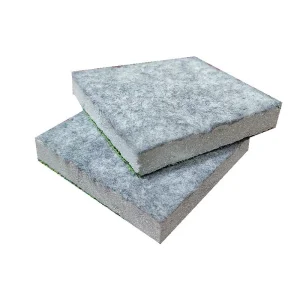
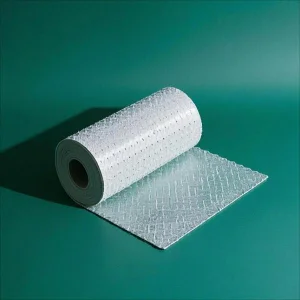
In response, Geosynthetic Cementitious Composite Mats (GCCMs), commonly known as Cement Blankets, have emerged as a disruptive alternative. These flexible, cement-impregnated fabrics hydrate rapidly on-site to form a high-durability, reinforced concrete layer. Shandong Hongyue Environmental Engineering Co., Ltd., as a leading international manufacturer, stands ready to address the stringent requirements of the Japanese civil engineering market by delivering GCCM materials that conform to local safety, hydraulic, and environmental standards.
The construction sector in regions like Hokkaido, Tohoku, and Kyushu faces structural difficulties in securing heavy equipment access along remote mountain highways and railway lines. GCCMs eliminate the need for cement mixing trucks, pumps, and extensive scaffolding. Unrolled and secured using basic anchoring pins before being hydrated, cement blankets dramatically lower the barrier of entry for local municipal work crews. Crucially, the fiber-reinforced structure of the composite provides superior tensile elasticity, which is essential to tolerate the seismic displacements and freeze-thaw cycles typical of Japanese mountainous prefectures.
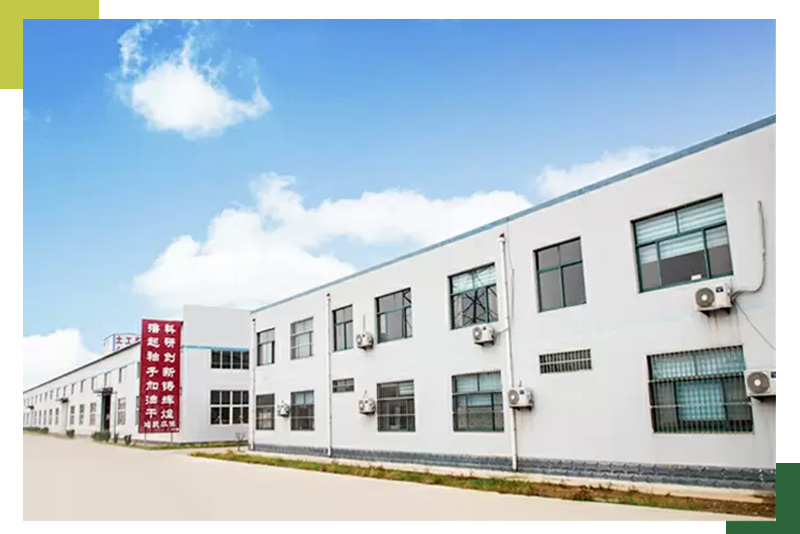
Shandong Hongyue Environmental Engineering Co., Ltd., located at the north end of Fufeng Street, Lingcheng District, Dezhou, Shandong Province, is a scientific and technological geotechnical material manufacturer integrating engineering material production, sales, design and construction services. The company was registered in Lingcheng District Market Supervision and Administration Bureau of Dezhou City on April 6, 2023, with a registered capital of 105 million yuan. It is one of the largest production bases of geotechnical materials in China at present, with superior geographical location and convenient transportation.
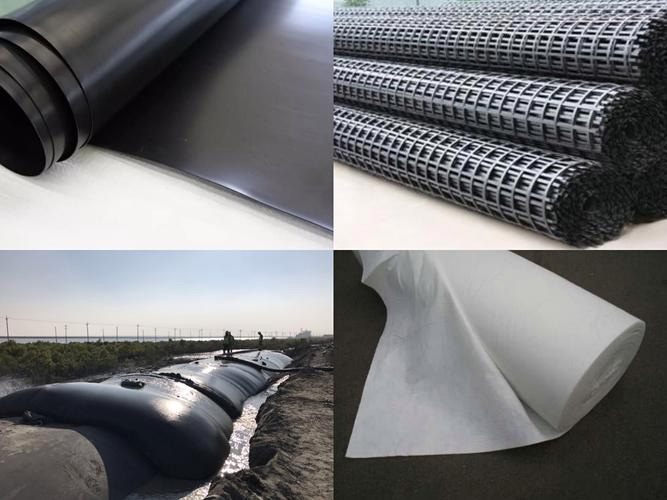
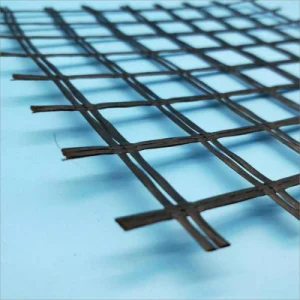
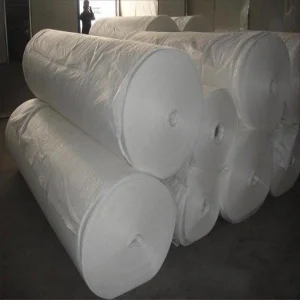
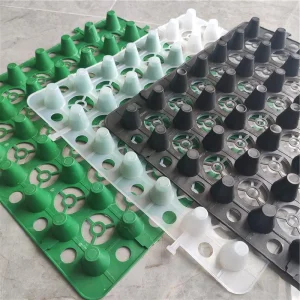
Since our establishment, our business has grown rapidly. We deal in high-quality geotextiles, geomembranes, composite geomembranes, waterproof boards, bentonite waterproof blankets, 3D composite drainage nets, coiled drainage boards, woven geo-fabrics, plant fiber blankets, flexible pervious pipes, and specialized cement blankets.
How we control physical characteristics, geotextile extrusions, and composite chemistry to satisfy global industrial applications.
Sourcing high-tenacity polyester chips, polypropylene filament, and custom high-early-strength Portland cement compounding. Extensive moisture protection systems prevent pre-hydration during transit and compounding phases.
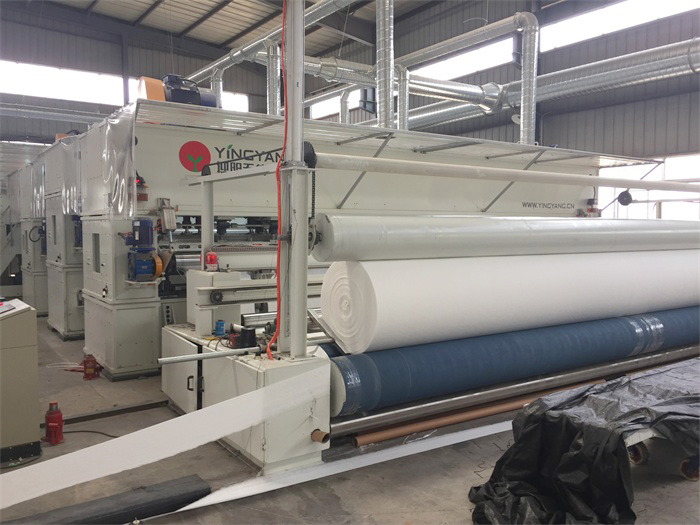
Polyester and polypropylene chips are melted and extruded into high-durability non-woven matrix bases. Needle-punching bonds the fibers, forming the precise 3D containment matrix structure to hold powder active ingredients.
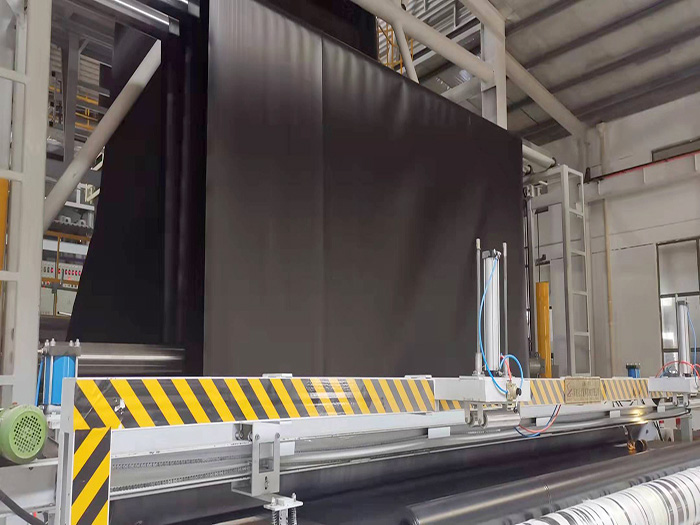
Compounded dry concrete powders are embedded uniformly within the fiber matrix. The bottom face is lined with high-impermeability geomembrane backings (HDPE or PVC coatings) to secure waterproofing properties.
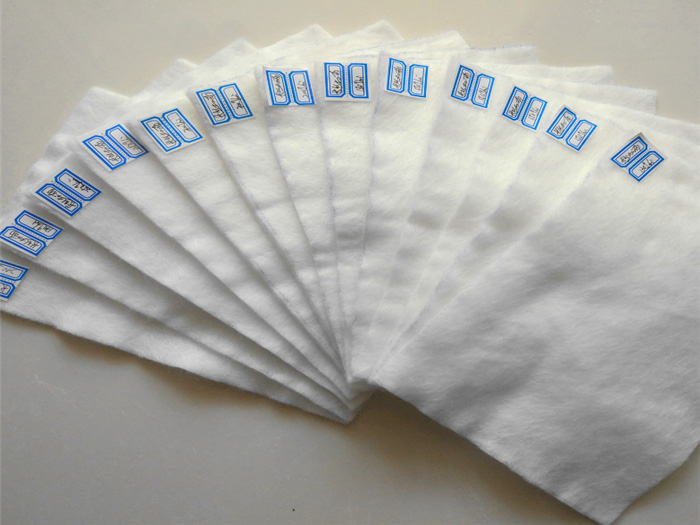
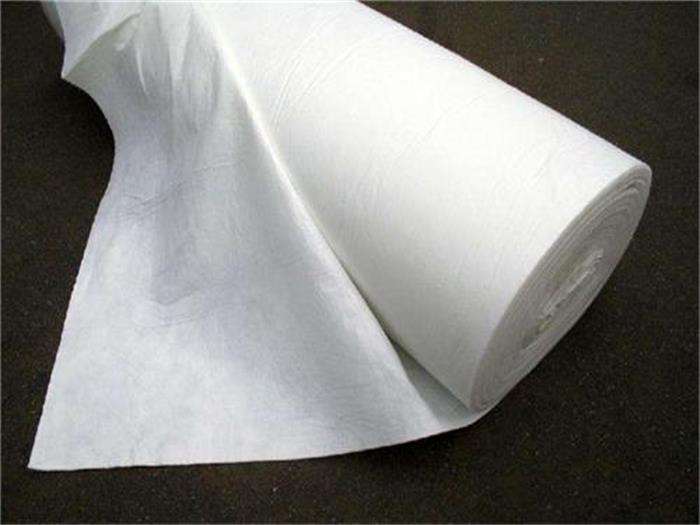
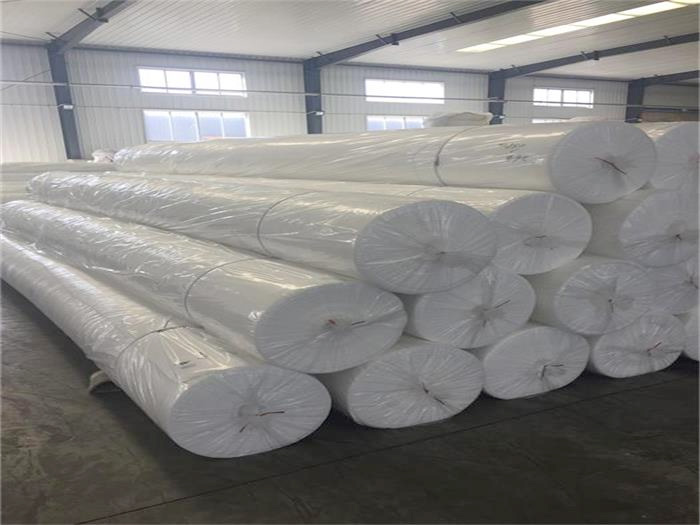
Proper installation guarantees the structural longevity of GCCMs and geomembranes. We recommend a systematic approach:
1. Ground Preparation: Clear loose volcanic soil, rocks, and debris. Ensure the substrate is compacted and uniform. In high-water-table areas, implement subgrade drainage structures.
2. Laying and Alignment: Unroll blankets with the geomembrane lining facing down (against the soil). Overlap adjacent layers by at least 100mm, aligning with the direction of the water flow to prevent hydraulic uplift.
3. Hydration: Apply fresh or sea-water uniformly. Do not spray high-pressure jets directly on dry composite mats to avoid displacement. Ensure complete hydration, especially along vertical surfaces and anchored edges.
Integrating anti-seepage, filtration, and reinforcement technologies to mitigate severe structural risks.
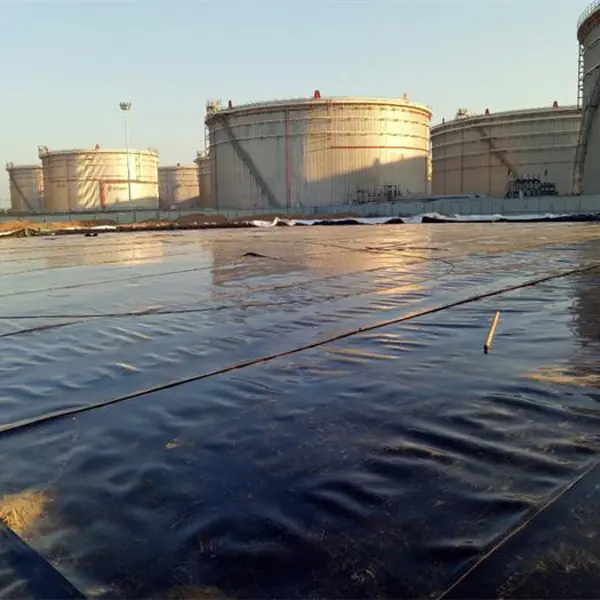
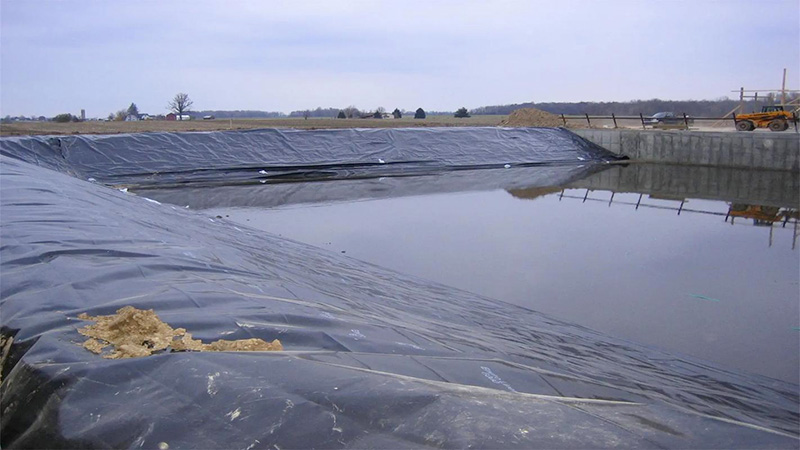
In reservoirs, agricultural aqueducts, and industrial containment facilities throughout Japan, preventing fluid migration is critical. The combination of Shandong Hongyue geomembranes and cement blankets forms an impervious double-barrier. The composite protects the underlying geomembrane from puncture, UV deterioration, and floating debris, ensuring operational lifespans exceeding 30 years under diverse environmental conditions.
Consult Engineering Team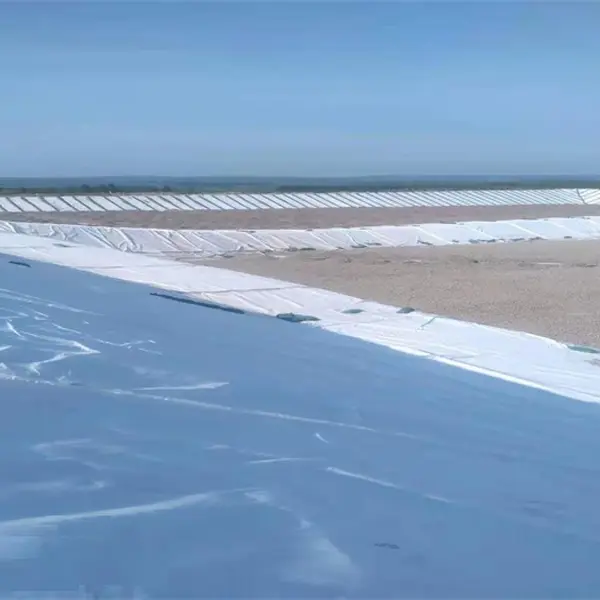
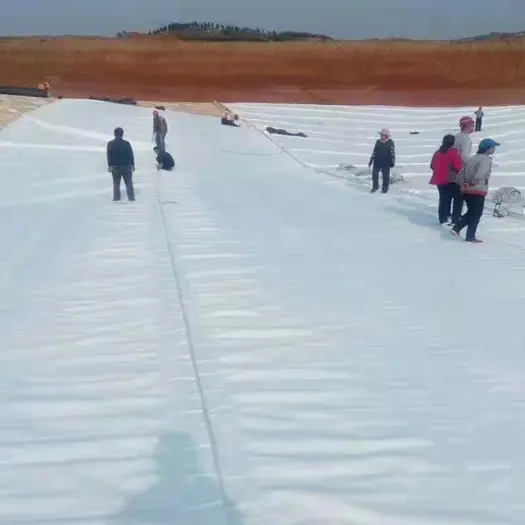
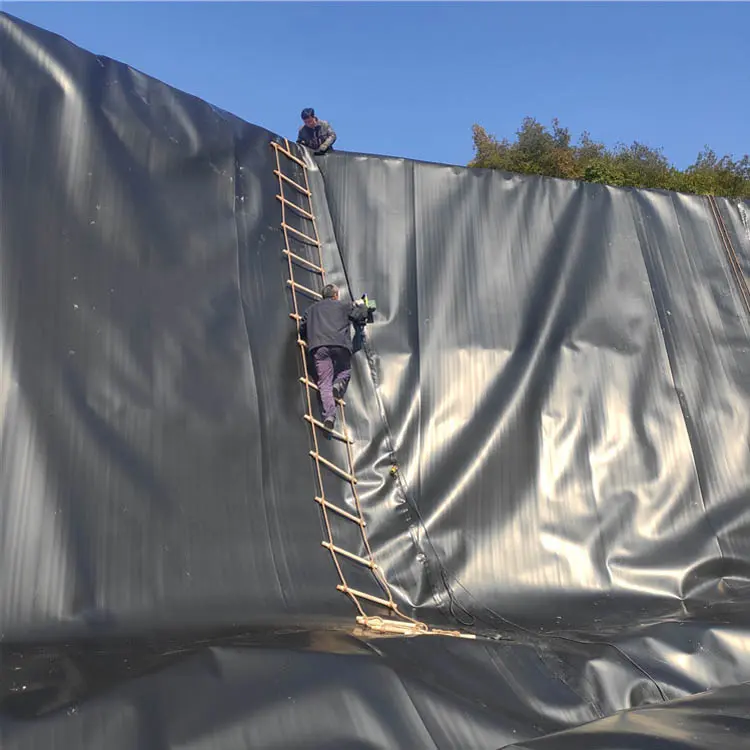
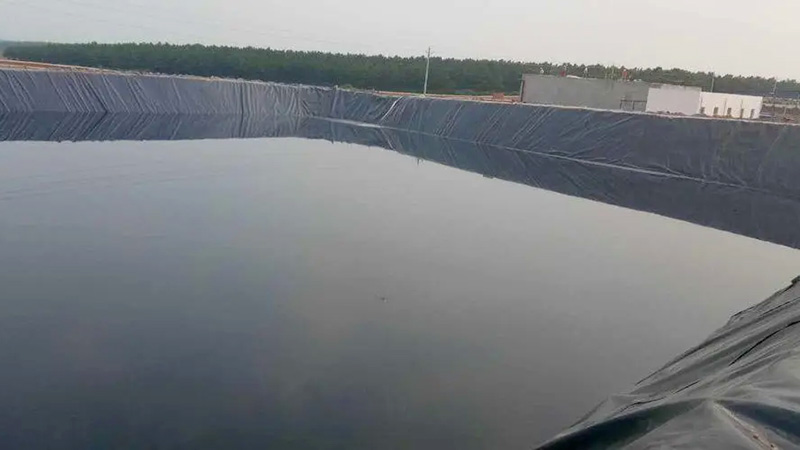
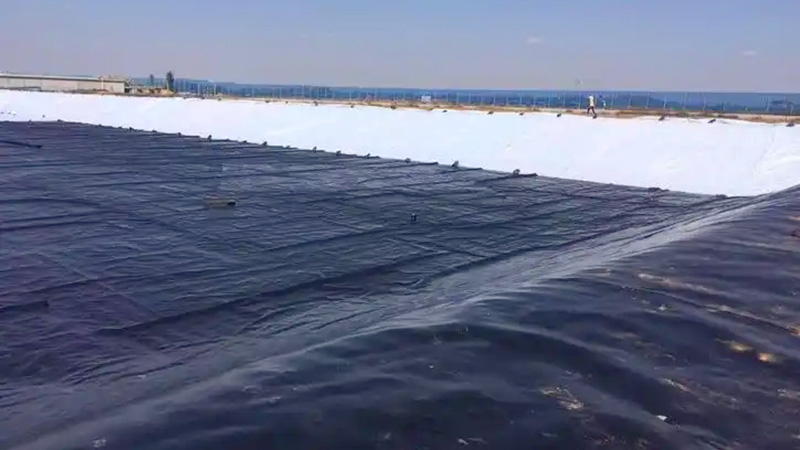
Torrential typhoons easily erode unreinforced slopes, leading to mudslides that threaten transportation corridors. Installing cement blankets locks the surface soil layer in place. The fiber matrices accommodate seismic shifting, while the fast-setting concrete crust limits rainwater infiltration. This combination minimizes pore water pressure build-up and prevents catastrophic slope failure.
Engineered to support heavy civil projects, tunnels, foundations, and landfill structures in high-seismic zones.
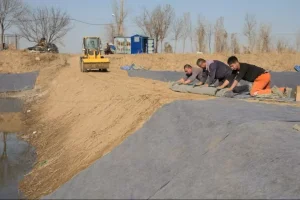
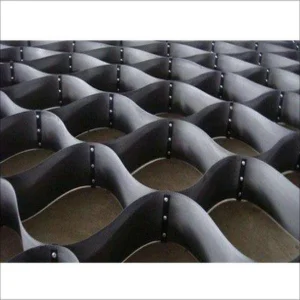
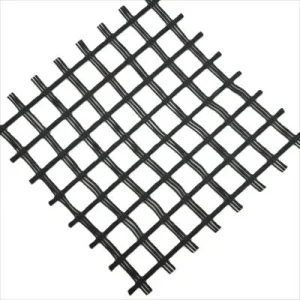
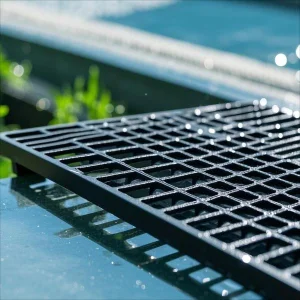
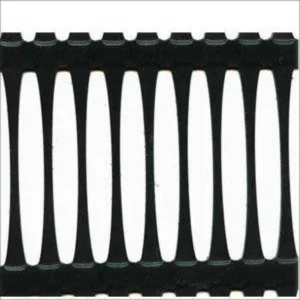

Engineered for underground facilities, agricultural infrastructure, and high-performance coastal protections.
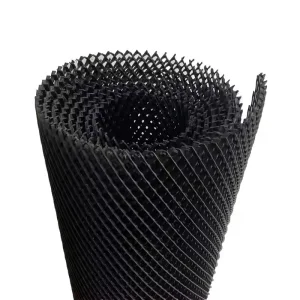
The next decade of civil engineering in Japan will be driven by structural digitalization and carbon footprint reduction. Shandong Hongyue is actively researching smart geosynthetics and carbon-capture matrices. By integrating sensing elements into our geotextiles and geonets, we aim to offer real-time slope deformation tracking and early-stage landslide warnings directly to municipal networks.
Additionally, our next-generation concrete matrices incorporate industrial byproducts, lowering carbon intensity while increasing chemical resistance against acid rain. These innovations ensure that our partners in Japan receive materials that align with sustainable engineering practices and national green-procurement initiatives.
Answering crucial engineering queries regarding durability, frost resistance, and regulatory compliance.
Our cement blankets incorporate high-performance polymer fibers that create a micro-reinforced concrete shell upon hydration. This limits water pocket formulation, helping the cured layer resist cracking and degradation during freeze-thaw cycles.
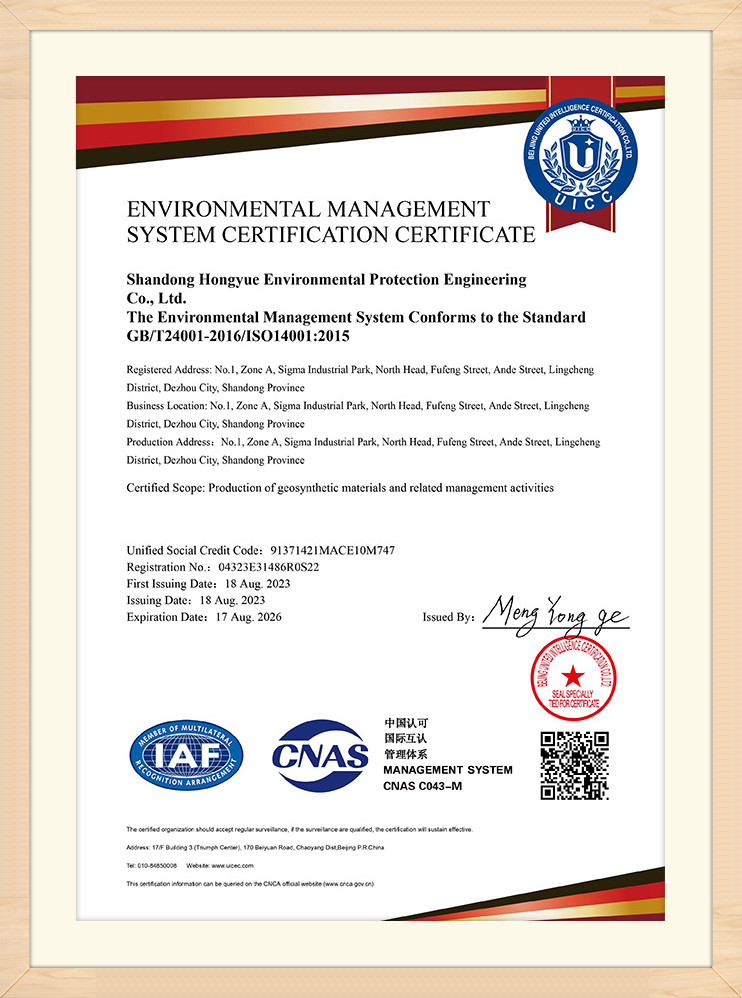
Yes, our GCCMs are designed to meet standard ASTM D8364 requirements. We have passed ISO9001, ISO14000, and ISO45001 certifications. Our engineering and quality control teams work to ensure compliance with local JIS regulations for public works.
Our products feature UV-stabilized geomembrane backings and a dense matrix outer layer. This composite structure has a design life exceeding 30 years under normal environmental exposure, providing long-term protection for slopes and channels.
Yes, our specialized dry-concrete mixture is formulated to hydrate effectively using fresh water, brackish water, or sea water, facilitating installation in coastal environments without requiring specialized transport.
Optimize your project parameters with customized thickness, dimensions, and specifications tailored to Japanese civil regulations.
Send Inquiry Now Hongyue