Engineered for durability, manufactured for performance.
Beyond Stabilization: The Intelligent Future of Soil Reinforcement
The global geogrid market is undergoing a seismic shift. No longer viewed as just a commodity mesh, modern installing geogrid technologies are at the forefront of sustainable infrastructure. As urbanization accelerates across Asia and Africa, and aging infrastructure in the West requires resilient upgrades, the demand for high-tensile, low-creep polymer geogrids has reached an all-time high.
Manufacturers are shifting toward recycled HDPE and carbon-neutral production processes to meet the stringent Green Building requirements of modern civil engineering projects.
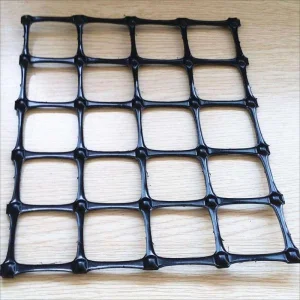
Transitioning from Bi-axial to Tri-axial and even Hexagonal geogrids allows for 360-degree load distribution, significantly reducing aggregate thickness and project costs.
The integration of fiber-optic sensors within geogrid layers—"Smart Geogrids"—is enabling real-time structural health monitoring of bridges and railway embankments.
In the heart of the Dezhou Geotextile Association cluster, Shandong Hongyue Environmental Engineering Co., Ltd. represents the pinnacle of "China Factory 4.0." With a registered capital of 105 million yuan, we have moved beyond simple manufacturing to a data-driven, vertically integrated production ecosystem.
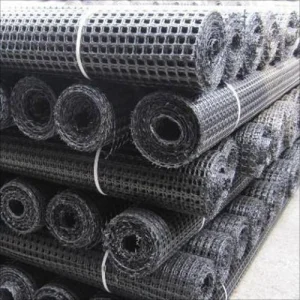
Our facility utilizes automated extrusion lines and precision laser-bonding technology to ensure that every roll of geogrid meets international ISO9001, ISO14000, and ISO45001 standards. For global procurers, this means Supply Chain Resilience: our massive production capacity ensures that even during global logistics fluctuations, we maintain a stable geogrid pricelist and prompt delivery schedules.
Major Cities Sales Network
International Certification
Years Engineering Expertise
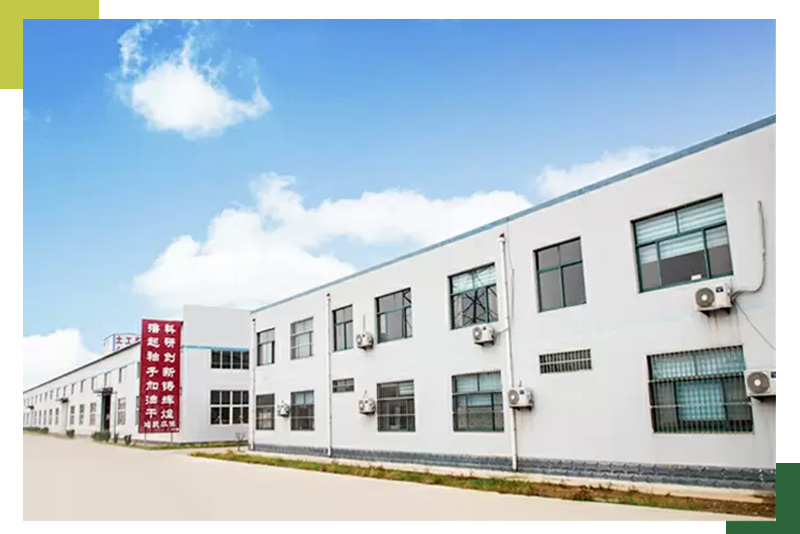
Located in Lingcheng District, Dezhou, Shandong Province, with superior geographical location and convenient transportation for global exports.
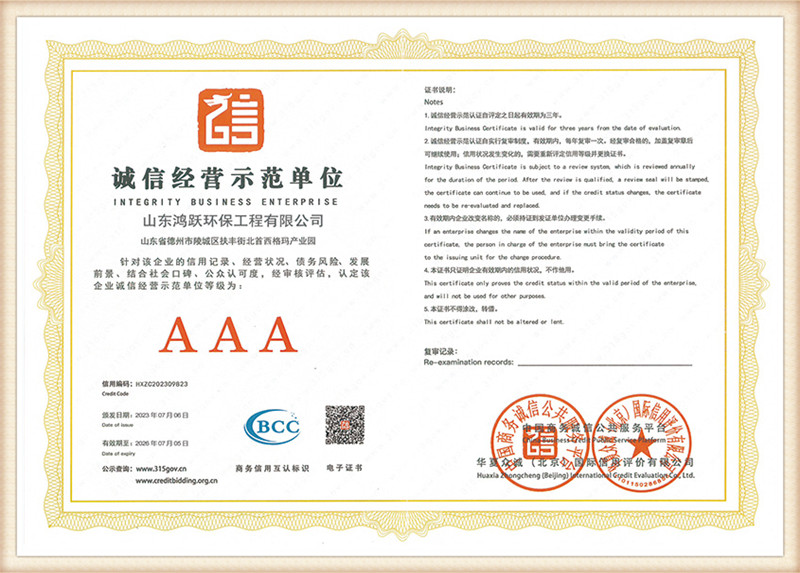
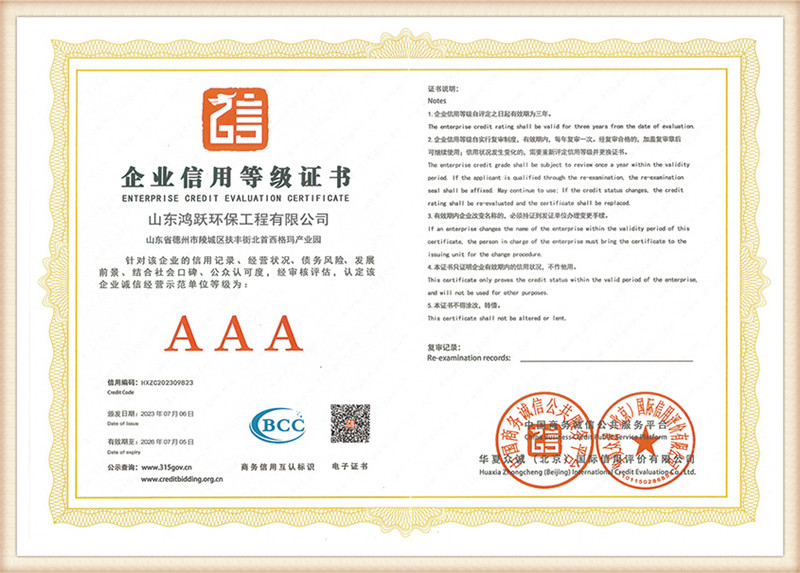
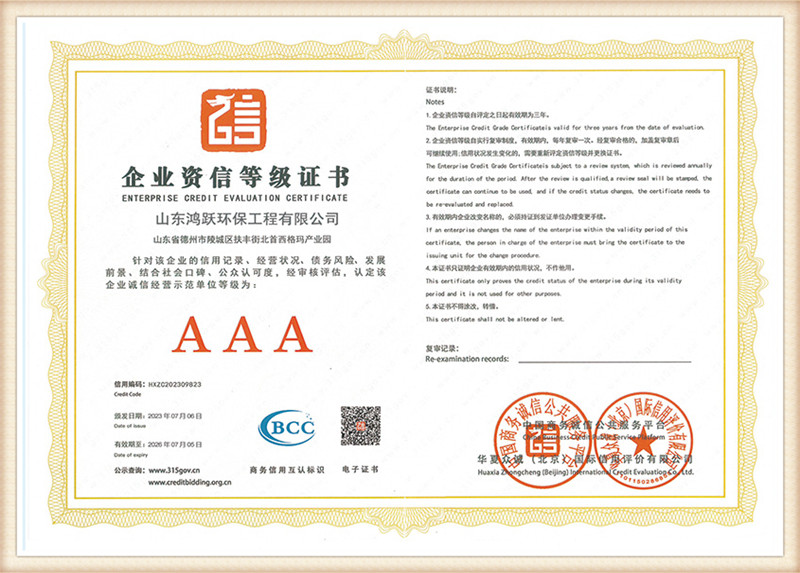
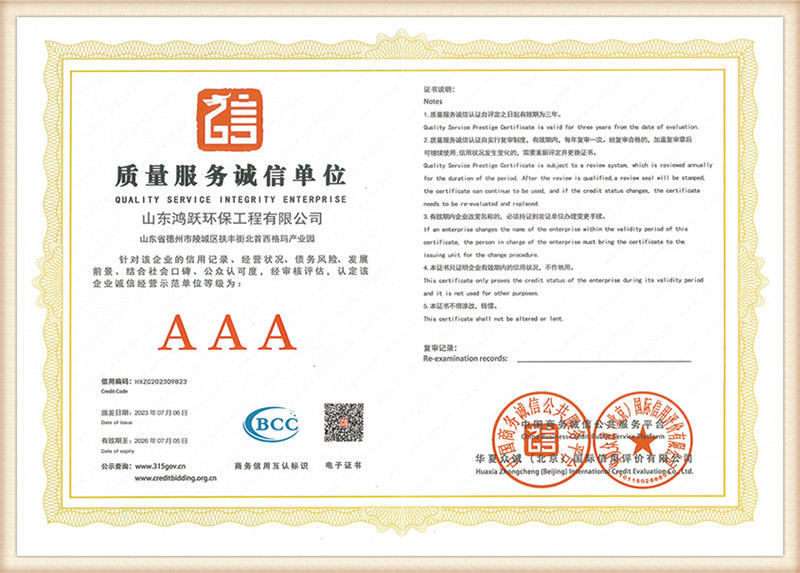
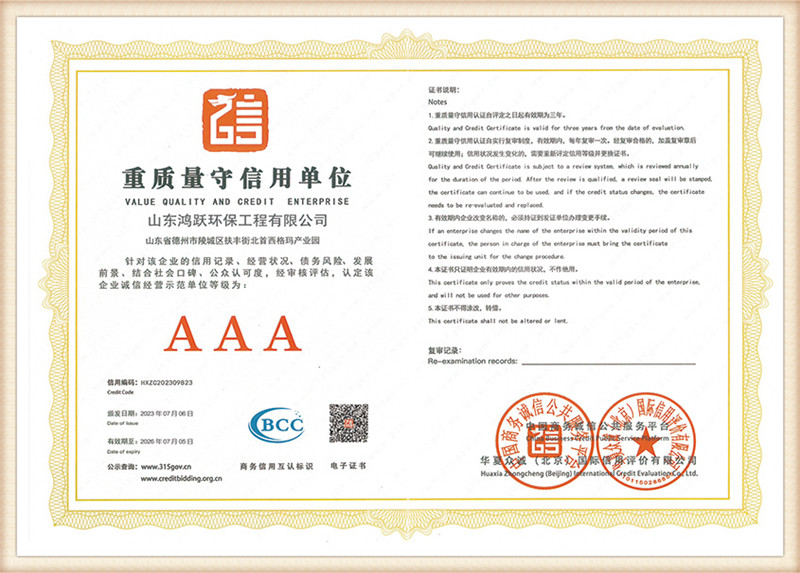
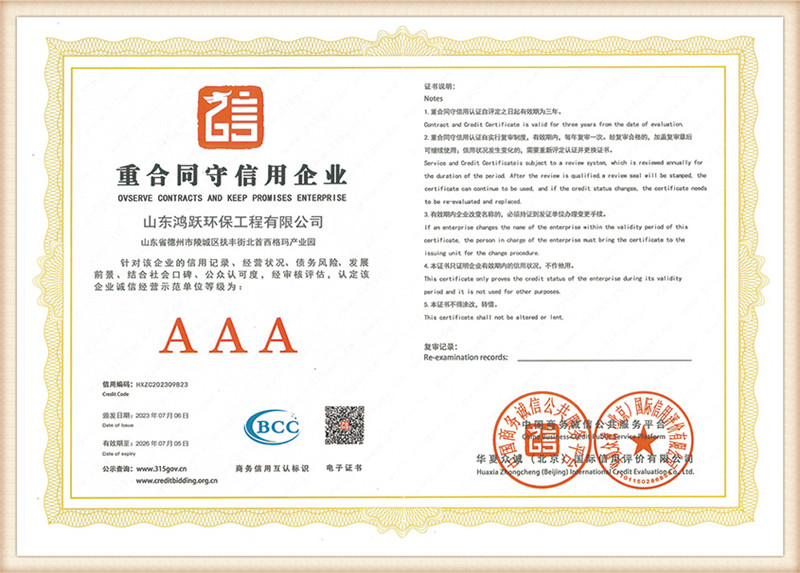
Successively passed ISO9001, ISO14000, and ISO45001 certifications. Recognized as "Famous Chinese Brand" and "High-tech Industry".
Widely used in highways, railways, bridges, tunnels, reservoirs, and environmental protection projects across Europe, USA, and Australia.
Professional construction teams and engineering material production integrated to provide high-quality anti-seepage solutions.
Maximize Load Bearing Capacity Through Precision Engineering
The success of any geogrid reinforcement lies in the foundation. Before installing geogrid, the subgrade must be cleared of all debris, sharp rocks, and organic material. Proper compaction testing (Proctor Test) ensures the ground can support the subsequent layers.
Geogrid should be rolled out manually or using specialized machinery. Crucially, the grid must be pre-tensioned to eliminate any wrinkles or slack. This ensures that the reinforcement is "engaged" as soon as the aggregate is placed, rather than waiting for structural settlement.
Min. Recommended Overlap
Max. Lift Thickness for Fill
Required Compaction Rate
For standard road applications, a longitudinal overlap of 300mm to 500mm is required. In soft soil conditions, overlaps should be increased or secured with specialized U-shaped staples or cable ties to prevent movement during aggregate spreading.
How Geogrid Solves Real-World Industrial Challenges
In Australian and South American mines, geogrids are used to stabilize haul roads that support 400-ton trucks. This reduces maintenance frequency by 60% and lowers fuel consumption by providing a smoother surface.
In high-density European cities, geogrids allow for steeper side-slope designs in landfills, effectively increasing the storage volume (airspace) without expanding the footprint.
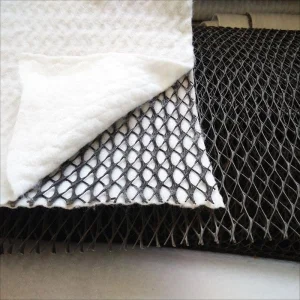
In Southeast Asia, composite geogrid-geotextile systems are deployed for embankment reinforcement against tidal surges, preventing erosion while allowing for natural vegetation growth.
Direct Answers from Geogrid Engineering Experts
Wholesale pricing is primarily driven by polymer resin costs (HDPE/PP), the tensile strength (kN/m), the weight per square meter, and the total order volume. Custom certifications (like CE or ASTM) and UV-stabilization additives can also impact the final quote.
China, particularly the Dezhou region, offers a complete industrial chain. This leads to lower production costs, faster R&D cycles, and high-quality standards due to fierce local competition and state-of-the-art Factory 4.0 automation.
Yes. High-quality geogrids are designed to remain flexible and retain tensile strength in temperatures as low as -40°C, making them ideal for road construction in arctic or high-altitude regions.
When properly installed and protected from direct UV exposure, polymer geogrids have a design life exceeding 75 to 100 years, outlasting the asphalt or concrete layers they support.
As a scientific and technological geotechnical material manufacturer, Shandong Hongyue Environmental Engineering Co., Ltd. integrates engineering material production, design, and construction. Our registered capital of 105 million yuan and our membership in the Dezhou Geotextile Association are testaments to our authority in the field.
Every batch of geogrid is subjected to rigorous testing: tensile strength tests, junction efficiency tests, and carbon black dispersion analysis. Our commitment to "Serving customers and benefiting people's livelihoods" drives us to provide not just products, but first-class technical services and economic solutions that stand the test of time.
 Hongyue