High-performance engineering materials manufactured to international standards for infrastructure, environmental management, and soil stabilization.
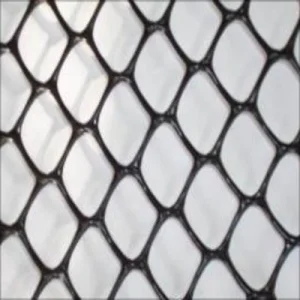
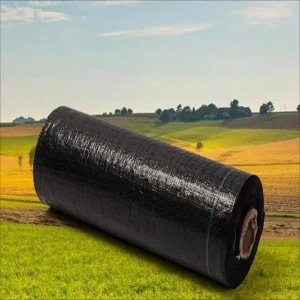
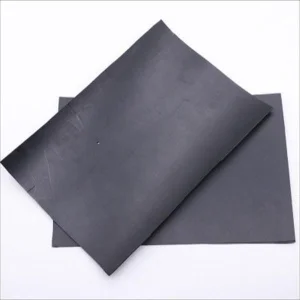
In modern civil engineering, Geoweb Geocell Cellular Confinement Systems (CCS) represent a revolutionary step forward in geotechnical stabilization. Invented originally to facilitate heavy vehicular traffic over low-bearing-capacity soils, geocells are three-dimensional, expandable honeycomb structures fabricated from high-density polyethylene (HDPE) or innovative polymeric alloys. When filled with granular materials such as sand, aggregate, concrete, or local soil, the system establishes a high-performance composite structure with substantial lateral containment and load distribution capability.
The primary mechanism of geoweb geocells lies in their three-dimensional hoop stress generation. Under vertical loading, the infill material tries to displace laterally. The high-tensile cell walls exert passive resistance, restricting lateral soil displacement and significantly increasing the shear strength of the system. This mechanical interlock reduces vertical stress transfer onto the subgrade, effectively converting a loose granular base into a rigid, semi-flexible slab.
Procuring geoweb geocells at wholesale requires a deep understanding of standard dimensional attributes and polymer quality factors. Pricing is determined directly by cell wall thickness, weld spacing (which defines the individual cell size), cell height, and the texture (smooth vs. textured/perforated). Textured and perforated walls increase friction with the infill and facilitate lateral drainage, making them standard for slope and channel protection.
The table below provides a typical technical benchmark matrix for high-quality Geoweb Geocells, reflecting manufacturing standards practiced by industry leaders like Shandong Hongyue Environmental Engineering Co., Ltd.
| Technical Property | Testing Standard | Standard Value Range | Impact on Performance |
|---|---|---|---|
| Material Base | ASTM D1505 | High-Density Polyethylene (HDPE) ≥0.940 g/cm³ | Governs tensile properties and longevity. |
| Carbon Black Content | ASTM D1603 | 2.0% - 3.0% | Ensures long-term UV protection. |
| Seam Weld Peel Strength | GRI-GS15 / ASTM D5199 | 1000 N to 1420 N per 100mm weld width | Prevents cell splitting under massive structural load. |
| Environmental Stress Cracking (ESCR) | ASTM D1693 | >5000 hours | Guarantees resistance to chemical attack and thermal cycles. |
| Cell Wall Thickness | ASTM D5199 | 1.0mm - 1.7mm (Nominal) | Correlates to puncture and deformation resistance. |
Please note that wholesale prices are subject to raw material polymer fluctuations (Brent crude oil correlation), order size, customized parameters, and logistics destination. Below is an indicative factory-gate pricelist for standard Virgin HDPE Geocells (Textured & Perforated):
| Cell Height (mm) | Weld Spacing (mm) | Cell Wall Type | Standard Color | Indicative Price Range (USD / m²) |
|---|---|---|---|---|
| 50 mm | 330 / 400 | Textured & Perforated | Black / Green | $1.20 - $1.85 |
| 100 mm | 330 / 400 | Textured & Perforated | Black / Green | $2.10 - $2.95 |
| 150 mm | 330 / 400 | Textured & Perforated | Black / Green | $3.15 - $4.10 |
| 200 mm | 330 / 400 | Textured & Perforated | Black / Green | $4.20 - $5.60 |
| Custom Heavy Duty | Customer Spec | Reinforced Smooth/Textured | Customized | Request Quote |
The adaptability of geocell systems allows them to resolve critical localized soil mechanics challenges worldwide. Depending on local geological and climatic conditions, engineers specify distinct variations in cell dimensions and infill materials:
In high-latitude zones of the US and Canada, road beds suffer from intense freeze-thaw cycles. Geoweb confinement prevents frost-heave damage by letting moisture drain dynamically while containing aggregates. Used heavily in permian basin oilfields, geocells dramatically reduce the aggregate thickness needed for heavy-haul trucks.
Arid desert regions rely on geocells to stabilize shifting sands. Engineers use local windblown sand as infill inside the geocells, reducing import transport costs for aggregates. This technique is extensively deployed to build durable sub-bases for access roads, pipelines, and coastal marine defenses against erosion.
Tropical, rain-heavy regions face frequent mudslides. Perforated geocells act as flexible retaining matrices. Permitting rapid water infiltration and encouraging deep root growth, they prevent surface-soil washouts along highway cuts and bridge abutments without requiring impervious concrete slopes.
The concentration of global geosynthetic production in Lingcheng District, Dezhou, Shandong Province, has created a highly efficient industrial ecosystem. Shandong Hongyue Environmental Engineering Co., Ltd. leverages this geographic cluster to provide significant supply chain advantages over international competitors:
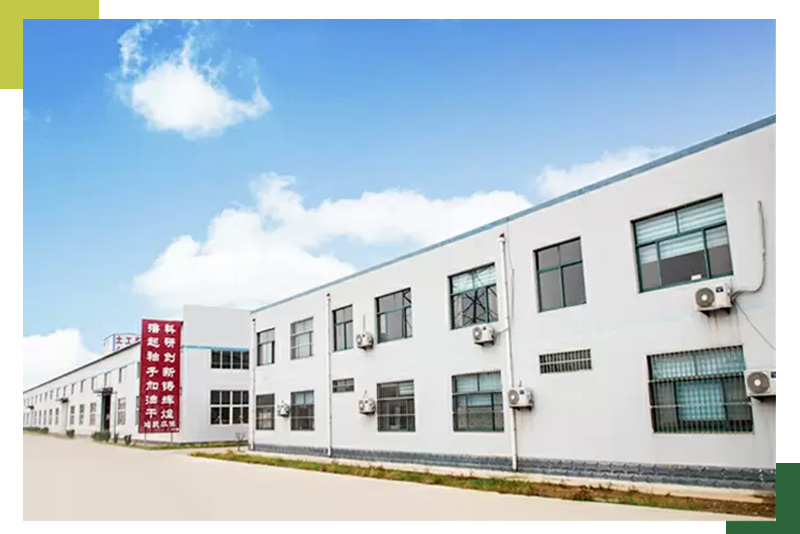
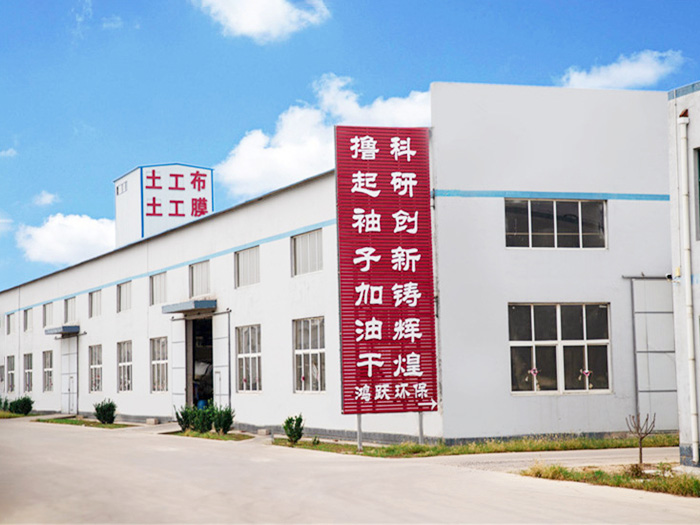
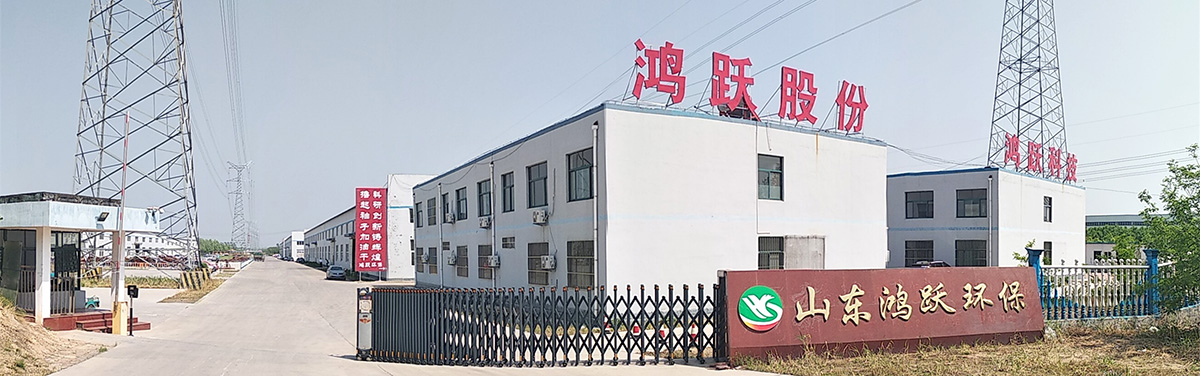
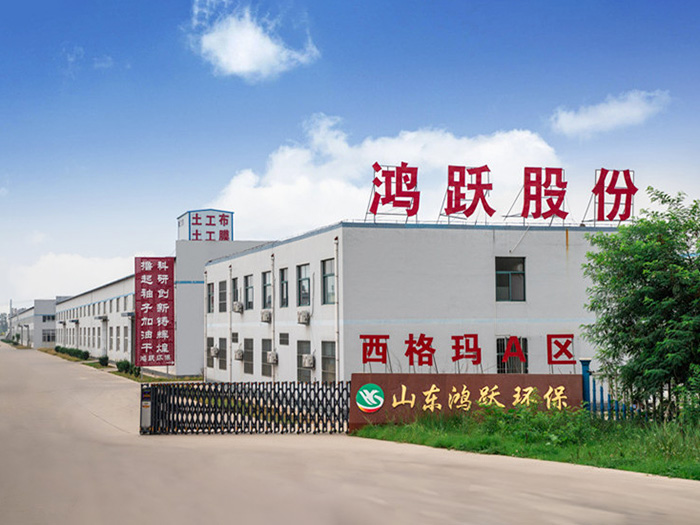
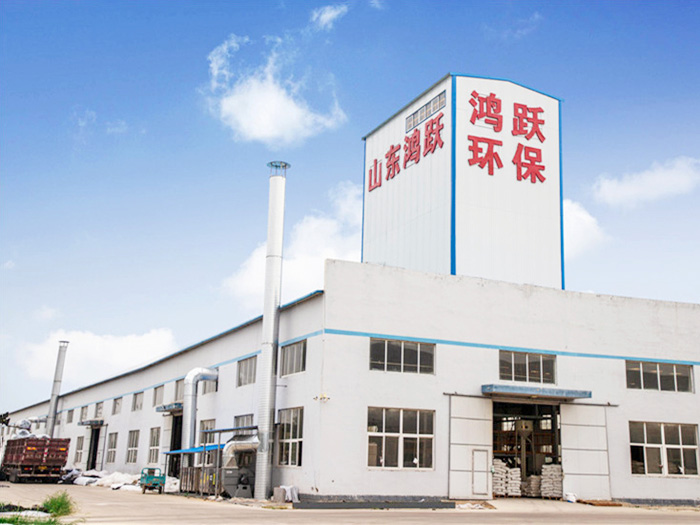
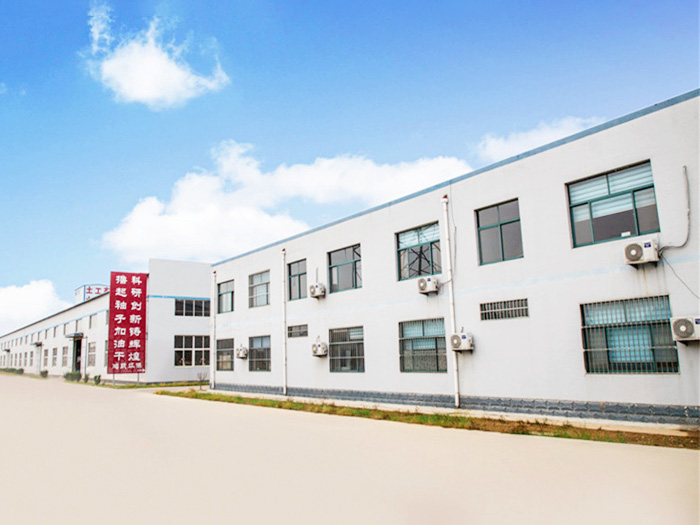
A look inside Shandong Hongyue Environmental Engineering Co., Ltd. - China's premier geotechnical material manufacturer.
Shandong Hongyue Environmental Engineering Co., Ltd., located at the north end of Fufeng Street, Lingcheng District, Dezhou, Shandong Province, is a scientific and technological geotechnical material manufacturer integrating engineering material production, sales, design and construction services. The company was registered in Lingcheng District Market Supervision and Administration Bureau of Dezhou City on April 6, 2023, with a registered capital of 105 million yuan. It is one of the largest production bases of geotechnical materials in China at present, located in Lingcheng District, Dezhou, Shandong Province, with superior geographical location and convenient transportation.
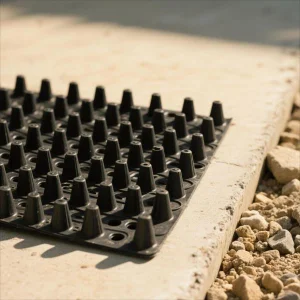
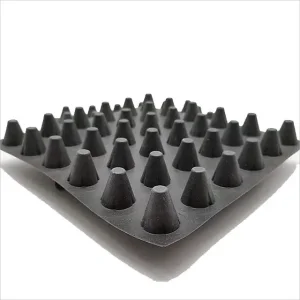
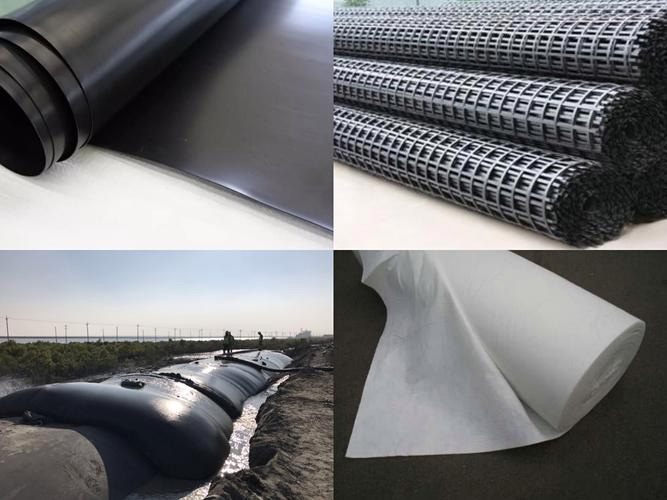
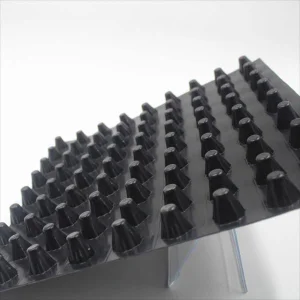
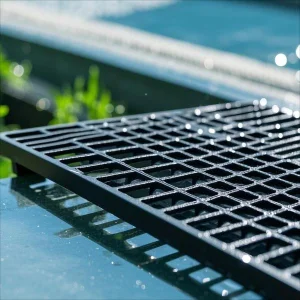
Since the establishment of the company has developed rapidly, business continues to grow and expand, our company mainly deals in geotextiles, geomembrane, composite geomembrane, waterproof board, bentonite waterproof blanket, 3D composite drainage net, (composite) drainage board, weaving cloth, woven cloth, geotextiles, membrane bags, blind ditches, waterproof and drainage combinations, woven bags, ecological bags, cement blankets, fiber plants blankets, geotextiles, flexible pervious pipes. Our business includes geosynthetics, waterproofing membrane production, sales, construction, import and export of goods. We have high quality products and professional sales and technical team. Our company belongs to Dezhou Geotextile Association, and products are widely used in highways, railways, bridges and tunnels, reservoirs and canals water conservancy, artificial lakes, environmental protection, aviation, mining, agriculture and other fields.
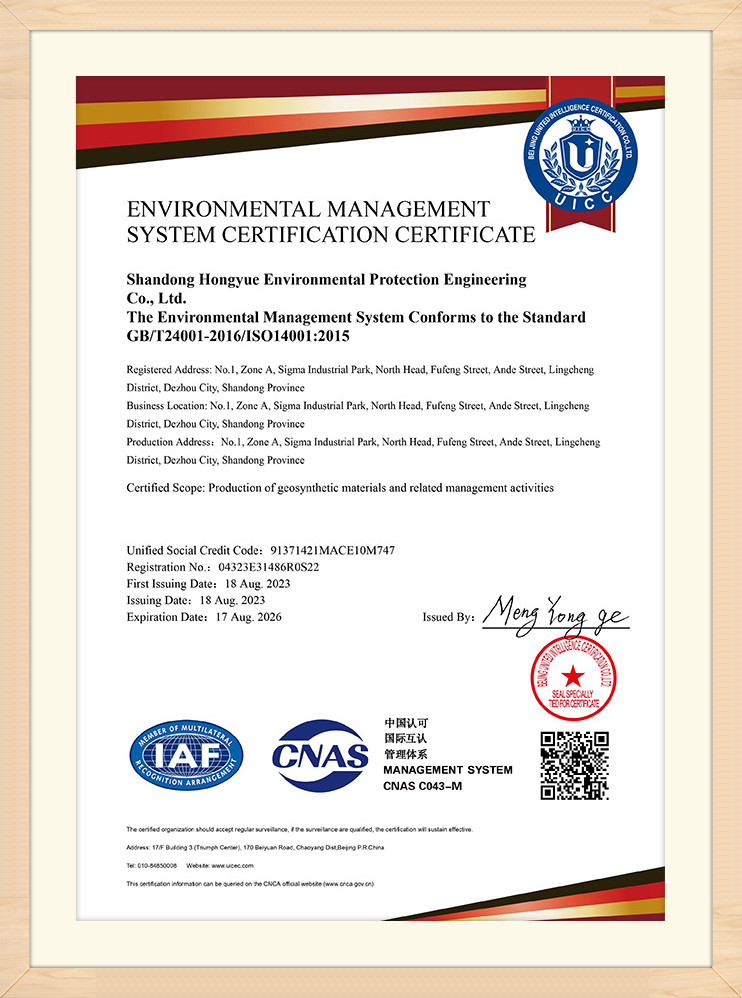
The company has successively passed the ISO9001 international quality system certification, ISO14000 environmental system certification, and ISO45001 occupational health and safety management system certification, and has won multiple honors such as "green and environmentally friendly building materials products", "no consumer complaints", "famous Chinese brands", "high-tech industries", "quality service double excellent units", and "provincial-level poverty alleviation leading enterprises". The company has established sales networks or agency agencies in more than 40 large and medium-sized cities such as Shanghai and Beijing, and its products are exported to multiple countries such as Europe, the United States, Australia, and various parts of the country. The products are widely used in key projects in various provinces and cities.
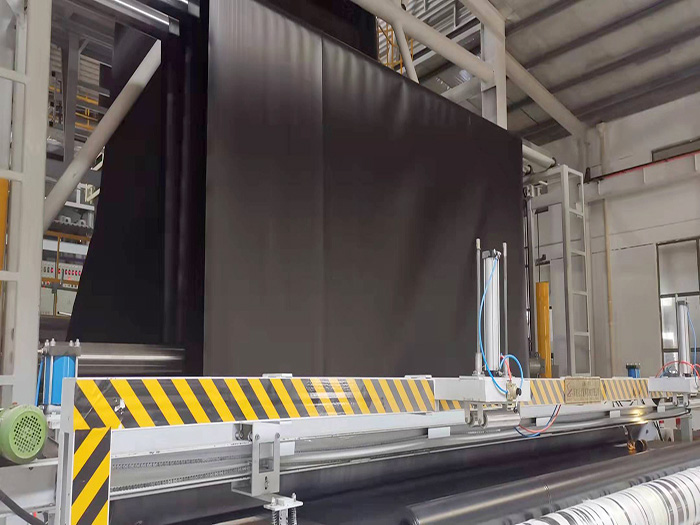
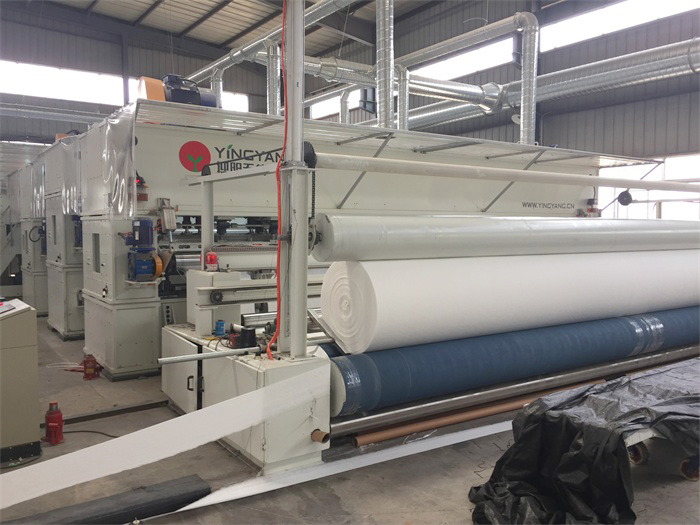
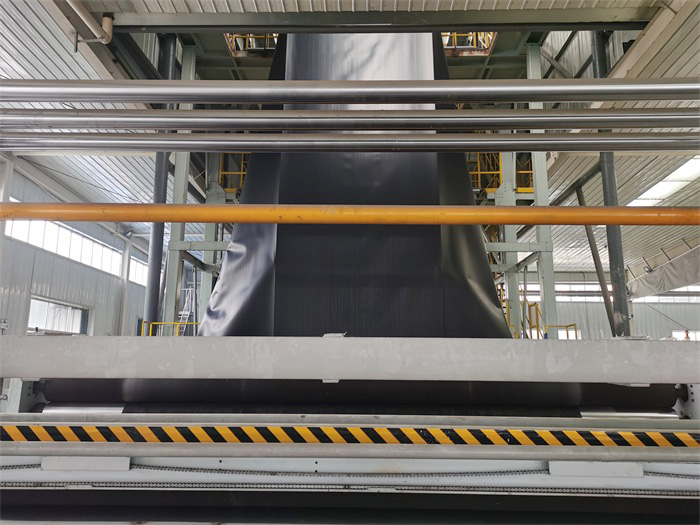
The scientific steps applied in our modern facility to manufacture premium grade synthetic geotextiles.
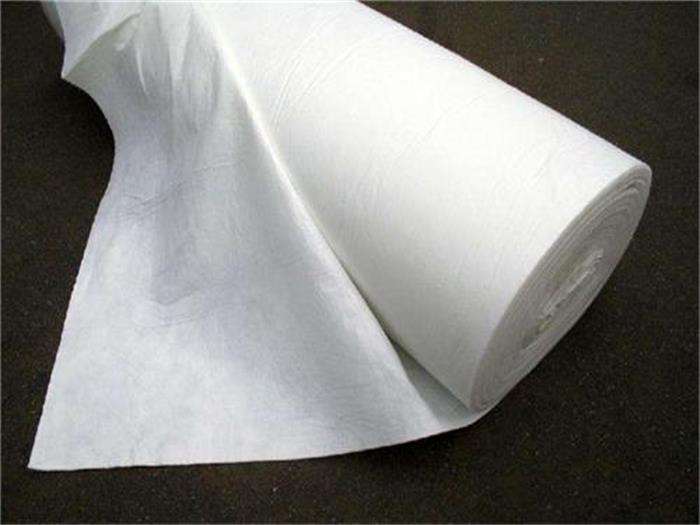
Geotextile is widely used in civil engineering materials, with filtration, isolation, reinforcement, protection and other functions, its production process includes raw material preparation, melt extrusion, mesh rolling, draft curing, winding packaging and inspection steps, need to go through multiple links of processing and control, but also need to consider its environmental protection and durability and other factors. Modern production equipment and technology have been widely used, making the production efficiency and quality of geotextiles have been significantly improved.
The main raw materials of geotextile are polyester chips, polypropylene filament and viscose fiber. These raw materials need to be inspected, arranged and stored to ensure their quality and stability.
After the polyester slice is melted at high temperatures, it is extruded into a molten state by a screw extruder, and polypropylene filament and viscose fiber are added for mixing. In this process, the temperature, pressure and other parameters need to be precisely controlled to ensure the uniformity and stability of the melting state.
After mixing, the melt is sprayed through the spinneret to form a fibrous substance and form a uniform network structure on the conveyor belt. At this time, it is necessary to control the thickness, uniformity and fiber orientation of the mesh to ensure the physical properties and stability of the geotextile.
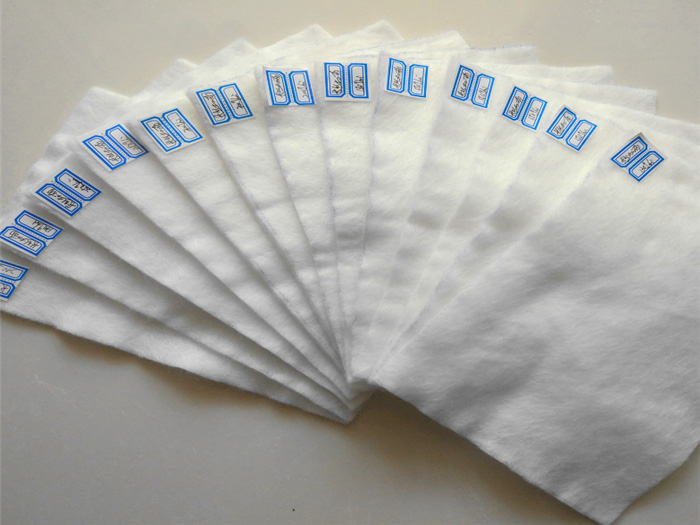
After laying the net into rolls, it is necessary to carry out draft curing treatment. In this process, the temperature, speed and draft ratio need to be precisely controlled to ensure the strength and stability of the geotextile.
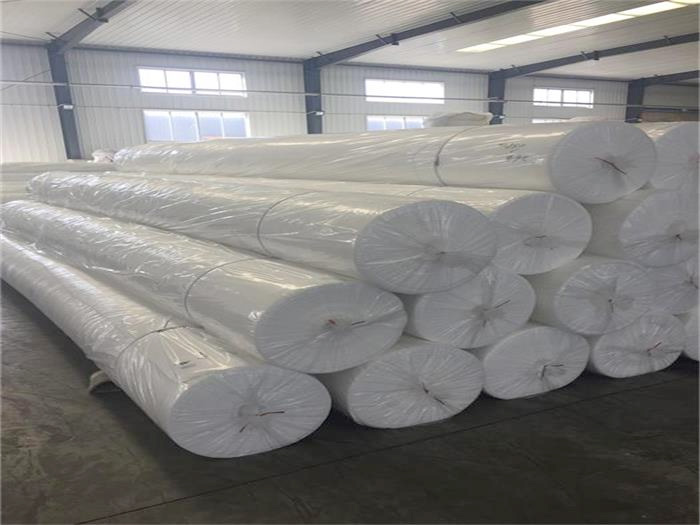
The geotextile after draft curing needs to be rolled up and packed for subsequent construction. In this process, the length, width and thickness of the geotextile need to be measured to ensure that it meets the design requirements.
At the end of each production link, the quality of geotextile needs to be inspected. The inspection contents include physical property test, chemical property test and appearance quality test. Only geotextiles that meet the quality requirements can be used in the market.
Proven engineering methods for selection, deployment, and performance monitoring of barrier geomembranes.
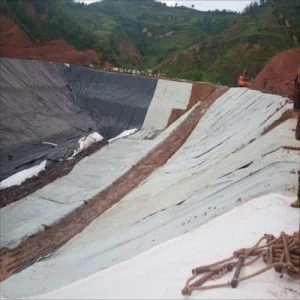
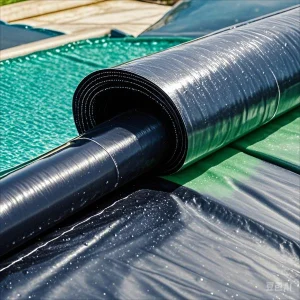
Geomembrane is a kind of material widely used in engineering projects, which has the functions of seepage prevention, isolation and reinforcement. The following guidelines detail the engineering application parameters and maintenance operations to optimize project lifecycles.
The laying of geomembrane needs to follow certain steps and techniques:
Maintenance of geomembrane can extend its service life and function:
Shandong Hongyue Environmental Protection Engineering Co., Ltd. has built a group of sophisticated technology, experienced production technology and market service team. Engineers and technicians have more than ten years of experience, serving domestic and foreign large-scale engineering construction sites. Under cooperation with the headquarters, we provide our customers with 24-hour comprehensive service and product technical consultation.
How geosynthetics provide cost-efficient, long-lasting anti-seepage layers in river channels, dams, and landfills.
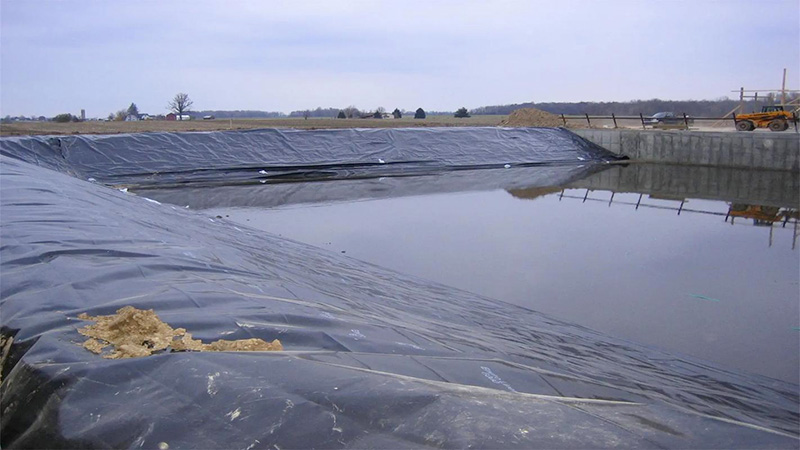
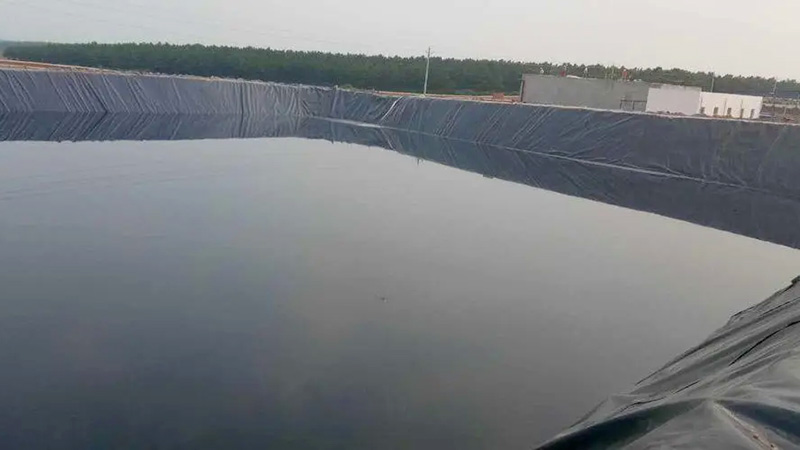
Geomembrane, as an efficient anti-seepage material, plays a vital role in water conservancy projects. Its excellent anti-seepage performance, light weight, easy construction characteristics and relatively low cost make geomembrane an indispensable part of water conservancy projects.
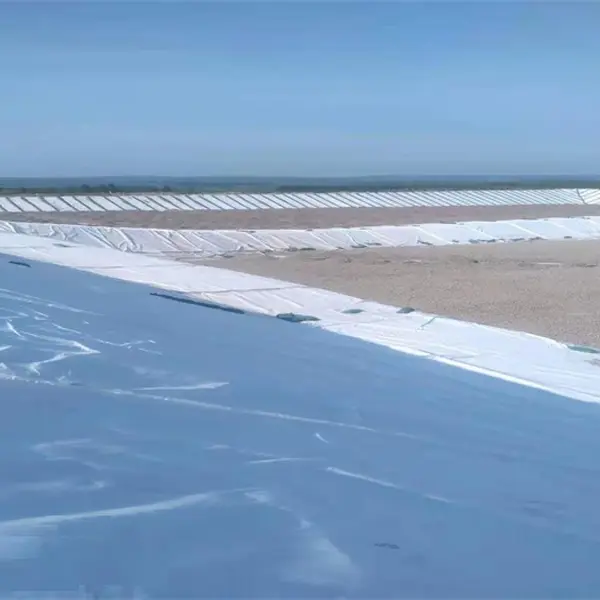
First of all, in the construction of reservoirs, geomembrane can play a very good anti-seepage role. Because reservoirs are usually built in valleys or low-lying areas, the geological conditions are more complex, so effective measures need to be taken to avoid leakage between the bottom of the reservoir and the surrounding rock. The use of geomembrane can effectively solve this problem, and can also improve the safety and stability of the whole reservoir.
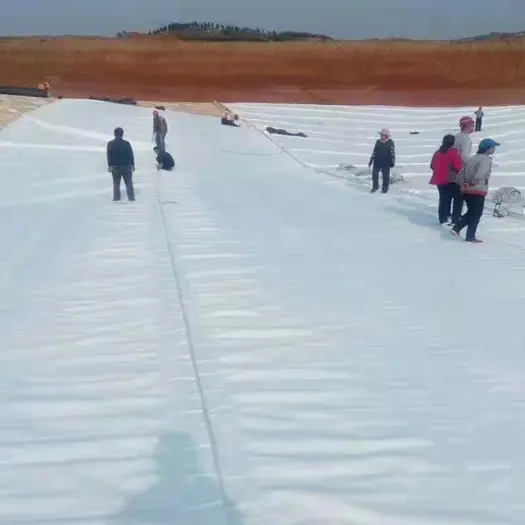
Secondly, it is also necessary to use geomembrane to strengthen the anti-seepage effect during the construction of levees. A dike is a man-made structure whose main purpose is to protect the downstream area from flooding. However, in the construction process, there will be many unpredictable factors leading to loopholes, at this time, it is necessary to use geomembrane for remedial measures.
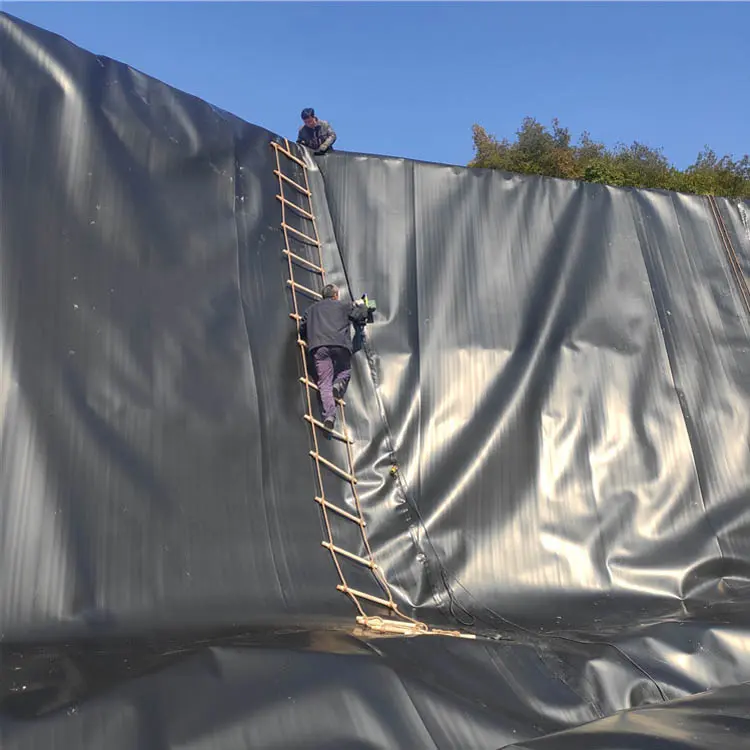
Third, in the river and channel governance, geomembrane also has a wide range of applications. Rivers and channels are very important components of water conservancy projects, they can not only regulate water flow, protect farmland and urban infrastructure, but also improve the ecological environment of the entire region. However, in the governance process will encounter some difficult problems, such as loopholes, landslides and so on. At this time the use of geomembrane can be a good solution to these problems.
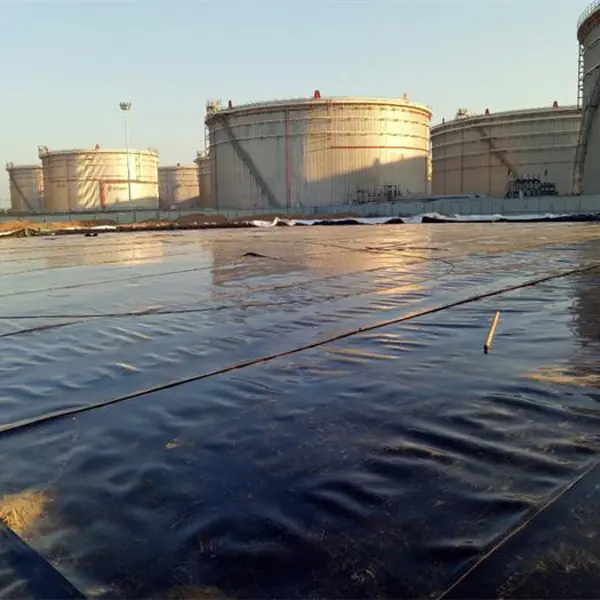
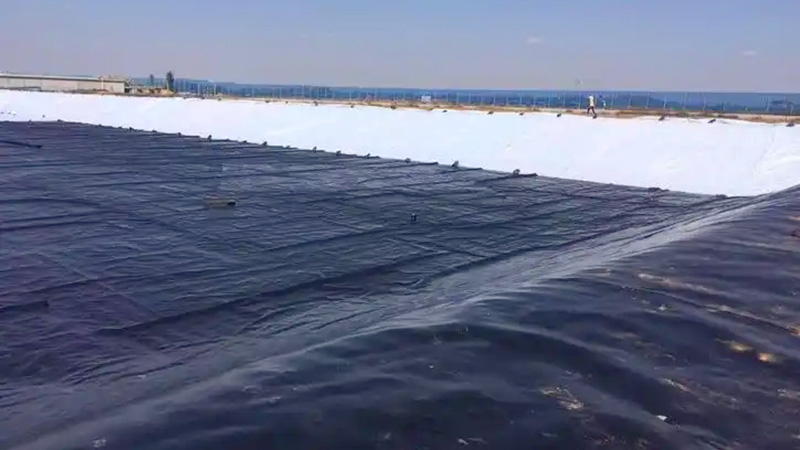
Deploying robust liners under heavy oil storage terminals prevents environmental catastrophes by holding hazardous chemical spills. Combining HDPE geomembranes with concrete protection blankets creates secondary containment systems designed to last over 30 years under constant industrial exposure.
The cellular confinement industry is transitioning from standard HDPE configurations towards next-generation materials designed for extreme service conditions and lower carbon footprints. Leading research concentrates on two key vectors:
Expert technical answers to assist designers, procurement agents, and contractors in selecting the correct geocell systems.
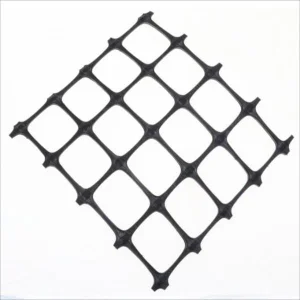
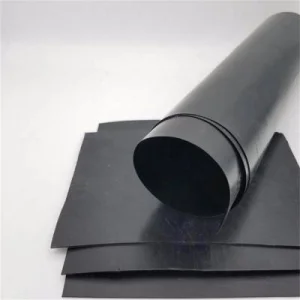
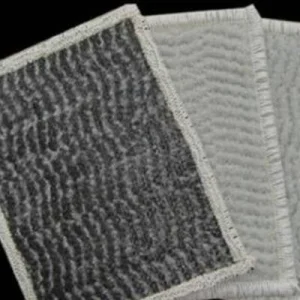
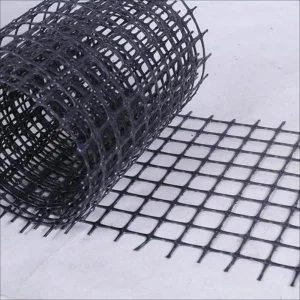
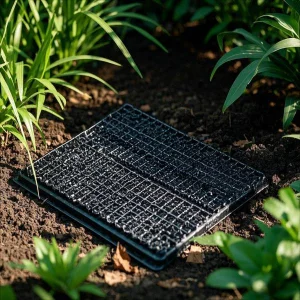
Additional specialized geogrids, drainage systems, and waterproof barriers manufactured by Shandong Hongyue.
 Hongyue