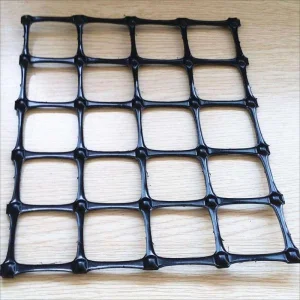
In modern civil engineering, soil stabilization and subgrade reinforcement represent critical challenges that dictate the longevity of high-capacity infrastructures. The term Geogrid 120 denotes a high-performance polymer grid configuration optimized to deliver a minimum ultimate tensile strength of 120 kN/m in either uniaxial or biaxial directions. As global urbanization shifts developments toward marginal soils, peatlands, and seismically active corridors, standard load-bearing designs are no longer sufficient. Geogrid 120 fills this engineering gap by distributing localized point loads across vast planar structures, transforming unconfined lateral forces into controlled vertical loads through aggregate interlock mechanics.
As a leading geotechnical authority, Shandong Hongyue Environmental Engineering Co., Ltd. specializes in the synthesis and distribution of heavy-duty polymeric materials designed to reinforce high-stress zones. Geogrid 120 relies on high-molecular-weight polyethylene (HDPE), polypropylene (PP), or high-tenacity polyester (PET) fibers. These polymers undergo intensive extrusion, drawing, and punching phases to align their crystalline structures. This molecular alignment is what gives our Geogrid 120 systems their high secant modulus and excellent resistance to long-term tensile creep.
SEO Information Gain Note: Unlike generic geosynthetic summaries, this whitepaper evaluates Geogrid 120 through empirical laboratory benchmarks, long-term junction efficiency metrics (in accordance with GRI-GG2), and dynamic load-bearing tests under cyclic traffic simulation. This ensures engineering contractors receive verified data for high-stakes projects.
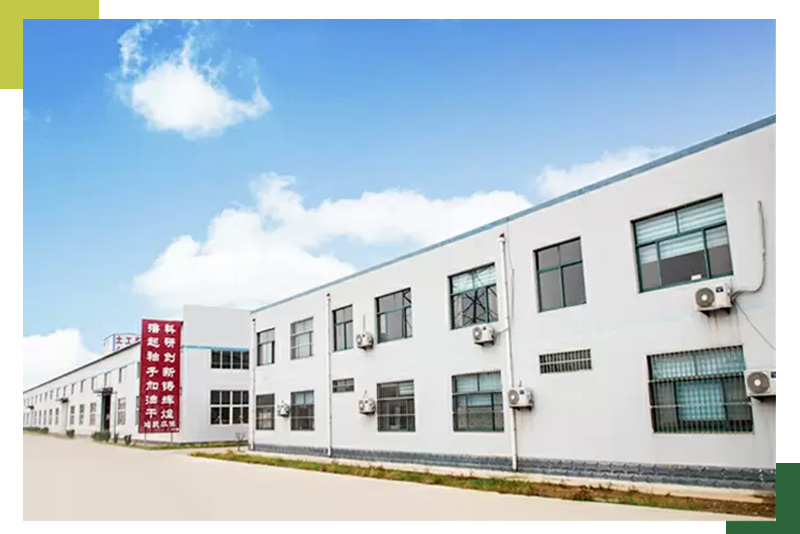
Shandong Hongyue Environmental Engineering Co., Ltd., situated at the north end of Fufeng Street, Lingcheng District, Dezhou, Shandong Province, stands as a top-tier Chinese scientific and technological geotechnical material manufacturer. Since our founding, we have integrated comprehensive material production, sales, structural design, and field construction services. Registered with a robust capital of 105 million Yuan, Hongyue has established one of the largest modern manufacturing and testing bases for geosynthetics in China.
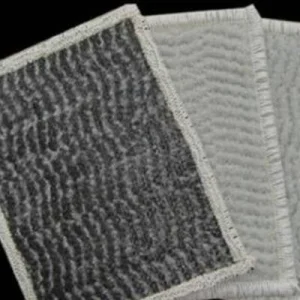
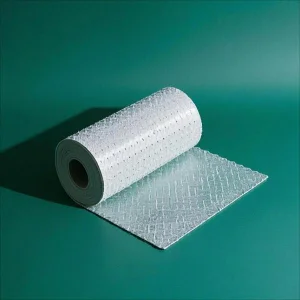
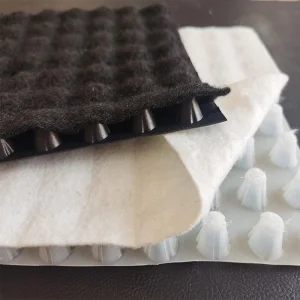
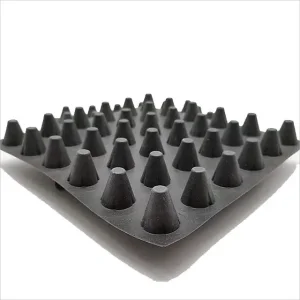
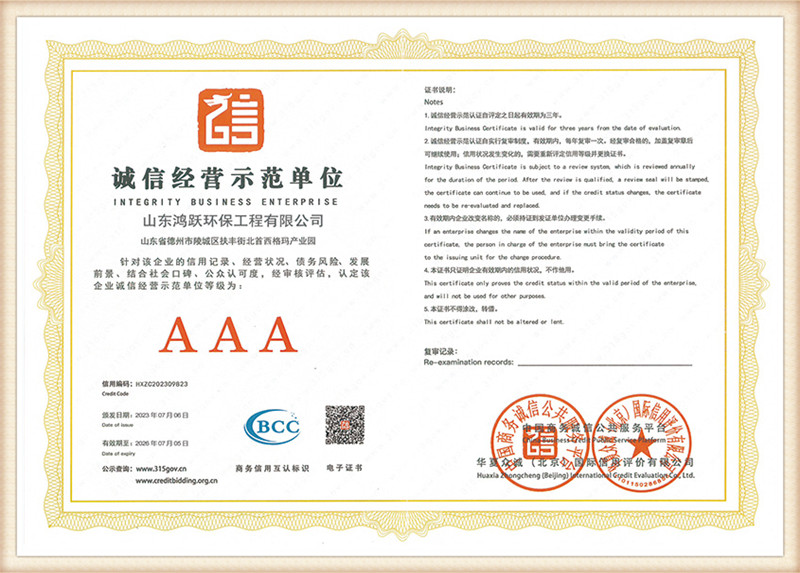
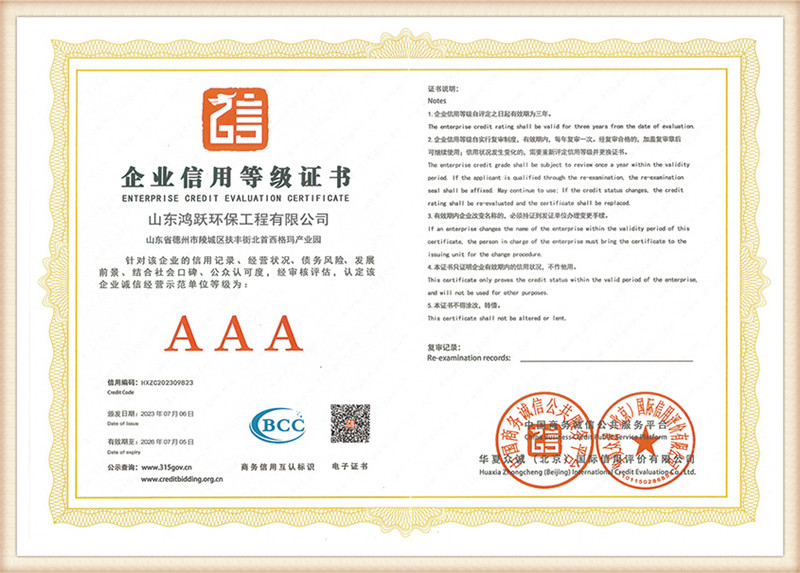
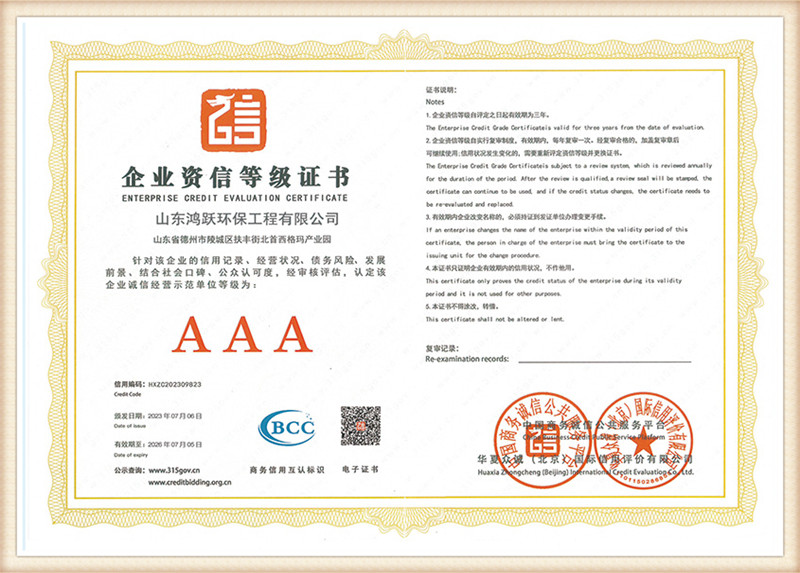
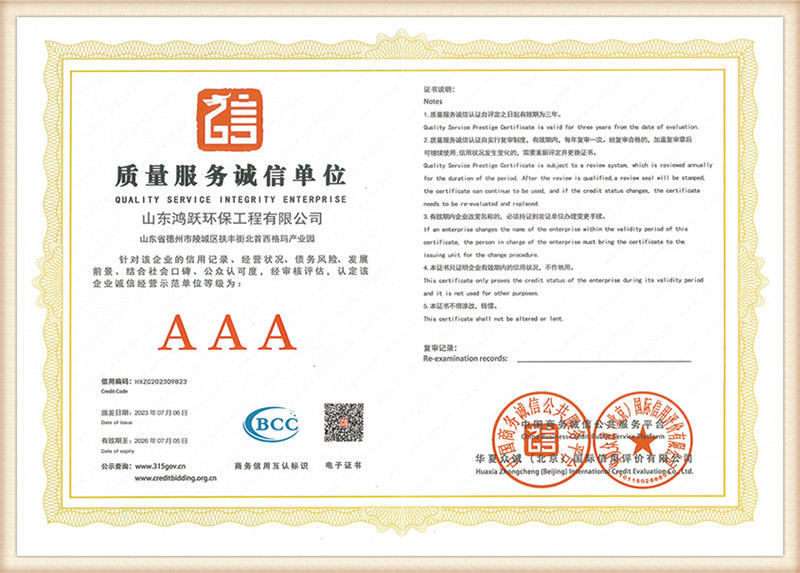
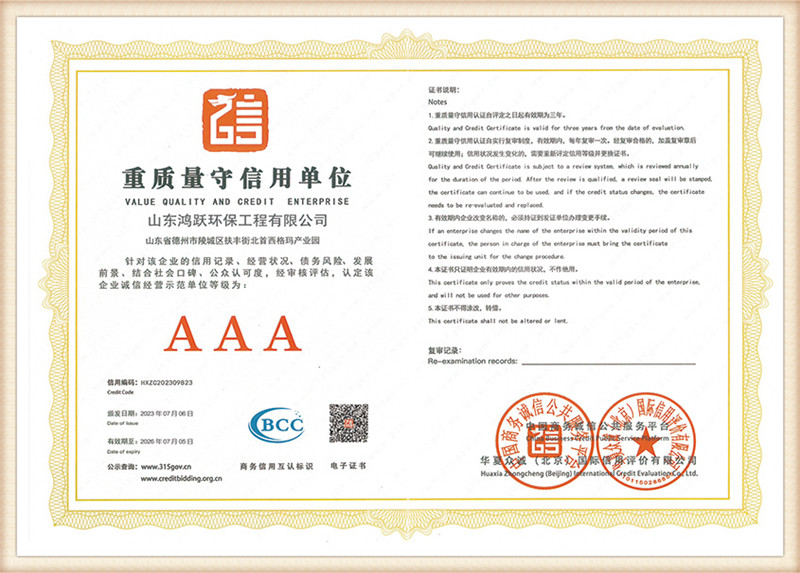
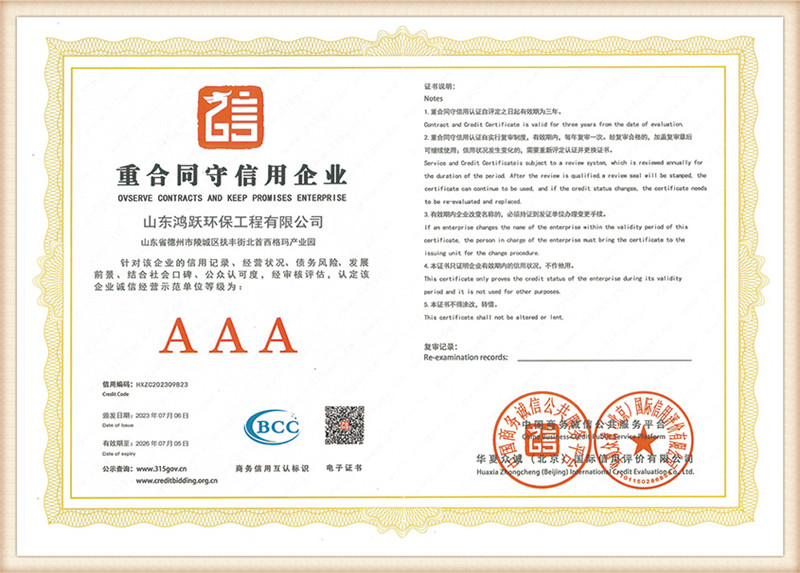
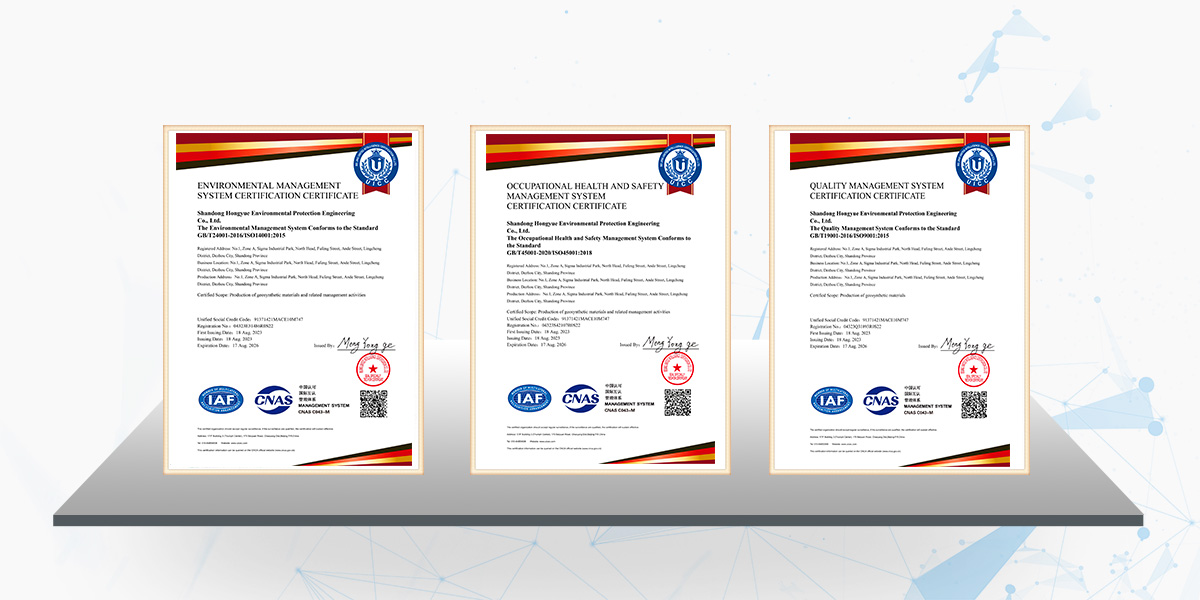
Our comprehensive production capabilities allow us to supply diverse systems: geotextiles, geomembranes, composite waterproofing boards, bentonite waterproof blankets, 3D drainage nets, and our high-strength Geogrid series. We operate in strict compliance with international standards, holding certifications for ISO9001:2015 Quality Management, ISO14001:2015 Environmental System, and ISO45001:2018 Occupational Health and Safety.
Geogrid 120 is designed to resolve unique localized engineering challenges worldwide. It adapts to distinct climate zones, geological formations, and project demands:
Under continuous cyclic dynamic loading, subgrade soils suffer from cumulative plastic deformation. Geogrid 120 locks ballast and sub-ballast aggregates within its apertures, preventing lateral particle movement and mitigating differential settlement along high-speed rail lines.
In regions prone to liquefaction and shifting soil profiles (such as coastal areas), Geogrid 120 acts as a continuous tension membrane. It distributes vertical shear stress horizontally to safeguard roads and retaining walls against structural failure.
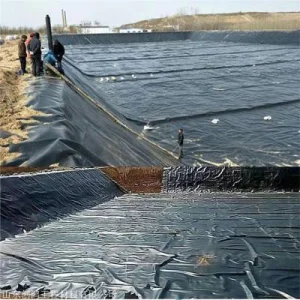
Industrial waste containment demands secure steep slopes. Geogrid 120 reinforcing layers are installed within soil veneers to resist sliding forces, ensuring geomembrane liners and clay systems remain uncompromised over decades of operation.
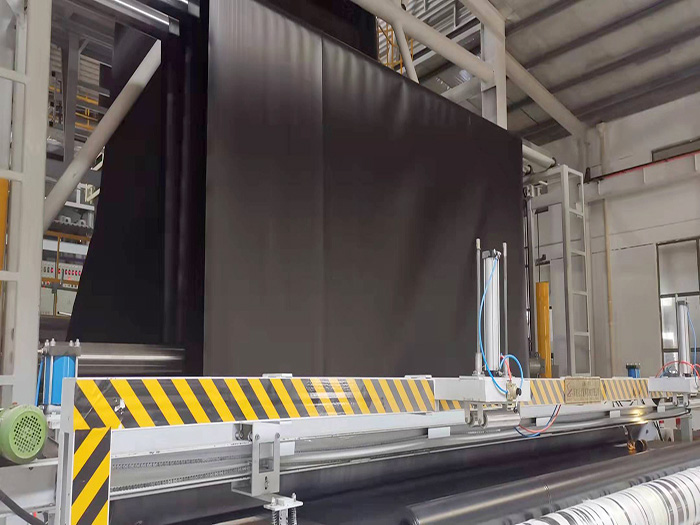
Our production plant leverages digital control loops to guarantee homogeneous mechanical performance. The manufacturing process of our geosynthetic grids and textile materials consists of the following key stages:
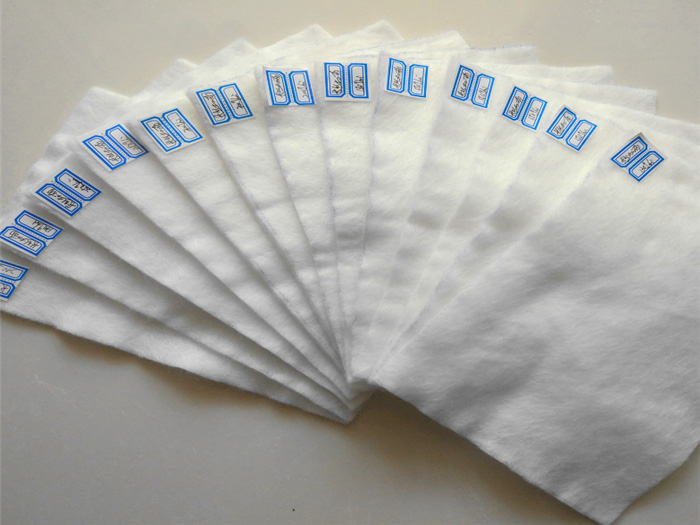
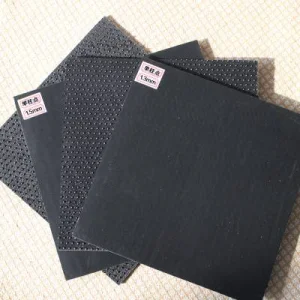
Our team uses premium, high-density polyethylene chips and polypropylene filaments mixed with carbon black for enhanced UV resistance. These raw materials are melted at precise temperatures, then extruded into flat, continuous polymer sheets of uniform thickness.
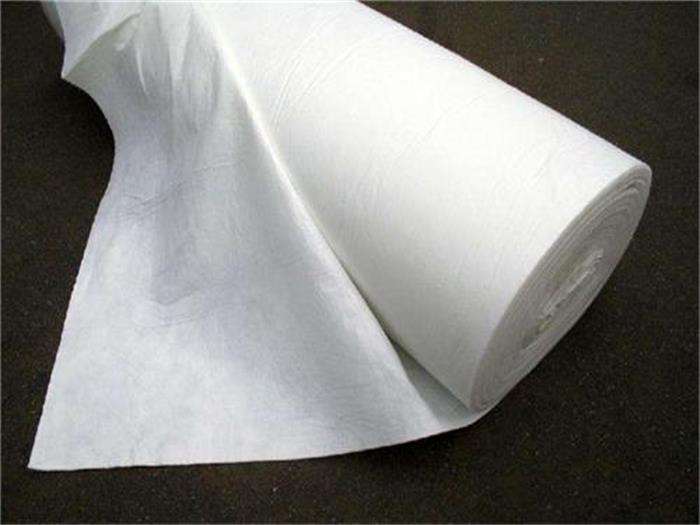
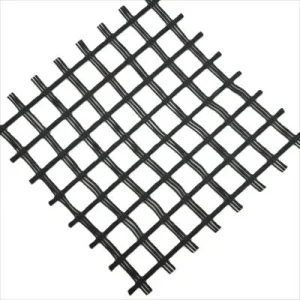
The solid polymer sheets are punched with a computer-controlled grid pattern. The sheet is then heated and stretched under tension (uniaxially or biaxially). This process aligns the molecular chains along the ribs, significantly increasing the tensile strength to 120 kN/m and higher.
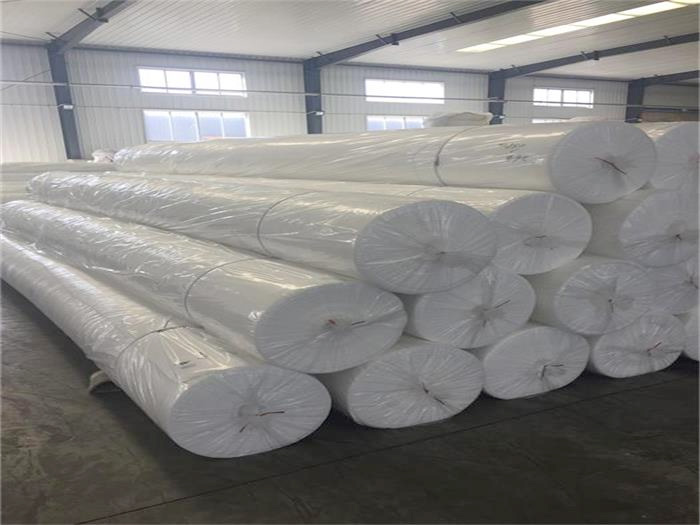
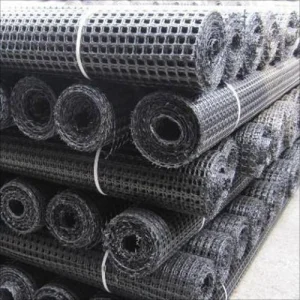
We test samples from every batch to measure junction strength, aperture stability, and load-bearing performance. Once approved, the geogrids are rolled and labeled, ready for international shipment and field deployment.
Purchasing Geogrid 120 directly from Shandong Hongyue offers substantial supply chain advantages that generic trading intermediaries cannot match. Located in the Lingcheng District of Dezhou, Shandong Province, our company sits at the heart of China's primary geotextile manufacturing hub. This location gives us direct access to raw material producers, lowering transportation and production costs.
We manage logistical risks through long-term partnerships with major domestic shipping networks and deep-water ports, including Qingdao and Tianjin. Our extensive warehousing capacity allows us to maintain ready-to-ship stock. This ensures quick deliveries even during peak shipping seasons, protecting your projects from costly delays.
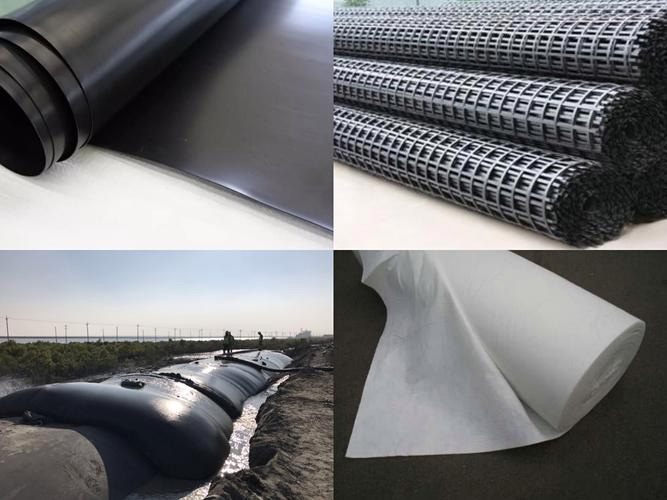
Proper installation is essential to maximize the 120 kN/m tensile rating of our geogrids. Our engineering team provides detailed steps to ensure high-performance site preparation and secure grid placement:
Subgrade Preparation: Clear all debris, large stones, and organic matter from the site. Grade and compact the foundation soil to the specified density using vibratory rollers.
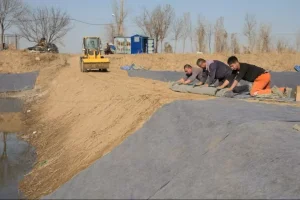
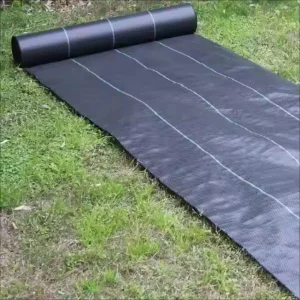
Unrolling & Tensioning: Place the geogrid flat along the alignment path without wrinkles. Tension the grid manually or with mechanical pullers before fastening it to the ground. This ensures immediate load transfer when the aggregate is placed.
Aggregate Placement & Compaction: Dump aggregate onto the installed geogrid, spreading it in uniform lifts (typically 150mm to 300mm thick). Ensure that heavy machinery does not drive directly on the exposed geogrid before the first aggregate layer is fully compacted.
The geosynthetics industry is shifting from passive structural stabilization toward smart, sustainable, and adaptive systems. As a leading manufacturer, Shandong Hongyue is investing in research to keep our materials at the forefront of engineering technology:
We are developing geogrids with integrated fiber-optic and conductive lines. These smart grids measure real-time soil deformation, temperature, and moisture levels, providing early warning data for critical highway slopes and bridge abutments.
To reduce carbon footprints, we are testing biodegradable and plant-derived polymer blends. These formulas provide high mechanical strength during construction, then safely degrade after the surrounding soil has naturalized and stabilized.
By blending advanced carbon allotropes into our polyolefin resins, we aim to double resistance to UV degradation and chemical leaching. This extends the service life of our geogrids to over 120 years in highly acidic or alkaline soils.
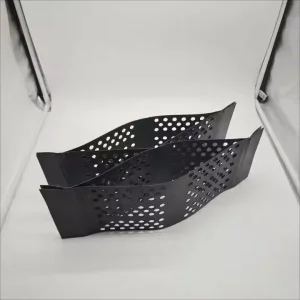
Our geosynthetic products work together as complete systems to solve containment, separation, and reinforcement challenges. Below are typical project setups using geomembranes, geocells, and geogrids:
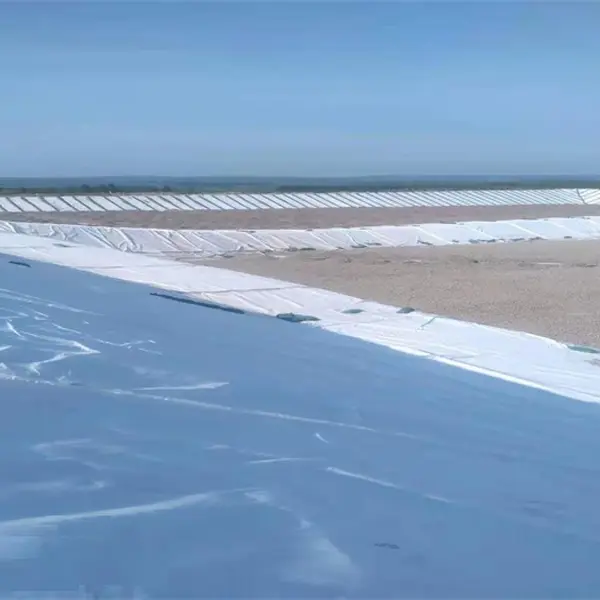
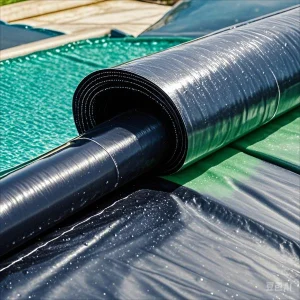
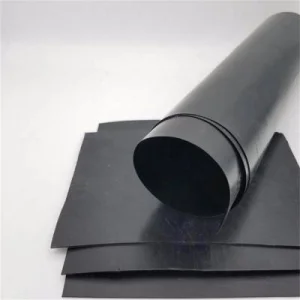
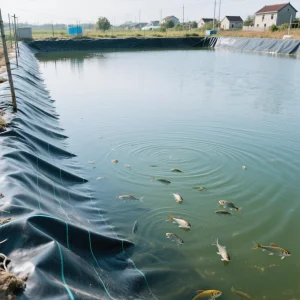
Combining geomembranes with protection geotextiles provides reliable seepage control in reservoir beds, municipal canals, and artificial lakes.
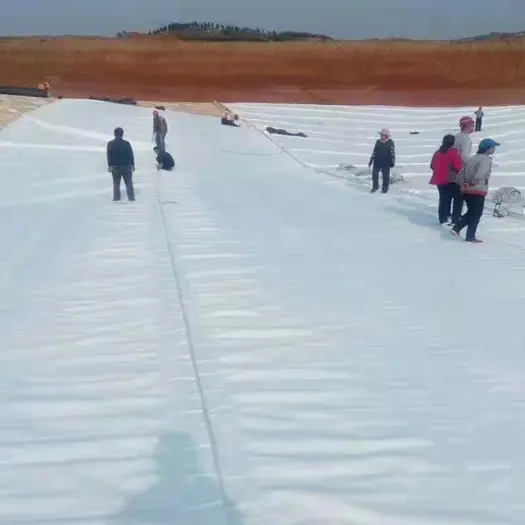
Reinforcing riverbank soils with geogrids and erosion blankets keeps channels stable and prevents soil loss during high-flow seasons.
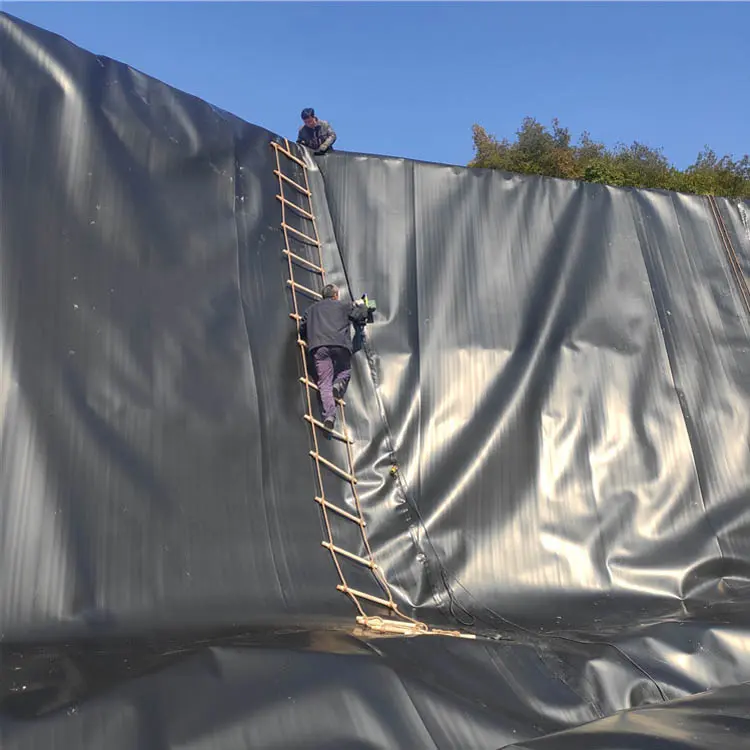
Multi-layered systems featuring bentonite blankets, textured geomembranes, and geogrids securely contain waste and manage leachate.
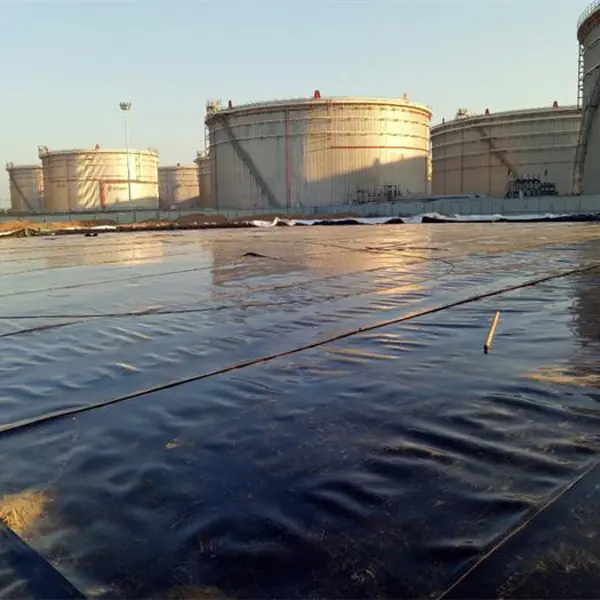
Heavy-duty containment lining around petrochemical tanks protects ground soil and local water tables from accidental oil or chemical spills.
The "120" designates an ultimate tensile strength of 120 kN/m at maximum load. Testing follows ASTM D6637 procedures, pulling single ribs or multi-rib specimens to calculate the tensile limit. It also measures the grid's resistance to elongation under load, ensuring the material performs as specified under structural stress.
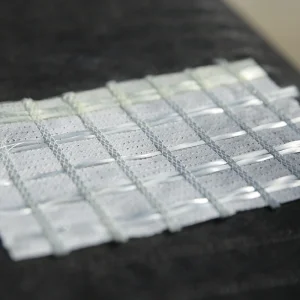
Retaining walls require Uniaxial Geogrid 120, which is engineered to handle primary tensile loads along a single direction. For pavements, subgrades, and shallow foundations where stress comes from multiple angles, Biaxial Geogrid 120 is the ideal choice to distribute loads evenly.
Junction efficiency measures how well load transfers from rib to rib through the grid junctions. Our punched-and-stretched manufacturing creates monolithic junctions from a single sheet. This provides higher shear resistance and structural stability compared to woven or welded geogrids.
Yes, our high-density polyethylene (HDPE) and polypropylene (PP) geogrids are chemically inert. They resist acids, alkalis, and salts common in coastal soils and landfills, preventing biodegradation and ensuring stable performance over long service lives.
We run internal testing laboratories that monitor every production batch from raw material processing to final roll winding. Our ISO9001 certified quality control system guarantees that all geosynthetic shipments meet or exceed international engineering specifications.
 Hongyue