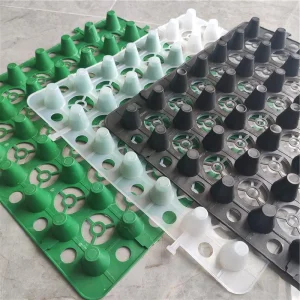
Explore our CE-certified engineering line, designed for civil infrastructure, slope protection, and environmental containment projects worldwide.
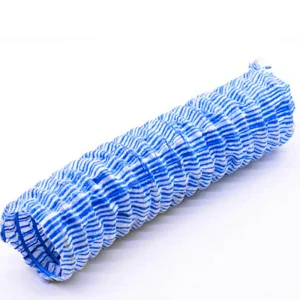
An authoritative analysis of load distribution mechanics, polymeric innovations, and sustainable ground reinforcement structures.
Modern geotechnical engineering faces the dual challenge of accommodating severe infrastructure loads and mitigating environmental erosion. Over the past three decades, the transition from traditional, passive stabilization systems to active cellular confinement technologies (Geocells) and high-performance geosynthetics (Ge) has revolutionized how we stabilize subgrades, control hydraulic flow, and isolate hazardous materials.
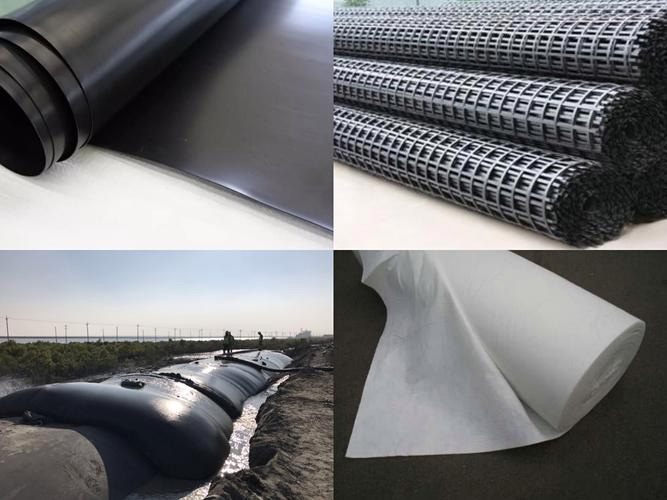
By leveraging advanced polymers such as High-Density Polyethylene (HDPE), Polypropylene (PP), and Polyester (PET), geosynthetic engineers design three-dimensional structures capable of converting lateral forces into vertical load support. This confinement mechanism dramatically reduces structural settlement and the required depth of costly base aggregates. As a premier Chinese manufacturer, Shandong Hongyue Environmental Engineering Co., Ltd. sits at the forefront of this industrial shift, supplying high-performance geocells, geomembranes, and geotextiles to key global engineering projects.
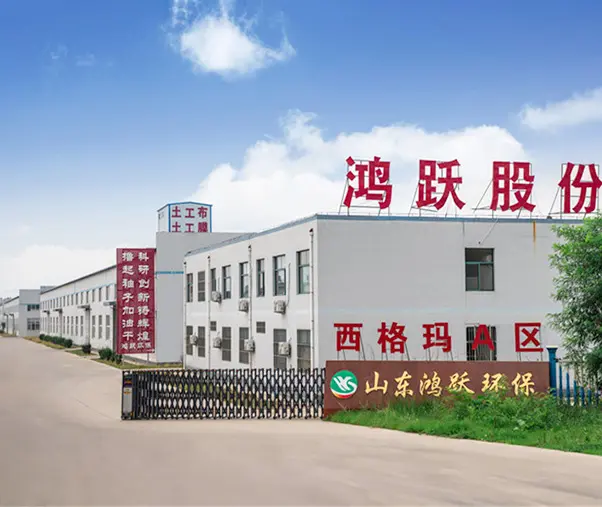
Delivering high-tech engineering materials with a registered capital of 105 million Yuan.
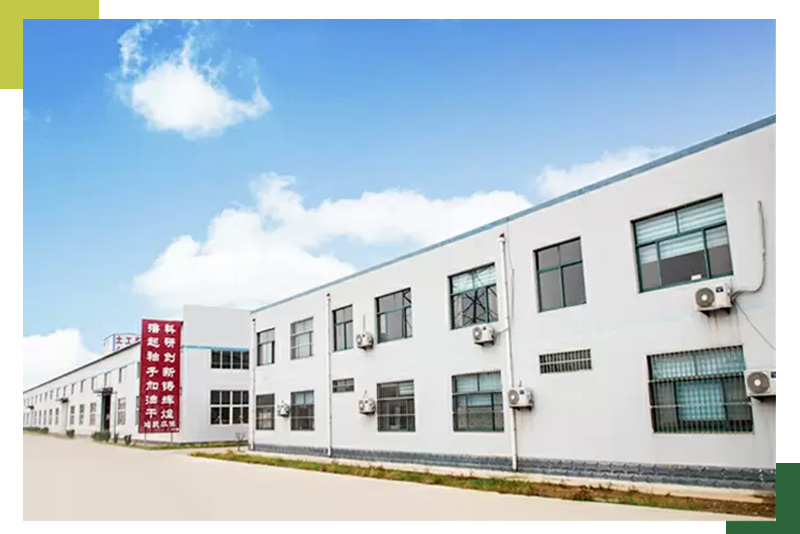
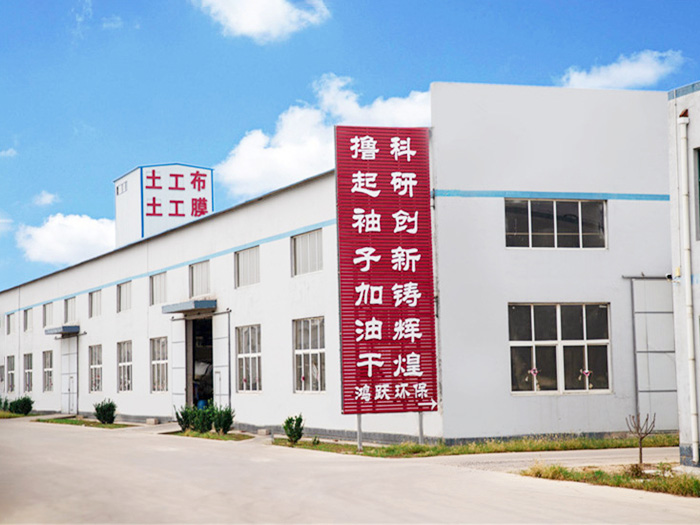
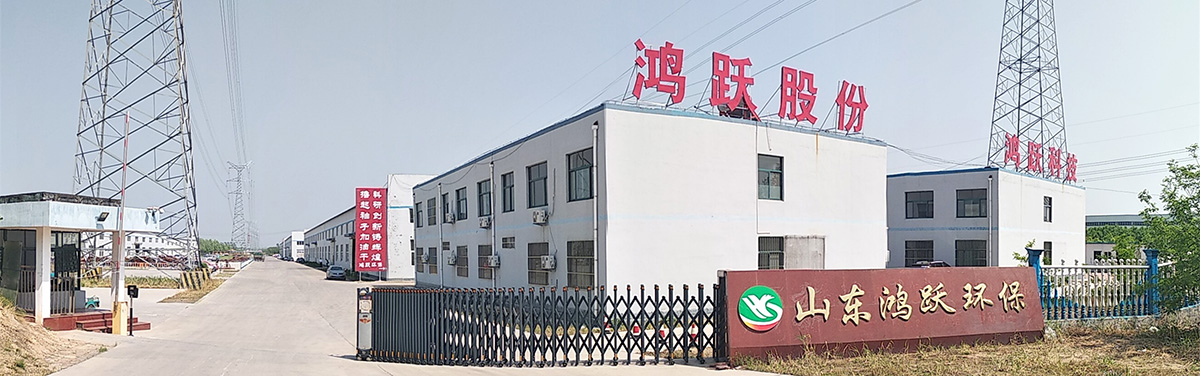
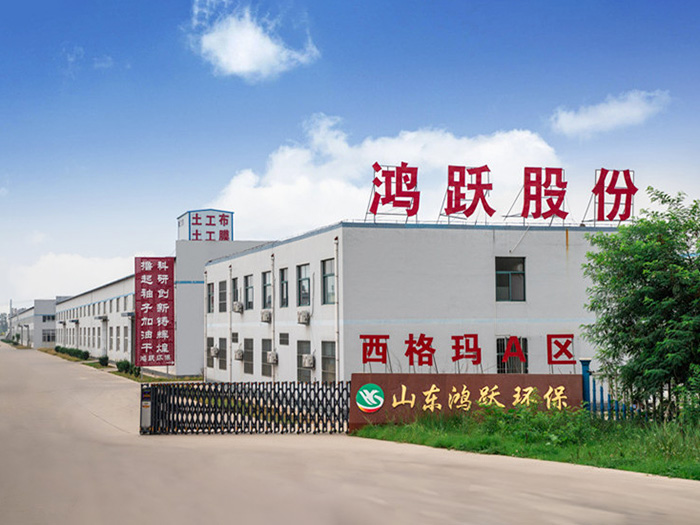
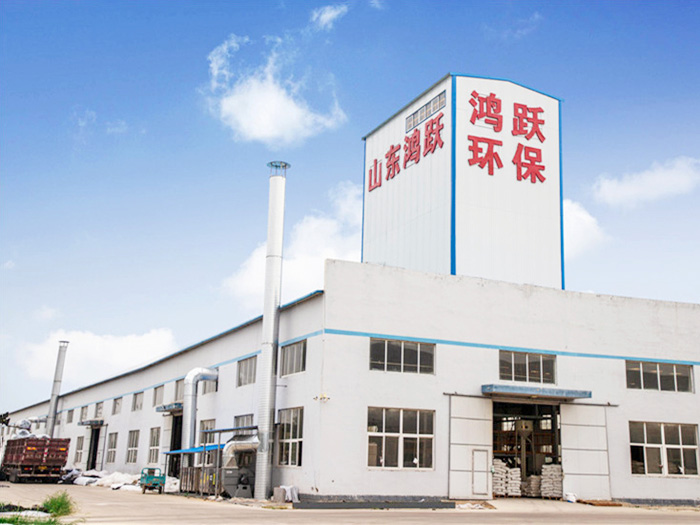
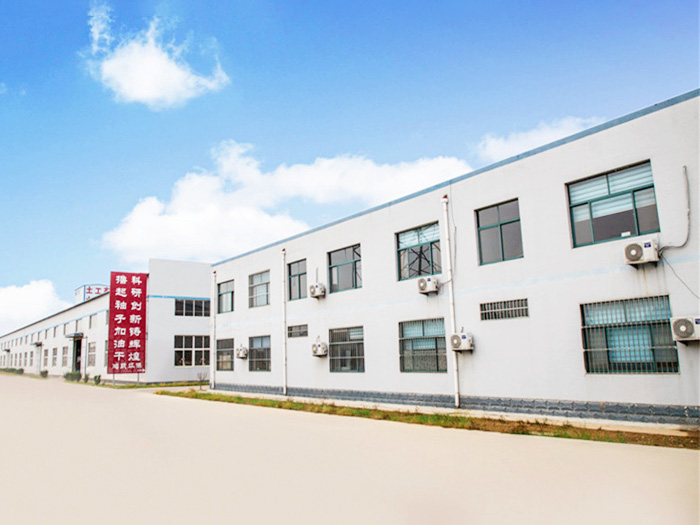
Shandong Hongyue Environmental Engineering Co., Ltd., located at the north end of Fufeng Street, Lingcheng District, Dezhou, Shandong Province, is a leading scientific and technological geotechnical material manufacturer. We seamlessly integrate engineering material production, sales, design, and construction services. The company was registered in the Lingcheng District Market Supervision and Administration Bureau of Dezhou City on April 6, 2023, with a registered capital of 105 million Yuan.
Today, Hongyue represents one of the largest production bases of geotechnical materials in China. Our geographical location in Dezhou provides direct access to high-velocity shipping corridors, connecting our plant directly to Qingdao Port and the Eurasia Railway System. Our professional sales and technical support teams work closely with the Dezhou Geotextile Association to ensure all projects comply with international engineering expectations.
A comparative analysis of engineering geosynthetics, detailing their structural applications and chemical compositions.
| Material Category | Primary Polymer | Key ASTM Standard | Engineering Function | Primary Applications |
|---|---|---|---|---|
| Geocells (PP/HDPE) | High-Density Polyethylene | ASTM D5199 / D1505 | Confinement & Load Distribution | Subgrade stabilization, green retaining walls, slope reinforcement |
| Geomembranes | HDPE / LLDPE | ASTM D6693 / D1004 | Impermeable Containment & Seepage Control | Landfills, mining tailing ponds, agricultural reservoirs |
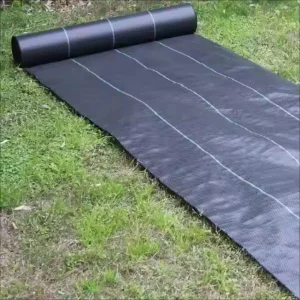
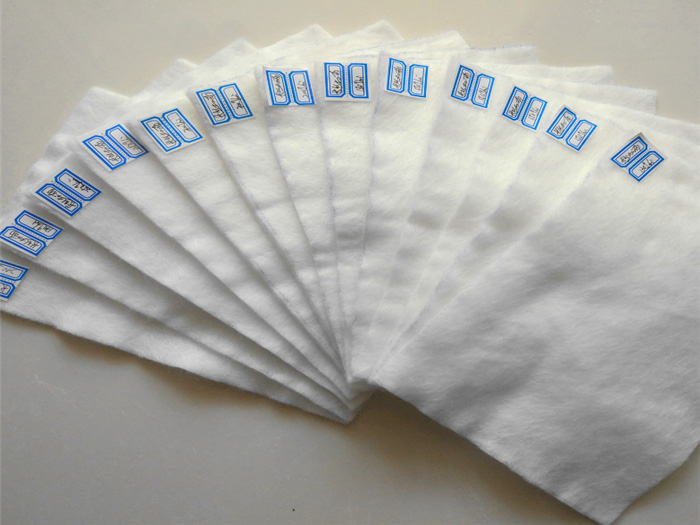
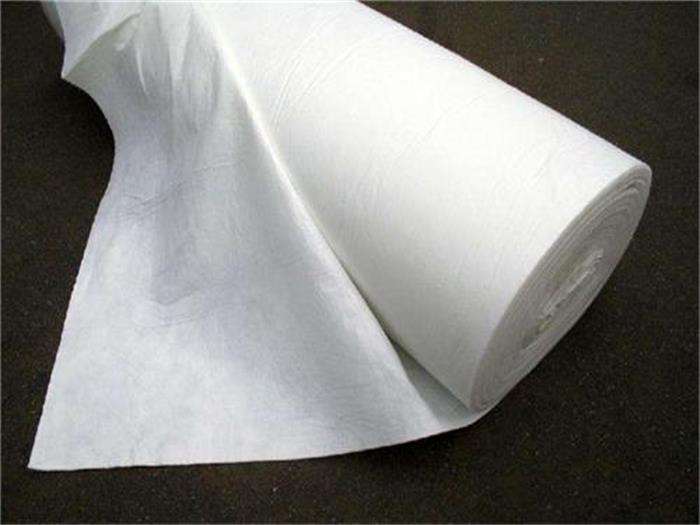
| Geotextiles (Non-woven) | Polyester (PET) / PP | ASTM D4632 / D4533 | Filtration, Separation & Drainage | Sub-base separation, railway ballast stabilization, coastal protection |
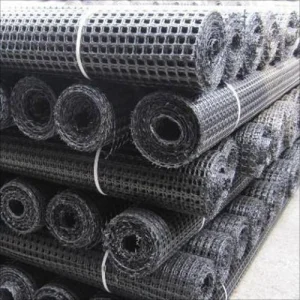
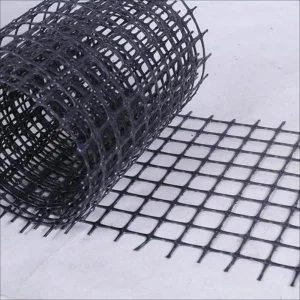
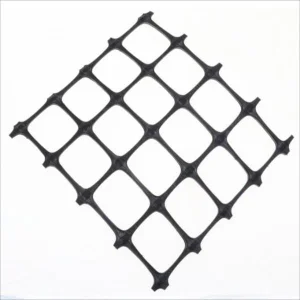
| Geogrids (Biaxial/Uniaxial) | Polypropylene / Steel-Plastic | ASTM D6637 / D5262 | Tensile Reinforcement | Retaining wall reinforcement, heavy-duty logistics pavements |
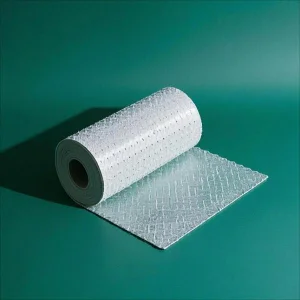
Engineered using continuous textured strips ultrasonically welded at precise intervals. The 3D honeycomb layout confines soils, transforming weak soils into high-capacity load support zones.
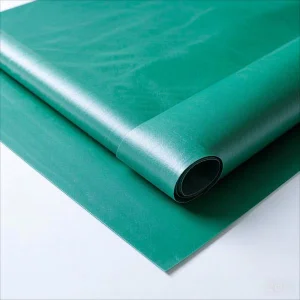
Manufactured using advanced blown-film processes with added carbon black and anti-aging agents, making them highly resistant to ultraviolet radiation and chemical degradation.
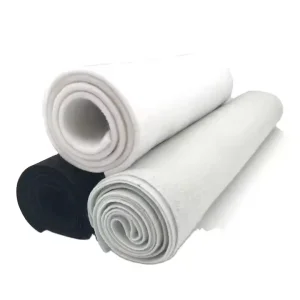
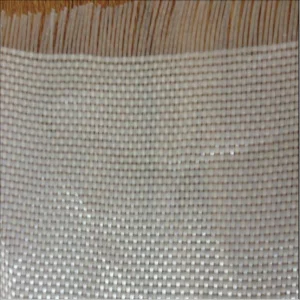
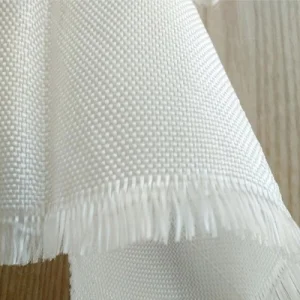
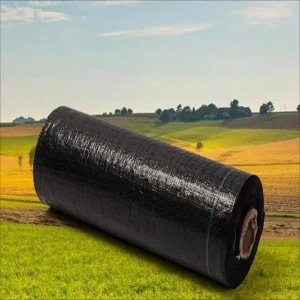
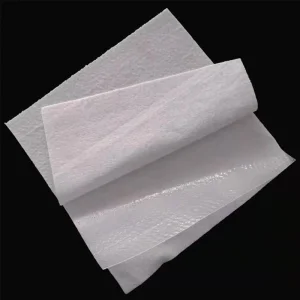
Both needle-punched non-wovens and high-strength wovens excel at preventing subgrade soil migration into aggregate bases while maintaining excellent hydraulic transmissivity.
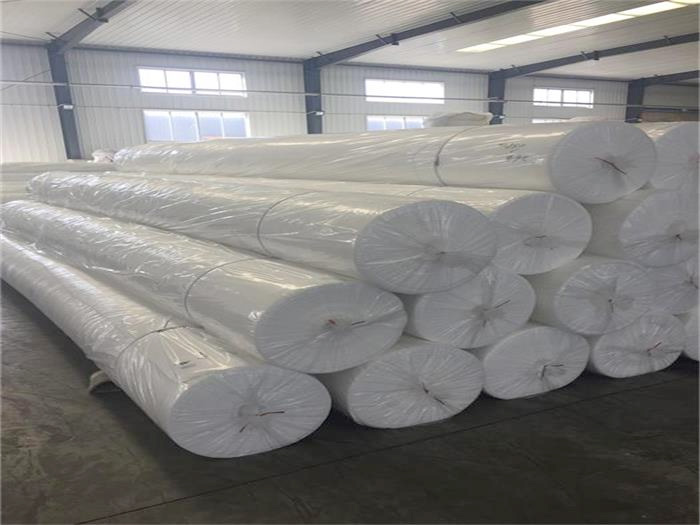
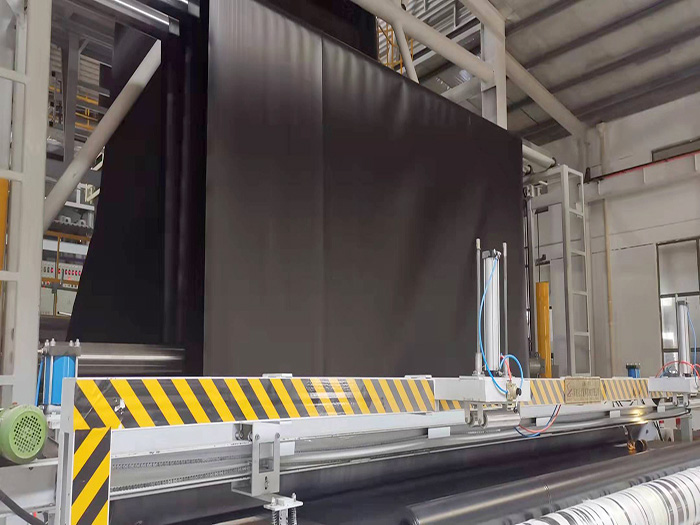
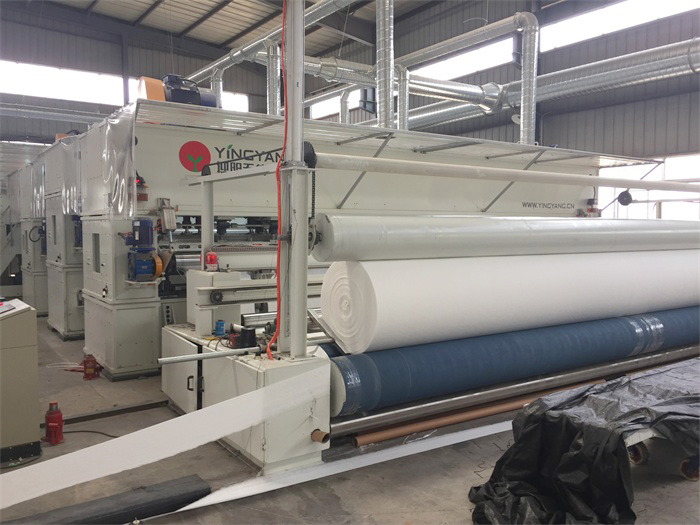
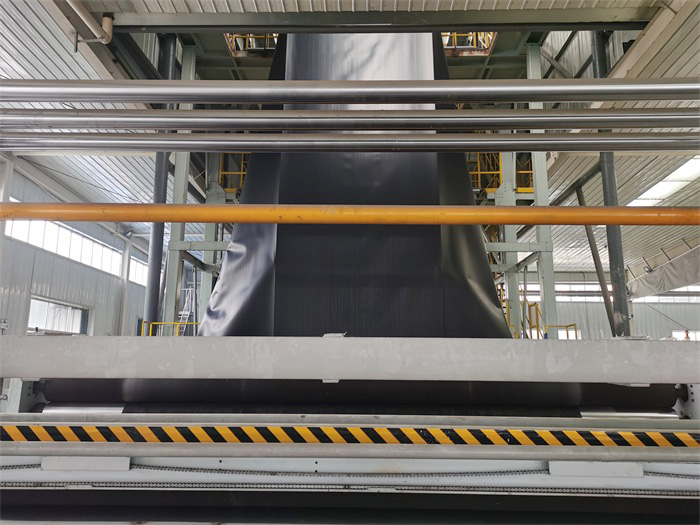
A deep dive into Shandong Hongyue's advanced production floor, showing step-by-step how raw polymers are transformed into high-performance geosynthetics.
Geotextile is widely used in civil engineering projects, serving critical functions like filtration, isolation, reinforcement, and protection. Our modern plant coordinates raw material preparation, extrusion, and quality inspection through computerized closed-loop feedback systems to maximize efficiency and stability.
Proven engineering methods for site preparation, layout design, welding, and inspection in civil infrastructure.
Geomembranes play a vital role in preventing seepage, isolating contaminants, and reinforcing civil projects. Selecting the right materials and following proper laying and welding steps on-site are key to ensuring long-term containment integrity.
Geosynthetic systems built for water conservancy, environmental containment, and slope stabilization.
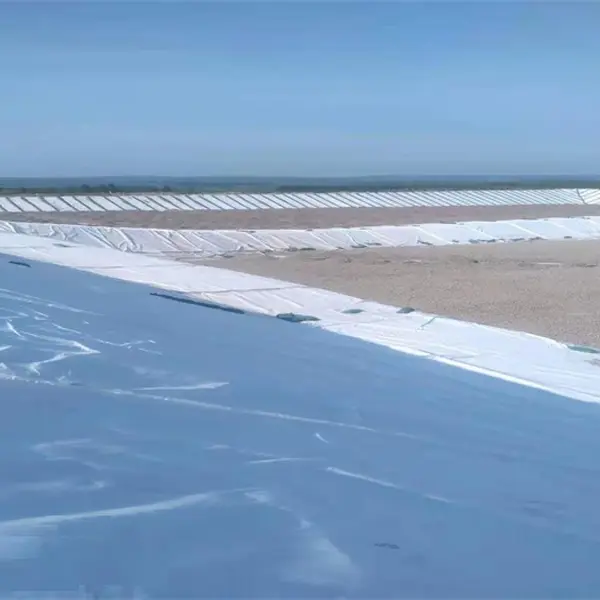
Our geomembranes prevent water seepage in reservoirs, canals, and river channels, preserving water resources and reinforcing dam structures against erosion.
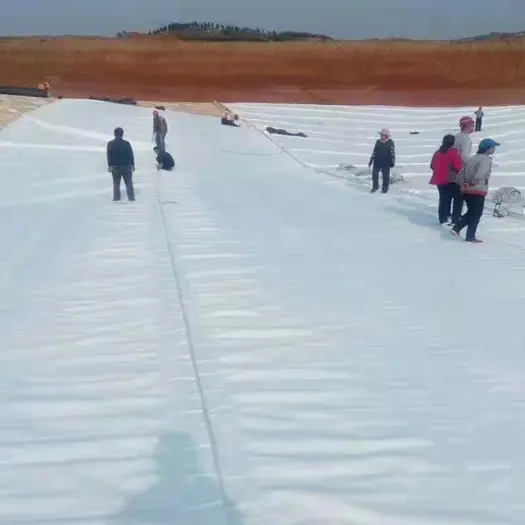
Using composite liners along channels prevents water loss in agricultural systems, keeping transport canals stable even in soft-soil regions.
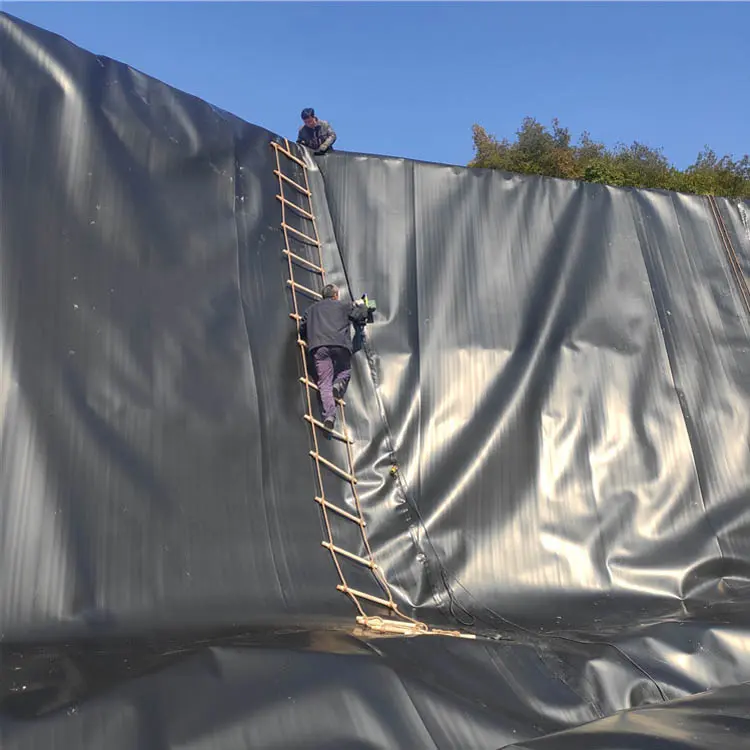
Multi-layered lining systems prevent hazardous landfill runoffs from reaching local groundwater sources, complying with strict municipal environmental guidelines.
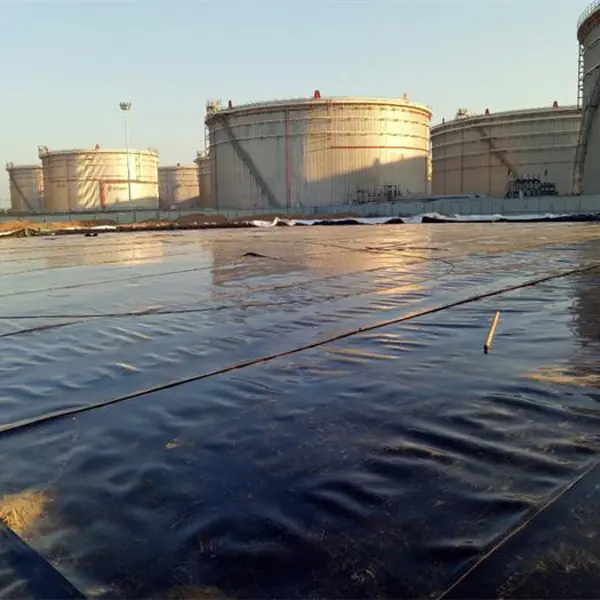
Heavy-duty containment structures installed in oil tank farms and chemical processing areas provide a barrier against accidental petrochemical leaks.
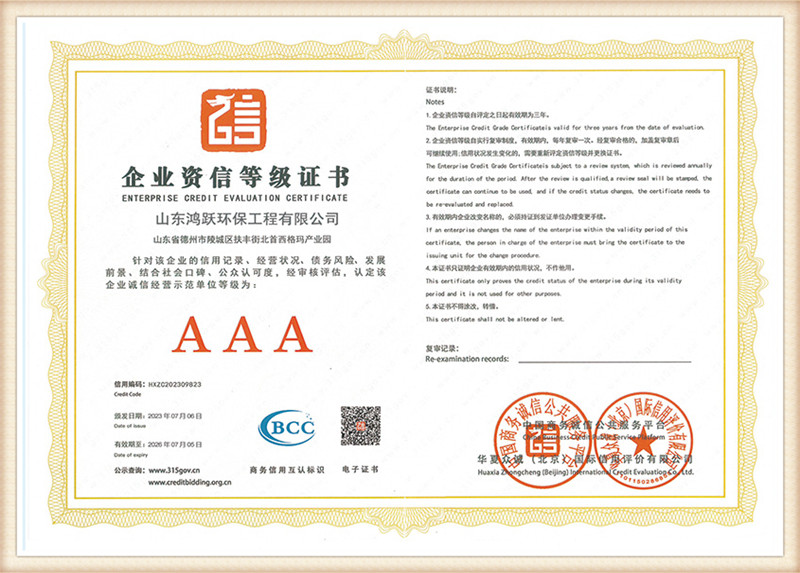
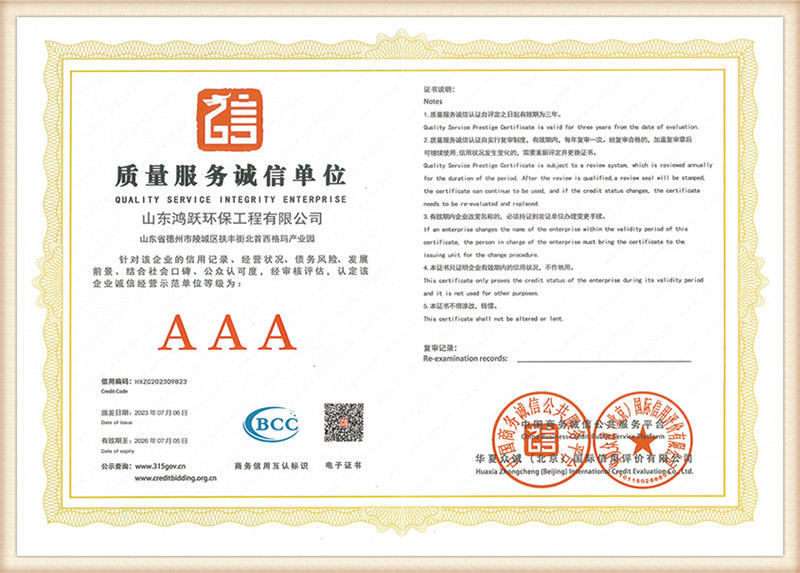
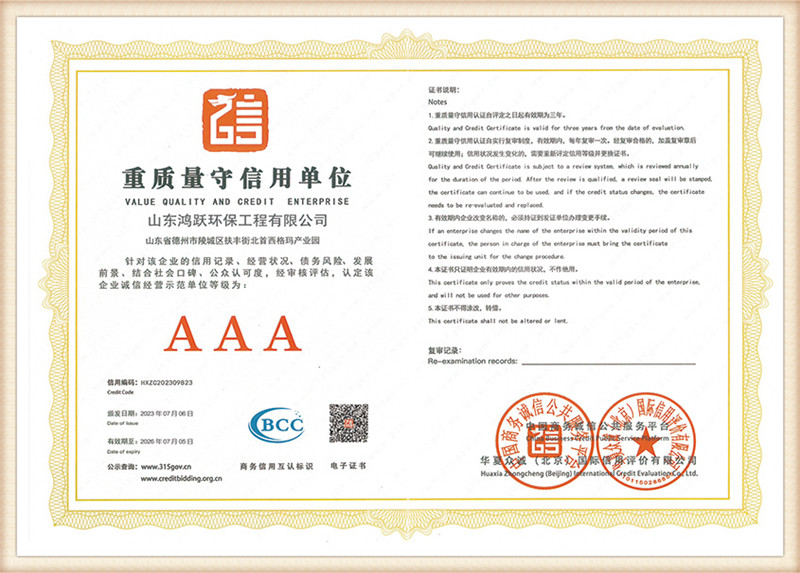
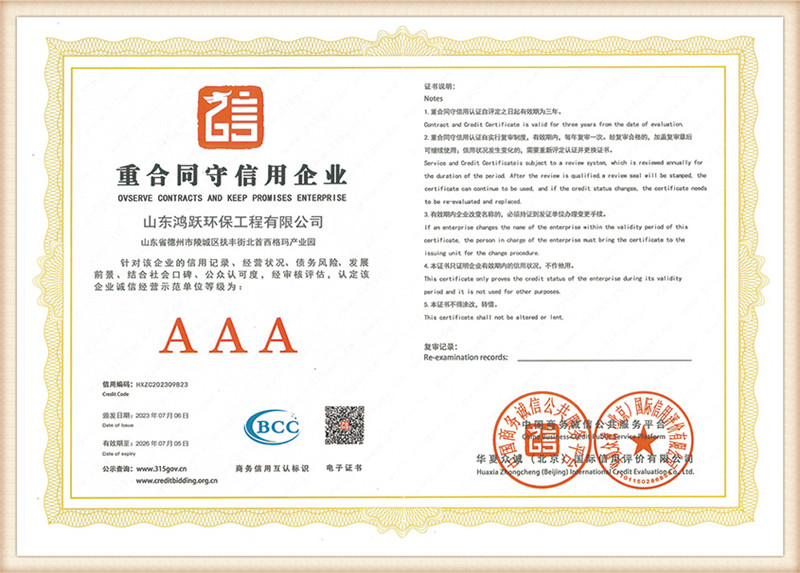
We maintain ISO certifications and run strict batch testing to ensure consistent product performance.
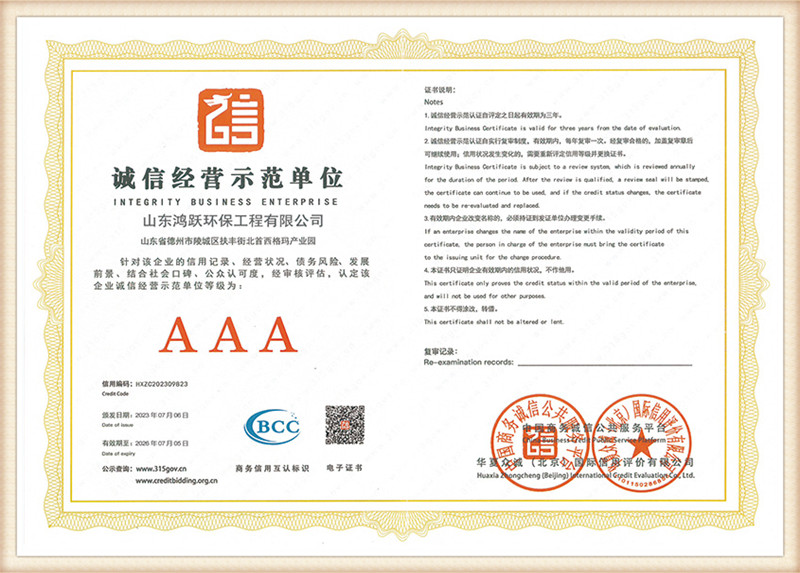
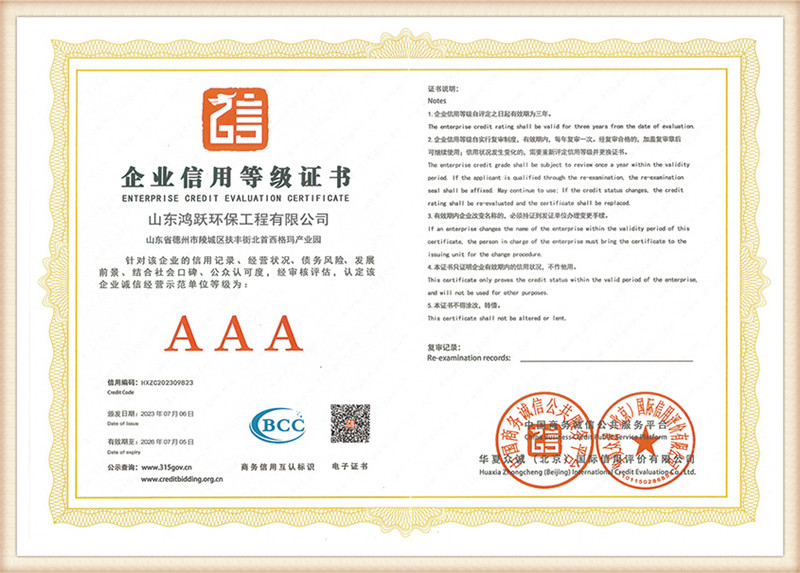
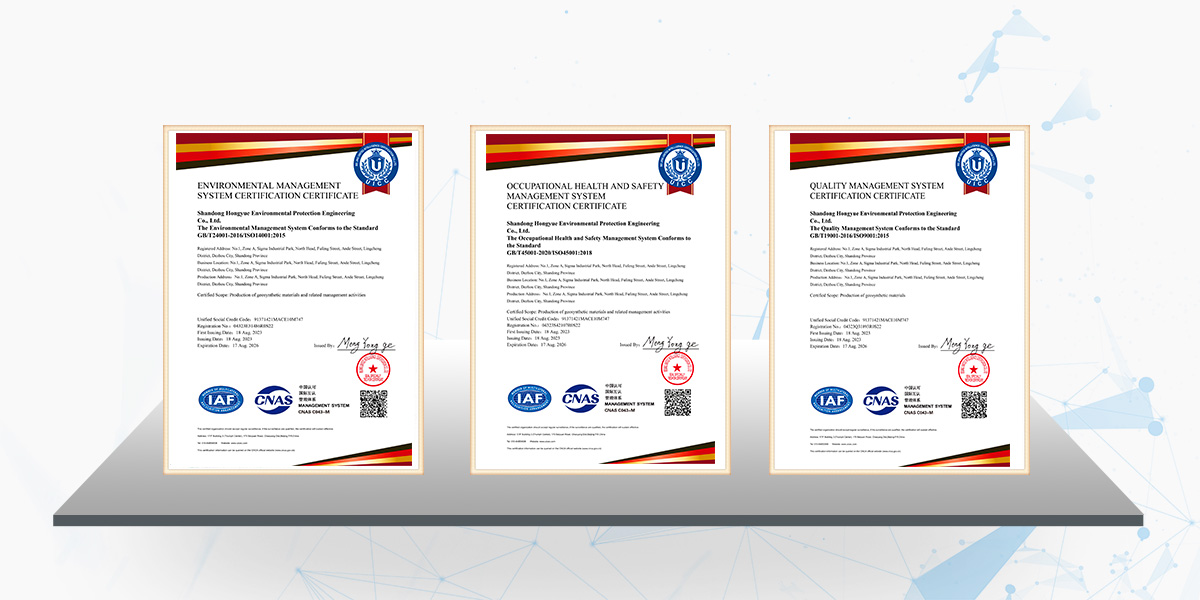
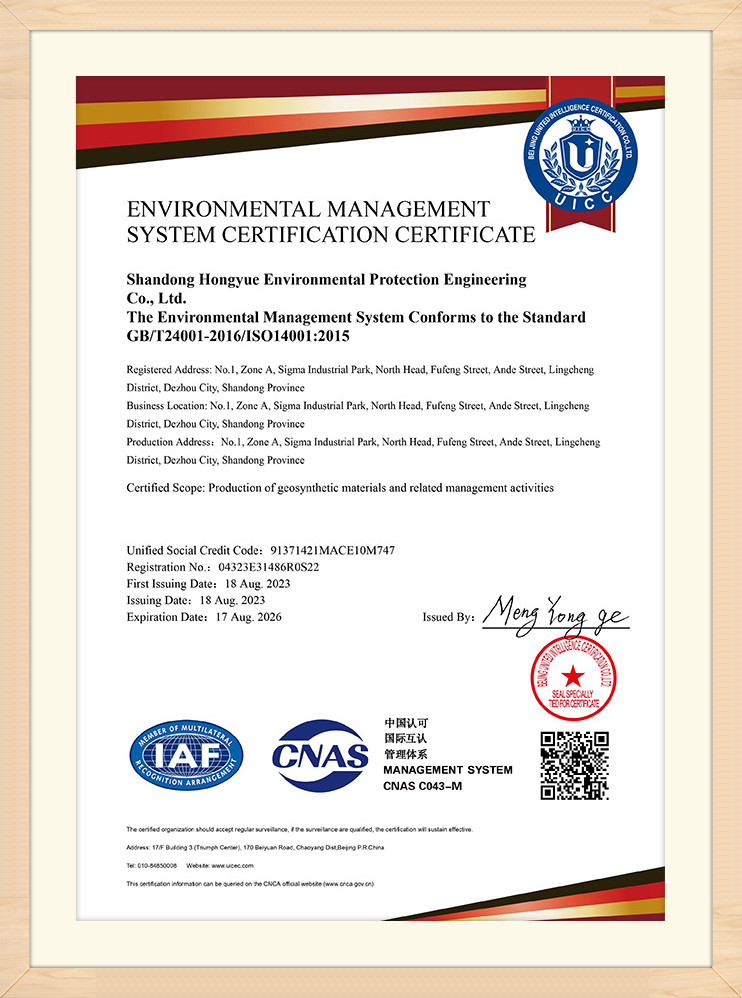
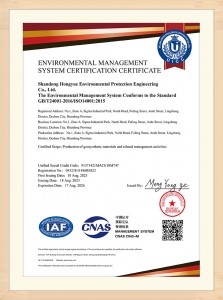
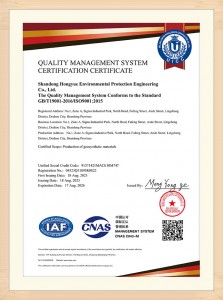
Our company has passed ISO9001 Quality Management System Certification, ISO14001 Environmental System Certification, and ISO45001 Occupational Health and Safety Management Certification. We have also earned recognitions such as "Green and Environmentally Friendly Building Materials Products", "High-Tech Industries", and "Provincial-Level Poverty Alleviation Leading Enterprises".
All products undergo rigorous testing at the China National Testing Center, as well as national quality supervision sampling. We use advanced, precise laboratory equipment to verify material properties, including mechanical puncture resistance, chemical aging resistance, and weld peel strength, ensuring all geosynthetics meet international standards.
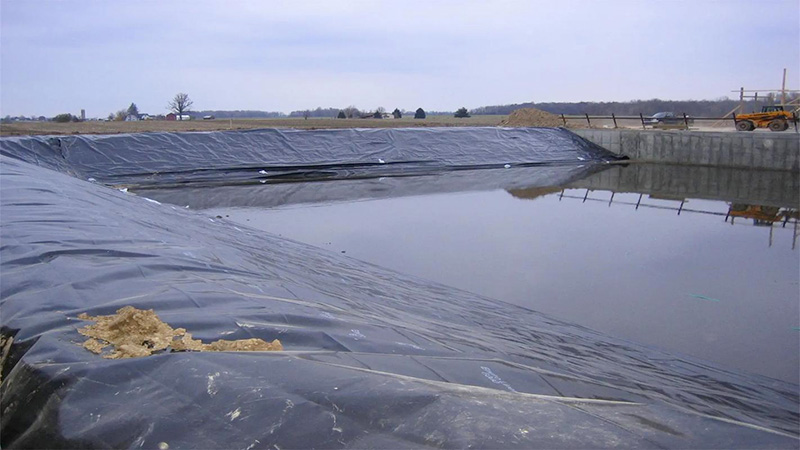
Understanding how flexible impermeable membranes protect dams, levees, and riverbanks.
Geomembranes serve as reliable barriers against water loss in water conservancy projects. Their low permeability, lightweight design, and ease of installation make them a cost-effective choice for modern hydraulic works.
Reservoir Lining: In valley reservoirs with complex geology, geomembranes seal the reservoir basin and abutments, preventing water loss and structural erosion. This helps stabilize the surrounding rock and soil.
Levee Reinforcement: When reinforcing levees and dikes, geomembranes act as an internal barrier to prevent piping and seepage failures, helping protect downstream communities during high-water events.
River and Channel Flow Management: Installed along agricultural canals and municipal rivers, geomembranes prevent water loss and protect channel banks from erosion and landslides, helping maintain steady flow and local ecological balance.
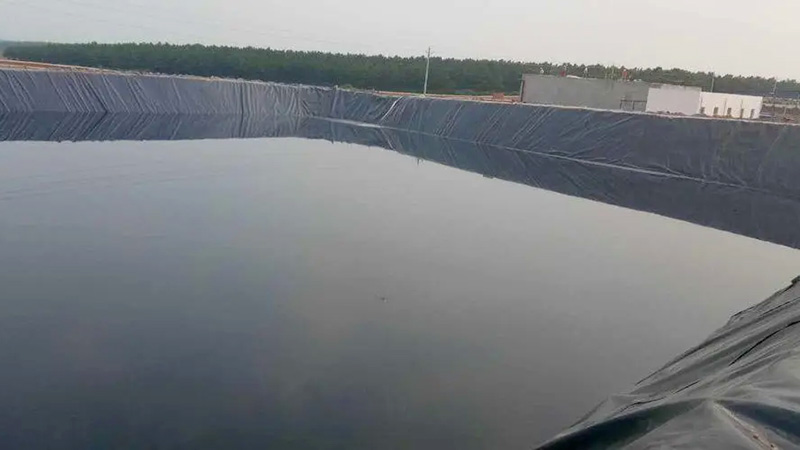
Our geosynthetic panels are engineered to withstand environmental stresses. We use specialized additives to protect the polymers from UV degradation and thermal cracking in exposed conditions. Additionally, our dual-track welding processes allow technicians to verify seam integrity in the field before covering the liner.
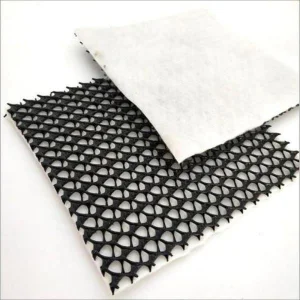
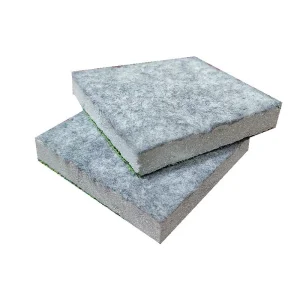
Combining geomembranes with non-woven geotextiles creates a durable composite liner system that resists punctures from rough subgrades while providing excellent drainage and containment.
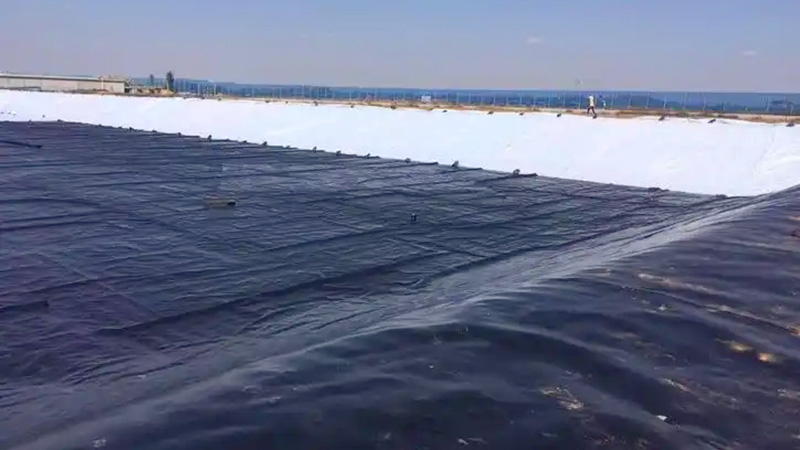
Consistent material supply, high production capacity, and reliable transport networks from Dezhou, China.
Located in the heart of Shandong's chemical manufacturing cluster, we have secure, direct access to premium virgin polymers, ensuring stable pricing and continuous production even during high-demand periods.
Our facility features multiple co-extrusion blown film lines and wide-width needle looms, allowing us to process bulk orders quickly and reliably to meet tight construction schedules.
Our location in Dezhou connects us directly to major highways, Qingdao Port, and the rail network, enabling efficient container shipping to Europe, the Americas, Australia, and across Southeast Asia.
Innovating for environmental durability and carbon reduction in civil engineering.
The next generation of geosynthetics focuses on sustainability and smart monitoring. Shandong Hongyue is investing in research to reduce the environmental footprint of our products while maintaining long-term field performance.
Our research focuses on balancing structural performance with environmental impact. By optimizing our formulations, we aim to deliver durable, eco-friendly geosynthetic solutions for global projects.
Clear answers to common questions about geocell applications, geomembrane welding, and global shipping.
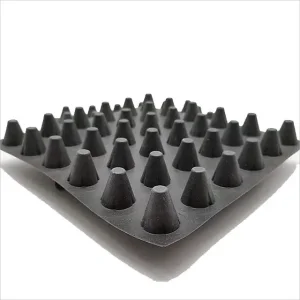
Heavy-duty geogrids, structural drainage boards, and customized geosynthetic products for global projects.
 Hongyue