Explore our core certified geosynthetic engineering solutions designed for high-performance municipal, commercial, and structural infrastructure.
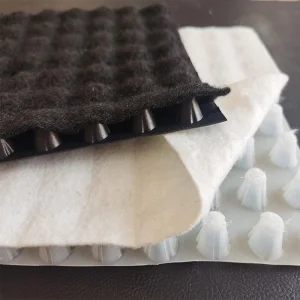
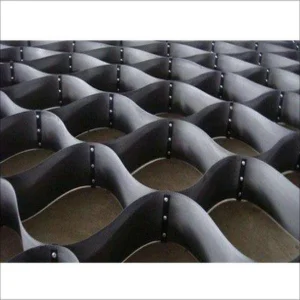
The modern civil engineering landscape faces unprecedented challenges. Heavy vehicle traffic, shifting subgrades, and extreme climatic variances require innovative, long-lasting surface reinforcement systems. The Geo Grid Driveway technology represents a major evolution in civil design, changing how engineers design residential access roads, industrial parking lots, and heavy-duty load platforms worldwide.
Geogrids work through friction and confinement. By interlocking fill materials within a rigid, high-molecular structure, geogrids prevent lateral displacement of aggregates. This reduces deep rutting and extends pavement life. Globally, municipal specifications increasingly mandate permeable paving solutions. This shift positions geo grid driveways as the standard for ecological stormwater management, reducing runoff volume and recharging groundwater tables directly.
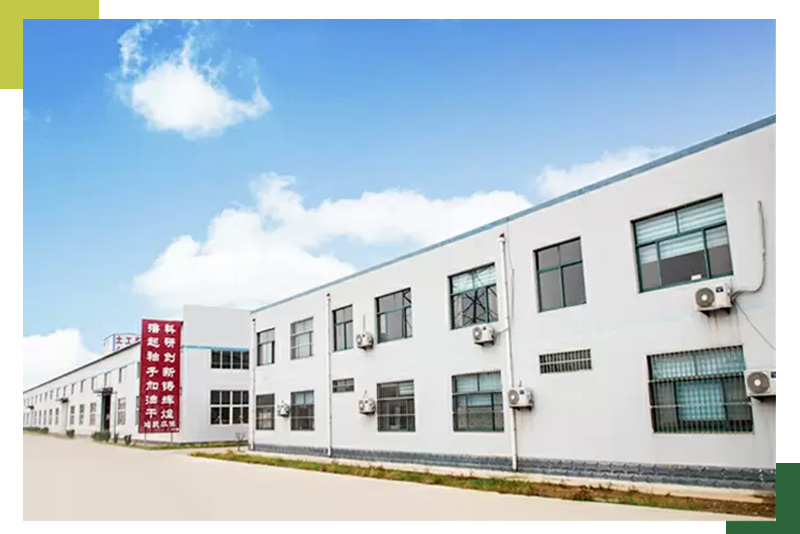
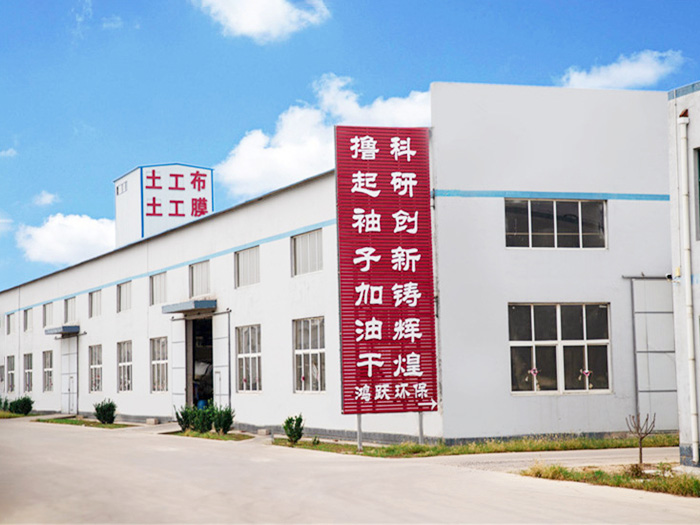
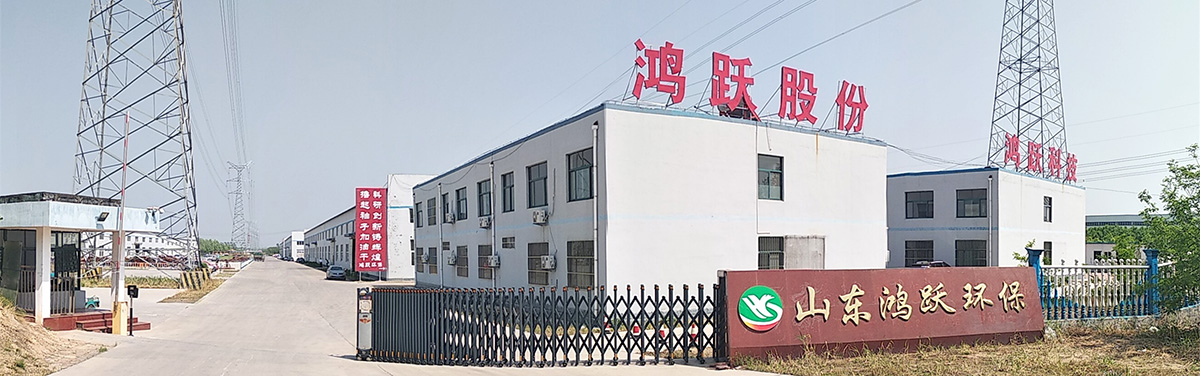
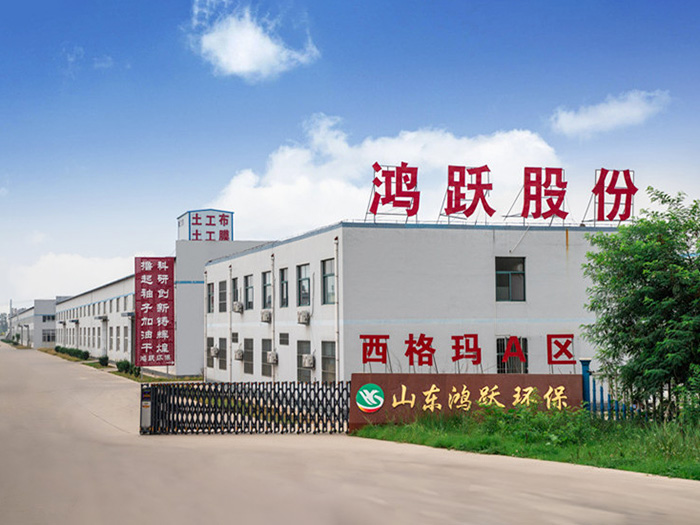
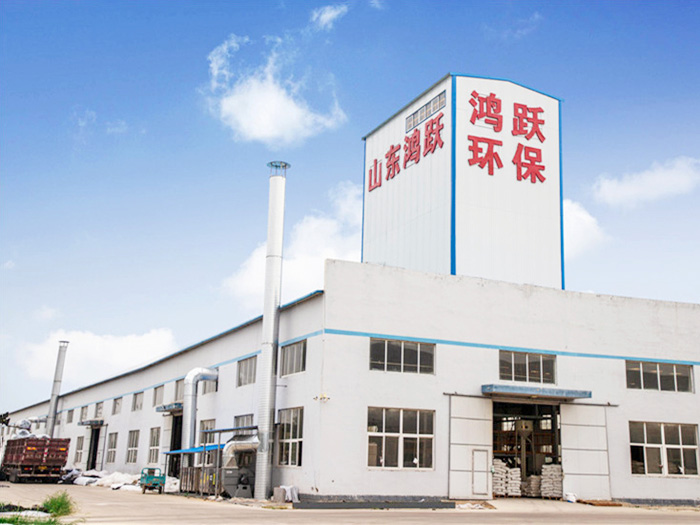
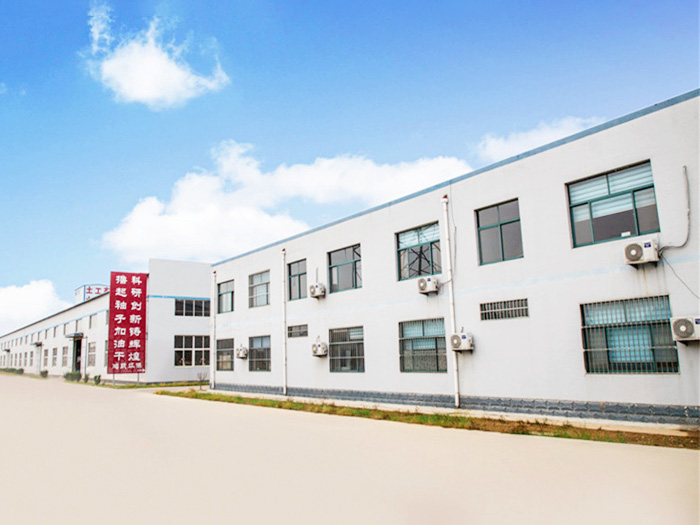
Located at the north end of Fufeng Street, Lingcheng District, Dezhou, Shandong Province, Shandong Hongyue Environmental Engineering Co., Ltd. is a scientific and technological geotechnical material manufacturer integrating engineering material production, sales, design, and construction services.
Our company was registered on April 6, 2023, with a registered capital of 105 million yuan. Today, we stand as one of the largest production bases of geotechnical materials in China, benefiting from a superior geographical location and convenient shipping logistics to supply global projects smoothly.
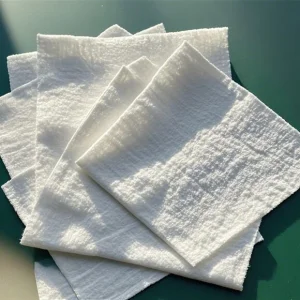
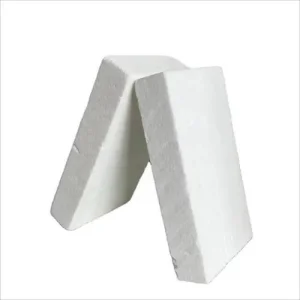
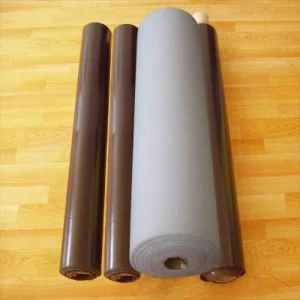
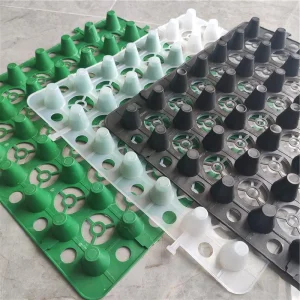
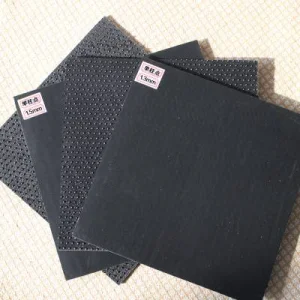
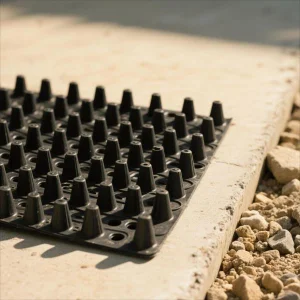
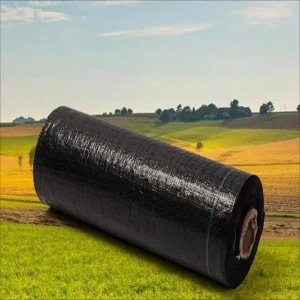
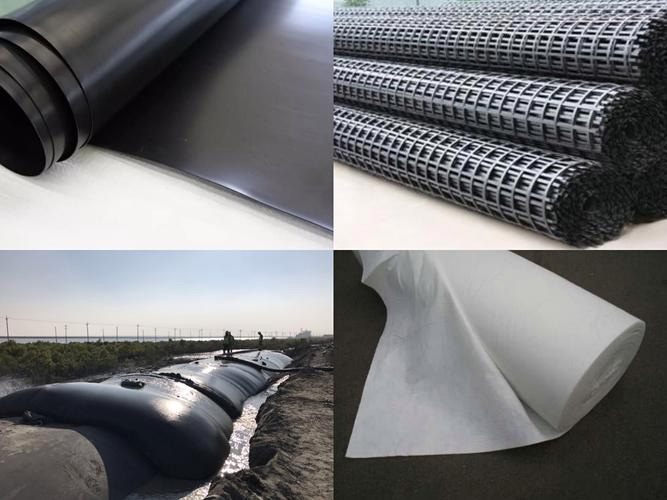
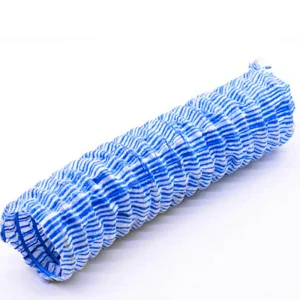
Since our establishment, we have expanded rapidly into a multi-national exporter. Our comprehensive catalog includes geotextiles, geomembranes, composite geomembranes, waterproof boards, bentonite waterproof blankets (GCL), 3D composite drainage nets, composite drainage boards, woven and non-woven construction geotextiles, cement blankets, fiber plant blankets, and flexible pervious pipes. These products are widely utilized in global transport lines, high-speed railways, municipal structures, mining, agricultural irrigation, and massive environmental containment projects.
Take a visual tour inside our advanced manufacturing facility in Dezhou, Shandong
Analyzing polymer formulations and physical properties that dictate the performance of ground reinforcement grids.
Historically, basic recycled plastics dominated the low-end grid market. Today, top-tier engineering relies on high-density virgin HDPE or Polypropylene copolymers. These matrices feature carbon black additions (typically 2% to 3%) to maximize UV light resistance and prevent embrittlement. They withstand high temperature ranges and acidic soils common in commercial development zones.
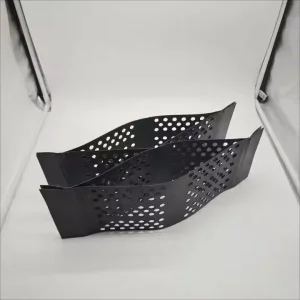
Unlike traditional 2D geogrids that only provide axial strength, modern driveway grids rely on multi-directional, hexagonal, or highly structured cell designs. This shape distributes wheel forces radially over 360 degrees. By confining aggregates within three-dimensional walls, subgrade stress is reduced, preventing subgrade soil failure even under fire truck or municipal transport routes.
Climate-adaptive architecture demands sustainable urban drainage systems (SUDS). Incorporating permeable geo grids eliminates ponding and hydroplaning. Rainwater filters through the gravel or grass infill directly into the sub-base, filtering heavy metals and particulate matter before the water returns to local soil systems.
A transparent breakdown of how raw raw materials are transformed into certified high-end geosynthetics at Shandong Hongyue.
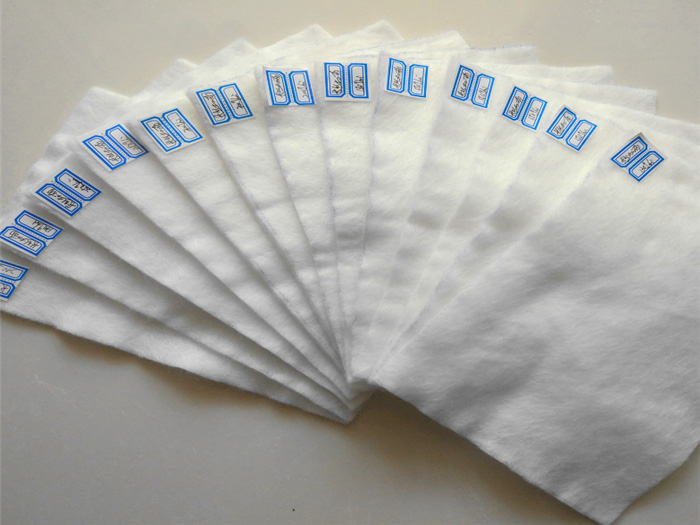
Polyester chips, polypropylene filament, and viscose fibers are inspected and stored. This stage establishes raw material purity, ensuring high chemical stability in harsh field environments.
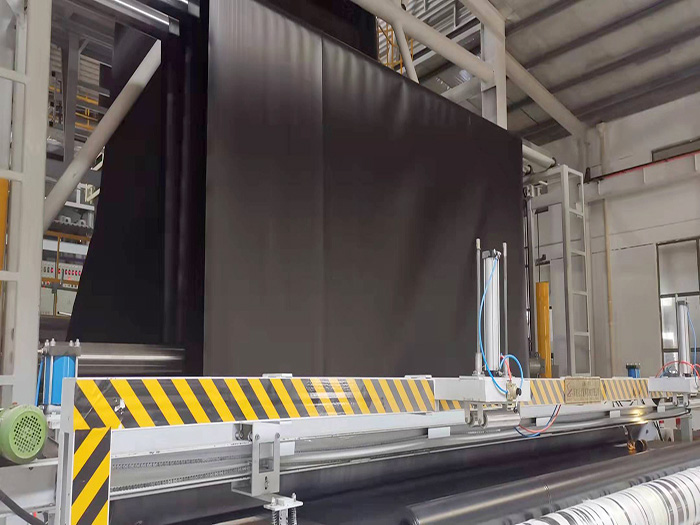
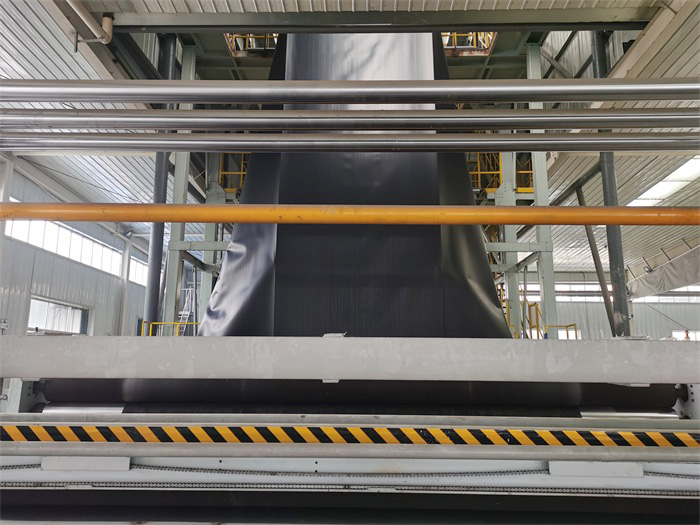
Slices are melted at high temperatures, then extruded using precise screw extruders. Additives are mixed evenly to ensure consistent structural performance.
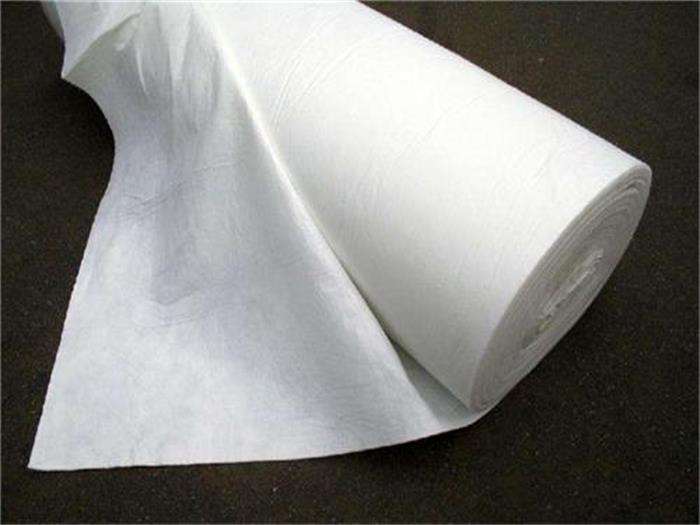
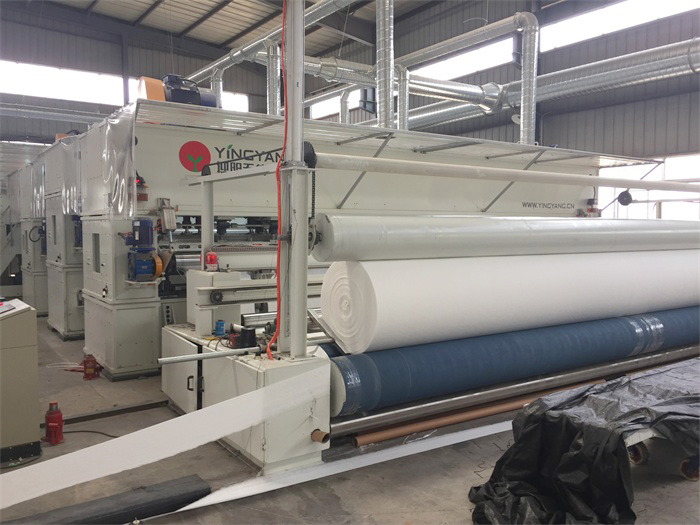
The blended melt passes through a custom spinneret to form fibers. This creates a uniform web on the conveyor belt. Precise draft curing processes stabilize the physical matrix.
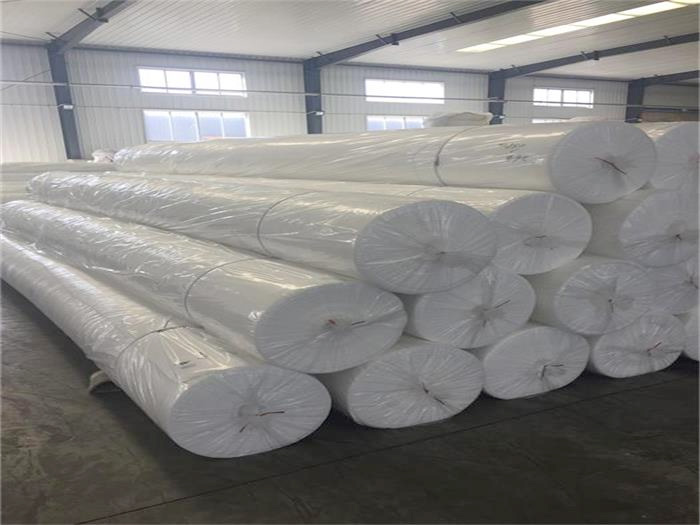
Every batch undergoes testing for physical load bearing, chemical resistance, and dimensions before packaging and shipping to ensure reliable field performance.
Adaptable geotechnical configurations tailored for diverse topographies, geological profiles, and load requirements.
Used in urban areas to prevent rainwater runoff issues. Utilizing geogrids filled with colorful gravel or local turf allows home developments to retain natural permeability, meet green space laws, and eliminate costly trench drains.
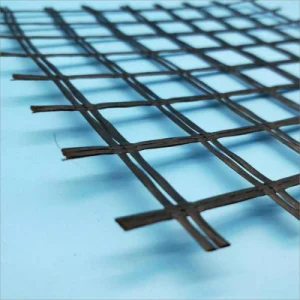
Industrial distribution centers handle continuous logistics traffic. Geocells and glass-fiber geogrids reinforce the gravel sub-base, reducing the aggregate depth needed by up to 50% while supporting high loading weights.
On steep roadsides or canal banks, geo grids hold soil particles in place, allowing vegetation to establish roots. This prevents landslides and soil erosion during heavy rains.
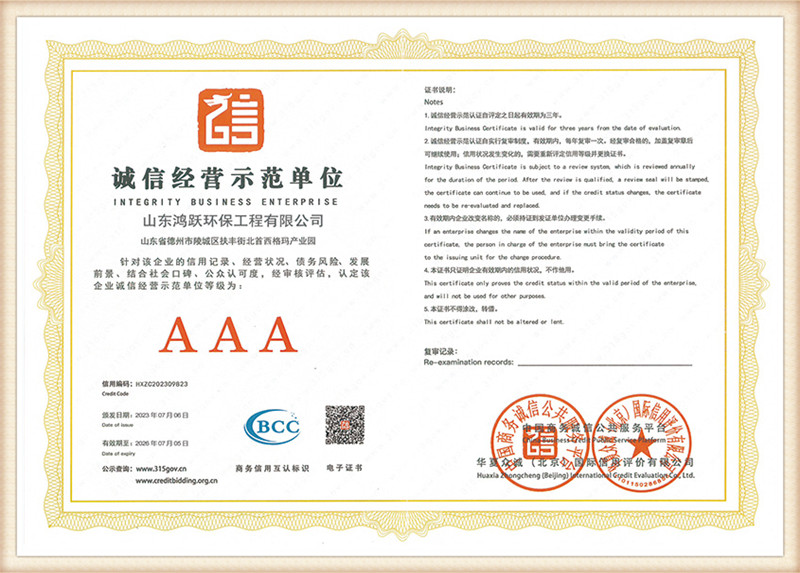
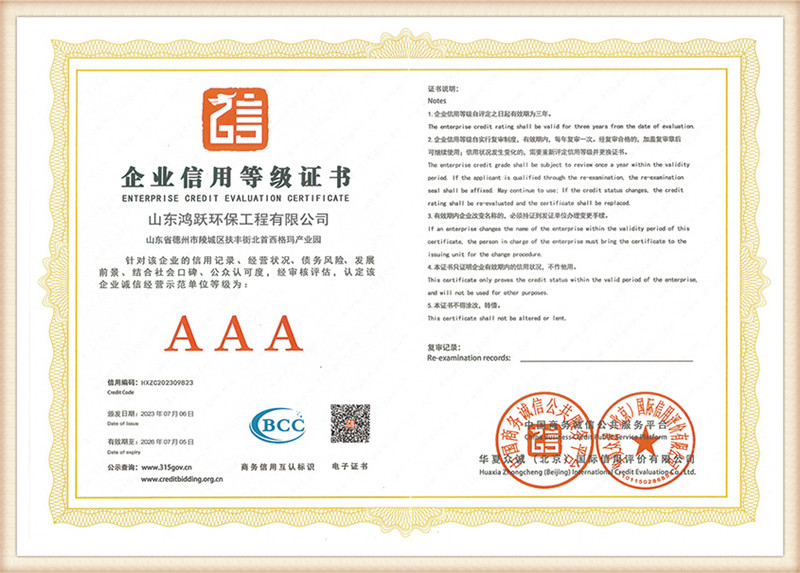
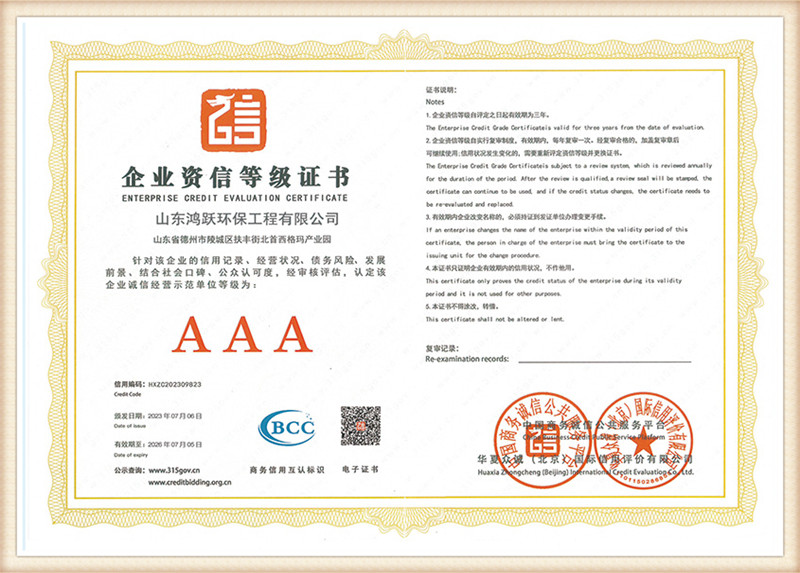
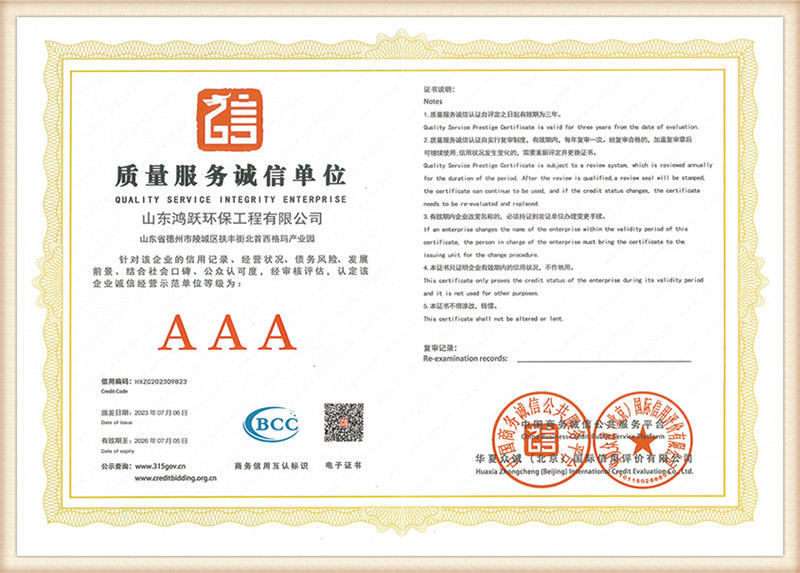
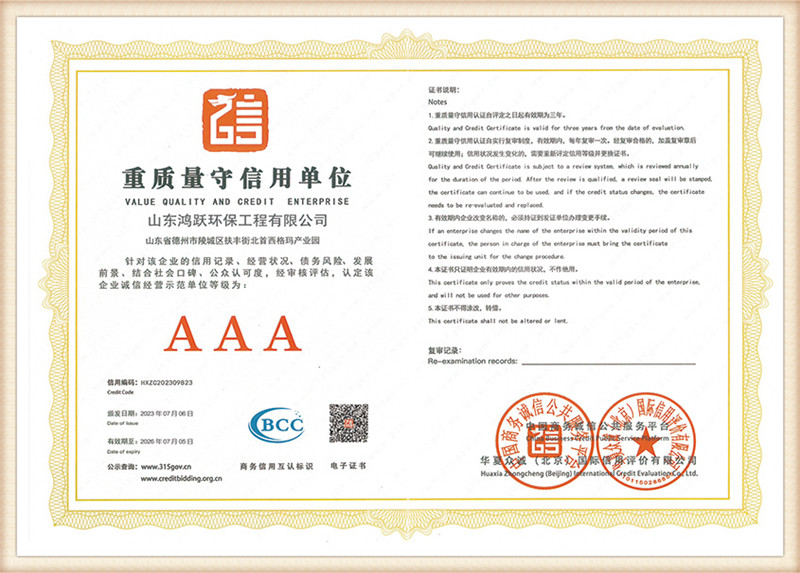
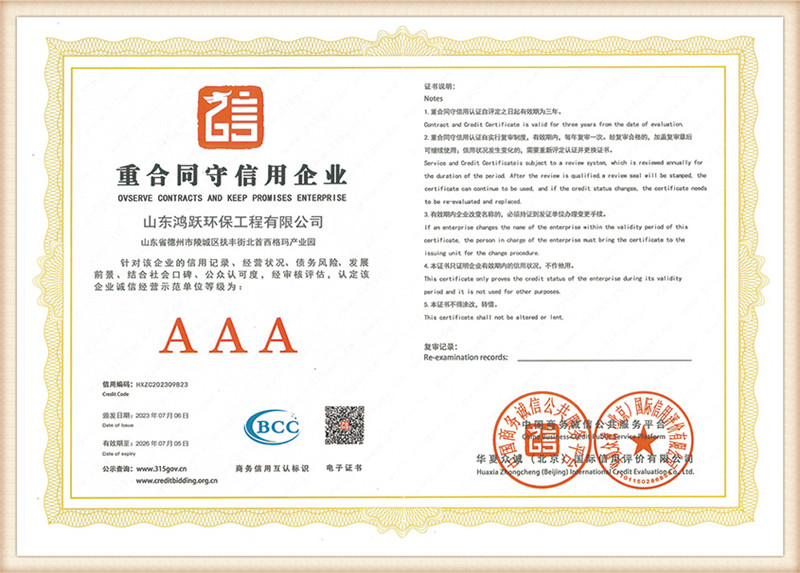
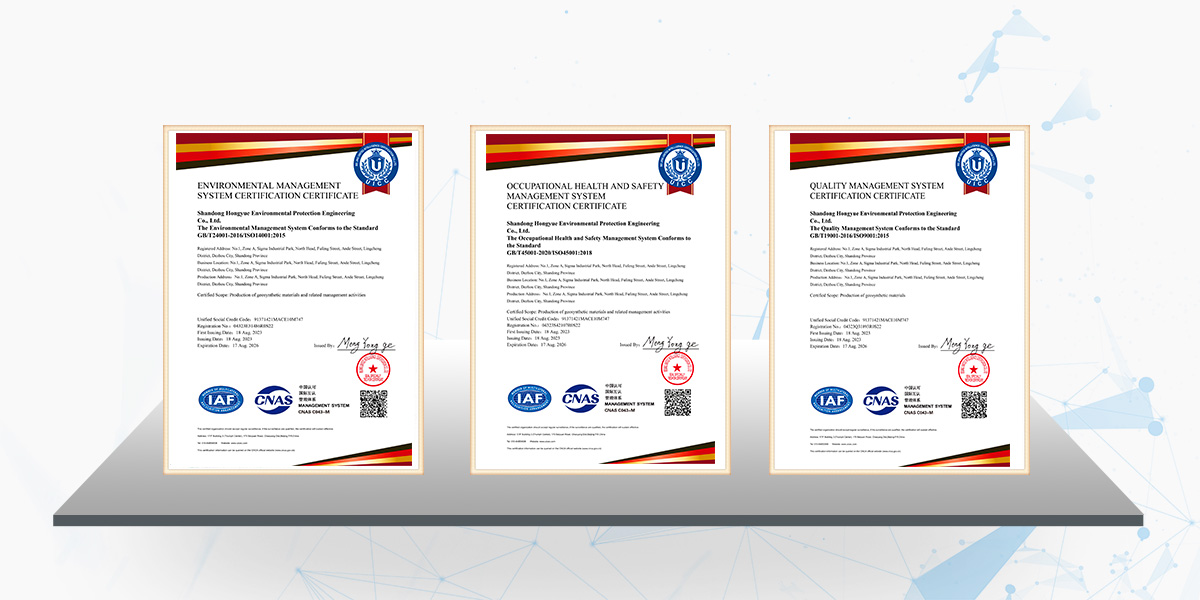
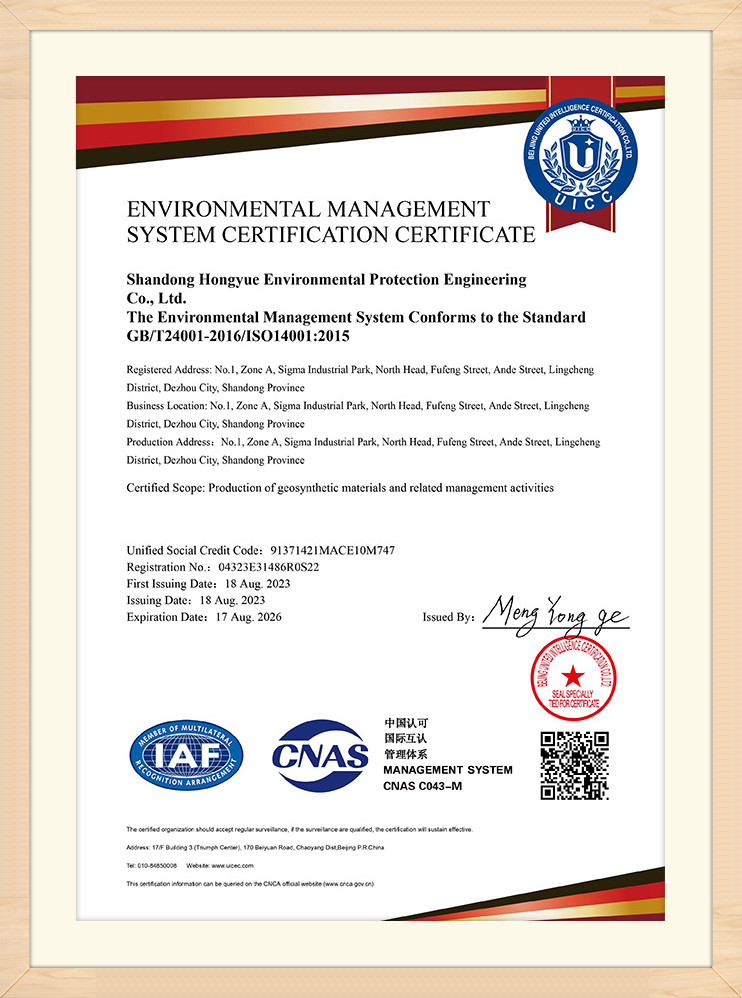
Shandong Hongyue Environmental Engineering Co., Ltd. maintains a robust quality management system. We have passed the ISO9001 international quality system certification, ISO14000 environmental system certification, and ISO45001 occupational health and safety management system certification.
Our materials have earned honors including "Green and Environmentally Friendly Building Materials Products," "Famous Chinese Brands," and "High-Tech Enterprise status." All products meet or exceed international standards, verified by the China National Testing Center and national quality supervision testing.
We use premium, trace-stabilized HDPE and PP copolymers to prevent environmental degradation and microplastic breakdown.
Our welded joints are tested for peel strength and stress crack resistance, ensuring they won't open under heavy loads.
Our engineers provide remote design consulting and customized material packages to meet specific regional requirements.
From major water conservation projects to industrial waste sites, our materials are key components in infrastructure design.
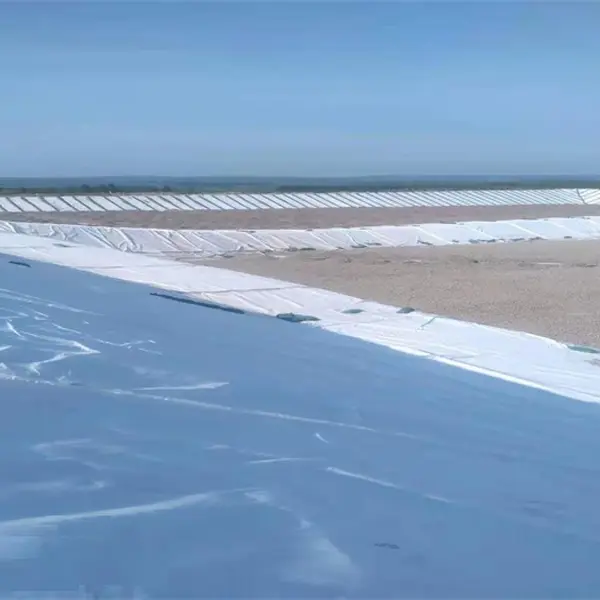
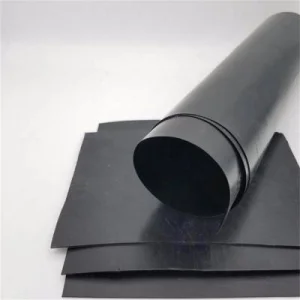
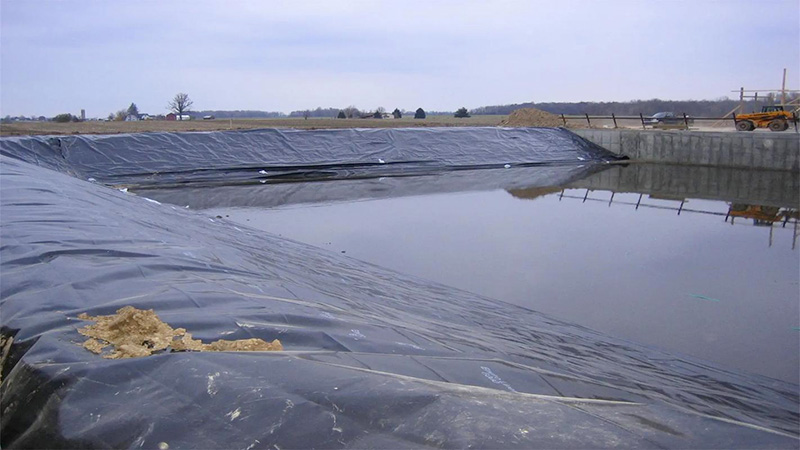
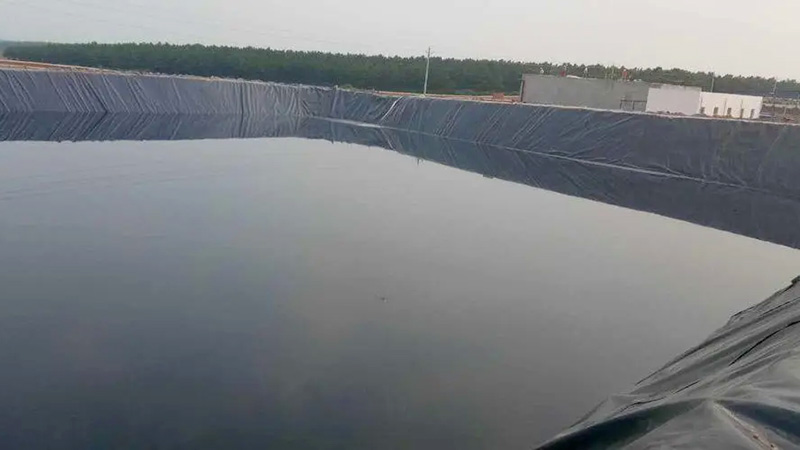
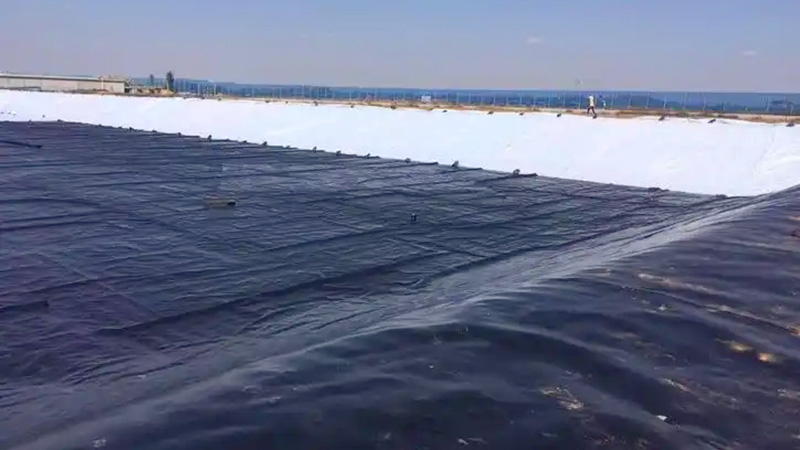
High-density geomembranes act as robust liners, preventing seepage loss in irrigation reservoirs and holding ponds.
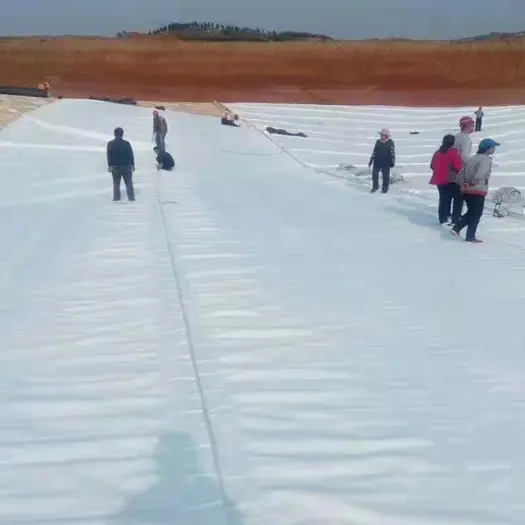
Lining river channels with geotextiles prevents erosion and preserves surrounding soil structures.
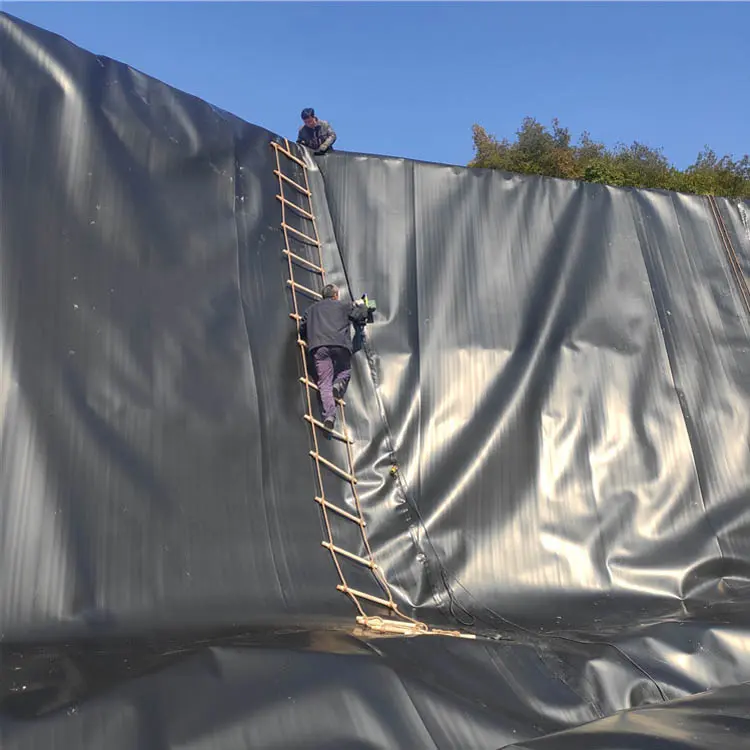
Multi-layered composite geomembranes prevent leachate from contaminating local groundwater.
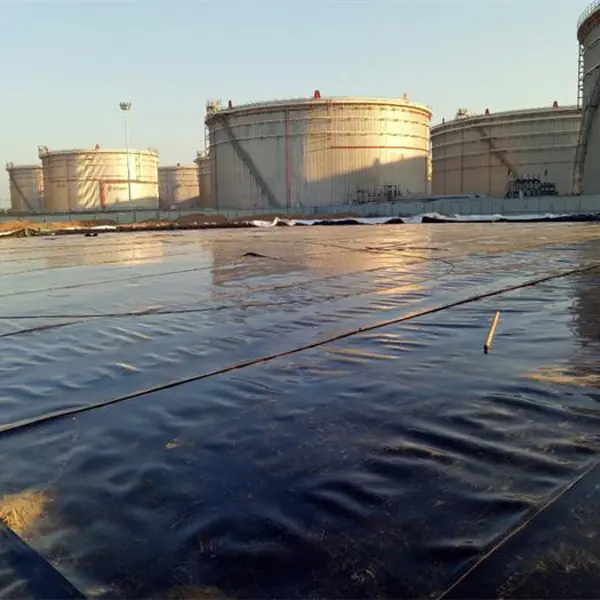
High-durability barriers protect soil and containment basins in petrochemical tank farms.
In reservoir construction, geomembranes act as critical water barriers. Reservoirs built in mountainous terrain often feature complex geological faults. Using geomembranes provides a flexible, continuous barrier that tolerates shifts in local rock formations.
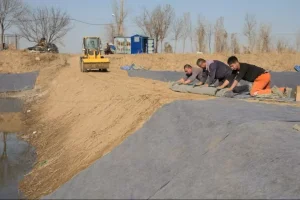
For river and canal improvements, geomembranes and geogrids work together to manage water flow, prevent bank slides, and stabilize canal channels. Combined with native vegetation, our geogrids form a bio-engineered surface that resists water scour during storms while restoring local riverbank ecosystems.
Innovation drives long-term value. Exploring upcoming advances in ground stabilization technology.
Future stabilization projects will utilize geogrids with woven fiber-optic sensors. These smart systems monitor changes in temperature, strain, and material shifting in real-time, sending data directly to asset managers to prevent structural issues before they occur.
For temporary access roads and short-term slope protection, we are researching durable, plant-based bio-polymers. These grids maintain tensile strength for several years, then safely decompose into natural soil components once native vegetation takes root.
Shandong Hongyue is updating our Dezhou facilities with energy-efficient extrusion lines and local sourcing programs. By optimizing production, we reduce the carbon footprint of our geosynthetic materials, helping clients meet environmental project requirements.
Expert answers to common engineering questions about driveway geogrids and subgrade design.
Complete geosynthetic solutions for modern geotechnical infrastructure and high-performance site development.
 Hongyue