Engineered high-density synthetic and natural composites for erosion control, drainage, containment, and soil stabilization.
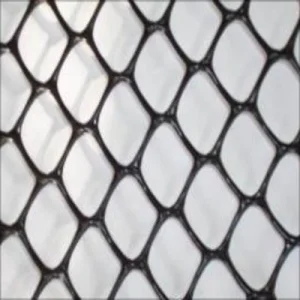
Coir geotextiles are woven or non-woven blankets crafted from the fibrous husk of coconuts. Coconuts yield a tough, highly durable organic fiber rich in lignin, a organic polymer that reinforces plant cell walls. This high-lignin composition gives coir geotextiles superior tensile strength and a slow biodegradation cycle (typically 3 to 5 years). This extended timeline is crucial; it allows vegetation to fully establish its root network, securing the soil against long-term erosion before the organic material decays and fertilizes the soil.
For engineering firms sourcing large-scale materials, understanding the interaction between raw coir grades and manufacturing density is critical. Selecting the appropriate mesh density (typically measured in grams per square meter, or GSM, e.g., 400g, 700g, 900g) directly dictates the shear stress threshold of the installed blanket. High-flow channels and steep 1:1 slopes require heavier density coir blankets, while gentle slopes of 3:1 can rely on standard 400 GSM open-mesh matrices.
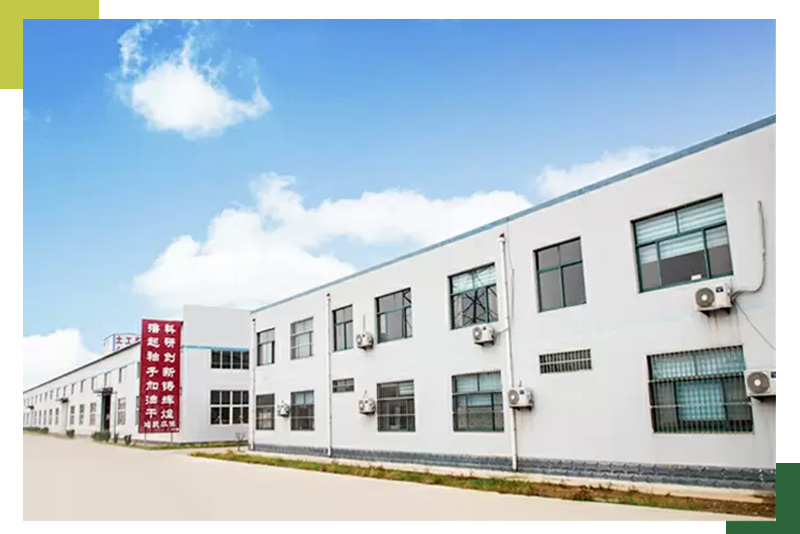
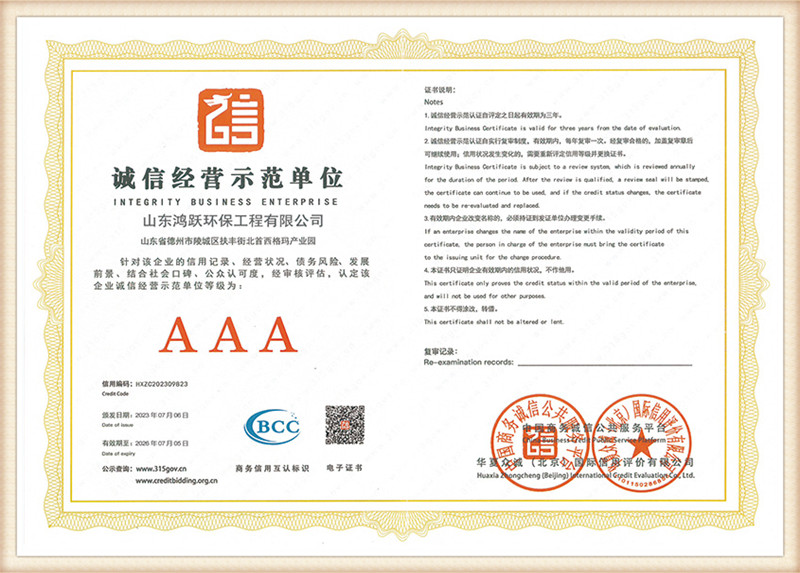
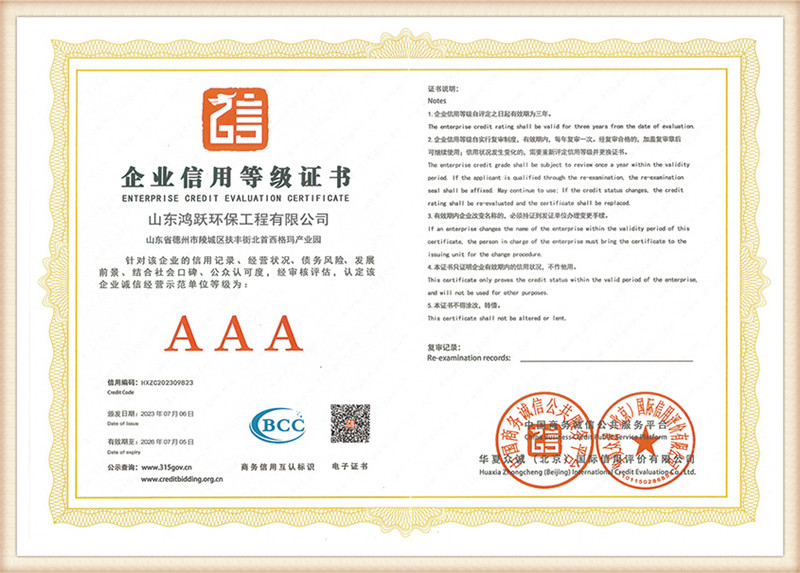
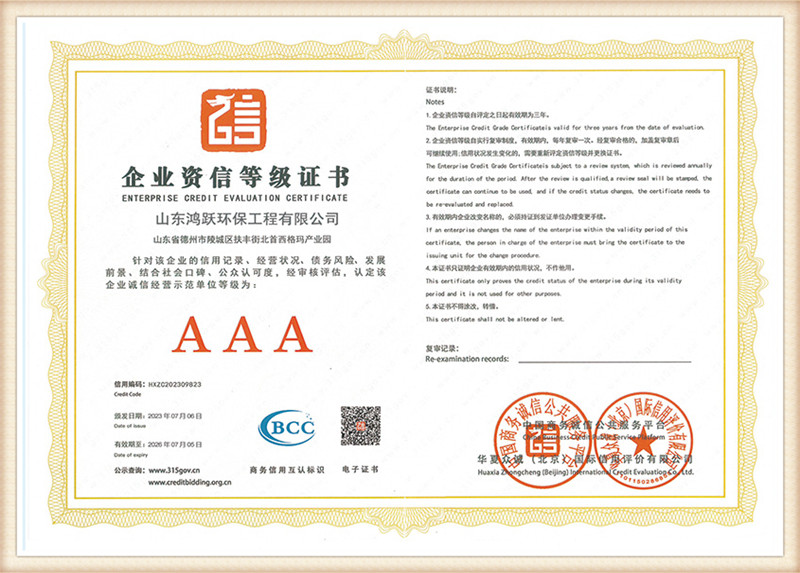
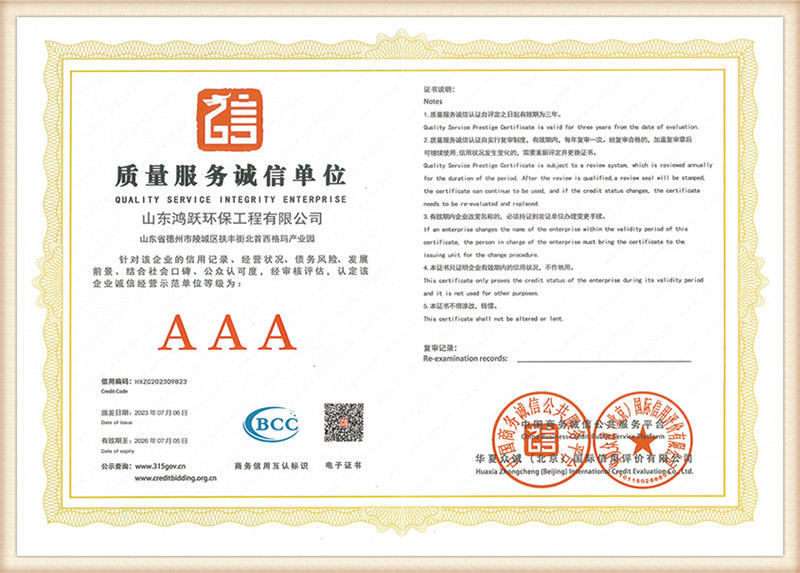
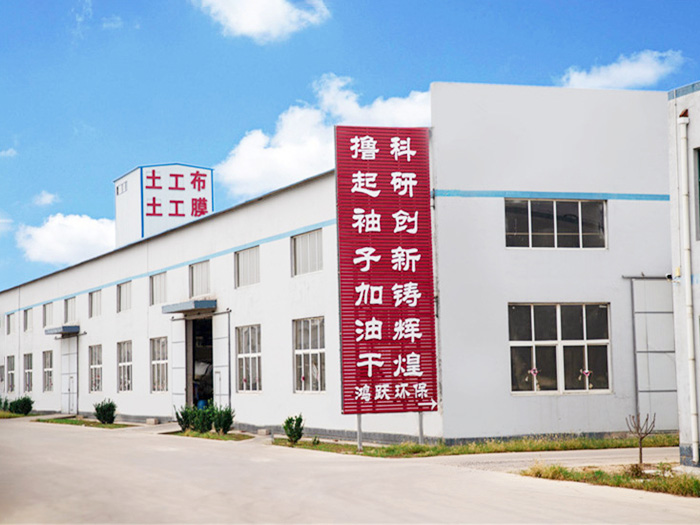
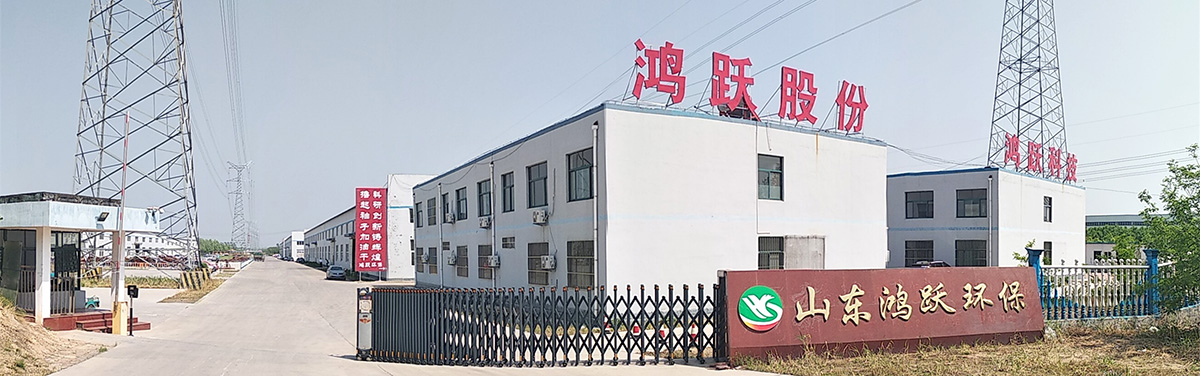
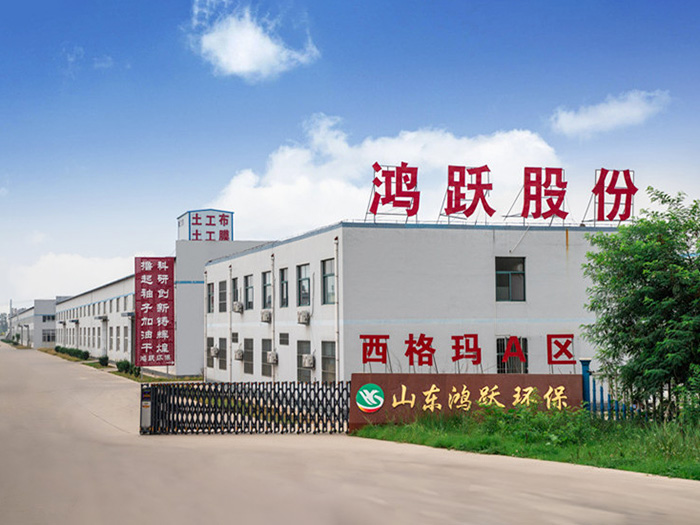
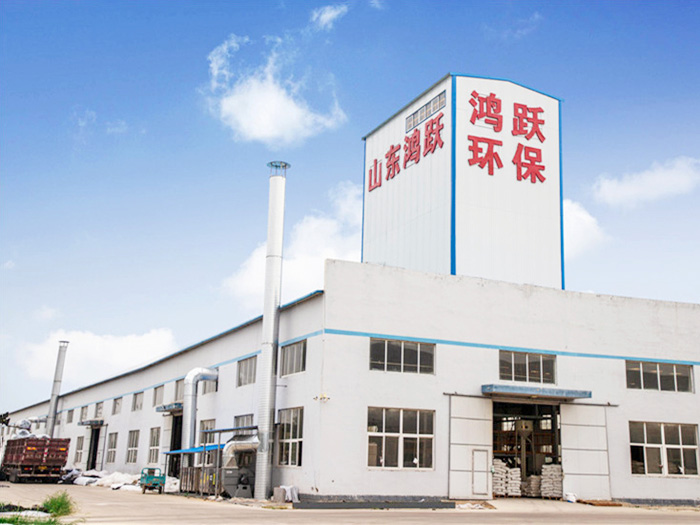
Established on April 6, 2023, with a registered capital of 105 million yuan, Shandong Hongyue Environmental Engineering Co., Ltd. is a leading manufacturer of geotechnical materials. Located at the north end of Fufeng Street, Lingcheng District, Dezhou, Shandong Province, the company occupies one of the largest and most advanced geotechnical production bases in China.
As a central hub of the Dezhou Geotextile Association, Shandong Hongyue integrates engineering material production, international sales, project design, and advanced construction services. Our geographic positioning gives us rapid access to key shipping terminals, ensuring efficient global logistics and bulk cargo dispatch.
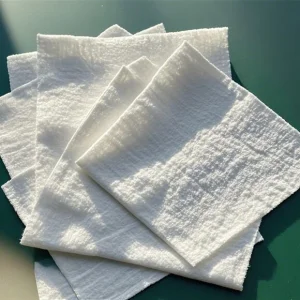
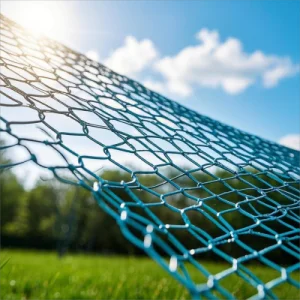
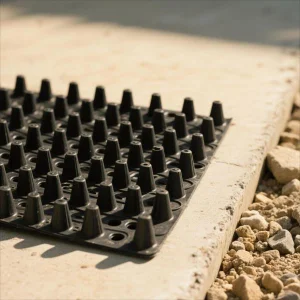
Shandong Hongyue has built its reputation on engineering excellence and a comprehensive product line that includes: geotextiles, geomembranes, composite geomembranes, waterproof boards, bentonite waterproof blankets, 3D composite drainage nets, (composite) drainage boards, woven and non-woven fabrics, membrane bags, blind ditches, waterproof and drainage combinations, woven bags, ecological bags, cement blankets, fiber plant blankets, and flexible pervious pipes.
China is a global leader in industrial textile and geosynthetic manufacturing. By leveraging Shandong Hongyue's large-scale manufacturing facilities, global buyers can access major supply chain efficiencies that reduce total cost of ownership:
Direct sourcing of polyester chips, polypropylene filaments, bentonite, and premium organic coir fibers in bulk allows us to hedge against volatile raw material prices, translating to stable pricing for long-term municipal and industrial contracts.
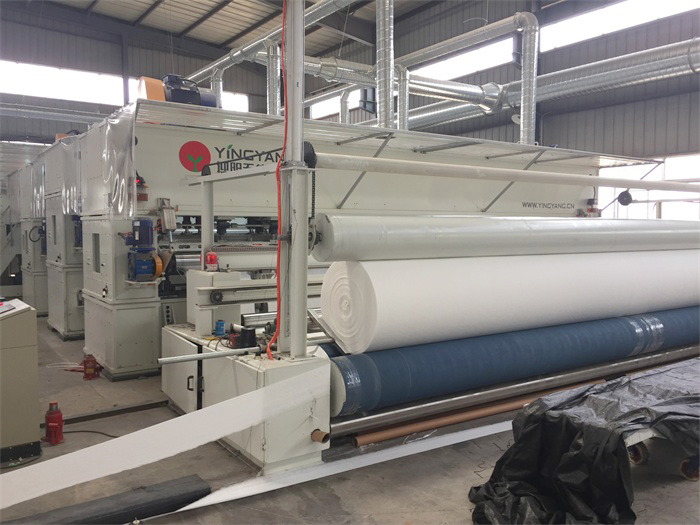
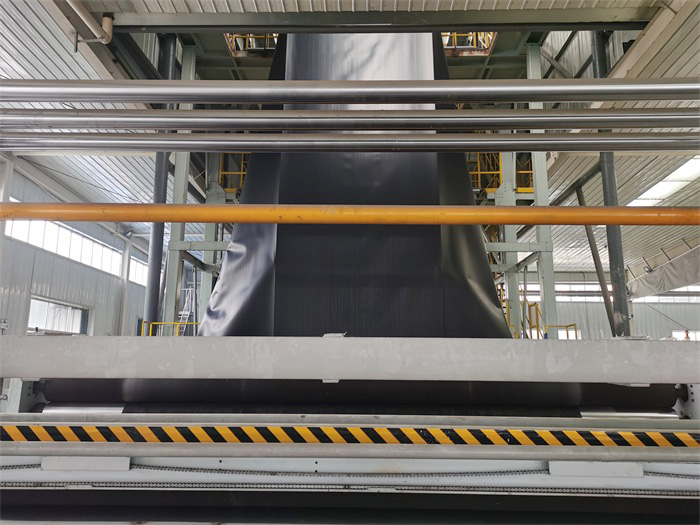
Our facility houses high-precision melt-extrusion, continuous carding, needle punching, and loom-weaving machinery. By keeping all stages under one roof, we eliminate intermediate handling fees, control quality, and reduce lead times.
Based in Lingcheng District, Dezhou, Shandong, we enjoy mature shipping lanes through Qingdao Port, Tianjin Port, and cross-border rail links. This allows us to offer flexible, cost-effective container options for sea, rail, and land freight.
A look into our manufacturing pipeline, highlighting raw material handling, drafting, and quality testing.
The primary raw materials used in geotextile production include polyester chips, polypropylene filament, viscose fiber, and organic coir fibers. These undergo initial inspections for fiber length, tensile strength, and moisture content before going to processing lines.
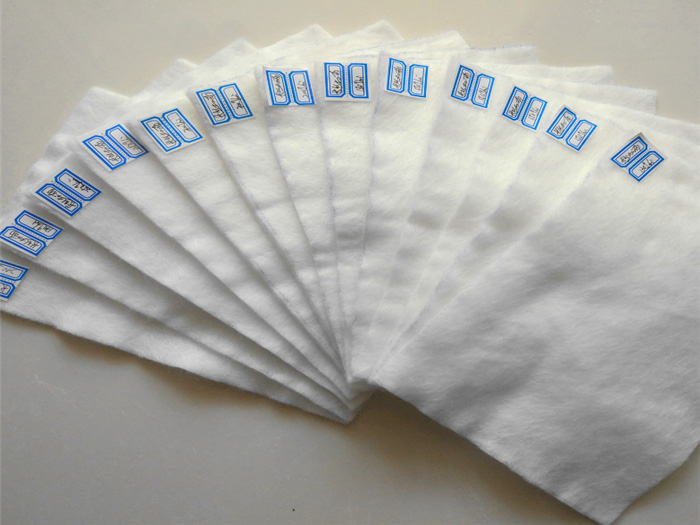
Polyester chips are melted at high temperatures and extruded through a screw extruder. Viscose fibers and polypropylene filament are mixed in to achieve the desired physical properties. We monitor temperature, pressure, and flow rates to keep the melt state consistent.
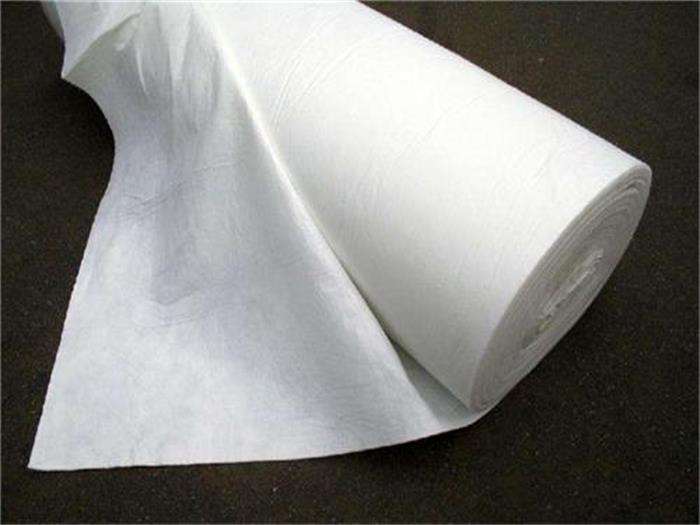
The molten mixture is extruded through spinnerets to form fine filaments. These are deposited onto a conveyor belt to build a uniform web. Needle punching looms then interlock the fibers to provide structural integrity, strength, and filtration efficiency.
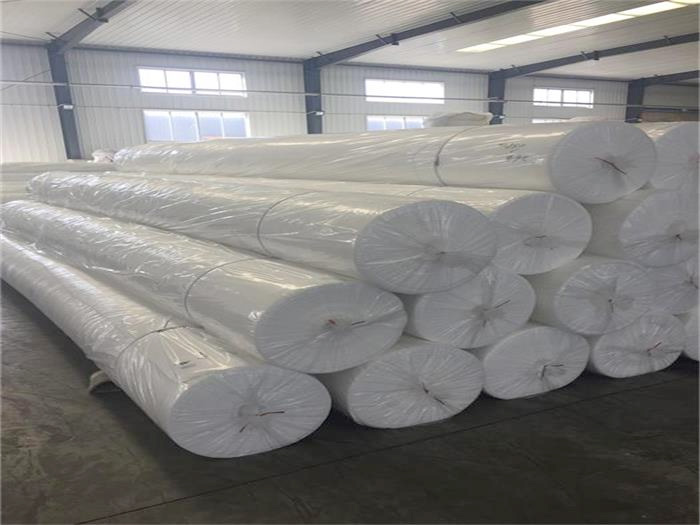
Once the fibers are interlocked, the material undergoes draft curing to set its tensile strength and thickness. The temperature, draft ratio, and cooling speeds are continuously controlled to prevent structural weak points. The cured fabric is then trimmed and rolled to specified contractor widths (typically 2 to 6 meters).
Samples from every production batch undergo testing at our laboratory. We evaluate tensile strength, tear resistance, puncture resistance, and hydraulic permeability. Only products that meet national and international standards receive our QA certificate.
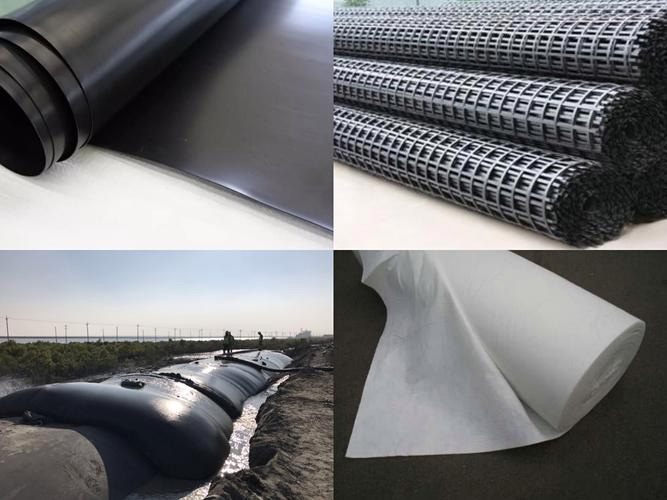
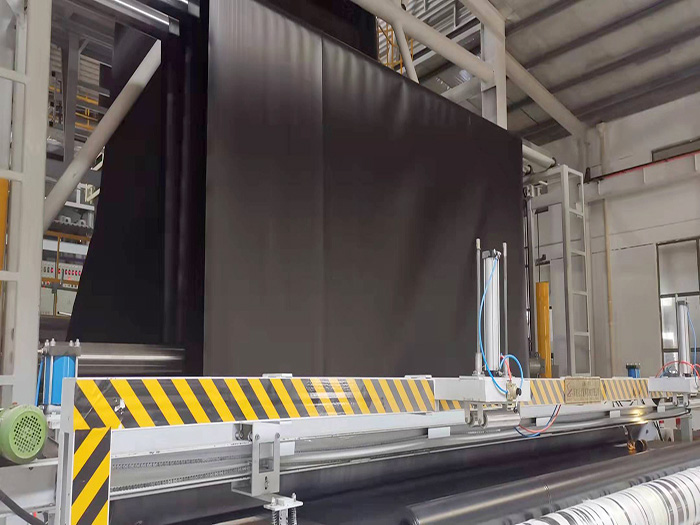
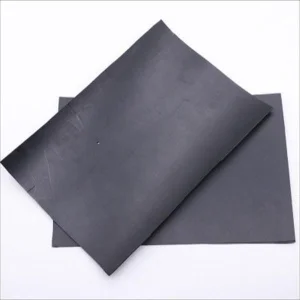
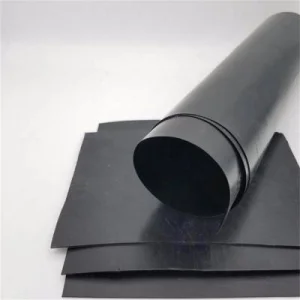
Modern civil engineering projects often pair coir geotextiles with synthetic geomembranes to create comprehensive eco-barriers. While coir geotextiles manage surface water and promote vegetation on slopes, geomembranes act as impermeable barriers beneath the surface. Selecting, installing, and maintaining the right geomembrane is critical to preventing sub-surface seepage:
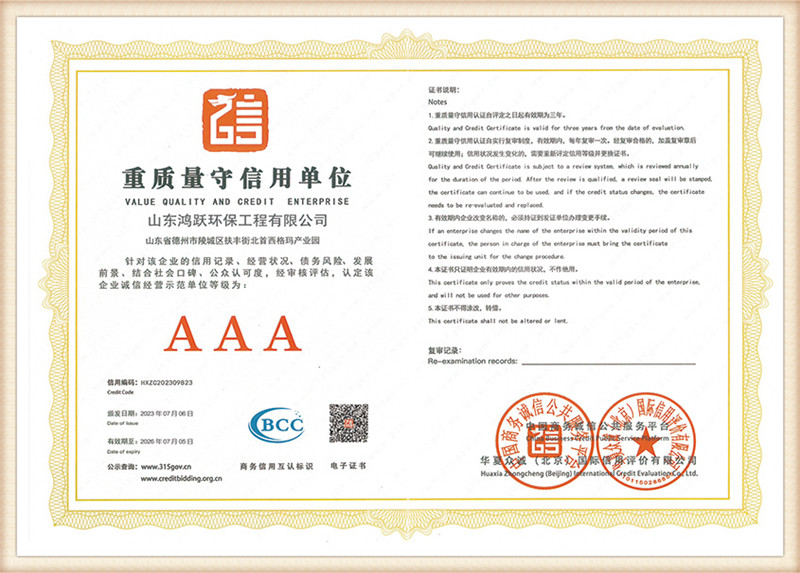
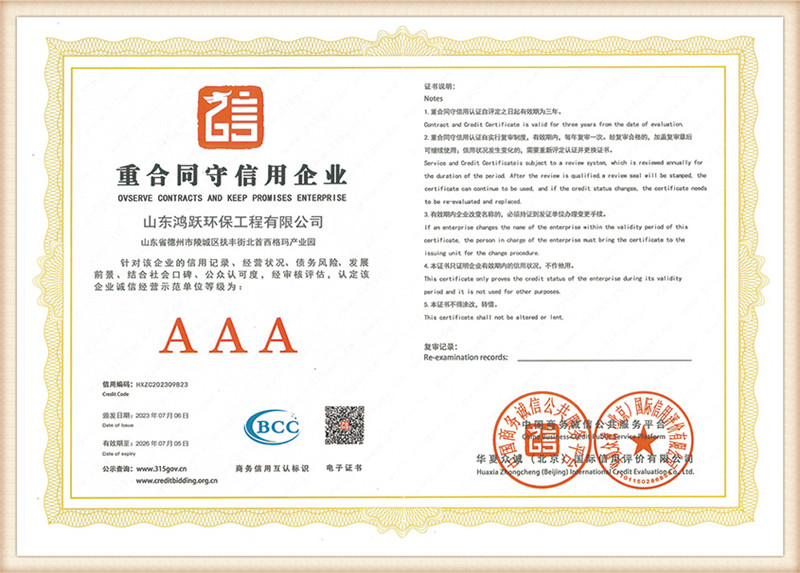
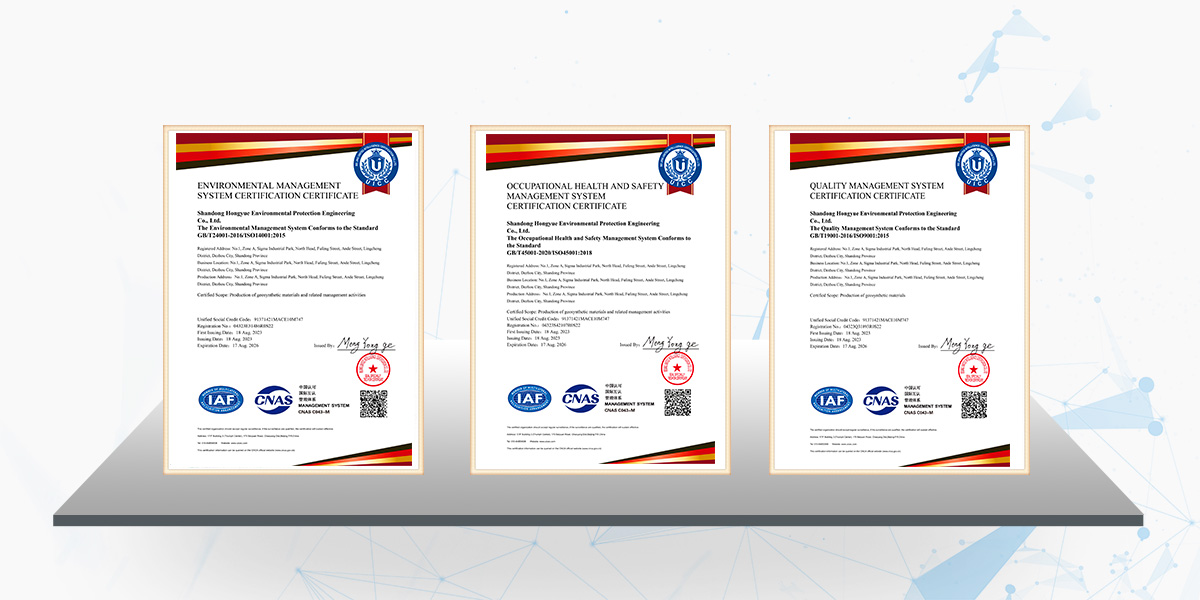
Shandong Hongyue operates a strict compliance framework to simplify sourcing for international buyers. We hold ISO9001:2015 for Quality Management, ISO14001:2015 for Environmental Management, and ISO45001:2018 for Occupational Health and Safety. This helps verify that our products and operations align with international standards.
To support international projects, we provide complete technical documentation, including ASTM test sheets, CE certifications for European markets, and custom test reports from independent testing organizations. Our technical support team works closely with project designers to verify specification compliance, supply calculations, and installation guides. This reduces project risk and speeds up approval processes.
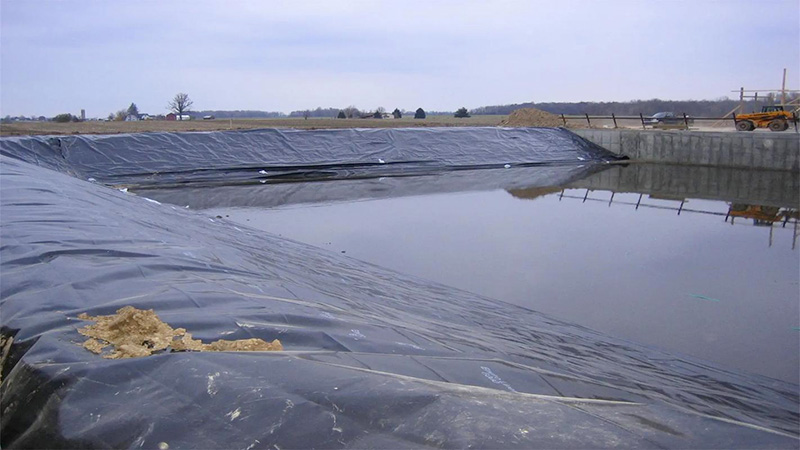
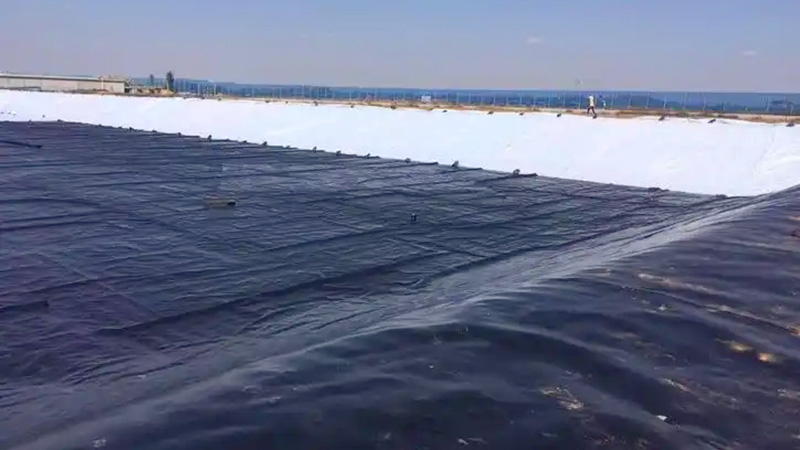
Examples of how geosynthetic and coir structures are deployed in water conservancy, river channels, and landfills.
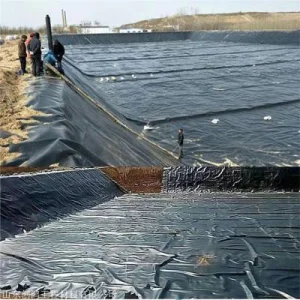
Reservoirs often present complex geological conditions that are prone to leakage through the subgrade or surrounding rock. Utilizing geomembranes paired with protective non-woven geotextile underlays creates a reliable barrier that stabilizes the reservoir structure and protects the surrounding environment from seepage.
Riverbeds and canals face continuous hydraulic shear stress. We combine biodegradable coir geotextiles with subgrade geomembranes to manage water flow, protect nearby infrastructure from erosion, and help natural vegetation establish along the shoreline.
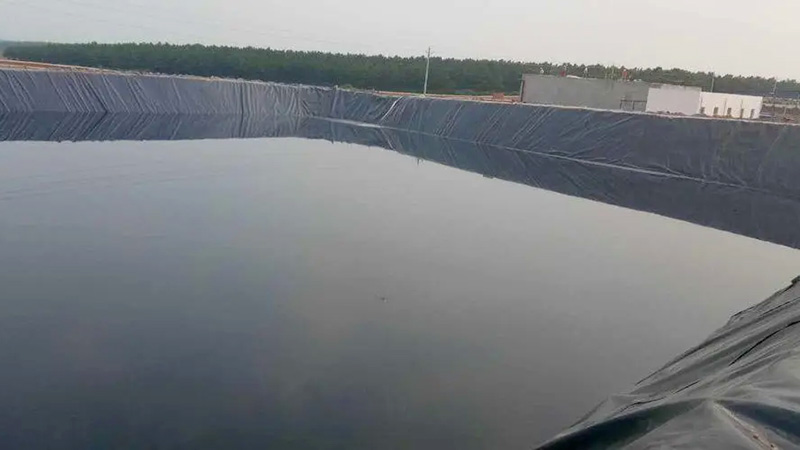
Levees protecting downstream areas from flooding require robust internal erosion control. Geotextiles protect the core structure from internal migration of fine soil particles (piping), helping to maintain structural integrity during high-water events.
Our comprehensive approach to geotechnical engineering projects combines materials, design, and on-site support.
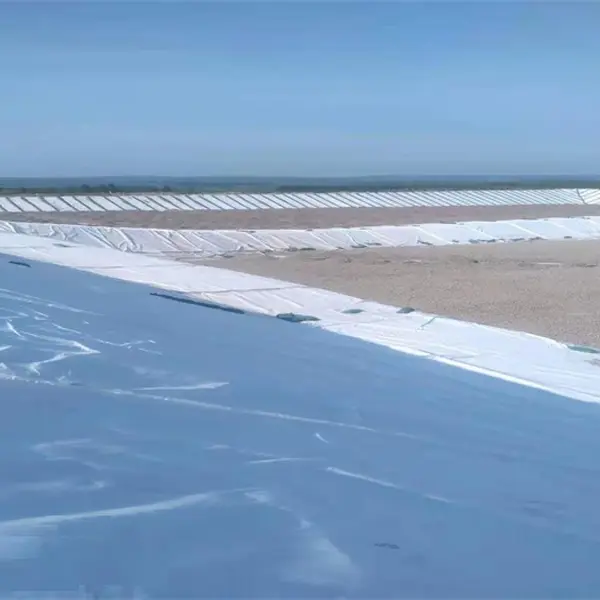
High-grade composite geomembranes designed for dams, reservoirs, and canals, optimizing water conservation and structural safety.
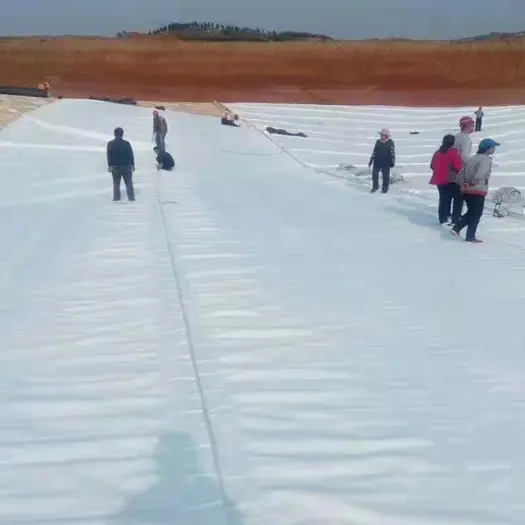
Flexible lining solutions that prevent seepage loss in arid regions while protecting channels from hydraulic erosion.
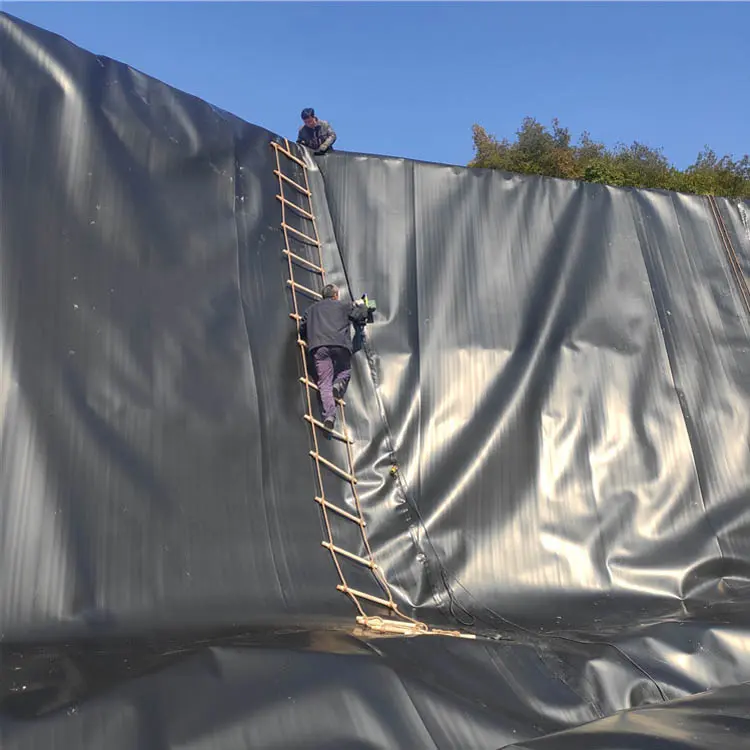
Multi-layered lining systems combining HDPE geomembranes, GCLs, and thick non-woven geotextiles for chemical containment.
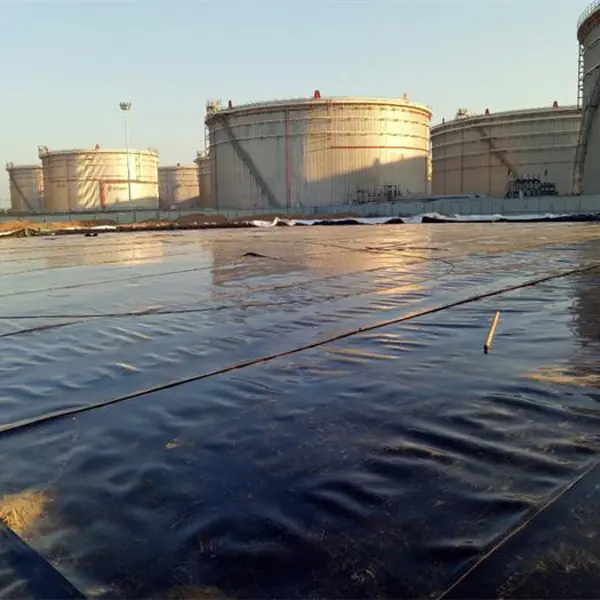
Secondary containment solutions designed for oil terminals and petrochemical plants. We supply specialized geomembranes to help protect soil and groundwater resources from hydrocarbons.
Technical comparison of natural organic coir geotextiles and synthetic polymer geotextiles.
| Property Parameter | Natural Coir Geotextile (Woven) | Non-Woven PP Filament Geotextile | High-Strength Woven PE Geotextile |
|---|---|---|---|
| Base Material | 100% Biodegradable Coir (Coconut Husk) | Virgin Polypropylene (PP) | High-Density Polyethylene (HDPE) |
| Biodegradability | 100% (Decays over 3 to 5 Years) | Inert (Non-degradable) | Inert (Non-degradable) |
| Tensile Strength (kN/m) | 8.0 to 22.0 | 12.0 to 45.0 | 45.0 to 180.0+ |
| Elongation at Break | ~30% | 50% to 80% | 15% to 25% |
| Main Applications | Slope protection, vegetation establishment | Drainage filtration, roadbed separation | Embankment reinforcement, soil stabilization |
| Eco-Engineering Impact | Adds soil nutrients, zero microplastics | Structural separator, long-term stabilization | High reinforcement capacity for soft foundations |
Shandong Hongyue's quality management system governs all phases from raw material reception to packaging. Our in-house testing laboratory conducts:
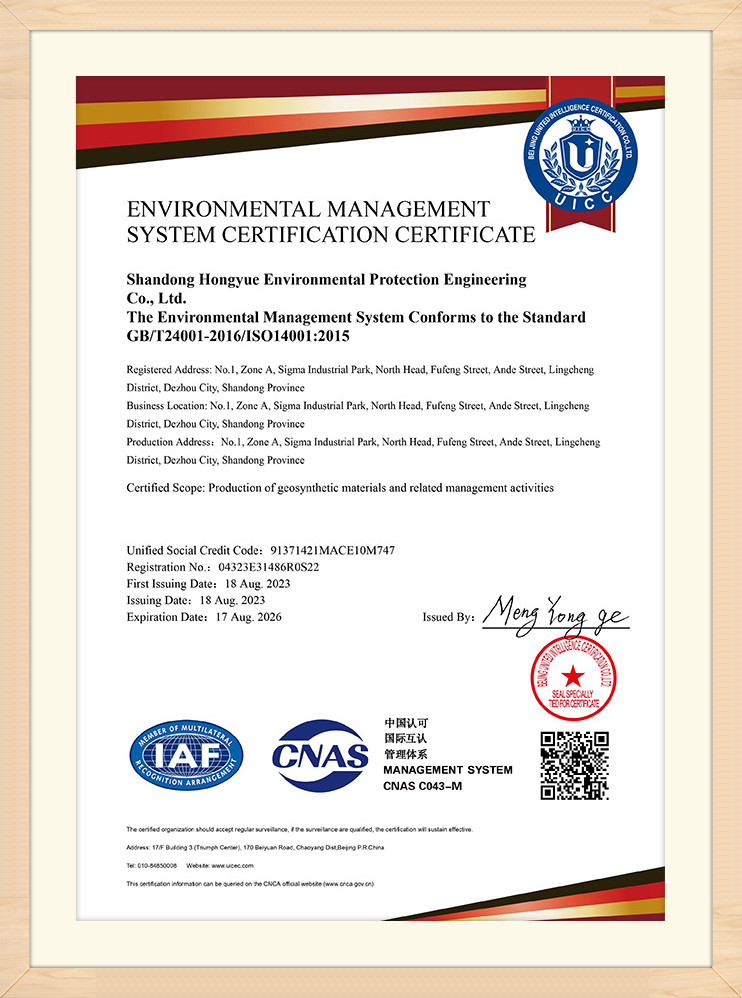
Technical and logistics guidance for engineers, procurement officers, and project managers.
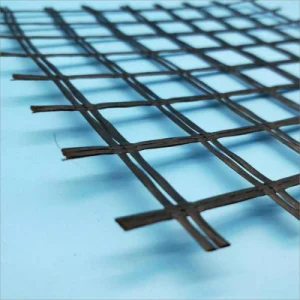
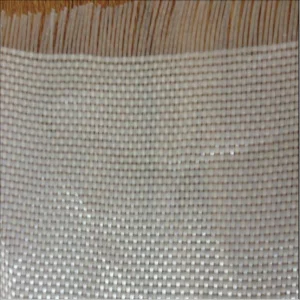
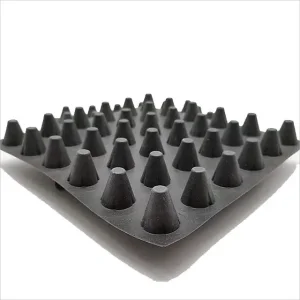
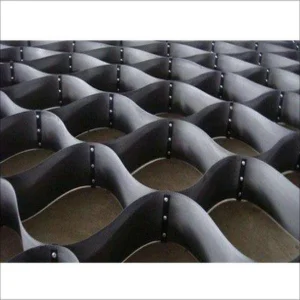
Additional products for drainage, reinforcement, containment, and erosion control.
 Hongyue