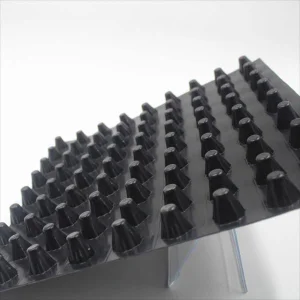
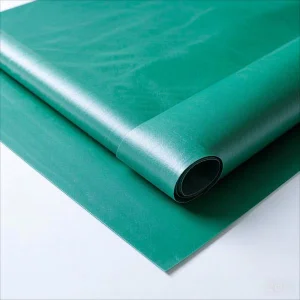
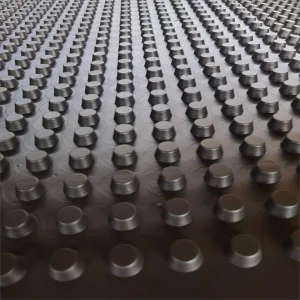
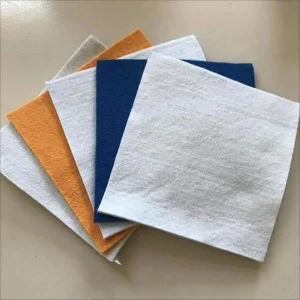
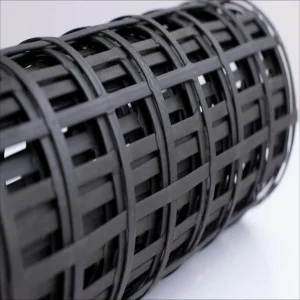
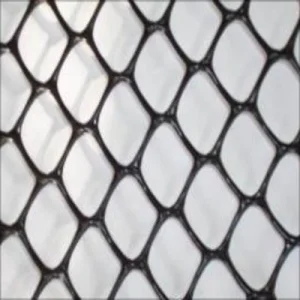
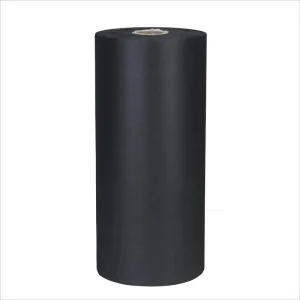
Select from our key anti-seepage, reinforcement, and drainage products manufactured to international standards.
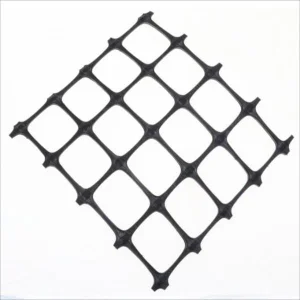
Modern infrastructure design demands sustainable, cost-effective, and long-term stabilization solutions for subgrades, roadway foundations, and structural platforms. The application of Biaxial Geogrids represents a milestone in structural soil reinforcement. Formed by pulling extruded polymer sheets in both longitudinal and transverse directions, these grids create a matrix of robust apertures. These apertures dynamically lock granular soils in place, distributing heavy concentrated loads over wider areas, reducing shear failure risk, and minimizing base layer thickness.
By confining soil aggregates laterally, a biaxial geogrid increases the resilient modulus of the subgrade. When vertical loads are applied to the surface, the aggregate particles lock within the geogrid apertures, forming a composite structure with high flexural stiffness. This mechanism dramatically decreases rutting depths and mitigates differential settlement—the primary driver of pavement fatigue and structural failure in heavy civil engineering projects.
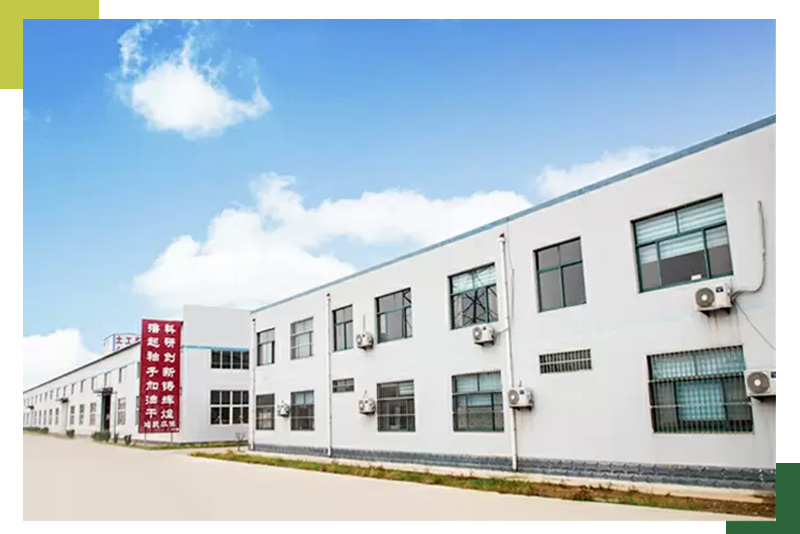
Leveraging precision manufacturing, superior geographic location, and deep compliance expertise.
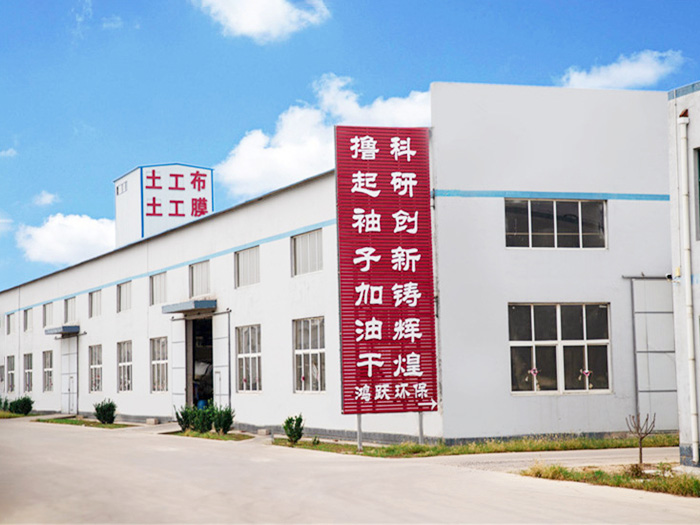
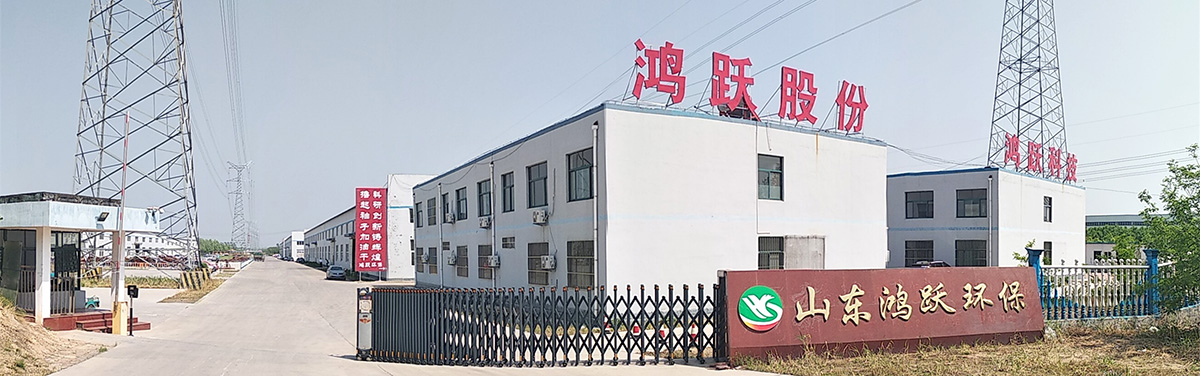
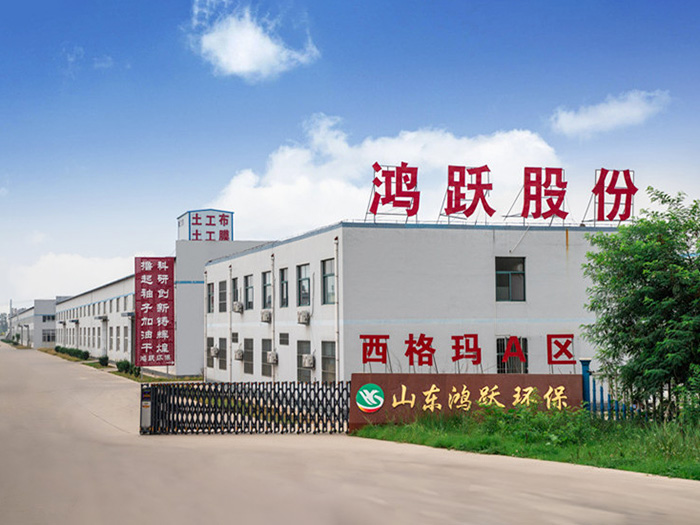
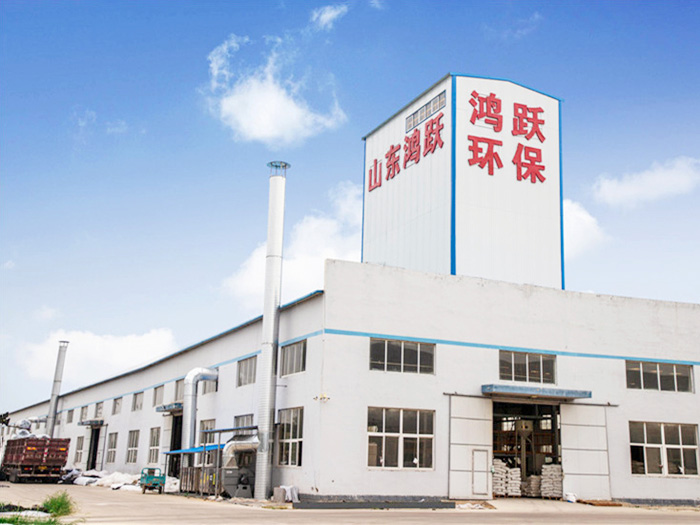
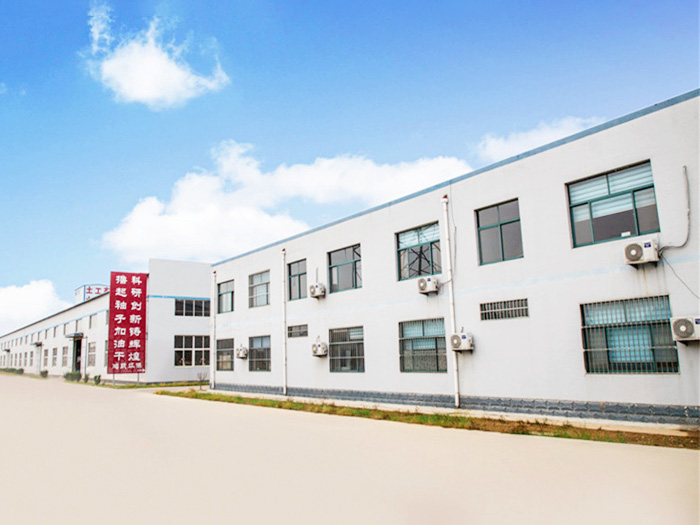
Shandong Hongyue Environmental Engineering Co., Ltd., located at the north end of Fufeng Street, Lingcheng District, Dezhou, Shandong Province, stands as a top-tier Chinese scientific and technological geotechnical material manufacturer. We seamlessly integrate structural material production, domestic and international sales, custom engineering design, and professional field construction services. Registered with the Dezhou Market Supervision and Administration Bureau on April 6, 2023, with a registered capital of 105 million yuan, our enterprise has rapidly scaled to become one of China's primary manufacturing hubs for geosynthetics. Our strategic geographic positioning ensures direct logistics channels to major ports, allowing streamlined delivery to global infrastructure projects.
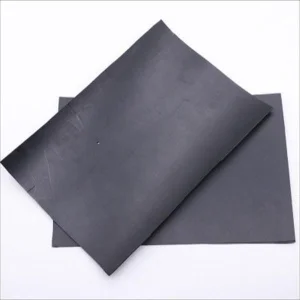
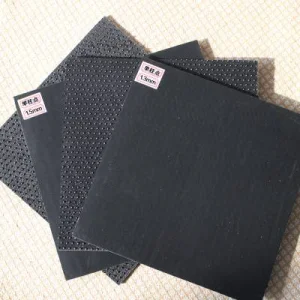
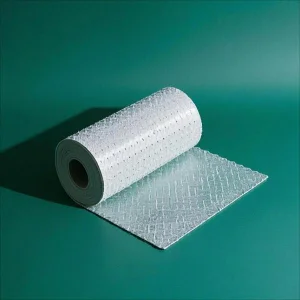
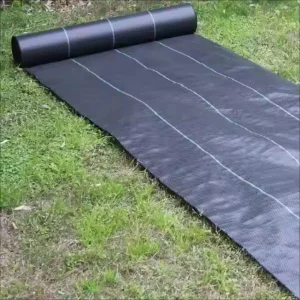
We take pride in our robust product offering. Beyond biaxial geogrids, we manufacture geotextiles, geomembranes, composite geomembranes, waterproof boards, bentonite geosynthetic clay liners (GCL), 3D composite drainage nets, (composite) drainage boards, woven and non-woven geotextiles, membrane bags, blind ditches, ecological bags, cement blankets, and flexible pervious pipes. As an active member of the Dezhou Geotextile Association, we maintain a stellar reputation for delivering high-quality materials and technical consultations to major public works.
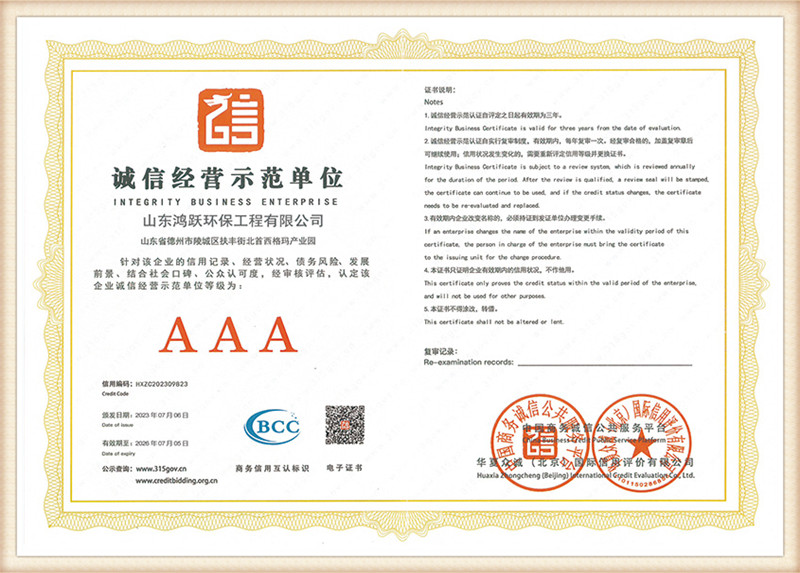
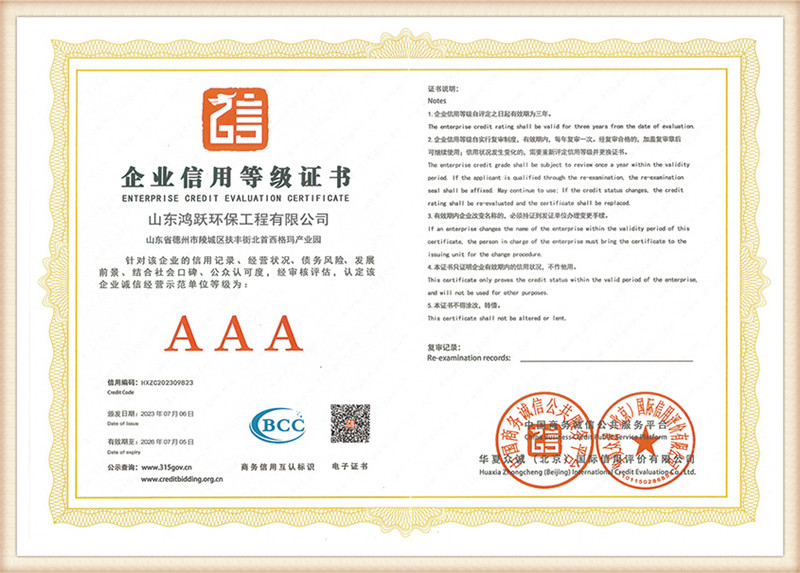
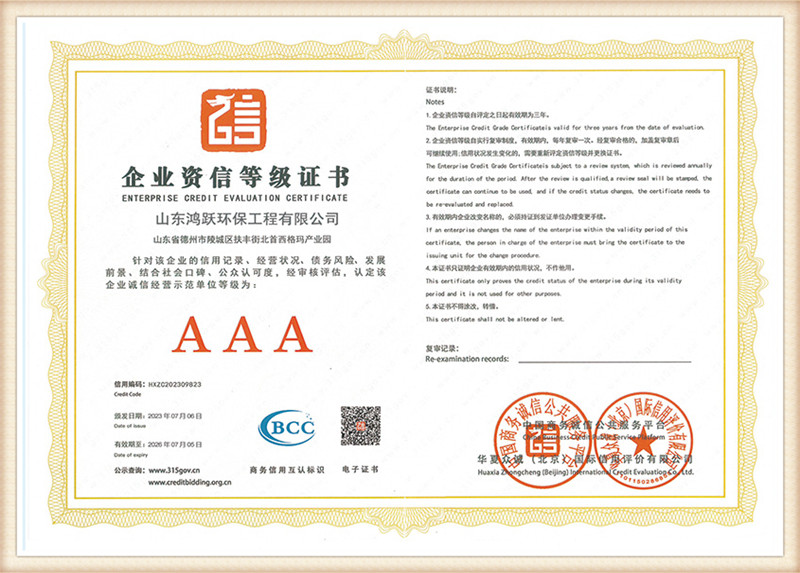
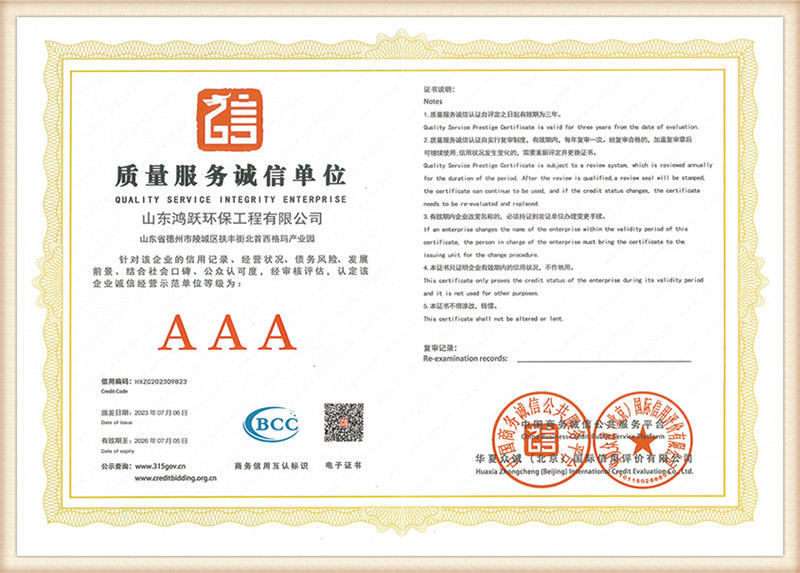
Unveiling the exact engineering and manufacturing pathways behind our high-performance geomaterials.
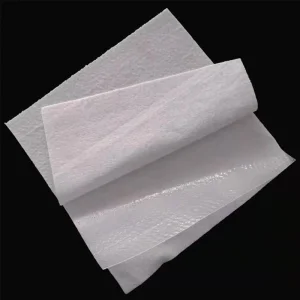
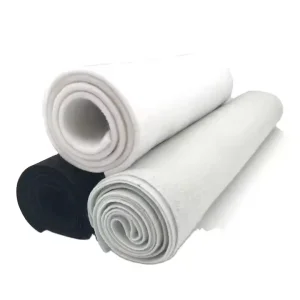
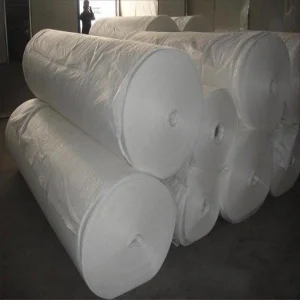
Our advanced geotextiles serve vital filtration, separation, and reinforcement roles. The production process involves raw material preparation, melt extrusion, mesh rolling, draft curing, winding, packaging, and strict quality control.
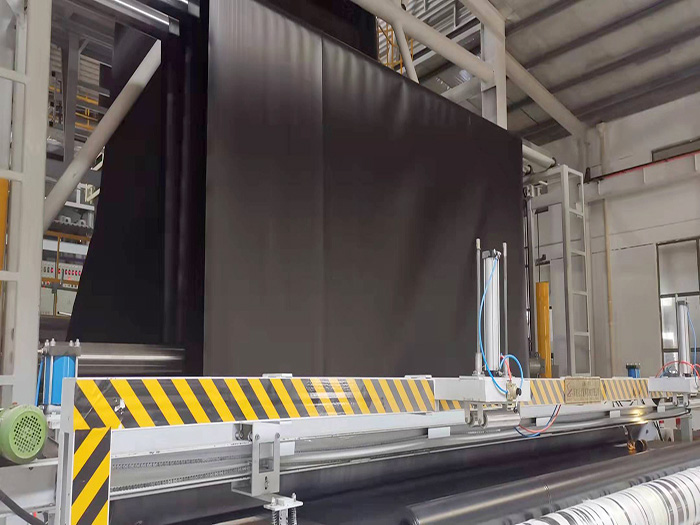
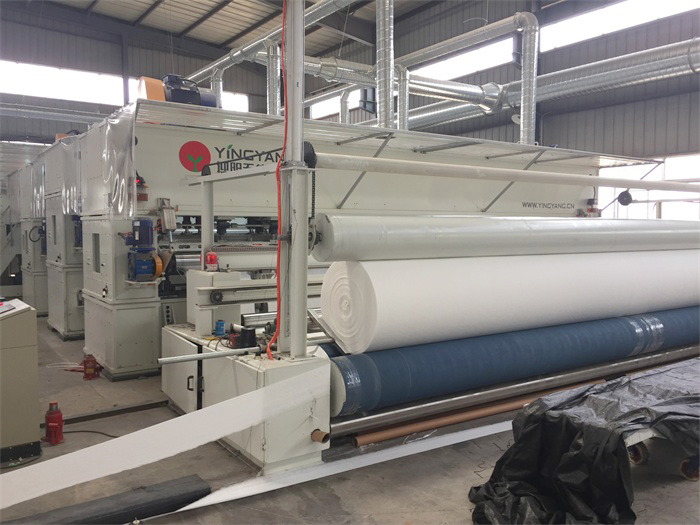
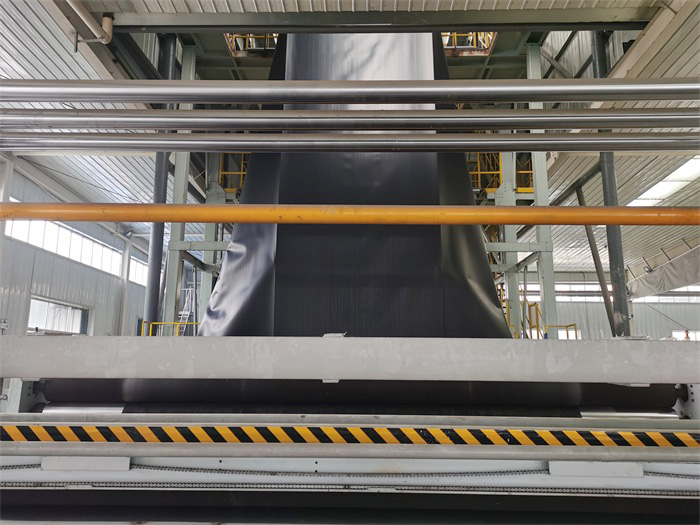
The manufacturing process for our biaxial geogrids relies on precise sheet extrusion, regular aperture punching, and controlled biaxial stretching under high-temperature conditions. Similarly, our geomembranes require advanced application technologies to perform effectively in demanding environments.
Understanding raw material fluctuations, freight costs, and custom manufacturing specifications.
Purchasing agents sourcing Wholesale Biaxial Geogrids face dynamic market conditions. Prices are primarily influenced by fluctuations in raw polypropylene (PP) and high-density polyethylene (HDPE) polymer indexes. Additional cost variables include roll width customizability, unit weight (ranging from 150g/m² to over 600g/m²), and aperture size configurations (standard 39mm x 39mm or 40mm x 40mm). Selecting a reliable manufacturer that offers transparent, direct-to-factory quotes is essential for mitigating budget overruns on large-scale infrastructure projects.
Logistics are another critical component of global procurement. Because geogrids are relatively bulky, maximizing container volume utilization is vital. At Shandong Hongyue, we employ specialized tight-rolling technology to pack more square meters per container, lowering ocean freight costs per unit. Whether shipping to Europe, North America, Southeast Asia, or Australia, we coordinate closely with port authorities to guarantee fast customs clearance and secure delivery to your construction site.
We configure transverse and longitudinal tensile properties (20kN/m to 50kN/m) tailored to local soil aggregate sizes.
Every shipment is certified by third-party testing centers, confirming tensile strength, junction efficiency, and carbon black content.
By bypassing brokers, we provide direct factory quotes that reduce overall project geosynthetic costs by up to 25%.
How engineering firms apply our geosynthetics to solve complex subgrade and environmental challenges.
Civil engineering structures fail when subgrade soils cannot support static and dynamic wheel loads. Our biaxial geogrids are engineered to address this vulnerability, reinforcing soft soils, subgrades, and bases in transport and environmental projects.
In highway and railway infrastructure, geogrids are placed between the subgrade and aggregate base to restrict the lateral movement of base materials. This confinement action increases structural load capacity, reduces shear strain, and extends the lifespan of the pavement, leading to significant savings in aggregate usage.
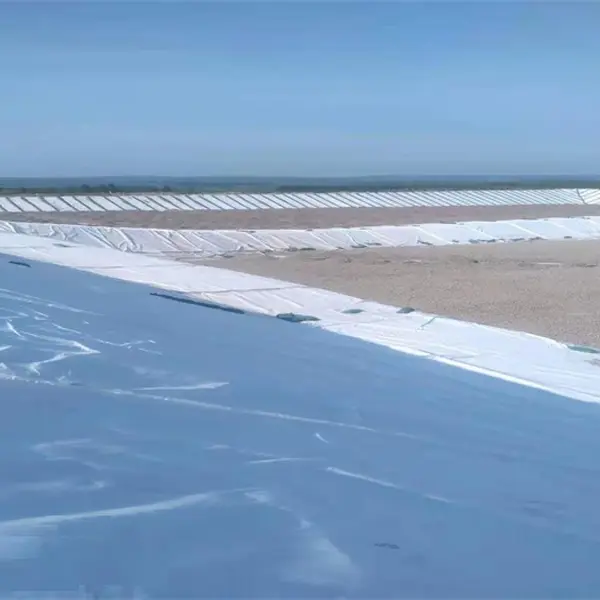
Hydraulic Engineering
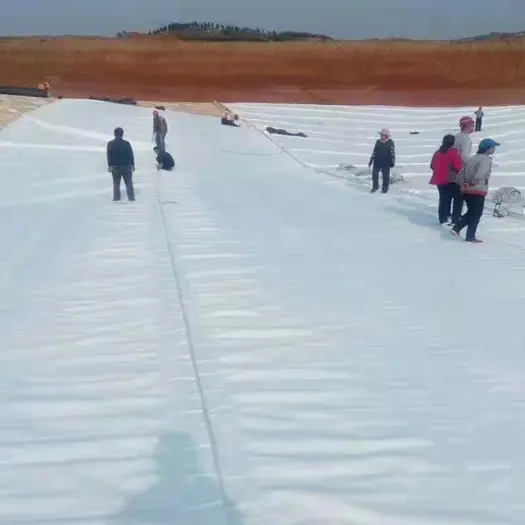
Watercourse Seepage Works
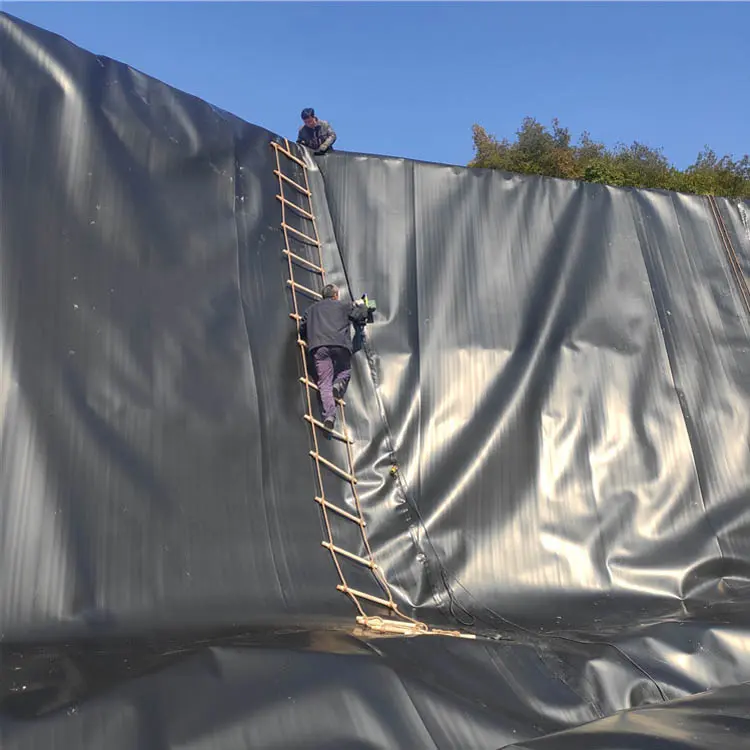
Landfill Lining & Reinforcement
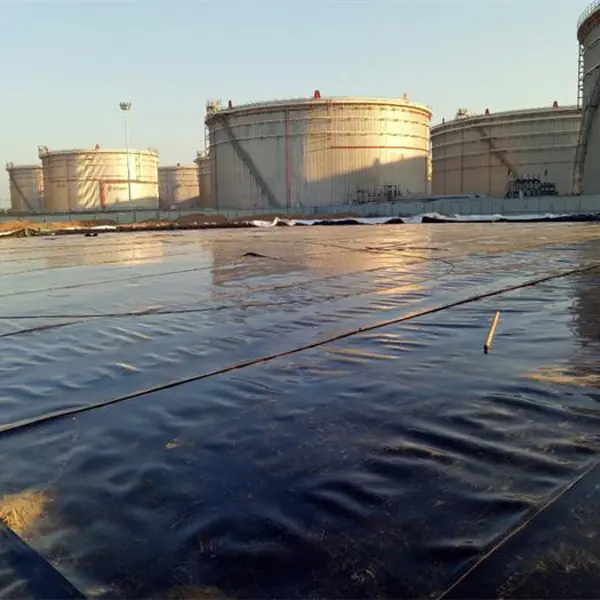
Oil Tank Foundation Works
For environmental systems like waste landfills and industrial storage pads, geomembranes and geogrids must work together. High-density geomembranes act as impermeable liners to prevent leachate from contaminating local groundwater. Meanwhile, biaxial geogrids stabilize the steep containment slopes, preventing soil slippage and maintaining the long-term structural integrity of the landfill capping system.
At Shandong Hongyue, we combine our manufacturing capabilities with experienced production and field service teams. Our engineers and technicians bring over a decade of hands-on experience, supporting infrastructure sites both in China and internationally.
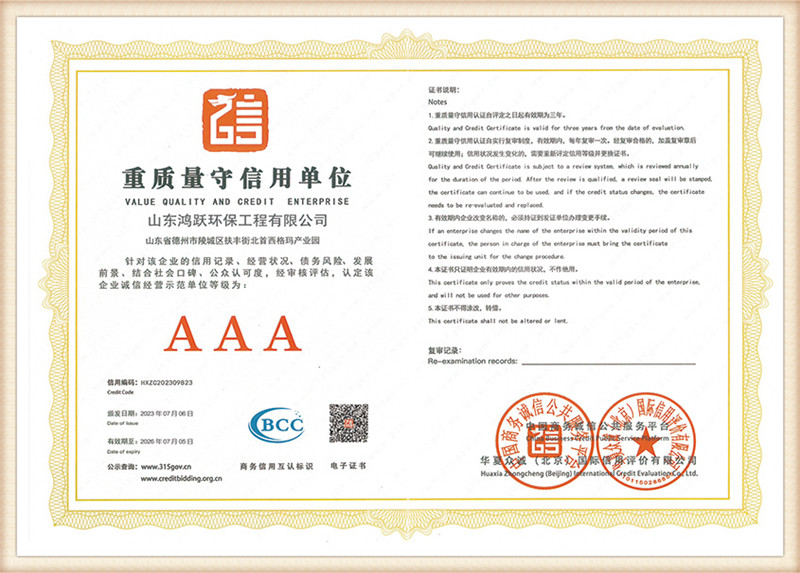
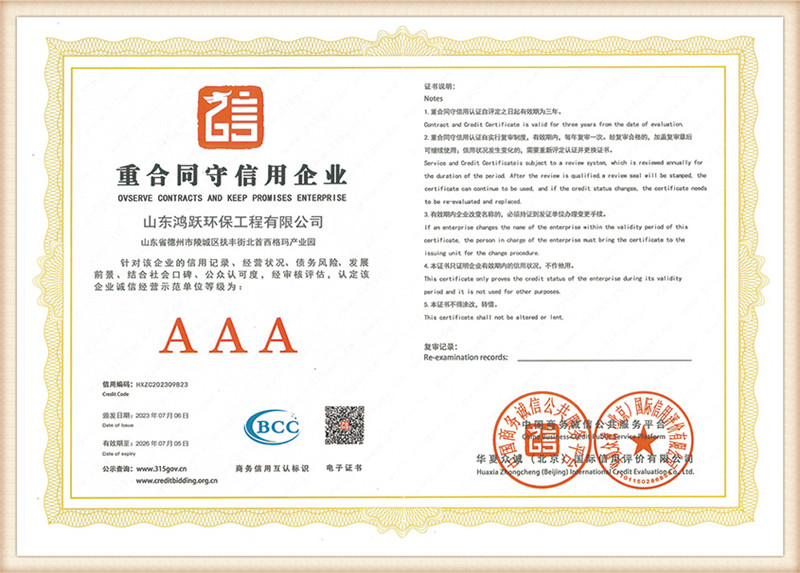
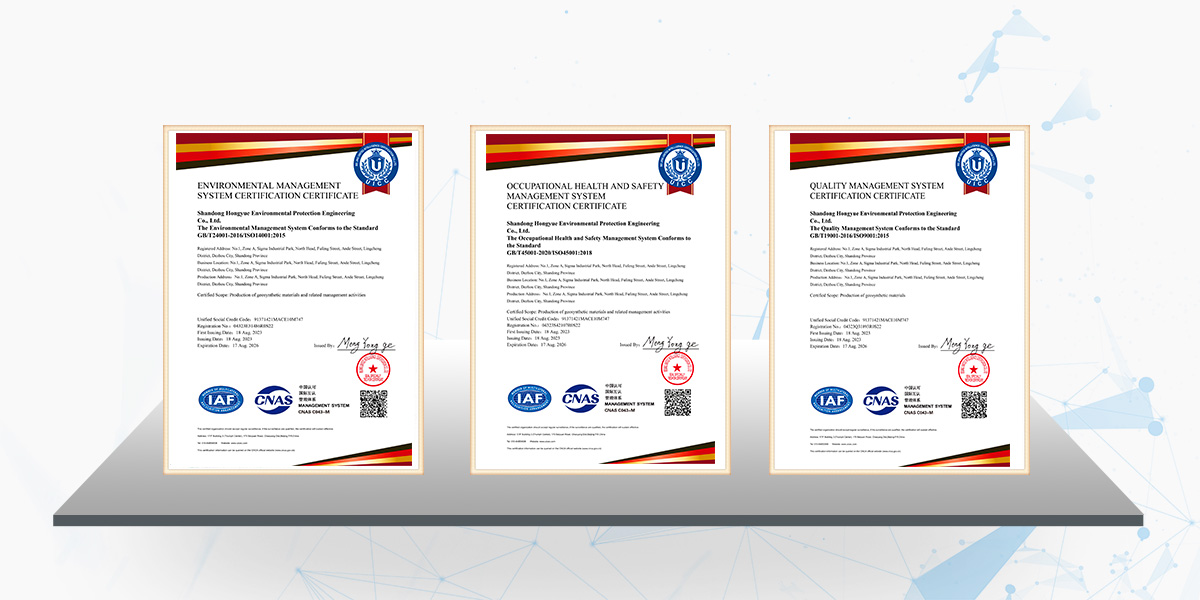
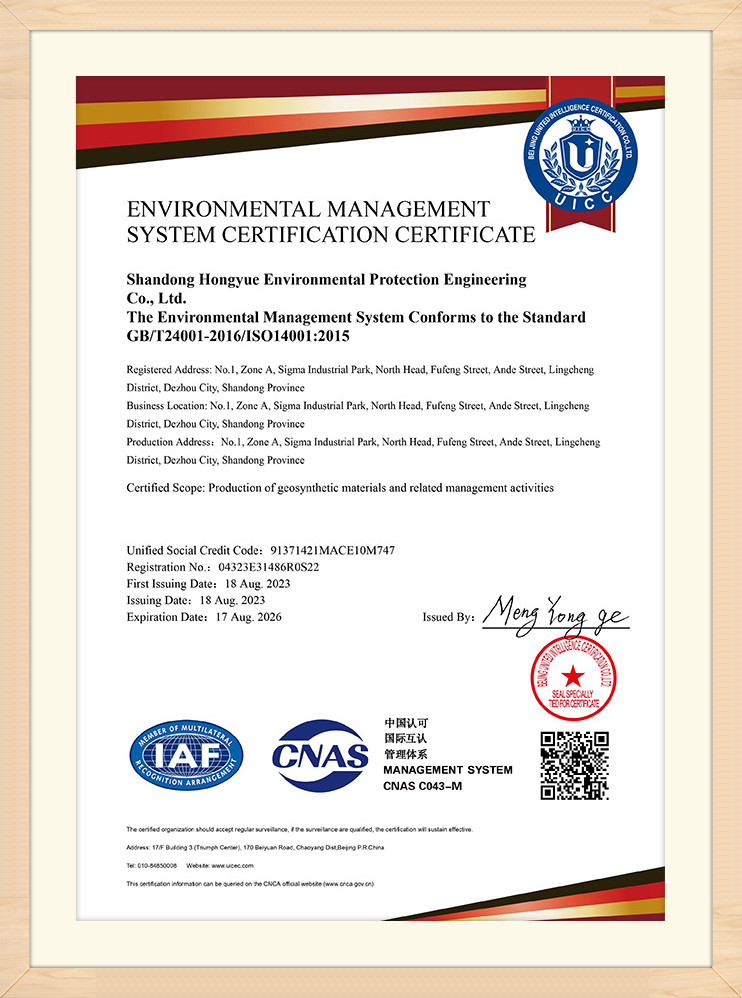
We have established regional support offices in major commercial hubs to assist with material selection, site layout, and installation guidance. Our quality management system is fully certified to ISO9001, ISO14001, and ISO45001 standards. Every production run undergoes strict testing, with products regularly passing national and international quality audits. This ensures consistent mechanical properties, reliable tensile strength, and excellent UV resistance in every roll we ship.
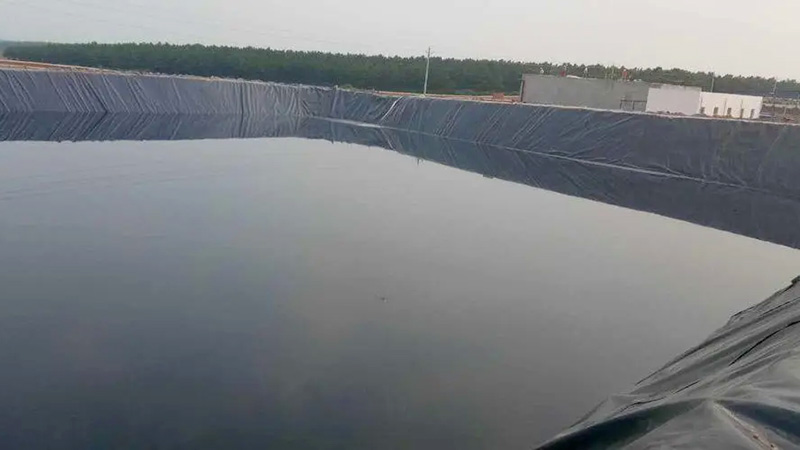
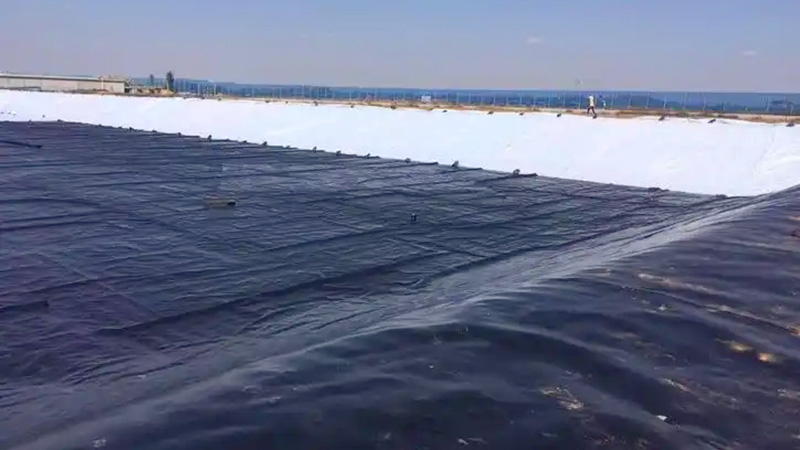
Reviewing the real-world deployment of our geosynthetics in water conservancy and subgrade stabilization.
Proper installation is key to unlocking the full performance of high-tensile geogrids and geomembranes. Our field engineering teams work closely with installers to ensure project specifications are met on site.
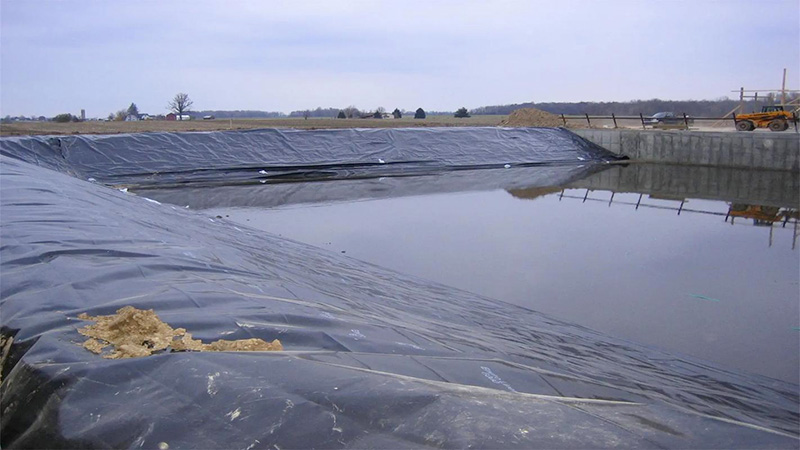
For reservoirs, levees, and canal projects, our geomembranes prevent seepage and erosion. The installation sequence typically begins with subgrade leveling, followed by laying the geomembrane, welding the panels, and covering the assembly with a protective layer of sand or soil. In high-velocity channels, we add a layer of non-woven geotextile to protect the membrane and anchor the soil particles, ensuring reliable performance in tough conditions.
Expert answers to common questions about specifications, installation, and pricing.
Explore our range of drainage boards, composite geonets, and soil reinforcement systems.
 Hongyue