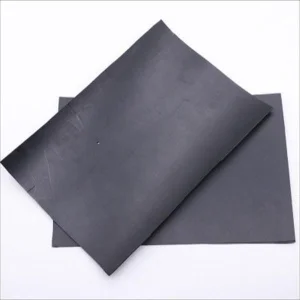
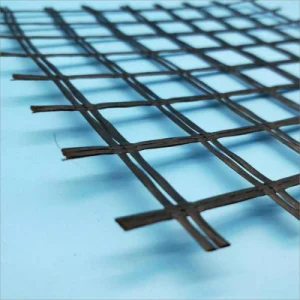
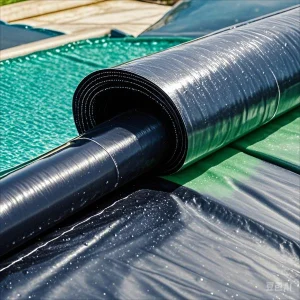
In modern environmental engineering, hydraulic containment, and civil infrastructure, the selection of barrier systems is a critical factor determining project longevity, risk mitigation, and ecological compliance. High-performance polymer membrane liners—particularly those formulated from High-Density Polyethylene (HDPE), Linear Low-Density Polyethylene (LLDPE), and Polyvinyl Chloride (PVC)—serve as the primary defense mechanism against fluid migration, hazardous leachate infiltration, and structural degradation.
As a premier OEM membrane liners manufacturer and supplier, Shandong Hongyue Environmental Engineering Co., Ltd. is at the forefront of polymer science integration. We fabricate specialized barrier products that address high hydrostatic pressures, aggressive chemical environments, extreme thermal variations, and mechanical stresses.
Our engineering methodology focuses on minimizing permeability while maximizing tensile strength and chemical resistance. This document details the raw material processing, quality controls, local applications, future technology roadmap, and supply chain dynamics that establish our position in global infrastructure development.
Achieving hydraulic conductivity values below 1 × 10⁻¹³ cm/s to ensure robust containment of hazardous and non-hazardous fluids.
Optimized polymer matrices capable of resisting shear and installation damage under heavy aggregate loading.
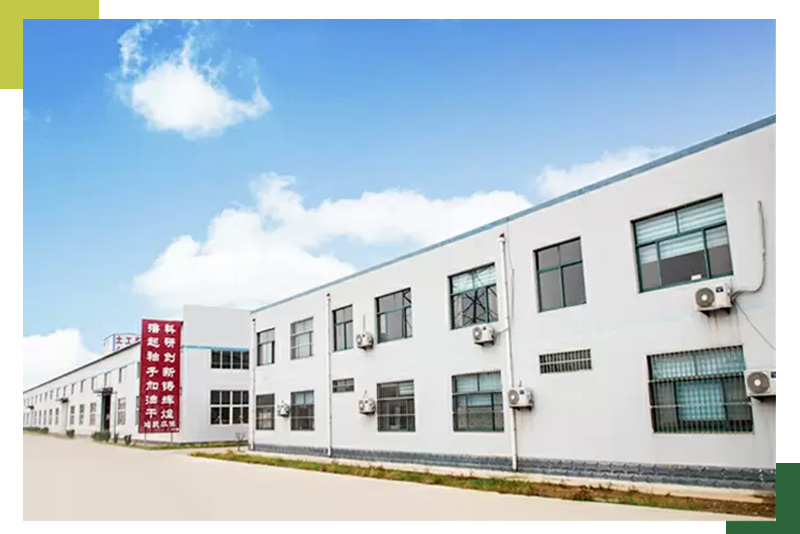
Shandong Hongyue Environmental Engineering Co., Ltd., located at the north end of Fufeng Street, Lingcheng District, Dezhou, Shandong Province, is a scientific and technological geotechnical material manufacturer integrating engineering material production, sales, design, and construction services. The company was registered with the Lingcheng District Market Supervision and Administration Bureau of Dezhou City with a registered capital of 105 million yuan.
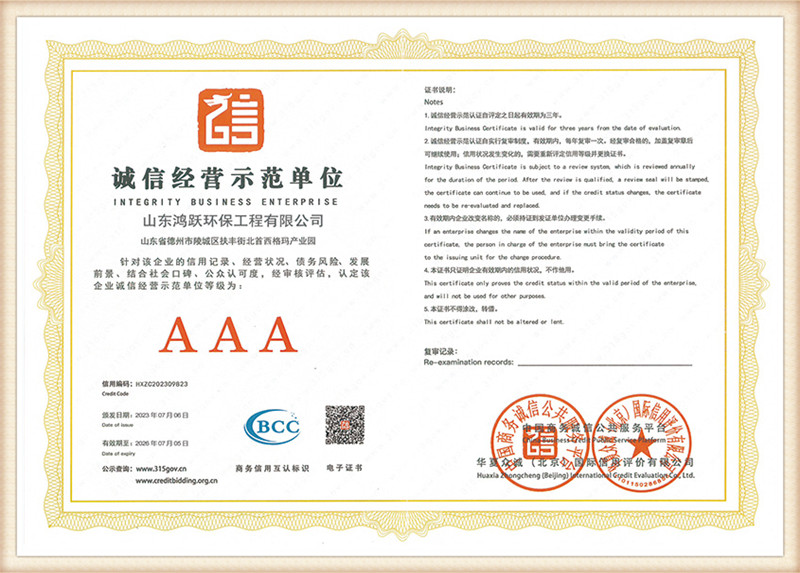
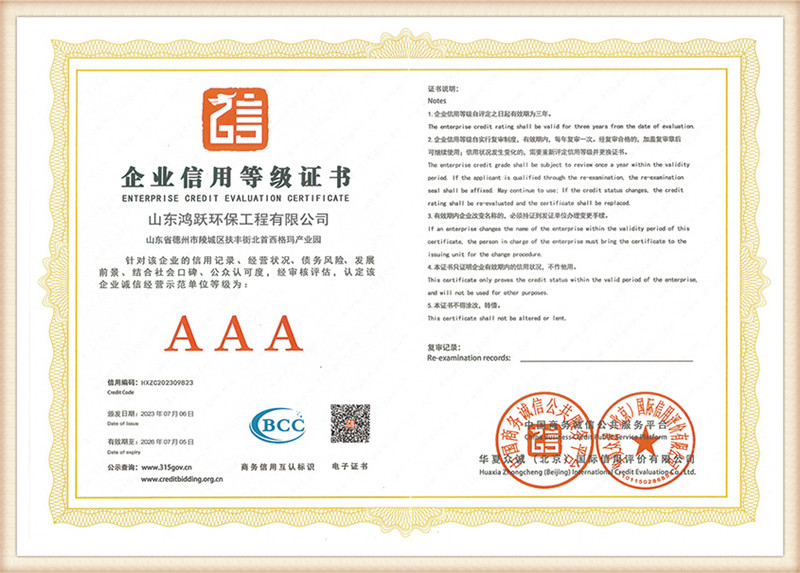
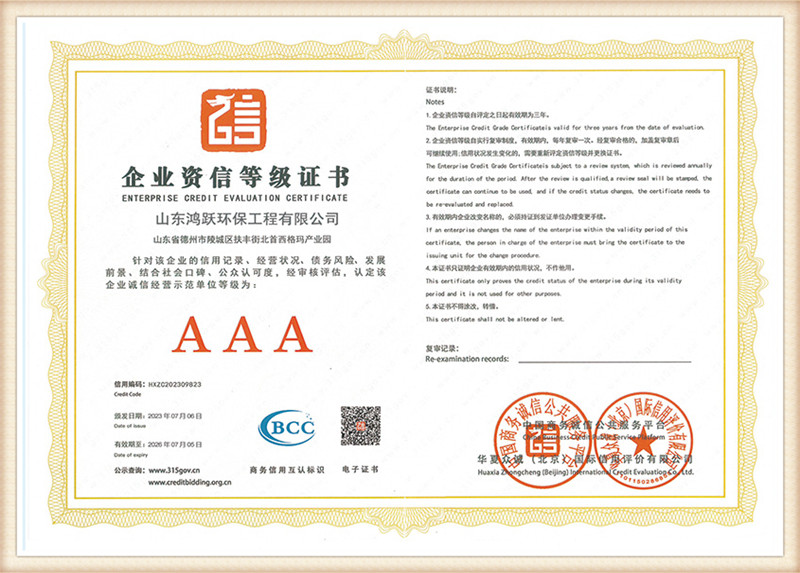
As one of the largest production bases of geotechnical materials in China, we benefit from a strategic geographical location with convenient transportation routes connecting to major global shipping ports. We possess a complete and scientific management system, holding certifications for ISO9001 (International Quality System), ISO14001 (Environmental System), and ISO45001 (Occupational Health and Safety Management System).
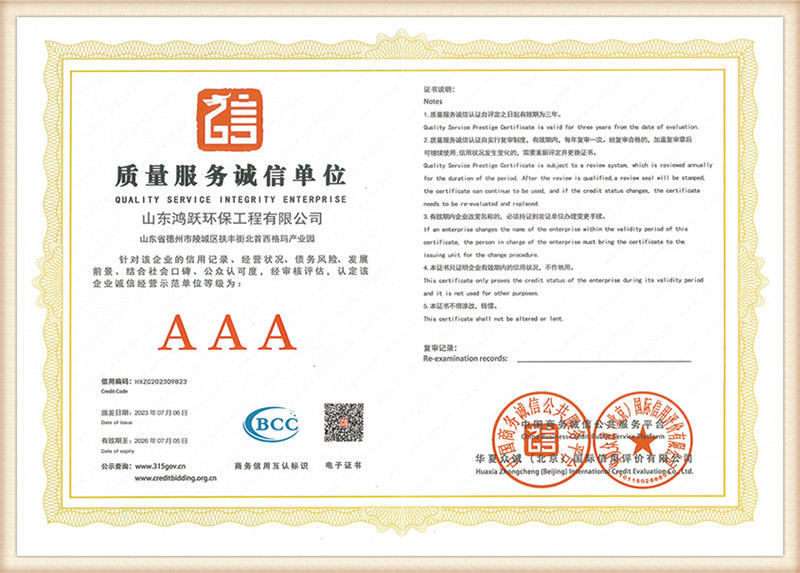
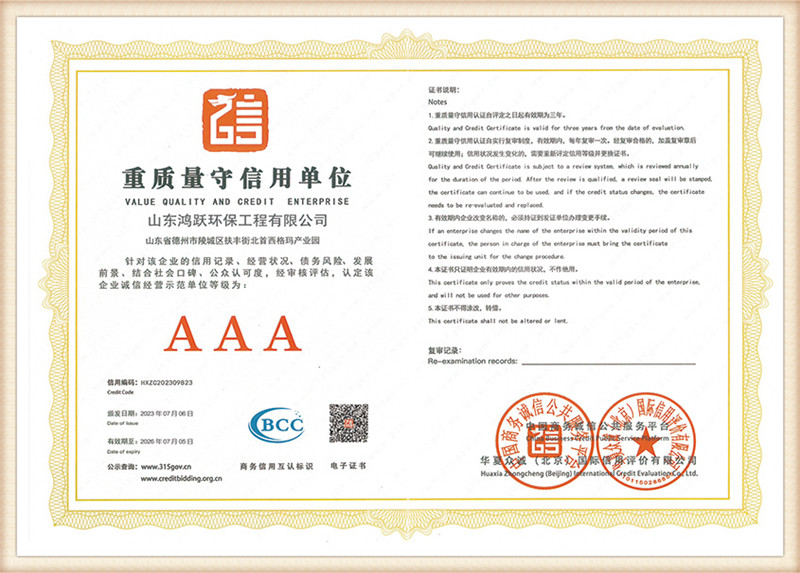
Our dedication to quality has earned us several accolades, including recognition as a "Famous Chinese Brand," a "High-Tech Industry" enterprise, and "Green and Environmentally Friendly Building Materials Products."
Producing reliable geosynthetic materials requires precise manufacturing parameters, pure raw materials, and strict QA/QC testing protocols. The process diagram below outlines our standard methodology for geotextile and geomembrane manufacturing.
Our quality process begins with raw material selection. We use high-grade polyester chips, polypropylene filament, and high-density polyethylene resins. Each batch undergoes testing for melt flow index, density, and oxidative induction time (OIT) to verify conformity before production.
For geomembranes and geotextiles, resins are processed through computerized screw extruders. Polyethylene is melted under strict temperature and pressure controls to prevent thermal degradation, ensuring consistent thickness and chemical stability.
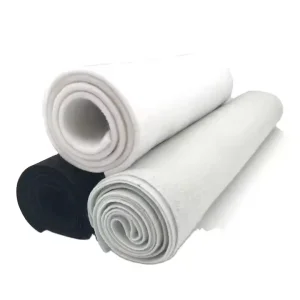
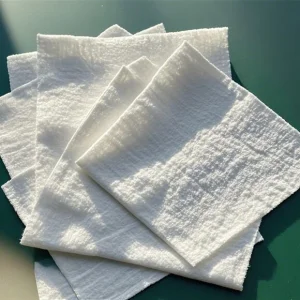
Filament materials are extruded through spinnerets to form a dense web of overlapping fibers on a conveyor. Draft ratios and needle-punch patterns are monitored to optimize mechanical properties such as multi-axial tensile strength and puncture resistance.
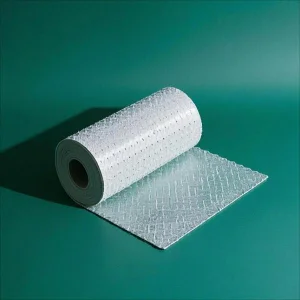
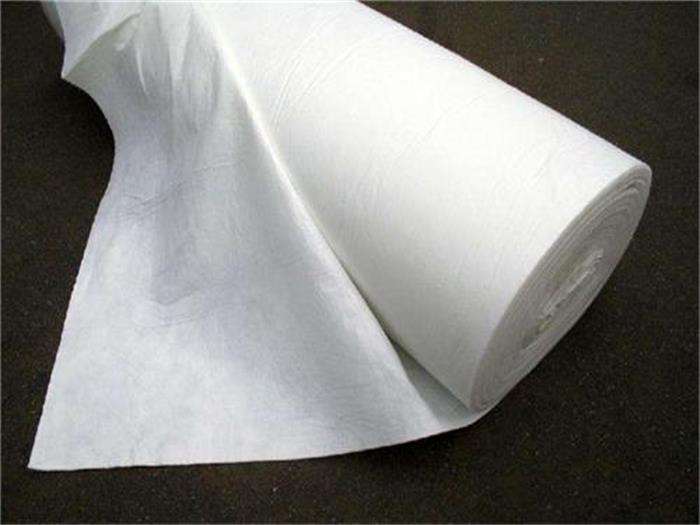
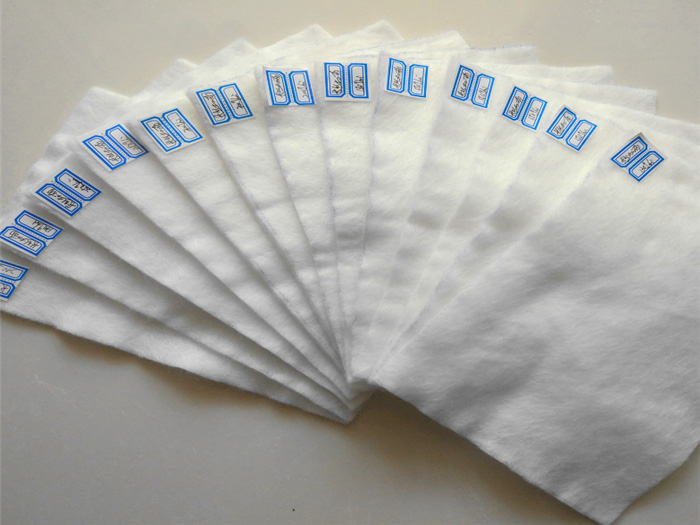
Finished materials are measured for width, length, and mass per unit area. Each roll is packed in protective geotextile sleeves with identification tags indicating batch and specifications, facilitating traceability for field installation.
To address evolving environmental regulations and engineering requirements, Shandong Hongyue is investing in R&D to enhance geosynthetic performance.
Our research and development focuses on integrating conductive layers into geomembranes to enable electrical leak location (ELL) testing post-installation. We are also evaluating nano-clay additives to improve gas barrier performance, reducing organic compound migration in landfill applications.
Additionally, we are testing biopolymer-stabilized geotextiles for temporary stabilization projects. These materials provide reinforcement and then degrade naturally after vegetation becomes established, minimizing microplastic footprint.
We are upgrading our manufacturing lines to incorporate online vision inspection systems. These cameras scan 100% of the membrane surface in real time, detecting and marking gel spots, pinholes, and thickness variations during extrusion.
Shandong Hongyue is also working to reduce energy consumption across our manufacturing processes. By implementing closed-loop heat recovery systems on our extrusion equipment, we aim to lower the carbon footprint of our geotechnical products.
Geosynthetics must be engineered to withstand specific regional climates and mechanical demands. Shandong Hongyue provides tailored solutions for diverse environmental conditions worldwide.
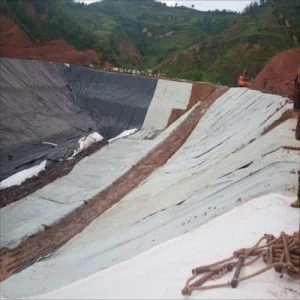
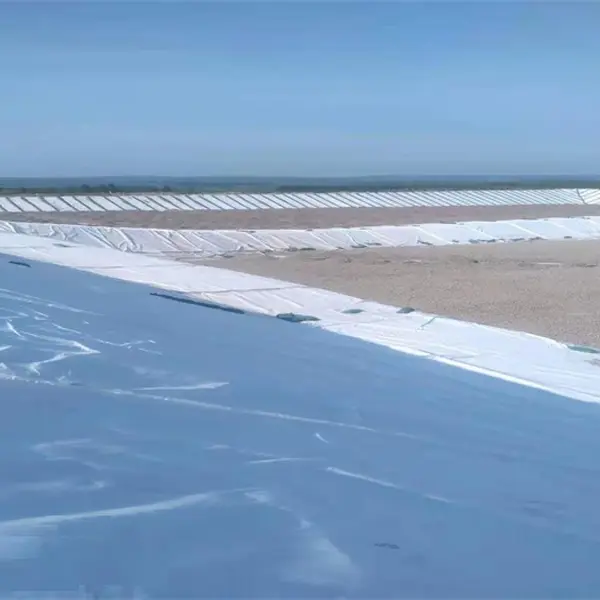
Used in reservoir dams, canal linings, and aqueducts. Our high-density polyethylene membranes reduce water loss from seepage, preserving water resources in arid regions.
Composite barrier systems combining HDPE geomembranes and geosynthetic clay liners (GCL) collect leachate, protecting adjacent groundwater sources from contamination.
Engineered to resist acidic and alkaline chemical solutions under high load pressures, ensuring containment of heavy metals and process chemicals.
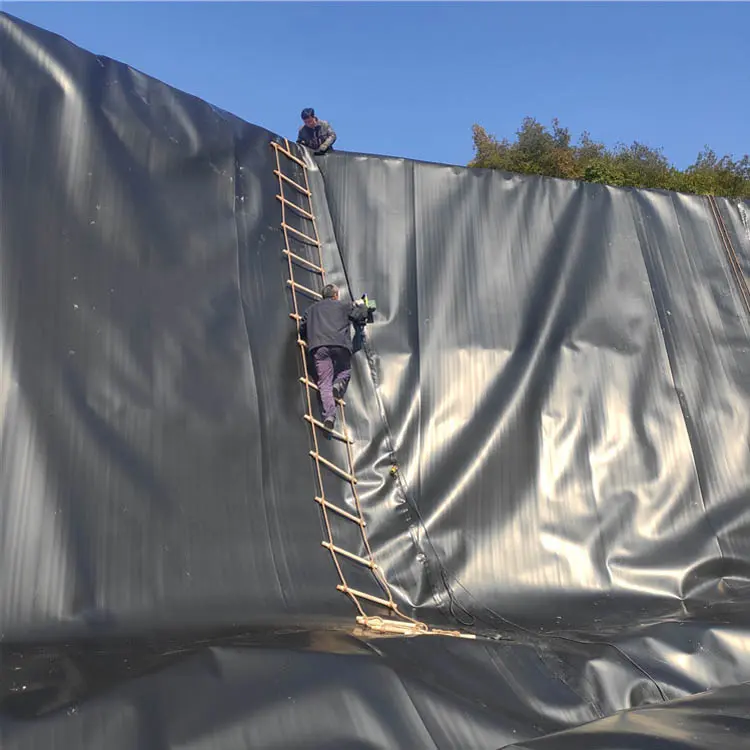
Operating in Shandong, China—a hub for geotextile and geosynthetic manufacturing—gives Shandong Hongyue access to a mature industrial cluster, supporting efficient production and logistics.
Our proximity to petrochemical complexes allows for stable raw material supply, reducing production interruptions and helping mitigate resin price fluctuations. This integration helps maintain stable pricing for long-term contract clients.
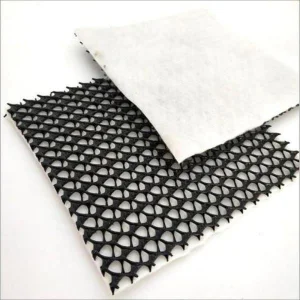
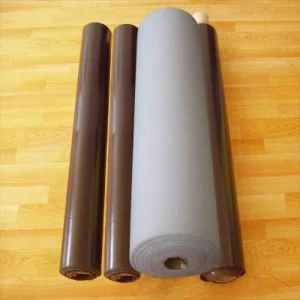
With modern extrusion lines, we can adjust liner formulations, roll widths (up to 8 meters), and thicknesses (0.3mm to 3.0mm) to match specific project specifications. We also offer composite laminations of geotextiles and geomembranes to simplify field installation.
Our facility includes an in-house laboratory to monitor product performance. We test for tensile properties, puncture resistance, carbon black dispersion, and environmental stress crack resistance (ESCR) under ASTM standards, ensuring conformity prior to dispatch.
Technical clarifications regarding the selection, application, and performance of geosynthetic membrane systems.
 Hongyue