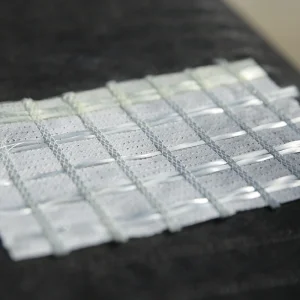
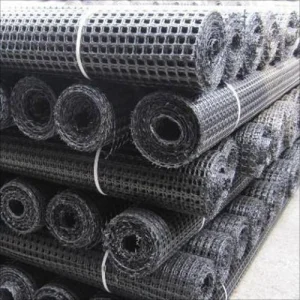
Explore our state-of-the-art engineering materials designed for multi-tier industrial applications
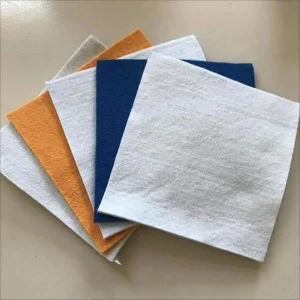
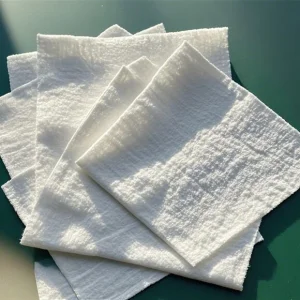
Within modern civil engineering and environmental containment projects, material longevity and mechanical integrity are paramount. Nonwoven needle-punched geotextiles, particularly specified at a density of 200g per square meter (200g/m²), represent the critical sweet spot between cost efficiency and mechanical performance. These materials play an irreplaceable role in stabilizing soils, preventing layer contamination, and facilitating optimal fluid transmittivity across highly demanding civil environments.
As standard-compliant projects push for longer design-life targets—often exceeding 50 or 100 years—the technical selection of 200g/m² geotextiles must be backed by structural parameters. Selecting an experienced OEM manufacturer is no longer just about searching for the lowest price sheet; it requires deep validation of raw polymer sourcing, needle-punch density profiles, and certified quality controls that guarantee consistent performance under heavy burial stresses.
Understanding the engineering metrics of 200g/m² geotextile under ASTM & ISO standards
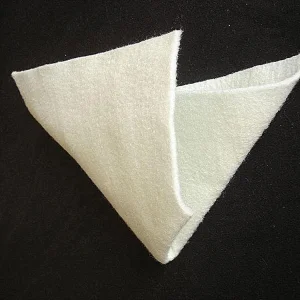
Our 200g/m² nonwoven needle-punched geotextiles are meticulously manufactured using high-quality virgin polypropylene (PP) or polyester (PET) fibers. They undergo intense mechanical entanglement to provide superior tensile strength in both Machine Direction (MD) and Cross-Machine Direction (CMD).
These specifications are tailored to satisfy critical design parameters for water conservancy, highway construction, and landfill projects, providing structural isolation and robust puncture protection to geomembrane liners.
By operating advanced computerized production lines, Shandong Hongyue Environmental Engineering Co., Ltd. can customize the physical properties—such as modifying pore size distributions ($O_{90}$), increasing elongation limits, or compounding specialized UV-stabilizer packages—to match precise site-specific conditions.
| Performance Indicator | Unit | Polyester (PET) Nonwoven 200g | Polypropylene (PP) Nonwoven 200g | Test Standard (ASTM/ISO) |
|---|---|---|---|---|
| Mass Per Unit Area | g/m² | 200 (±5%) | 200 (±5%) | ASTM D5261 / ISO 9864 |
| CBR Puncture Strength | kN | ≥ 1.8 | ≥ 2.5 | ASTM D6241 / ISO 12236 |
| Tensile Strength (MD) | kN/m | ≥ 12.0 | ≥ 16.5 | ASTM D4632 / ISO 10319 |
| Tensile Strength (CMD) | kN/m | ≥ 10.5 | ≥ 14.5 | ASTM D4632 / ISO 10319 |
| Elongation at Break | % | 50 - 80 | 45 - 75 | ASTM D4632 / ISO 10319 |
| Permittivity (Water Flow) | s⁻¹ | 1.2 - 2.5 | 1.5 - 2.8 | ASTM D4491 / ISO 11058 |
| Apparent Opening Size (AOS) | mm | 0.07 - 0.20 | 0.07 - 0.18 | ASTM D4751 / ISO 12956 |
| UV Resistance (after 500h) | % Retained | ≥ 70% | ≥ 80% (stabilized) | ASTM D4355 |
Macro-economic drivers, supply chain configurations, and environmental trends shaping the geotextile sector
Strict carbon neutrality laws globally drive the adoption of recycled polymer geotextiles. In response, our laboratory is researching biodegradable stabilizers and post-consumer recycled PET resins to lower the carbon footprint of structural infrastructure projects without sacrificing mechanical integrity.
Rapid urbanization across Southeast Asia, North America, and Eastern Europe drives vast investments in road beds, high-speed rail lines, and deep water channels. These projects demand massive volumes of certified 200g/m² nonwovens to separate fine subgrade soils from coarse subbase aggregate.
The cutting-edge frontier utilizes geotextiles embedded with fiber-optic micro-sensors or conductive threads. These smart materials can detect early-stage subgrade movements, temperature fluctuations, and pore pressure changes in real time, transmitting critical data directly to site engineers.
How premium 200g/m² geotextile is engineered from raw polymer chips to high-tenacity rolls
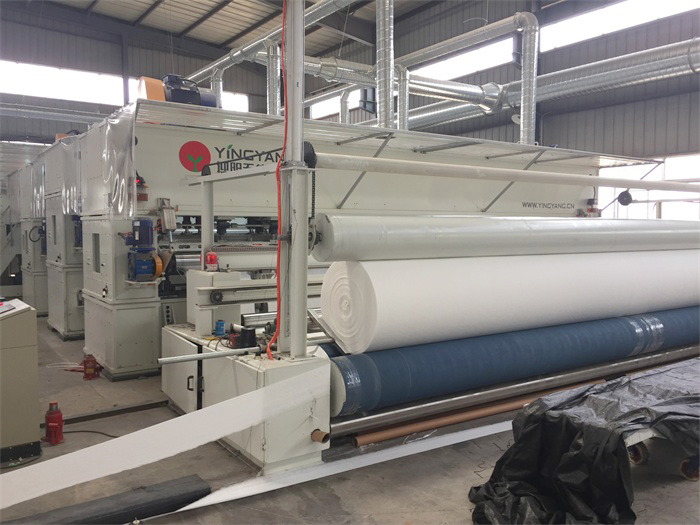
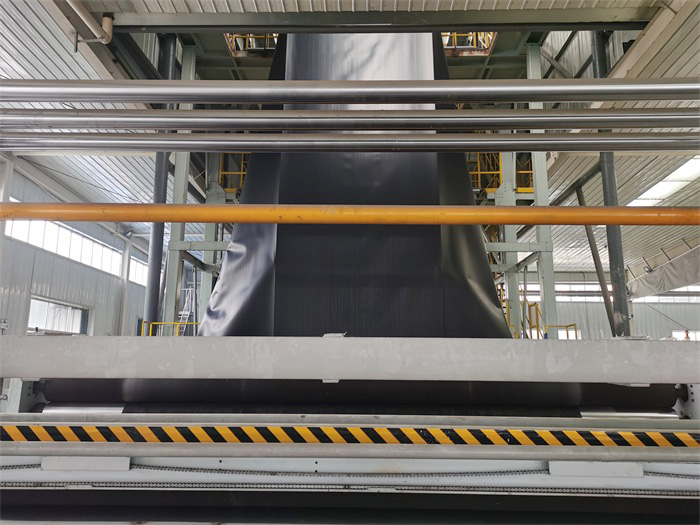
Equipped with high-performance needle-looms and precision fiber distributors that ensure weight uniformity across the entire width of the roll.
Rigorous material testing, including CBR puncture validation, multi-axial tensile tests, and hydraulic permeability checks.
Robust packaging systems that preserve the roll surface against UV exposure and physical damage during international shipping.
The process begins with the critical selection and quality testing of raw polymer materials, including polyester chips, polypropylene filament, and viscose fiber. We test these inputs thoroughly to ensure stability and resistance to high-temperature melt extrusion.
Polymer materials are melted at precise high temperatures in our computer-controlled screw extruders. Mixing in polypropylene filament and specialized anti-aging additives ensures the melt's viscosity remains uniform before entering the spinnerets.
The molten fibers are sprayed out via high-precision spinnerets to form a dense web of overlapping filaments. Our systems carefully manage fiber orientation to ensure multidirectional structural strength and optimal hydraulic pore distribution.
The loose web is fed into a sequence of heavy needle punch looms. Thousands of barbed needles pierce the fiber web repeatedly, entangling the filaments mechanically. This process establishes the final density, thickness, and tensile strength of the 200g/m² sheet.
Once the target thickness and entanglement density are reached, the geotextile is trimmed to standard widths (typically 2 to 6 meters) and wound onto heavy-duty cardboard cores. Rolls are then wrapped in UV-protective woven geotextile bags for shipment.
Samples from every batch undergo comprehensive testing in our certified quality control laboratory. We measure mass variance, CBR puncture limits, water permeability, and grab tensile strength before issuing a Certificate of Conformance.
How engineering designs leverage 200g/m² geotextile to optimize safety and containment performance
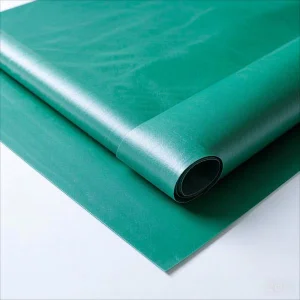
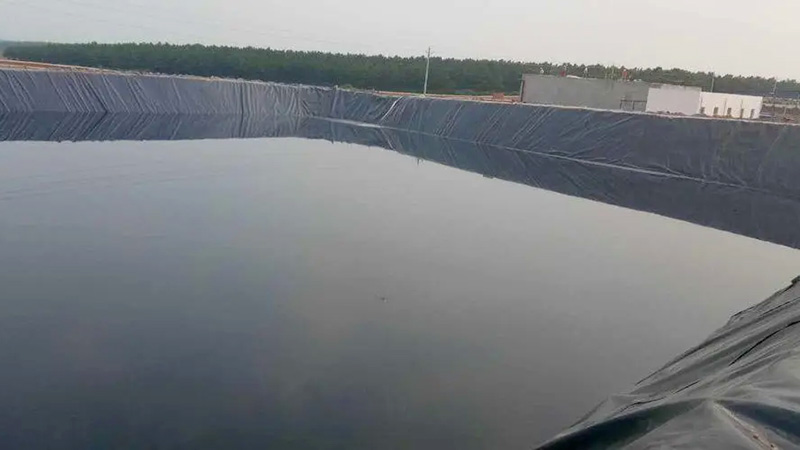
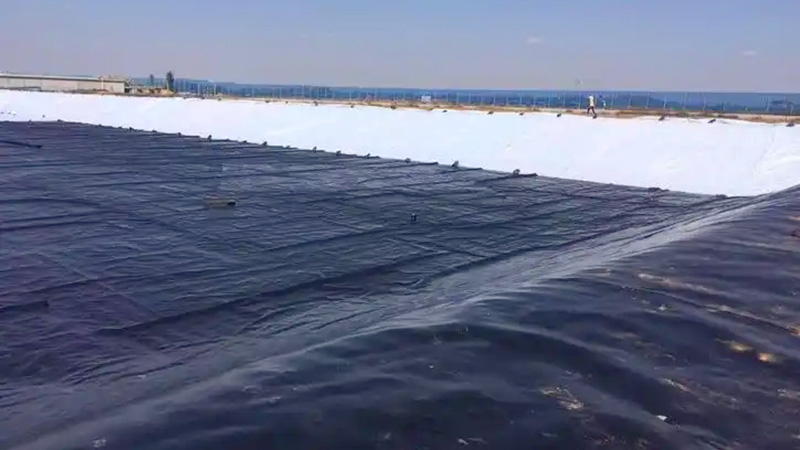
In canal construction, 200g/m² nonwoven geotextiles act as a crucial protective cushion underneath HDPE geomembrane liners. By absorbing localized point pressures from rocky subgrades, the geotextile prevents geomembrane puncturing. It also relieves hydrodynamic pore pressure beneath the canal liner, mitigating uplift forces that can destabilize concrete slopes.
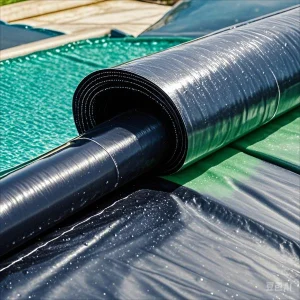
In waste management containment, geomembranes must be protected from sharp municipal waste and heavy gravel layers. A 200g/m² geotextile is deployed on both sides of the HDPE liner. This setup creates a protective cushion against physical damage while filtering out fine clay particles. It ensures the drainage layers remain free-flowing to manage leachate effectively over decades.
Under heavy dynamic wheel loads, underlying subgrade clays can pump upward into the structural ballast, compromising structural support. Placing a 200g/m² geotextile at the subgrade-ballast interface retains soil particles while allowing water to drain. This separation maintains the design bearing capacity of the roadbed, reducing maintenance costs.
Coastal revetments and riverbank protection structures rely on geotextiles underneath concrete armor blocks or heavy stone rip-rap. The 200g/m² fabric lets water flow through, relieving hydrostatic backpressure. At the same time, it keeps fine bank soils in place, preventing undermining and structural washouts from wave action.
A transparent guide to understanding global wholesale pricing and raw material components
Wholesale prices for 200g/m² geotextiles depend directly on polymer index pricing (PP/PET), formulation requirements (such as UV resistance packages), roll widths, and order volumes. High-purity virgin polypropylene raw materials cost more than recycled polyester, but they provide greater durability under acid-alkali chemical exposure.
For custom production runs, we provide global engineering clients with competitive volume pricing. Below is an indicative price structure for general project planning:
Procurement Note for Project Estimators:
Always verify if your quote includes testing certifications (e.g., ISO, CE, TRI) and UV stabilizers. Unstabilized nonwovens degrade quickly in outdoor conditions, which can lead to premature failure before fill placement is complete.
| Material Formulation | Polymer Type | Roll Size Options | Indicative Price Range (FOB Qingdao) | Minimum Order Quantity (MOQ) |
|---|---|---|---|---|
| Standard Nonwoven PET 200g | Recycled Polyester | 2m-6m Width x 50m-100m Length | $0.22 - $0.28 / m² | 5,000 m² |
| High-Tenacity Virgin PET 200g | 100% Virgin Polyester | 3m-6m Width x 100m Length | $0.30 - $0.38 / m² | 3,000 m² |
| Industrial Grade PP Nonwoven 200g | 100% Virgin Polypropylene | 4m-6m Width x 100m Length | $0.40 - $0.49 / m² | 3,000 m² |
| Specialized UV-Stabilized PP 200g | Virgin PP with UV/Carbon Black Additives | 4m-6m Width x 50m-100m Length | $0.45 - $0.55 / m² | 3,000 m² |
*Pricing listed above is indicative of raw material trends. For a customized, project-specific FOB or CIF quote, please contact our technical sales team directly.
Industry-standard installation practices to ensure long-term filtration and structural integrity
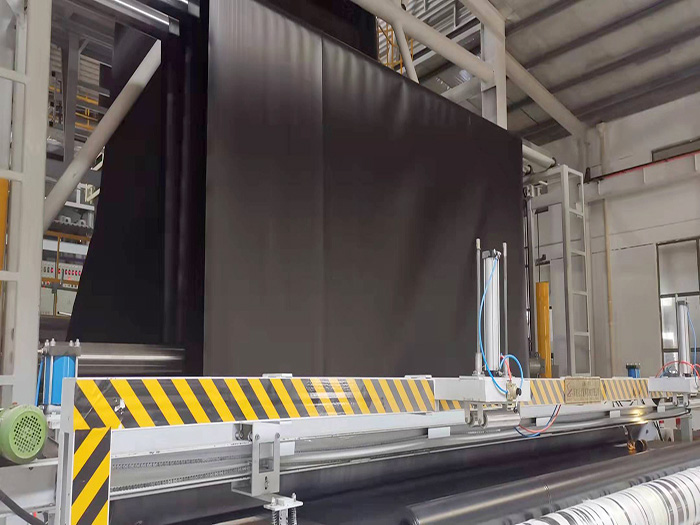
Proper field installation is critical to the performance of geotextile layers. Mechanical damage during laying, insufficient overlaps, or excessive UV exposure can compromise the filtration and separation functions of the fabric.
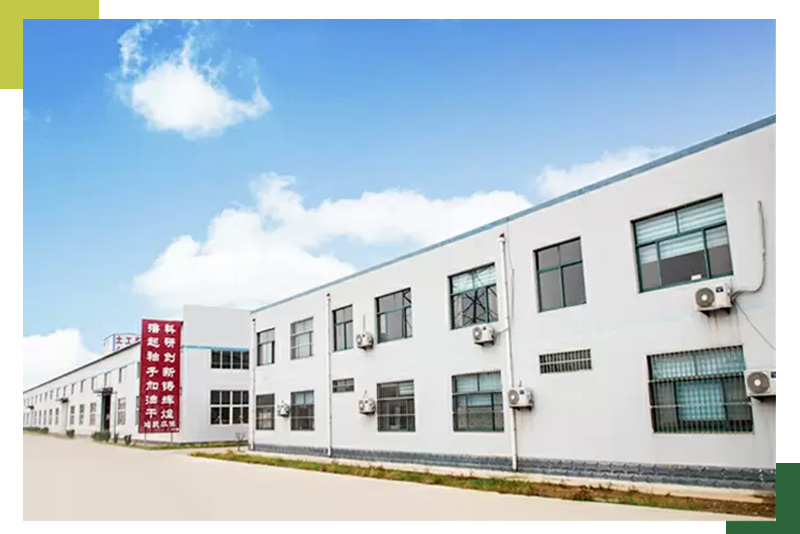
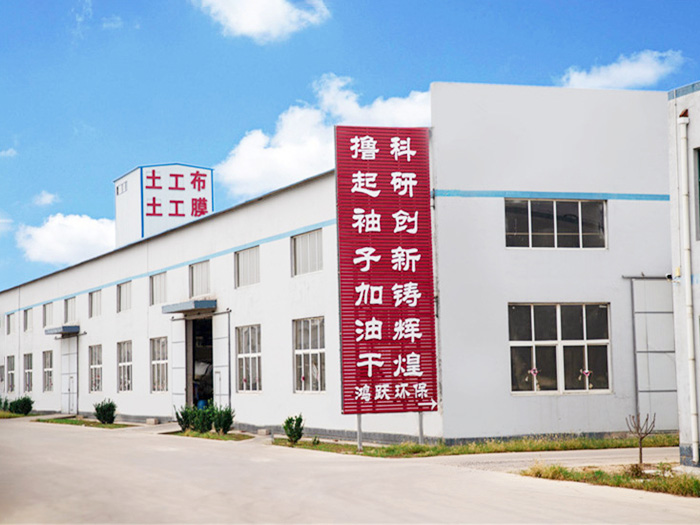
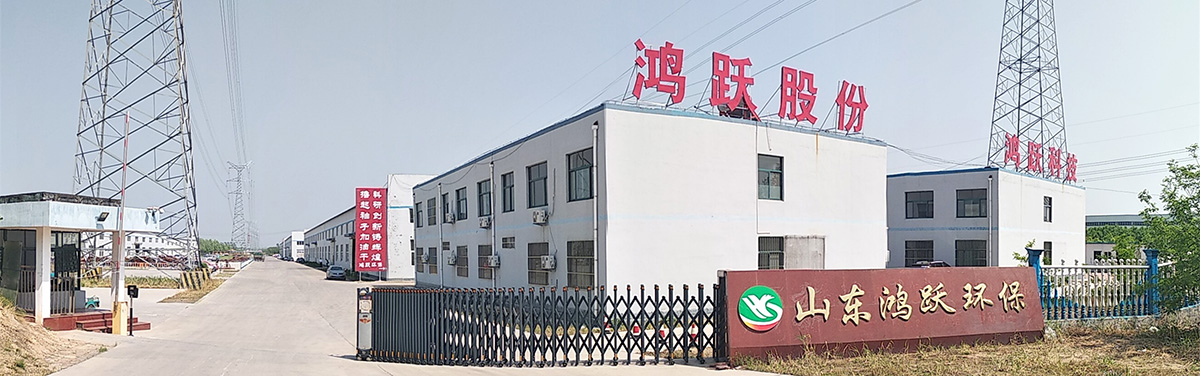
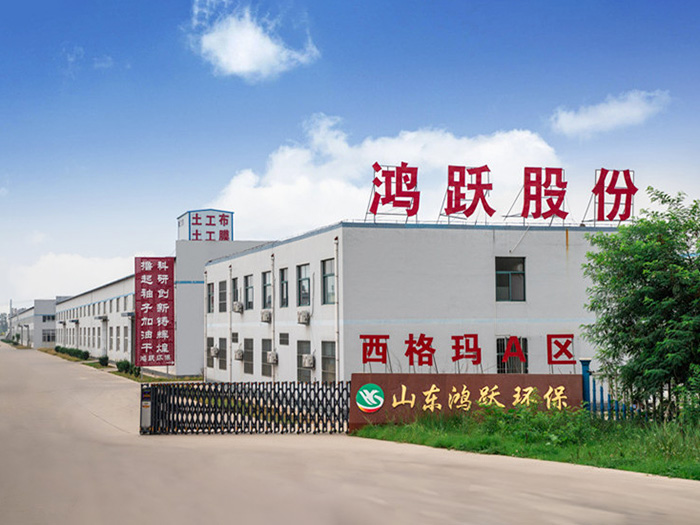
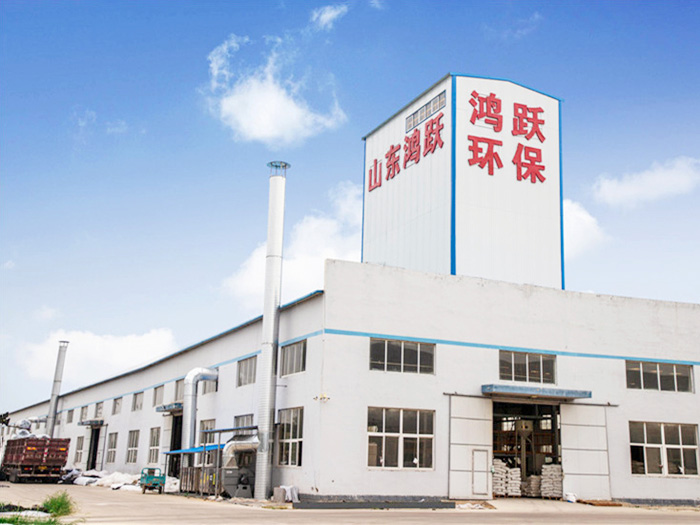
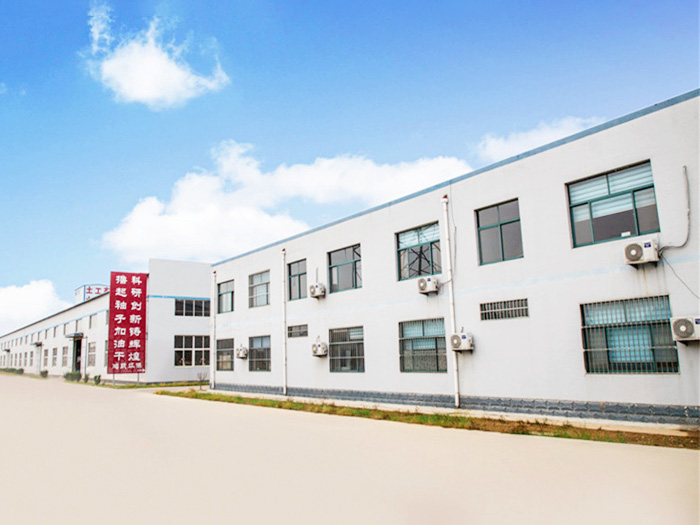
Founded on April 6, 2023, with a registered capital of 105 million yuan, Shandong Hongyue Environmental Engineering Co., Ltd. is a leading manufacturer of geotechnical materials. Located in the Lingcheng District of Dezhou, Shandong Province, we operate a modern production facility serving major infrastructure projects across China and international markets.
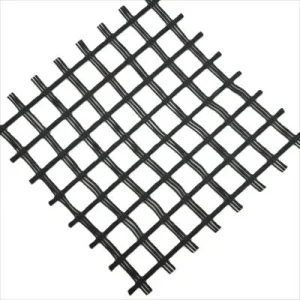
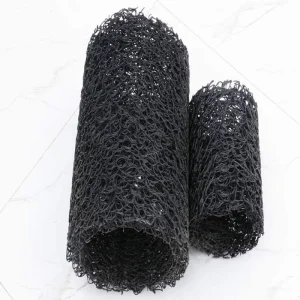
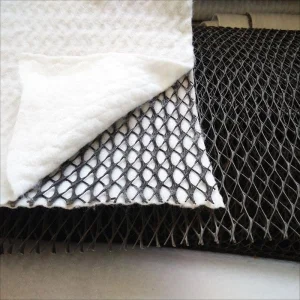
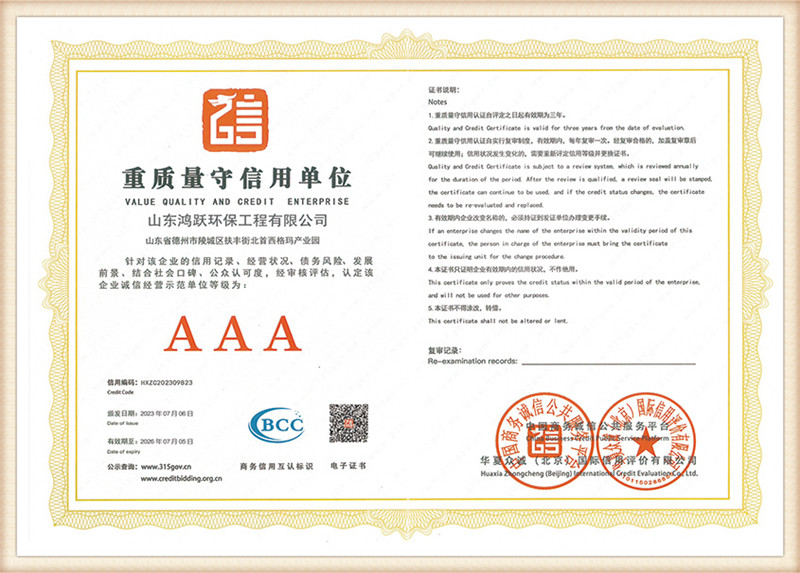
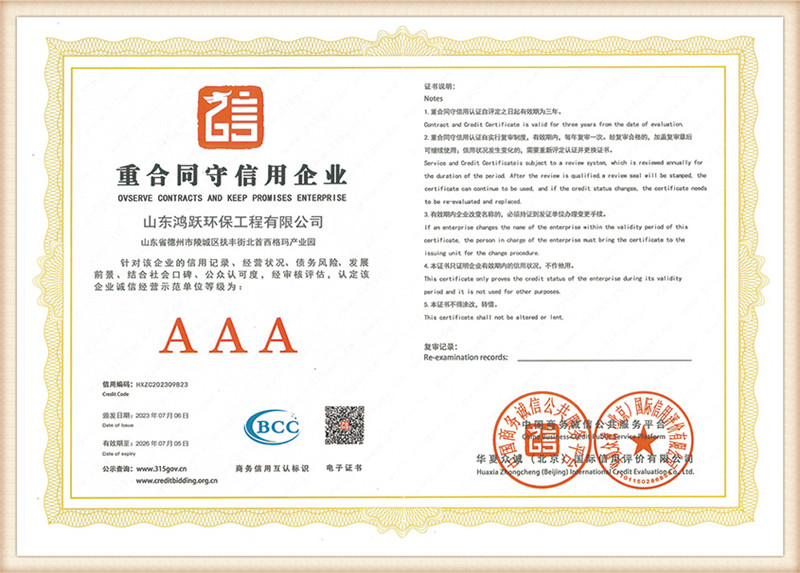
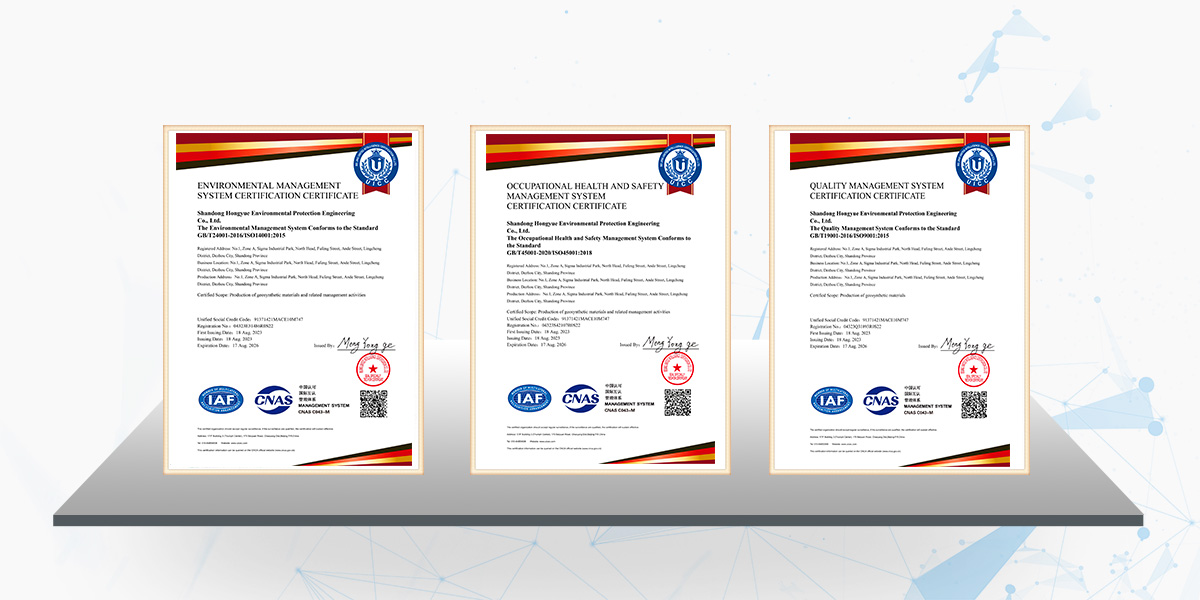
Our product line includes high-quality geotextiles, geomembranes, composite materials, drainage networks, and bentonite blankets. We maintain a strict quality management system certified under ISO9001, ISO14000, and ISO45001 standards.
How our materials work together to create reliable, long-lasting containment and drainage systems
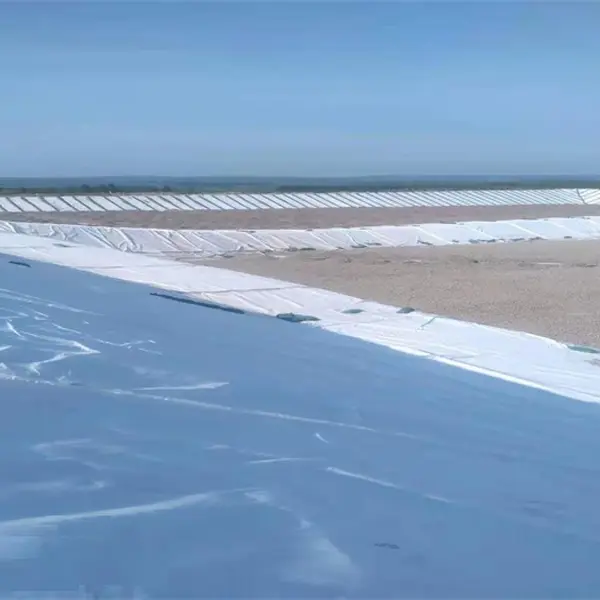
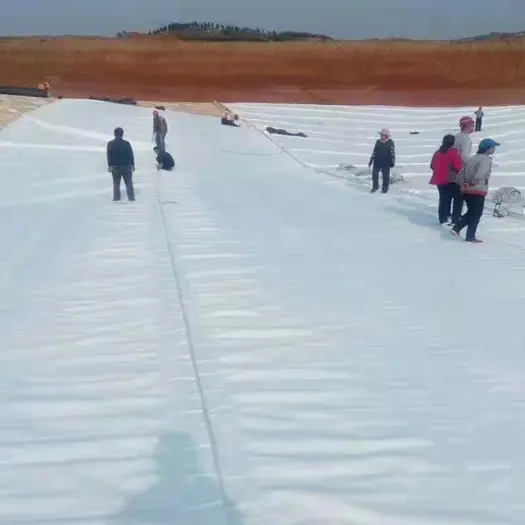
Preventing water loss in reservoirs, municipal canals, and agricultural irrigation networks.
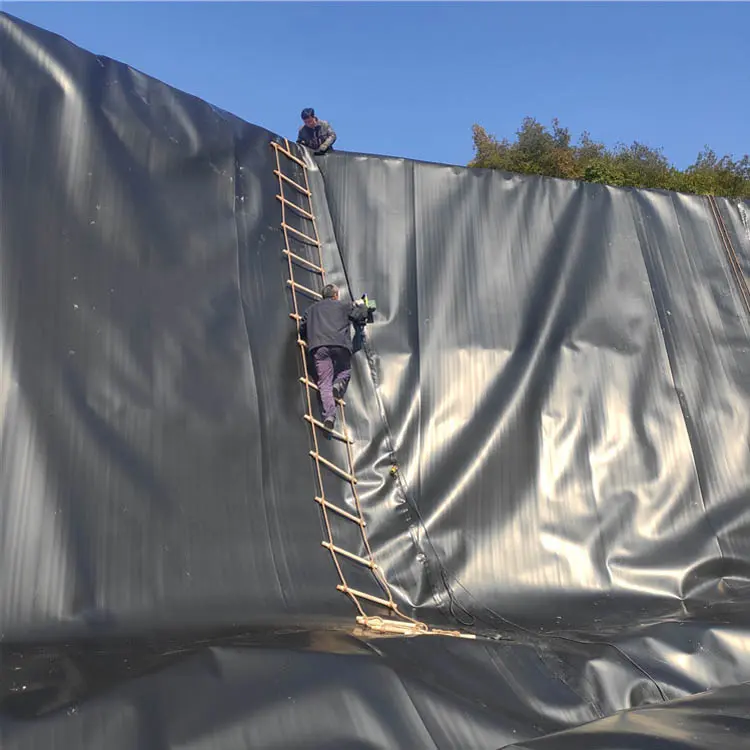
Strengthening river channels and preventing erosion in sensitive environmental habitats.
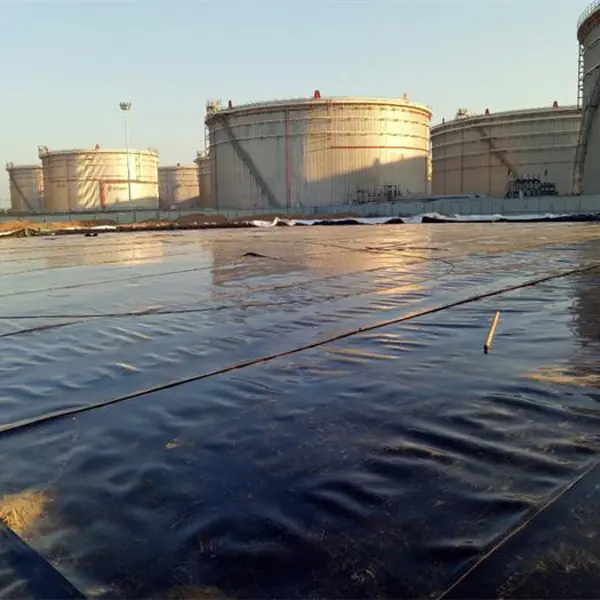
Multi-layered lining systems designed to isolate municipal waste and contain hazardous leachate.
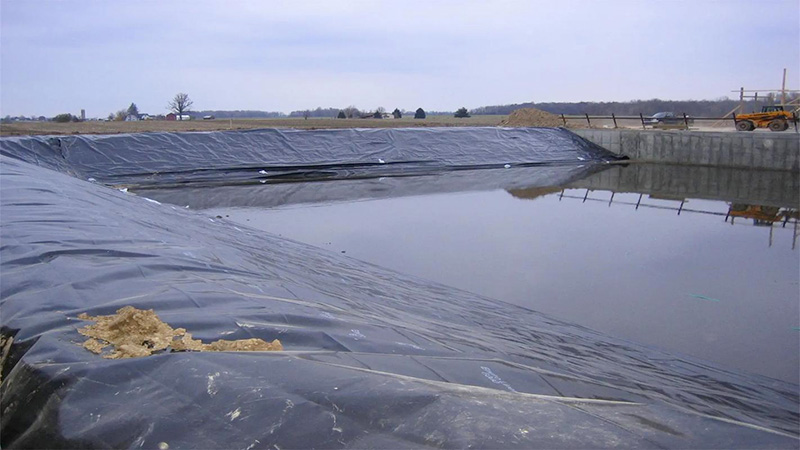
Secondary containment solutions for petrochemical storage and industrial facilities.
Under hydraulic flow conditions, soil particles tend to migrate with water currents. The core design function of a 200g/m² nonwoven needle-punched geotextile is to establish a stable, natural soil filter zone directly adjacent to the fabric. This process occurs in three distinct phases:
Expert answers to common technical, design, and procurement questions regarding 200g/m² geotextiles
Polypropylene (PP) offers higher chemical resistance in highly acidic or alkaline soils and has greater tensile strength per unit weight. Polyester (PET) provides higher creep resistance and is less susceptible to UV degradation when exposed during installation. PP is typically preferred for landfills and mining, while PET is widely used in civil infrastructure projects.
Needle-punching physically entangles the polymer fibers to create a highly porous, three-dimensional structure. This configuration allows water to pass through in both normal and planar directions while retaining fine soil particles, preventing soil migration and clogging.
All of our geosynthetic materials are manufactured in accordance with strict international standards. Shandong Hongyue holds ISO9001 quality management, ISO14000 environmental management, and ISO45001 occupational health and safety system certifications. Our products have also passed testing from the China National Testing Center.
Yes, as a specialized OEM supplier, we can adjust technical characteristics such as roll widths (from 1m up to 6m), roll lengths, fiber types, UV resistance additives, tensile strengths, and pore size distributions to meet your project specifications.
Depending on production schedules and order volumes, typical factory loading times at Dezhou range from 7 to 15 days. Transport to major ports such as Qingdao or Tianjin is fast and cost-effective, ensuring reliable delivery timelines for international projects.
Generally, standard overlaps range from 300mm to 500mm. For softer subgrades (CBR < 3%), overlaps should be increased to 1000mm. Alternatively, thermal welding or mechanical stitching can be used to ensure joint strength and save material.
Select certified geosynthetics for customized engineering configurations
 Hongyue