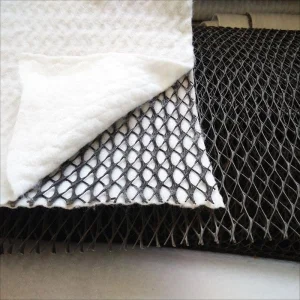
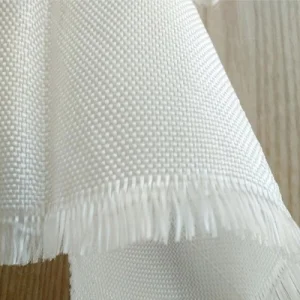
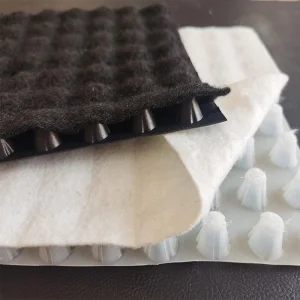
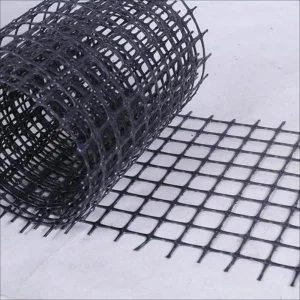
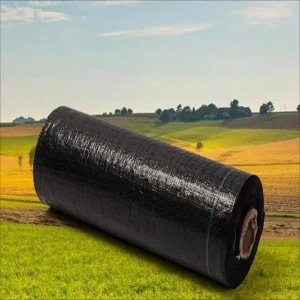
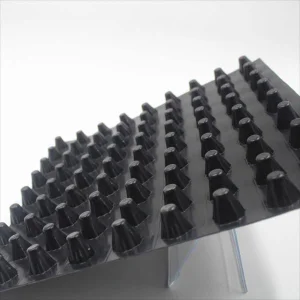
In the landscape of 21st-century infrastructure, the requirement for materials that bridge the gap between biological soil systems and rigid human structures is paramount. The 120g/m² non-woven geotextile has emerged as the industry standard for moderate-duty filtration and separation. As a premier OEM Geotextile 120g M2 manufacturer, we recognize that "Quality" is not just a metric—it is a guarantee of structural longevity.
Shandong Hongyue Environmental Engineering Co., Ltd. stands at the forefront of this technological shift. With a registered capital of 105 million yuan, we have transformed from a local factory into a global scientific hub for geotechnical excellence. Our expertise spans from high-speed rail reinforcement to complex landfill seepage prevention systems.
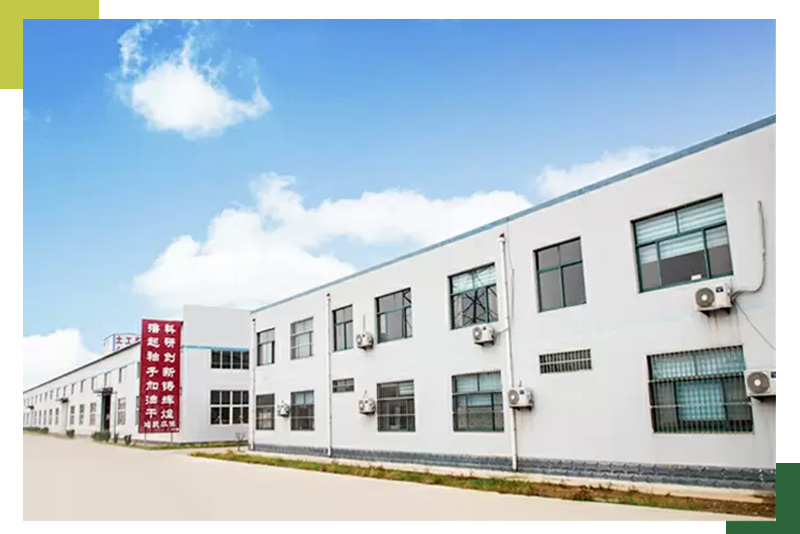
Figure 1: Our advanced production facility in Dezhou, Shandong Province, specializing in high-precision filament bonding.
Located at the north end of Fufeng Street, Lingcheng District, Dezhou, Shandong Province, Shandong Hongyue Environmental Engineering Co., Ltd. is a scientific and technological geotechnical material manufacturer integrating engineering material production, sales, design, and construction services. Since our registration on April 6, 2023, we have rapidly scaled to become one of the largest production bases of geotechnical materials in China.
Our products are exported to multiple countries across Europe, the United States, and Australia. We maintain active sales agencies in over 40 large cities, including Beijing and Shanghai.
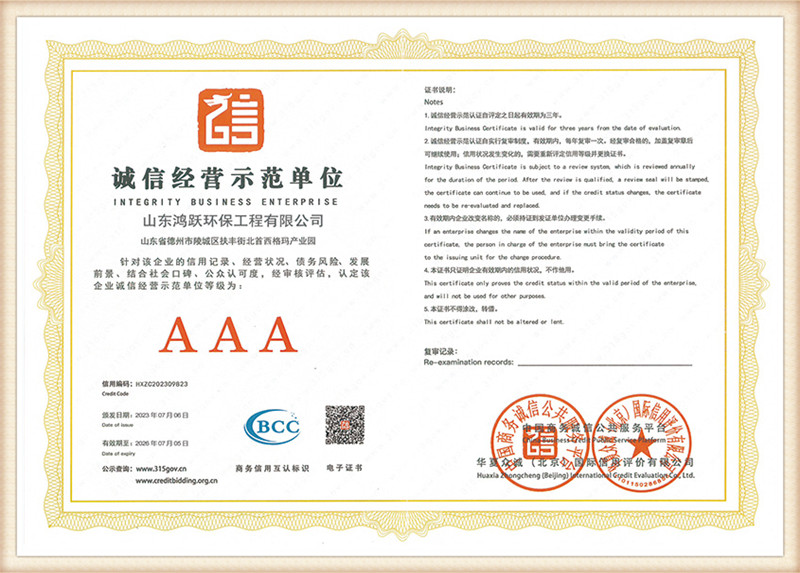
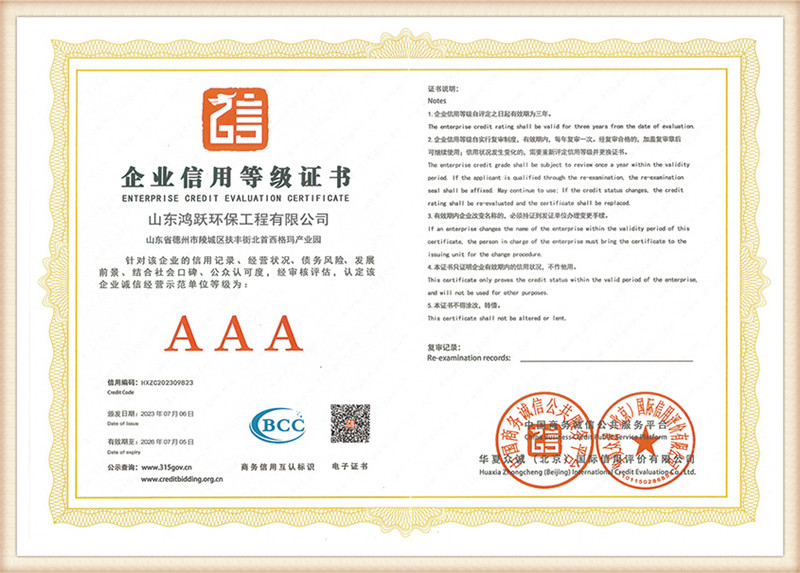
We hold "Green and environmentally friendly building materials" honors and the "Famous Chinese Brand" title. Our ISO certifications ensure rigorous quality control across every roll of geotextile.
From highways and railways to artificial lakes and mining operations, our materials are core components of key provincial and national projects.
The global geosynthetics market is witnessing a CAGR of 6.5%, driven by the urgent need for sustainable drainage and soil stabilization. Geotextile 120g M2 plays a critical role in ESG-compliant construction.
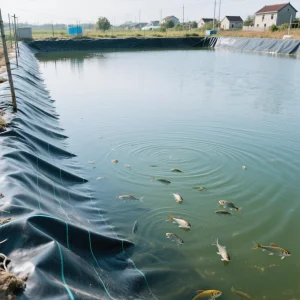
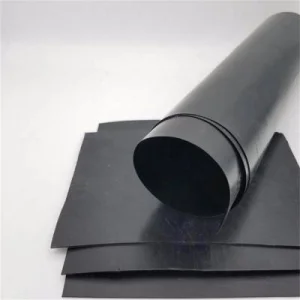
As detailed in our technical documentation, the application of geomembranes and 120g geotextiles in reservoirs and canals prevents seepage by up to 99.8%. In river governance, these materials prevent landslides and maintain the ecological balance by allowing water filtration while retaining soil particulates.
Landfills require complex multi-layer protection. Our 120g geotextiles serve as the primary protective layer for geomembranes, preventing punctures from sharp debris while facilitating leachate collection.
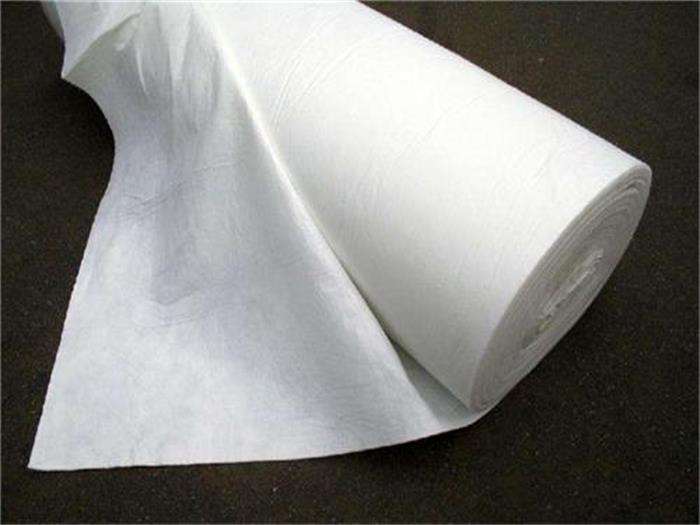
Step 1: Raw Material Synthesis
We utilize premium polyester chips and polypropylene filament, ensuring high tensile strength and chemical resistance.
Step 2: Melt Extrusion & Spraying
Using screw extruders, fibers are sprayed through spinnerets to form a uniform, three-dimensional network structure.
Step 3: Draft Curing & Rolling
Precise temperature control during the needle-punching or thermal bonding process determines the final 120g/m² density.
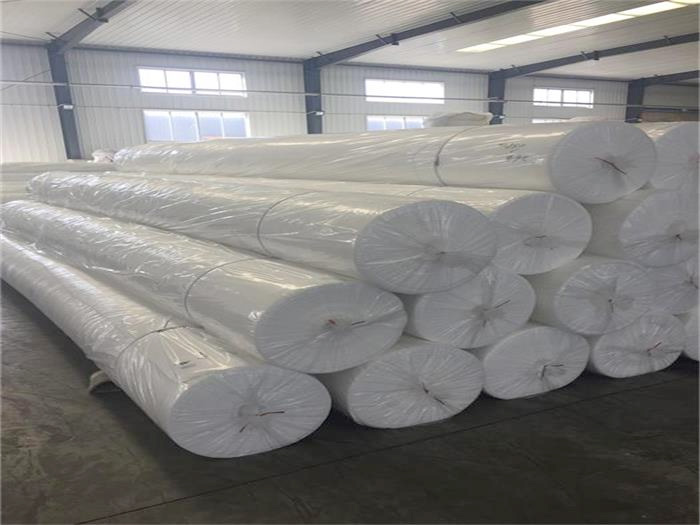
Our OEM Geotextile 120g M2 factory provides tailored solutions that meet localized standards:
Our 24-hour comprehensive service and product technical consultation ensure that project owners receive site-specific advice, including construction design and material consulting.
The 120g/m² density provides a balanced pore size that effectively filters fine silts while maintaining a high flow rate, preventing the "blinding" or clogging often seen in lighter fabrics.
Yes, as a specialized manufacturer, we can adjust the filament type (filament vs. short fiber), tensile strength, and roll dimensions to meet specific engineering requirements.
We incorporate high-grade carbon black and UV stabilizers during the melt extrusion phase, significantly extending the material's lifespan in exposed environments like riverbanks.
Looking ahead, Shandong Hongyue is investing in "Smart Geosynthetics"—geotextiles integrated with fiber-optic sensors to monitor soil strain in real-time. We are also transitioning toward bio-based polymers to further reduce the carbon footprint of civil engineering projects.
Our commitment remains: "Customer-centered, innovative as a means, and survival through quality."
 Hongyue