Explore our core engineered solutions designed for structural reinforcement, filtration, drainage, and industrial-grade environmental containment.
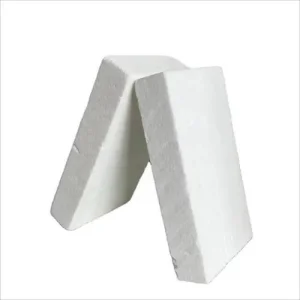
Flexible concrete-impregnated fabric that hardens upon hydration to form durable protection layers.
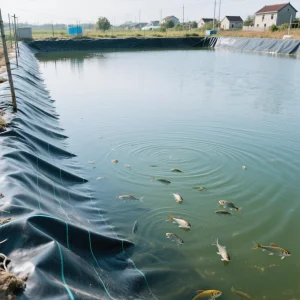
Highly flexible containment liner ideal for waste management, municipal landfills, and agricultural applications.
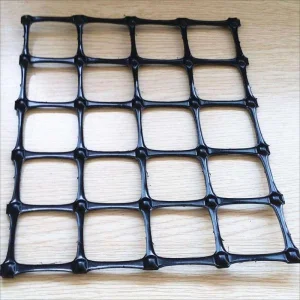
Three-dimensional confinement structure providing superior soil stabilization and erosion control.
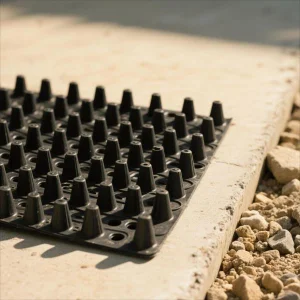
High-capacity dimpled drainage sheets designed for underground structures and commercial green roofs.
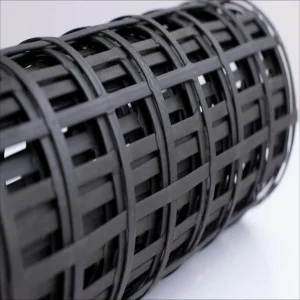
High-tensile reinforcement grid providing heavy-duty load support for railways and highway base stabilization.
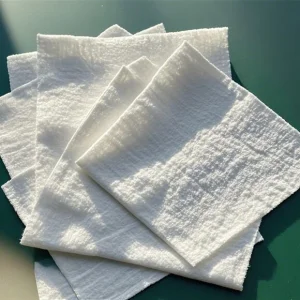
Continuous filament needle-punched nonwoven fabric offering exceptional filtration and permeability.
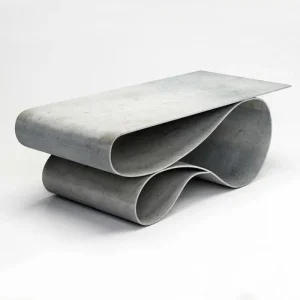
Rapidly deployed protective barrier designed specifically for watercourse erosion and hydraulic structures.
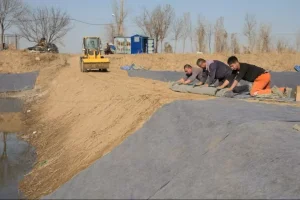
Geosynthetic Clay Liners (GCL) utilizing natural sodium bentonite for self-sealing environmental containment.
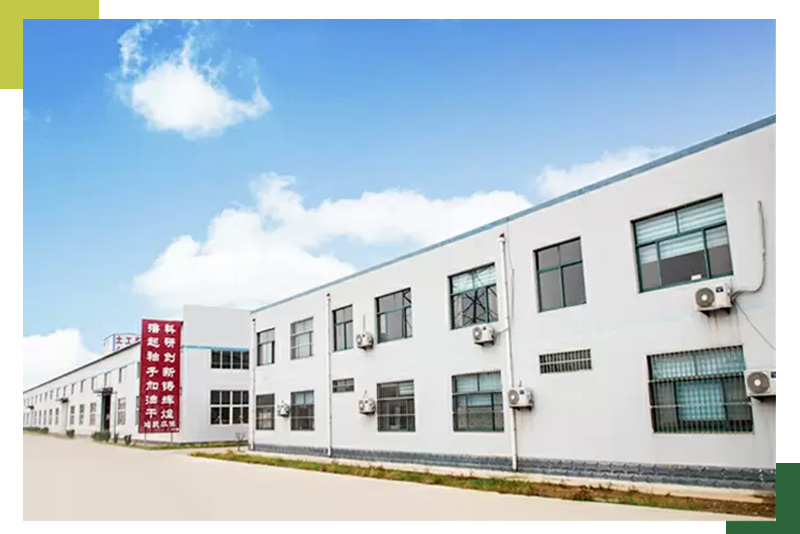
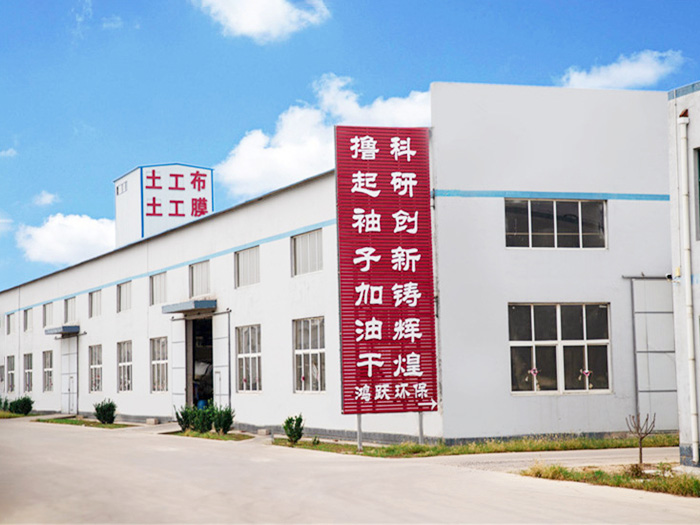
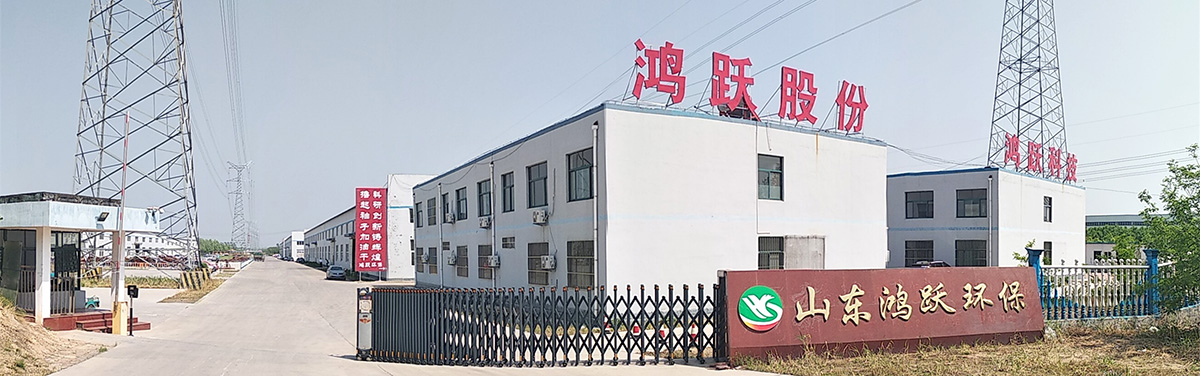
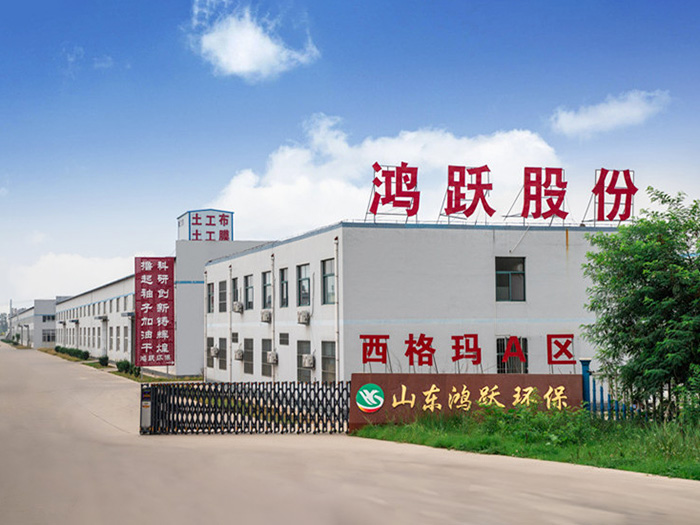
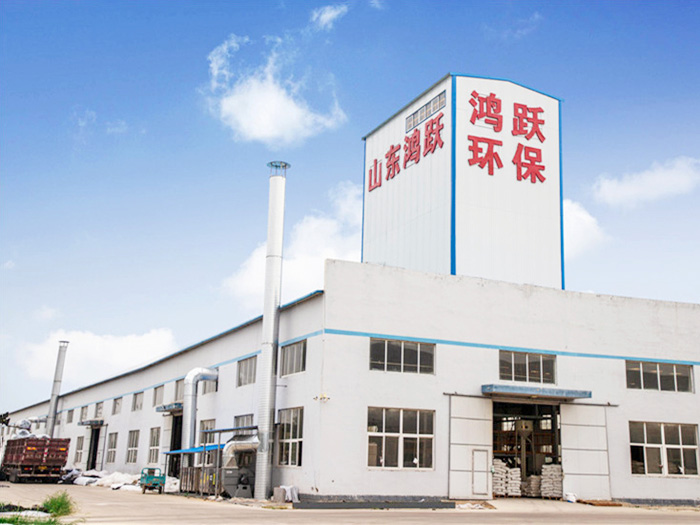
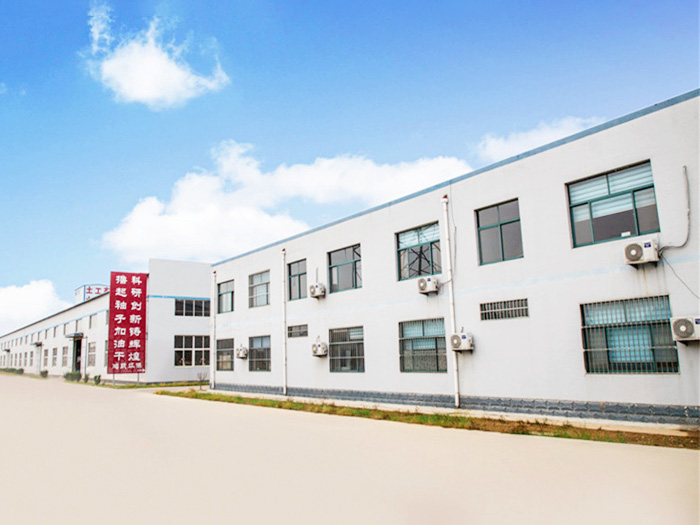
Shandong Hongyue Environmental Engineering Co., Ltd., strategically located at the north end of Fufeng Street, Lingcheng District, Dezhou, Shandong Province, stands as a premier scientific and technological geotechnical material manufacturer. We seamlessly integrate engineering material production, sales, design, and site construction services under one comprehensive brand. Registered with a robust capital of 105 million RMB, our facility occupies a central node in China's largest production base of geotechnical materials, benefit from superior logistics and convenient transportation.
Since our inception, our business has experienced rapid, sustained development. We deal extensively in a diversified portfolio including: geotextiles, geomembranes, composite geomembranes, waterproof boards, bentonite waterproof blankets (GCL), 3D composite drainage networks, sheet drainage boards, woven fabrics, geotextile bags, blind ditches, ecological bags, cement blankets, fiber plant blankets, and flexible pervious pipes. We possess high-quality products and a professional sales and technical team. Our active membership in the Dezhou Geotextile Association underscores our commitment to localized excellence and industry standard development.
The modern geosynthetics landscape is undergoing a dramatic shift driven by infrastructure modernization, strict environmental regulations, and sustainable development policies. In municipal solid waste management, hydraulic engineering, and transport infrastructure, performance metrics are no longer limited to simple tensile strength. Instead, long-term UV resistance, biochemical stability, and reduced carbon footprints are the key benchmarks for engineering projects.
Industry research shows three macro trends shaping the future of global geosynthetics procurement:
The demand for specialized raw materials—such as high-density polyethylene (HDPE), linear low-density polyethylene (LLDPE), and modified polypropylene (PP)—is surging. Additives like carbon black, hindered amine light stabilizers (HALS), and antioxidants are precisely balanced to ensure lifetimes exceeding 100 years in exposed or chemically harsh environments.
With waste management regulations tightening worldwide, multi-layered lining systems featuring composite geomembranes and geosynthetic clay liners (GCL) are mandatory. These systems prevent hazardous leachate migration into local aquifers, securing critical environmental zones.
Engineers are favoring geosynthetic solutions over concrete and gravel because they drastically reduce the carbon footprint of construction. Replacing traditional soil layers with 3D drainage nets and geocells cuts transport emissions and resource extraction, aligning with global green building standards.
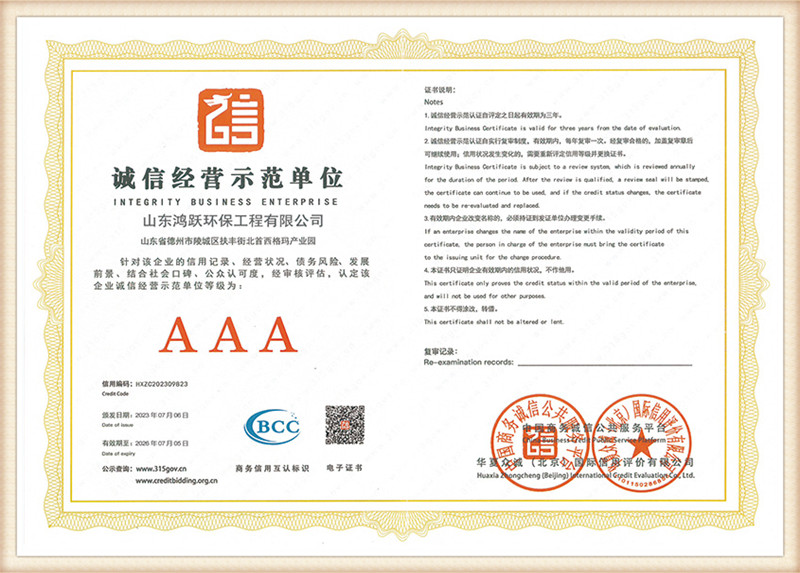
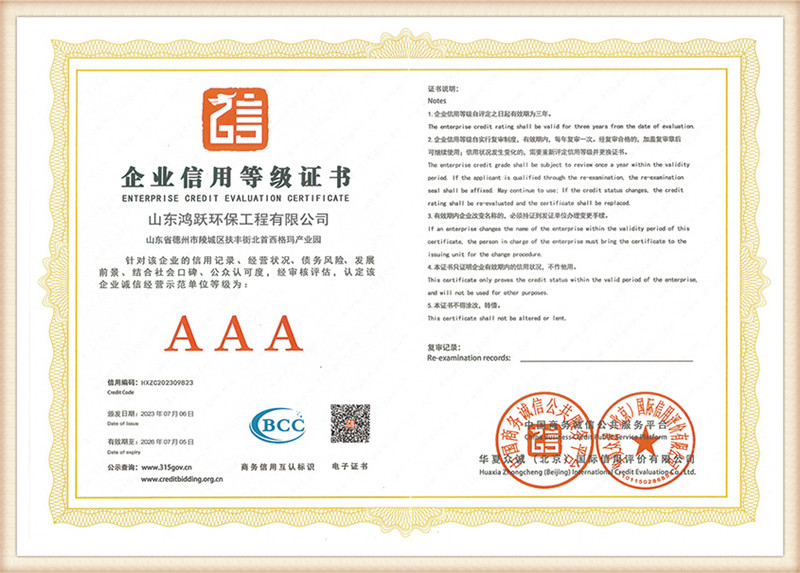
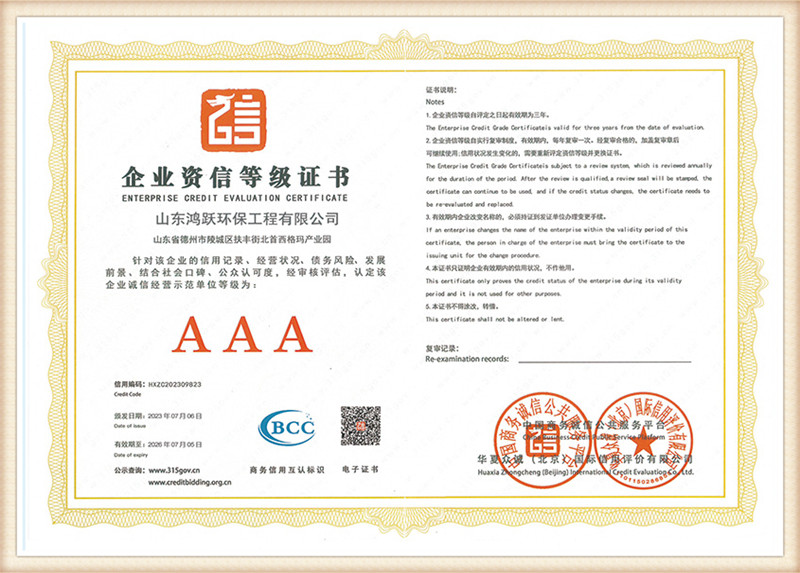
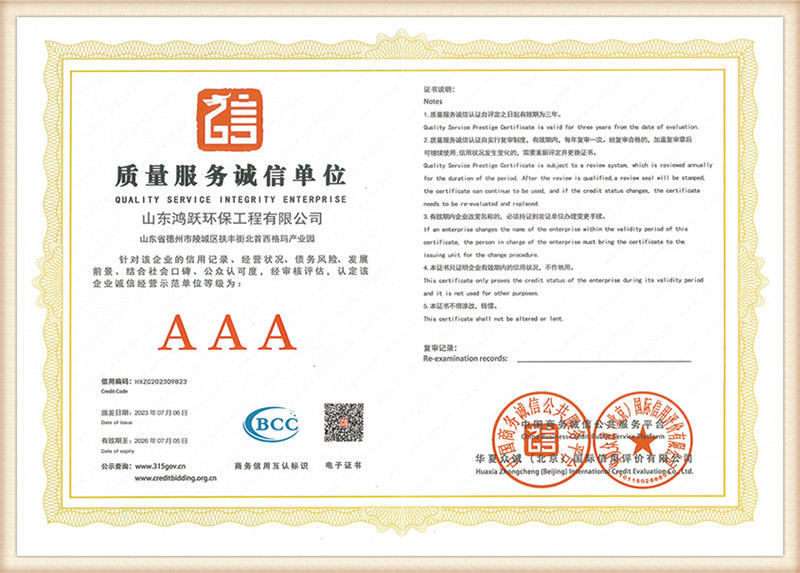
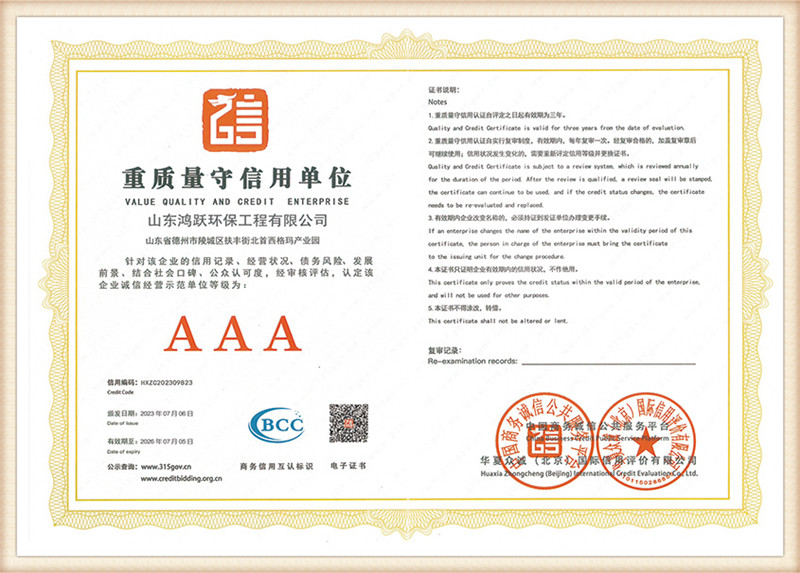
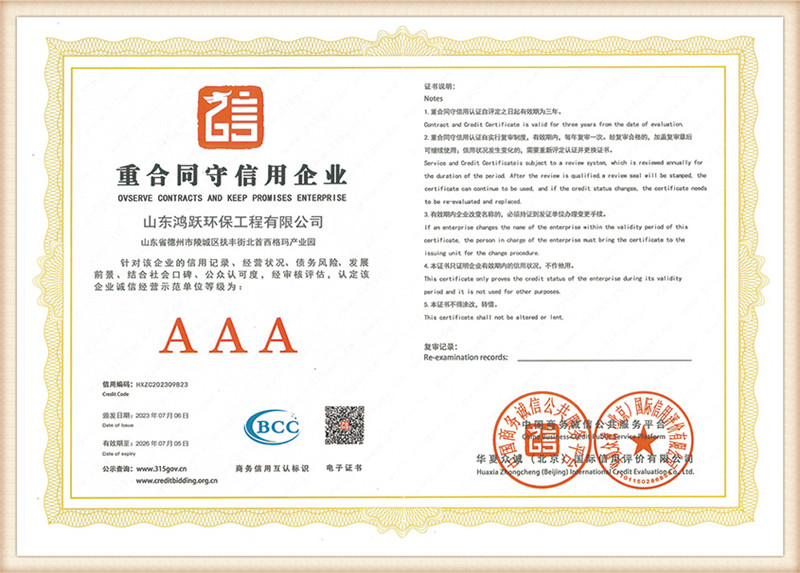
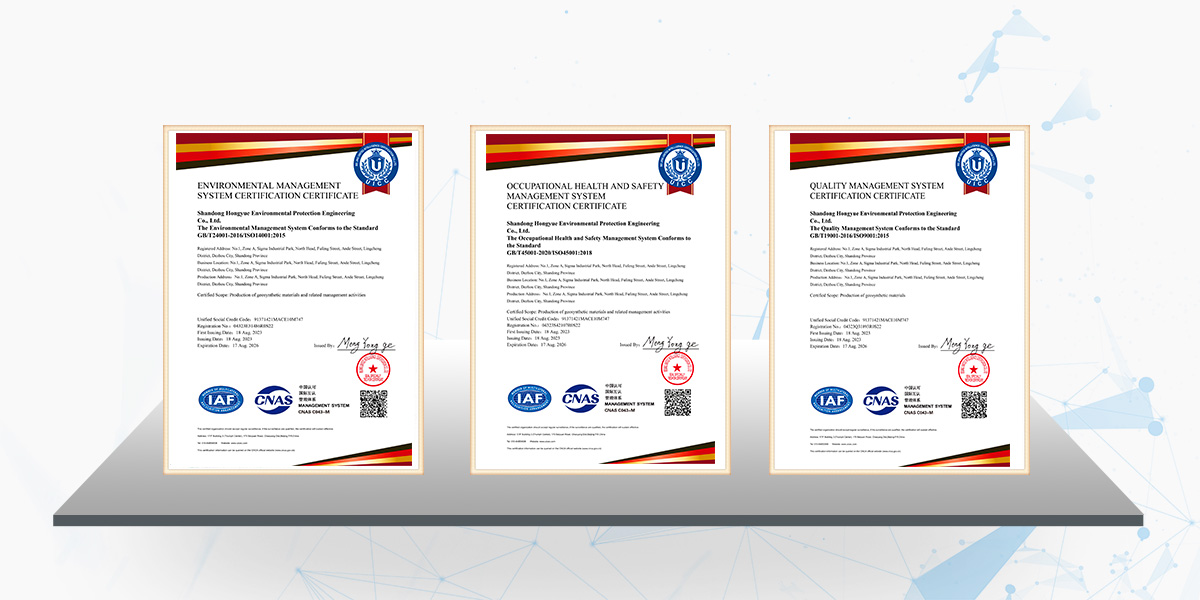
Large-scale infrastructure project managers demand strict quality assurance from OEM manufacturers. At Shandong Hongyue, we bridge the gap between regional manufacturing capability and global engineering expectations by maintaining comprehensive testing facilities and international certifications.
| Certification System | Normative Standard Applied | Quality Objective & Testing Parameter |
|---|---|---|
| ISO 9001:2015 | International Quality System | Full-cycle traceability, raw material batch control, and calibrated measurement testing. |
| ISO 14001:2015 | Environmental Management System | Low-emission extrusion processes, zero waste discharge, and sustainable polymer utilization. |
| ISO 45001:2018 | Occupational Health & Safety | Safe heavy extrusion machinery environments and continuous employee welfare monitoring. |
| CE Certification | European Conformity Assessment | Validation of mechanical, hydraulic, and durability properties for European civil engineering projects. |
Our products undergo rigorous testing at the China National Testing Center, consistently exceeding national and international standards. This quality is verified by regular random audits from the State Administration of Quality Supervision, giving our global clients complete peace of mind.
Shandong Hongyue's materials are engineered to perform in critical infrastructure sectors around the globe:
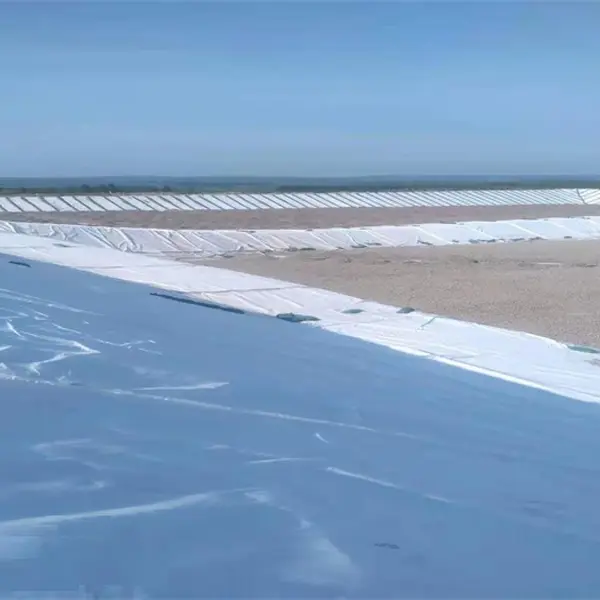
Our geomembranes and composite materials prevent water loss in dams, canals, and artificial lakes. They withstand high water pressures and soil movement, ensuring long-term containment integrity.
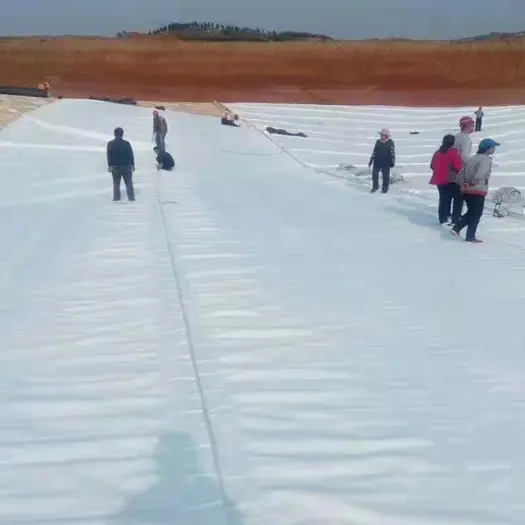
Combining cement blankets, geogrids, and composite geocells to stabilize riverbanks, prevent scouring, and promote ecological recovery along waterways.
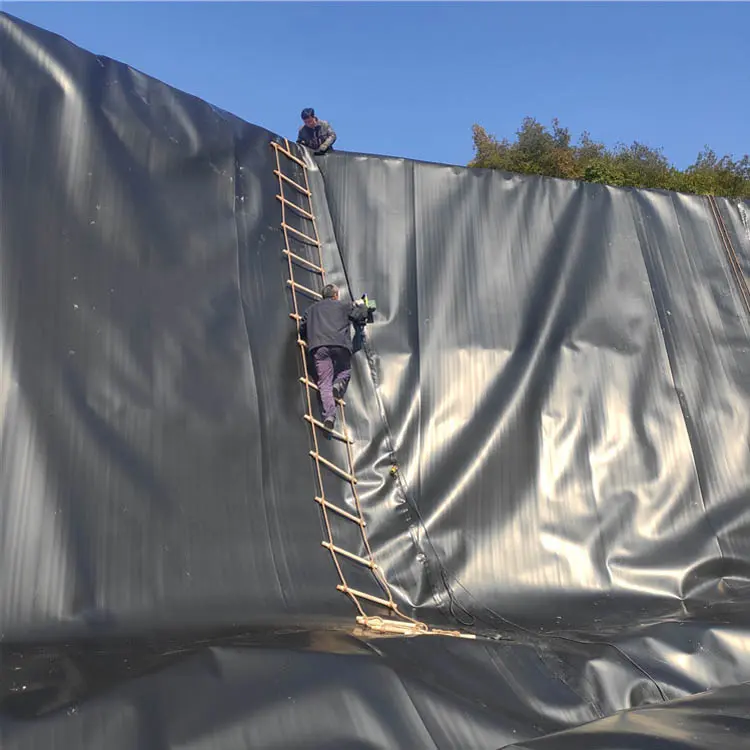
Multi-layered lining systems incorporating robust HDPE geomembranes, protective nonwoven geotextiles, and GCLs. Engineered to handle highly corrosive leachate and hazardous chemicals.
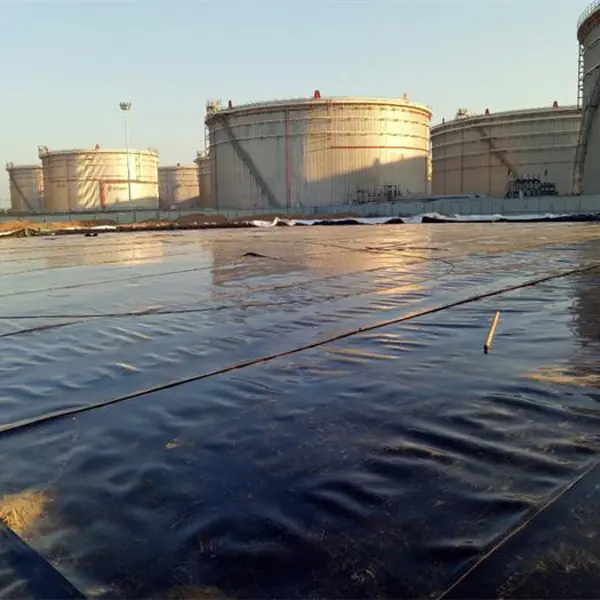
Specialized geomembrane barriers installed beneath bulk chemical and fuel storage tanks. Designed to provide instant containment in the event of primary vessel failure.
Geotextiles are foundational elements in civil infrastructure. Their manufacturing process demands careful calibration of thermal and mechanical settings to achieve consistent filtration, separation, and reinforcement capabilities.
We source top-grade polyester (PET) chips, polypropylene (PP) filaments, and specialty co-polymer formulations. Every incoming batch is inspected to confirm melt flow index (MFI), density, and chemical purity, ensuring consistent tensile strength and longevity.
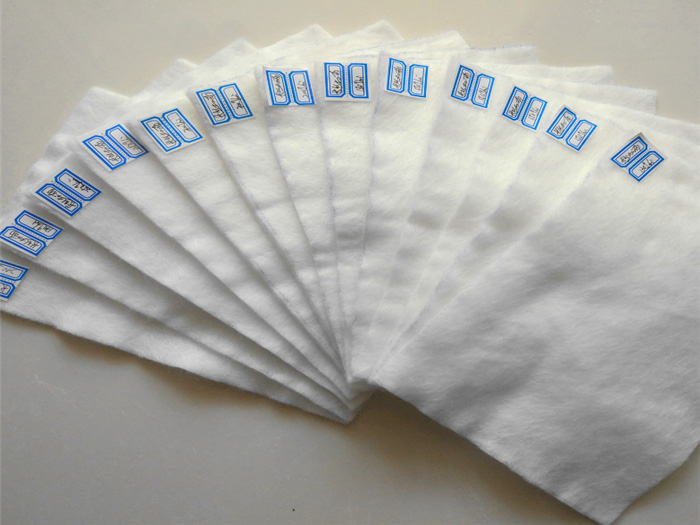
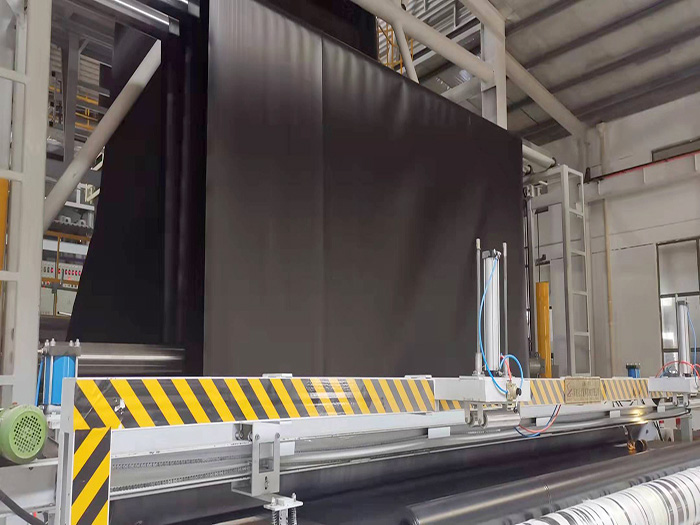
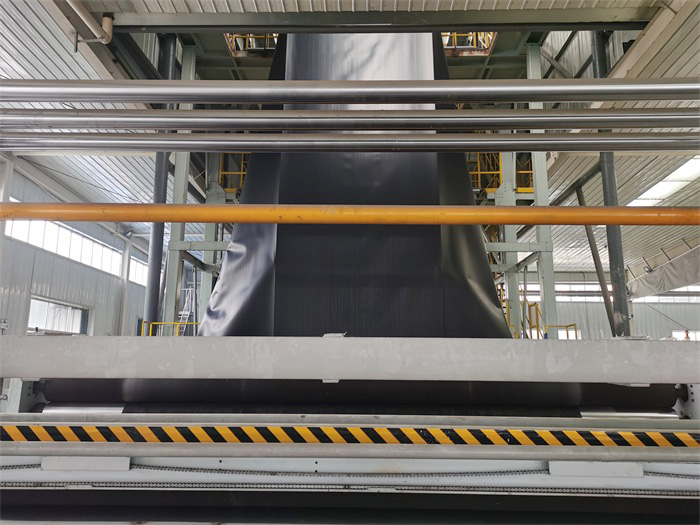
The selected polymers are melted at high temperature and pressure, then extruded through spinnerets to produce continuous micro-filaments. Multi-component mixing ensures consistent, uniform fiber structures across the entire production run.
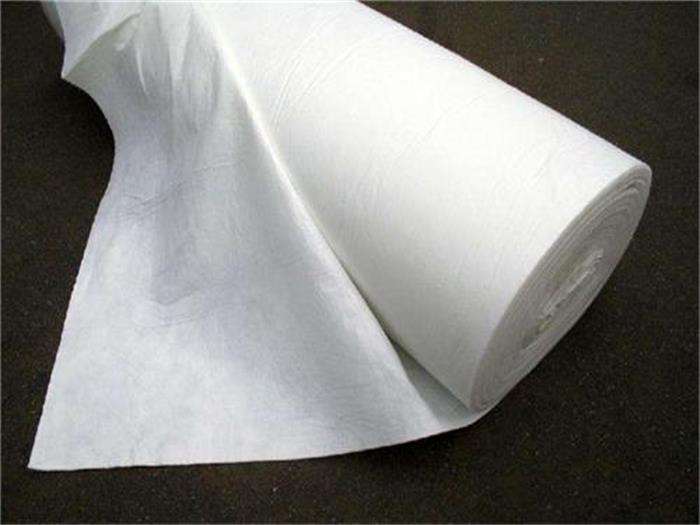
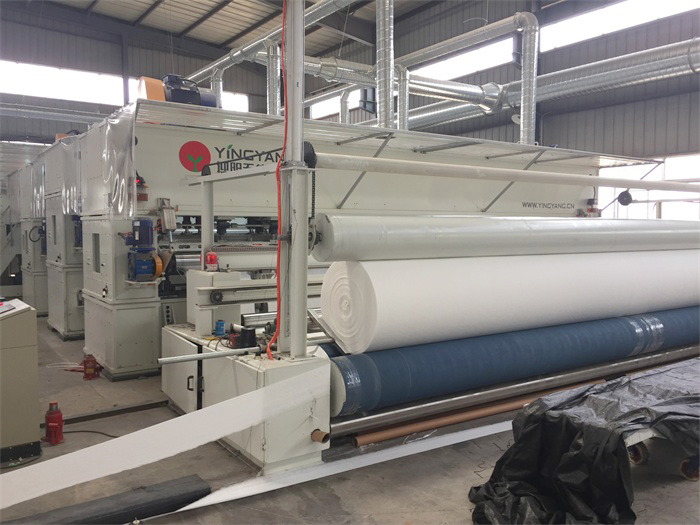
The extruded filaments are laid in multi-layered, randomized web configurations. The web passes through precision needle looms, where thousands of needles interlock the fibers mechanically. It is then thermally bonded to optimize tensile performance and water permeability.
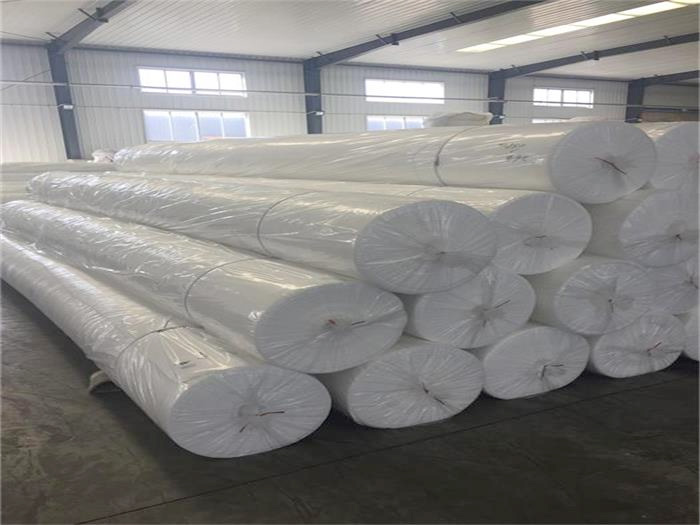
Every roll undergoes post-production quality control. Technicians test and record parameters including tensile strength, puncture resistance, and flow rate. Rolls are then labeled, wrapped in UV-protective film, and stored for rapid global shipment.
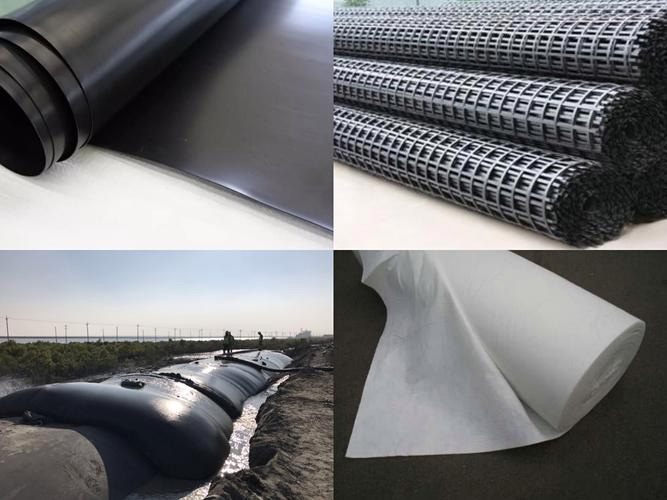
A geosynthetic containment system is only as reliable as its installation. Proper selection, substrate preparation, and seam welding are critical to preventing long-term failures. Shandong Hongyue provides both material supplies and professional installation guidance to ensure containment integrity.
Choosing the correct geomembrane (such as HDPE for chemical containment or LLDPE for high elongation) is the first step. Specifying the right thickness, typically 0.5mm to 2.5mm, ensures the liner can withstand mechanical stresses during installation and operation.
The underlying soil must be smooth and free of sharp stones, roots, or debris. Ground crews lay the geomembrane panels carefully, aligning them to minimize wrinkles, and secure the edges in perimeter anchor trenches.
Panels are joined using thermal wedge welders, creating a double seam with a central air channel. Crews test these seams with air pressure to confirm seal integrity. Demanding areas are welded with extrusion equipment to ensure zero-leakage performance.
Shandong Hongyue is committed to developing smart, sustainable geosynthetics. Our R&D team is currently focusing on three key areas to meet the evolving needs of global infrastructure:
1. Sensor-Integrated Geomembranes (Smart Liners): We are researching conductive carbon networks embedded directly in our geomembranes. This technology will allow real-time leak detection and monitoring throughout the lifecycle of critical containment facilities.
2. Bio-Based & Recycled Geotextiles: To support carbon-neutral construction initiatives, we are expanding our production of recycled and biodegradable nonwoven fabrics, reducing reliance on virgin fossil polymers.
3. Advanced Composite Systems: Developing multi-layered composite materials that combine drainage, filtration, and waterproofing layers into a single roll. These systems will simplify installation and lower overall project costs.
Get answers to common technical and logistical questions from our engineering and support teams.
A: HDPE geomembranes offer high chemical resistance and durability, making them the standard for landfills and mining containment. LLDPE geomembranes are more flexible and extensible, making them ideal for complex shapes, municipal ponds, and areas prone to differential settlement where material elongation is critical.
A: We test every production run at our in-house lab. Key parameters evaluated include grab tensile strength (ASTM D4632), CBR puncture resistance (ASTM D6241), and water flow rates (ASTM D4491). This testing ensures our materials meet project requirements before leaving the factory.
A: Geosynthetic Clay Liners (GCL) provide reliable sealing performance with a much thinner profile than compacted clay. A single GCL layer can replace a thick layer of compacted clay, reducing excavation costs, transport emissions, and installation time while offering self-sealing capabilities at overlaps.
A: Yes. As an integrated OEM manufacturer, we can customize width (up to 8 meters), thickness, and roll length to meet your project specifications, helping to minimize waste and seams on site.
A: Our 3D composite drainage networks are designed to maintain high transmissivity even under heavy loads. They combine a sturdy drainage core with protective geotextiles to prevent soil clogging, ensuring long-term performance under roads, railways, and landfills.
Complete your project requirements with our specialized drainage systems, soil reinforcement grids, and structural geocells.
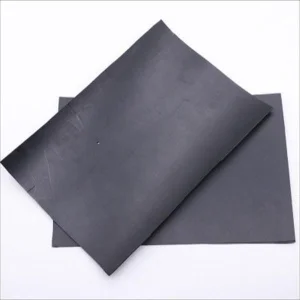
High-grade smooth polyethylene liners providing reliable impermeability for waste containment facilities.
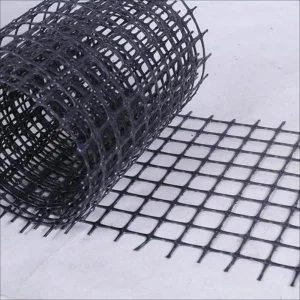
Biaxial polypropylene geogrids designed to distribute heavy wheel loads and reinforce weak subgrades.
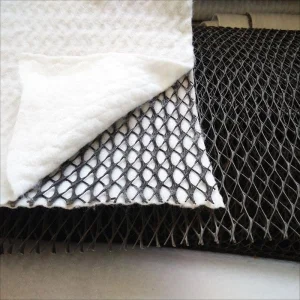
High-capacity flow core designed to relieve hydrostatic pressure behind retaining structures.
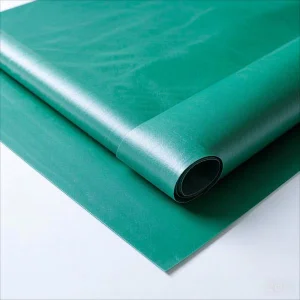
Formulated with premium anti-UV packages to deliver reliable service life in exposed applications.
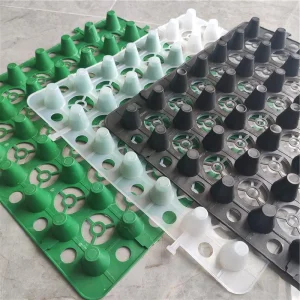
High-load capacity water storage and drainage panels for green roofs and podium decks.
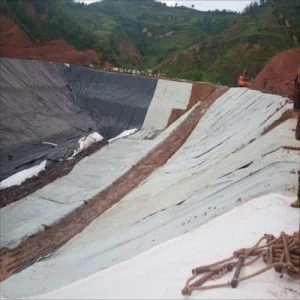
Heavy-gauge containment liners engineered specifically to handle the pressures of water storage reservoirs.
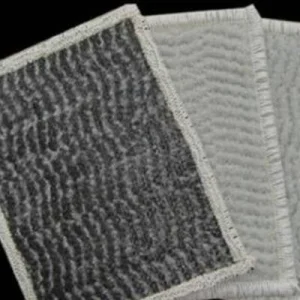
Needle-punched GCL barriers offering robust self-sealing protection for containment systems.
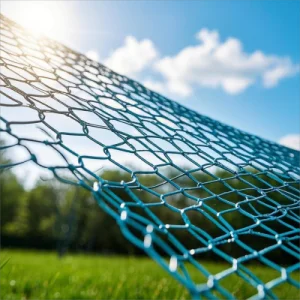
Advanced structural geonets providing reliable drainage in environmental and landfill applications.
Ready to source high-performance geosynthetics for your next project? Get in touch with our engineering support team for custom product configurations, test reports, and competitive wholesale pricing.
Request a Technical Quote Hongyue