Browse our range of high-performance geosynthetics, engineered to withstand extreme environmental stresses and provide reliable civil engineering infrastructure solutions worldwide.
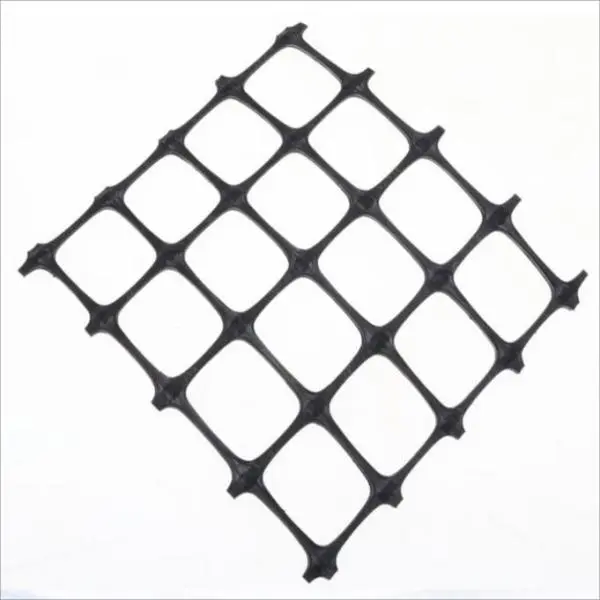
In the realm of infrastructure development and geotechnical engineering, soil stabilization is crucial. Conventional ground improvement methods often fall short when dealing with dynamic mechanical stresses, seismic activity, and low-bearing-capacity soils. While biaxial geogrids have historically offered two-dimensional structural support, the introduction of Triaxial Geogrid Technology represents a paradigm shift. By incorporating a triangular aperture structure, triaxial geogrids transition from a traditional orthogonal load path to an isotropic, 360-degree radial stress distribution network.
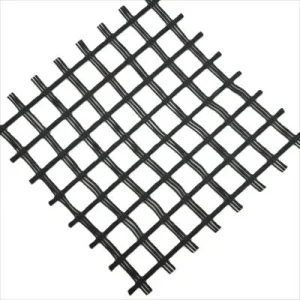
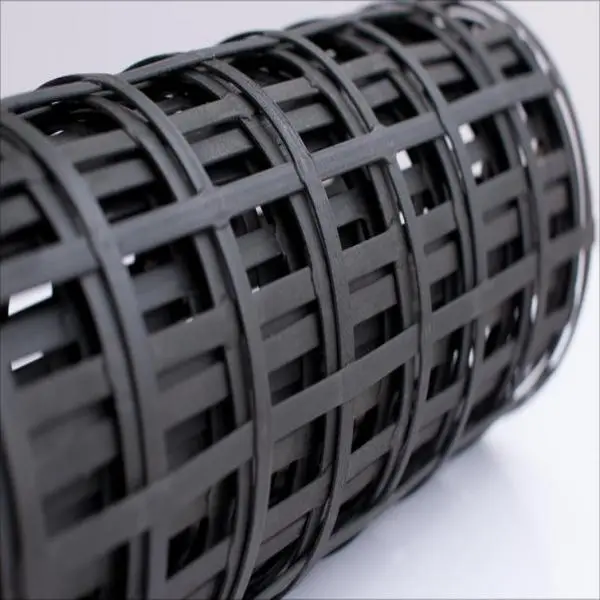
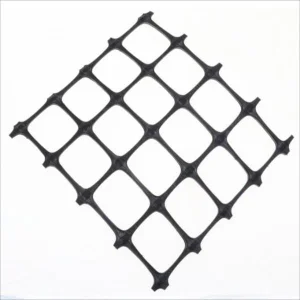
As a leading ODM Triaxial Geogrid Manufacturer & Exporter, Shandong Hongyue Environmental Engineering Co., Ltd. integrates advanced polymer chemistry, precision engineering, and state-of-the-art extrusion technology to manufacture geogrids designed for demanding application scenarios. Triaxial geogrids feature stiff structural ribs and robust junctions, forming a highly stable triangular matrix that locks aggregate fill in place. This interlocking mechanism minimizes lateral shear strain, reduces rutting depths, and improves the overall bearing capacity of subgrades in civil infrastructure projects.
Information Gain / Technical Insight: The mechanical efficiency of a triaxial geogrid depends on its junction efficiency and radial stiffness. Unlike biaxial geogrids, which only provide tensile strength in the machine and cross-machine directions, our triaxial geogrids distribute loads uniformly across 360 degrees. This uniform distribution reduces aggregate thickness requirements by up to 30%, lowering material transit costs and reducing the project's carbon footprint.
Our triaxial geogrids are engineered using high-molecular-weight polypropylene (PP) resins. The polymer sheets undergo a precise punching and structural orientation process under controlled thermal conditions. This stretches the polymer chains, yielding high tensile strengths at low strain limits. The resulting triangular apertures feature high-profile ribs with optimal height-to-width ratios, preventing aggregate lateral movement. Key design properties include:
| Property Parameter | Biaxial Geogrid Performance | Triaxial Geogrid Performance | Engineering Benefit |
|---|---|---|---|
| Stress Distribution Path | Orthogonal (2 Directions) | Isotropic (360 Degrees Radial) | Prevents localized load failure and subgrade shear. |
| Aggregate Interlock Efficiency | Moderate (Rectangular lock) | High (Triangular confinement) | Reduces base course thickness and subbase deformation. |
| Junction Integrity | Standard Welded / Extruded | Continuous Extruded & Stretched | High torsional resistance prevents junction rupture under heavy wheel loads. |
| Carbon Footprint Index | Baseline Reference | Reduces aggregate use by 25-35% | Significantly reduces construction transportation emissions. |
Shandong Hongyue Environmental Engineering Co., Ltd., located at the north end of Fufeng Street, Lingcheng District, Dezhou, Shandong Province, is a scientific and technological geotechnical material manufacturer integrating engineering material production, sales, design and construction services. The company was registered in Lingcheng District Market Supervision and Administration Bureau of Dezhou City on April 6, 2023, with a registered capital of 105 million yuan. It is one of the largest production bases of geotechnical materials in China at present, located in Lingcheng District, Dezhou, Shandong Province, with superior geographical location and convenient transportation.
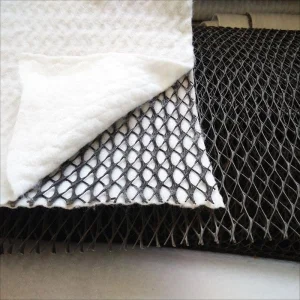
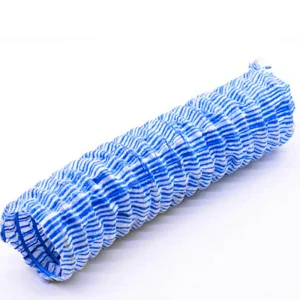
Since the establishment of the company has developed rapidly, business continues to grow and expand, our company mainly deals in geotextiles, geomembrane, composite geomembrane, waterproof board, bentonite waterproof blanket, 3D composite drainage net, (composite) drainage board, weaving cloth, woven cloth, geotextiles, membrane bags, blind ditches, waterproof and drainage combinations, woven bags, ecological bags, cement blankets, fiber plants blankets, geotextiles, flexible pervious pipes, business includes geosynthetics, waterproofing membrane production, sales, construction, import and export of goods (according to the law must be approved by the relevant departments before starting business activities). We have high quality products and professional sales and technical team, our company belongs to Dezhou Geotextile Association, products are widely used in highways, railways, bridges and tunnels, reservoirs and canals water conservancy, artificial lakes, environmental protection, aviation, mining, agriculture and other fields.
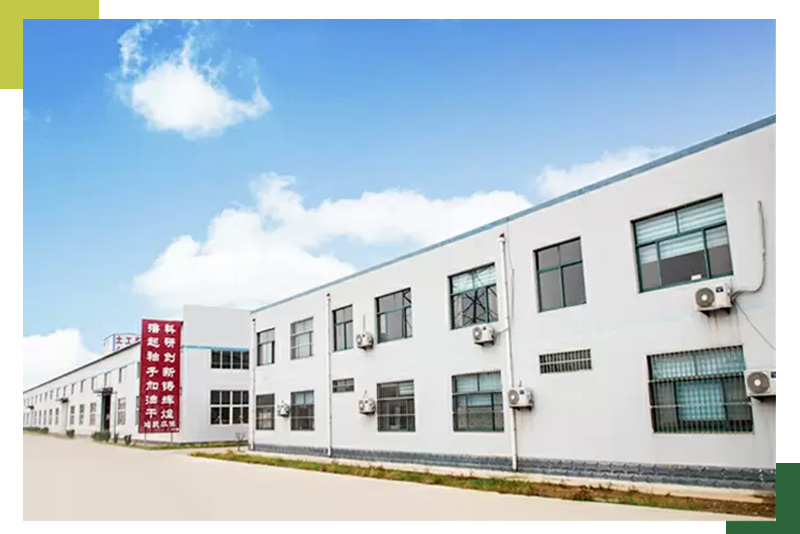
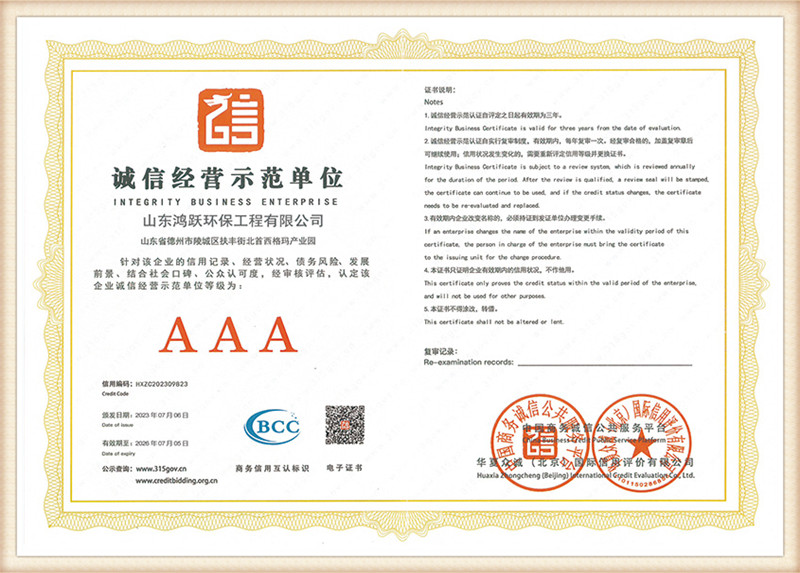
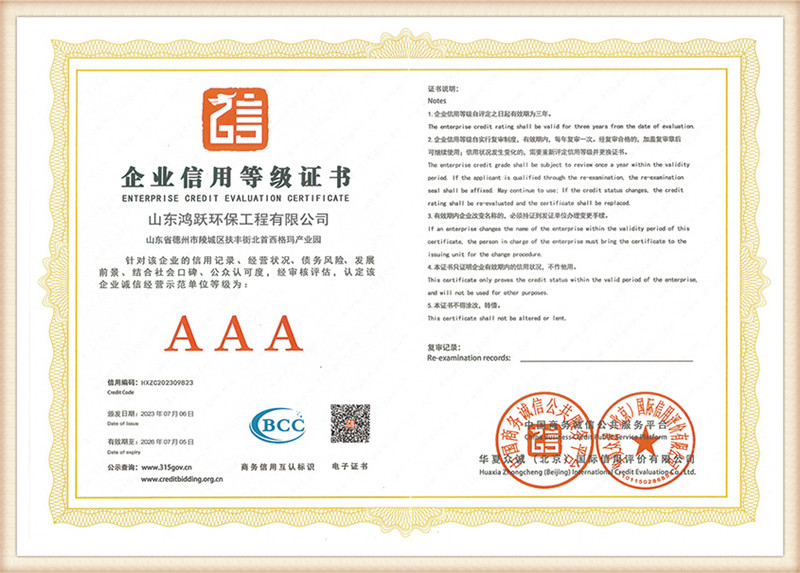
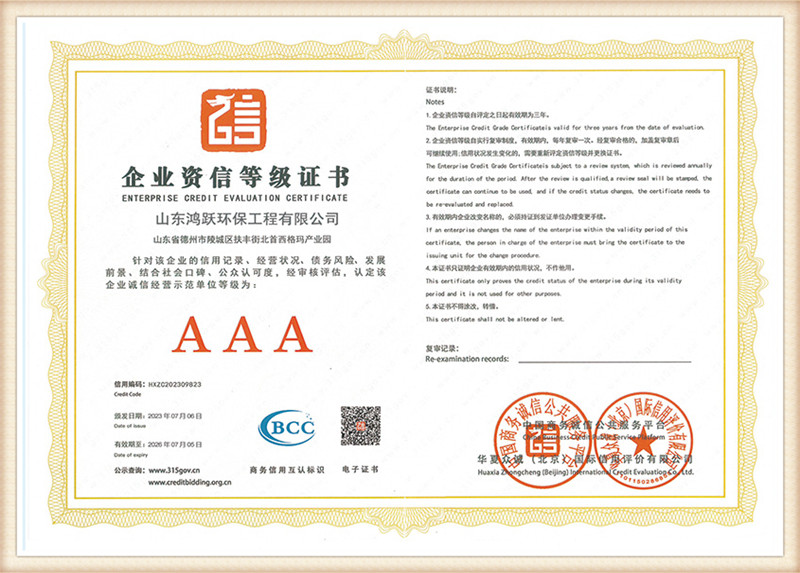
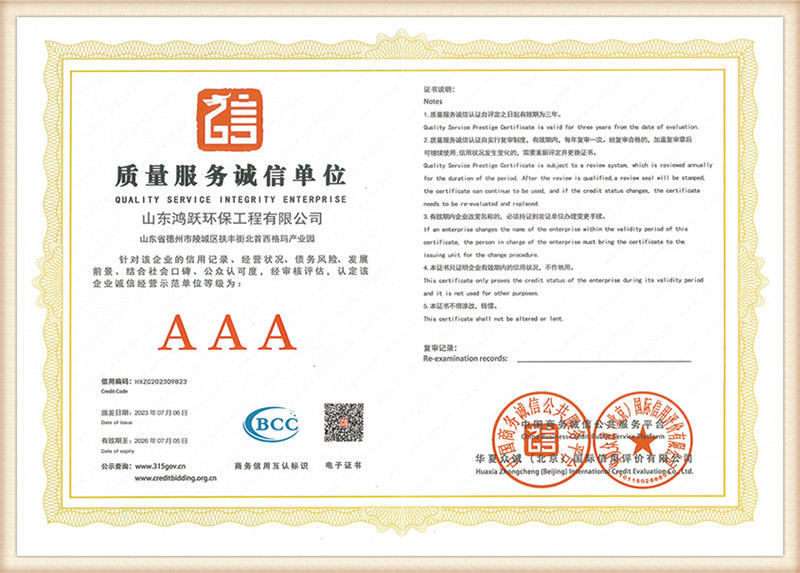
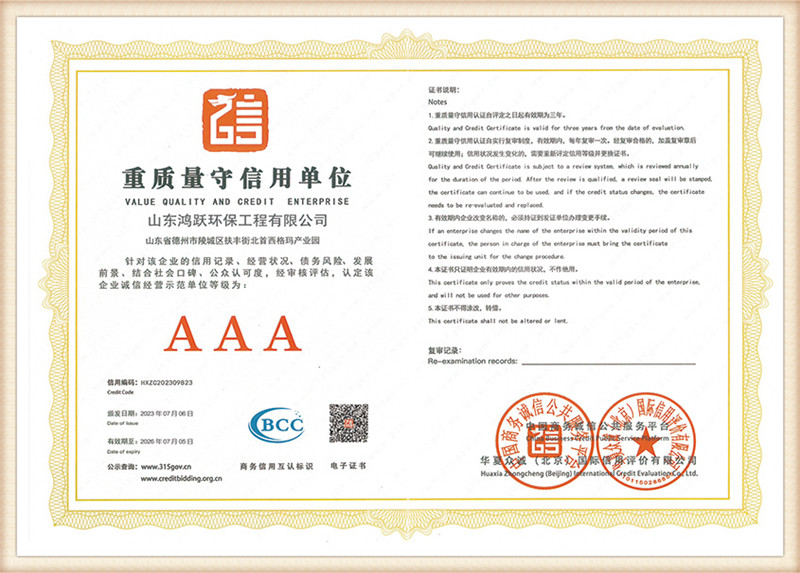
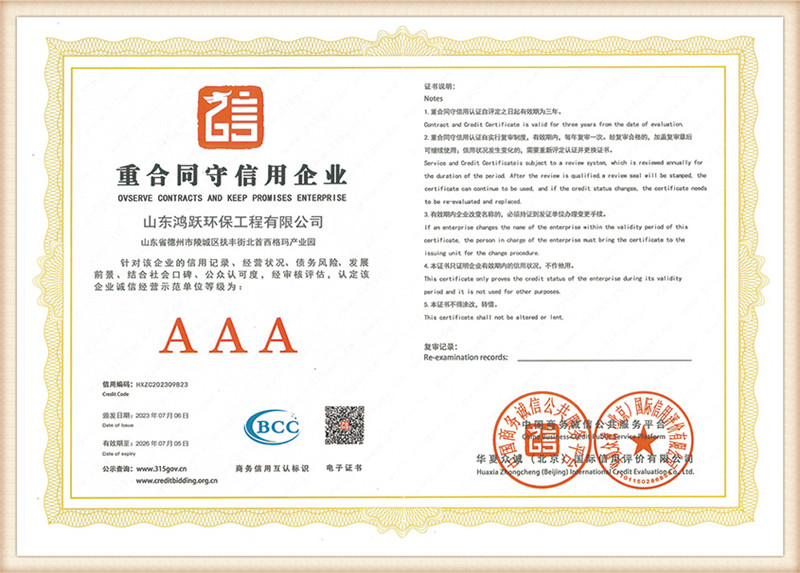
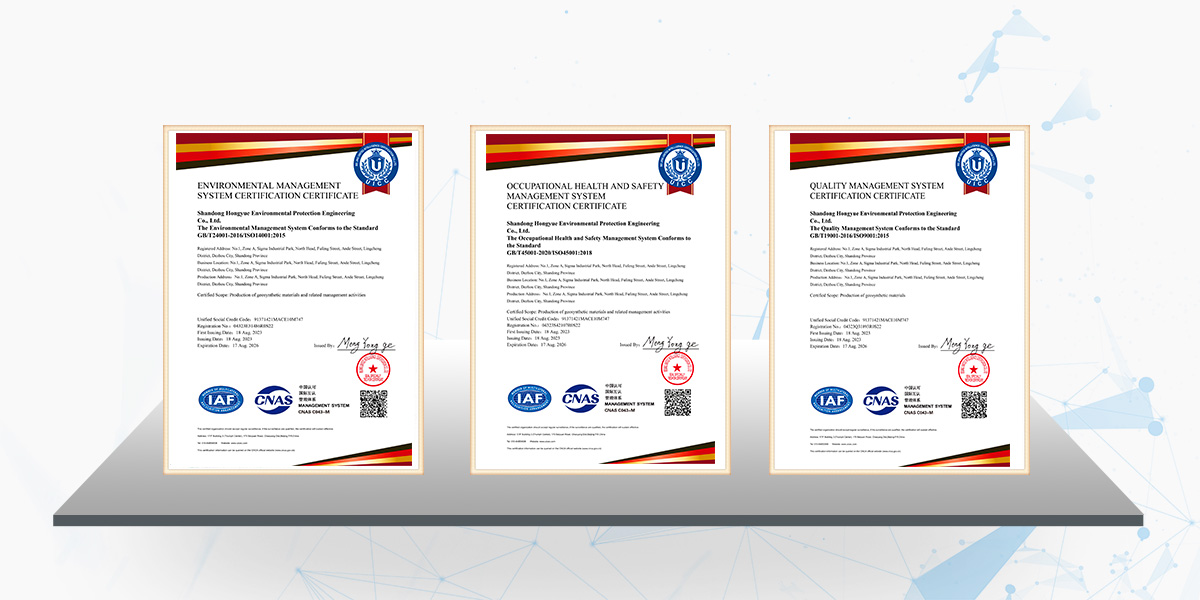
The company has successively passed the ISO9001 international quality system certification, ISO14000 environmental system certification, and ISO45001 occupational health and safety management system certification, and has won multiple honors such as "green and environmentally friendly building materials products", "no consumer complaints", "famous Chinese brands", "high-tech industries", "quality service double excellent units", and "provincial-level poverty alleviation leading enterprises". The company has established sales networks or agency agencies in more than 40 large and medium-sized cities such as Shanghai and Beijing, and its products are exported to multiple countries such as Europe, the United States, Australia, and various parts of the country. The products are widely used in key projects in various provinces and cities. The products are widely used in various fields such as highways, railways, bridges and tunnels, reservoir and canal water conservancy, artificial lakes, environmental protection, aviation, mining, agriculture, etc.
Dezhou, located in Shandong Province, serves as a hub for China's geotechnical materials industry. As an established ODM and OEM exporter, Shandong Hongyue leverages this industrial cluster to deliver reliable logistics and product customization options. Our supply chain features several key advantages:
By sourcing high-grade polypropylene chips and polymer additives locally from petrochemical suppliers, we secure reliable pricing and stable chemical properties, protecting our clients from volatile global market shifts.
Our advanced sheet extrusion, precision punching, and multi-axial stretching machinery enable consistent control over aperture geometries, rib thickness, and junction strength across production runs.
Our optimized workflow, high-capacity machinery, and efficient internal logistics allow us to offer competitive pricing without compromising quality, helping engineers stay within budget.
In civil engineering, soil stabilization is rarely an isolated challenge. For instance, retaining walls stabilized by geogrids often require backing filtration geotextiles, and subgrade foundations on soft ground require geomembrane containment fields. Shandong Hongyue provides a comprehensive range of geosynthetic materials, helping engineers source fully integrated systems from a single provider.
Focusing on the production of new anti-seepage engineering materials and advanced polyolefin reinforcements.
Our factory is dedicated to providing you with professional design, manufacturing, and shipping services.
Superior geographical location near major railway networks and global ports guarantees on-time delivery.
Our products are widely used in key municipal and environmental protection projects across various provinces and cities.
Take an internal look at our high-capacity production facility located in Dezhou, Shandong. Our facility operates continuously, deploying advanced manufacturing technology to meet strict lead times and quality standards for global infrastructure projects.
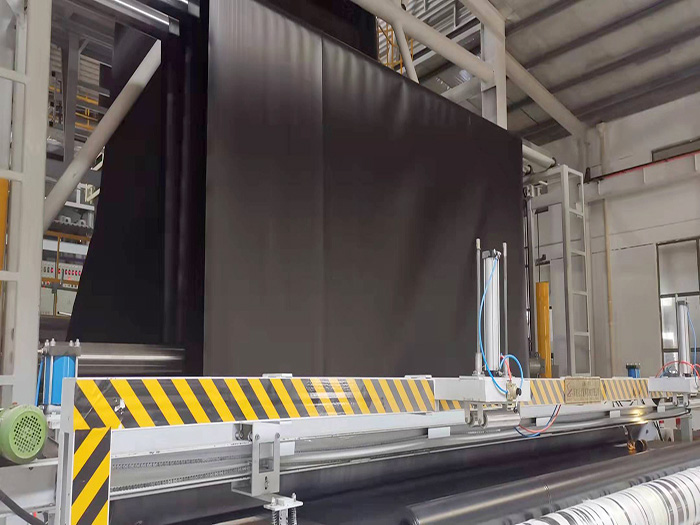
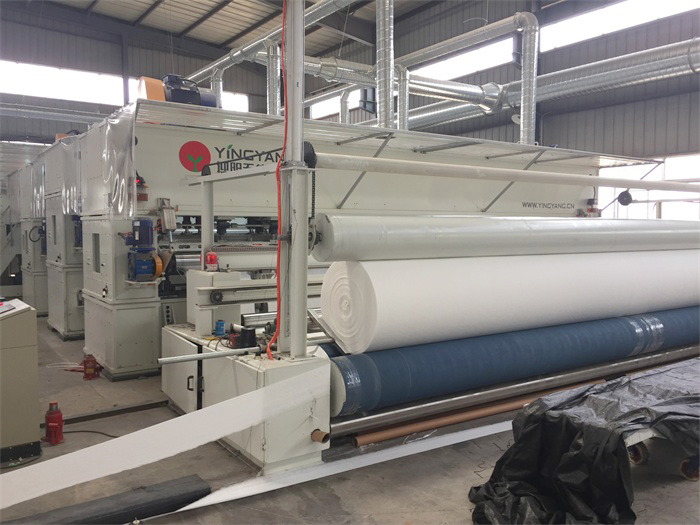
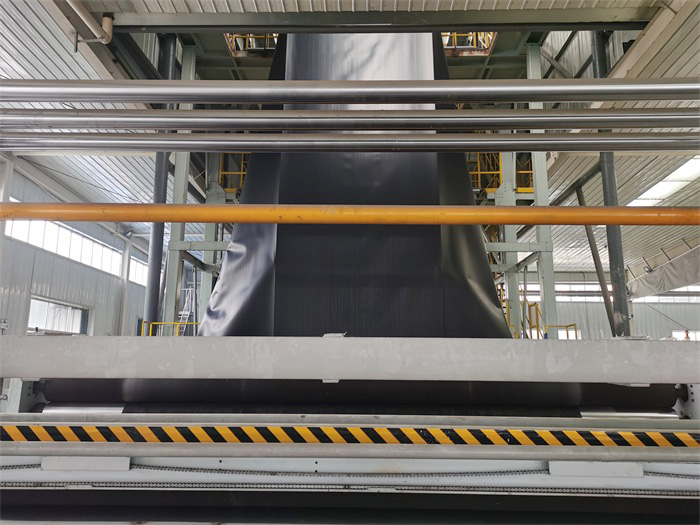
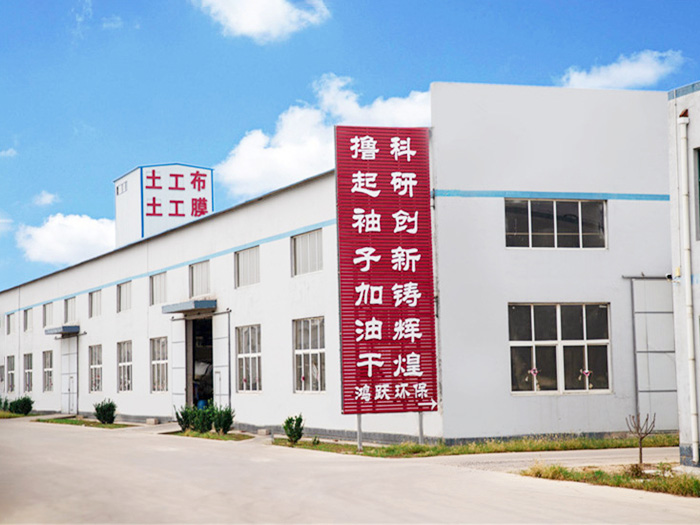
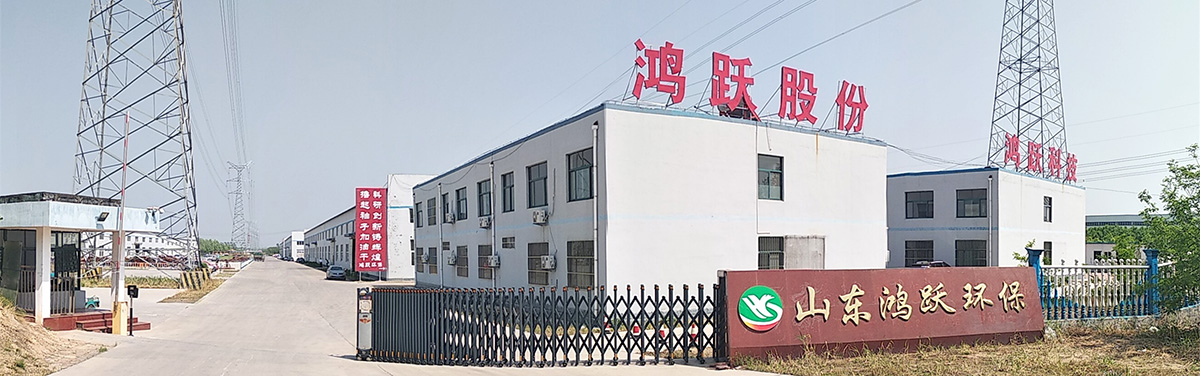
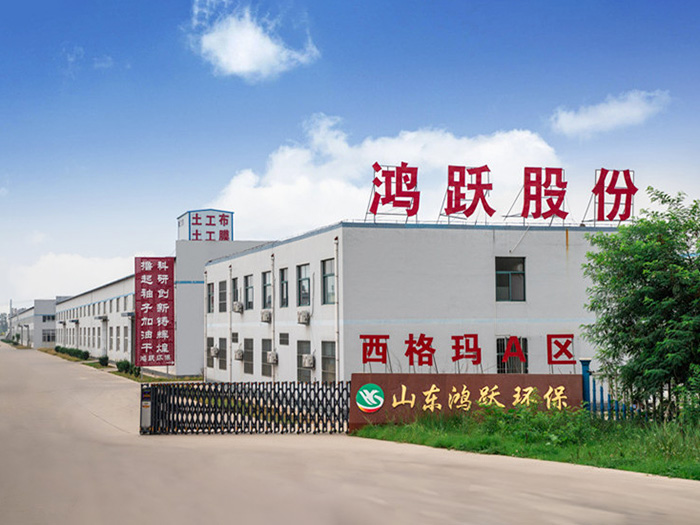
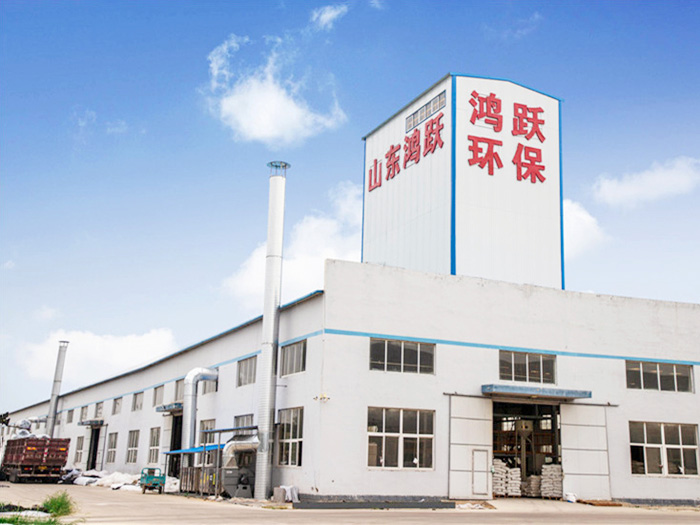
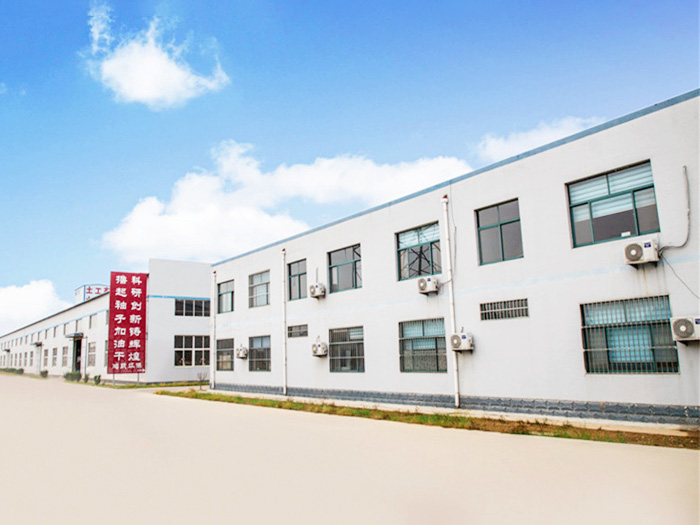
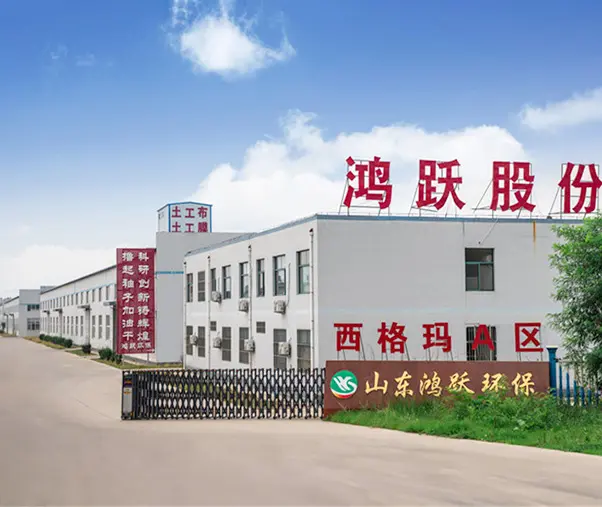
To maintain E-E-A-T standards, we openly present the manufacturing processes of our geotechnical systems. Our facility implements rigorous quality controls at every stage, from material preparation to final inspection.
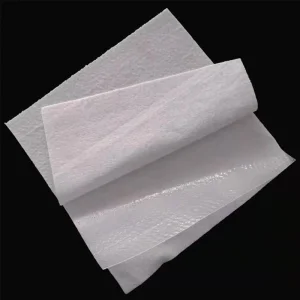
Geotextile is widely used in civil engineering materials, with filtration, isolation, reinforcement, protection and other functions, its production process includes raw material preparation, melt extrusion, mesh rolling, draft curing, winding packaging and inspection steps, need to go through multiple links of processing and control, but also need to consider its environmental protection and durability and other factors. Modern production equipment and technology have been widely used, making the production efficiency and quality of geotextiles have been significantly improved.
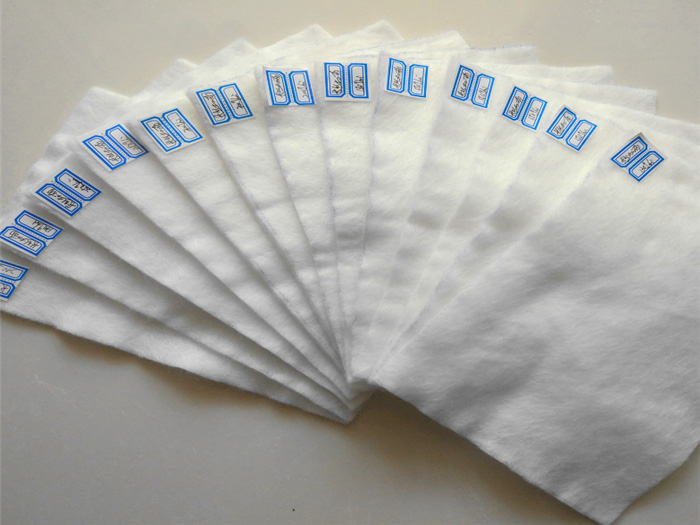
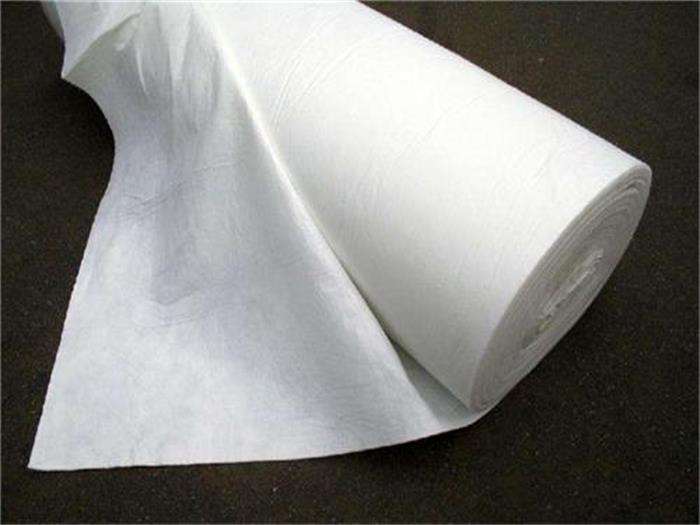
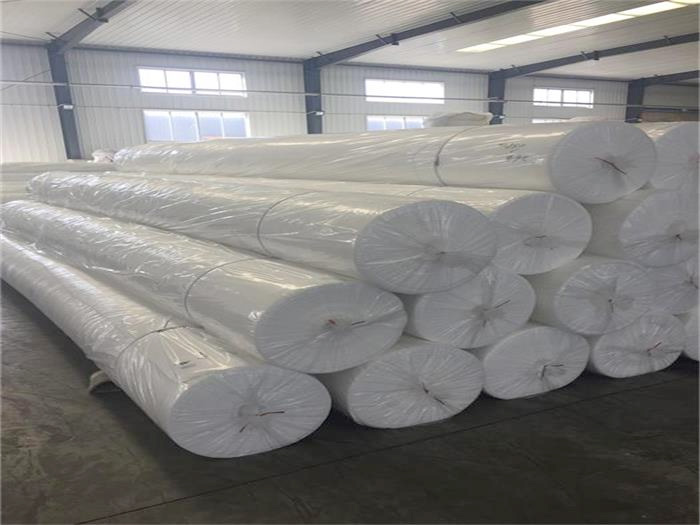
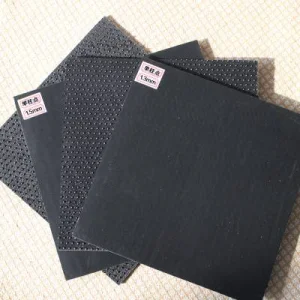
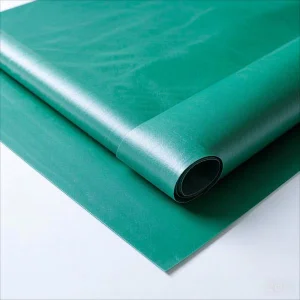
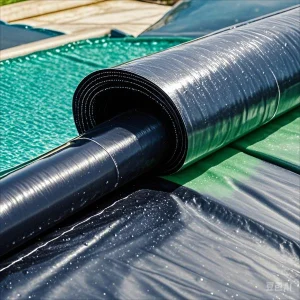
Geomembrane is a kind of material widely used in engineering projects, which has the functions of seepage prevention, isolation and reinforcement. This paper will introduce the application technology of geomembrane, including selection, laying and maintenance.
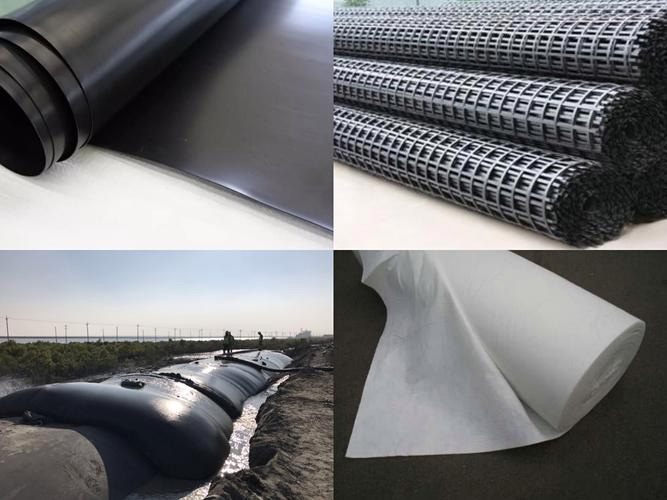
In Summary: The application technology of geomembrane includes selecting suitable geomembrane, laying geomembrane correctly and maintaining geomembrane regularly. Reasonable application of geomembrane can effectively improve the functions of seepage prevention, isolation and reinforcement of engineering projects, and provide guarantee for the smooth progress of engineering.
Quality is crucial in geotechnical engineering, where structural failures can compromise safety and lead to significant financial losses. Shandong Hongyue Environmental Engineering Co., Ltd. has established a complete quality assurance system to verify the mechanical properties of our products.
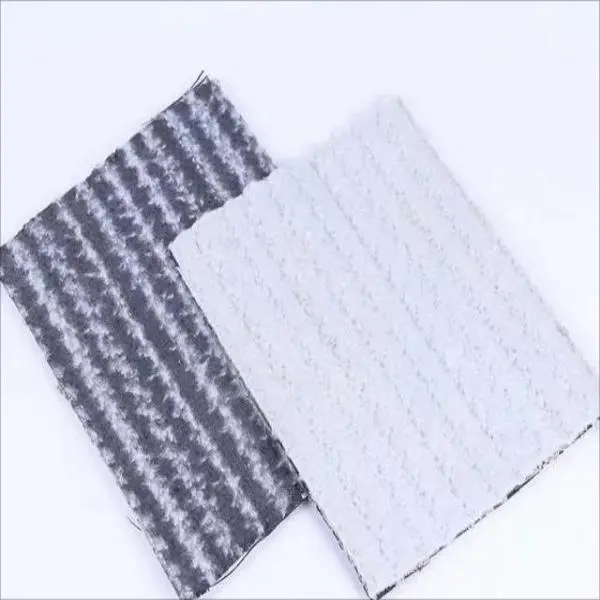
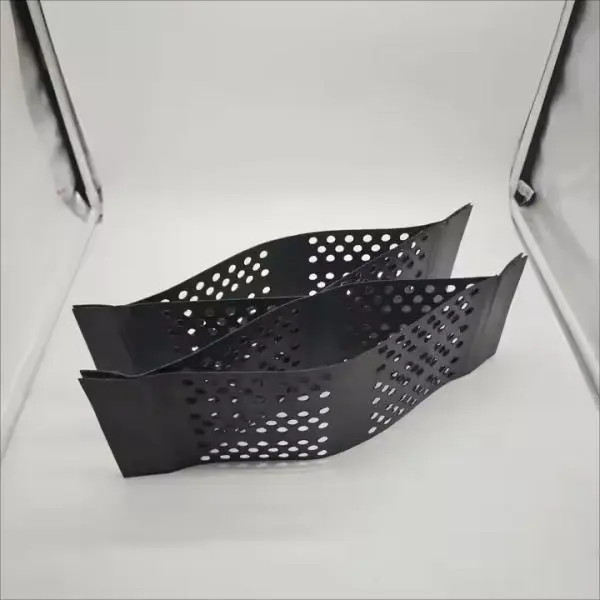
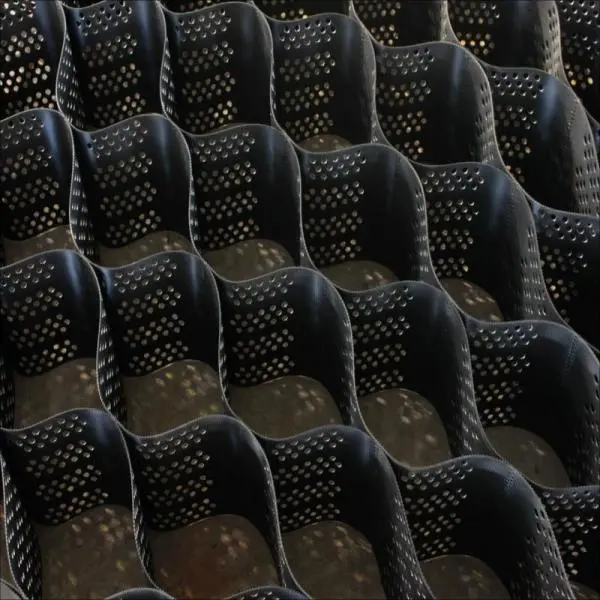
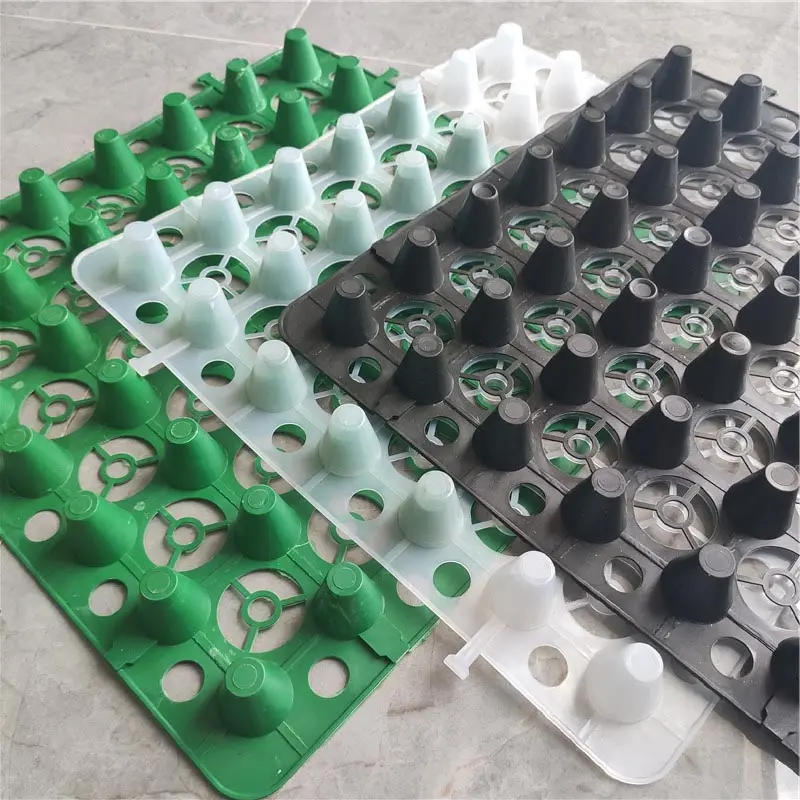
Shandong Hongyue Environmental Protection Engineering Co., Ltd. mainly produces various types and specifications of geotextile, geomembrane, composite geomembrane, waterproof plate, bentonite waterproof blanket, composite geomembrane drainage network, anti-drainage board, waterproof roll, geogrille, water stop, permeable pipe and other products, forming four material systems of impermeability, environmental protection, protection, reinforcement and water stop, integrated supply.
Shandong Hongyue Environmental Protection Engineering Co., Ltd. has a complete and scientific management system, has passed the ISO9001 international quality system certification, ISO14000 environmental system certification, ISO45001 occupational health and safety management system certification. It has won many honors such as "Green building Materials Products", "No consumer complaints", "China Famous Brand", "High-tech Industry", "Quality Service Double excellent Unit", "Provincial poverty alleviation Leading Enterprise" and so on. The company adopts the most advanced production technology and equipment process, and has perfect detection means and precision inspection equipment to ensure that the products always maintain excellent performance. The quality of all products produced by the company has reached or exceeded international standards, and passed the certification of China National Testing Center, and all passed the national quality supervision and sampling inspection commissioned by the State Administration of Quality Supervision and Inspection.
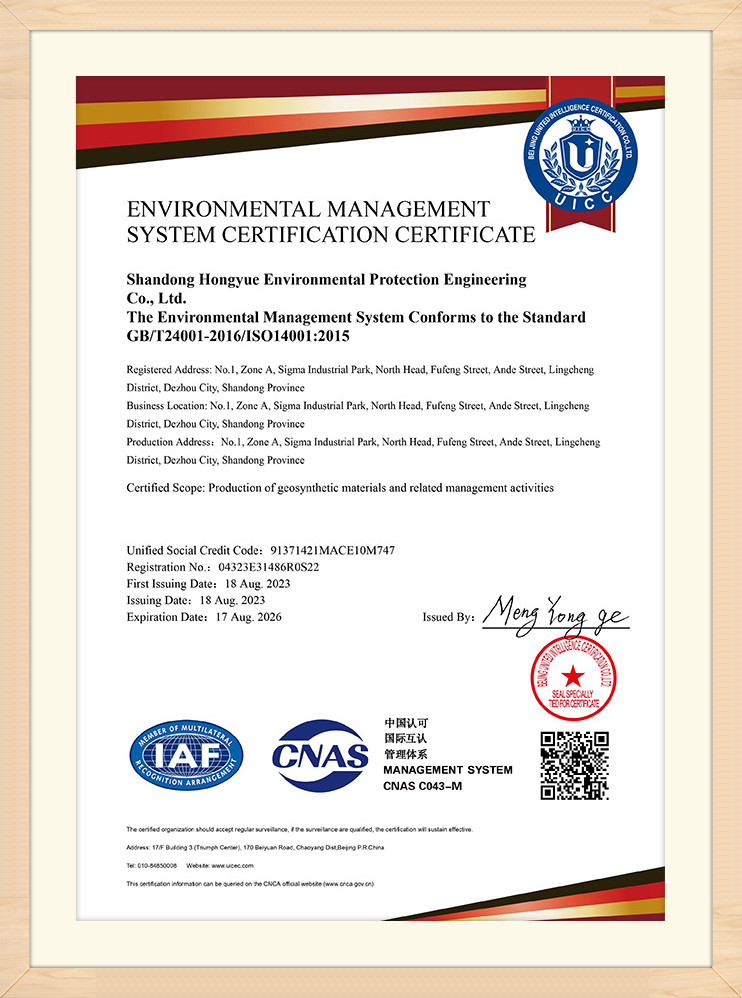
Shandong Hongyue Environmental Protection Engineering Co., Ltd. has built a group of sophisticated technology, experienced production technology and market service team, engineers and technicians have more than ten years of experience, several years to serve domestic and foreign large-scale engineering construction sites. The company has gradually established offices in large and medium-sized cities across the country, engaged in material consulting, project follow-up, construction design, marketing management and other services, under the cooperation of the headquarters, to provide our customers with 24-hour comprehensive service and product technical consultation.
With continuous market development and stable, reliable, high-performance geomaterials products, as well as scientific, economic solutions and deep, comprehensive technical support, Shandong Hongyue has accumulated rich experience in engineering design, product development and construction and many other aspects, the company's integrity, strength and product quality is gaining more and more project owners and engineering parties recognition.
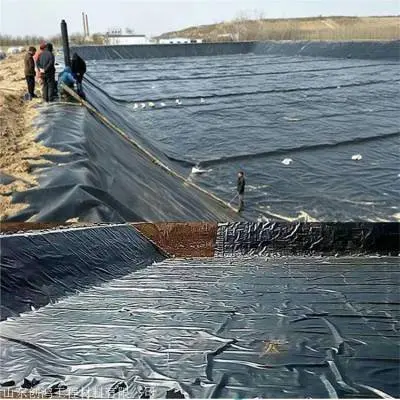
Geomembranes and geogrids function together within hydraulic systems. While geogrids stabilize embankments, channels, and sub-aquatic structures, geomembranes establish impermeable barriers that prevent seepage and protect local ground systems.
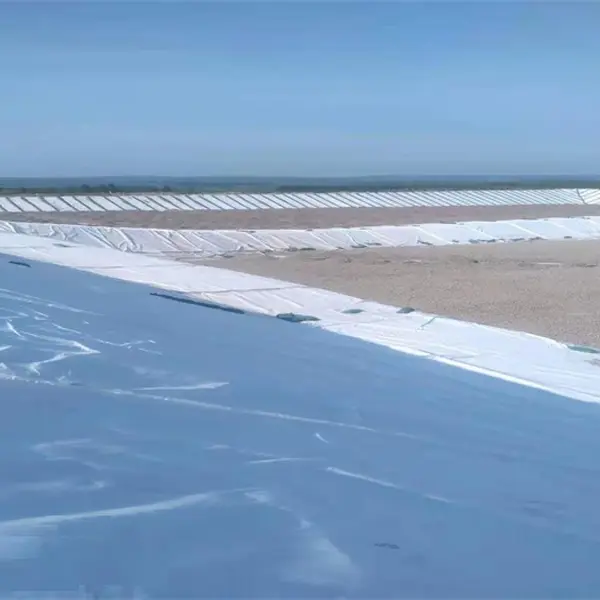
Geomembrane, as an efficient anti-seepage material, plays a vital role in water conservancy projects. Its excellent anti-seepage performance, light and easy construction characteristics and relatively low cost make geomembrane become an indispensable part of water conservancy projects. In reservoir construction, geomembranes protect the subgrade from shifting while preventing water loss.
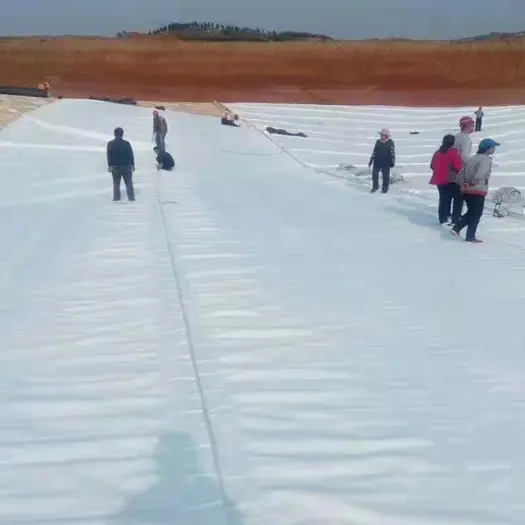
Rivers and channels are very important components of water conservancy projects. They regulate water flow, protect agricultural land, and secure urban infrastructure. Applying geomembranes along riverbeds prevents soil erosion, subgrade washout, and structural undermining under high flow rates.
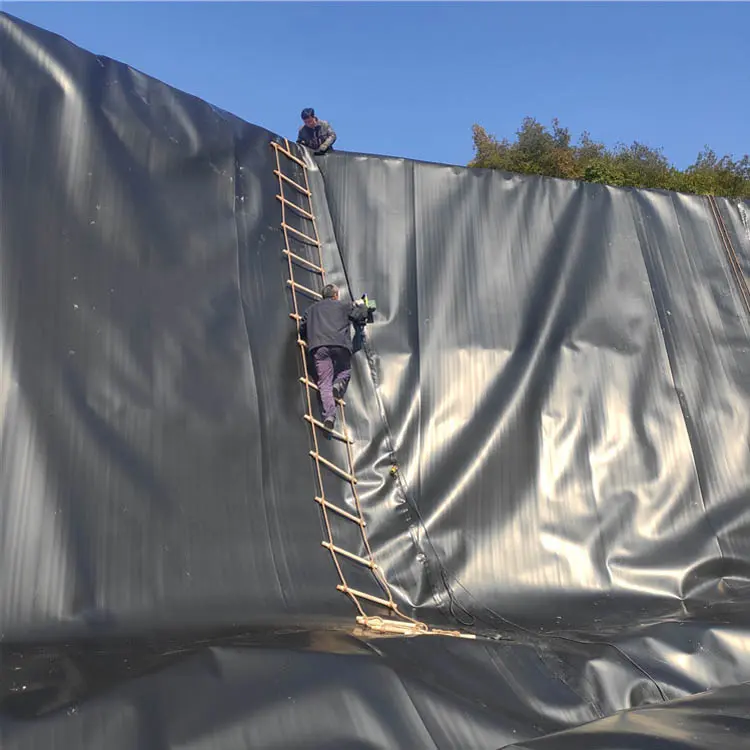
Landfill projects demand reliable containment to isolate municipal and industrial waste. High-density polyethylene (HDPE) geomembranes provide the low permeability needed to contain leachate, protecting groundwater reservoirs from contamination.
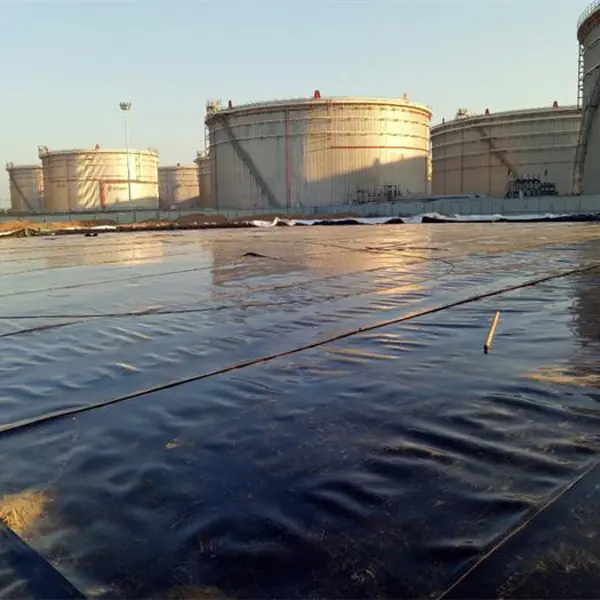
Secondary containment in oil and petrochemical tank farms requires chemically resistant barriers. Our geomembranes resist hydrocarbons, preventing contaminated run-off from entering the environment in the event of primary tank leakage.
In reservoir construction, geological conditions can be complex. Effective measures are needed to prevent leakage between the bottom of the reservoir and the surrounding rock. Installing geomembranes helps resolve this issue, improving the overall safety and stability of the reservoir.
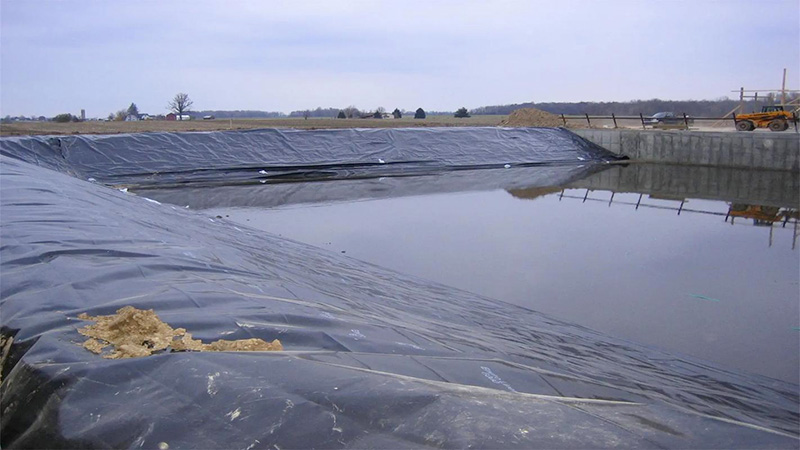
Additionally, using geomembranes during levee construction strengthens anti-seepage performance. Dikes protect downstream areas from flooding, but unpredictable variables can lead to subsurface voids and piping. Geomembranes provide a secondary barrier that prevents erosion from water bypass.
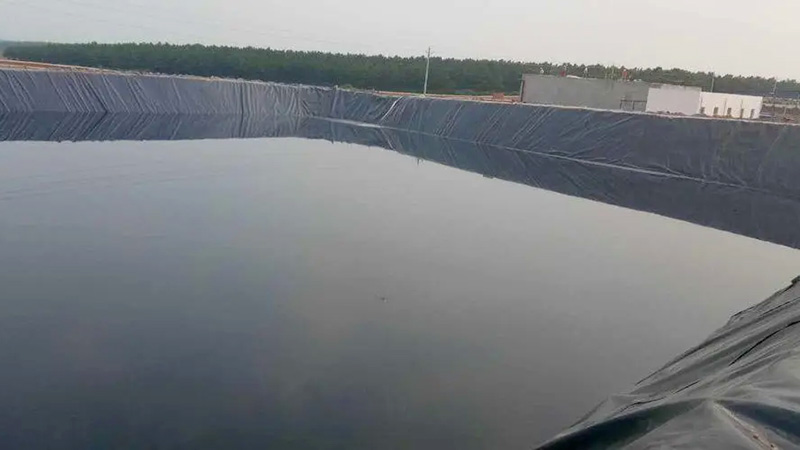
In river and channel management, geomembranes are used to address erosion and slope failure. They help control water flow, protect farmland and urban infrastructure, and preserve the local ecosystem.
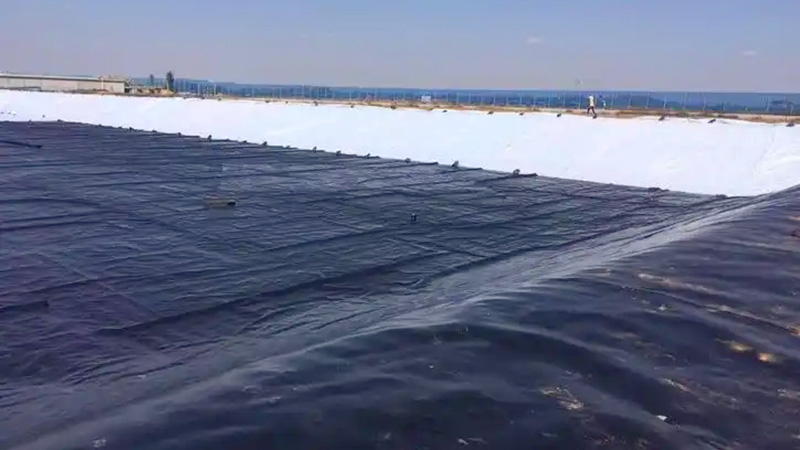
In regions subject to freeze-thaw cycles (such as Northern Europe, Canada, and Northern China), the expansion and contraction of moisture within subgrades can lead to cracking and structural failure. Triaxial geogrids help mitigate these effects by confining subgrade aggregate. The triangular structure distributes localized strain from frost heave across a wider footprint, minimizing differential movement and cracking.
Mining haul roads are subjected to high wheel loads from heavy equipment. Traditional unreinforced gravel roads require frequent maintenance and thick aggregate base courses. Triaxial geogrids improve the bearing capacity of these roads by locking the base aggregate in place. This confinement allows engineers to reduce aggregate base thickness while maintaining structural integrity, reducing haulage road maintenance costs.
The geosynthetics industry is increasingly focusing on reducing environmental impact. Our triaxial geogrids support sustainability initiatives by reducing the amount of quarried stone needed for base courses, which lowers transport emissions. We are also exploring the integration of fiber-optic strains into geogrids, enabling real-time structural health monitoring of major infrastructure installations.
Review detailed technical answers regarding the application, engineering, and manufacturing of ODM Triaxial Geogrids.
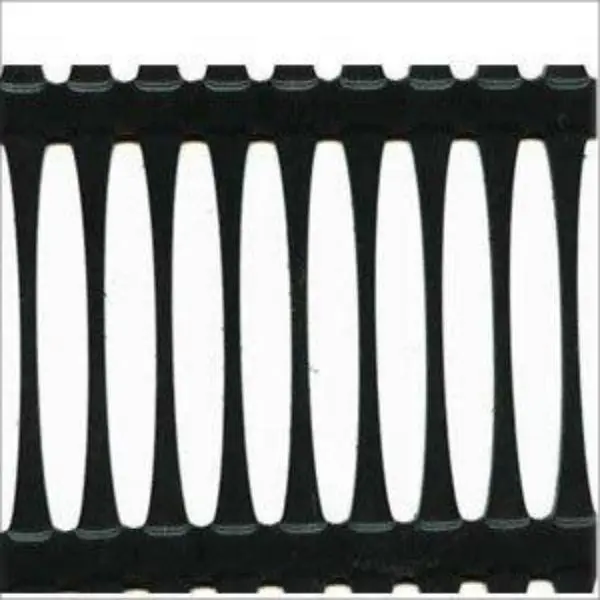
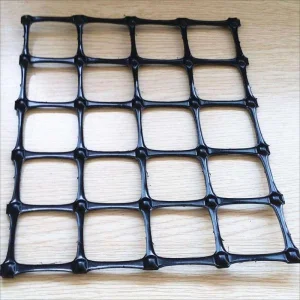
Biaxial geogrids have rectangular apertures and transfer load along two principal orthogonal axes (longitudinal and transverse). Triaxial geogrids feature triangular apertures that distribute stress isotropically across 360 degrees. This multi-directional distribution reduces stress concentrations and aggregate displacement under dynamic traffic loads.
The triangular ribs and junctions of the geogrid lock the aggregate particles in place, restricting their lateral movement under vertical loads. This interlocking mechanism creates a stiffer composite layer that increases the overall load-bearing capacity. Consequently, the thickness of the imported granular base layer can be reduced by 25% to 35% while achieving the same structural performance.
Our products comply with relevant international standards, including ASTM D6637 (tensile testing of geogrids) and GRI-GG2 (junction strength). Our factory operates under ISO9001:2015, ISO14001:2015, and ISO45001:2018 certifications, and all products undergo testing to meet global project requirements.
Yes, as a custom manufacturer, we can adjust aperture sizes, rib dimensions, and polymer formulations (using Polypropylene or High-Density Polyethylene) to match specific aggregate gradations and shear resistance requirements for your project.
Our geogrids are manufactured from high-molecular-weight polypropylene, which is chemically inert and resistant to acids, alkalis, and biological degradation found in organic soils. Carbon black additives are incorporated to provide UV resistance for applications exposed to sunlight during installation.
Standard lead times range from 7 to 15 days, depending on order volume and customization requirements. Our location in Dezhou, Shandong, provides access to Qingdao and Tianjin ports, allowing for efficient global shipping.
Check out additional solutions from our geosynthetic product lines, designed to address challenges in water conservancy, environmental containment, and soil stabilization.
 Hongyue