High-grade composite materials manufactured under certified laboratory controls for global civil construction, containment, and infrastructure protection.
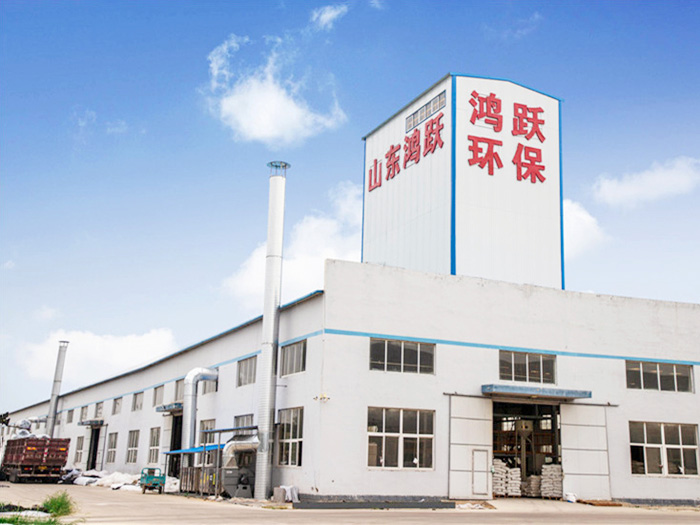
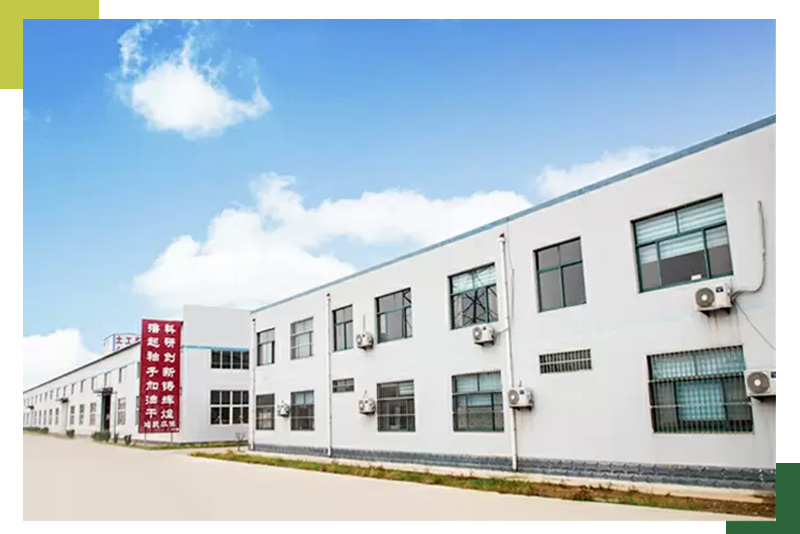
Located at the north end of Fufeng Street, Lingcheng District, Dezhou, Shandong Province, Shandong Hongyue Environmental Engineering Co., Ltd. is a scientific and technological geotechnical material manufacturer integrating engineering material production, sales, design and construction services. The company was registered in Lingcheng District Market Supervision and Administration Bureau of Dezhou City on April 6, 2023, with a registered capital of 105 million yuan.
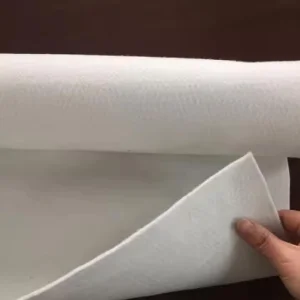
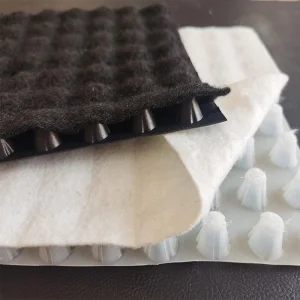
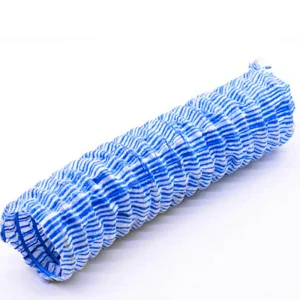
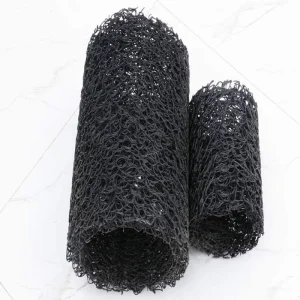
As one of the largest production bases of geotechnical materials in China at present, we enjoy a superior geographical location and convenient transportation. Since our establishment, our company has developed rapidly, and our business continues to grow and expand. We mainly deal in geotextiles, geomembrane, composite geomembrane, waterproof board, bentonite waterproof blanket, 3D composite drainage net, (composite) drainage board, weaving cloth, woven cloth, membrane bags, blind ditches, waterproof and drainage combinations, woven bags, ecological bags, cement blankets, fiber plants blankets, and flexible pervious pipes.
Our business includes geosynthetics, waterproofing membrane production, sales, construction, and the import and export of goods. We have built high-quality products, a professional sales team, and a technical team to serve domestic and foreign projects. We are a key member of the Dezhou Geotextile Association, and our products are widely used in highways, railways, bridges, tunnels, reservoirs, canals, artificial lakes, environmental protection, aviation, mining, and agriculture.
An in-depth white-paper analysis of polymer architecture, chemical stability, and core performance profiles of smooth High-Density Polyethylene (HDPE) membranes.
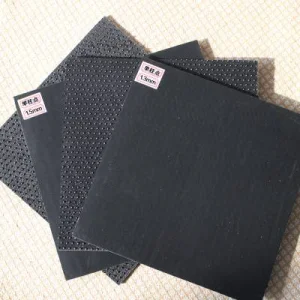
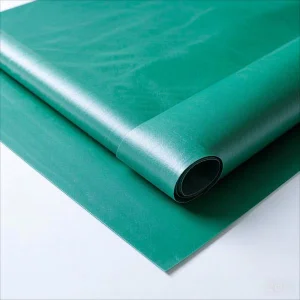
High-quality smooth geomembranes are mainly manufactured using premium High-Density Polyethylene (HDPE) and Linear Low-Density Polyethylene (LLDPE) resins. The formulation contains approximately 97.5% pure polymer combined with 2.5% carbon black, anti-aging additives, and UV stabilizers. This molecular composition offers exceptional resistance to chemical corrosion, microbial attack, and mechanical wear.
Thickness configuration is a critical engineering specification, ranging from 0.3mm to 2.0mm. Thinner membranes (0.3mm to 0.75mm) are optimized for temporary agricultural containment and decorative water bodies, whereas thicker options (1.0mm to 2.0mm) are essential for municipal landfills, heavy industrial containment, and toxic tailings protection.
With an extremely low hydraulic conductivity, smooth geomembranes serve as an absolute barrier against hazardous liquids and gases. This performance ensures that soil structures and groundwater reserves are protected from heavy metal pollutants, landfill leachate, and volatile chemical seepage, adhering strictly to global environmental protection codes.
The successful performance of a geomembrane barrier system depends on correct material selection, precise on-site installation, and preventive maintenance protocols.
Selecting the optimal polymer specification requires matching chemical compatibility, tensile performance, and thermal stress resistance to the site's environment. HDPE is selected for projects demanding high chemical resistance and low permeability, while LLDPE is preferred where flexibility, high elongation, and differential settlement tolerance are critical.
The foundation subgrade must be compacted and cleared of sharp rocks, roots, or debris. Laying can involve flat-roll positioning or folded configurations depending on site slopes. Panel seams must undergo thermal fusion welding (hot wedge or extrusion welding) to establish high-strength, leak-free joints across the entire surface.
Post-installation protection requires cover soil or geotextile cushioning to shield the membrane from physical damage. Regular physical monitoring and electronic leak detection assist in identifying potential punctures or thermal stress cracks early, extending the liner's service life.
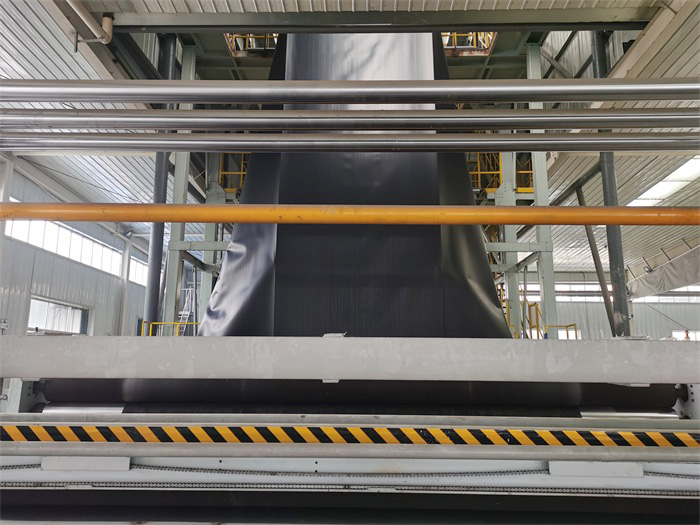
An inside look at our manufacturing processes, showcasing raw material mixing, high-temperature melt extrusion, laydown netting, draft curing, and final testing.
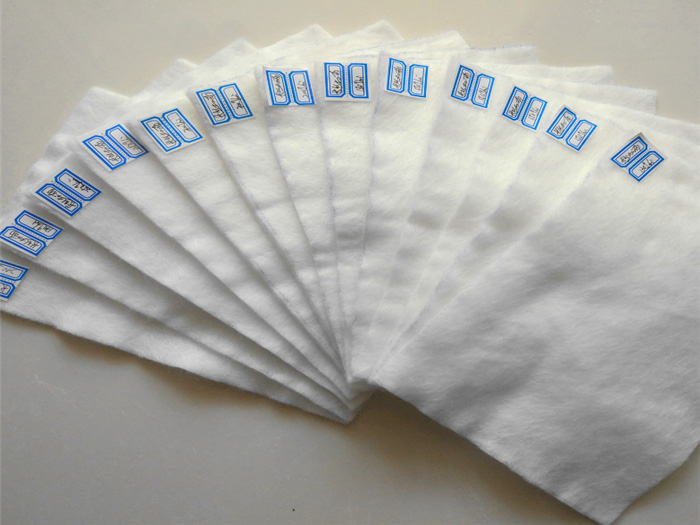
Raw materials including polyester chips, polypropylene filament, and viscose fibers undergo inspection. Raw materials are checked for density, viscosity, and chemical purity prior to feeding into production.
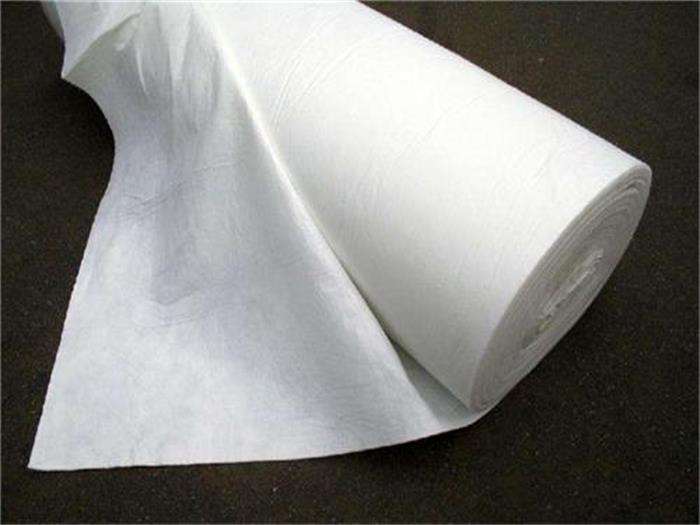
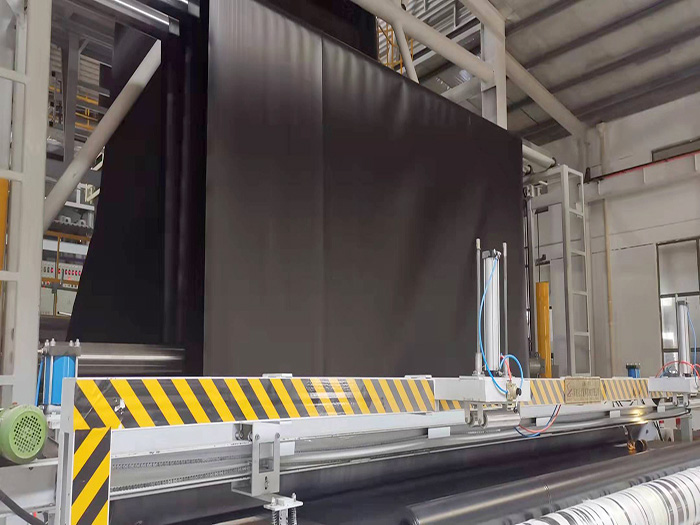
Polymers are processed through screw extruders under regulated temperature and pressure. The melt is extruded through spinnerets, forming a structured fiber network on the conveyor.
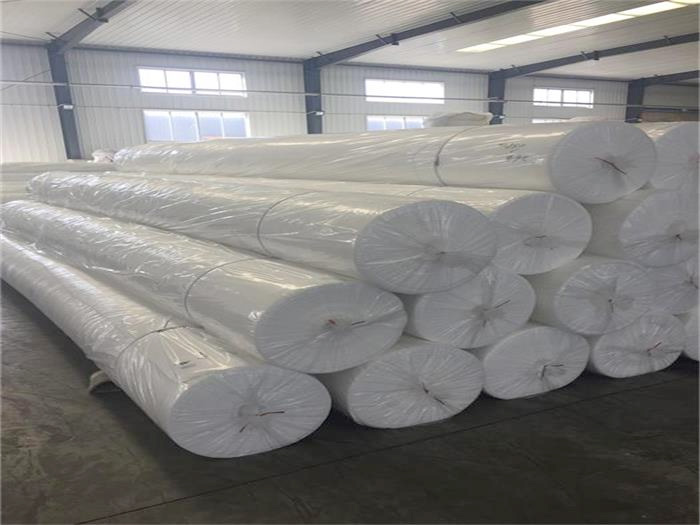
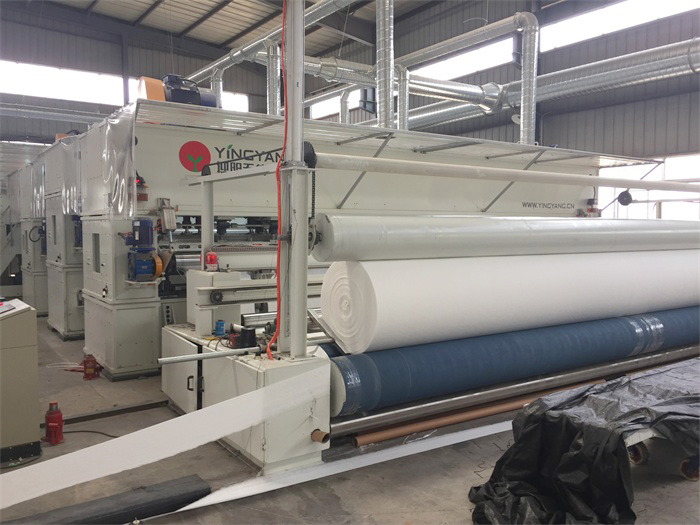
The structured web undergoes thermal draft curing to align fibers and increase tensile strength. Cured rolls are trimmed, measured, wrapped in protective packaging, and prepared for dispatch.
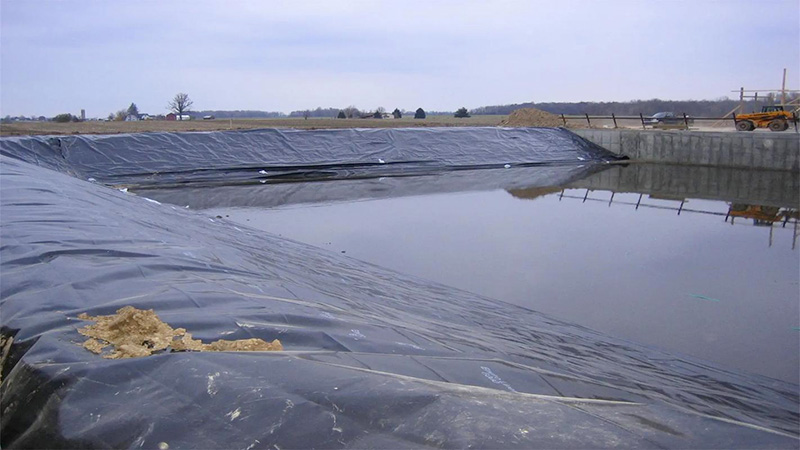
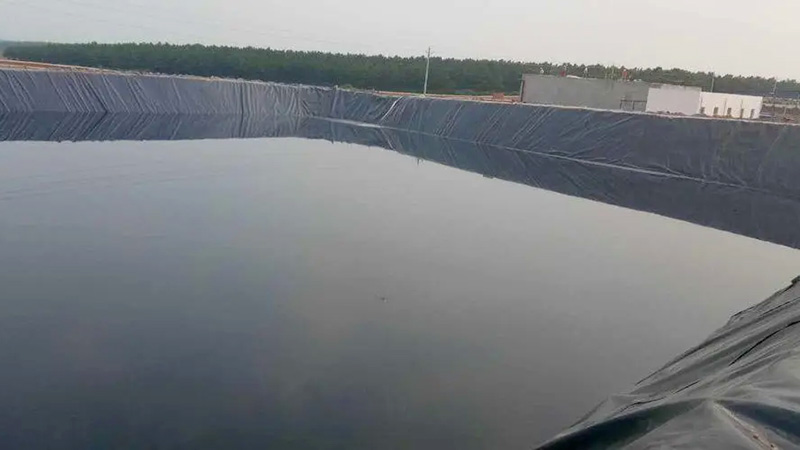
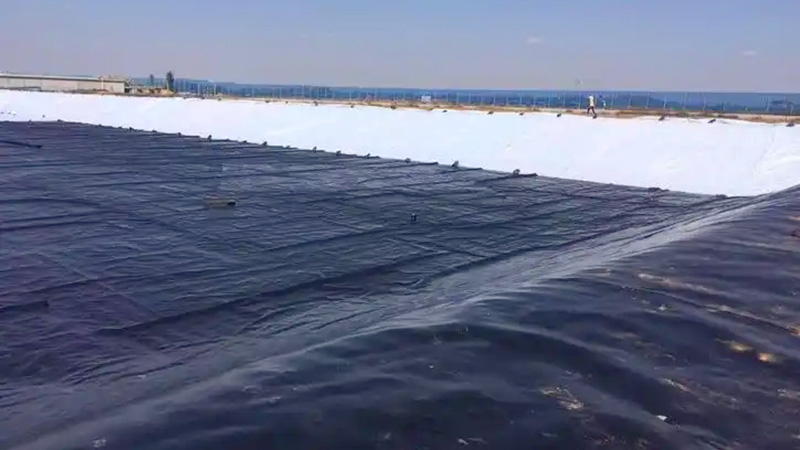
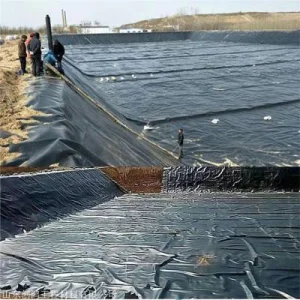
Explore real-world engineering projects where our smooth geomembranes and geosynthetics provide long-term seepage protection and structural isolation.
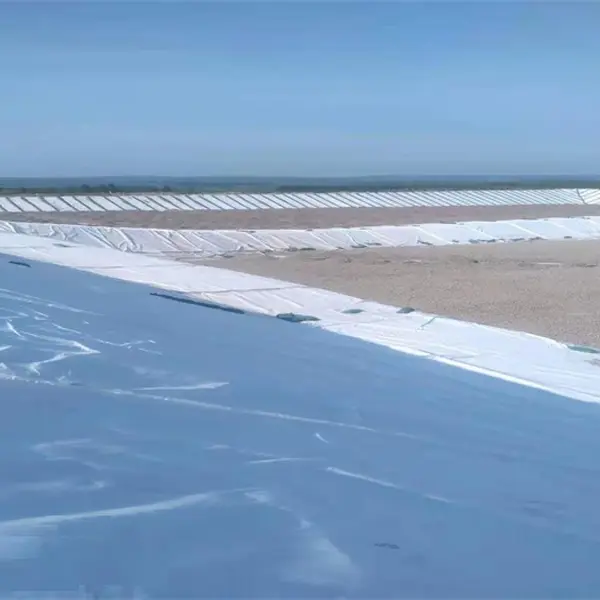
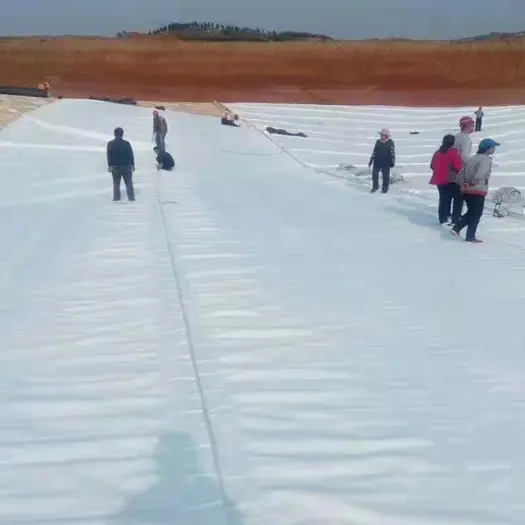
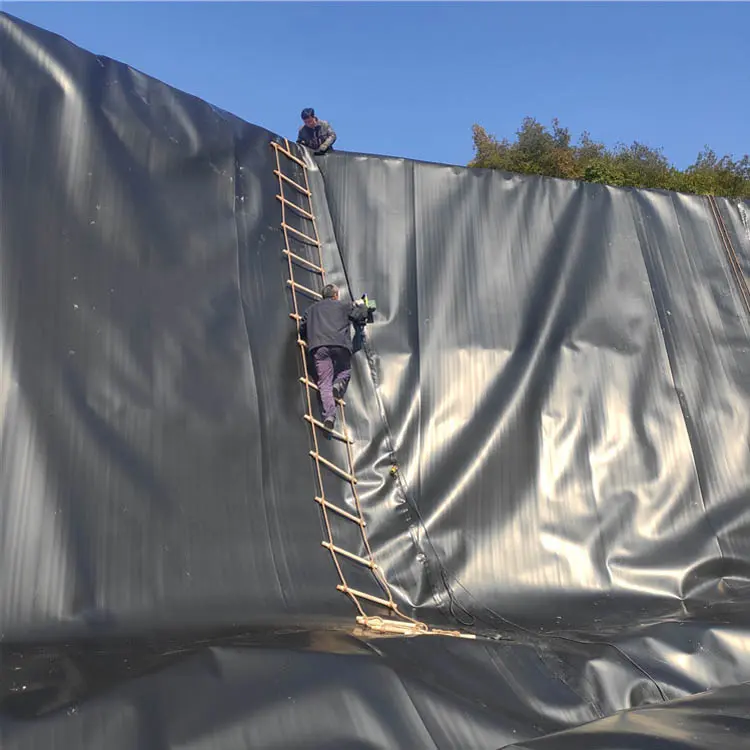
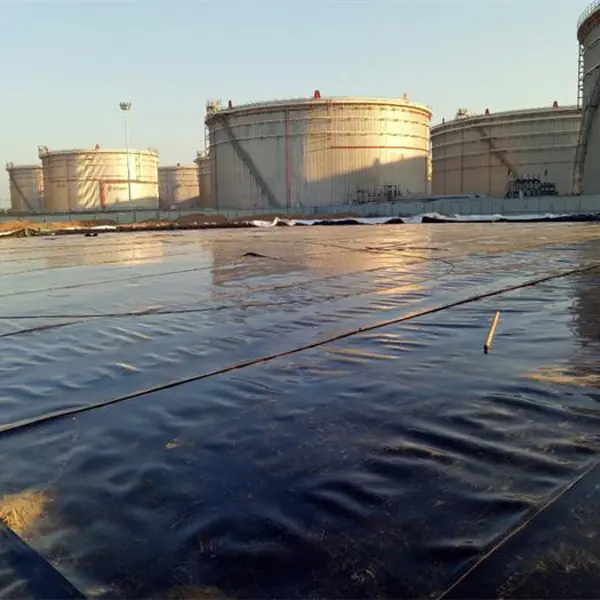
An overview of geosynthetics market developments, including changing buyer demands, China's Factory 4.0 evolution, and regional application profiles.
Environmental mandates are driving demand for longer-lasting, low-carbon barrier systems. In waste management and mining, engineers specify geomembranes designed for chemical stability and oxidation resistance. There is a growing focus on multi-layered extrusion technologies and bio-compatible barrier formulations to reduce environmental impact.
Innovative monitoring technologies, such as conductive liners that permit continuous electronic leak tracking, are transitioning from specialized options to industry standards, safeguarding fragile ecosystems.
Procurement managers look beyond upfront unit costs to evaluate total cost of ownership (TCO). Critical selection criteria include supplier consistency, ASTM standard compliance, and the availability of testing documentation (MQA/CQA). These measures reduce project delays and minimize liability risks.
Supply chain reliability is crucial. Forward-thinking procurement teams prioritize manufacturers with secure raw material access, ISO-certified processes, and the capability to supply customized width and length configurations directly.
Shandong Hongyue integrates digital monitoring and automation into its production facility in Dezhou. Our advanced extrusion systems adjust parameters in real-time to control polymer distribution, ensuring consistent thickness and uniform physical properties across every roll.
This automated approach minimizes raw material waste, increases production speed, and provides trace-level quality control from raw resin receipt to final product shipment.
From cold climates to desert sun exposure, smooth geomembranes must perform reliably under diverse local conditions. Our formulations are tailored with custom antioxidant packages (OIT) to resist high UV and heat in arid mining areas or low temperatures in high-altitude environments.
Whether utilized for agricultural reservoirs, commercial fish ponds, municipal canals, or industrial containment, we engineer barrier products to fit specific project requirements.
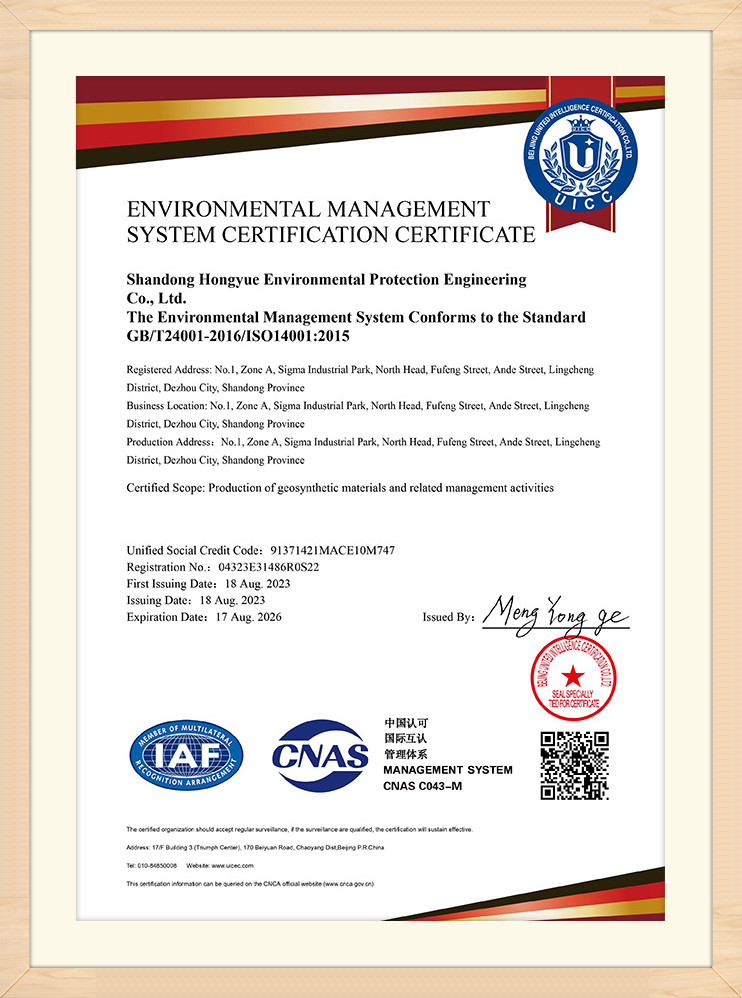
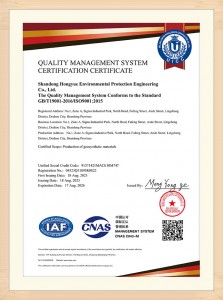
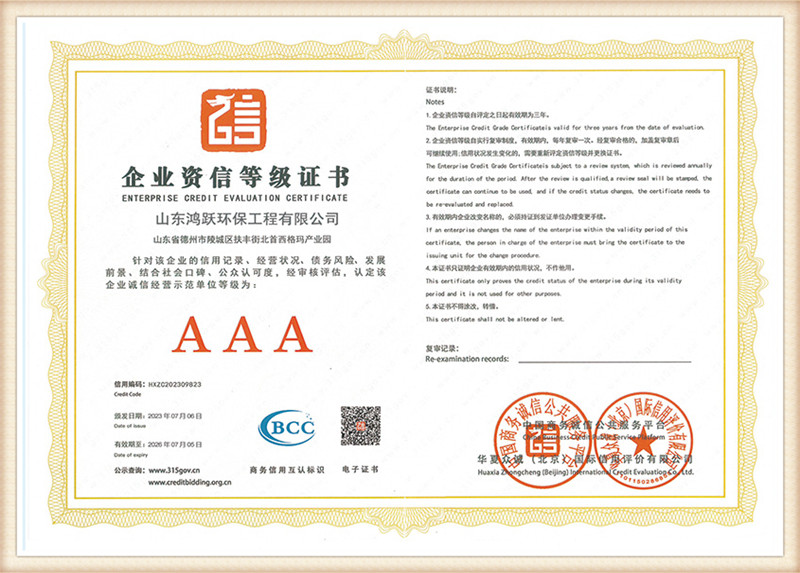
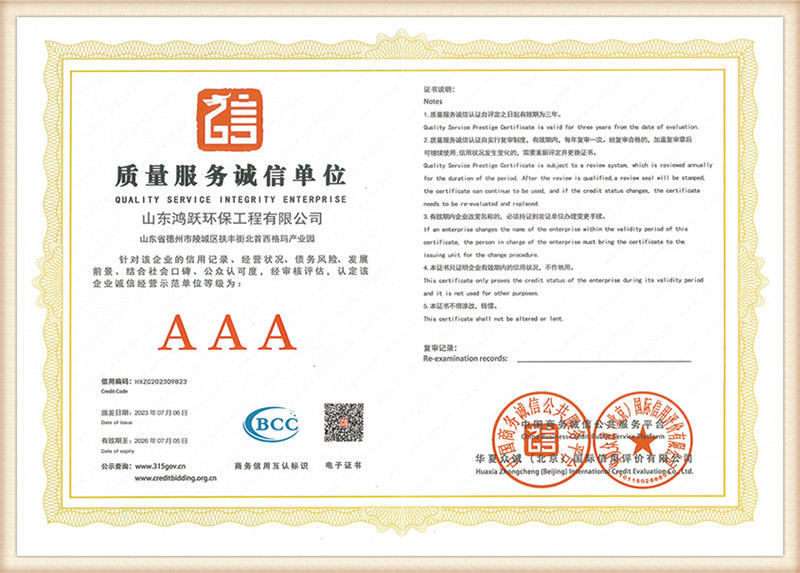
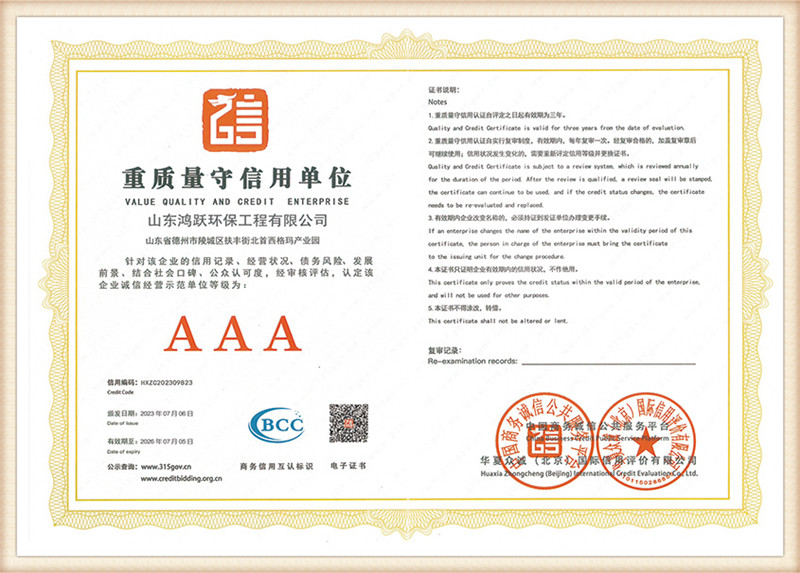
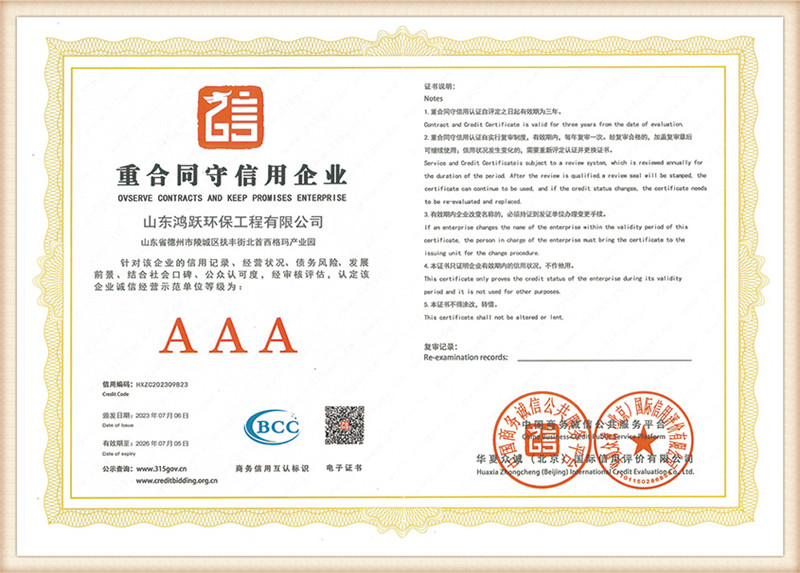
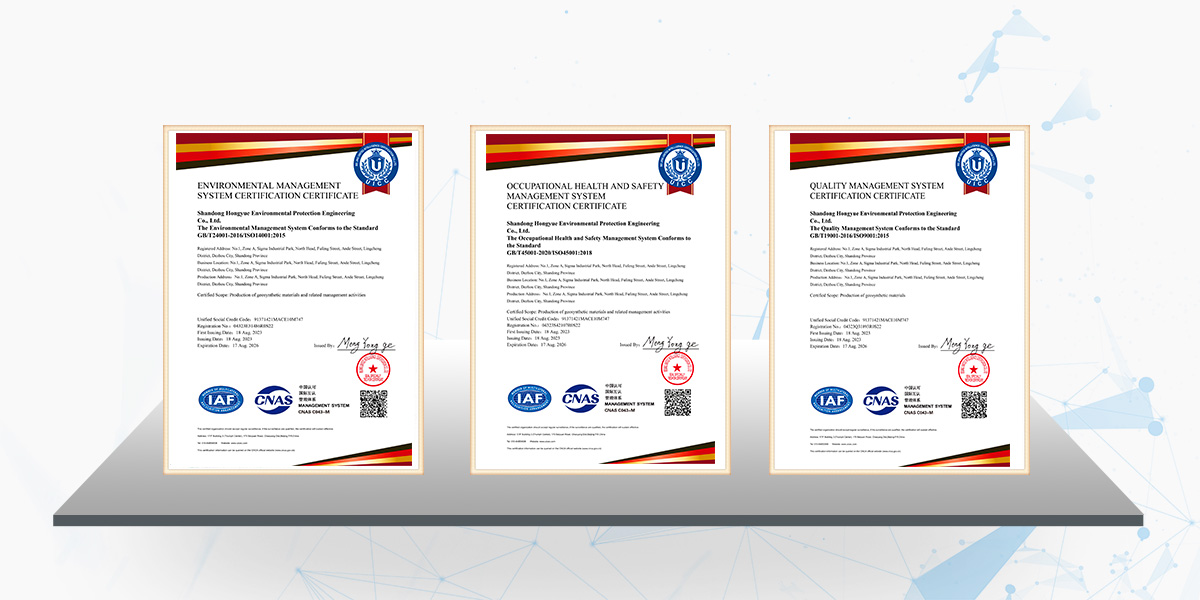
Shandong Hongyue operates a comprehensive, scientific management and testing system. Our plant has completed certification for ISO9001:2015 International Quality Management System, ISO14001:2015 Environmental Management System, and ISO45001:2018 Occupational Health and Safety Management System.
Our facility utilizes advanced testing equipment and procedures. All materials are tested to meet or exceed relevant ASTM and international standards. Our products have passed testing by the China National Testing Center, as well as regular national quality supervision audits and inspection sampling.
Our field services team includes experienced engineers and technicians with over a decade of hands-on experience, supporting infrastructure, municipal, and industrial projects worldwide. Through offices in major regional centers, we provide comprehensive technical support and design consultation.
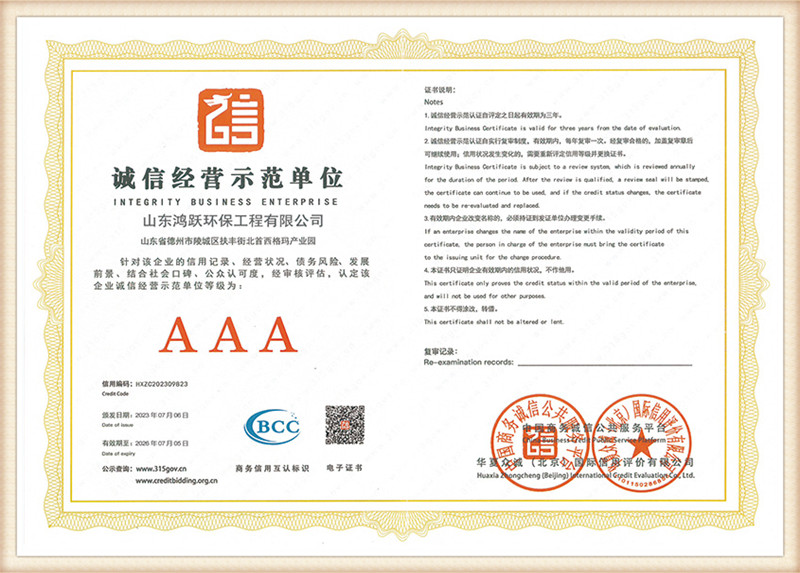
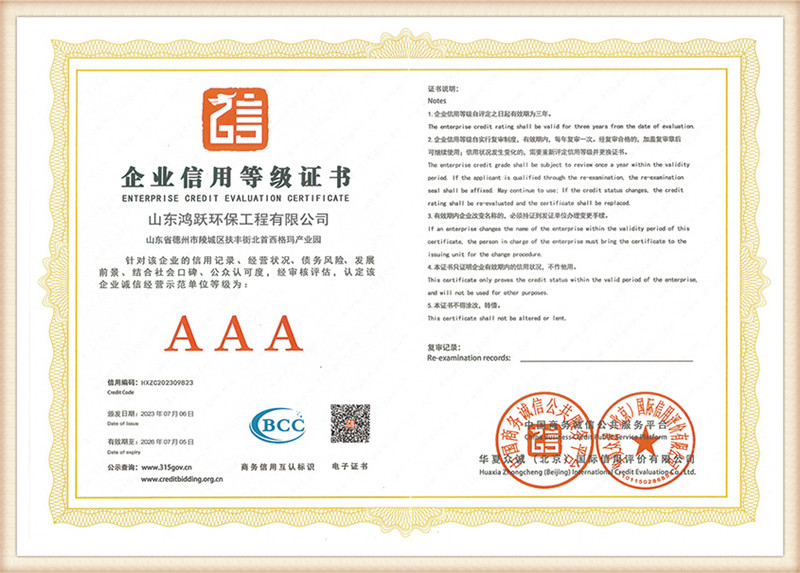
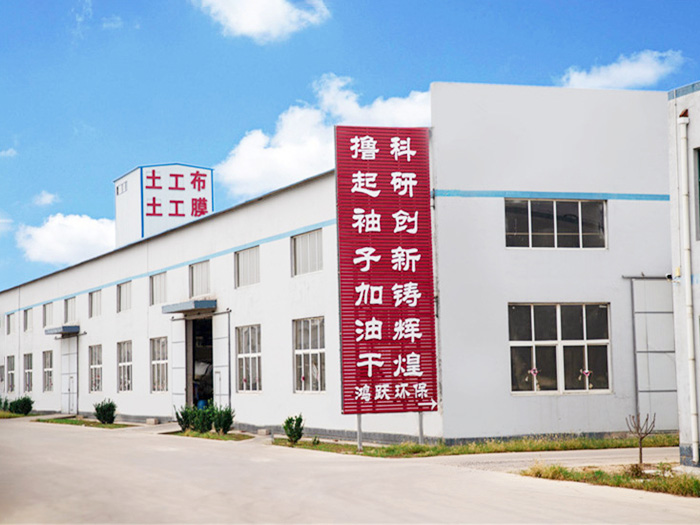
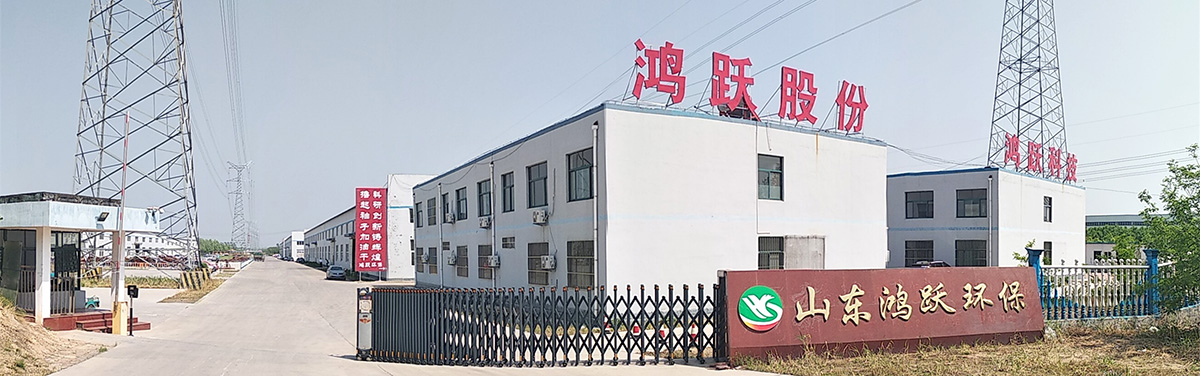
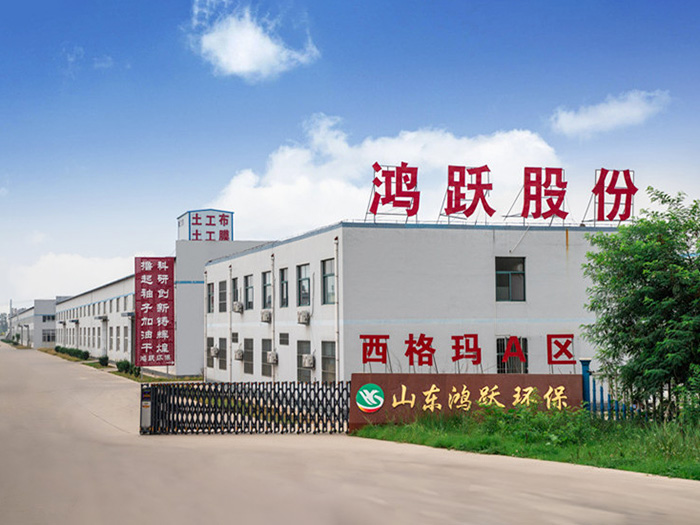
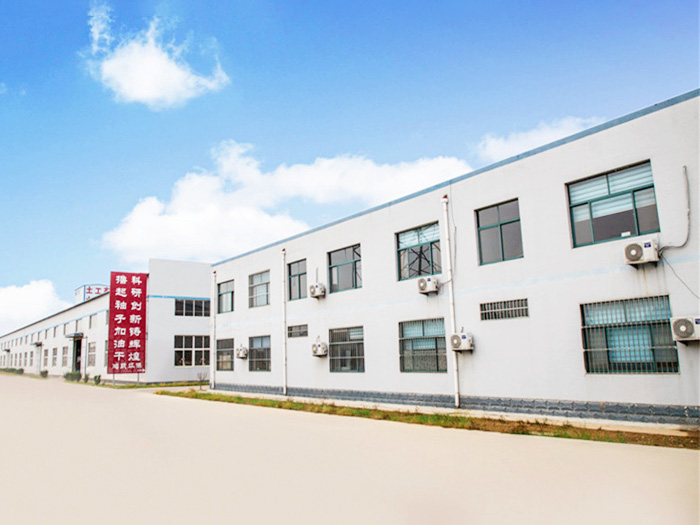
A look at our plant floor and warehouse facilities, demonstrating our focus on organization and quality compliance.
Answers to common technical questions regarding material specifications, design calculations, installation, and engineering parameters.
Smooth geomembranes offer flat surfaces optimized for low friction and efficient flow, making them ideal for bottom linings in water storage, canal works, and sewage tanks. Textured geomembranes are modified with raised surfaces to increase friction, providing stability for containment liners installed on steep slopes.
HDPE offers higher chemical resistance, lower permeability, and high stiffness, making it suitable for hazardous containment. LLDPE provides greater flexibility and high elongation, making it suitable for applications experiencing differential settlement, such as capping systems or decorative containment ponds.
Seaming is typically performed using dual-track hot wedge welding to create continuous thermal bonds. Handheld extrusion welding is used for detailed areas, repairs, and corner junctions. Seams are pressure tested to verify hydraulic seal integrity across the layout.
Pure polyethylene degrades under UV exposure. To prevent this, our formulations include high-grade carbon black (minimum 2.0%) and chemical light stabilizers. These additives absorb UV energy and prevent polymer degradation, allowing exposed liners to achieve design lifetimes of over 20 years.
Welded seams are verified using non-destructive testing, including air channel pressure testing for double-wedge welds, and vacuum box testing for extrusion-welded details. Destructive shear and peel tests are also conducted on test weld samples to verify seam strength.
Yes. When manufactured using virgin polymer resins without toxic plasticizers or heavy metal stabilizers, smooth geomembranes are safe for clean water reservoirs, aquaculture farms, and municipal drinking water systems.
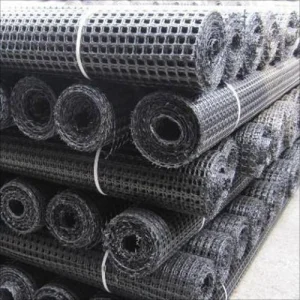
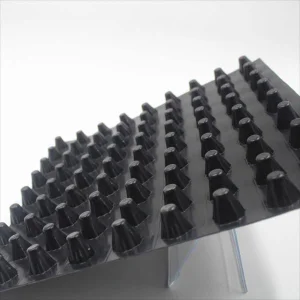
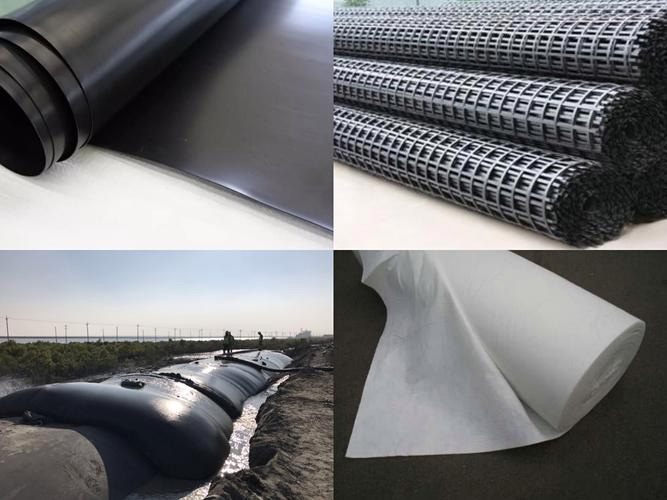
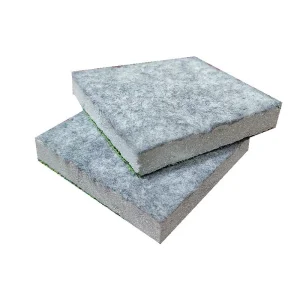
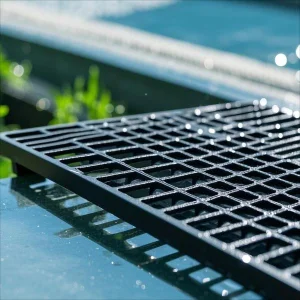
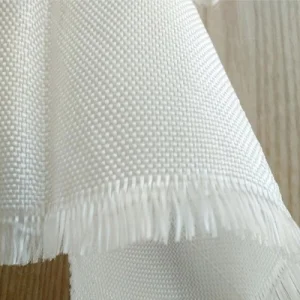
Additional geotechnical solutions manufactured to precise specifications, including reinforcement geogrids, geomembranes, and specialized drainage blankets.
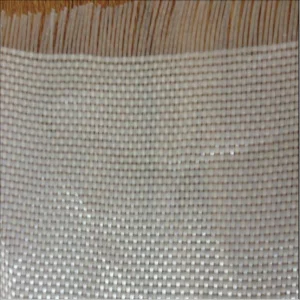
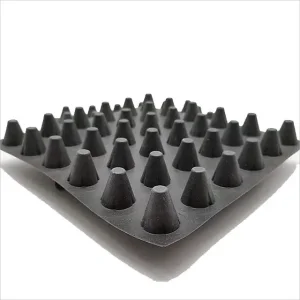
Get in touch for custom thickness requirements, certified ASTM test reports, and factory-direct pricing for your next engineering project.
Contact Our Technical Team Hongyue