Explore our certified solutions engineered to meet rigorous civil engineering, erosion control, and environmental protection specifications.
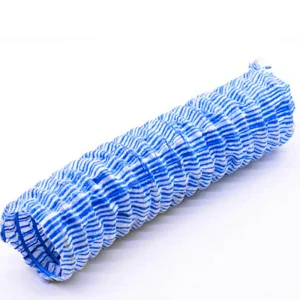
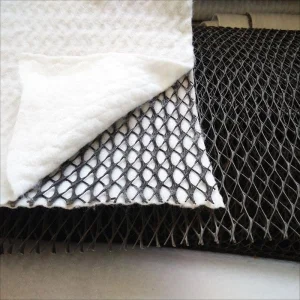
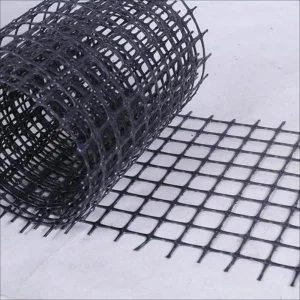
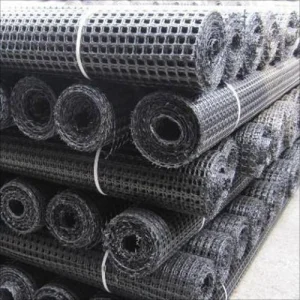
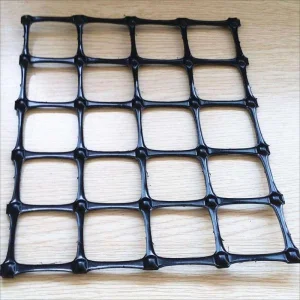
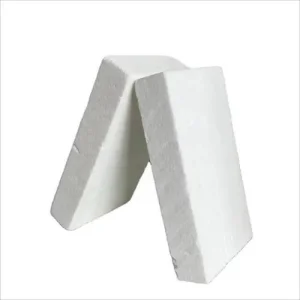

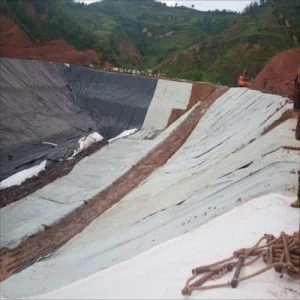
Modern civil infrastructure projects face unprecedented environmental and mechanical demands. Geotextiles are no longer viewed merely as secondary separation fabrics; they are primary structural interfaces essential for subgrade stabilization, hydrologic separation, and soil reinforcement. An ODM Installer Geotextile is designed from the ground up to solve structural site-deployment bottlenecks. Contractors and project owners evaluate these geotextiles based on installation ease, robust puncture resistance, consistent permittivity, and long-term chemical durability in challenging soils.
“Information Gain Metric: Standard geotextiles often fail at the installation phase due to micro-tearing caused by heavy machinery aggregate drops. Our ODM installer-grade geotextiles integrate specific high-tenacity polypropylene and polyester formulations that enhance the multi-axial strain margins by up to 35% compared to generic alternatives.”
By optimizing mass per unit area, tensile strength, and water flow rate configurations under standard ASTM/EN test profiles, our engineering solutions assure engineers that the deployed materials will maintain their physical properties during backfilling operations. This structural resilience minimizes site labor costs, optimizes project timelines, and ensures long-term civil safety margins.
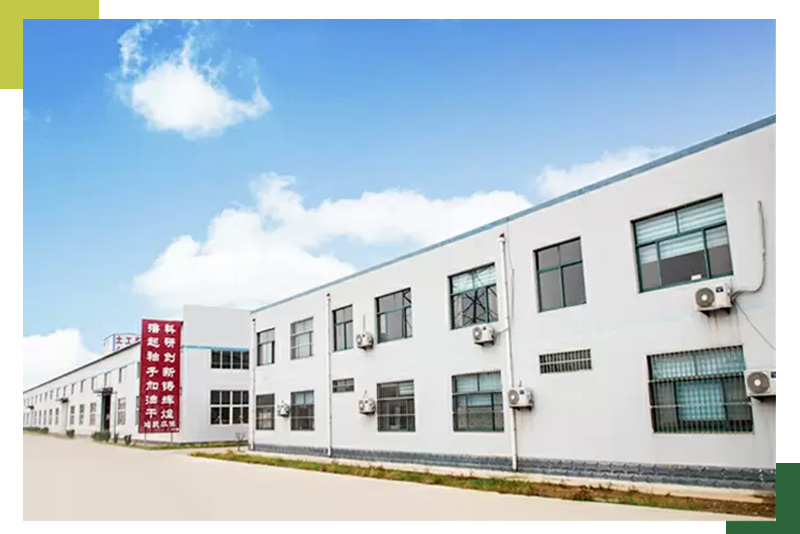
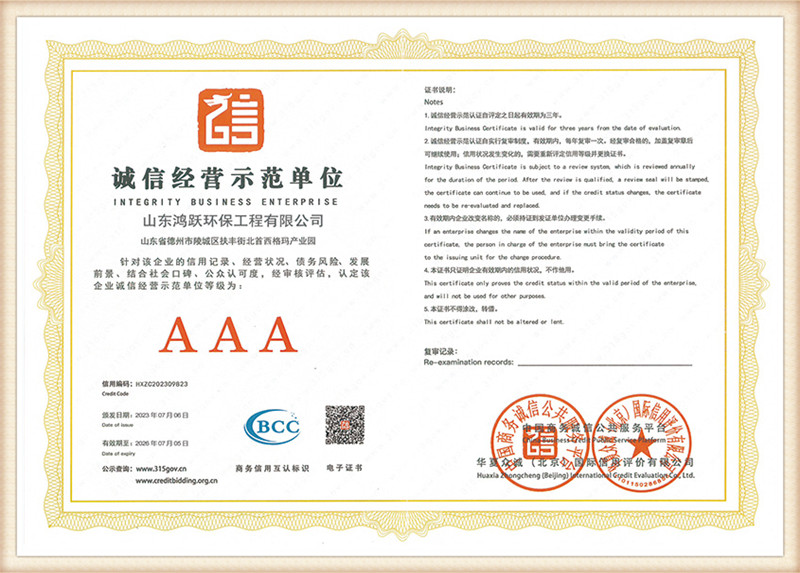
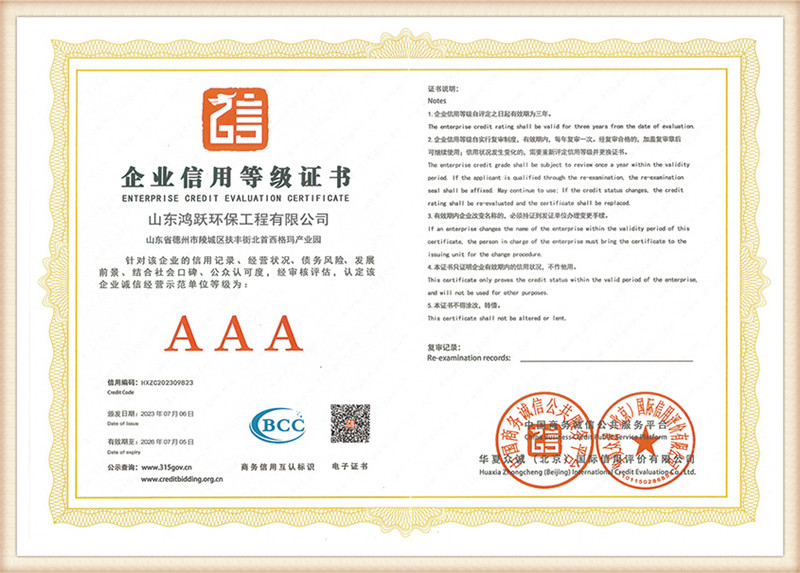
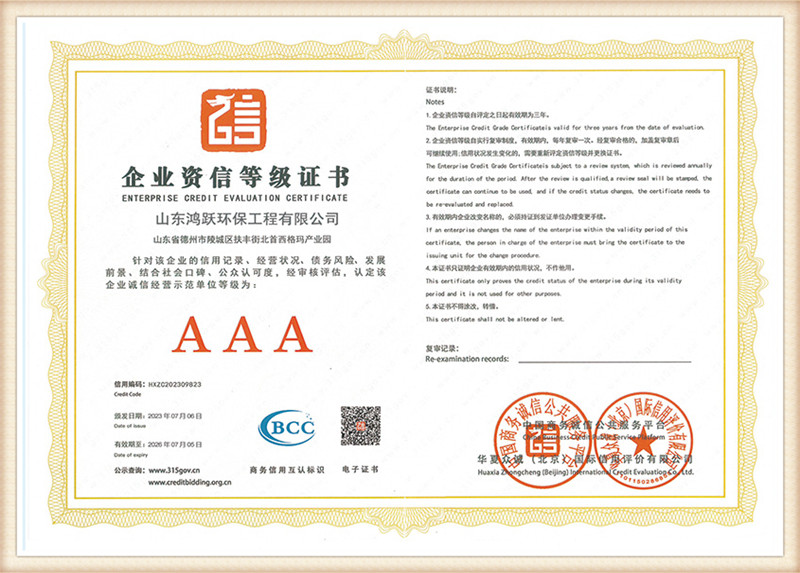
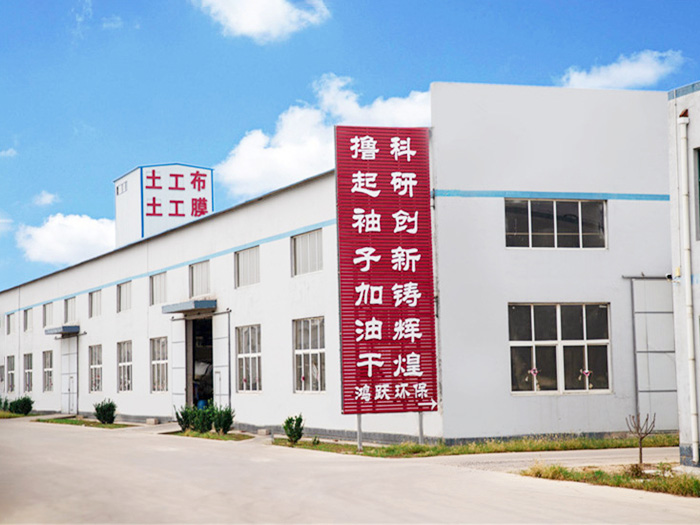
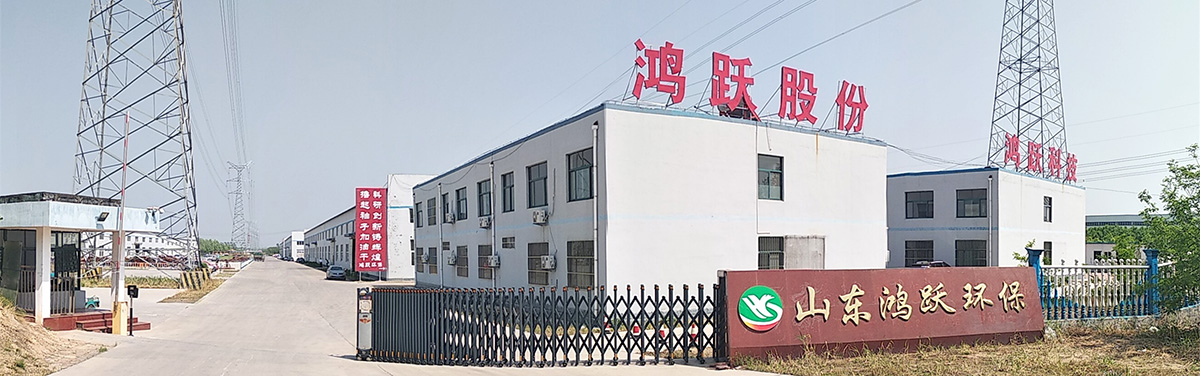
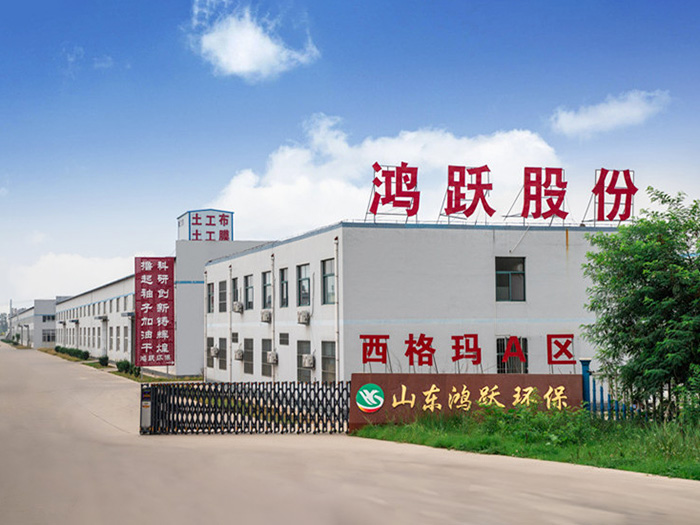
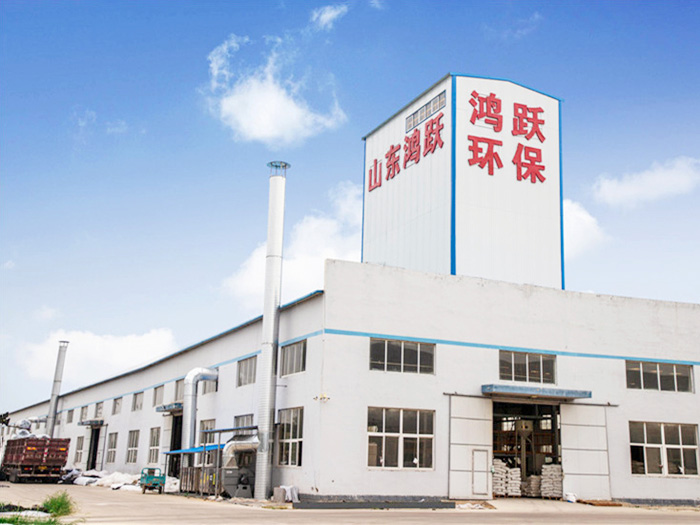
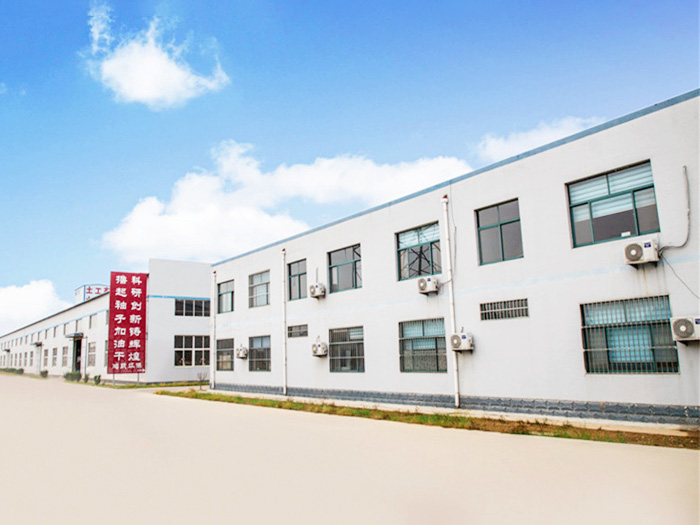
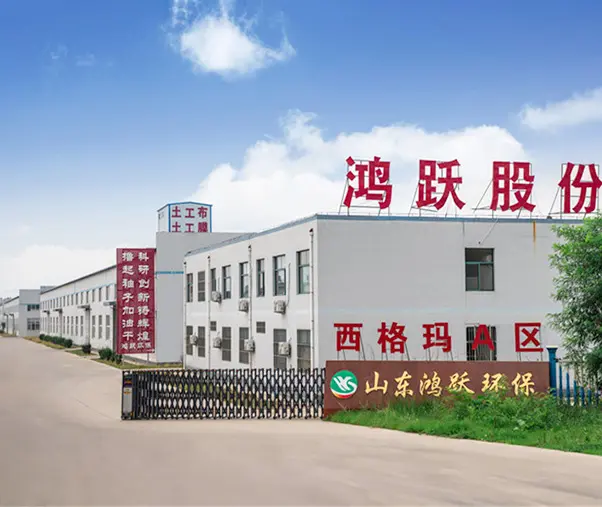
Founded with a registered capital of 105 million Yuan and situated at the north end of Fufeng Street, Lingcheng District, Dezhou, Shandong Province, Shandong Hongyue Environmental Engineering Co., Ltd. is a leading manufacturer in China's geotechnical material sector. We offer an integrated system of production, design, and direct-to-site engineering construction services.
Our facility leverages automated Factory 4.0 lines. We manage complete quality control over raw polymer preparation, melt extrusion, needle-punching, and final thermal calendar bonding. This integrated approach ensures consistent physical properties across rolls, preventing soft-spots and early material fatigue.
By using modern manufacturing controls, we optimize material throughput and control production costs. This efficiency translates into cost-effective pricing for large-scale municipal, agricultural, and transport projects, maintaining supply chain reliability even during global shipping disruptions.
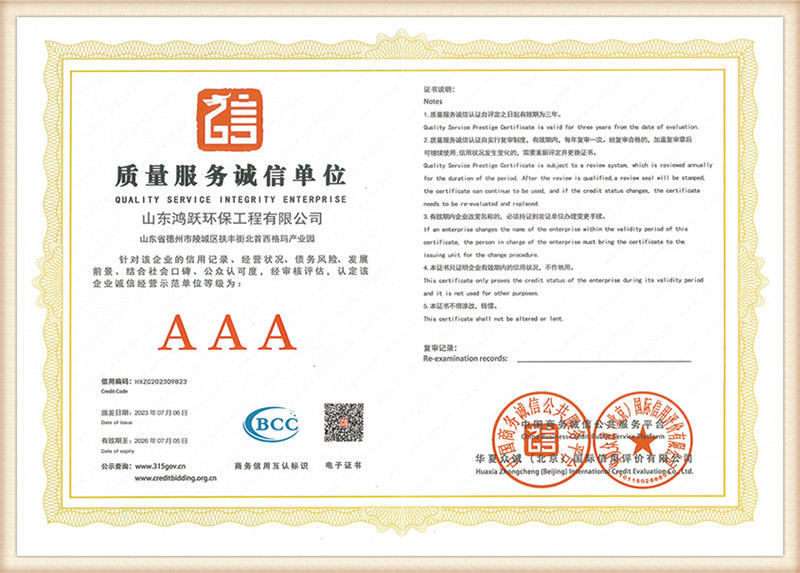
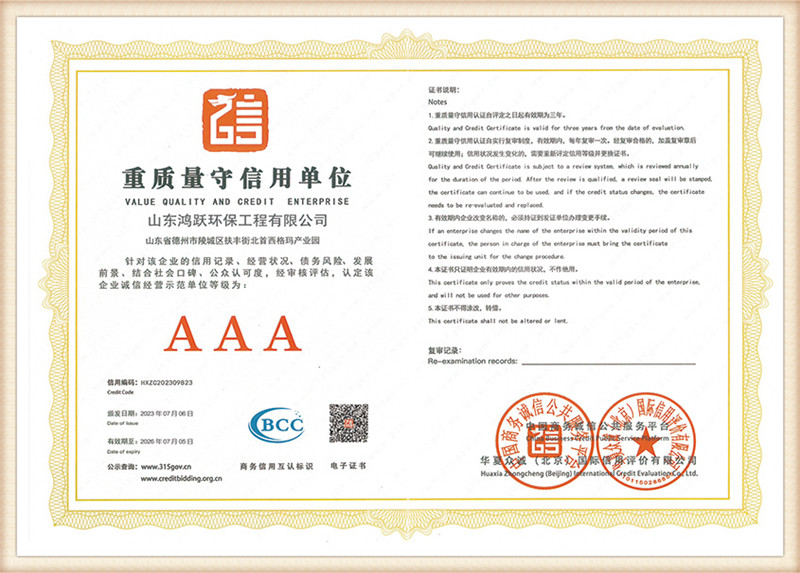
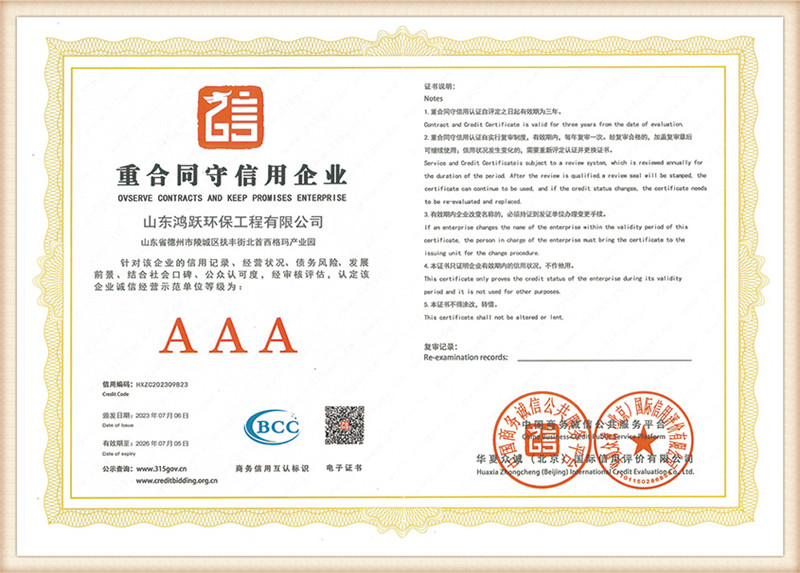
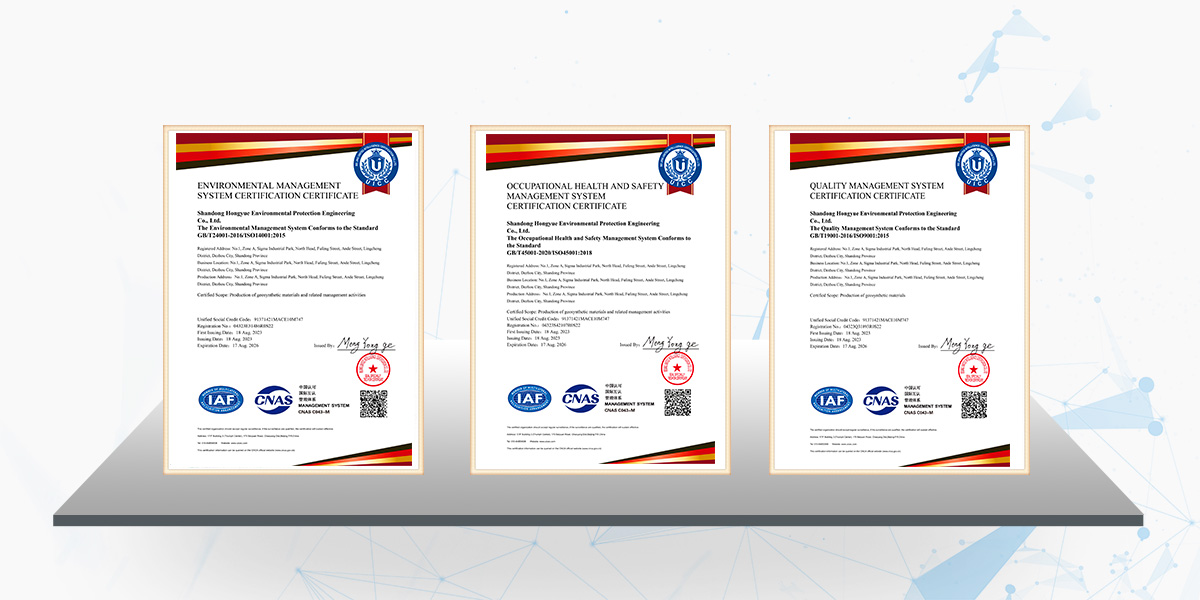
How global developers and government engineering bodies evaluate and source high-durability geosynthetic systems.
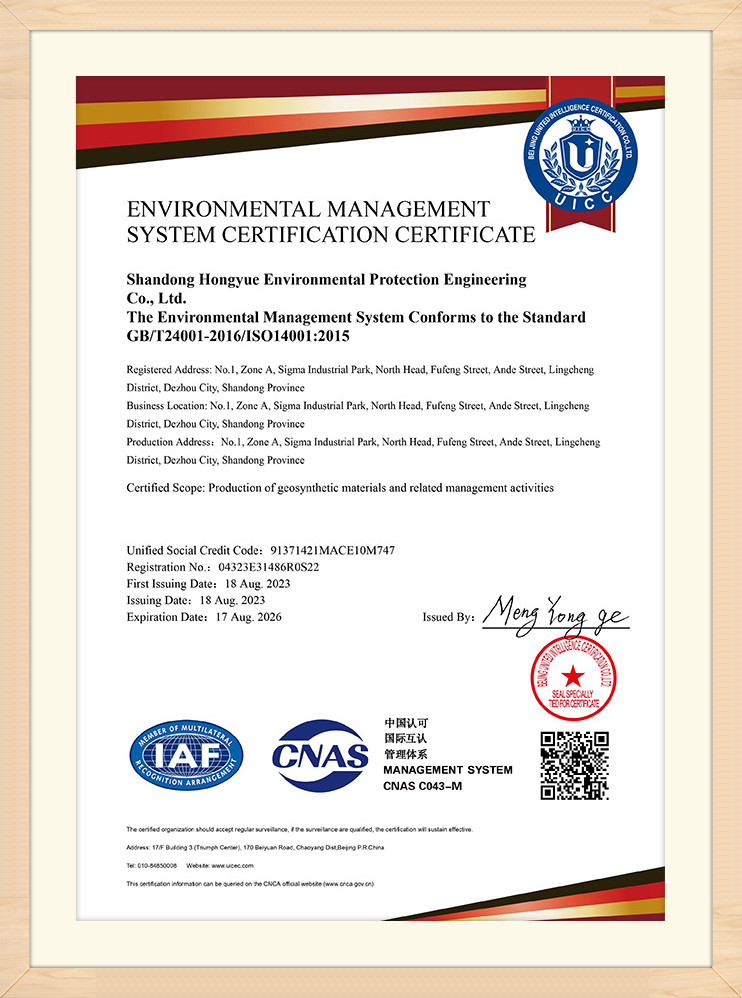
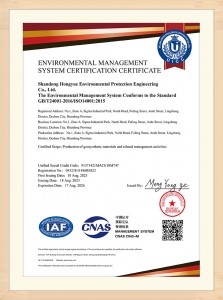
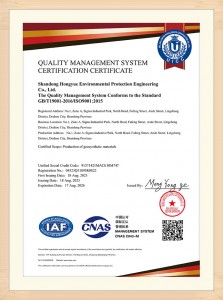
We hold certifications including ISO 9001:2015 for quality management, ISO 14001:2015 for environmental systems, and ISO 45001:2018 for occupational health. This certification base verifies that our products meet CE standards and other key regulatory imports worldwide.
We tailor geotextile characteristics like density, weave, fiber configuration, and thickness. This customization helps engineers match specific tensile strength, hydraulic permittivity, and opening size requirements to local site conditions.
Located in Dezhou, Shandong, we utilize proximity to regional shipping ports and transport infrastructure to deliver bulk orders efficiently, reducing delivery times for overseas infrastructure projects.
A step-by-step look at our automated production line, designed to maintain raw material properties from preparation to dispatch.
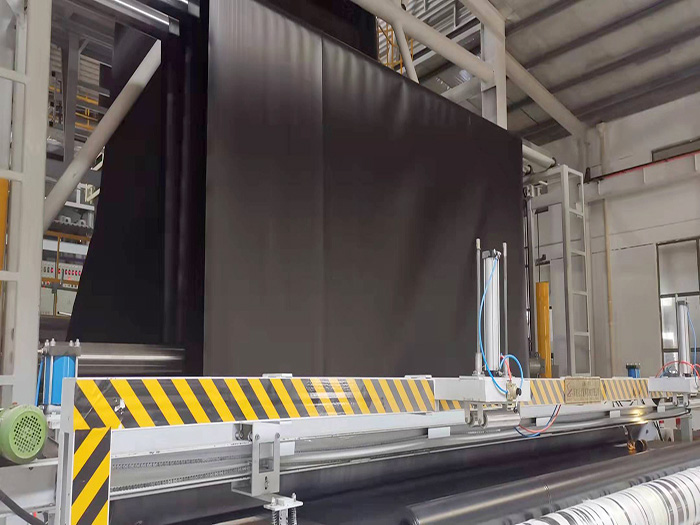
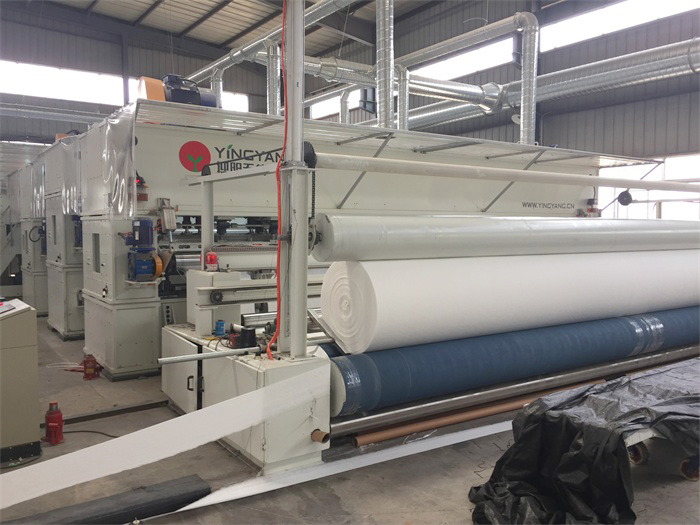
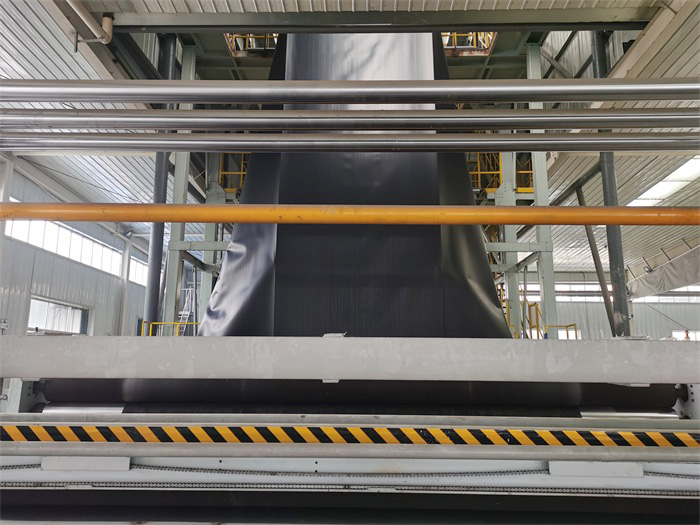
We source high-grade polyester (PET) chips, polypropylene (PP) filament, and viscose fibers. Every batch undergoes density and melt-flow index checks to ensure the raw materials meet physical specifications before processing.
Polyester chips are melted at high temperatures and extruded through screw machinery. Polypropylene filament and viscose fibers are mixed in. We monitor extrusion temperatures and pressures to ensure a homogeneous melt flow.
The molten mix is extruded through spinnerets to form fine filaments. These are deposited onto a moving conveyor belt to create a web structure. We control belt speeds to achieve uniform weight distribution and fiber orientation.
The web passes through multi-phase needle-punching stations, where thousands of needles interlock the fibers mechanically. It is then thermally calendered to set the final thickness, tensile strength, and pore structure.
The stabilized geotextile is trimmed and rolled to design lengths. Each roll is labeled with a tracking number, specifications, and certified test markings, then wrapped in UV-protective film for transit and storage.
We sample every production run to test grab tensile strength, tear resistance, apparent opening size (AOS), and water permeability. Only rolls meeting domestic and international standards are cleared for shipping.
How engineering groups apply geosynthetics in water storage, waste containment, and soil stabilization.
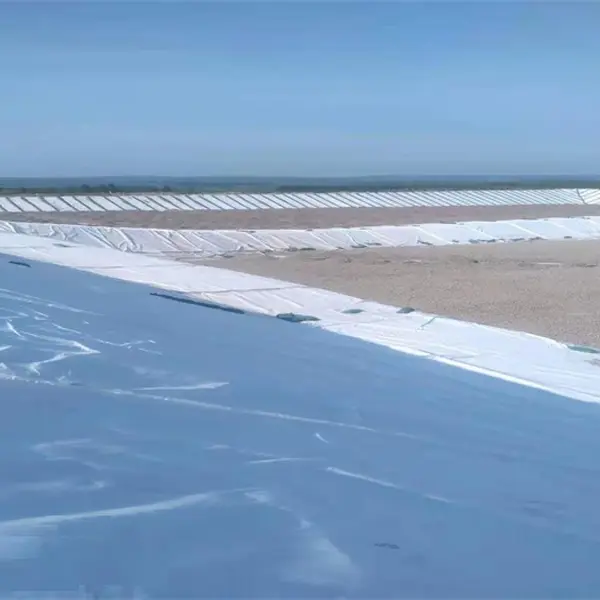
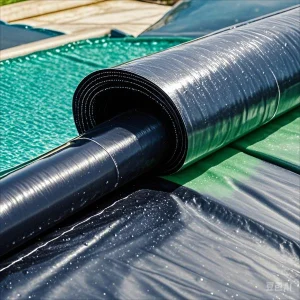
In hydraulic works, geomembranes and geotextiles provide anti-seepage layers. Geotextiles protect the geomembrane from angular aggregates along bed profiles, while the geomembrane prevents water loss. This combination supports overall bank and subgrade stability.
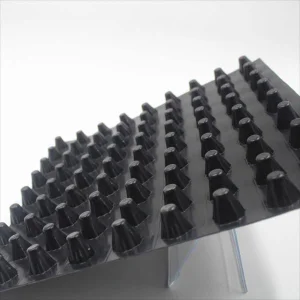
For municipal landfills and chemical containment zones, our products help isolate leachate and contaminants. Using composite geonets, drainage boards, and geomembranes creates a barrier system that protects surrounding groundwater from leakage.
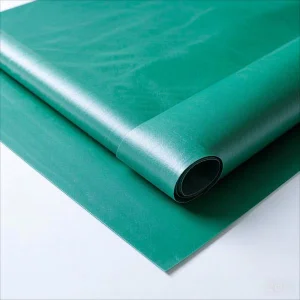
Proper installation is key to geosynthetic performance. Selecting the right geomembrane thickness and polymer base depends on factors like chemical exposure, hydraulic pressure, and subgrade preparation.
The base ground must be cleared of sharp stones, roots, and debris. Panels are overlapped and joined using hot-wedge or extrusion welding, followed by pressure testing of the seams to verify seal integrity. Anchoring trenches and ballast pins secure the membrane edges against wind uplift during installation.
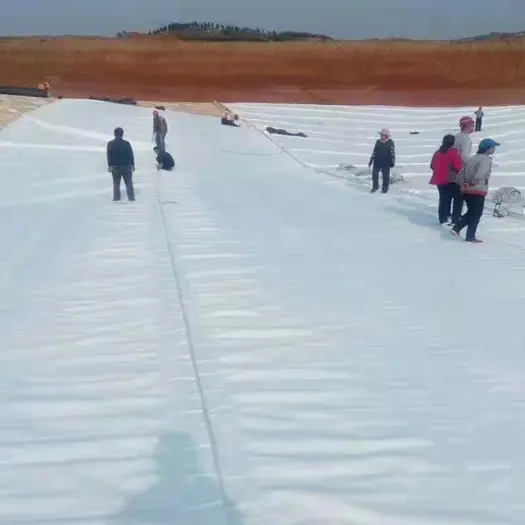
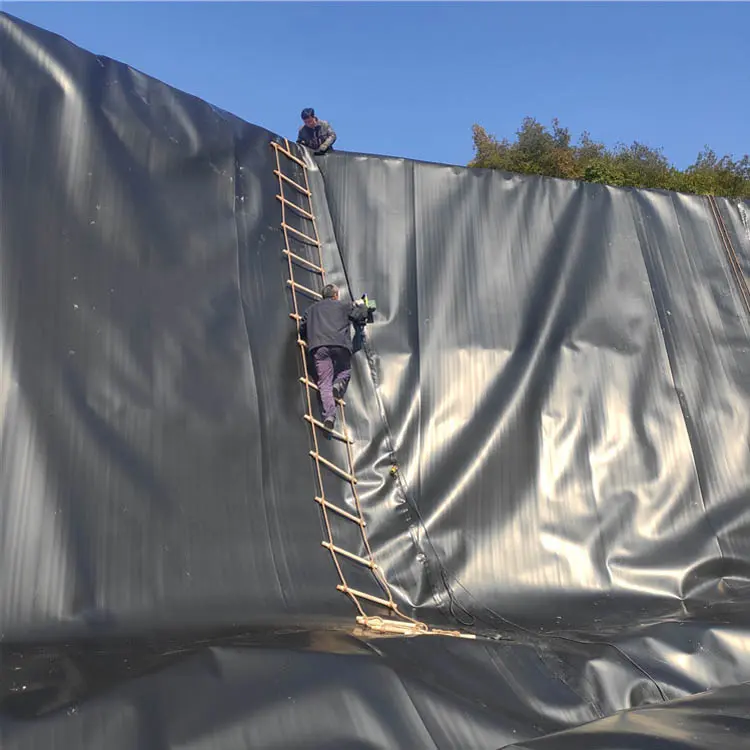
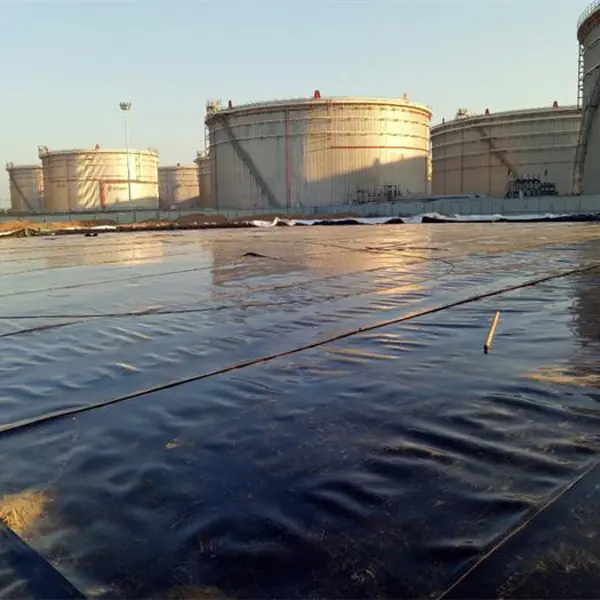
Our testing labs monitor quality throughout the production process to ensure compliance with design requirements.
Shandong Hongyue Environmental Engineering Co., Ltd. operates a testing laboratory equipped to verify geosynthetic performance parameters. From melt flow rates to tensile elongation testing, our QC technicians monitor product characteristics continuously.
"Our products undergo testing at the National Testing Center in China, as well as periodic audits by third-party inspection bodies to verify that all physical properties meet specified engineering performance targets."
Our quality checks verify key mechanical parameters, including puncture resistance, grab strength, seam strength, and UV weathering characteristics, helping our products perform reliably in infrastructure applications.
 Tensile Testing
Verifying elongation and maximum tensile load under ASTM D4632 standard.
Tensile Testing
Verifying elongation and maximum tensile load under ASTM D4632 standard.
 Hydraulic Permittivity
Testing water flow rates under specified normal pressure conditions.
Hydraulic Permittivity
Testing water flow rates under specified normal pressure conditions.
 Thickness Verification
Precision measurements to confirm uniform thickness across the roll width.
Thickness Verification
Precision measurements to confirm uniform thickness across the roll width.
Detailed technical answers regarding materials, manufacturing capabilities, and installation requirements.
Polyester (PET) geotextiles offer higher tensile strength at low strain and better resistance to creep under long-term structural loads, but can be susceptible to alkaline hydrolysis in soils with a pH above 9. Polypropylene (PP) geotextiles are lighter and resistant to acids, alkalis, and microorganisms, making them suitable for landfill lining and chemically active subgrades.
Our plant in Lingcheng District, Dezhou, Shandong Province, has access to the national highway and rail networks, connecting directly to Qingdao and Tianjin ports. This proximity reduces land transport times and shipping costs for bulk orders.
Our processes and products align with ISO 9001 (Quality), ISO 14001 (Environmental), and ISO 45001 (Occupational Health) standards. We manufacture geotextiles to match ASTM and EN ISO specifications, and our products carry CE certification for European distribution.
Dual-track hot-wedge welds are tested using air pressure testing by sealing the channel ends, inflating the space, and monitoring for pressure drops. For single-track extrusion welds, a vacuum box or spark test is used to verify a continuous seal.
Yes. As an ODM manufacturer, we adjust our manufacturing lines to produce rolls in widths from 1 to 6 meters and lengths to match project requirements. Thicknesses can be adjusted between 0.3mm and 2.0mm to optimize transport and site handling.
Design engineers evaluate the Apparent Opening Size (AOS) to match the surrounding soil grain size distribution, alongside permittivity (water flow rate normal to the plane) and transmissivity (in-plane drainage capacity) under the site's hydraulic gradient.
Our automation system controls temperature, throughput, and roll speeds in real-time, helping to prevent material variation, thin spots, and uneven web density, resulting in consistent physical properties from the first to the last meter of the roll.
We blend UV stabilizers into our raw polymers. Additionally, finished rolls are wrapped in UV-resistant film. On-site, we recommend storing rolls in a dry, covered area and deploying them within 14 days of exposure to direct sunlight.
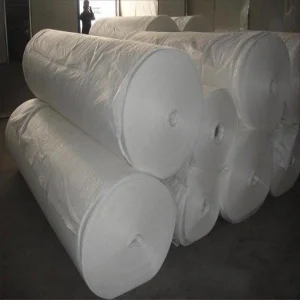
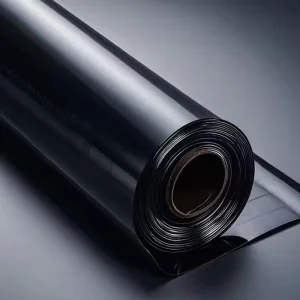
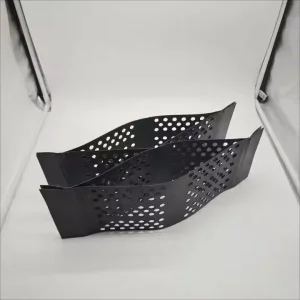
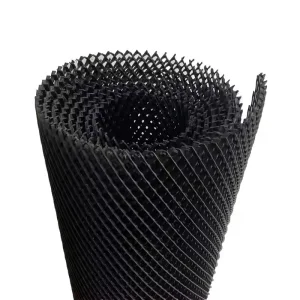
Review the technical specifications and application scenarios for our main product configurations.
 Hongyue