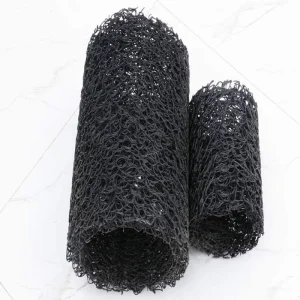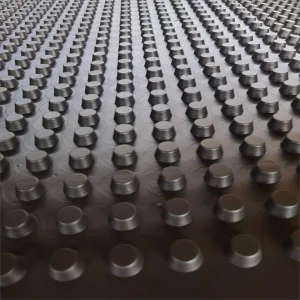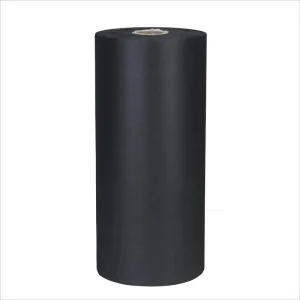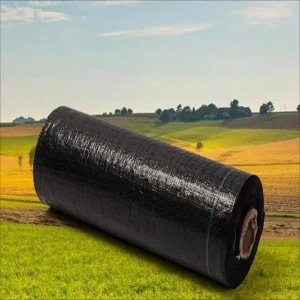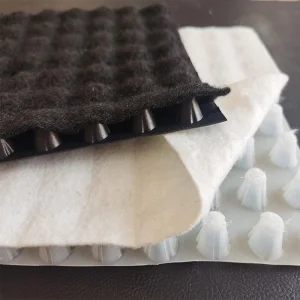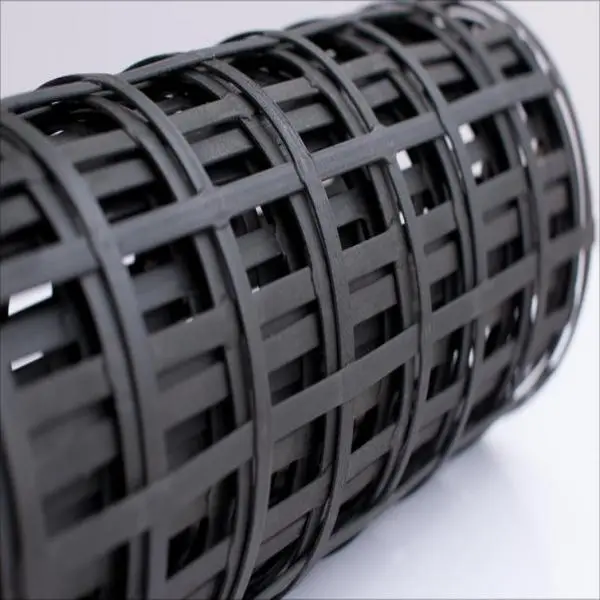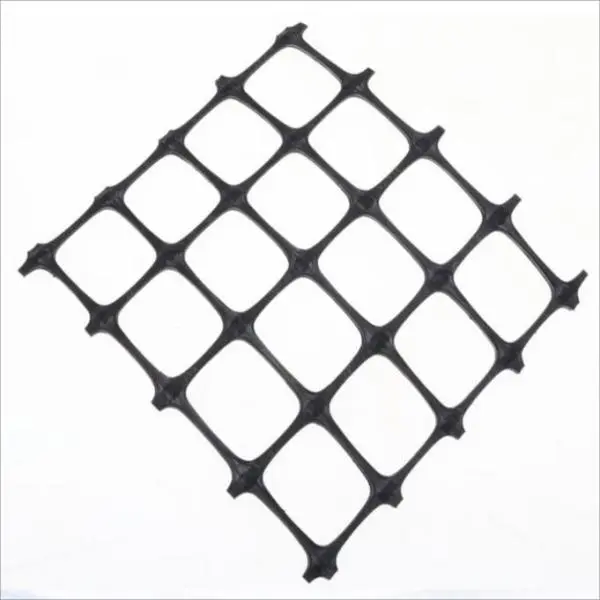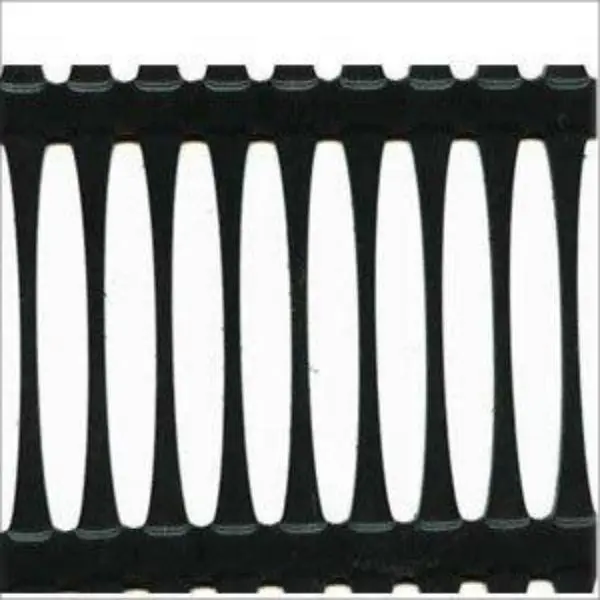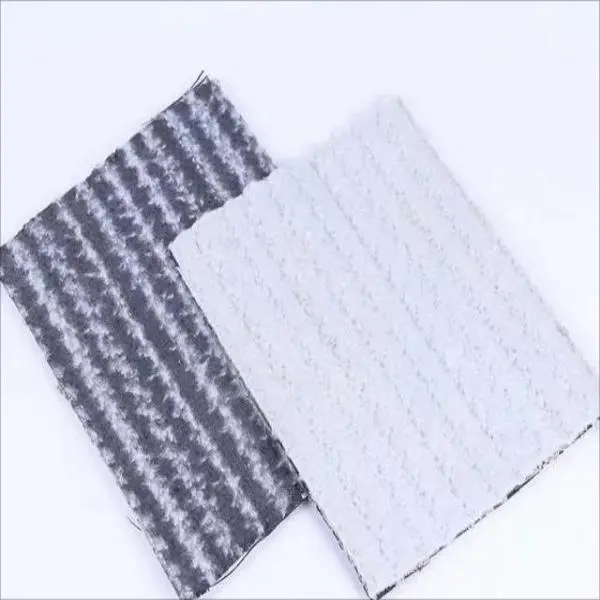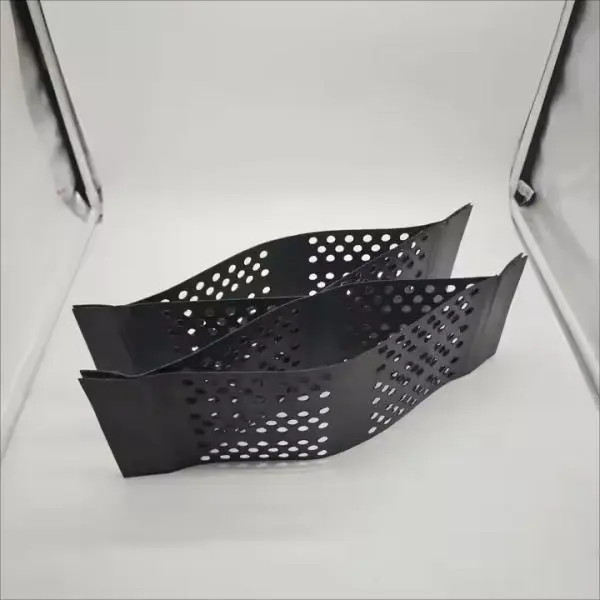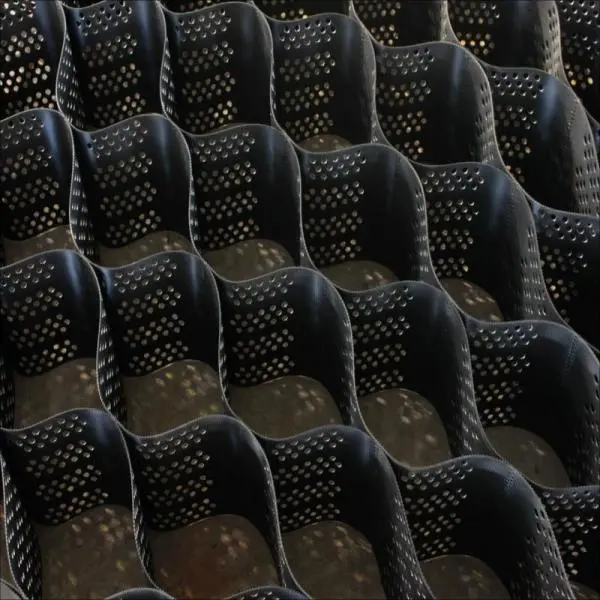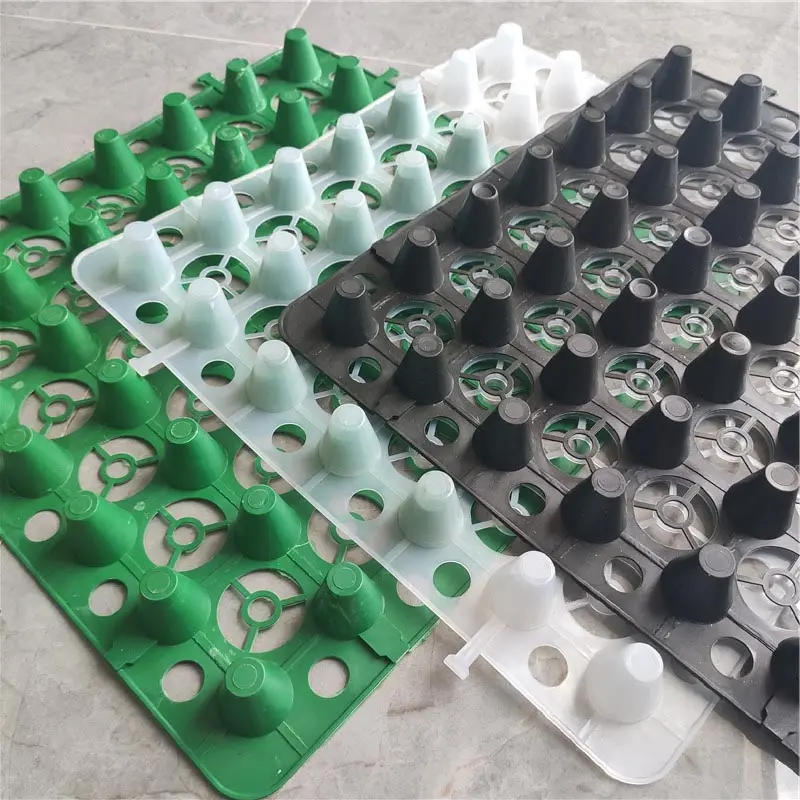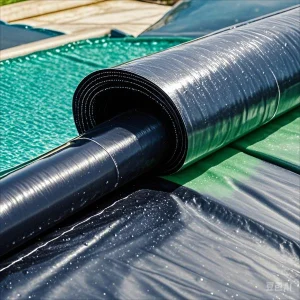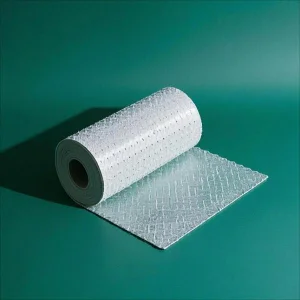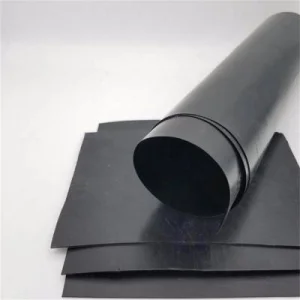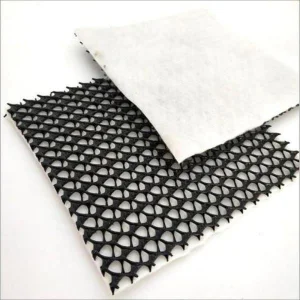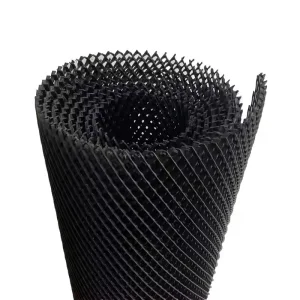
In modern geotechnical engineering, the term "Geotextile Alveole" refers to advanced three-dimensional micro-cellular structures, dimpled drainage cores, and geocellular confinement technologies. Designed to deliver unparalleled performance in stabilization, soil containment, and sub-surface fluid management, these systems break the limitations of traditional 2D geotextile membranes. By trapping aggregate or guiding hydrodynamic flow within their custom-extruded cell nodes, they resolve major engineering challenges in erosion mitigation, landfill barrier protection, and foundational load distribution.
From an structural standpoint, the alveolar pattern maximizes structural shear strength and prevents lateral displacement of infill soils under dynamic heavy loads. Shandong Hongyue Environmental Engineering Co., Ltd., capitalizing on years of materials research and state-of-the-art extrusion technologies, manufactures premium alveolar systems characterized by high tensile performance, outstanding environmental stress cracking resistance (ESCR), and chemical inertness in harsh environmental conditions.
Infrastructure developments globally dictate precise specifications for civil materials. Alveolar systems must adapt seamlessly to high-stress applications in cold regions, heavy rainfall zones, and sensitive containment facilities.
Designed for access roads, heavy logistics yards, and soft foundations. Geotextile alveole geocells confine poorly graded soils, transforming unstable bases into durable composite slabs with high load capacities.
Integrating 3D drainage cores with high-performance geomembranes prevents seepage. These composite systems establish dynamic leak barriers and gas venting systems for heavy industrial landfills.
Securing topsoil on steep embankments, river channels, and stormwater culverts. The 3D cellular design reduces runoff speed, retains moisture, and supports natural vegetation growth over time.
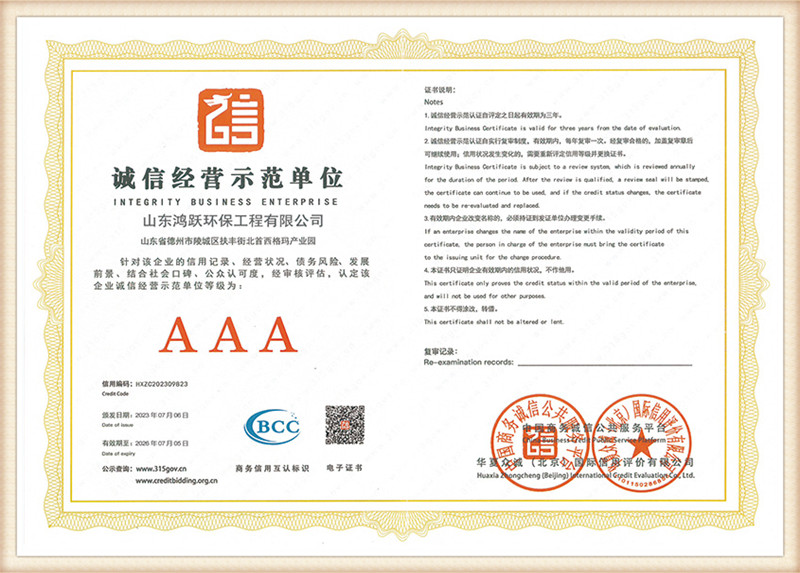
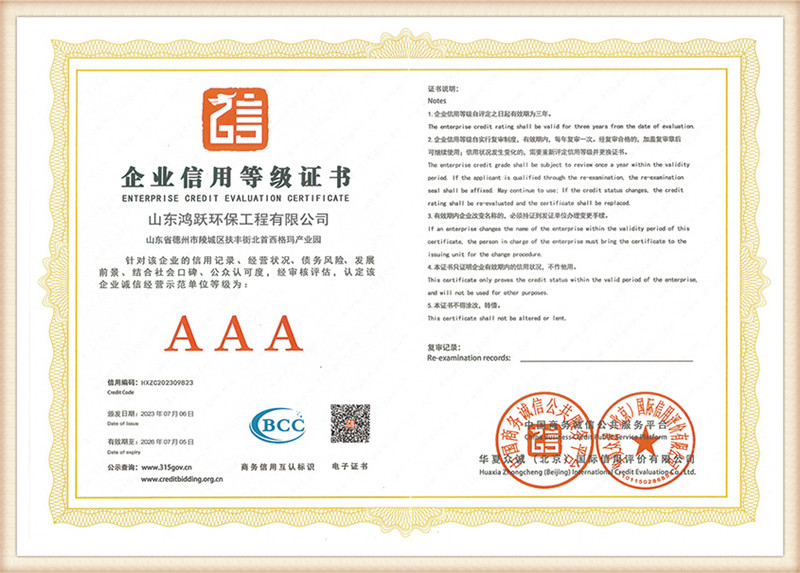
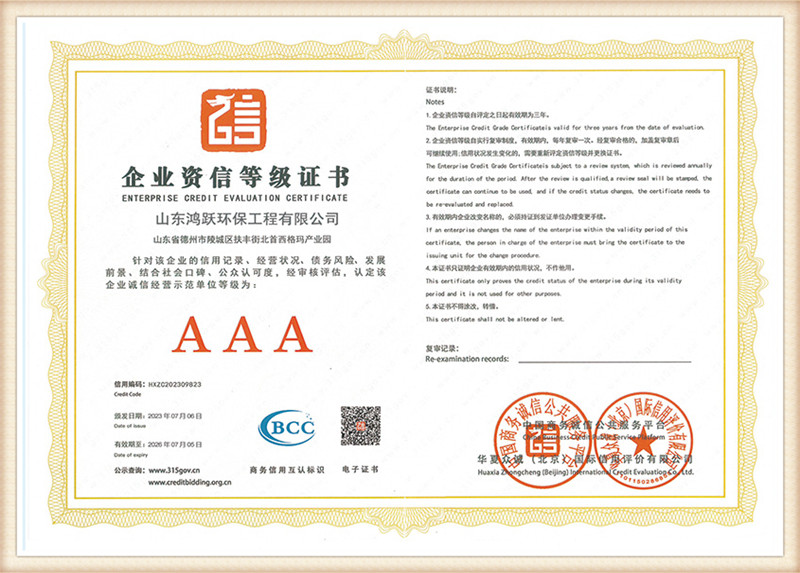
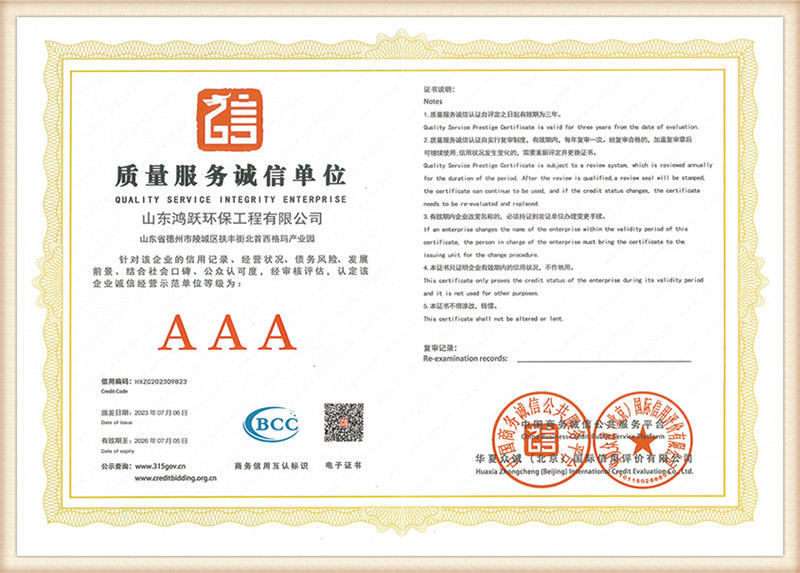
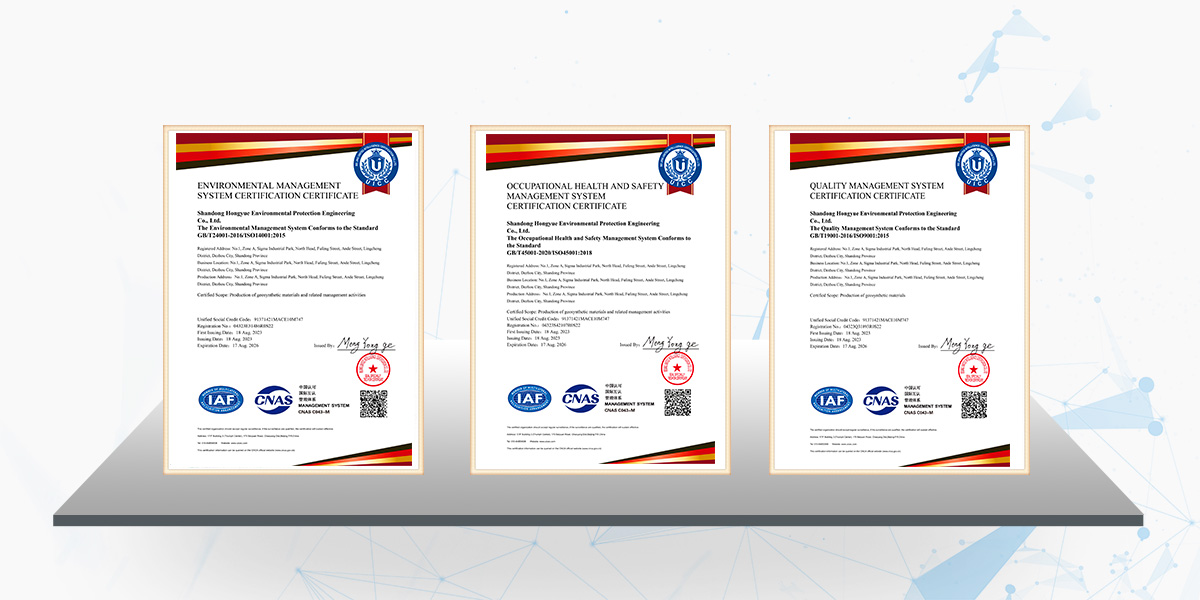
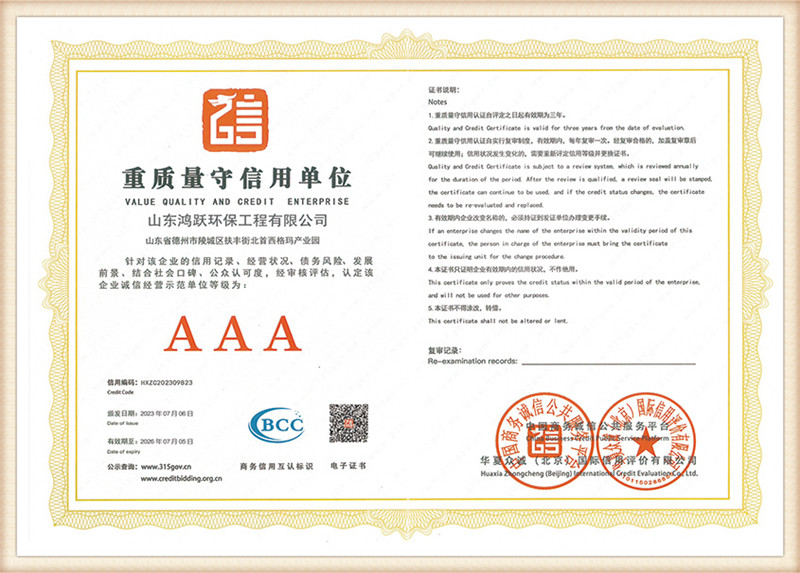
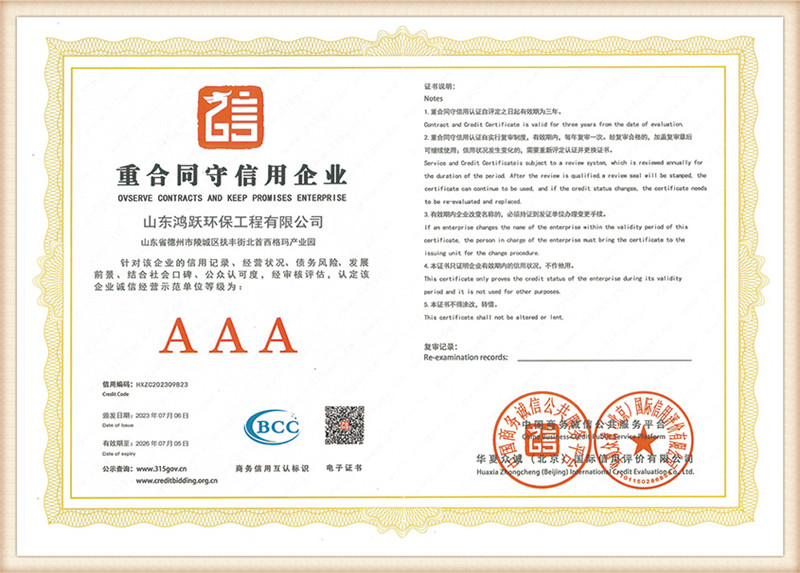
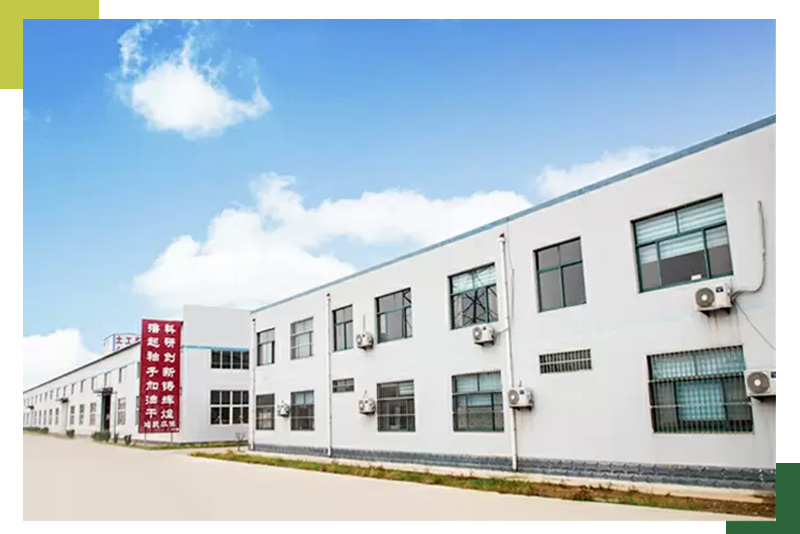
Shandong Hongyue Environmental Engineering Co., Ltd., located at the north end of Fufeng Street, Lingcheng District, Dezhou, Shandong Province, stands as a top-tier scientific and technological geotechnical material manufacturer. Registered in Lingcheng District Market Supervision and Administration Bureau of Dezhou City with a massive capital of 105 million yuan, our factory represents one of the largest production footprints for advanced geosynthetics in China.
Under our Factory 4.0 initiative, we utilize automated extrusion monitoring, laser-guided thickness tracking, and digital stress-testing systems. This machinery ensures our geotextile alveole, geomembrane, bentonite waterproof blankets, and geogrids consistently exceed international standards. Our strategic location in Dezhou affords us convenient multi-modal logistics, ensuring rapid delivery to major ports and domestic job sites without supply chain interruptions.
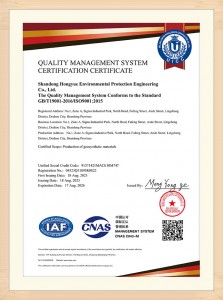
Our operation is validated through strict certifications, including ISO9001 international quality system certification, ISO14000 environmental management certification, and ISO45001 occupational health and safety standard. The factory has earned several accolades such as "Famous Chinese Brand," "Green and Environmentally Friendly Building Materials," and "High-Tech Enterprise," cementing our status as a trusted partner for global sourcing agents.
Our step-by-step manufacturing method involves automated high-precision controls. Modern production processes guarantee uniform density, outstanding hydraulic properties, and long-term durability in civil projects.
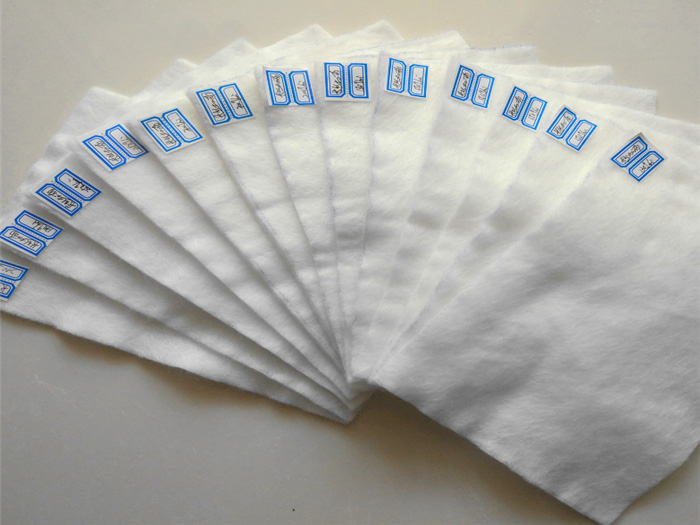
We select high-grade virgin polyester chips, polypropylene filament, and viscose fibers. Every batch undergoes strict moisture, density, and chemical purity inspections to ensure raw-stage stability.
Raw polymers melt under precise temperatures in a screw extruder. High-strength stabilizers and carbon black components mix evenly, preparing the melt for web creation.
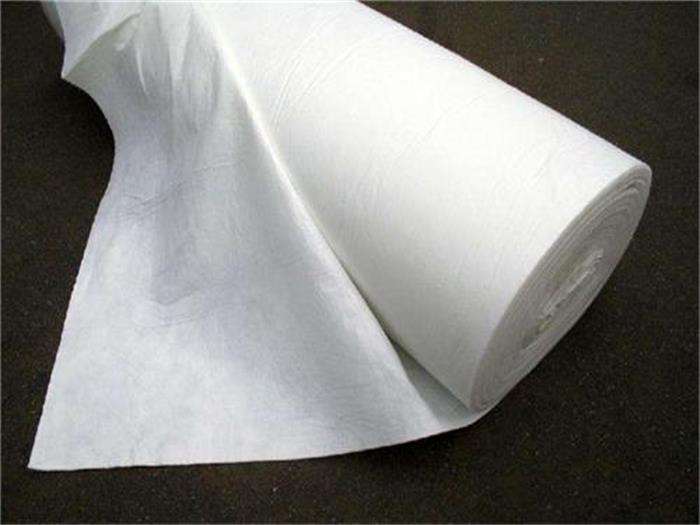
The molten compound passes through spinnerets to form a dense micro-fibrous web. Automated conveyor belts distribute the fibers evenly, controlling thickness and web orientation.
The fibrous network undergoes needle-punching or chemical thermal drafting. This process links the polymers, providing excellent puncture resistance and high longitudinal strength.
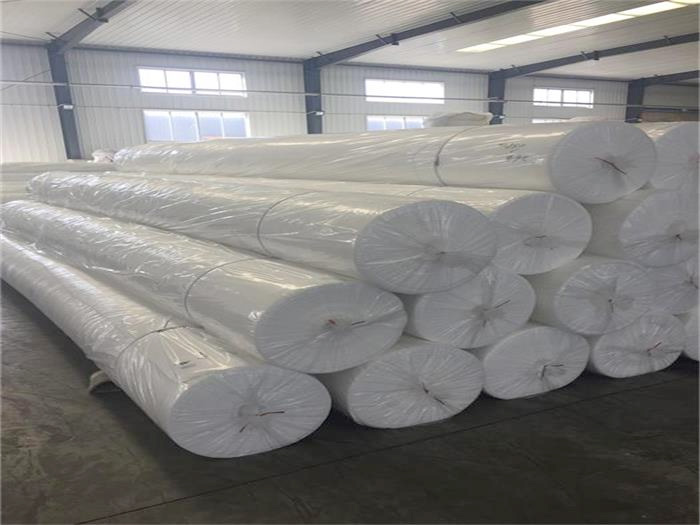
After curing, precision slitters trim the material to required widths. Automated rolling systems wind the geotextile onto cores, sealing it in protective UV-resistant wraps.
Samples undergo testing at our in-house QC laboratory. Technicians evaluate hydraulic permittivity, tensile yield strength, and puncture resistance to ensure consistent reliability.
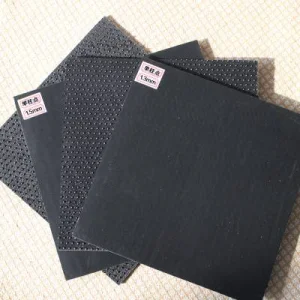
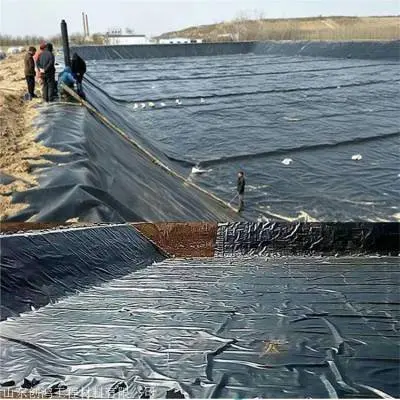
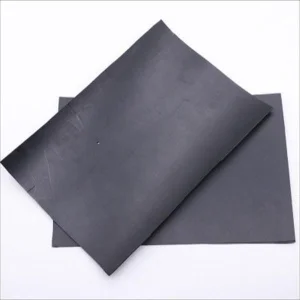
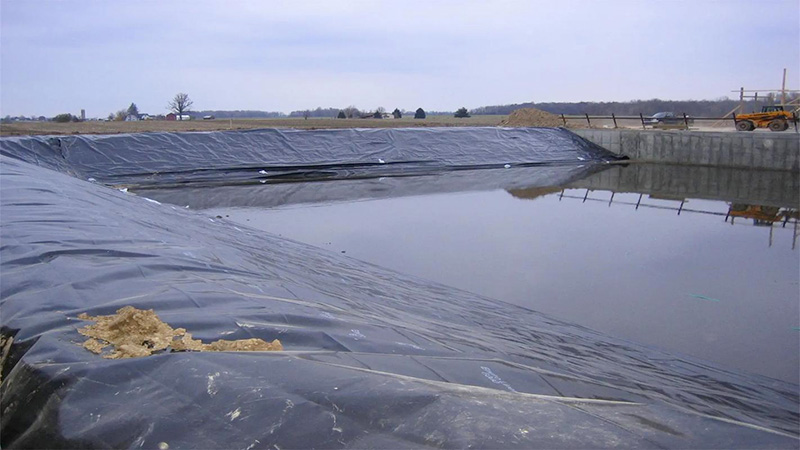
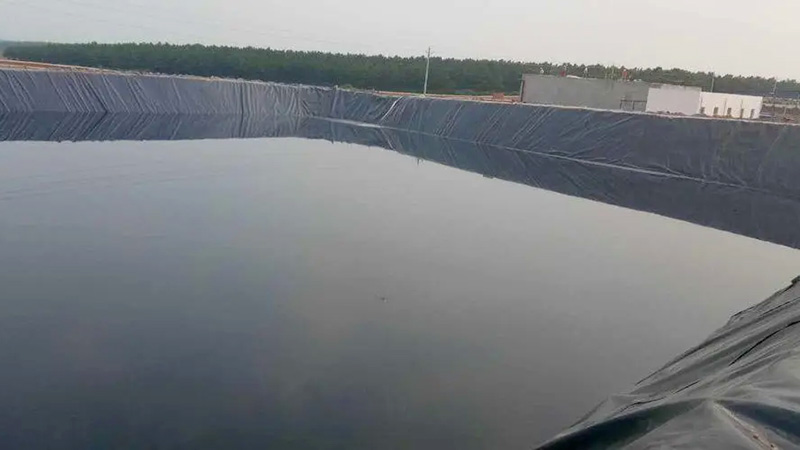
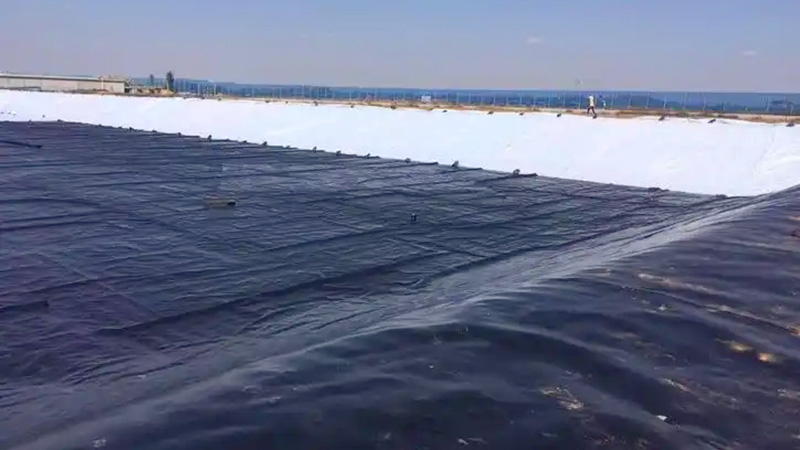
Proper installation of geosynthetics determines project lifespan. Using high-quality HDPE and LLDPE geomembranes with dimpled geotextile drainage systems provides a reliable barrier against leakage in municipal and private civil projects.
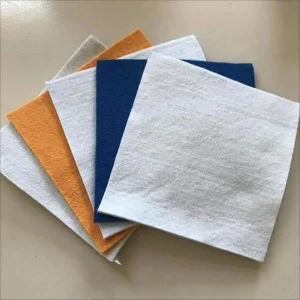
The subgrade must remain clean, level, and free of rocks or roots that could puncture the polymer barrier. Install a base cushion layer (such as non-woven geotextile) to distribute localized load stresses before laying the primary geomembrane.
Geomembrane panels should overlap by 10cm to 15cm. Join panels using hot-wedge welding or extrusion welding machines. Our engineers recommend performing non-destructive pressure tests along the welded seams to verify water tightness.
Periodically inspect exposed containment areas for UV degradation or physical damage. Keeping the geotextile alveole covered with soil, gravel, or protective concrete structures maximizes the service life of polymer systems.
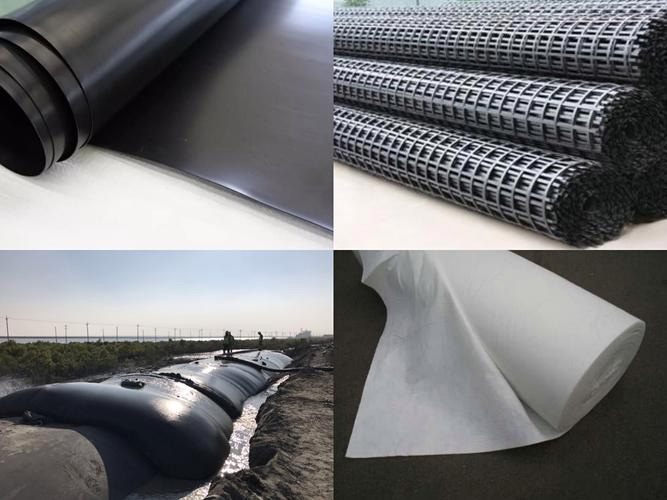
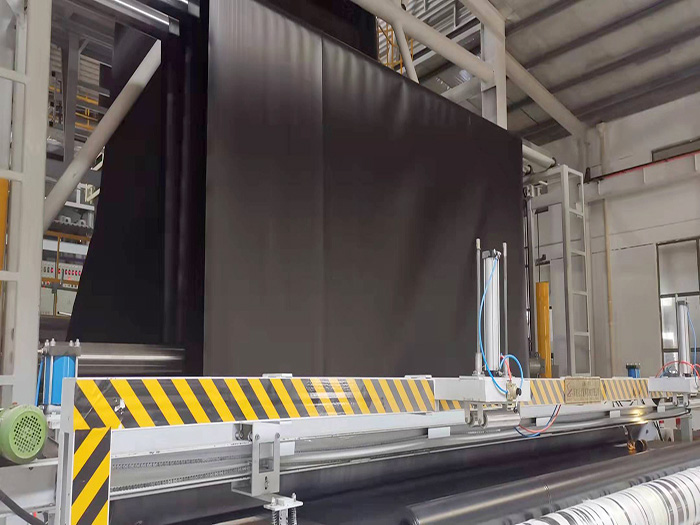
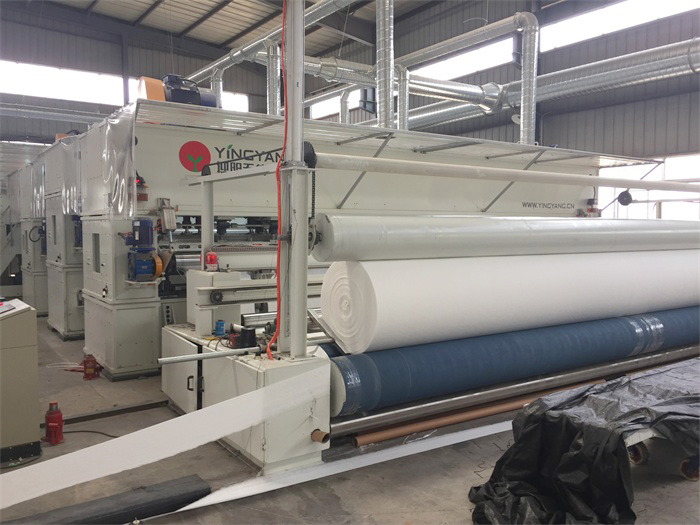
Integrating geomembranes, clay liners (GCL), and 3D drainage networks addresses challenging soil and water management projects globally.
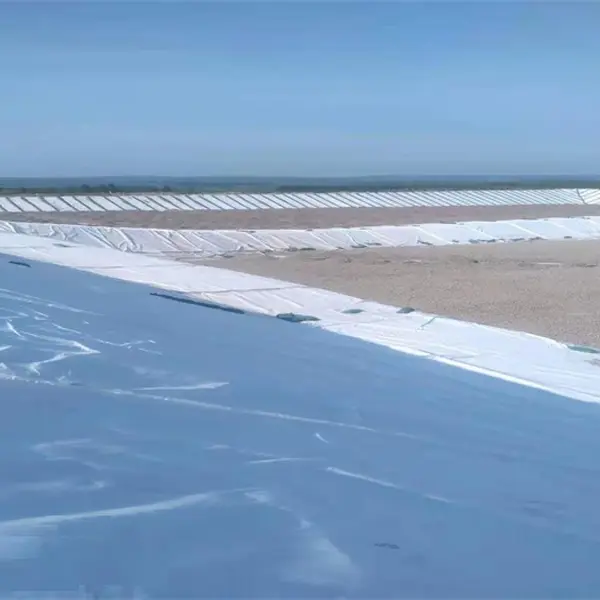
Maintains water volume in municipal reservoirs. Geomembranes protect against ground seepage and support stability in sloped formations.
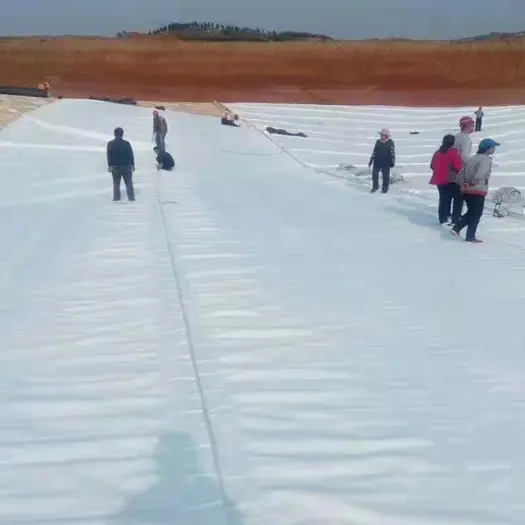
Reduces friction loss and prevents structural seepage along agricultural and municipal drainage channels, protecting adjacent foundations.
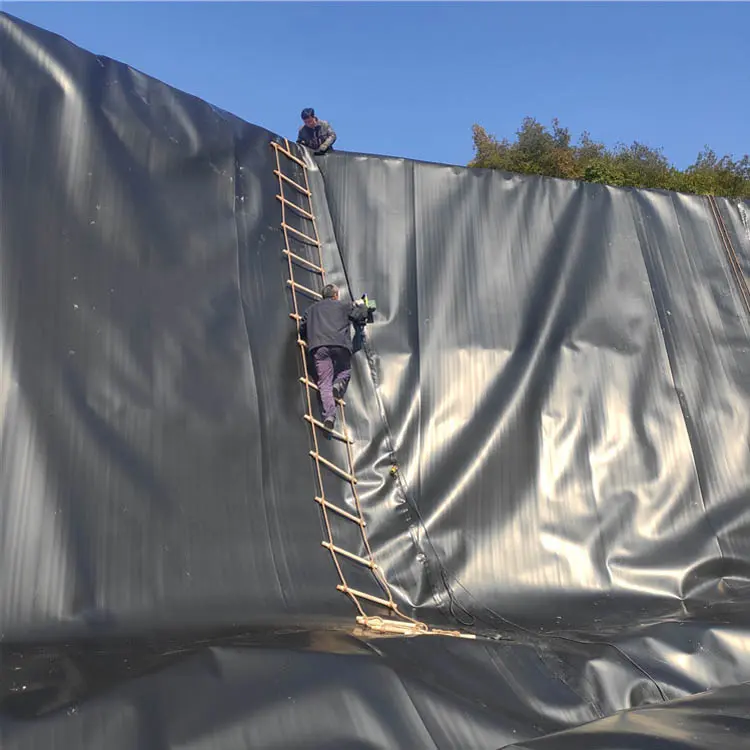
Dual-barrier systems featuring thick geomembranes and composite drainage nets isolate municipal waste, protecting local aquifers.
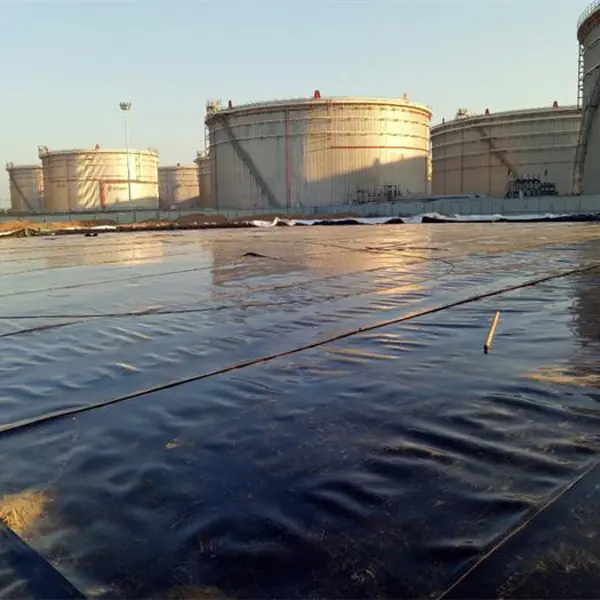
Heavy-gauge containment layouts prevent chemical contamination beneath fuel storage tanks, meeting strict environmental safety standards.
Every product roll undergoes testing in our facility. This verified testing program helps Shandong Hongyue deliver reliable geosynthetics for long-term construction projects worldwide.
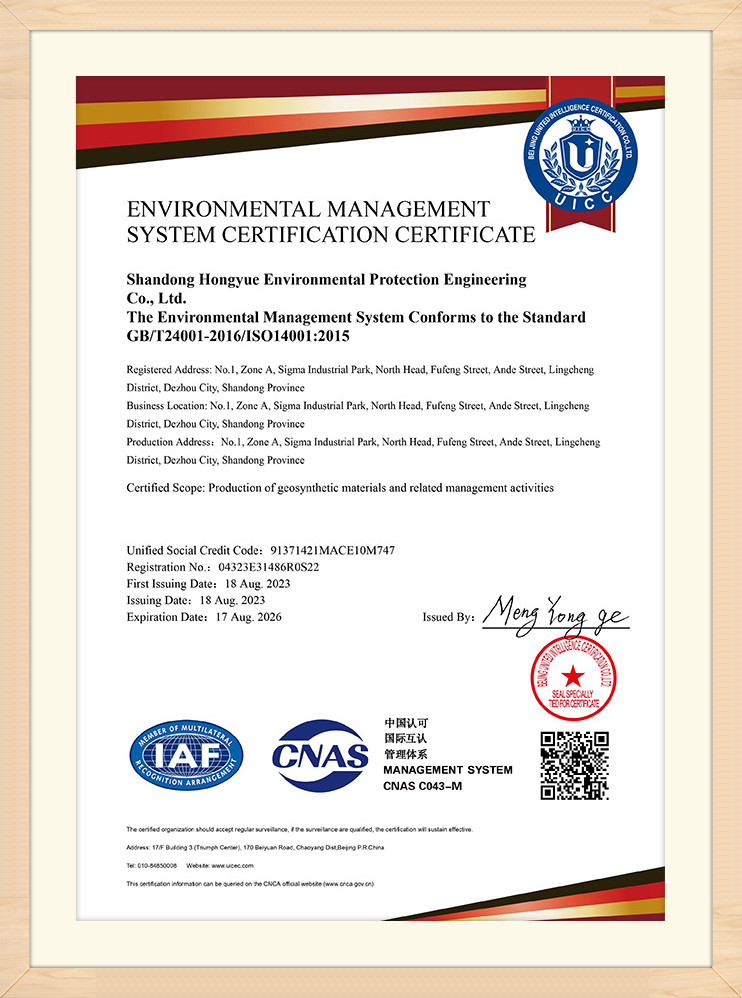
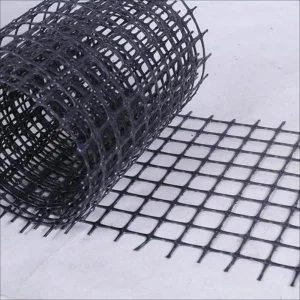
We manufacture customized options for civil engineering projects, including aquaculture containment barriers, reinforcement meshes, and structural geogrids.
Shandong Hongyue's materials are applied in key infrastructure projects across China and exported globally. Our technical service team brings more than ten years of field experience to assist with challenging designs on site.
Our solutions target deep-aquifer preservation, erosion control in heavy runoff areas, and containment structures for landfills. We assist project engineers from design stages through installation and testing to ensure long-term performance.
We provide detailed answers to engineering and quality assurance questions about geotextile alveolar systems.
 Hongyue