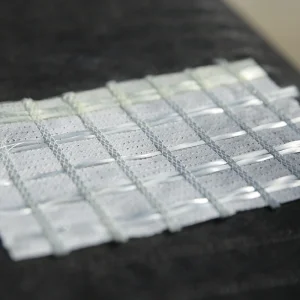
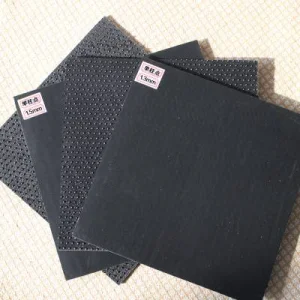
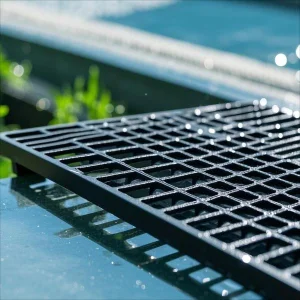
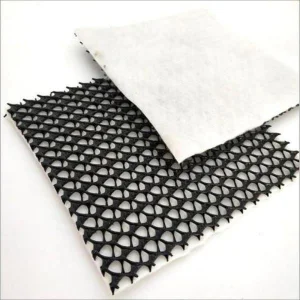
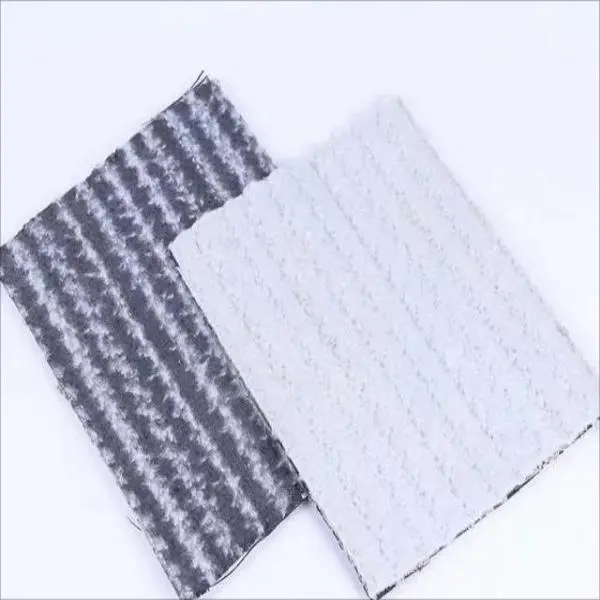
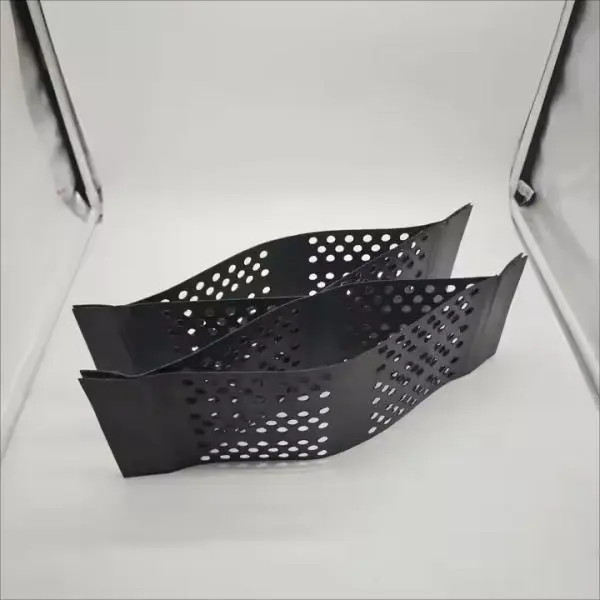
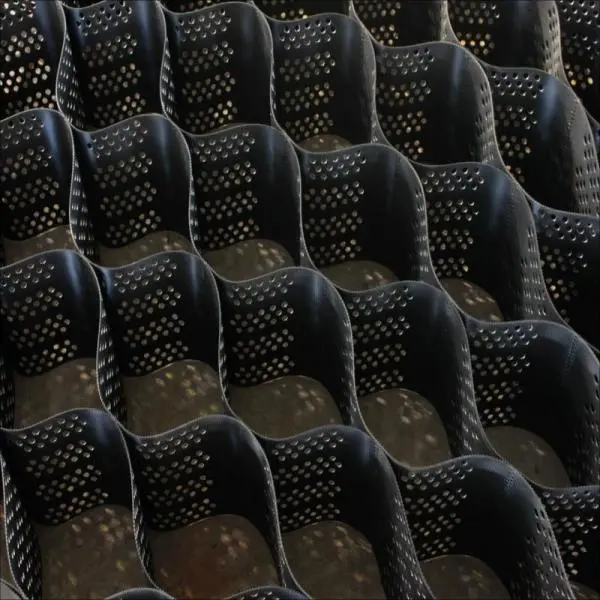
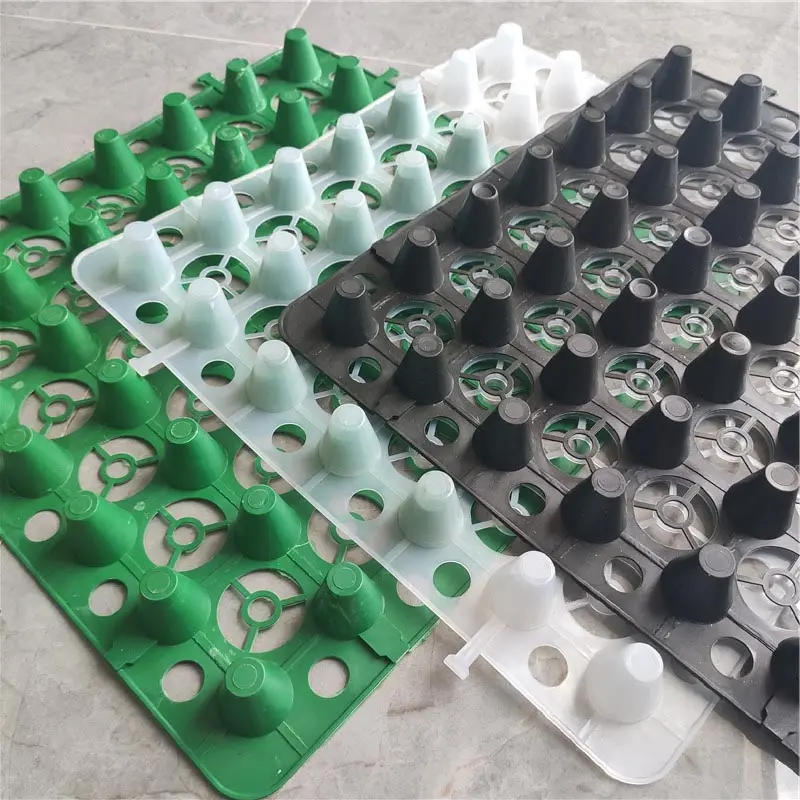
Explore our certified solutions for erosion control, soil stabilization, filtration, and containment systems
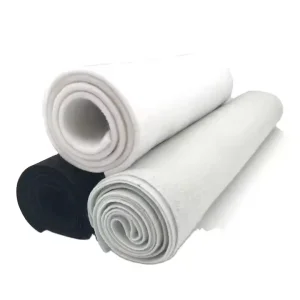
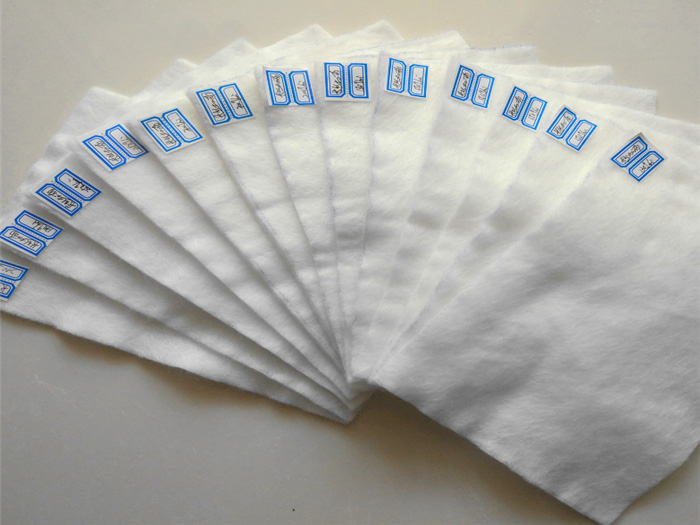
In the global geosynthetics landscape, Geotex 200 represents the industry benchmark for non-woven needle-punched geotextiles. Typically manufactured from high-durability polypropylene or polyester staple fibers, it delivers optimized mechanical stability, exceptional permeability, and outstanding survivability rates.
Whether configured for separation, subsurface drainage, filtration, or geomembrane protection, this category of geotextile is engineered to meet AASHTO M288 specifications. The unique needle-punch manufacturing technique structures a stable 3D fiber matrix, maintaining dimensional structural reliability under massive shear stresses.
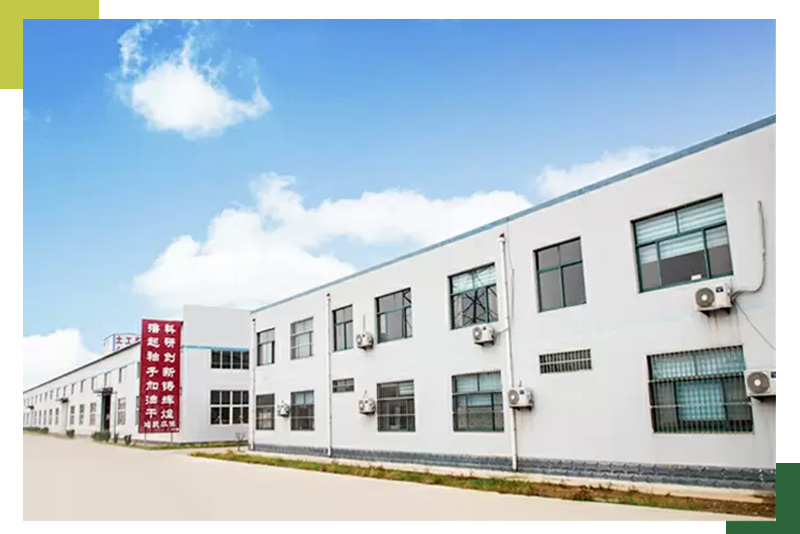
Providing massive scale, technological upgrades, and competitive supply chain superiority
With aggressive infrastructure investments in North America, Europe, Australia, and ASEAN regions, the demand for stabilization fabrics like Geotex 200 is escalating. Civil engineers prioritize materials that offer reliable design values for tensile strength, elongation, and UV protection to prevent premature road failure and soil erosion.
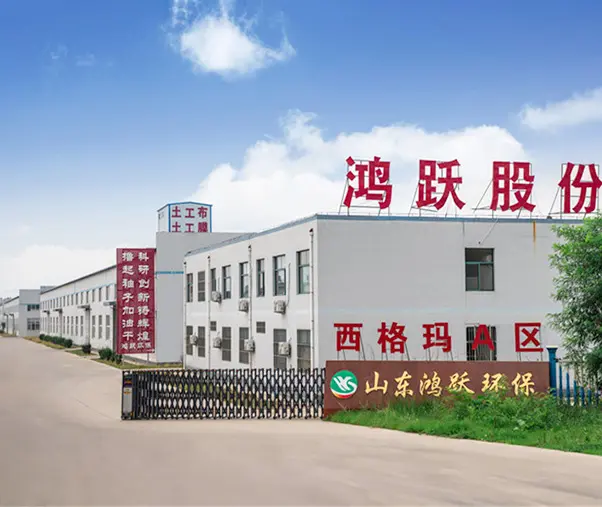
Our facility, Shandong Hongyue Environmental Engineering Co., Ltd., located at Fufeng Street, Lingcheng District, Dezhou, Shandong Province, stands as a major production node for geotechnical materials.
Through state-of-the-art automated polymer extruders and high-speed needle loom systems, our factory achieves exceptional consistency while driving down processing overheads. Member of the Dezhou Geotextile Association, our geographic location guarantees optimal raw material access and seamless logistical connection to global container ports.
How we satisfy the rigorous technical, environmental, and financial targets of modern projects
Engineers demand verification of hydraulic and mechanical parameters: grab tensile strength (typically 900N+ for 200g/m² variants), CBR puncture resistance, water flow rates, and apparent opening size (AOS) conforming to ASTM standards.
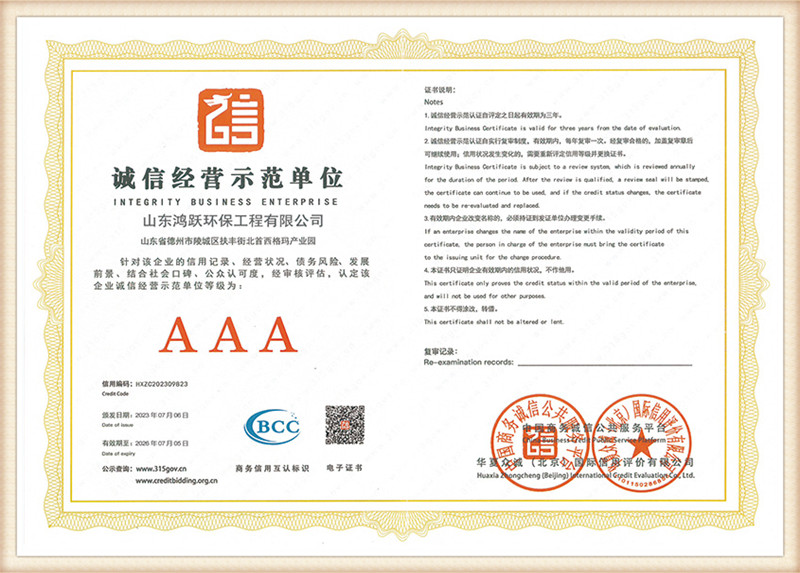
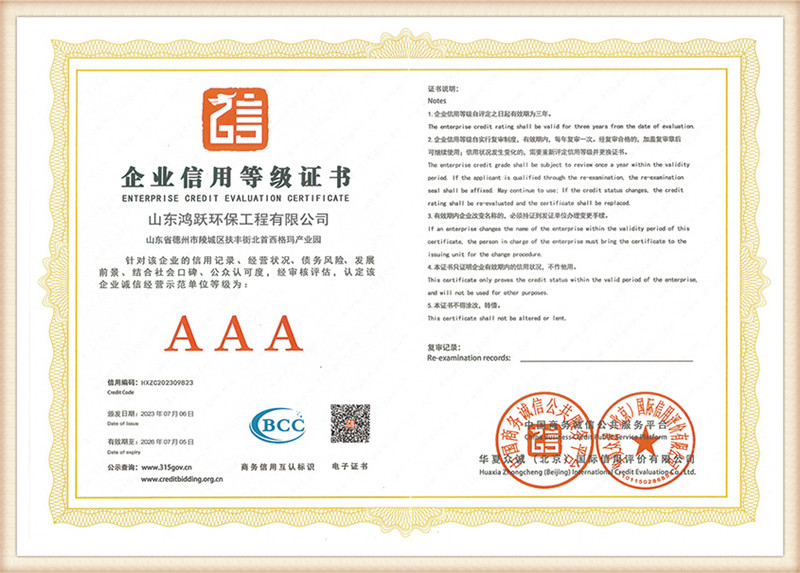
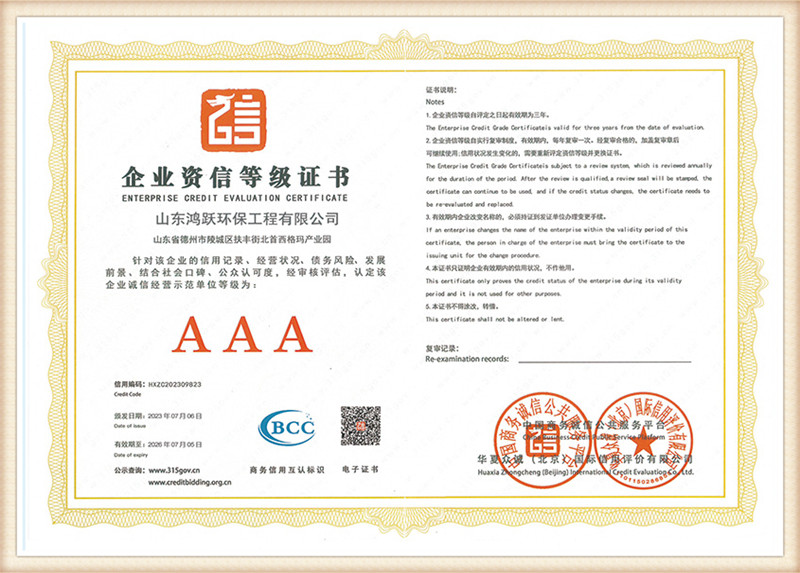
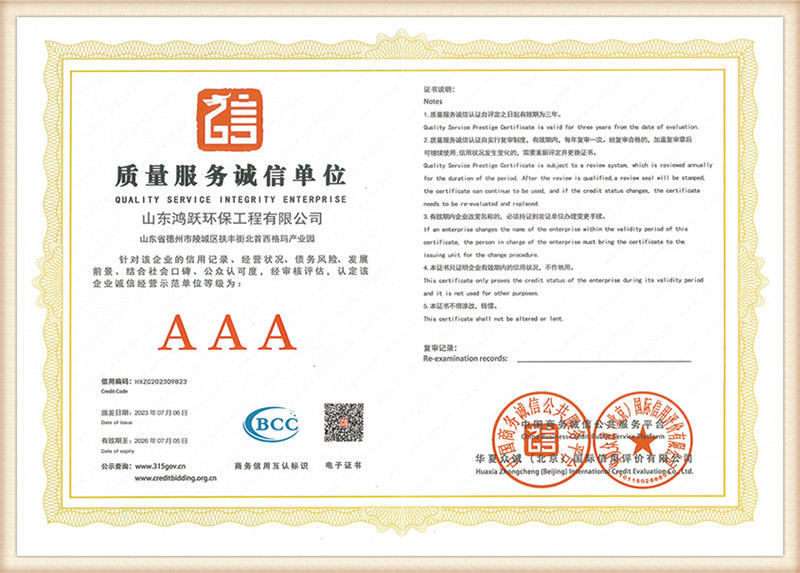
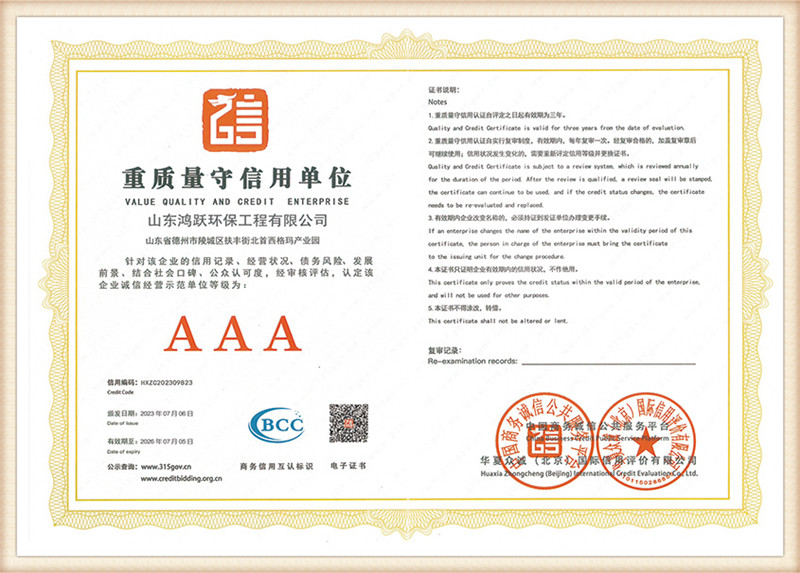
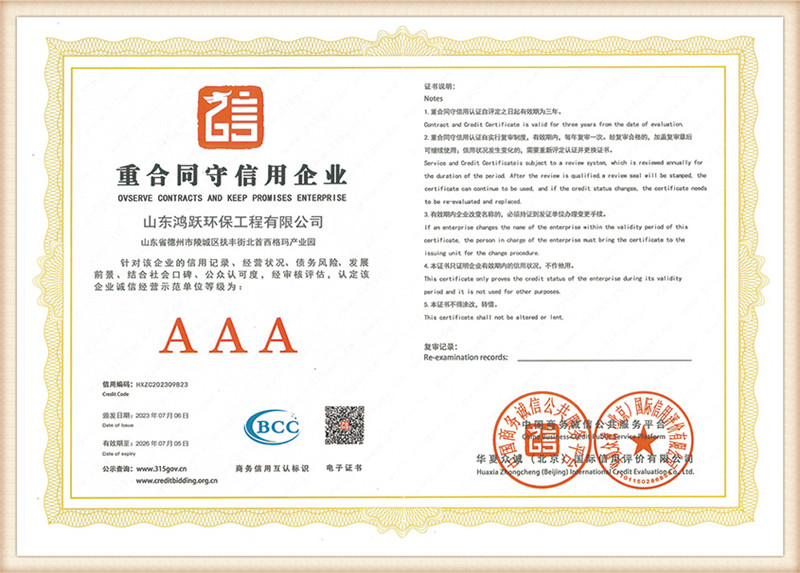
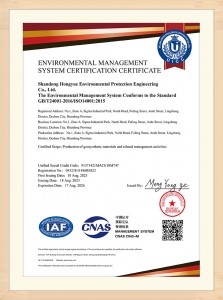
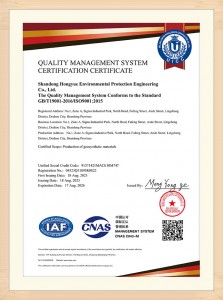
Compliance with international codes is non-negotiable. Our products have cleared ISO9001, ISO14000, and ISO45001 system certifications and have passed checks by the China National Testing Center, ensuring strict adherence to global standards.
Geotextiles are highly bulky. Efficient packaging configurations, high-density roll-winding technology, and strategic positioning near key Chinese deep-water ports directly reduce containerized shipping costs by up to 18%.
A comprehensive view of our modern geotechnical manufacturing installations and quality assurance systems
Engineered step-by-step to guarantee optimal physical property distributions
Polymer chips (primarily virgin polypropylene or high-grade polyester chips) along with specialized UV stabilizers and thermal compounds are thoroughly inspected for density and MFI (Melt Flow Index). This ensures uniform fiber diameter and performance baseline.
The materials are fed into high-temperature screw extruders, forcing the molten polymer through micro-diameter spinnerets. This creates continuous filaments, which are drawn and cooling-solidified using high-velocity air streams to achieve maximum molecular orientation and tensile strength.
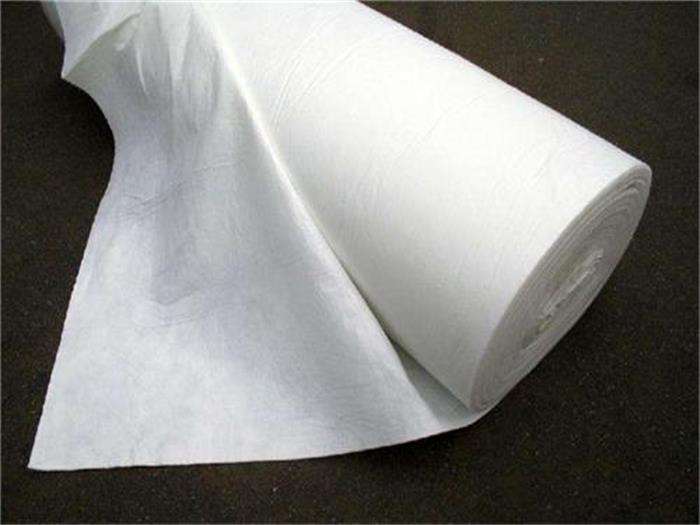
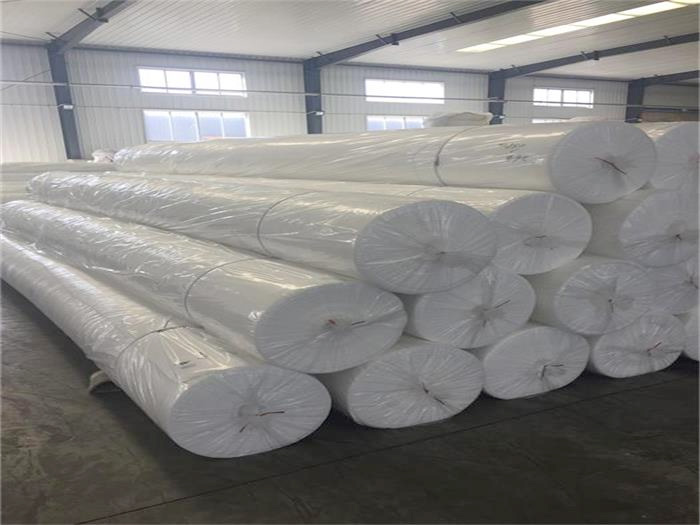
The generated filaments are distributed uniformly onto a continuous collector belt, building a dense isotropic net. The loose structure travels through reciprocating needle boards. Thousands of barbed needles mechanical entangle the fibers, resulting in a structural non-woven fabric. It undergoes thermal curing and calendar compression for precise thickness control.
Correct installation is critical to lock in the designed containment properties. The subgrade must be compacted to 95% Standard Proctor density, free from sharp rocks, roots, or pooling water.
During deployment, tensioning must be carefully regulated. For thermal sealing of geomembranes (HDPE/LLDPE), dual-track hot-wedge welding machines should be used to form reliable joints.
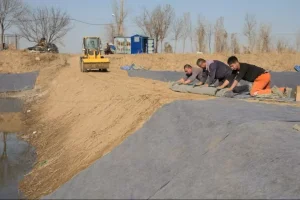
For geotextiles, standard overlap widths must range from 300mm to 500mm, secured with heavy-duty handheld stitching machines or thermal bonding machines. The installation team must carry out regular air-pressure testing on welded seams to verify site safety compliance.
Read Installation Whitepaper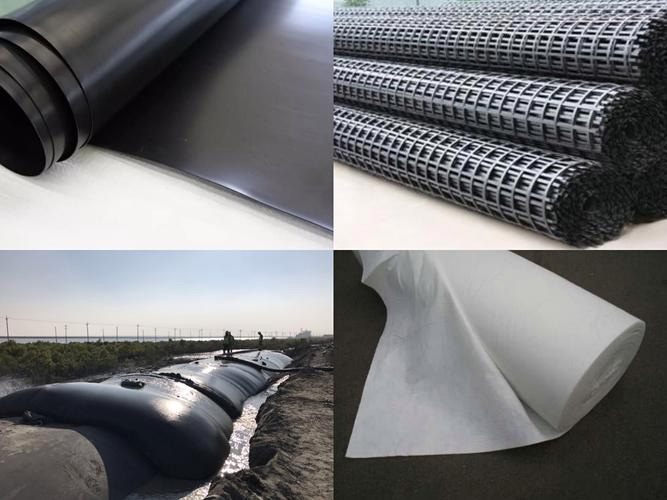
A broad array of core structures designed for soil stabilization, reinforcement, and structural drainage
Addressing structural challenges with optimized geosynthetic systems
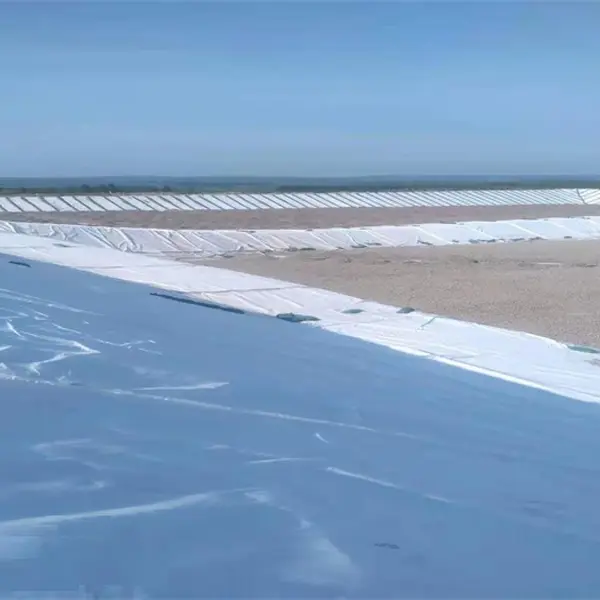
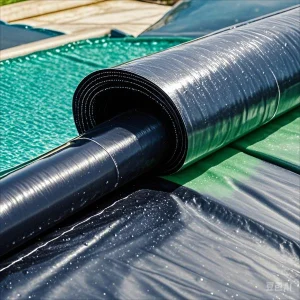
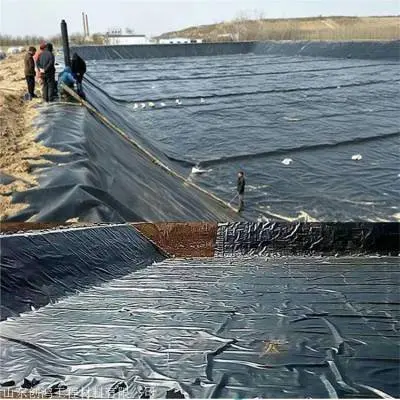
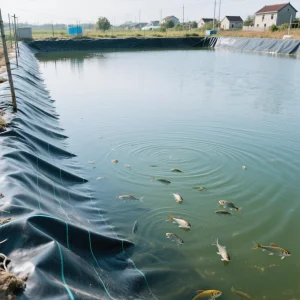
In major hydraulic structures, geomembranes are deployed to prevent seepage across dams, reservoirs, and canals. Using high-performance non-woven geotextiles alongside geomembranes forms a robust cushion barrier, mitigating structural puncture hazards from rock movements.
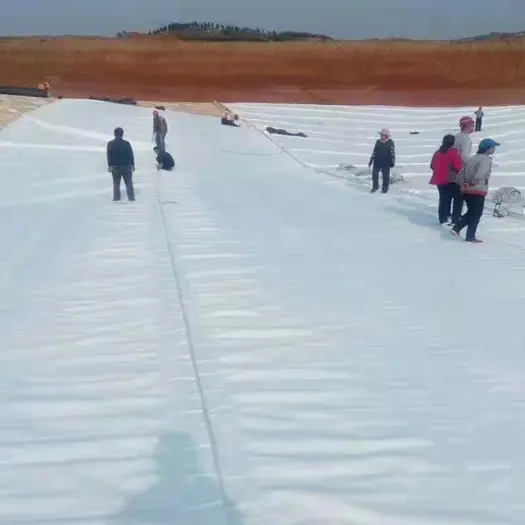
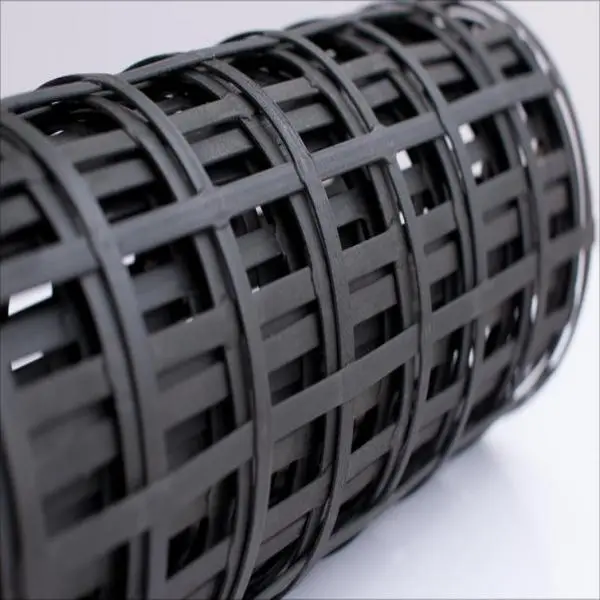
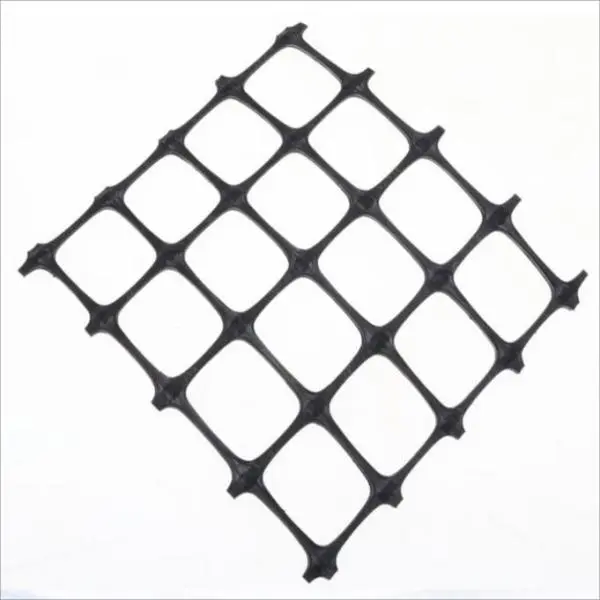
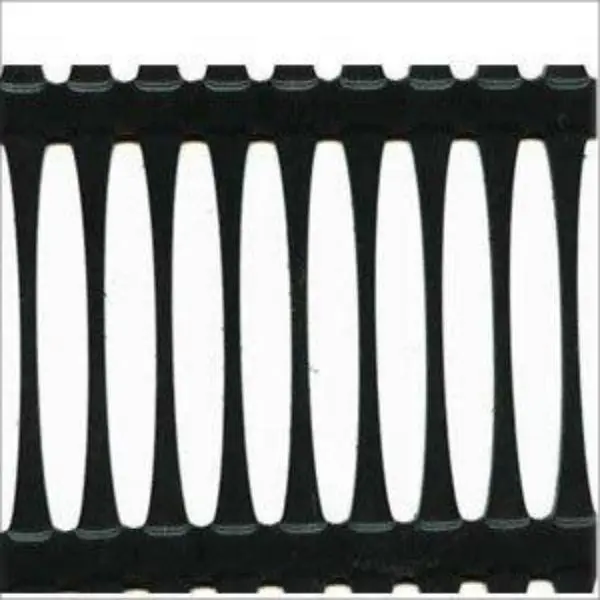
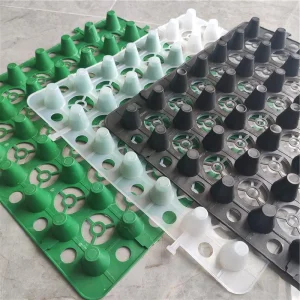
Canal beds suffer from continuous hydraulic shear forces. Deploying a composite geosynthetic matrix along the banks stabilizes subgrade soils, permitting unimpeded water transfer without erosion.
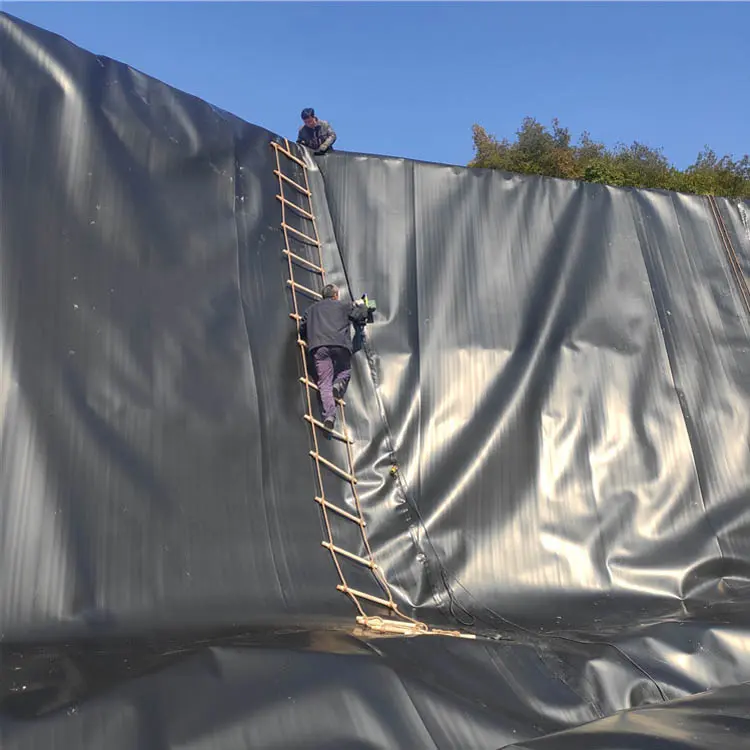
Preventing toxic leachate from contaminating municipal water systems requires multi-layered liners. Our bentonite clay liners and HDPE geomembranes are engineered to perform under heavy chemical exposure and high mechanical loads.
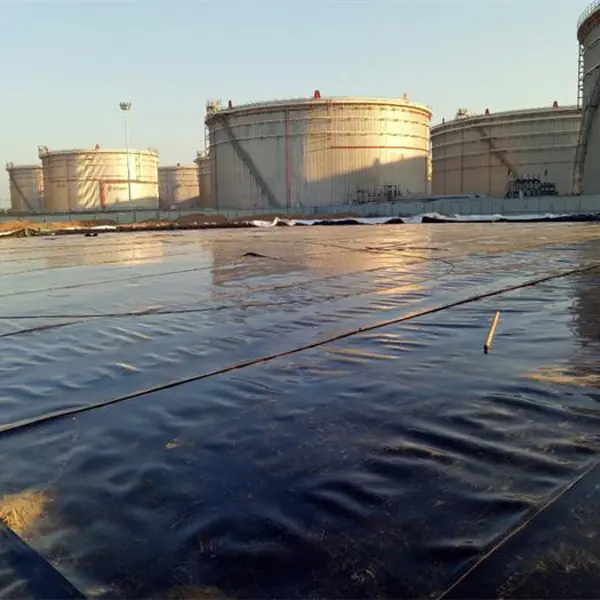
In heavy industrial facilities such as fuel terminals, our containment barriers line secondary storage areas. They provide an impermeable defense line that halts hazardous chemical leaks, meeting environmental standards.
Ensuring compliance with international standards through advanced testing instruments
At Shandong Hongyue Environmental Engineering Co., Ltd., quality control is integrated into every step of our operations. The testing laboratory is equipped with state-of-the-art tensile testers, hydrostatic head test rigs, and carbon black dispersion analysis tools.
Every batch of geotextiles and geomembranes produced undergoes rigorous verification, ensuring they meet or exceed ASTM and ISO testing standards. This meticulous approach has earned us honors like the "Green Building Materials Products" award and the trust of municipal engineers globally.
By working with international third-party inspection firms (like SGS and Intertek), we provide customers with verifiable test reports for every batch delivered.
As civil engineering shifts towards carbon-neutral footprints, the demand for green, circular geotextiles has intensified. Leading manufacturers are focusing on two key technological paths:
Shandong Hongyue stays ahead of these trends. By investing heavily in R&D and working alongside structural research institutes, we continuous optimize our polymer blends to deliver superior durability and environmental safety.
Real-world applications showcasing our geosynthetic solutions in action
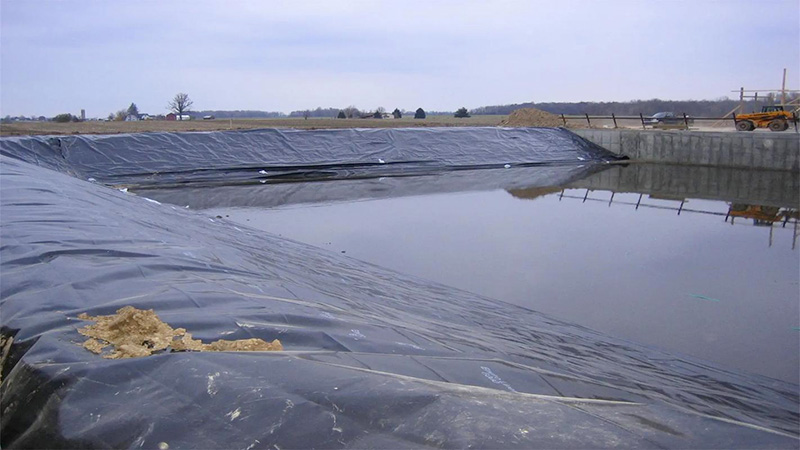
High-performance geomembranes reduce water loss through sandy subgrade layers, ensuring long-term slope stability.
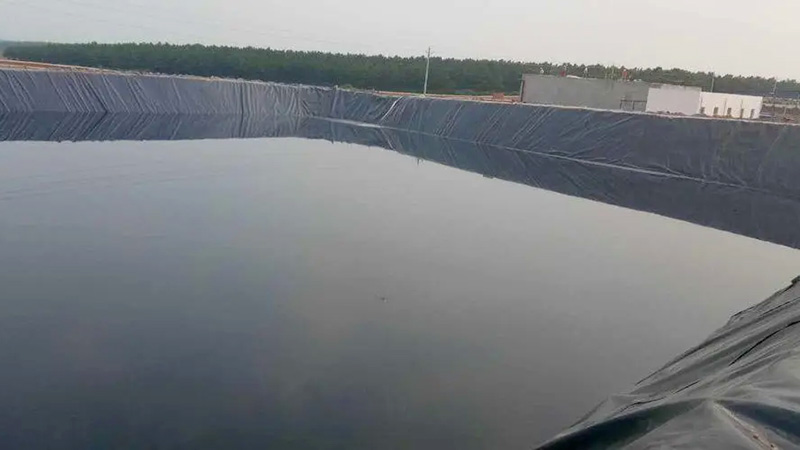
Geotextile filters underneath heavy stone armoring stop tidal washouts, preventing structural failures along shorelines.
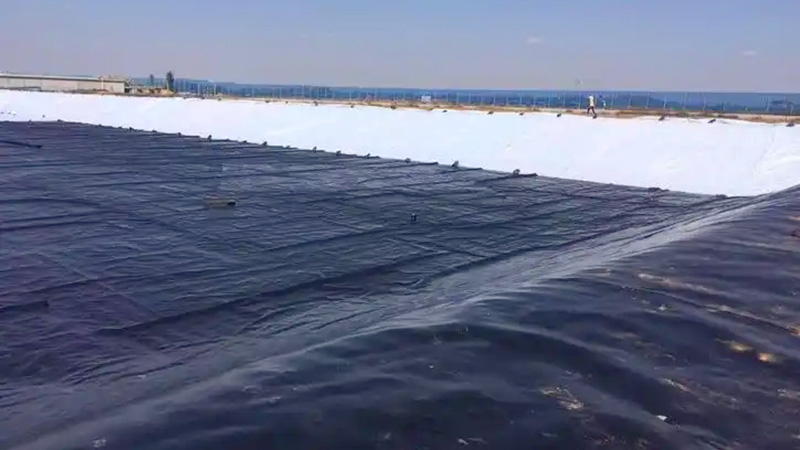
Lining agricultural canals with composite geomembranes prevents seepage, maximizing water delivery to downstream farmland.
Get answers to critical design questions from our Senior Engineering Team
Complete your design requirements with our certified geosynthetic components
 Hongyue