Engineered to withstand extreme environmental stress, our geosynthetic materials are certified to international standards, providing comprehensive stability and seepage control.
Understanding user intent and performance parameters in modern geotechnical practices.
Geosynthetic sand containers, universally known as Geobags, have evolved from temporary flood protection sacks to permanent, high-performance structural elements in massive geotechnical projects. Made from high-strength needle-punched non-woven or woven geotextiles, Geobags provide flexible, permeable, and durable options for bank stabilization, breakwaters, dune reinforcement, and ecological slope restoration. In an era marked by rapid climate change, rising sea levels, and the demand for ecologically sensitive infrastructure, Geobags have emerged as a critical engineering solution. They offer an alternative to traditional, rigid concrete or riprap structures, combining natural aesthetics with high performance.
Geotechnical engineers and procurement officers seek more than just standard product quotes; they require comprehensive data on raw polymer quality, tensile resistance, filtration characteristics, and UV degradation properties. The demand centers around finding solutions that withstand harsh hydraulic impacts, high UV exposure, and abrasive sediment environments, ensuring projects remain stable for decades. Modern geobags serve as a bridge between civil engineering and environmental bio-remediation, providing a structural medium that supports vegetation growth while containing soil and preventing erosion.
Strategic Information Gain: Unlike standard geotextiles, a geobag's performance is determined by its fabric parameters and joint strength. Over 85% of failures in geological bags occur at the seams rather than through the parent fabric. High-grade exporters use specialized, UV-stabilized sewing threads along with double-thread chain locks to guarantee seam strength matches or exceeds the geotextile itself.
Optimizing procurement decisions based on rigorous material science and mechanical properties.
Selecting geobags requires a deep understanding of polymer formulations. The choice of raw materials—typically Polypropylene (PP) or Polyester (PET)—determines the longevity and chemical resistance of the installed unit. PP geobags are preferred in acidic, alkaline, and saline environments due to their chemical inertness. PET geobags offer higher long-term creep resistance and tensile strength, making them suitable for heavy structural fills where chemical exposure is minimal. The table below outlines key engineering criteria used by global procurement managers to evaluate and verify geobag quotes:
| Performance Indicator | Measurement Method | Non-Woven PP Geobags | Woven PP Geobags | Engineering Significance |
|---|---|---|---|---|
| Mass Per Unit Area | ASTM D5261 (g/m²) | 150 - 800 | 200 - 600 | Determines thickness, puncture resistance, and robustness during installation. |
| Grab Tensile Strength | ASTM D4632 (kN) | 1.2 - 6.0 | 3.0 - 12.0 | Key parameter to withstand dynamic forces, installation stresses, and internal pressure. |
| Apparent Opening Size (AOS) | ASTM D4751 (mm) | 0.07 - 0.20 | 0.15 - 0.40 | Controls soil retention while permitting water flow to prevent pore-pressure buildup. |
| Water Permeability | ASTM D4491 (cm/s) | 1 x 10⁻¹ - 9 x 10⁻² | 1 x 10⁻² - 5 x 10⁻³ | Ensures rapid pore water dissipation, critical for coastal structures and riverbanks. |
| UV Resistance (500 hrs) | ASTM D4355 (%) | > 70% Retained | > 80% Retained | Protects the bag structure from UV degradation before soil coverage or vegetative growth. |
For demanding industrial applications like coastal breakwaters, UV stabilization is crucial. Unstabilized geobags can degrade within months under direct sunlight. Premium geobags incorporate carbon black or proprietary chemical UV stabilizers, extending active service life to over 20 years in exposed environments. Furthermore, needle-punched non-woven geobags provide a high three-dimensional pore structure, encouraging root penetration and creating a living green shield along waterways.
A trusted scientific geotechnical manufacturer supporting global infrastructure projects.
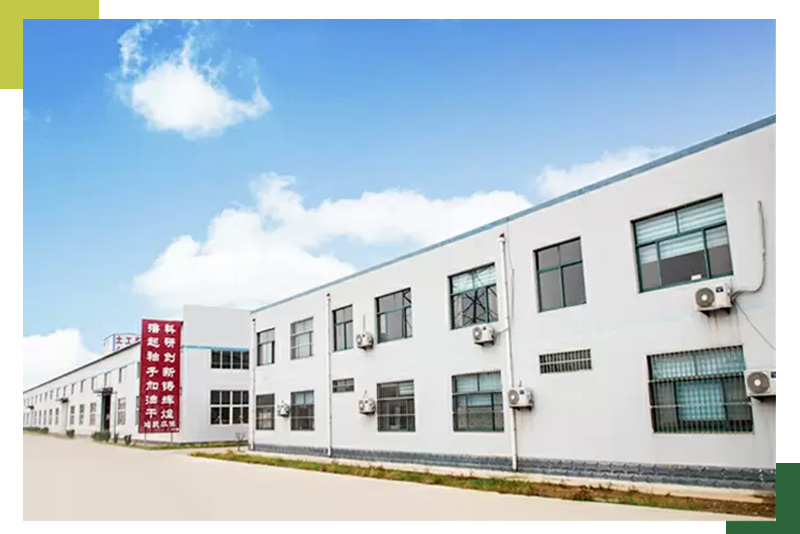
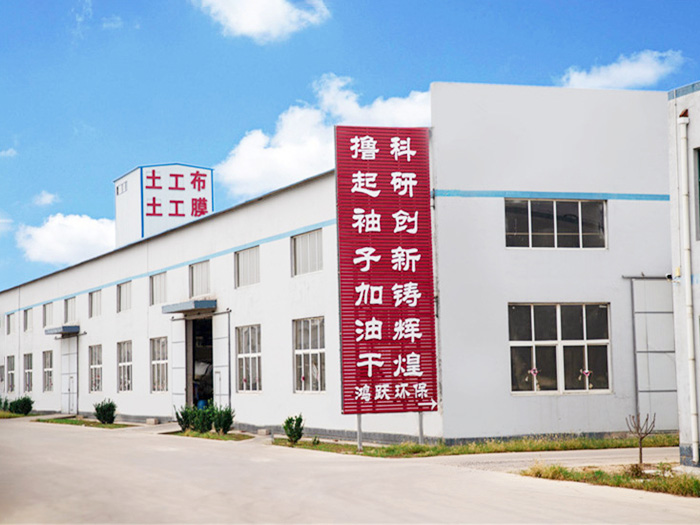
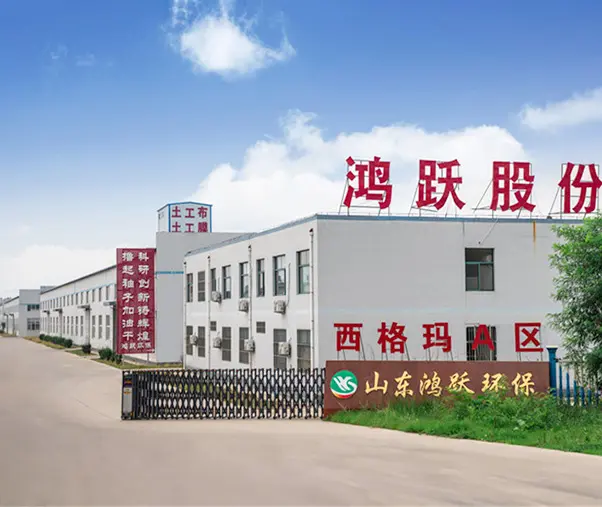
Shandong Hongyue Environmental Engineering Co., Ltd., located at the north end of Fufeng Street, Lingcheng District, Dezhou, Shandong Province, is a scientific and technological geotechnical material manufacturer integrating engineering material production, sales, design, and construction services. The company was registered in the Lingcheng District Market Supervision and Administration Bureau of Dezhou City on April 6, 2023, with a registered capital of 105 million yuan. It stands as one of the largest production bases of geotechnical materials in China, benefiting from a superior geographical location and convenient transportation networks.
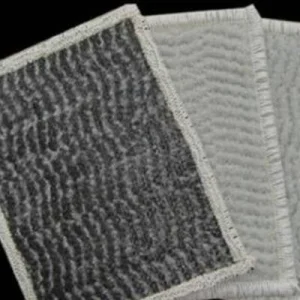
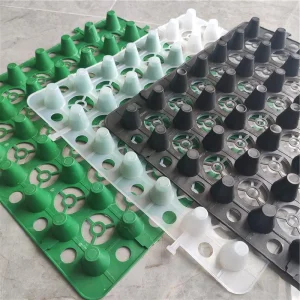
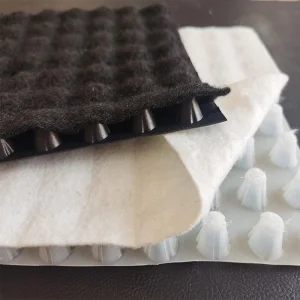
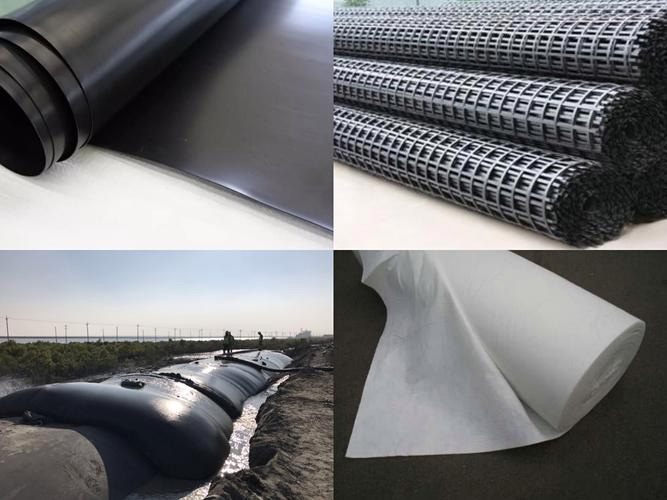
Since its establishment, the company has grown rapidly, expanding its product line to include geotextiles, geomembranes, composite geomembranes, waterproof boards, bentonite waterproof blankets, 3D composite drainage nets, (composite) drainage boards, weaving cloth, woven cloth, geobags (ecological bags), cement blankets, fiber plant blankets, and flexible pervious pipes. We provide high-quality products and back them with professional sales and technical teams. As a member of the Dezhou Geotextile Association, our products are widely utilized in highways, railways, bridges, tunnels, reservoirs, canals, artificial lakes, environmental protection, aviation, mining, and agriculture.
How Hongyue integrates automated production lines to deliver consistent quality and value.
Global infrastructure projects operate on tight timelines and require consistent material performance. Shandong Hongyue addresses this through its Factory 4.0 manufacturing framework. By integrating automated raw material handling, computerized needle-punching lines, and digital monitoring systems, we minimize human error and ensure uniformity across production runs. This high level of automation enables us to maintain cost-efficiency, passing savings directly to global buyers through competitive, high-value geobag quotes.
Located in Shandong, our factory benefits from proximity to key chemical and logistics hubs, guaranteeing a stable raw material supply chain. This structural resilience allows us to mitigate market price volatility and maintain steady lead times, even during peak global shipping seasons. With an annual capacity exceeding millions of square meters, we can rapidly fulfill large-scale orders without compromising quality standards.
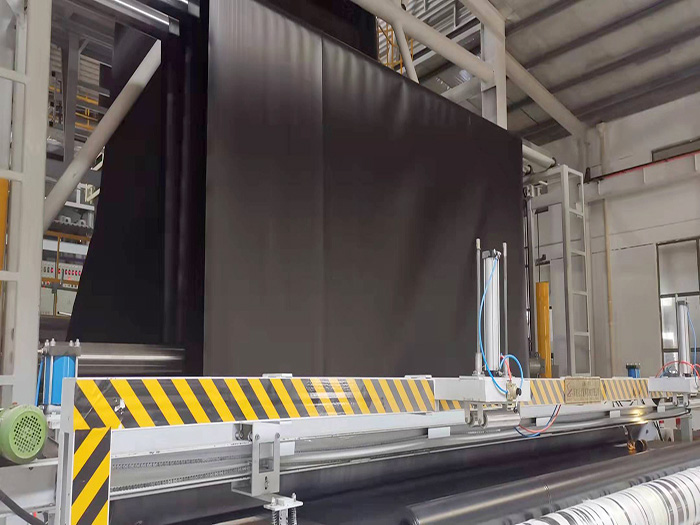
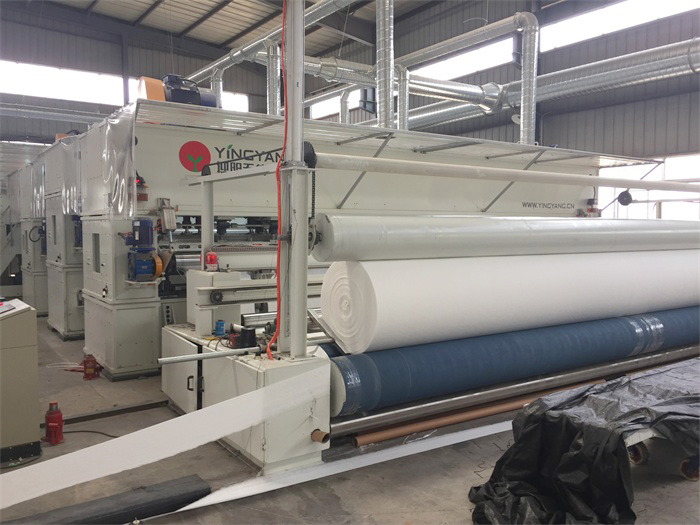
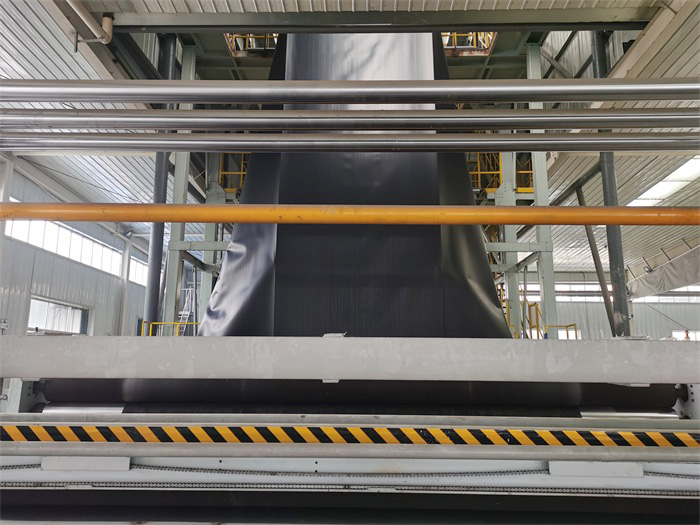
State-of-the-Art Production Facility: Our manufacturing plant is equipped with wide-width geotextile looms and automated needle-punching machines, enabling the production of geobags with highly consistent filtration characteristics. Every production batch undergoes automated inline thickness checks, cross-directional tensile monitoring, and weight validation to confirm compliance with ASTM and ISO specifications.
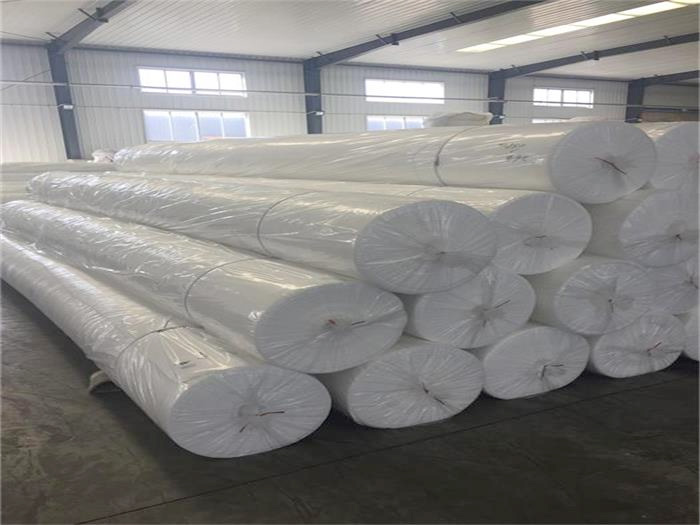
We work closely with logistics partners to coordinate multimodal container shipments from the Port of Qingdao, ensuring reliable delivery to major ports in North America, Europe, Australia, Southeast Asia, and the Middle East.
The technical steps that define our product quality and durability.
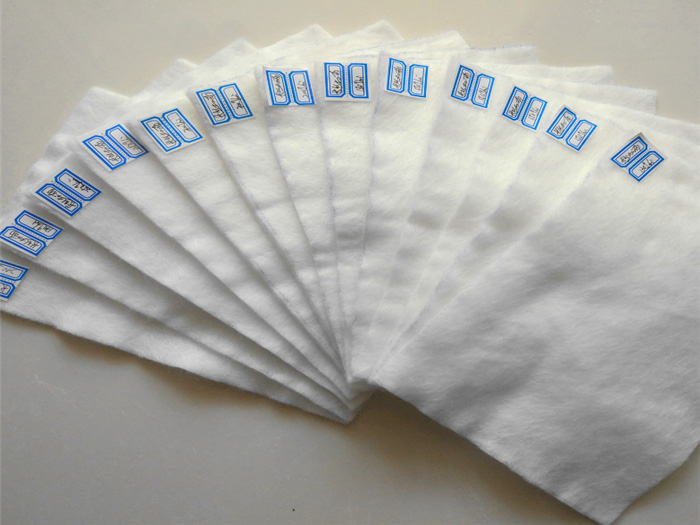
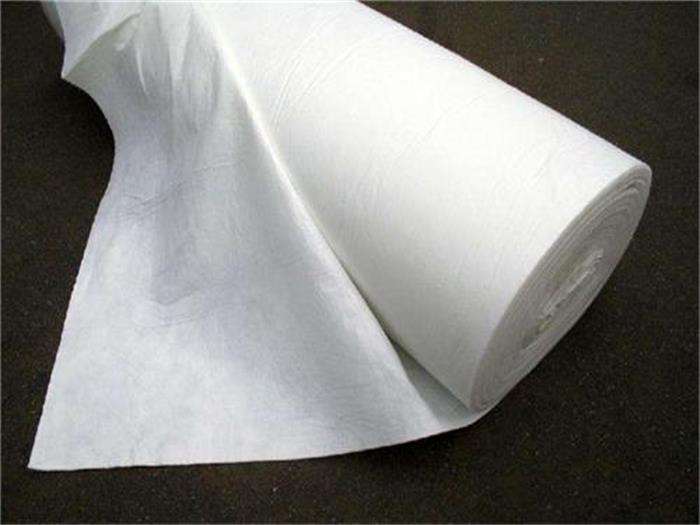
Geotextiles form the foundation of high-strength geobags. Achieving consistent filtration, isolation, reinforcement, and protection requires precise processing and control at each step. By applying modern machinery and technology, Shandong Hongyue maintains high production efficiency and product quality throughout our manufacturing process.
We start with high-purity polyester (PET) chips, polypropylene (PP) filament, and viscose fiber. All incoming raw materials are tested for density, molecular weight distribution, and purity before entering production.
The raw polymer is melted and extruded using screw extruders. Precise temperature and pressure control ensures a uniform melt, preventing structural weak points in the extruded fibers.
The molten polymer is extruded through spinnerets to form fine filaments. These are laid onto conveyor belts to create a uniform, multi-directional web structure, determining the filtration and opening size of the final fabric.
The web is passed through needle looms, interlocking the fibers to build physical strength. Line speed and needle density are carefully adjusted to achieve the target thickness and tensile properties.
The cured geotextiles are rolled, measured for length and width, and packaged in protective film to prevent moisture or UV degradation during transit.
Every batch is tested in our laboratory for grab tensile strength, CBR puncture resistance, water permeability, and apparent opening size (AOS) before release.
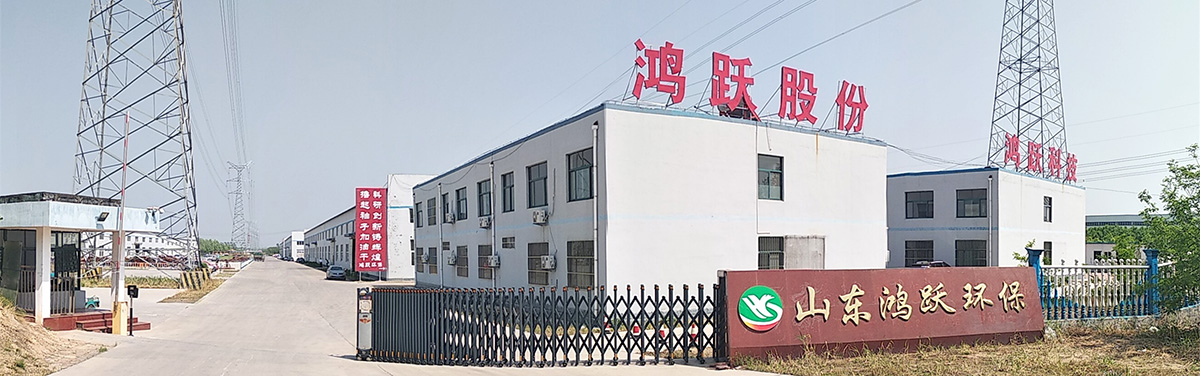
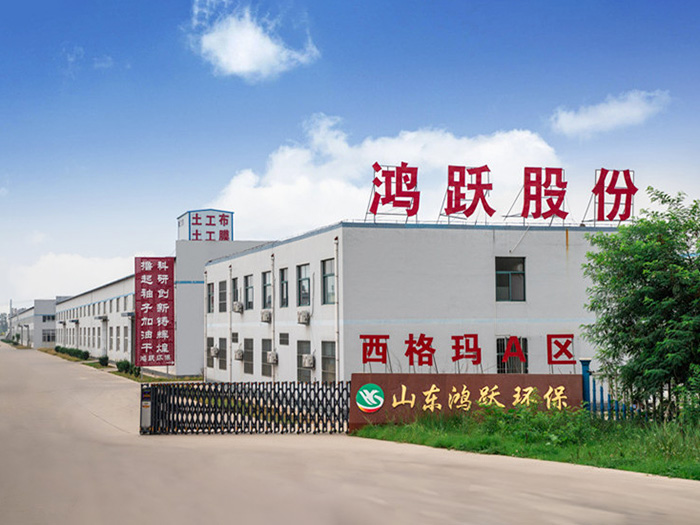
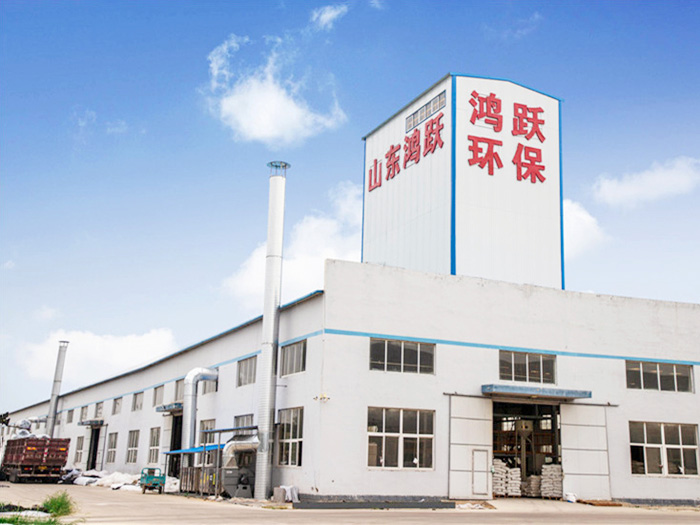
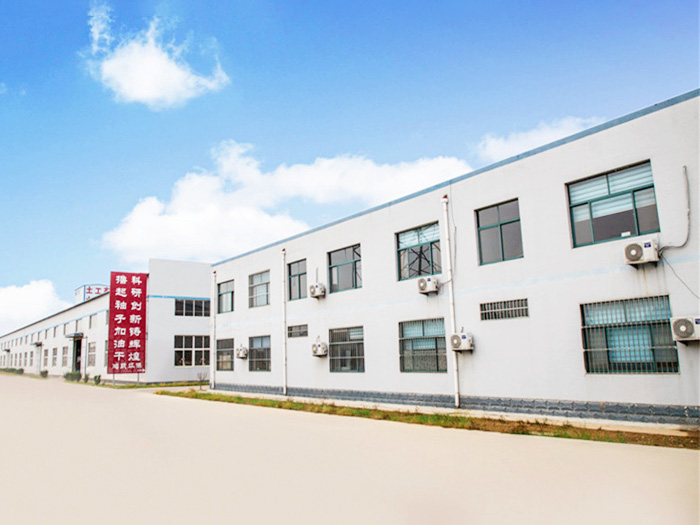
Meeting international quality and performance standards for major engineering works.
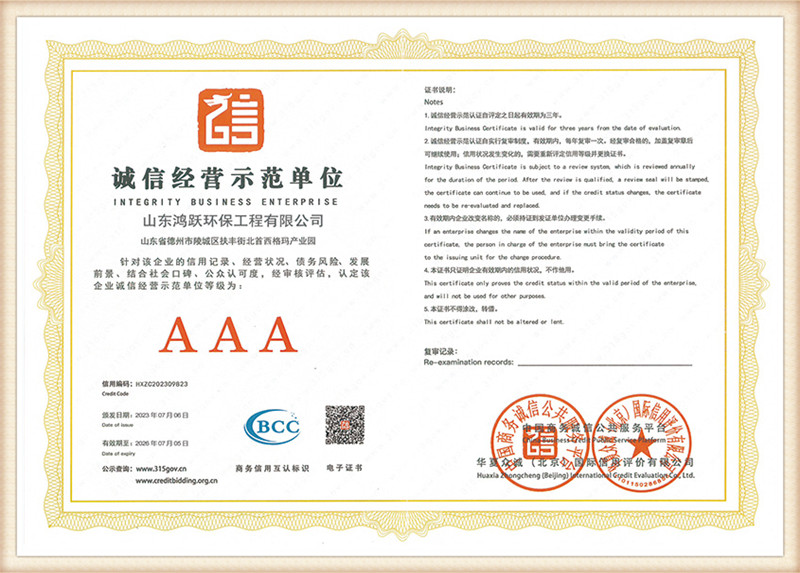
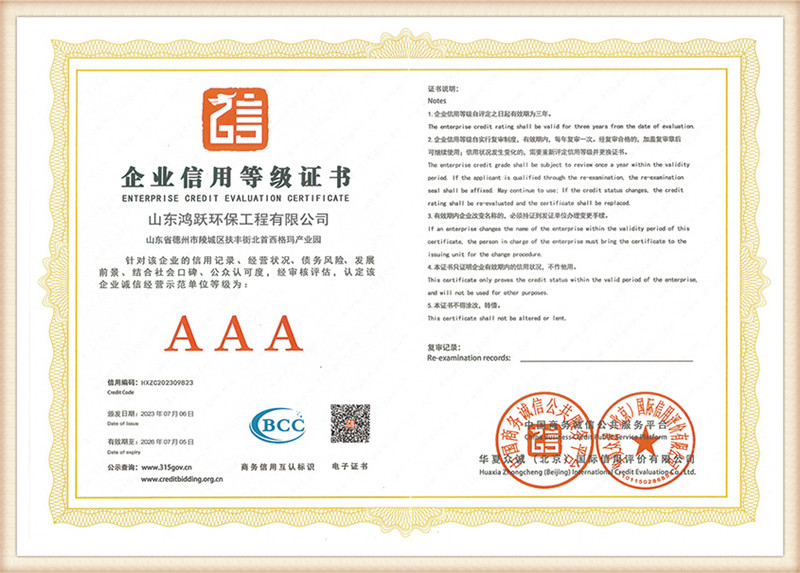
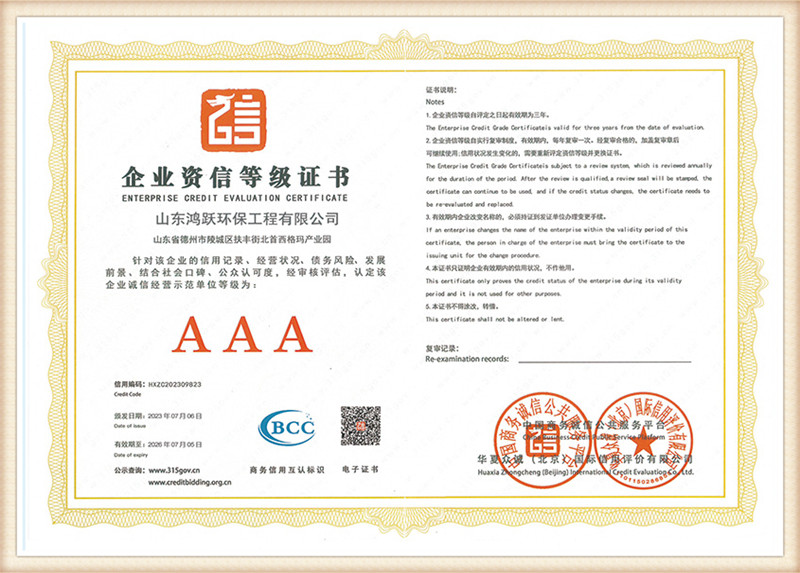
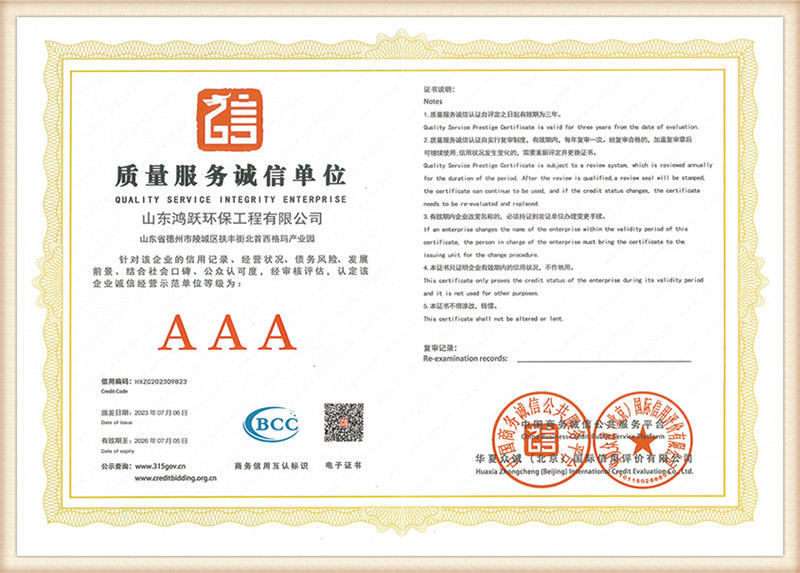
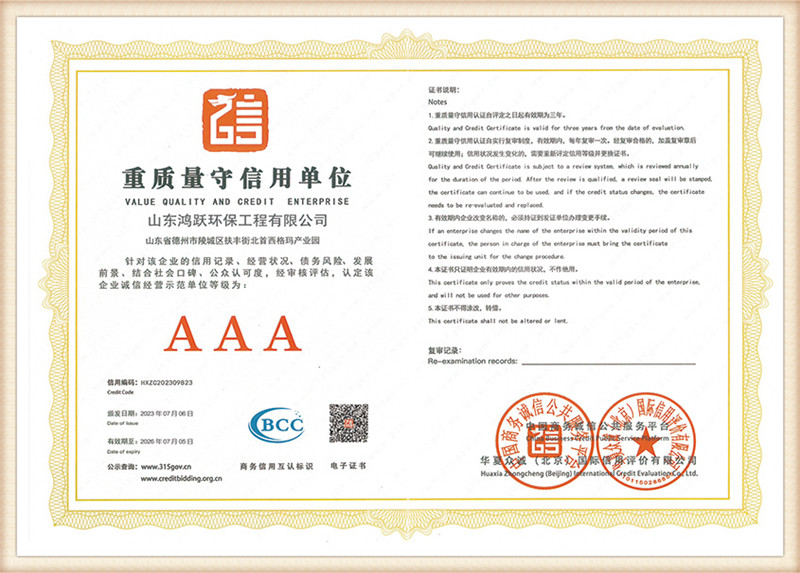
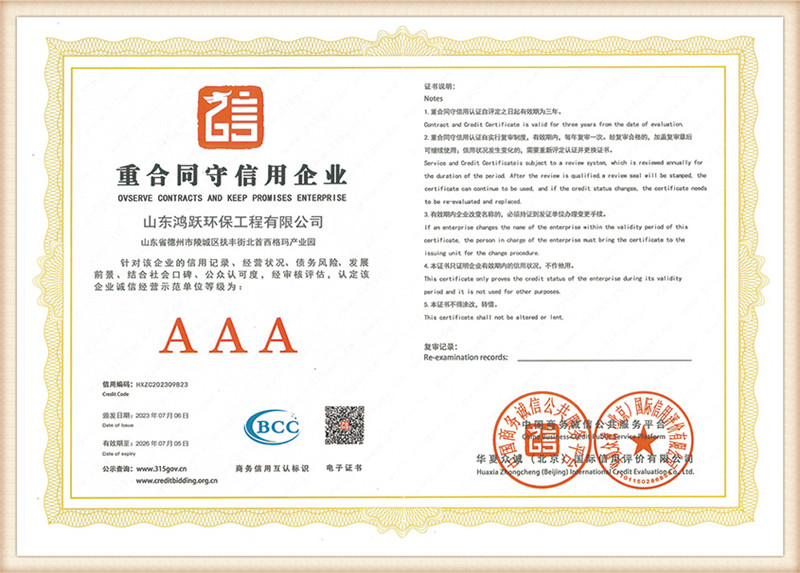
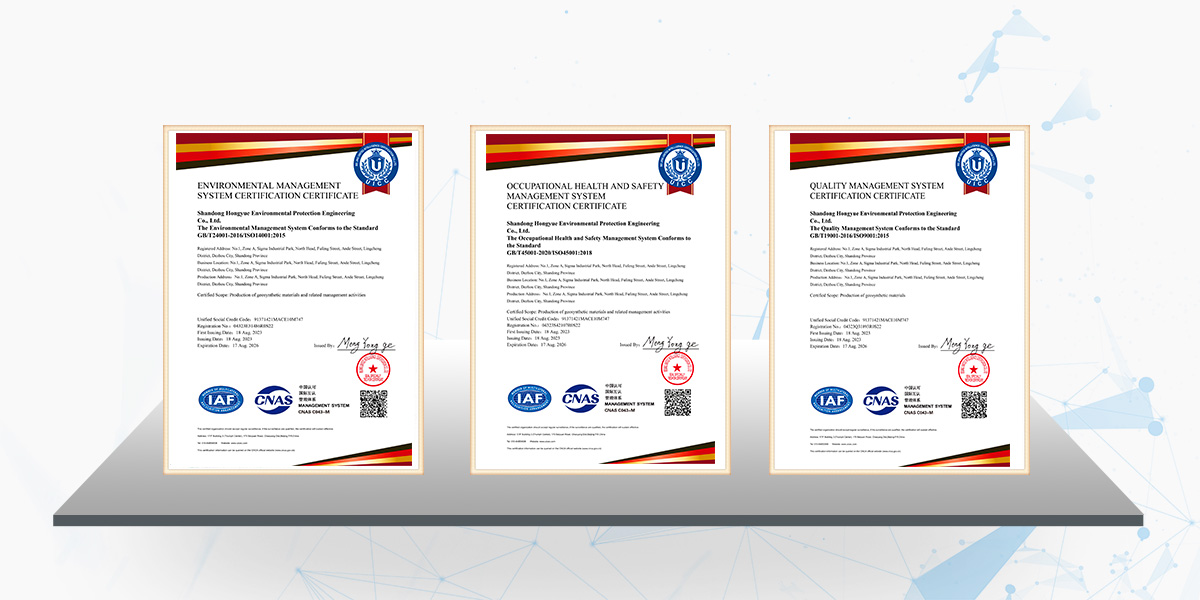
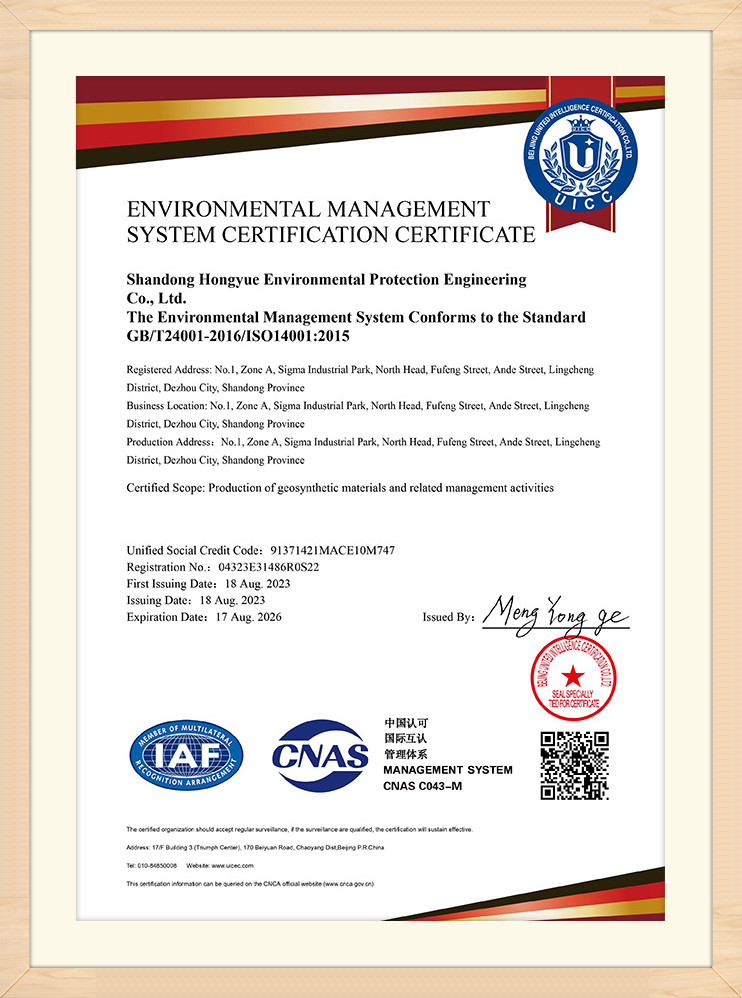
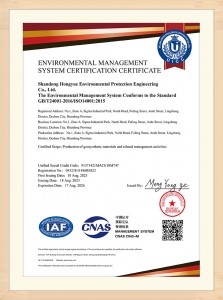
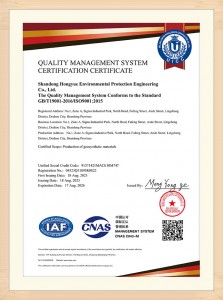
Shandong Hongyue maintains a comprehensive quality management system, certified to ISO9001 (Quality Management), ISO14001 (Environmental Management), and ISO45001 (Occupational Health and Safety). Our products have received awards including "Green Building Materials Products," "Famous Chinese Brand," and "High-Tech Industry." By combining advanced production technology with precise testing instruments, we ensure our products consistently deliver high performance. All manufactured products meet or exceed international specifications, having passed certifications from the China National Testing Center and regular national quality supervision inspections.
Our experienced engineering and technical teams, many with over ten years of industry experience, provide technical support for both domestic and international projects. Shandong Hongyue has established regional offices in major cities to assist clients with material consulting, design planning, marketing management, and 24-hour product technical support.
Practical deployment of geosynthetic systems in diverse civil engineering environments.
1. Coastal Defense and Dune Reconstruction: In coastal engineering, geobags are used to construct marine seawalls, artificial reefs, and breakwaters. They absorb wave energy and hold sandy substrates in place, protecting shorelines from erosion while allowing native vegetation to establish over time.
2. River Training & Bank Stabilization: Rivers with high-velocity flows can rapidly erode soil banks, threatening nearby infrastructure. Geobags act as flexible revetments along the channel edge, adapting to changing bed levels and preventing erosion under dynamic water currents.
3. Mine Tailings & Landfill Seepage Barriers: Geobags are used alongside geomembranes and drainage networks in mining and waste management to stabilize slopes, filter runoff, and prevent contaminants from escaping into local soil and water systems.
4. Ecological Slope Protection: For steep highway and railway embankments, geobags are stacked to form a stable facing system. Once filled with soil and seeds, they support rapid vegetation growth, stabilizing the slope face and blending the structure into the natural landscape.
How composite lining systems prevent water loss and protect subgrades.
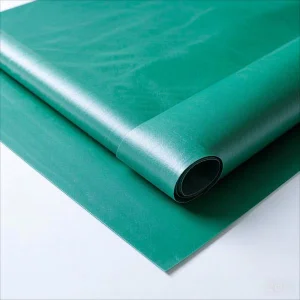
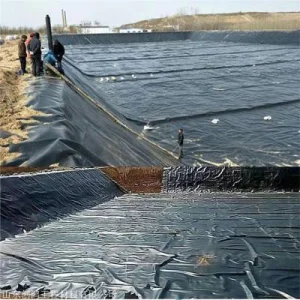
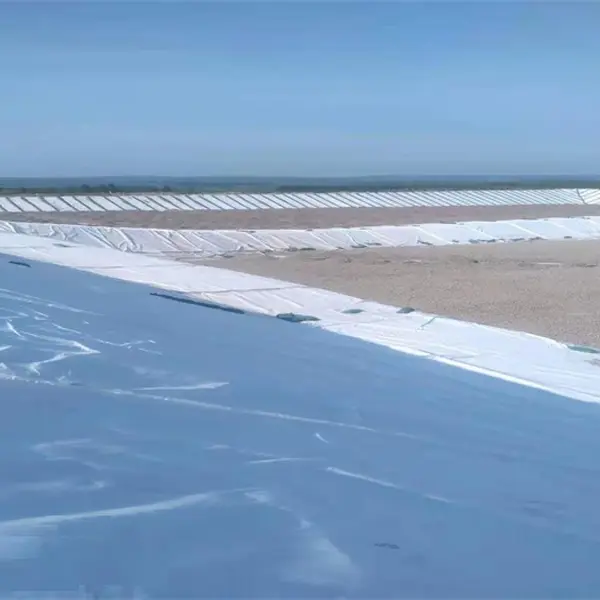
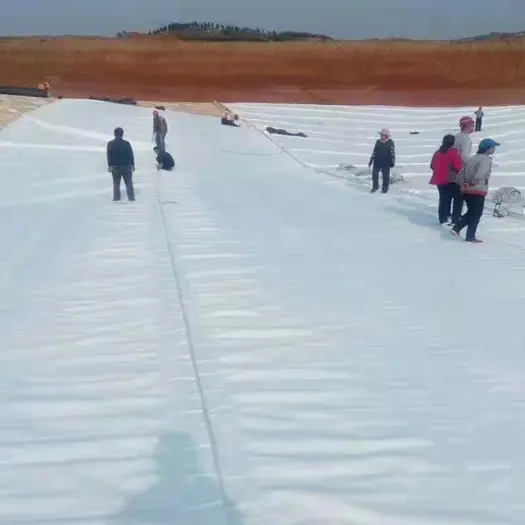
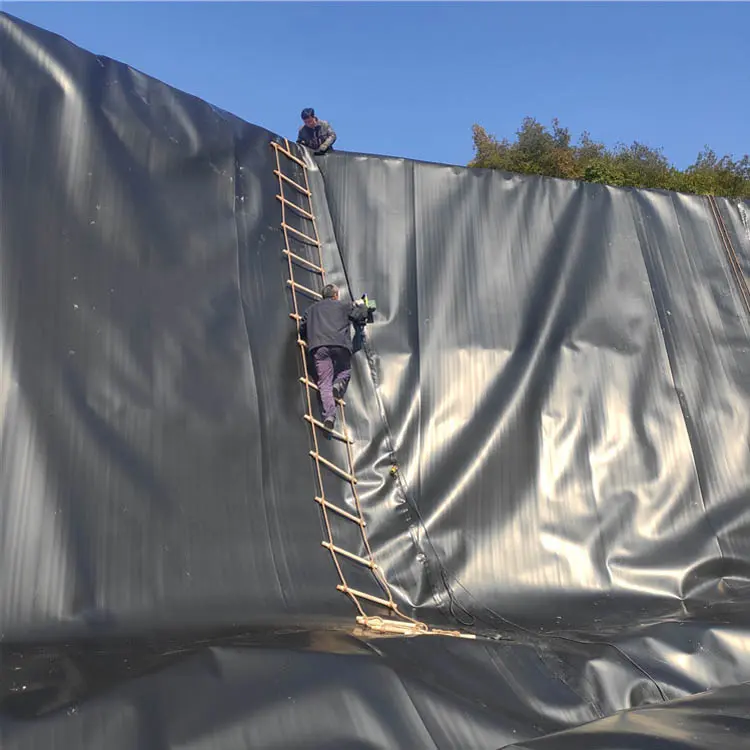
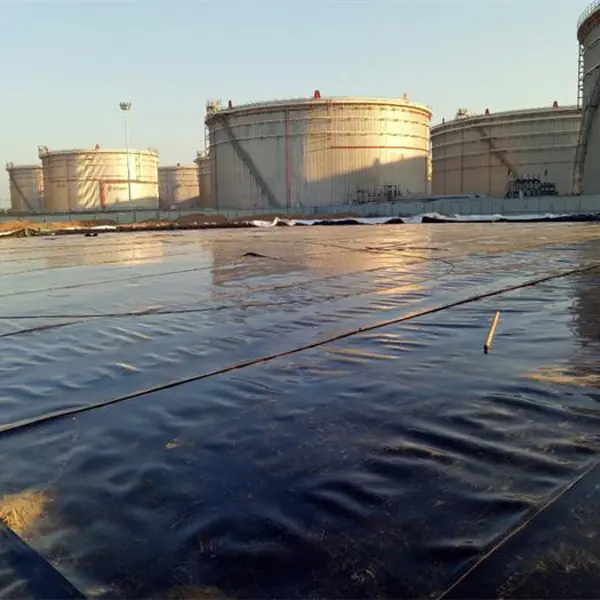
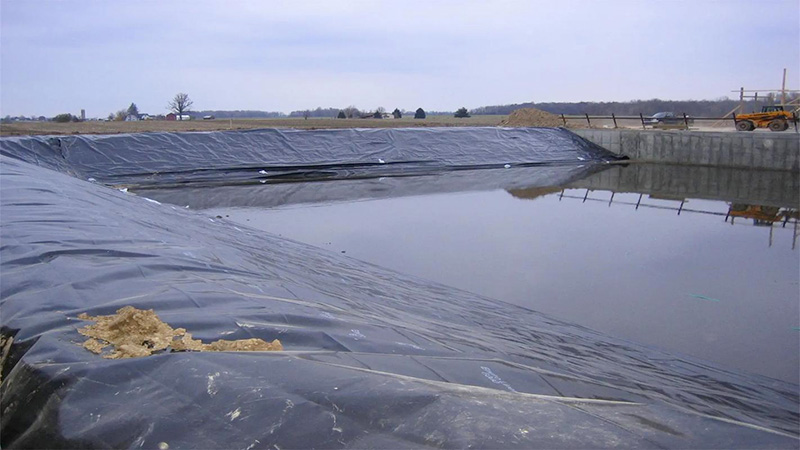
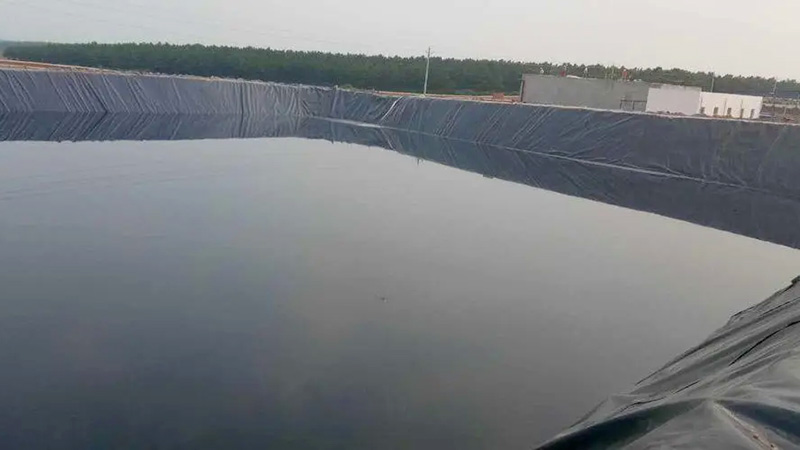
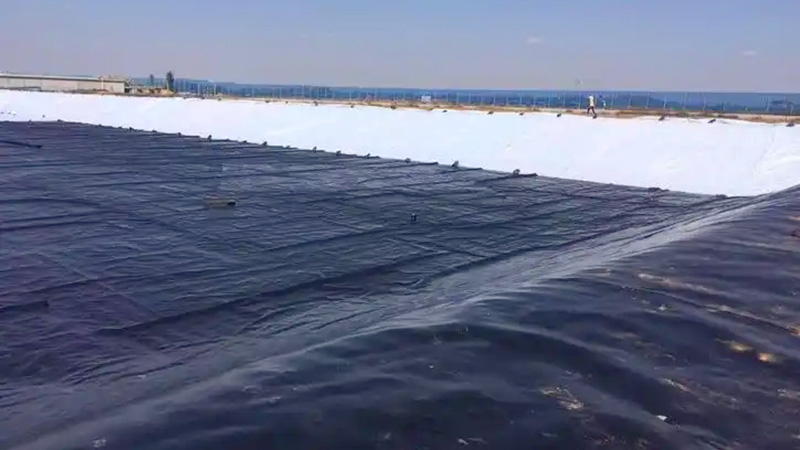
Geomembranes serve as an efficient anti-seepage barrier in modern water conservancy projects. Their low hydraulic conductivity, ease of installation, and cost-effectiveness make them a key component of hydraulic design, helping control water loss and stabilize surrounding soil structures.
In reservoir construction, geomembranes prevent leakage through complex geological formations at the reservoir bottom and surrounding rock faces, improving overall storage efficiency and structural stability. For levees and dikes, they provide a reliable barrier against seepage forces, helping protect downstream areas from flooding. In river and channel governance, geomembranes are used to address issues like channel leaks and slope instability, helping control water flow and protect local agricultural and urban infrastructure.
Essential answers to help guide your next geobag procurement and engineering project.
The appropriate fabric weight depends on the project's mechanical demands. Lightweight geobags (150–300 g/m²) are suitable for low-impact slope stabilization and minor riverbank protection. Heavy-duty geobags (400–800 g/m² and above) are recommended for coastal breakwaters, high-velocity channels, and projects where the bags are filled with abrasive gravel or subjected to direct wave action.
Without UV stabilizers, standard polypropylene or polyester geotextiles can degrade within 3 to 6 months of direct sun exposure. Our geobags are manufactured with added carbon black and chemical UV inhibitors, allowing them to retain over 70% of their tensile strength after 500 hours of continuous UV testing. This provides sufficient time for vegetation to cover the bags or for natural sediment to bury and protect them.
A geobag is only as strong as its weakest seam. During filling and installation, stress concentrates along the stitched edges. We address this by using high-strength, UV-treated polypropylene thread and a double-thread chain lock stitching pattern. This configuration maintains seam strength at over 80% of the parent geotextile's tensile capacity, reducing the risk of splitting during installation.
Yes, our polypropylene (PP) geobags are chemically inert and highly resistant to saltwater degradation, biodegradation, and marine organisms. They are commonly used in coastal applications, including reef construction, beach reclamation, and marine breakwaters.
Lead times depend on the order volume and specific requirements. Standard sizes are often in stock and ready for prompt dispatch. For custom sizes or specifications, our automated production lines allow us to complete manufacturing within 10 to 20 days. Shipments are coordinated through Qingdao Port to optimize international transit schedules.
A comprehensive range of engineering-grade geotextiles, geomembranes, and geocells designed for challenging ground conditions.
 Hongyue