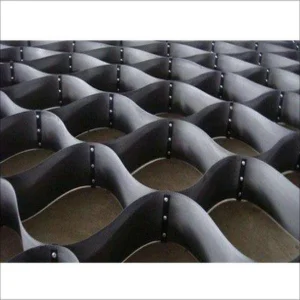
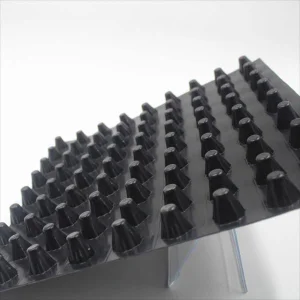
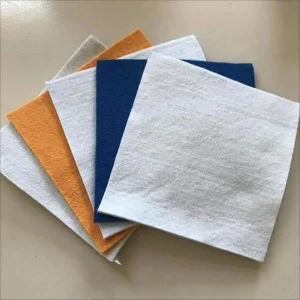
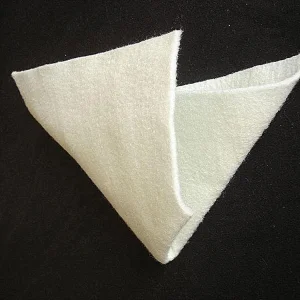
Select premium industrial materials designed for civil applications, drainage projects, and subgrade stabilization.
Modern civil infrastructure demands longevity, high load-bearing performance, and resilience against shifting subgrades. In driveway and roadway construction, Geotextile Fabric acts as the critical barrier that prevents subgrade migration, controls water infiltration, and stabilizes base aggregates. Without high-quality geotextile, local soil particles mix with the stone base, causing structural deterioration, localized rutting, and premature asphalt or concrete cracking.
As a leading global geo fabric manufacturer, Shandong Hongyue Environmental Engineering Co., Ltd. produces specialized non-woven and woven fabrics engineered for heavy vehicle stresses, expansive clay subgrades, and extreme temperature variations. By separating the granular base from the subgrade, our geo fabric preserves structural integrity, offering an average 300% extension in driveway service life.
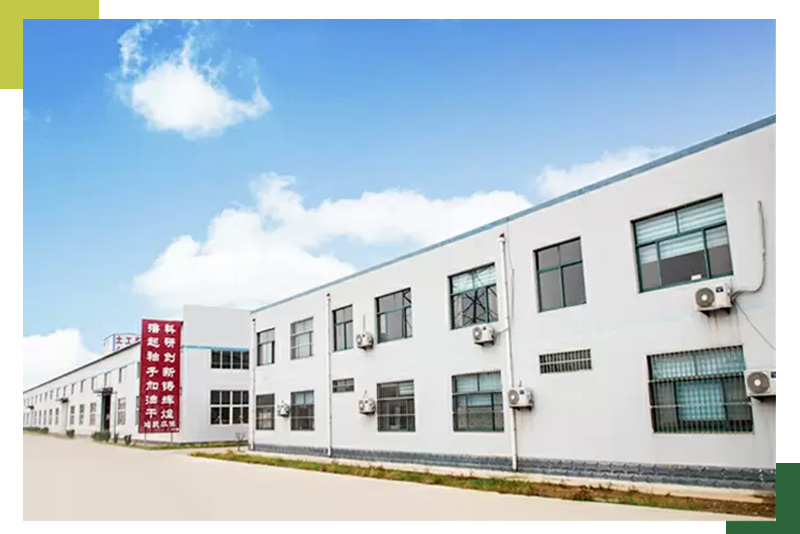
Key metrics outlining our production capabilities, certifications, and technical advantages.
Representing one of China's largest manufacturing bases with continuous infrastructure investment.
Full compliance with ISO9001:2015, ISO14001:2015, and ISO45001:2018 global standards.
Comprehensive logistics network serving projects in Europe, North America, Australia, and Asia.
Selecting the correct geosynthetic material is dependent on subsoil mechanics, hydrology, and target load profiles. Civil designs must distinguish between separation efficiency and filtration capacity.
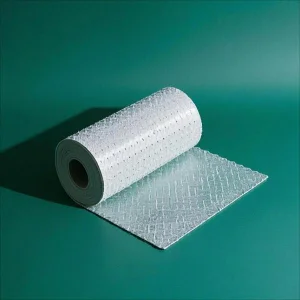
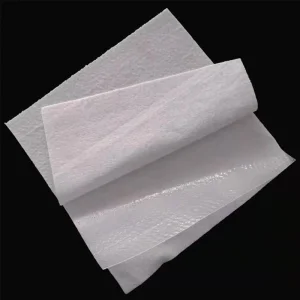
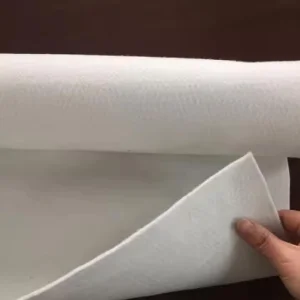
Manufactured through mechanical needle-punching of synthetic fibers, non-woven fabrics resemble a felt-like structure. Their multi-dimensional pore matrix permits high water permeability while blocking soil fines. For driveways situated in high-moisture environments, clay subgrades, or areas experiencing seasonal freeze-thaw cycles, non-woven options prevent water buildup beneath the pavement structure. Typical weight specifications range from 4 oz/yd² for residential applications to 8 oz/yd² for heavy commercial logistics bays.
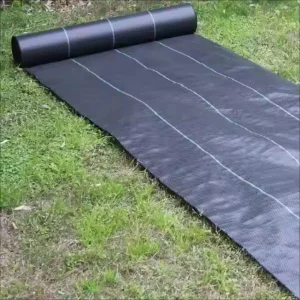
Woven geotextiles are manufactured by weaving flat polypropylene ribbons into structured orthogonal grids. They provide high tensile strength at low elongation. Woven options are the preferred choice for separation and reinforcement over soft, highly yielding soils with a low California Bearing Ratio (CBR < 3). Woven fabrics act as structural membranes, spreading heavy traffic loads and preventing structural rutting under gravel and paver driveways.
| Property | Non-Woven (Needle-Punched) | Woven (Slit-Film) |
|---|---|---|
| Primary Function | Filtration & Subsurface Drainage | Separation & Subgrade Stabilization |
| Tensile Strength | Moderate (100 - 250 lbs) | High (200 - 400+ lbs) |
| Water Flow Rate | High (90 - 150 GPM/SF) | Low (5 - 15 GPM/SF) |
| Elongation | High (> 50%) | Low (< 15%) |
| Best Applied For | French drains, clay, paved driveways | Gravel driveways, weak soils, road base |
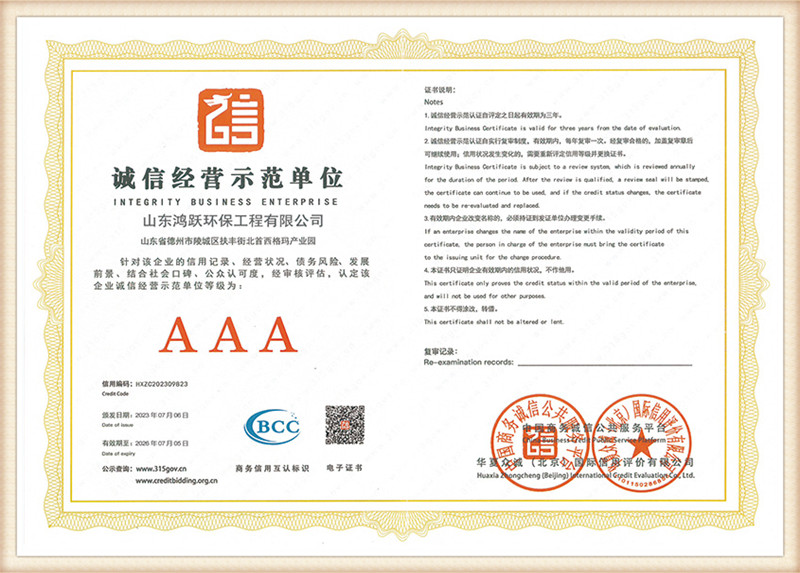
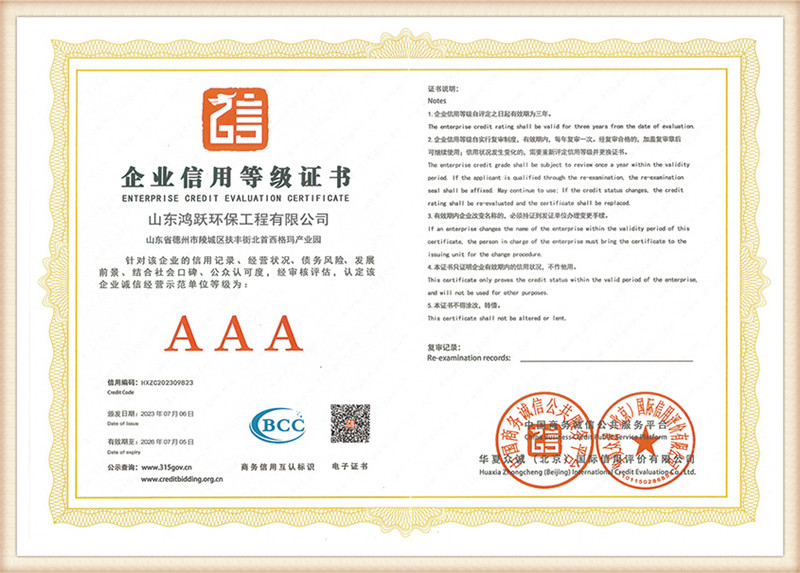
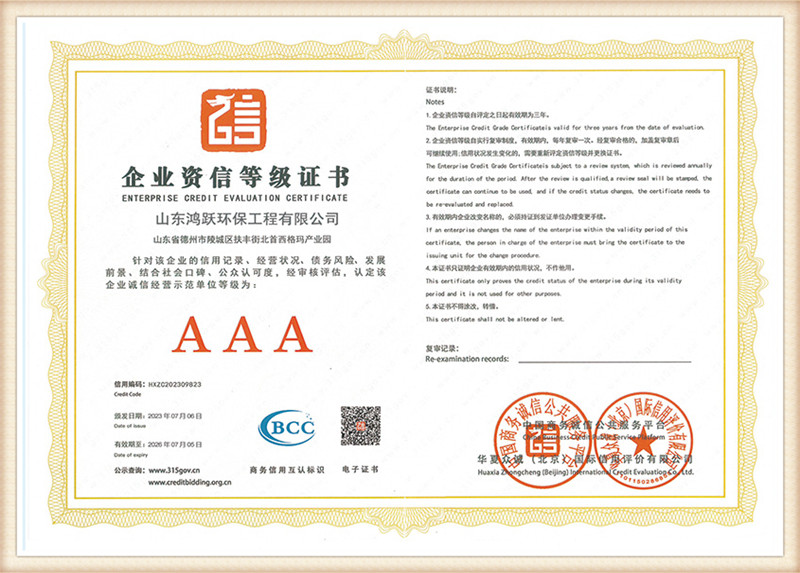
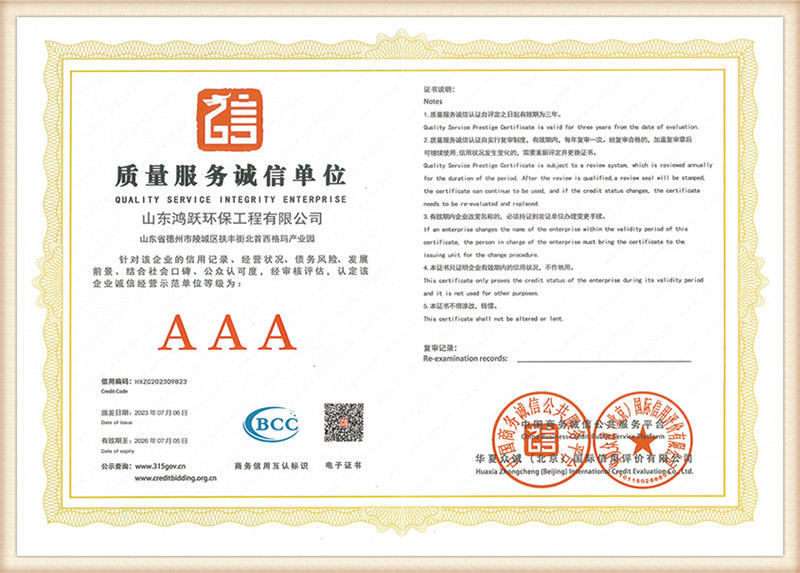
Shandong Hongyue Environmental Engineering Co., Ltd., located in the Lingcheng District of Dezhou City, operates at the heart of China's premier geotechnical cluster. Our facility utilizes advanced Factory 4.0 manufacturing methods. Our highly automated melt-extrusion, carding, cross-lapping, and needle-punching production lines are monitored by advanced PLC systems. This automation ensures structural uniformity, consistent roll dimensions, and stable polymer density.
We manage the entire production process from raw polymer chips to final wound and packaged geotextile rolls. In-house quality inspections test every production run for tensile strength, grab elongation, hydraulic permeability, and puncture resistance. This vertical integration allows us to optimize raw material usage, adapt production to custom client specifications, and ship orders within tight deadlines.
"By integrating raw material management with a strict quality control system, we supply geosynthetics that meet international ASTM and CE standards."
How our geotextiles and membranes are fabricated, monitored, and certified for critical civil works.
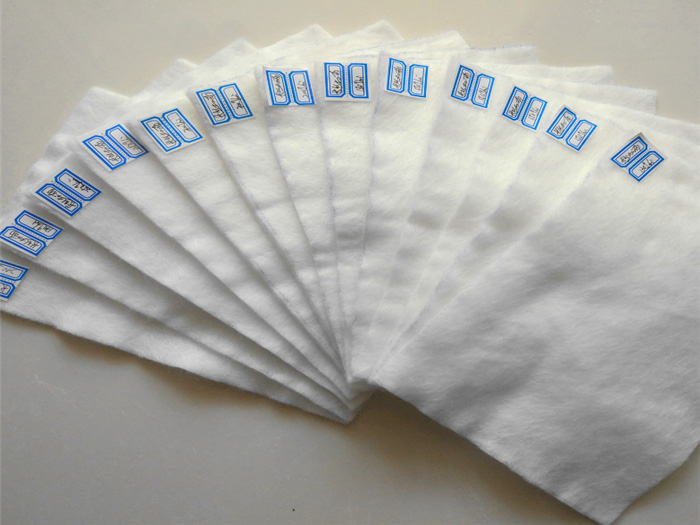
High-grade polypropylene (PP) or polyester (PET) chips are fed into screw extruders. Advanced thermal regulators maintain precise molten conditions, optimizing polymer crystallization and initial fiber toughness.
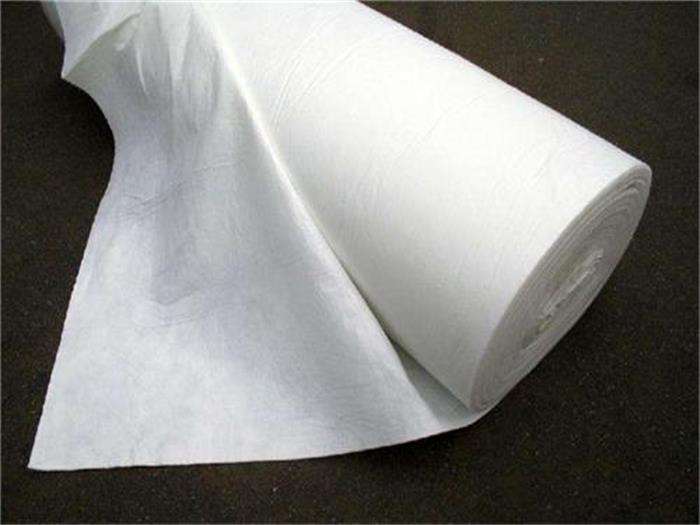
Extruded filaments are carded and cross-lapped to form uniform fiber batts. Thousands of specialized barbed needles mechanically entangle the fibers, creating a durable matrix with high tensile strength and clear drainage pores.
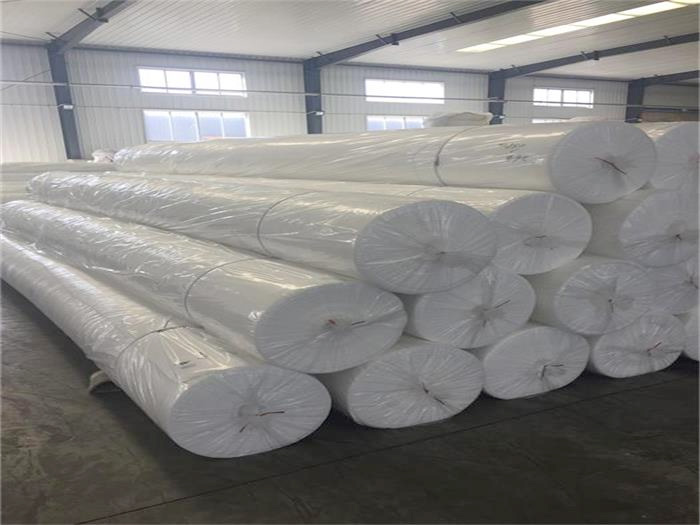
The fabric is draft-cured to lock in its physical properties. It is then wound, trimmed, and inspected for consistency. Rolls are checked for thickness, tensile capacity, and grab strength prior to shipment.
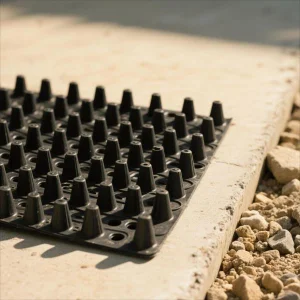
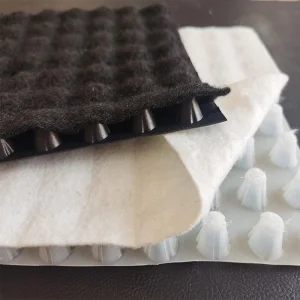
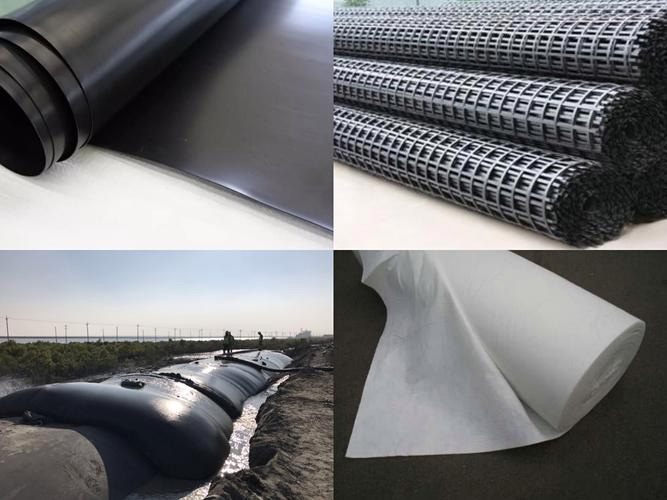
Beyond separation geotextiles, Shandong Hongyue produces specialized geomembranes (HDPE & LLDPE), drainage networks, and composite drainage boards. These components form integrated barrier systems that protect civil foundations from water damage. For commercial roads, runways, and retaining structures, managing moisture flow is as critical as supporting structural loads.
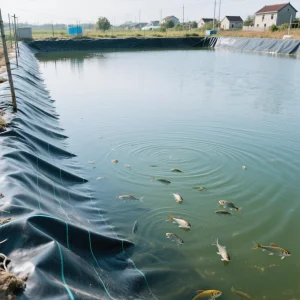
Our geomembranes are formulated with high-density resins and carbon black additives, providing resistance to UV degradation, chemical exposure, and mechanical punctures. Whether designing an agricultural containment pond, a municipal landfill barrier, or a sub-grade moisture control system, our technical team works with contractors to specify the ideal material thickness (ranging from 0.3mm to 2.0mm) and installation pattern.
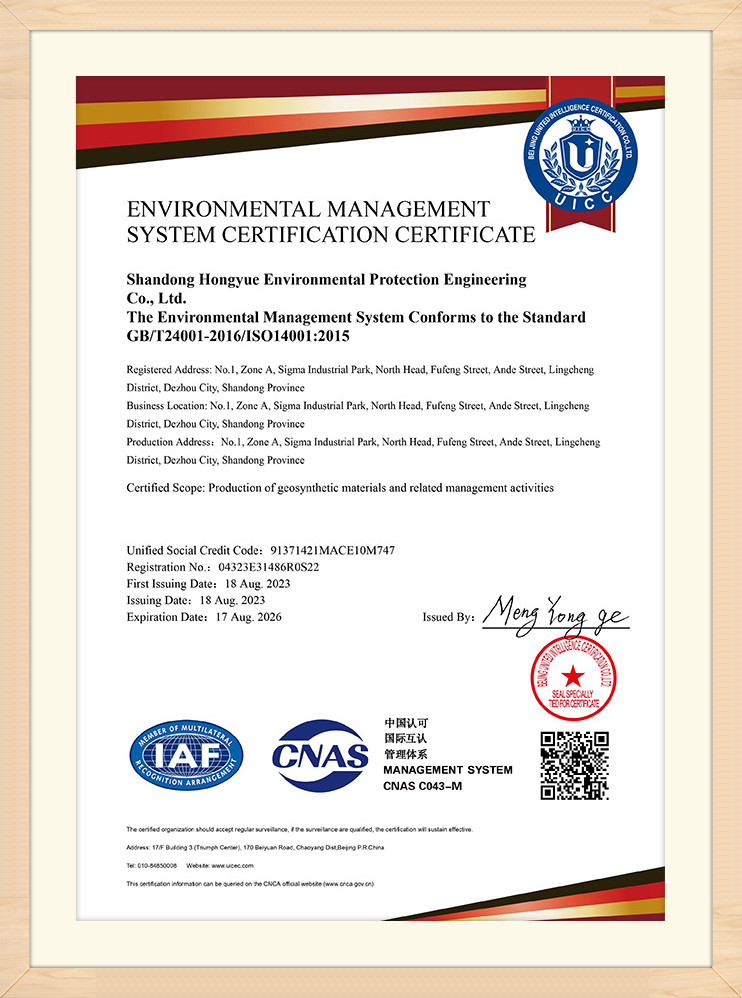
Quality is the core of our business model. Shandong Hongyue has passed ISO9001, ISO14000, and ISO45001 international system certifications. Our products are tested by independent laboratories, ensuring compliance with both national Chinese standards and global criteria (ASTM, EN, CE). This dedication guarantees consistent performance in demanding applications, including high-speed rail lines, municipal wastewater systems, and subgrade highway stabilization.
See how our geotextiles, geogrids, and geomembranes are deployed to address challenging environmental and soil conditions.
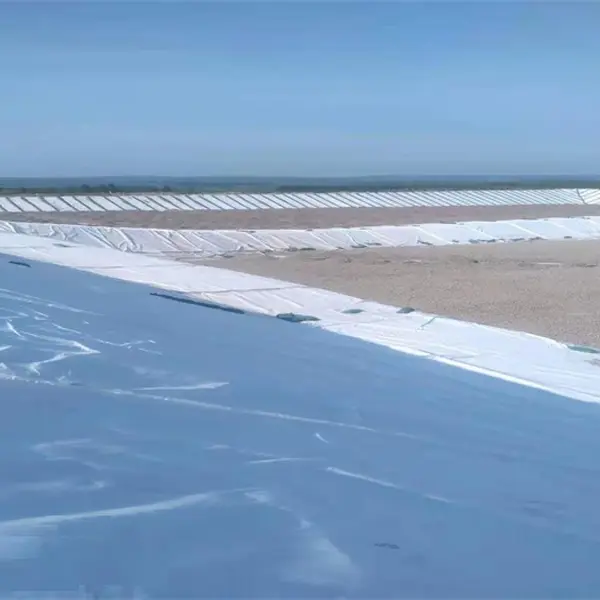
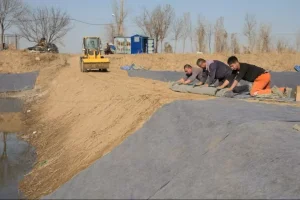
Deploying high-performance geomembranes along riverbeds, reservoirs, and canals. This prevents water loss through subsoil seepage and stabilizes structural slopes.
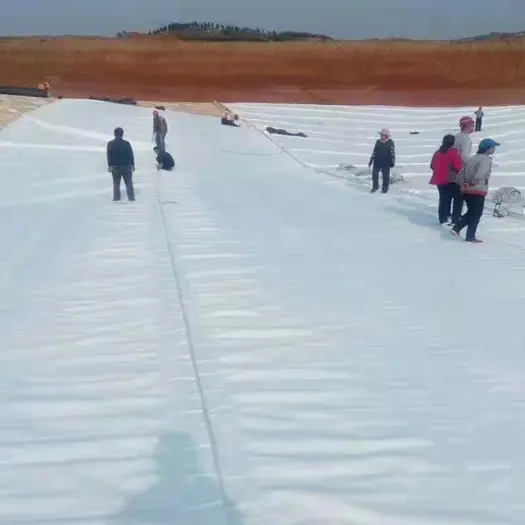
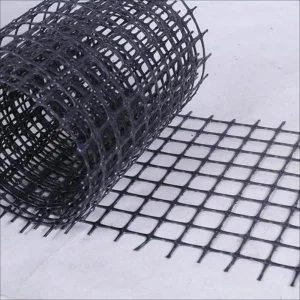
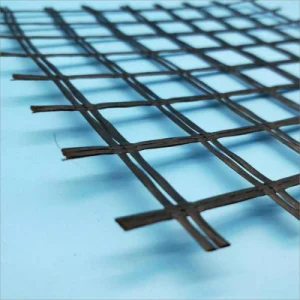
Reinforcing shorelines and high-flow channels with composite geomembranes and geogrids. This protects against erosion, controls sediment runoff, and secures surrounding soils.
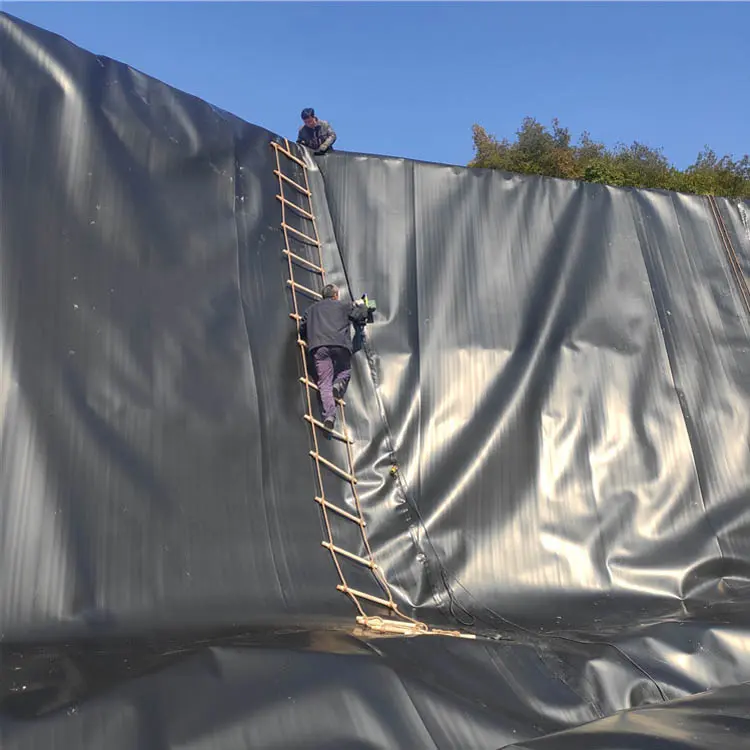
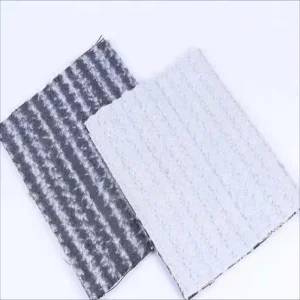
Deploying heavy-duty geomembrane liners and bentonite clay blankets. This seals municipal waste, protects groundwater sources, and prevents leachate leaks.
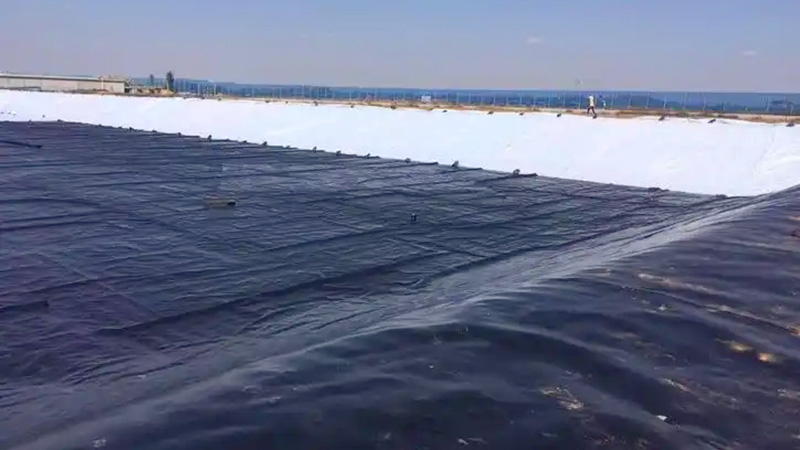
Uncontrolled groundwater and surface runoff can wash out base aggregates, causing localized pavement collapse and structural failure. The case below shows our geo fabric functioning in a slope protection system. By separating fine soils from the dynamic flow of water, the geotextile maintains aggregate cohesion without blocking lateral drainage.
During severe rain events or rising water tables, groundwater flows through the high-permeability non-woven fabric. This prevents buildup of hydrostatic pressure behind slope structures while keeping fine silt within the subgrade. This stabilization keeps the driveway or roadway foundation secure.
Technical answers to common geotechnical questions on selection, installation, and performance criteria.
Browse our range of reinforcement grids, barrier geomembranes, and specialized stabilization fabrics.
 Hongyue