Explore our selection of top-tier geotechnical fabrics, geomembranes, and geocells designed for extreme environmental engineering challenges.
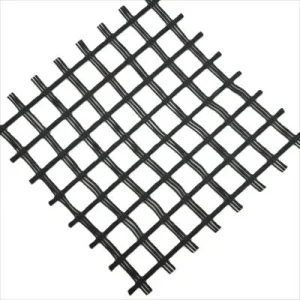
In modern civil and municipal engineering, structural integrity is paramount. Segmental Retaining Walls (SRW) have emerged as the standard for soil containment, slope mitigation, and land reclamation projects worldwide. However, the stability of an SRW is fundamentally restricted by the shear strength of the backfilled material. To overcome these inherent structural limitations, civil designs utilize high-tensile SRW geogrids.
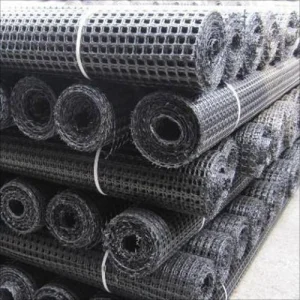
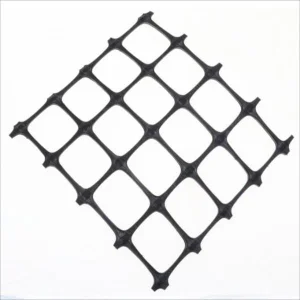
An SRW geogrid acts as a tension-resistant membrane embedded within the backfill layers. By mobilizing frictional resistance and passive soil bearing against the grid transverse bars, geogrids redistribute lateral stresses. This mechanical interlocking process transforms loose backfill into a coherent composite gravity structure, capable of resisting overturning, sliding, and internal shear failure.
Understanding the mechanical dynamics of geogrids is essential for engineers and procurement specialists. When comparing famous geogrid suppliers, decisions must look beyond pricing to analyze long-term design strength, creep behavior, chemical degradation resistance, and installation damage parameters. This technical guide outlines the factors governing SRW geogrid procurement, specifications, and manufacturing.
Unraveling the polymer structures, aperture dynamics, and reinforcement mechanics that dictate long-term soil performance under load.
The core polymer (polyethylene or polyester) determines the geogrid resistance to permanent deformation under constant load. High molecular weight polymers prevent molecular chain slippage, reducing creep deformation across a 100-year design life.
Apertures must transfer stress smoothly between the soil and the grid longitudinal ribs. The strength of the junction point (welded, knitted, or extruded) ensures that lateral force is distributed uniformly without tearing the material structure.
During backfilling and mechanical compaction, aggregate particles exert substantial abrasive stress on the grid. A premium geogrid features thick polymer coating or high rib stiffness to resist punctures and shear deformation.
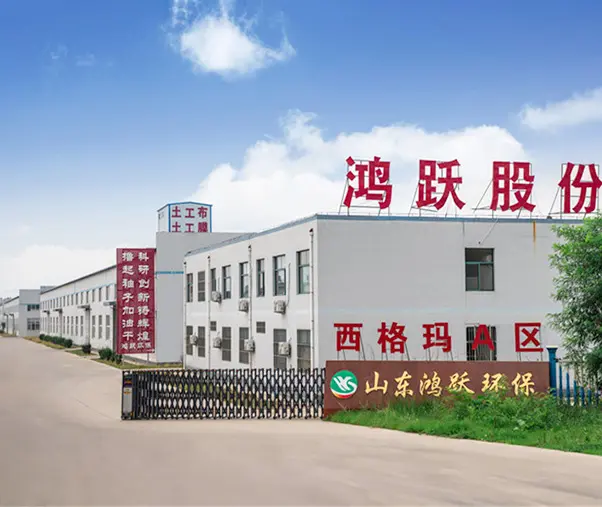
Established on April 6, 2023, with a registered capital of 105 million Yuan, Shandong Hongyue Environmental Engineering Co., Ltd. has developed rapidly to become one of the largest and most advanced geotechnical material production bases in China. Strategically situated at the north end of Fufeng Street, Lingcheng District, Dezhou City, Shandong Province, the company benefits from a superior geographical location and highly convenient transport logistics.
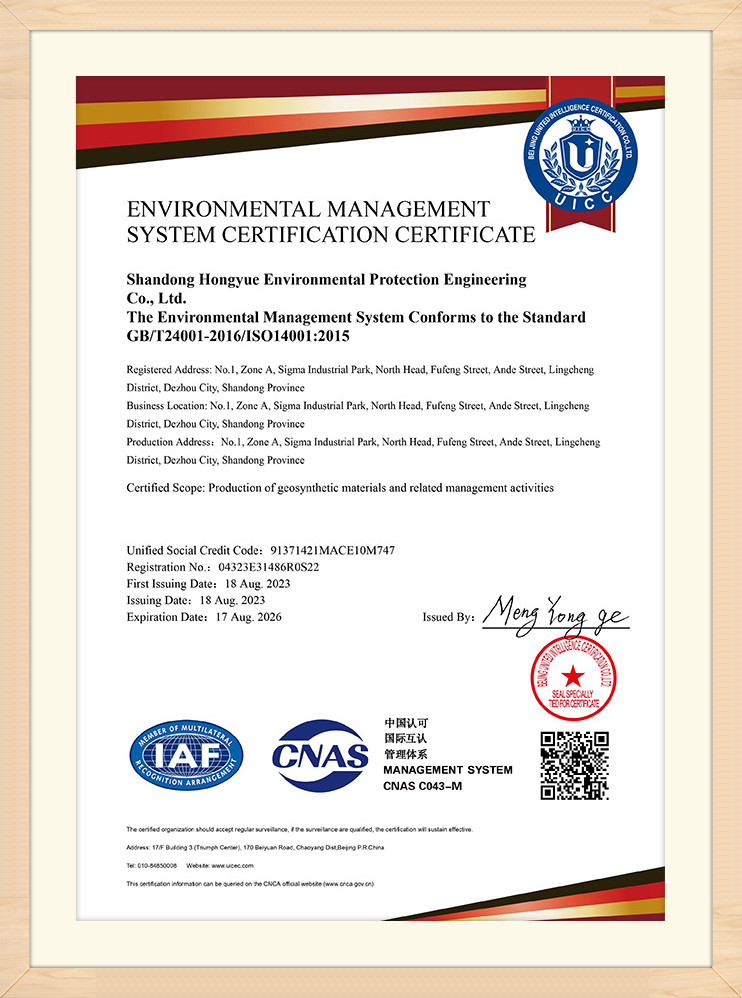
Shandong Hongyue is a scientific and technological geotechnical material manufacturer integrating engineering material production, sales, design, and professional construction services. The company has passed ISO9001 international quality system certification, ISO14000 environmental system certification, and ISO45001 occupational health and safety management system certification. Over years of development, we have accumulated rich experience in engineering design, product development, and difficult anti-seepage projects.
Our company belongs to the Dezhou Geotextile Association. We have established comprehensive sales networks and partner agencies in more than 40 large and medium-sized cities across China (such as Shanghai and Beijing), and our products are exported to multiple countries in Europe, the United States, and Australia.
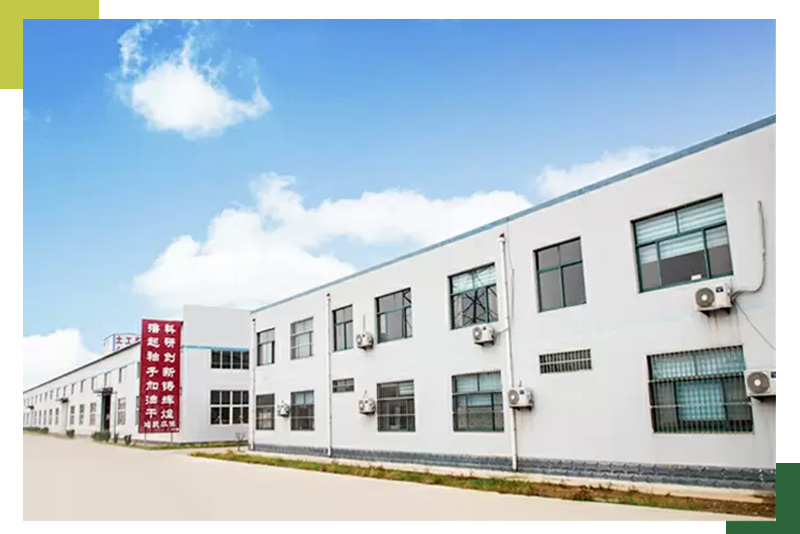
Why modern global construction projects increasingly source high-grade geogrids directly from integrated Dezhou manufacturing clusters.
The Dezhou region in Shandong Province is the epicenter of the global geosynthetics manufacturing industry. Direct factory sourcing from Shandong Hongyue provides procurement managers with several distinct advantages:
With registered capital of 105 million yuan, our factory houses state-of-the-art production lines operating continuously. This scale dramatically reduces per-unit processing cost, allowing us to pass savings onto global customers.
From petrochemical raw materials to extrusion, knitting, coating, quality monitoring, and loading, the entire value chain is clustered inside Dezhou. This limits raw material logistics delays and protects supply lines from global shocks.
Our products undergo complete verification at national testing centers. Equipped with precision internal inspection facilities, we guarantee that shipped materials match or exceed international ASTM, CE, and ISO specifications.
Understanding cost structures, material specifications, and the pricing drivers that dictate project budgets for global civil engineering.
Geogrid pricing is fundamentally driven by raw material composition (virgin polyester vs. recycled PET vs. polypropylene), tensile rating (measured in kN/m), roll size configuration, and compliance certifications. Large-scale municipal projects require structured volume discounts. The following benchmark pricing matrix illustrates the typical pricing structure for premium-grade geogrid variants shipped globally from our Dezhou manufacturing facility:
| Geogrid Type | Material Core | Tensile Strength (MD/CMD) | Roll Size (W x L) | Benchmark Price (FOB) | Key Certifications |
|---|---|---|---|---|---|
| Uniaxial Geogrid | High Density Polyethylene (HDPE) | 50 to 120 kN/m | 1.0m to 2.5m x 50m | $0.65 - $1.85 / sqm | CE, ISO9001, GBT Standard |
| Biaxial Geogrid | Polypropylene (PP) | 20/20 to 50/50 kN/m | 3.95m x 50m / 100m | $0.48 - $1.25 / sqm | CE, ISO9001, ISO14000 |
| Fiberglass Geogrid | Glass Fiber with Bitumen Coating | 50/50 to 100/100 kN/m | 4.0m to 6.0m x 100m | $0.55 - $1.40 / sqm | CE, ISO9001, ASTM-D |
| Steel-Plastic Geogrid | Steel Wire Encased in PE | 30/30 to 150/150 kN/m | 4.0m x 50m / 100m | $1.10 - $2.95 / sqm | ISO9001, National Project Approved |
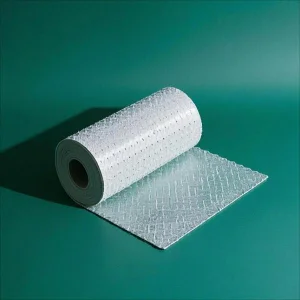
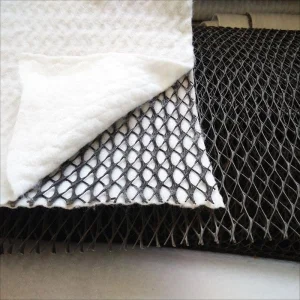
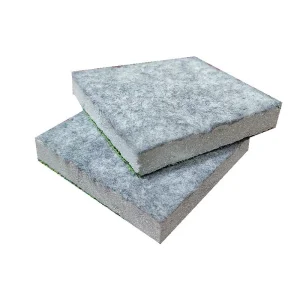
| Composite Geogrid | Geogrid + Non-woven Geotextile | 30/30 to 80/80 kN/m | 3.95m x 50m | $0.95 - $2.20 / sqm | ISO45001, CE, ASTM Standard |
Note: The pricing indicated above is a representative FOB Dezhou factory pricing range. The actual final quote depends on custom parameters, volume commitments, and current polymer market index changes. For customized pricing models based on specific retaining wall heights or highway base configurations, please contact our technical consulting team.
A step-by-step overview of how Shandong Hongyue produces premium civil engineering materials with high strength and durability.
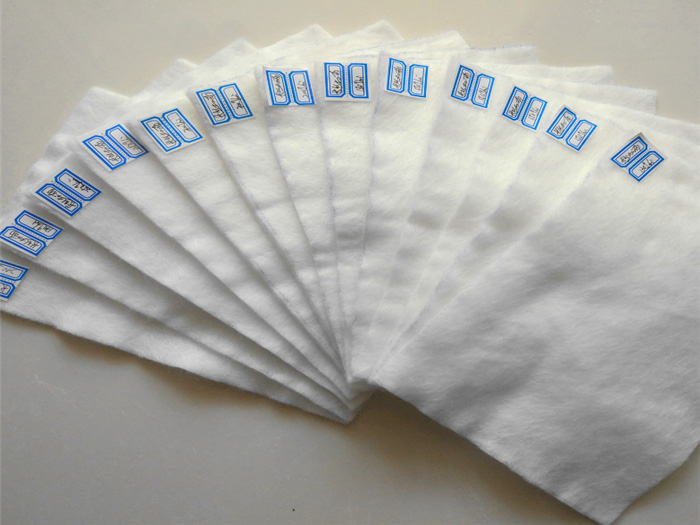
Geotextiles and geogrids are widely used in modern civil engineering for filtration, isolation, reinforcement, and protection. Their manufacturing process requires rigorous control over temperatures, pressures, and draw ratios to ensure uniform physical properties. Shandong Hongyue integrates advanced melt extrusion, rolling, and drawing technologies to ensure that all parameters meet international civil engineering demands.
By utilizing high-quality polyester chips, polypropylene filament, and viscose fibers, our production lines achieve exceptional roll uniformity and molecular alignment. This structural optimization ensures that the finished geogrid maintains its reinforcing capabilities even when buried under thousands of tons of aggregate backfill.
Polyester chips, polypropylene filament, and viscose fibers are inspected and stored. Testing is performed to confirm purity and moisture content before feeding into the extrusion lines.
Polyester slices are melted at high temperatures and extruded into a molten state using screw extruders. Polypropylene filament is integrated to form a stable polymeric blend.
The molten mixture is sprayed through precise spinnerets to form a fibrous web on conveyor belts, creating a uniform net structure. Thickness and fiber orientation are tightly controlled.
The laid net is passed through heated rollers for draft curing. Stretching ratios and thermal parameters are monitored to align the polymer chains for maximum tensile resistance.
The cured geotextiles or geogrids are cut, rolled, and packed. Total length, width, and thickness are logged to confirm alignment with engineering blueprints.
Samples from each roll undergo testing at our quality control lab, including physical properties, chemical aging, and puncture tests to ensure 100% compliance before shipment.
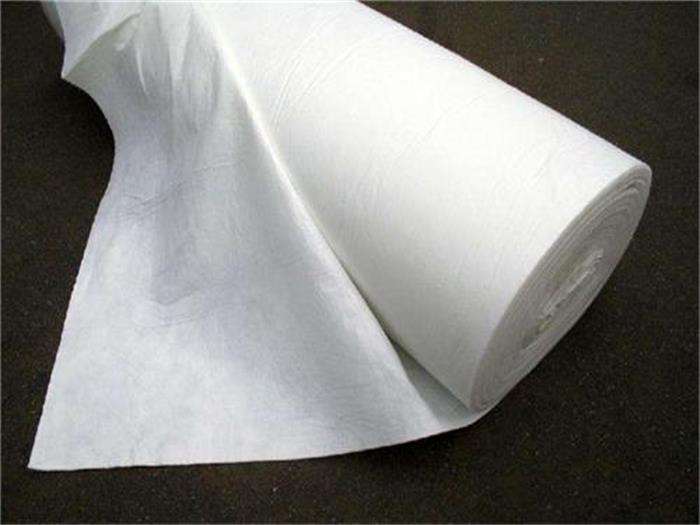
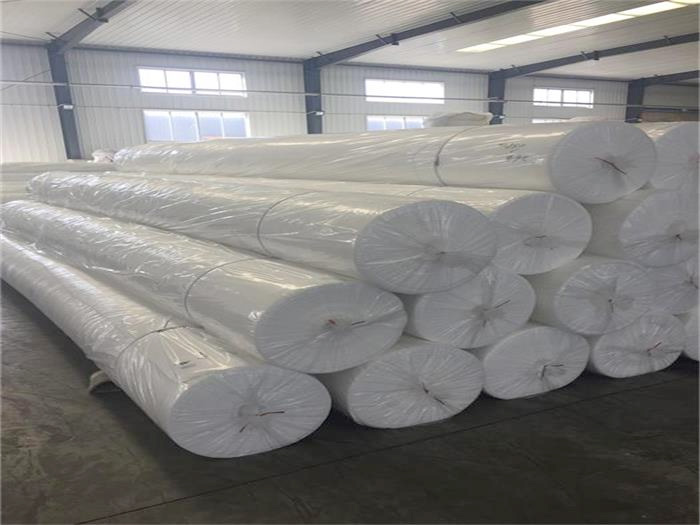
A technical guide on geomembrane selection, deployment, and seam welding for effective environmental containment.
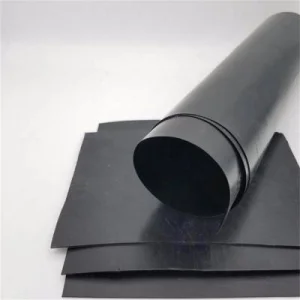
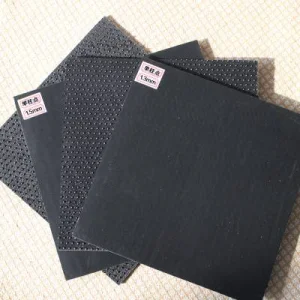
Selecting the appropriate geomembrane is critical to ensuring the longevity of hydraulic and environmental containment barriers. Options include High-Density Polyethylene (HDPE) for high chemical resistance, and Linear Low-Density Polyethylene (LLDPE) for enhanced flexibility and elongation. Typical application thicknesses range from 0.3mm for basic lining up to 2.0mm for waste containment facilities.
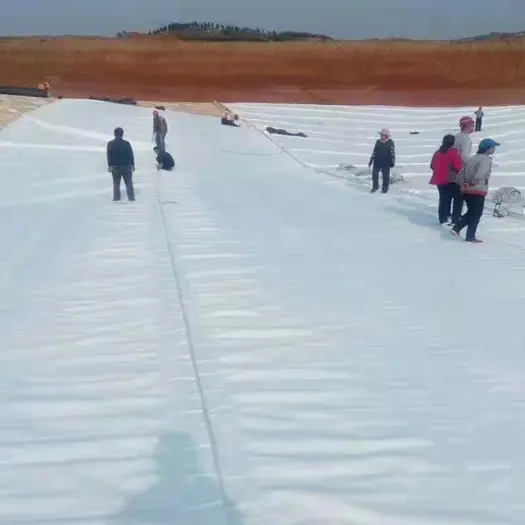
Prior to deployment, the subgrade must be leveled and compacted, with all sharp rocks, roots, and debris removed to prevent puncture damage. The geomembrane panels should be unrolled carefully, allowing for thermal contraction and expansion (typically 2% to 5% slack).
Adjacent panels are joined using hot-wedge or extrusion welding. Destructive and non-destructive testing (such as air-channel pressure testing or spark testing) must be performed on all welded seams to verify leak resistance.
How geomembranes act as impermeable barriers in reservoirs, canals, waste landfills, and secondary containment areas.
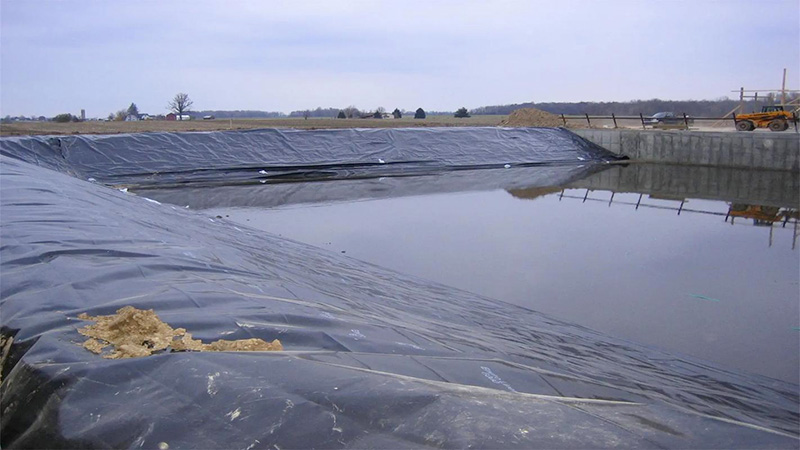
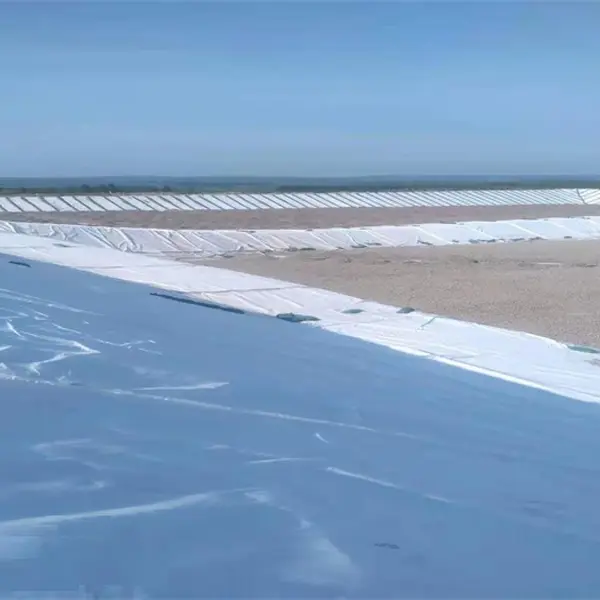
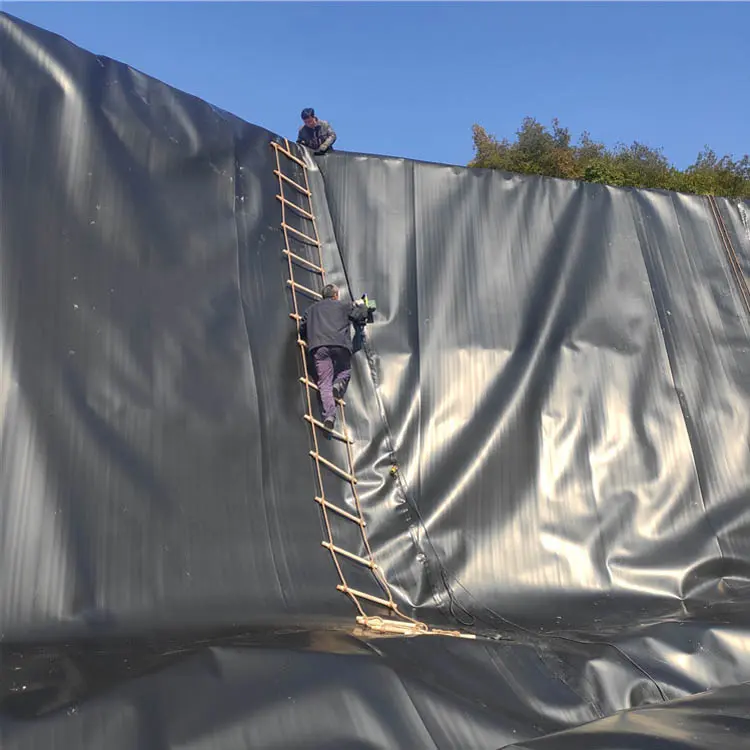
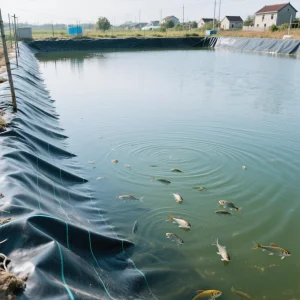
Because reservoirs are typically constructed in complex geological valleys, geological fissures can lead to severe water loss. Deploying a continuous HDPE geomembrane barrier seals the reservoir bed, preventing downward seepage and securing stored water volumes.
Uncontrolled seepage through water levees can cause internal erosion and piping failures. Integrating a geomembrane barrier within the embankment design cuts off transverse seepage path lines, stabilizing the levee structure during high-water periods.
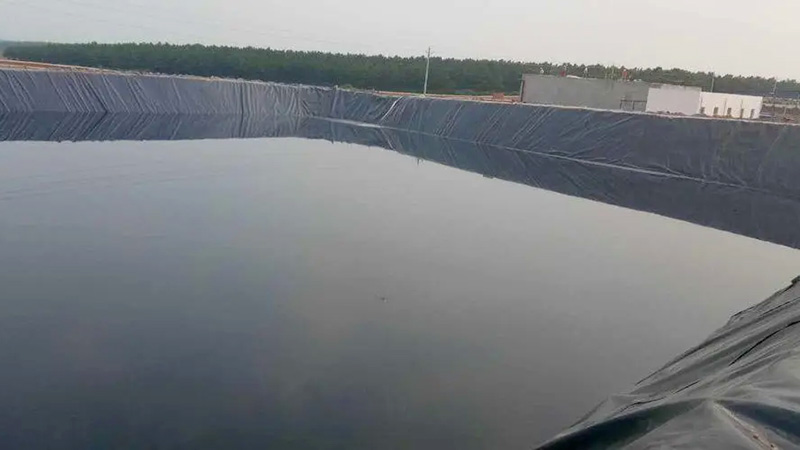
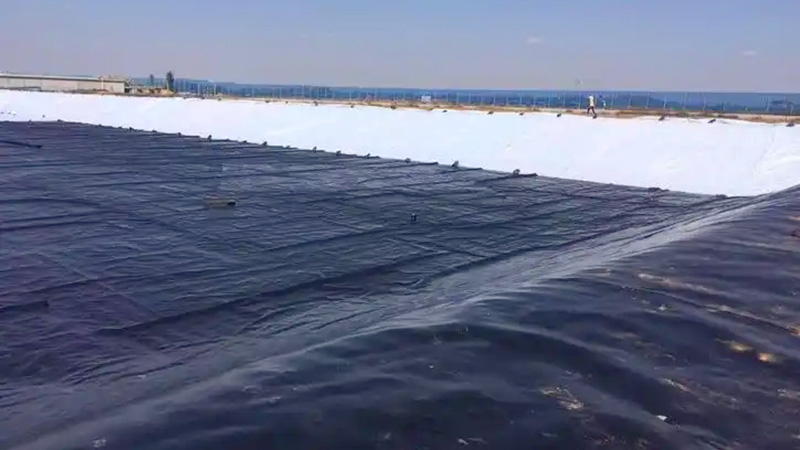
In urban watercourse restorations, geomembranes prevent contamination transfer between urban soils and clean running channels. This lining keeps watercourses clean, protects adjacent properties from rising water tables, and controls erosion.
Shandong Hongyue maintains a state-of-the-art testing facility to verify polymer purity, density, shear resistance, and structural strength.
Shandong Hongyue Environmental Engineering Co., Ltd. operates in compliance with ISO9001, ISO14000, and ISO45001 global quality, environmental, and occupational health systems. Every production run undergoes verification testing, measuring critical properties like raw material density, carbon black dispersion, wide-width tensile properties, and multi-axial creep.
Our facility coordinates testing through national inspection labs to verify compliance with international regulations. These verification procedures guarantee that our products deliver consistent, reliable performance for key civil works.
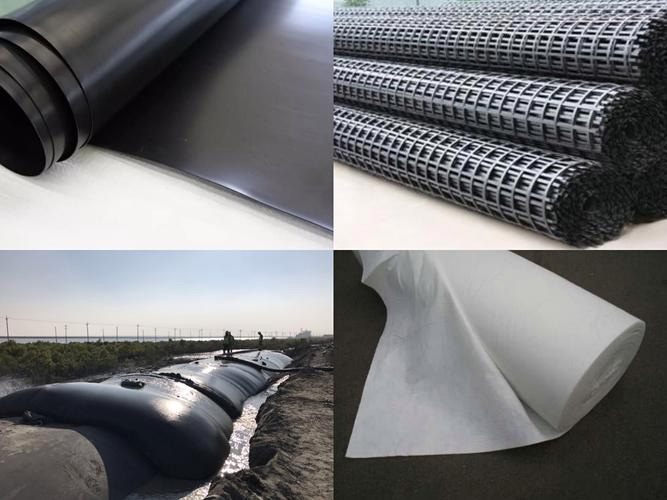
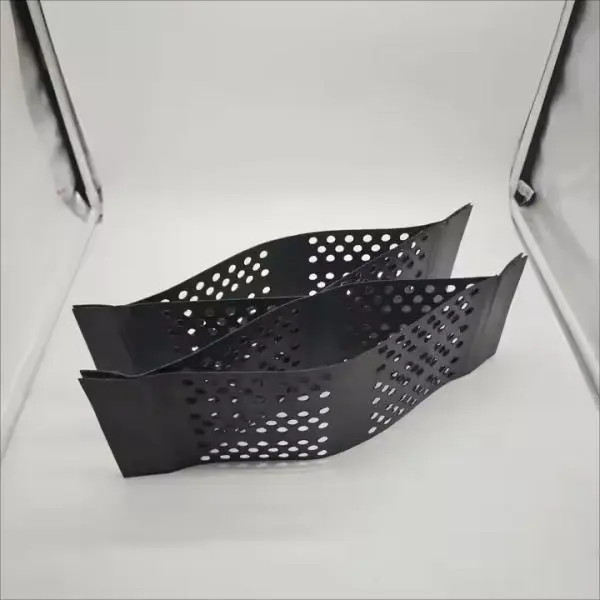
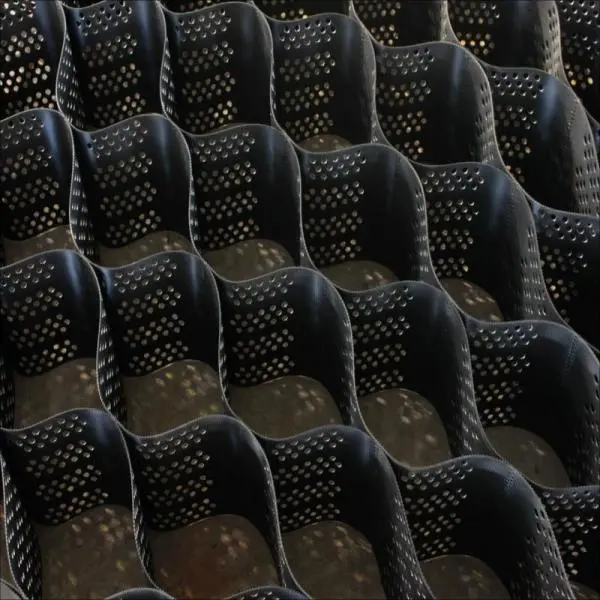
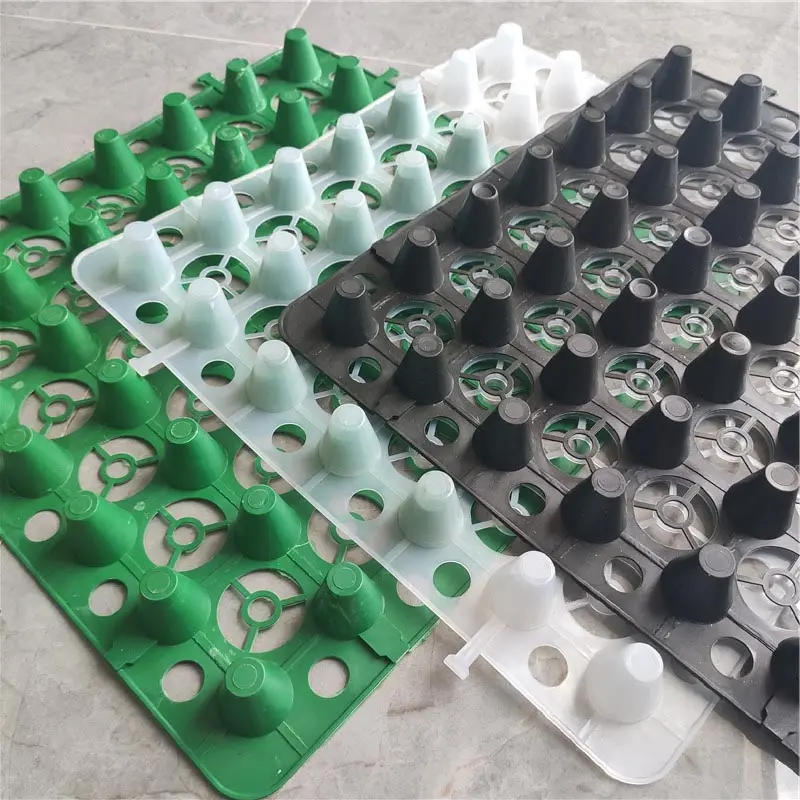
A portfolio of high-grade geogrids, geomembranes, and geocells manufactured under strict ISO guidelines.
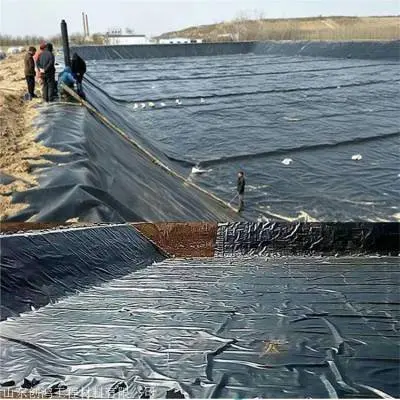
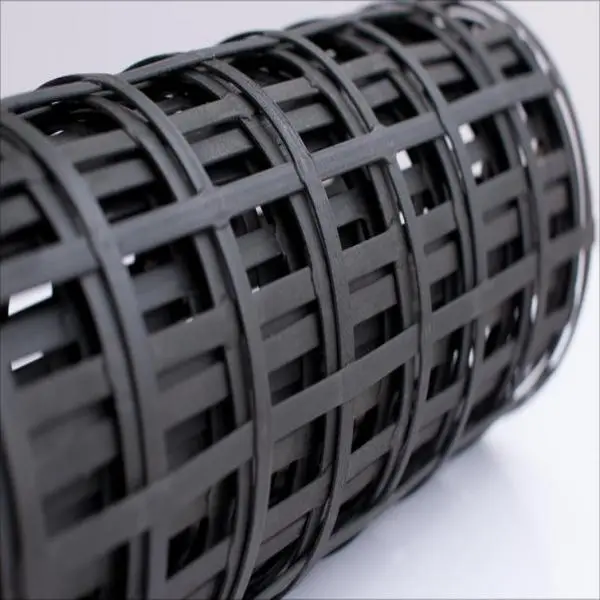
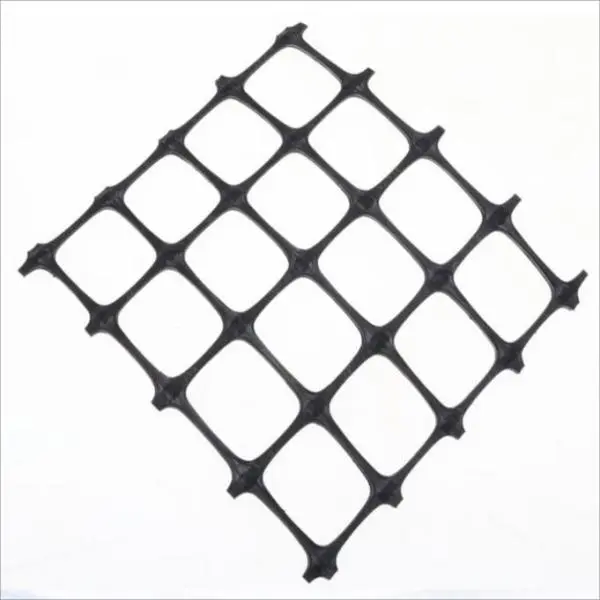
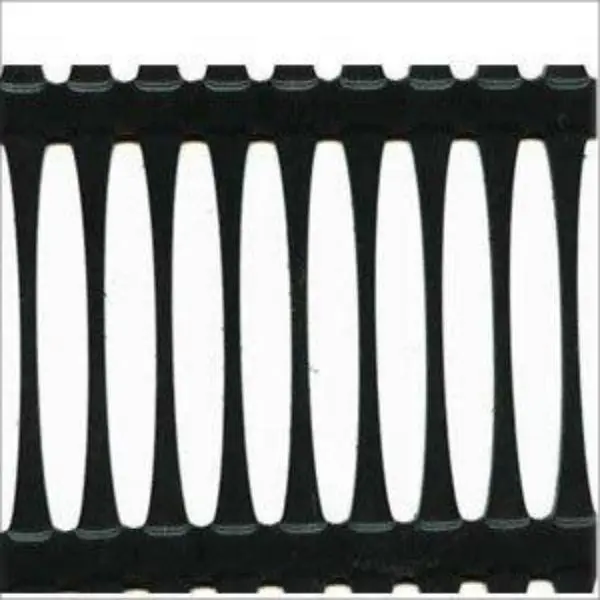
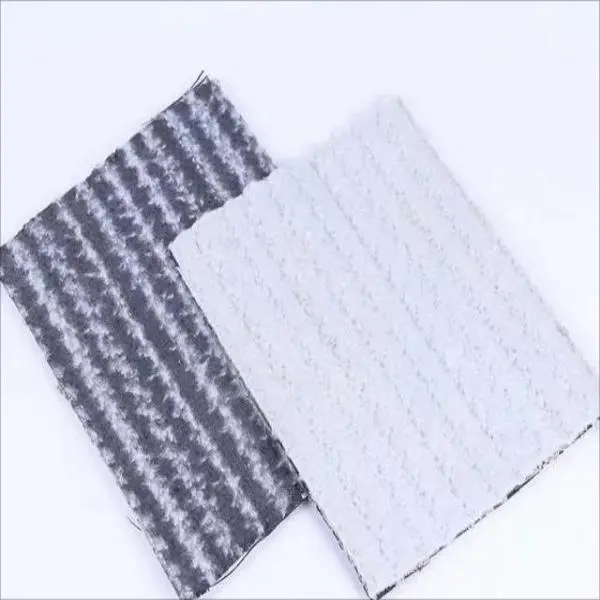
Understanding how geogrids and geomembranes are implemented across critical infrastructure projects.
Deployed in reservoirs, canal banks, and dams to prevent loss of volume. Our geomembranes prevent subgrade soil erosion, ensuring long-term bank stability.
Applied in river channelizations and ecological bank stabilizations. Our composite geotextiles prevent soil loss while maintaining hydraulic balance.
HDPE geomembranes serve as leachate barrier layers in waste disposal units, protecting regional groundwater tables from contamination.
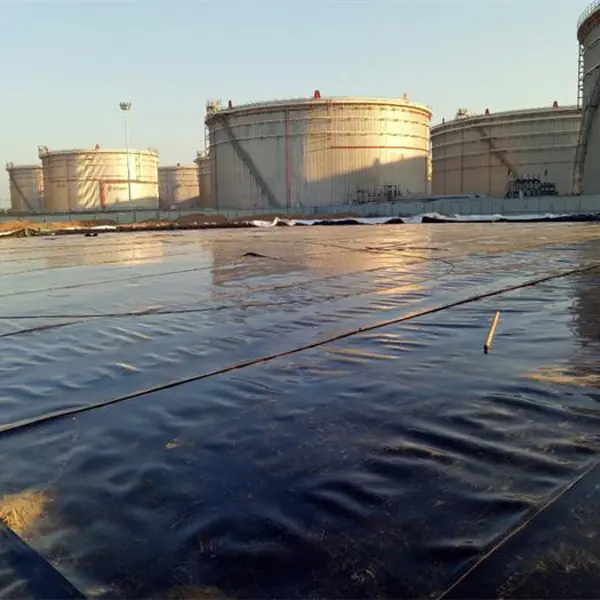
Applied as an impermeable lining system beneath petrochemical storage tanks. Engineered to resist chemical attack, preventing environmental contamination in the event of an accidental spill.
Answering common questions on geogrid selection, pricing variables, installation methods, and quality standards.
Verify our complete array of subgrade reinforcement geogrids, drainage networks, and specialized environmental liners.
 Hongyue