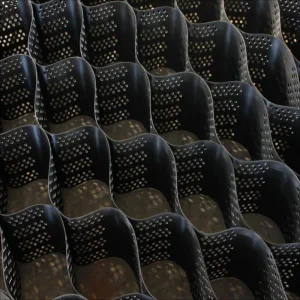
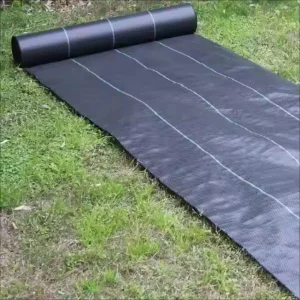
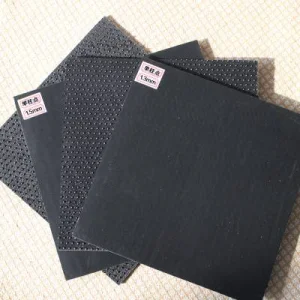
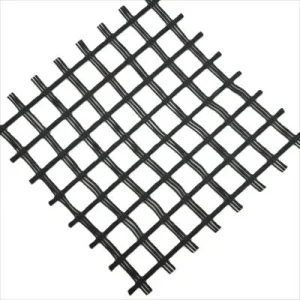
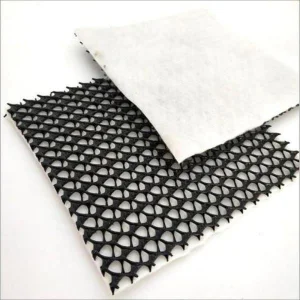
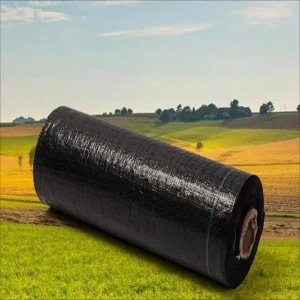
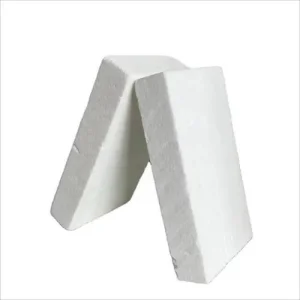
In the landscape of modern civil engineering, environmental protection, and infrastructure stability, the deployment of Geo Tech Fabric (Geosynthetics) has transitioned from an optional enhancement to a structural absolute. The selection of materials such as high-density polyethylene (HDPE) geomembranes, filament geotextiles, and composite geocells directly impacts the design life-cycle and performance of containment dams, municipal landfills, and transportation corridors.
As Karl von Terzaghi, the father of modern soil mechanics, famously emphasized the critical behavior of pore water pressure and lateral soil confinement, today's geotechnical engineers translate these principles into modern polymer systems. Industry experts agree: "The performance of a civil infrastructure is only as reliable as the separation and containment layers that shield it from hydro-geological stresses." This technical white paper examines the engineering characteristics, supply chain frameworks, and global implementation benchmarks of modern geosynthetics.
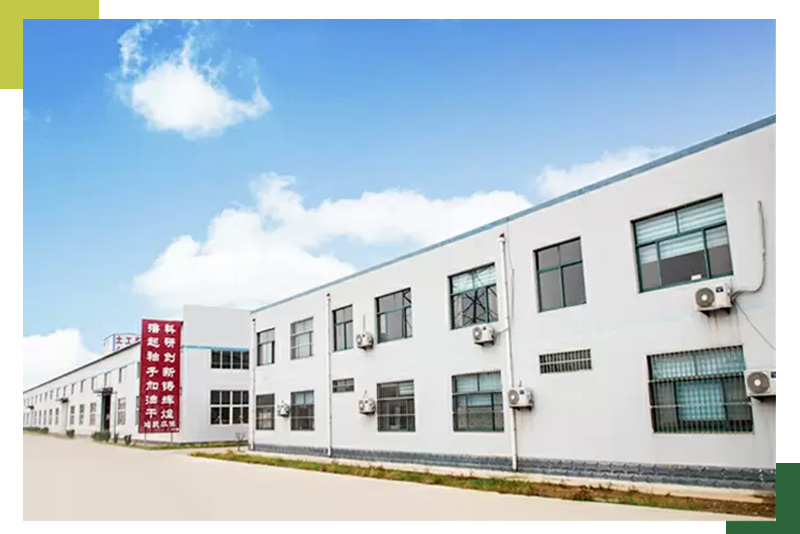
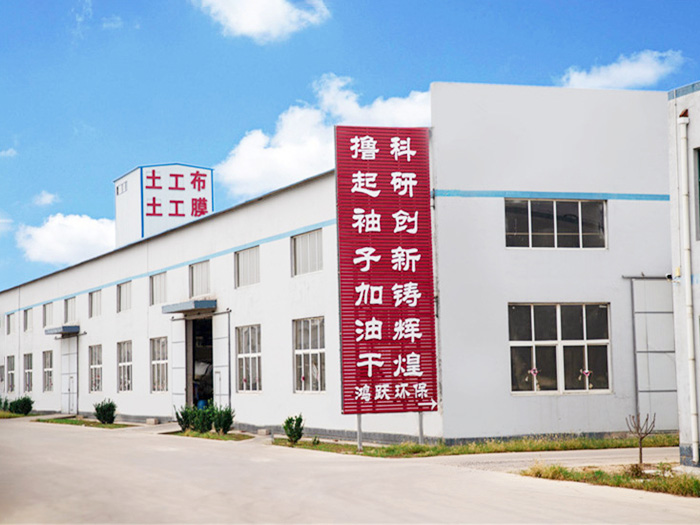
Established on April 6, 2023, and registered with the Market Supervision and Administration Bureau of Dezhou City, Shandong Hongyue Environmental Engineering Co., Ltd. represents a major production hub for modern geotechnical materials in China. Nestled in the north end of Fufeng Street, Lingcheng District, Dezhou, Shandong Province, the company combines raw material processing, composite engineering design, and professional construction services under a unified umbrella.
Boasting a registered capital of 105 million yuan, Shandong Hongyue manages modern, precision-engineered fabrication lines. The facility’s geographic location ensures seamless multi-modal transportation links, enabling rapid freight dispatch to major ports and domestic construction grids alike.
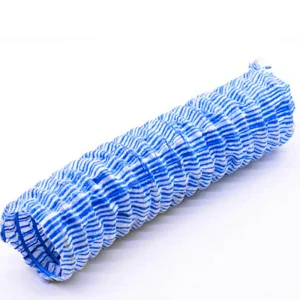
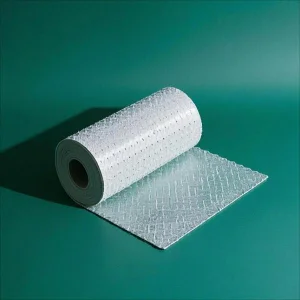
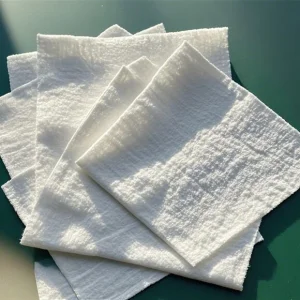
The firm’s scope extends across four fundamental material systems: impermeability, environmental protection, protection/stabilization, and high-performance water stop networks. From high-grade composite geomembranes to spring-type soft permeable pipes and three-dimensional drainage networks, the company is built to address multifaceted engineering demands.
Unlocking high-performance thresholds in the field requires tight controls over polymer alignment and material thickness. Below is an outline of the technical methodologies employed during manufacturing and deployment.
Polyester (PET) chips, polypropylene (PP) filament, and specialized viscose fibers undergo strict chemical tests. Checking material purity prevents structural weak points during melting.
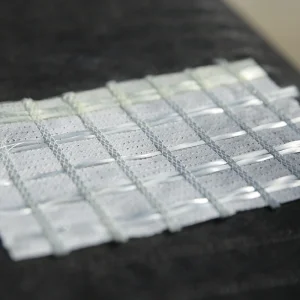
Polyester slice melting occurs inside screw extruders under stable heat settings. Mixing in PP filaments improves the material's overall physical strength.
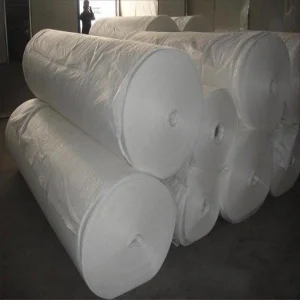
Spinning nozzles disperse the molten polymer into thin filaments. The network is then cooled and compressed on conveyor belts to set its thickness.
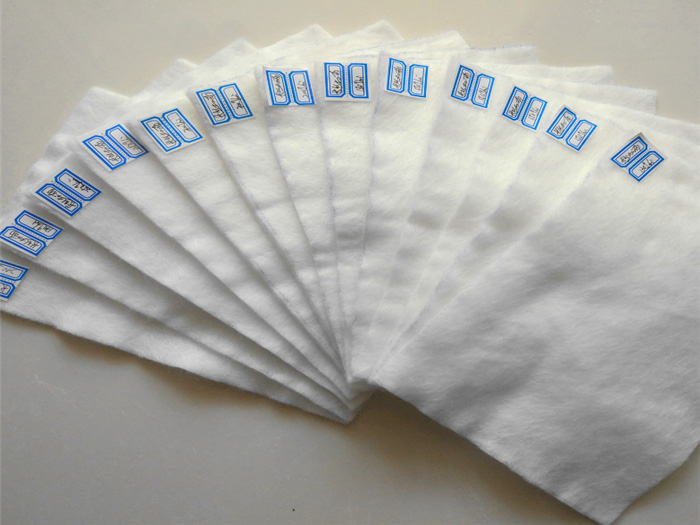
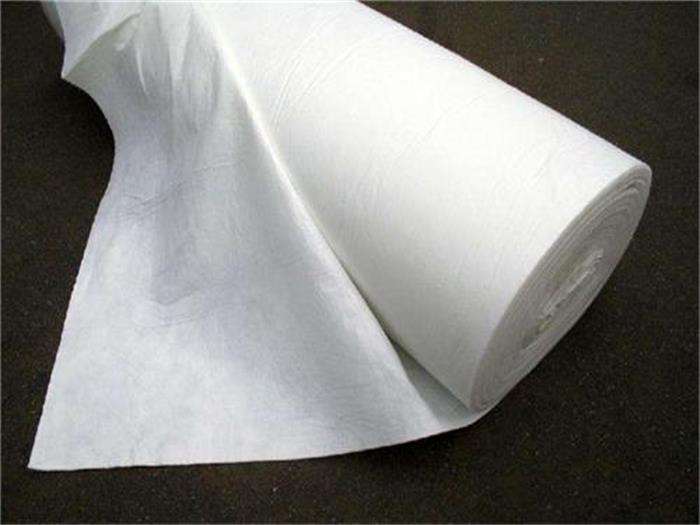
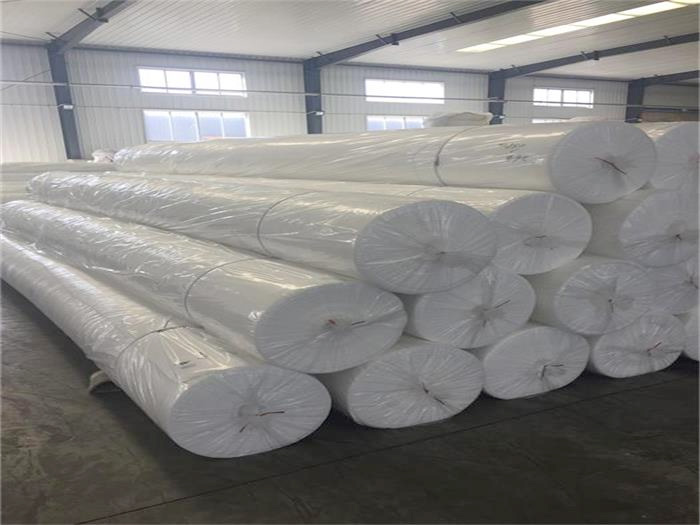
Achieving a durable containment system depends heavily on correct site preparation and installation. Shandong Hongyue recommends focusing on three key stages:
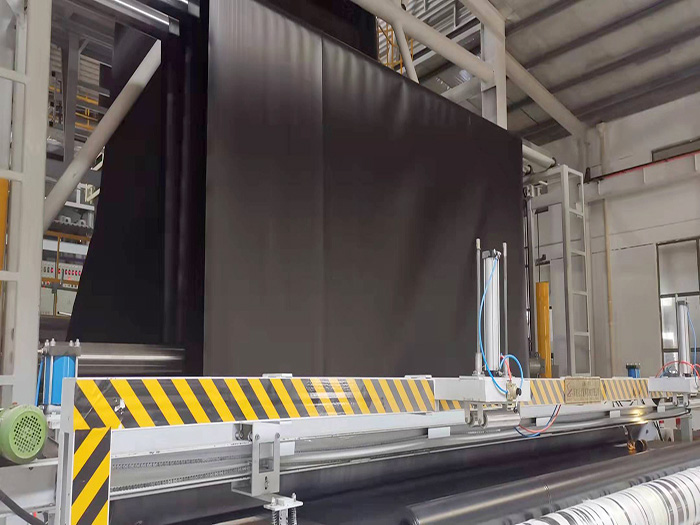
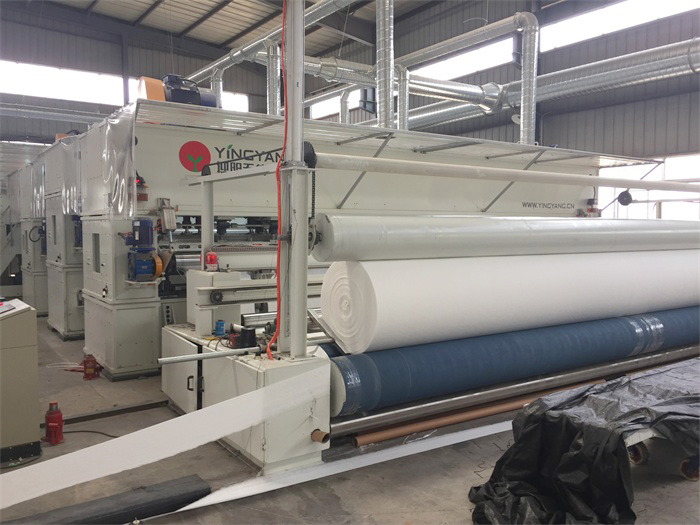
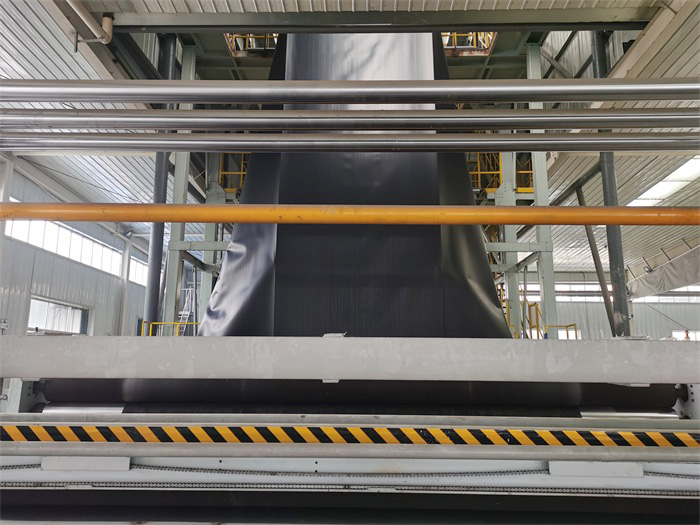
Shandong Hongyue has built its market position on a stable supply chain and efficient production. Located in the Dezhou Geotextile Industrial Zone, the company benefits from a complete regional supply ecosystem—from raw monomers to advanced machinery. This integrated network helps mitigate global supply disruptions and keeps production costs competitive.
By running high-capacity extrusion lines, the factory can fulfill large-volume orders quickly, meeting the tight timelines of international infrastructure projects. Our products are backed by ISO certifications and undergo rigorous laboratory testing.
Our quality control system maintains consistent material properties across production batches, helping projects meet local compliance requirements around the world.
Geosynthetics serve a wide range of functions across civil and environmental engineering. Below is an overview of how these materials perform in typical real-world conditions:
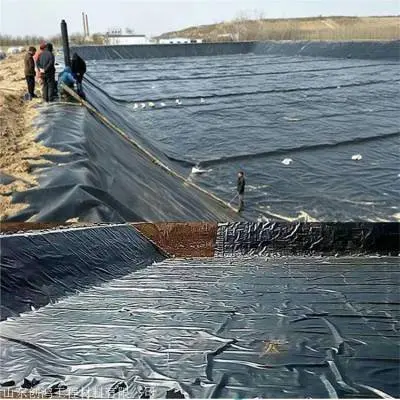
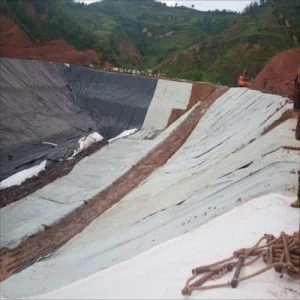
In reservoirs and dam containment zones, HDPE geomembranes create a barrier that minimizes seepage losses through natural soil and fractured rock. This helps preserve water volume and reinforces the stability of the surrounding structure.
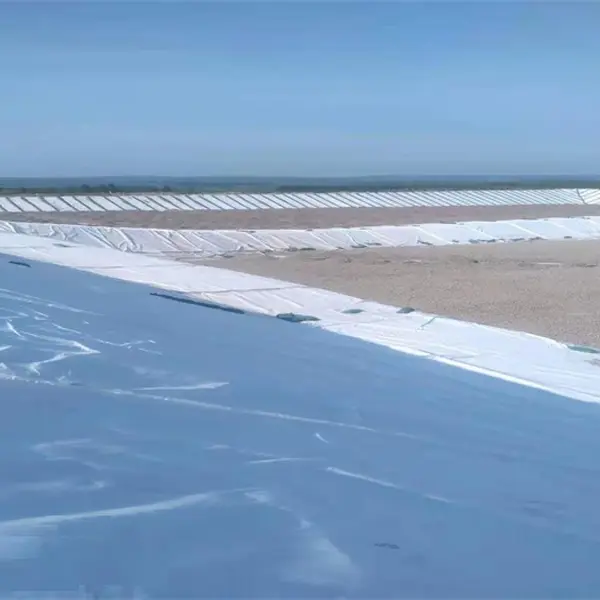
Canals and river channels are prone to erosion and water loss. Lining them with composite geomembranes protects the banks, helps prevent landslides, and reduces water loss during transport to agricultural or municipal areas.
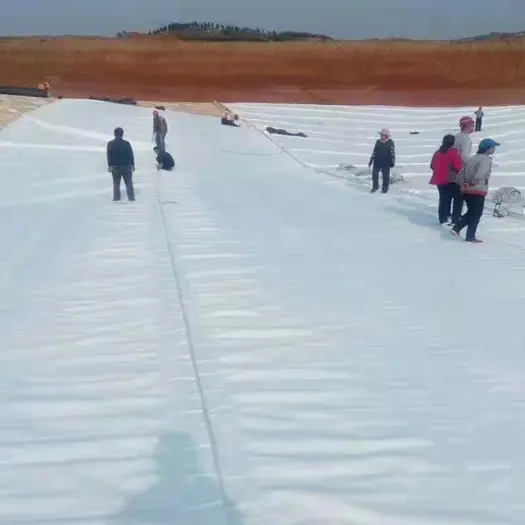
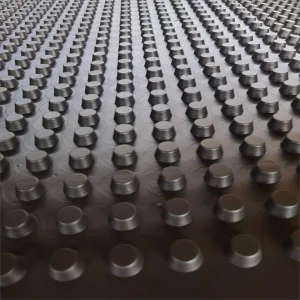
Landfill projects use composite systems consisting of thick geomembranes, bentonite blankets (GCL), and drainage networks to collect leachate and prevent groundwater contamination.
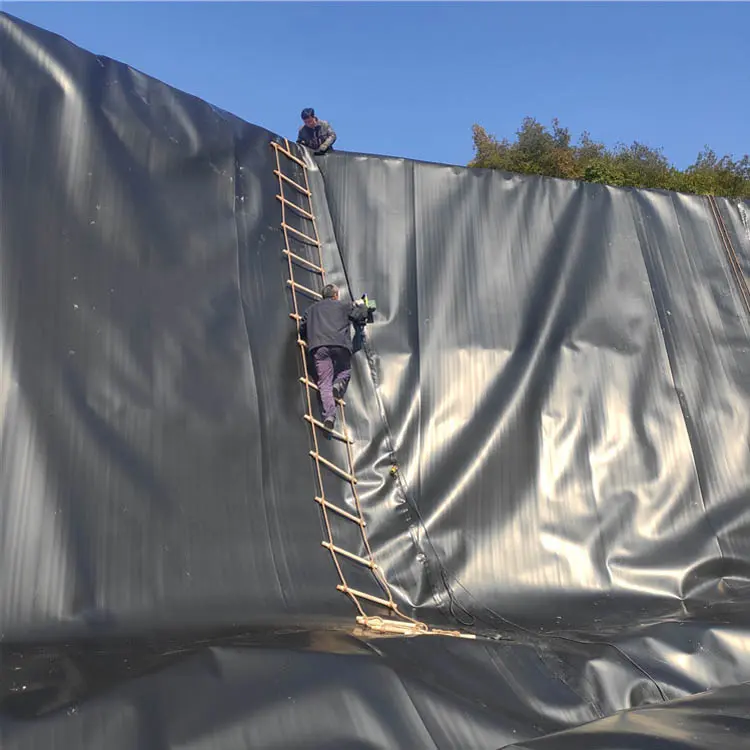
In industrial settings like tank farms and refineries, geomembranes are used to build secondary containment barriers. These liners are selected for their resistance to hydrocarbons, helping prevent soil contamination in the event of a leak.
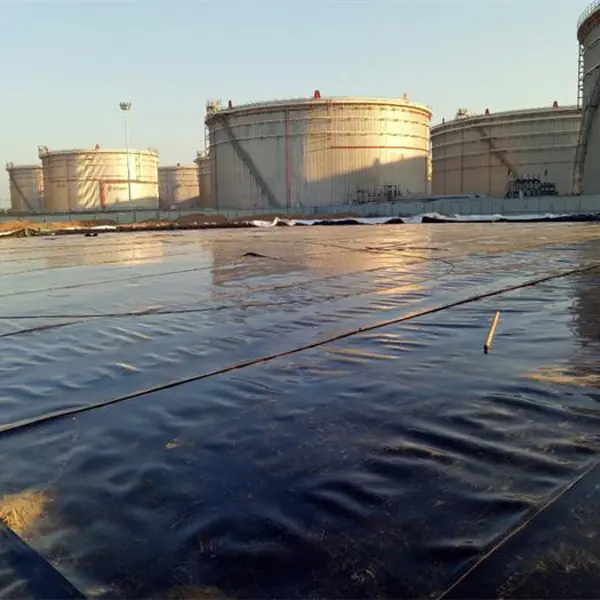
In agriculture, geomembranes are used to line irrigation ponds and aquaculture facilities. They help maintain stable water levels, control vegetation growth, and simplify cleaning and harvesting operations.
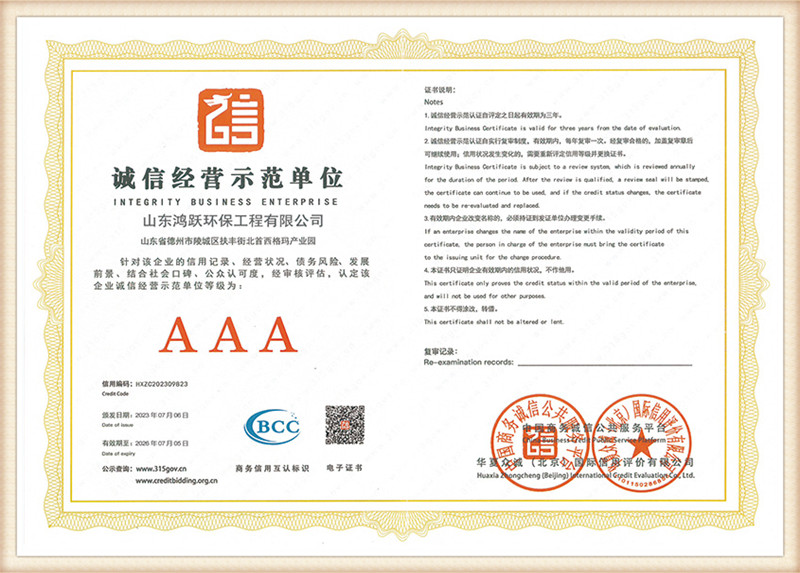
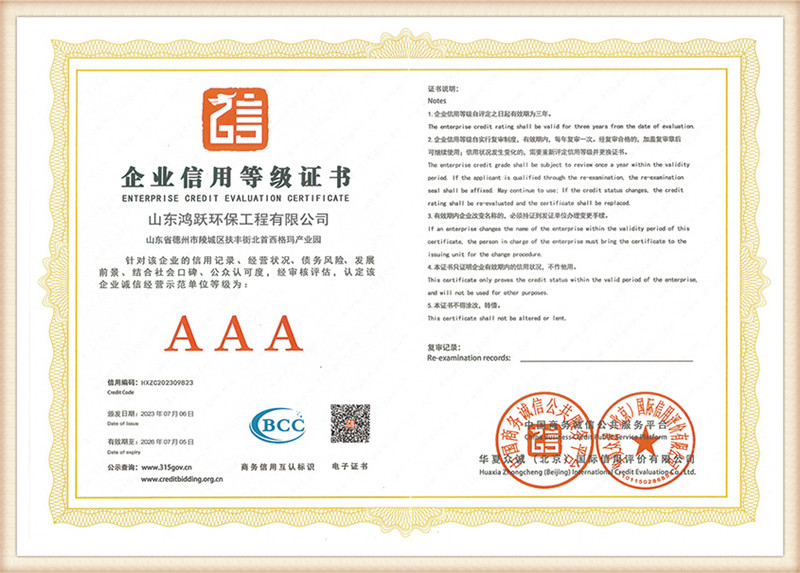
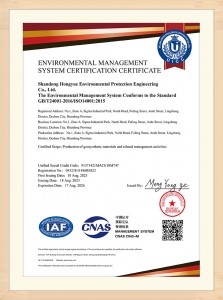
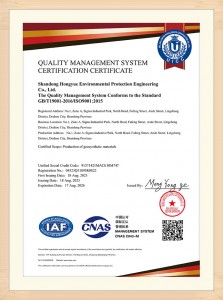
To ensure reliability in critical projects, Shandong Hongyue maintains a quality management system verified by international standards.
Our manufacturing processes are certified under ISO9001:2015 (Quality Management), ISO14001:2015 (Environmental Management), and ISO45001:2018 (Occupational Health & Safety). Every batch of geosynthetic material is tested for key mechanical properties:
The geosynthetics industry is adapting to new demands for environmental sustainability and real-world structural data. Shandong Hongyue is tracking these trends through several development focuses:
Integrating fiber-optic sensors and conductive pathways into geotextiles and geomembranes allows for real-time monitoring of strain, temperature, and leakage in critical infrastructure.
We are researching bio-based and post-consumer recycled polymers to produce erosion control mats and separation layers with a lower carbon footprint.
Developing stabilizer packages to extend the service life of geomembranes in high-temperature, high-acid mining, and waste containment environments.

 Hongyue