Explore our core selection of precision-manufactured geotextiles, geomembranes, and specialized engineering materials customized to meet global project guidelines.
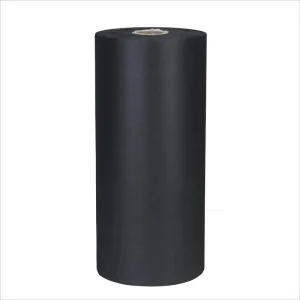
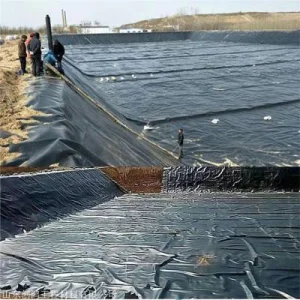
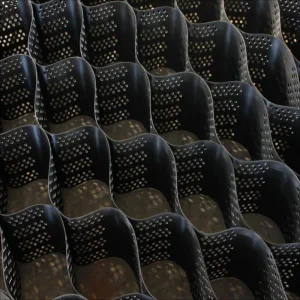
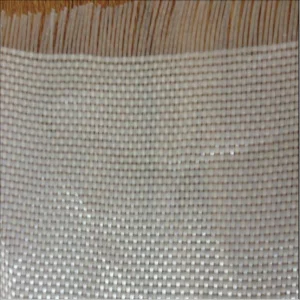
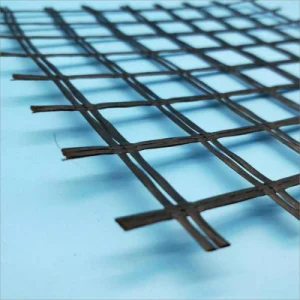
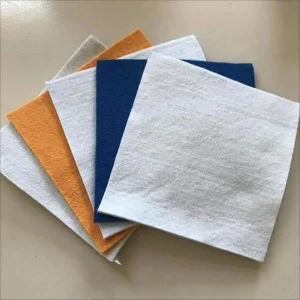
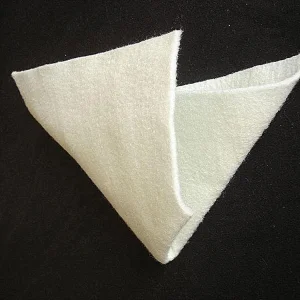
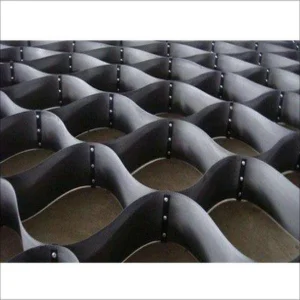
Permeable geotextile fabrics represent the pinnacle of modern civil engineering materials. At their core, these geosynthetic membranes are engineered to provide hydraulic transmissivity and high tensile strength. By allowing water to pass through while keeping soil particles in place, permeable geotextiles solve crucial problems associated with drainage, filtration, stabilization, and soil separation.
The physical properties of non-woven and woven permeable geotextiles are meticulously controlled during the manufacturing process. Key variables include Needle Punch Density, Apparent Opening Size (AOS), and Permittivity. These technical parameters determine how effectively the fabric can filter fine sediments in dynamic soil conditions without clogging. For major structural installations like highway subgrades, railway embankments, and deep canal works, selecting the appropriate polymer type (Polyester vs. Polypropylene) and fabric thickness is imperative to ensure long-term structural integrity.
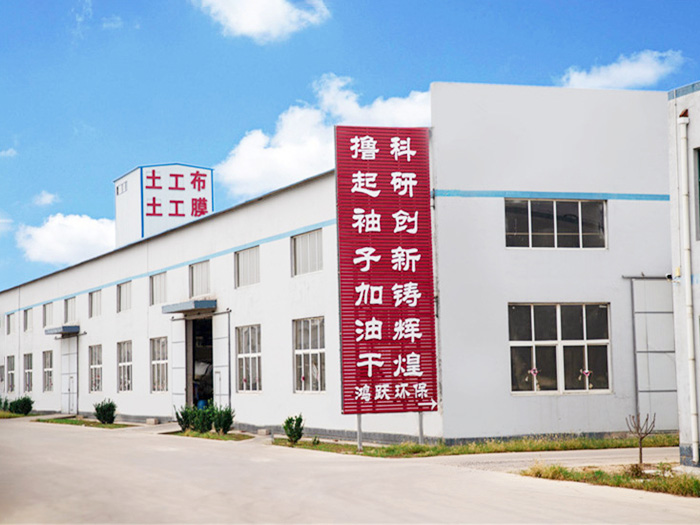
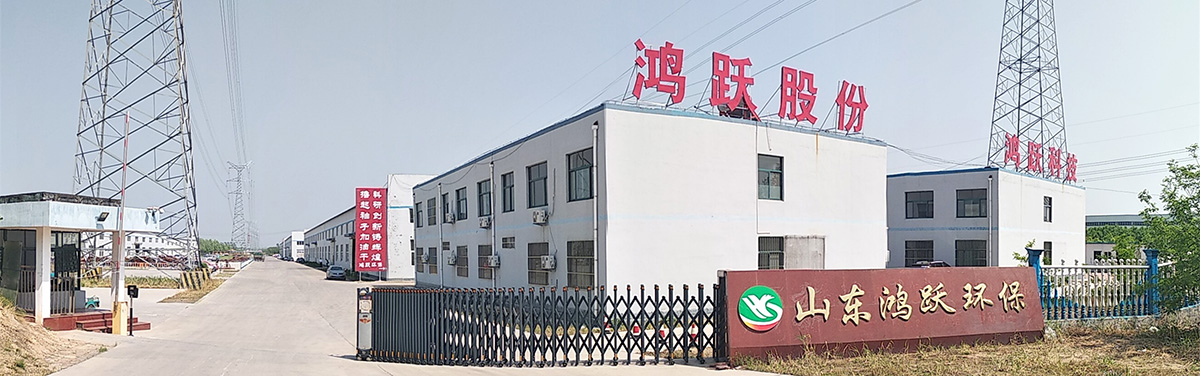
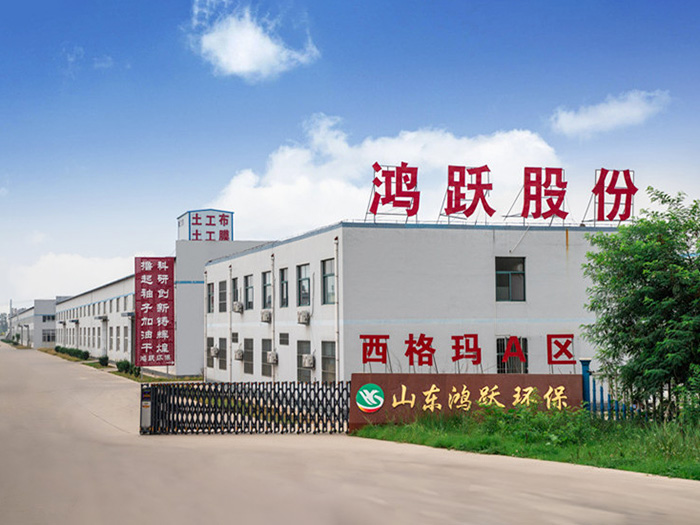
Shandong Hongyue Environmental Engineering Co., Ltd., located at the north end of Fufeng Street, Lingcheng District, Dezhou, Shandong Province, is a scientific and technological geotechnical material manufacturer integrating engineering material production, sales, design and construction services. The company was registered in Lingcheng District Market Supervision and Administration Bureau of Dezhou City on April 6, 2023, with a registered capital of 105 million yuan. It is one of the largest production bases of geotechnical materials in China at present, located in Lingcheng District, Dezhou, Shandong Province, with a superior geographical location and convenient transportation.
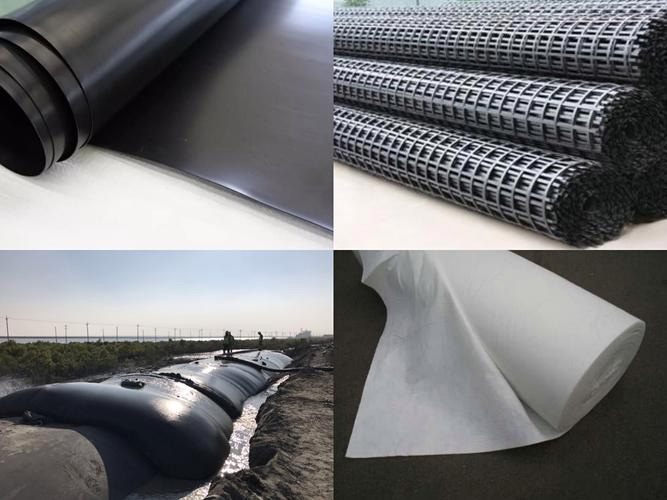
Since the establishment of the company, we have developed rapidly, and our business continues to grow and expand. Our company mainly deals in geotextiles, geomembranes, composite geomembranes, waterproof boards, bentonite waterproof blankets, 3D composite drainage nets, (composite) drainage boards, weaving cloths, woven cloths, membrane bags, blind ditches, waterproof and drainage combinations, woven bags, ecological bags, cement blankets, fiber plants blankets, and flexible pervious pipes.
Our geosynthetic products are widely used in highways, railways, bridges and tunnels, reservoirs and canals water conservancy, artificial lakes, environmental protection, aviation, mining, and agriculture. Shandong Hongyue Environmental Protection Technology Co., Ltd. is dedicated to providing you with high-quality products and first-class services!
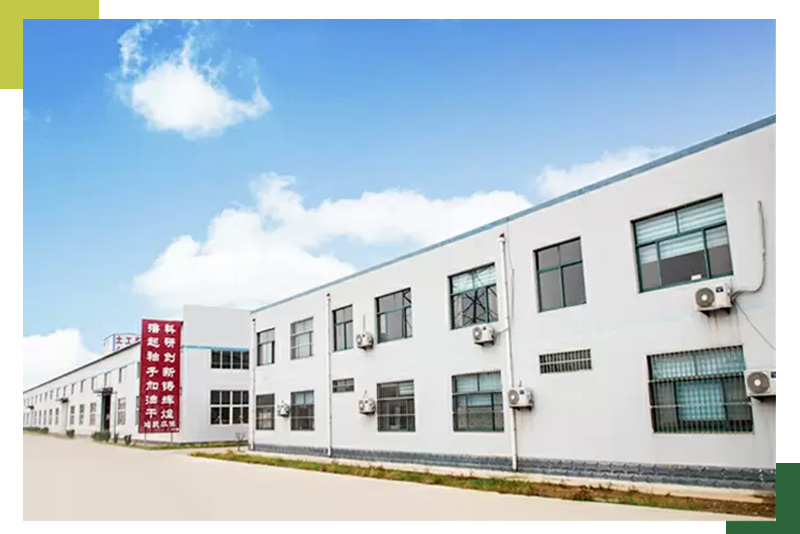
Our state-of-the-art production facility utilizes advanced melt extrusion and needle-punching technologies to guarantee physical and structural consistency.
The main raw materials of geotextile are polyester chips, polypropylene filament, and viscose fiber. These raw materials need to be inspected, arranged, and stored to ensure their quality and stability.
After the polyester slice is melted at high temperatures, it is extruded into a molten state by a screw extruder. In this process, parameters like temperature and pressure are precisely controlled to ensure uniformity.
After mixing, the melt is sprayed through the spinneret to form a fibrous substance and form a uniform network structure on the conveyor belt. Thickness and fiber orientation are strictly monitored.
After laying the net into rolls, draft curing treatment is performed. In this process, the temperature, speed, and draft ratio are precisely managed to lock in physical strength and tear resistance.
The geotextile after draft curing needs to be rolled up and packed for subsequent construction. The length, width, and thickness of the geotextile are measured to ensure they meet engineering design requirements.
At the end of each production link, the quality of geotextile needs to be inspected. The inspection includes physical property tests, chemical resistance tests, and appearance quality tests.
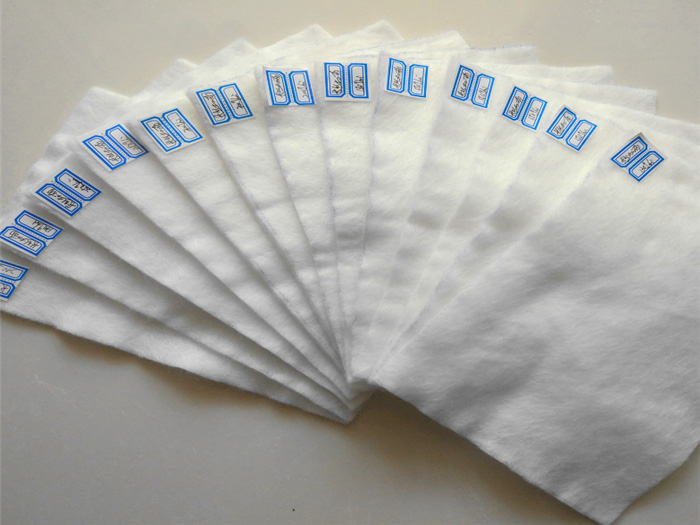
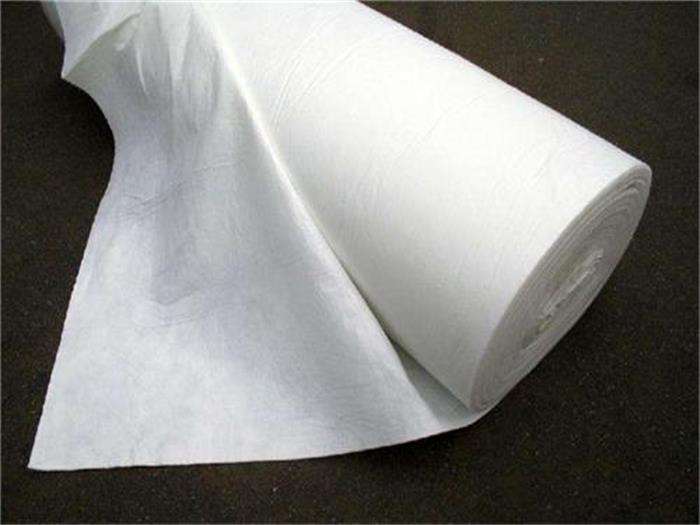
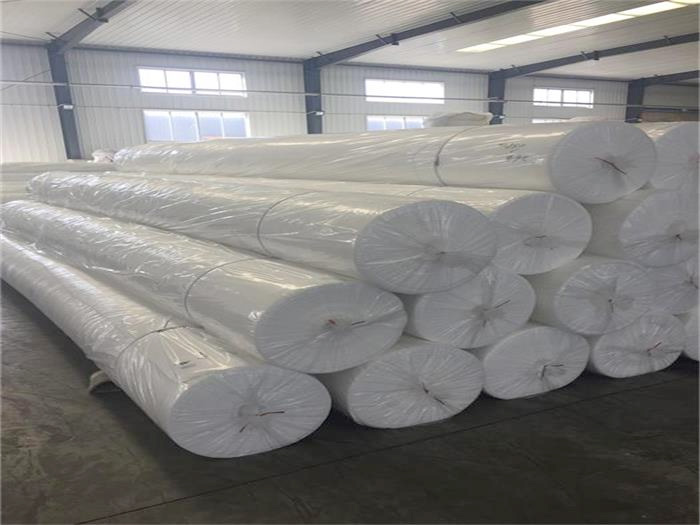
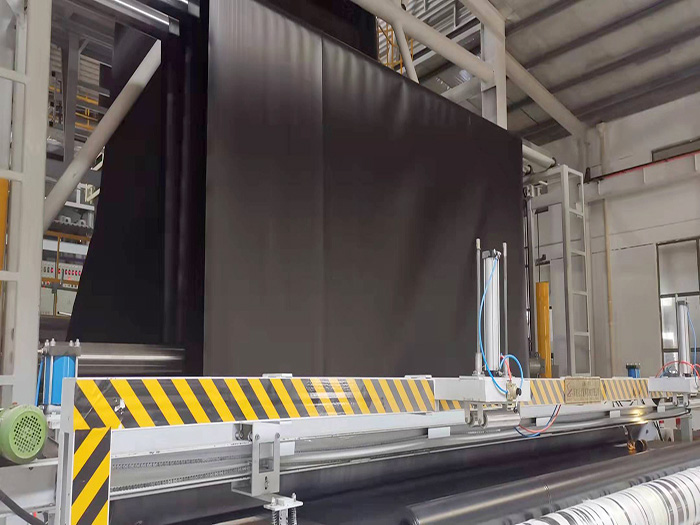
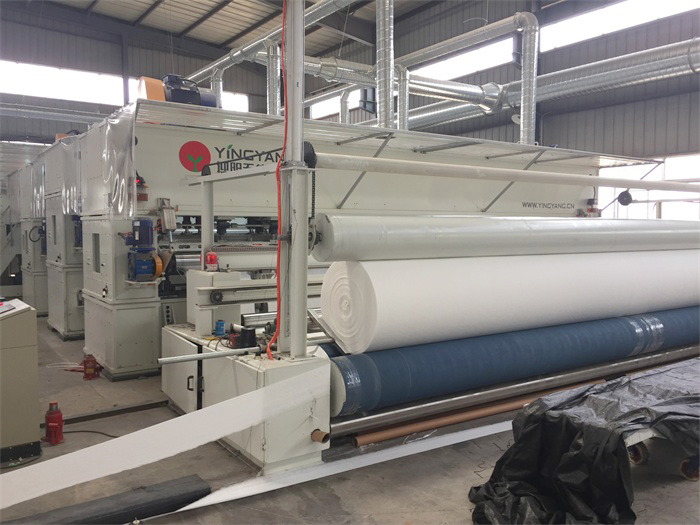
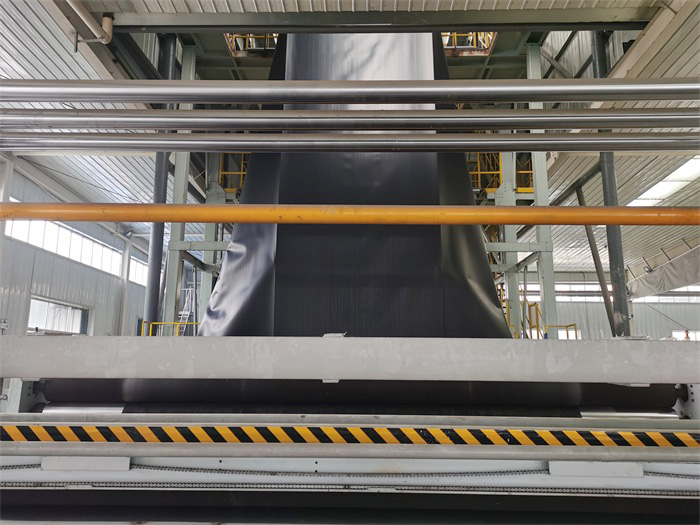
Shandong Hongyue operates out of Dezhou City, a historical epicenter for global geosynthetics production. Our facilities represent more than simple volume; they stand for technical agility, supply security, and price predictability. Backed by a registered capital of 105 million yuan, we mitigate risks in global supply networks by securing upstream polymer contracts and leveraging localized transport corridors to major shipping hubs.
Under the guidelines of international project standards, we maintain high inventory levels of premium polyester chips and polypropylene fibers. This vertical integration buffers our global partners against logistical delays, enabling rapid order dispatch to destinations across North America, Europe, Australia, and Southeast Asia.
Registered Capital (RMB)
Global Cities Serviced
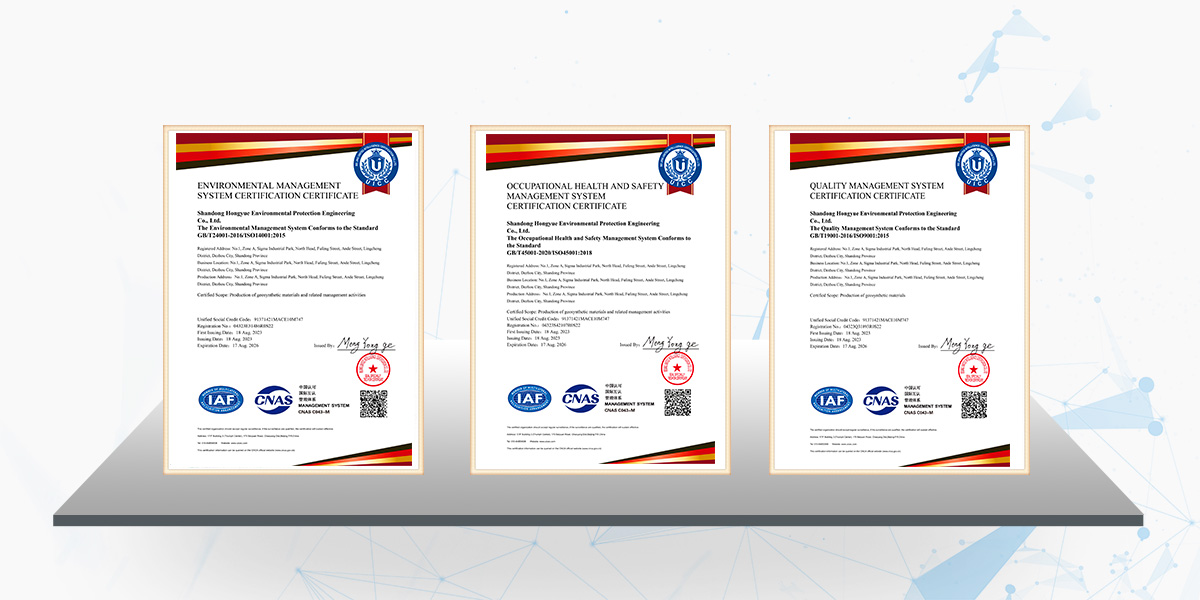
National Quality Compliance
Integrating high-efficiency filtration fabrics with impermeable liners for comprehensive geotechnical systems.
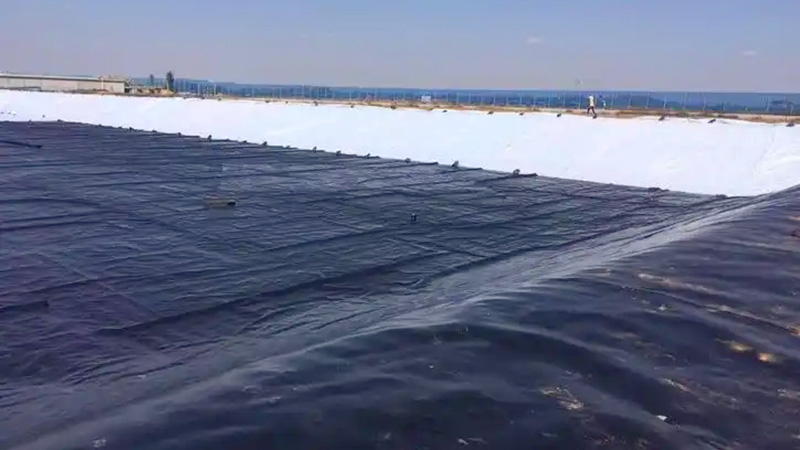
Before deploying any permeable geotextile fabric or impermeable geomembrane, the recipient ground must undergo meticulous leveling and compaction. Sharp stones, roots, and engineering debris must be removed to avoid structural tearing or localized puncture stress. For sites with weak subgrades, a high-weight non-woven geotextile serves as an ideal cushioning layer beneath geomembranes, absorbing point loads and preventing local deformations.
The structural integrity of a barrier system is only as robust as its joints. Geotextiles are joined using specialized industrial sewing machines with heavy-duty UV-stabilized threads, or heat-bonded where applicable. For adjacent geomembranes, we utilize double-track hot wedge welding, creating an air channel between two parallel welds. This channel allows field engineers to perform non-destructive air-pressure testing, confirming absolute seam integrity before covering.
Regular monitoring ensures the longevity of critical installations. Inspectors look for silt build-up, shifting soil layers, and physical tears. Permeable fabrics are formulated with carbon black and antioxidants to withstand UV exposure during installation, but covering them promptly with soil or aggregate layers maximizes their functional lifespan, often extending their durability up to 50 years.
Proven performance in key infrastructure projects, from municipal waterways to industrial containment sectors.
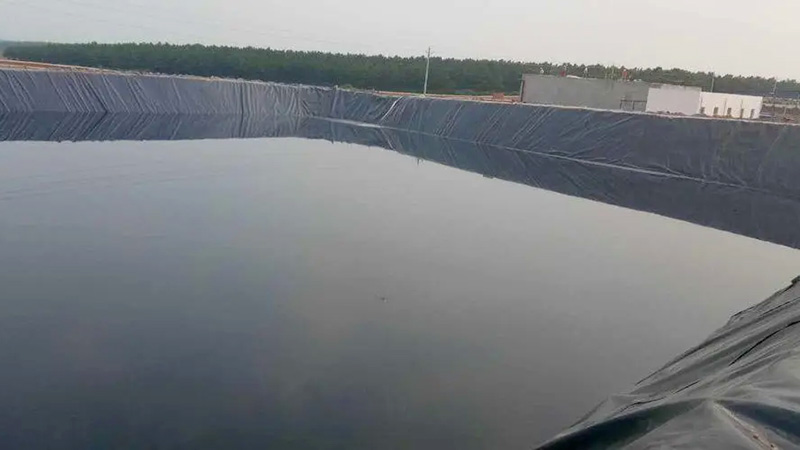
We deploy high-tensile geotextiles and composite geomembranes to line reservoirs and canals. This prevents water loss from seepage while permitting essential lateral drainage to manage hydraulic pressure under subgrades.
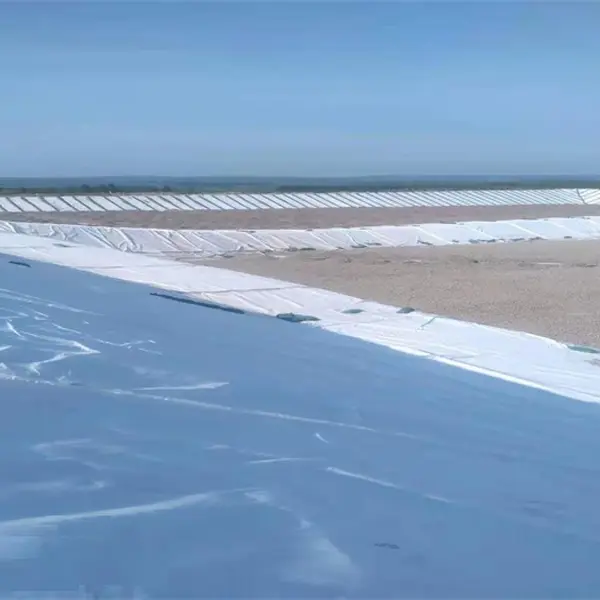
Protect local groundwater resources by isolating chemical waste leachates. Our heavy-duty bentonite blankets and thick HDPE geomembranes are combined to form impermeable multi-layer liners for industrial and municipal waste yards.
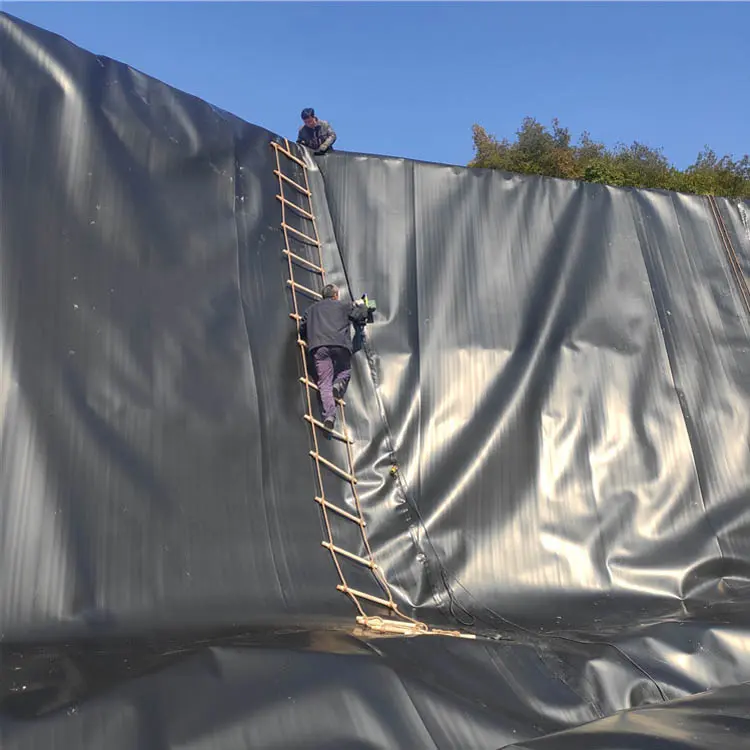
Prevent subgrade failure by separating granular base courses from soft subgrade clays. This ensures localized load sharing, enhances drainage, and prevents rutting in highly trafficked highway zones.
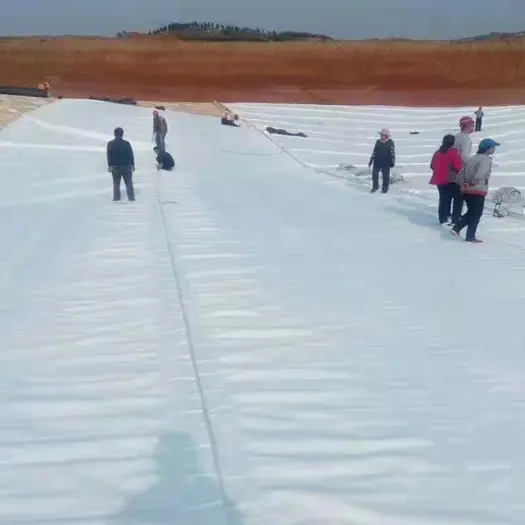
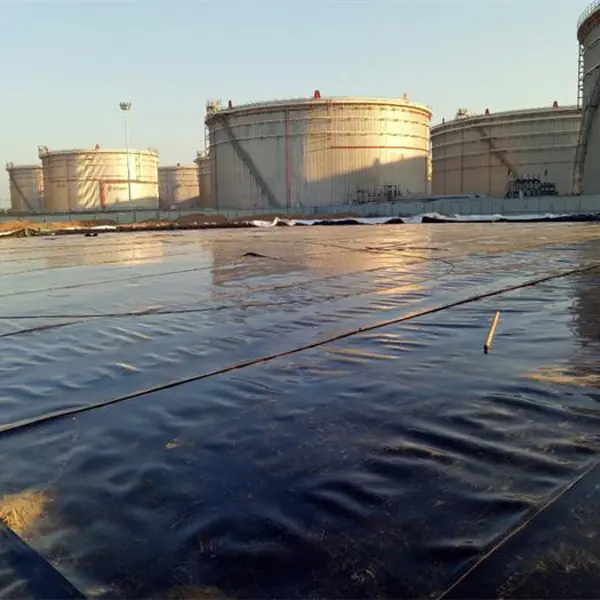
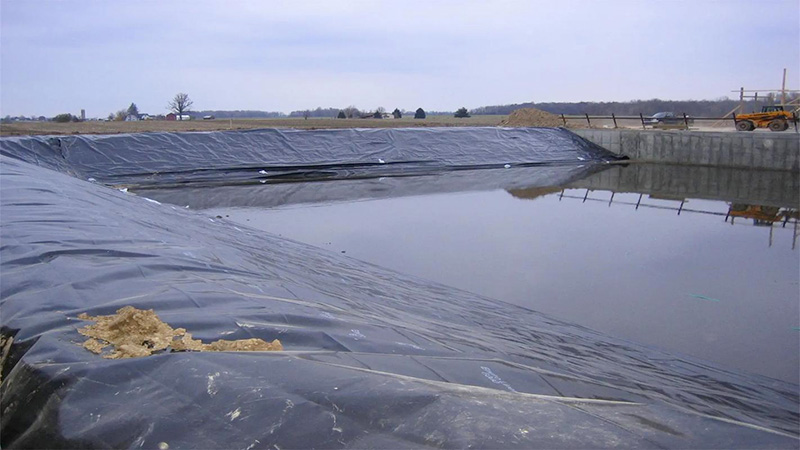
A strategic vision detailing the evolution of permeable geotextiles towards smart infrastructure integration and environmental compatibility.
Scaling up the integration of high-grade post-consumer PET chips into structural-grade non-woven fabrics, reducing overall carbon footprint while maintaining ASTM tensile properties.
Integrating optical fibers and conductive threads into our custom permeable geotextiles to allow remote monitoring of subgrade strain, moisture patterns, and puncture detection in real-time.
R&D focusing on functional biodegradable geotextiles designed for agricultural erosion control, where temporary soil reinforcement is required without leaving synthetic residue.
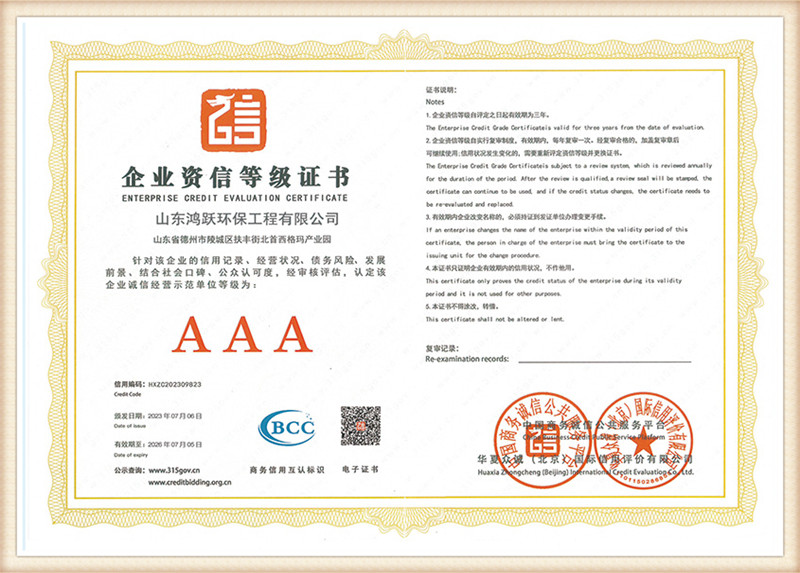
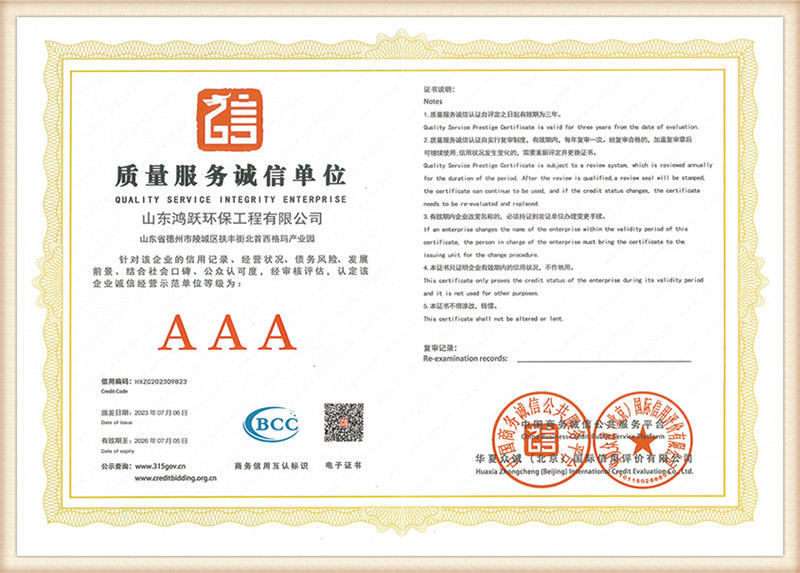
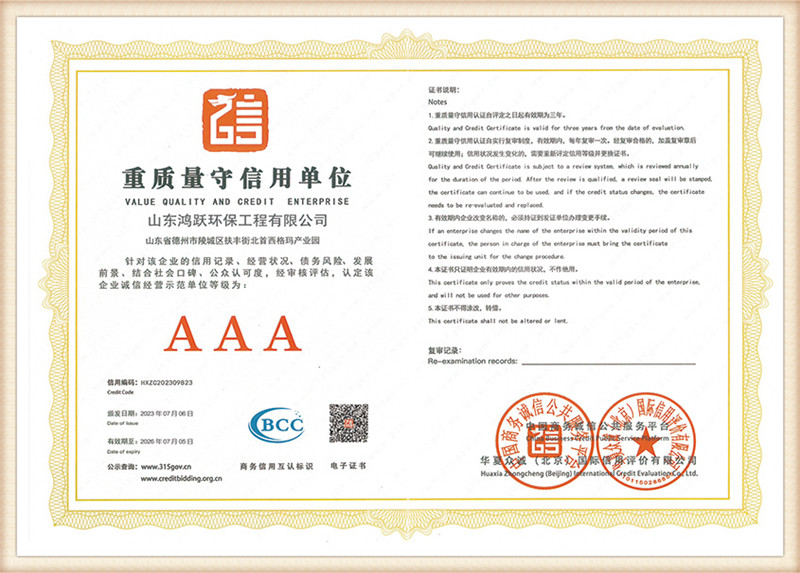
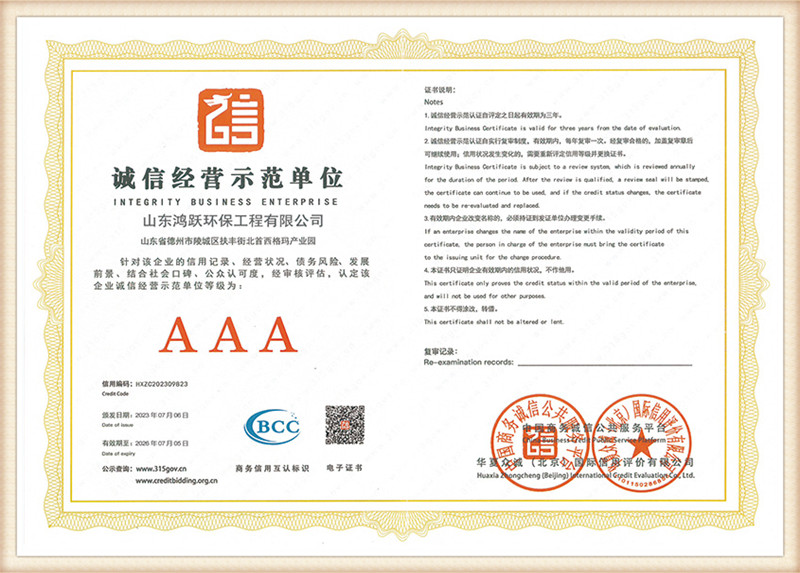
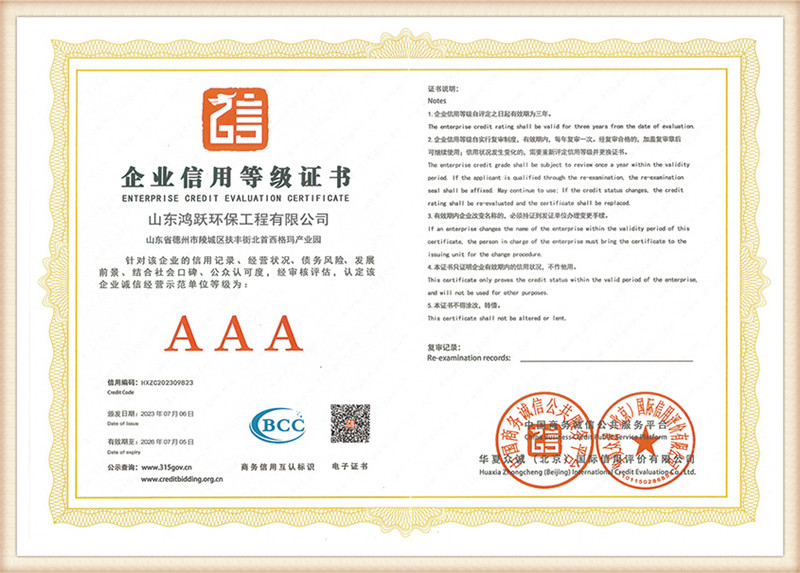
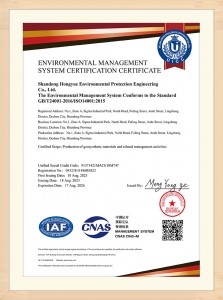
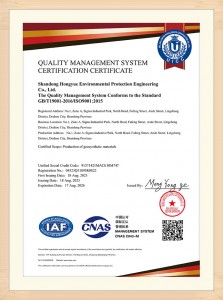
Deploying geosynthetics in Europe, North America, or Oceania requires strict adherence to regional regulatory frameworks. At Shandong Hongyue, our products are engineered, tested, and certified to meet the highest regulatory barriers:
Furthermore, we collaborate with local engineers to compile project documentation, design plans, and installation guidelines, ensuring that regional building inspections and municipal clearances proceed without delay.
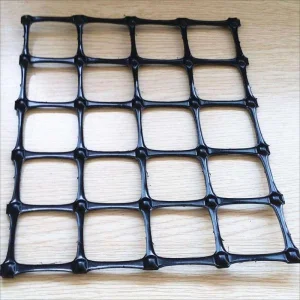
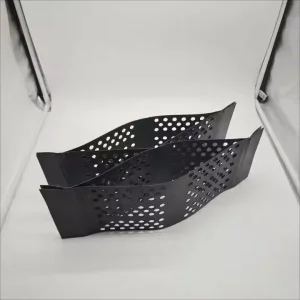
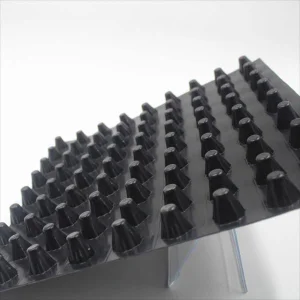
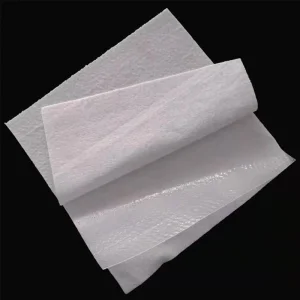
Explore our extended catalog of seepage prevention, structural drainage, and reinforcement products.
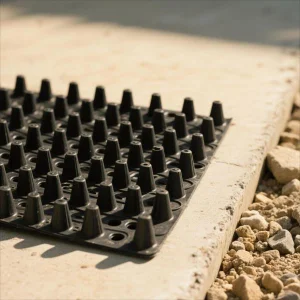
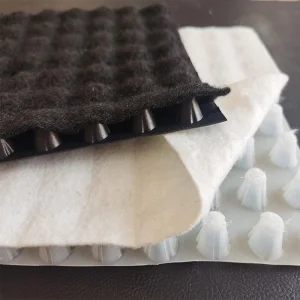
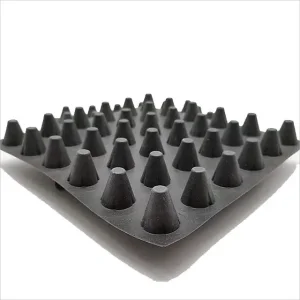
Expert answers to your technical questions regarding permeable geotextiles, installation specifications, and supply chain timelines.
 Hongyue