Explore our high-performance geotechnical engineering materials. Shandong Hongyue Environmental Engineering Co., Ltd. provides robust, certified materials to reinforce road subgrades, secure containment pools, and deliver long-term structural stabilization.
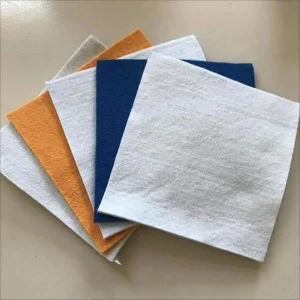
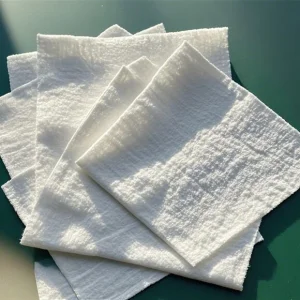
Modern civil infrastructure demands materials that can endure extreme environmental conditions while offering reliable mechanical separation, reinforcement, filtration, and drainage properties. Custom geotextile road fabric functions as a foundational support component in highway engineering, high-speed rail corridors, aviation runway systems, and major hydraulics projects. By separating subgrade soils from coarser aggregate layers, geotextiles prevent structural mixing, mitigate mechanical strain, and restrict soil migration. This enhances the overall bearing capacity and extends the service life of pavement structures.
By placing geotextiles at the subgrade-aggregate interface, structural mixing of fine-grained clays and stone aggregate is avoided. This maintains base course thickness, enhances California Bearing Ratio (CBR) values, and minimizes localized structural subsidence.
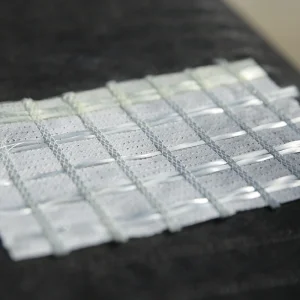
Installing warp-knitted composite geotextiles between old pavement and new asphalt overlays serves as a stress-relieving membrane. The fabric absorbs shear stresses generated by thermal expansion and traffic loads, preventing reflective cracking.
High-performance non-woven filament geotextiles feature balanced water permeability and soil retention capabilities. This enables them to serve as filters in subsurface drainage trenches, allowing water flow while retaining fine soil particles to prevent piping.
The global demand for high-strength geotextiles, geomembranes, and geogrids continues to rise, driven by investments in highways, high-speed rail lines, and containment systems. Modern geotechnical design prioritizes durability and regulatory compliance, with key markets in North America, Europe, Australia, and East Asia requiring certified performance levels (e.g., ASTM, CE, ISO standards).
China's Shandong Province—specifically the Dezhou Geotextile Association cluster—serves as a primary manufacturing hub for geosynthetics. Shandong Hongyue Environmental Engineering Co., Ltd. leverage advanced extrusion lines and scale-production capabilities to support large projects globally, providing certified materials, custom widths, and specialized fabrication.
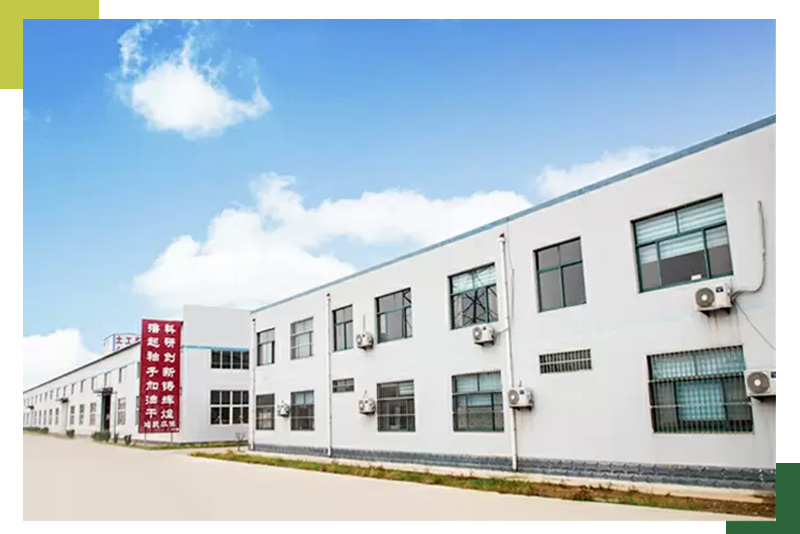
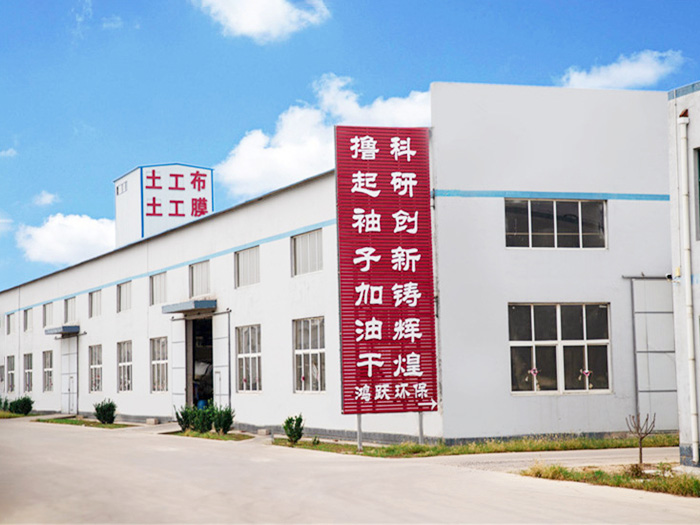
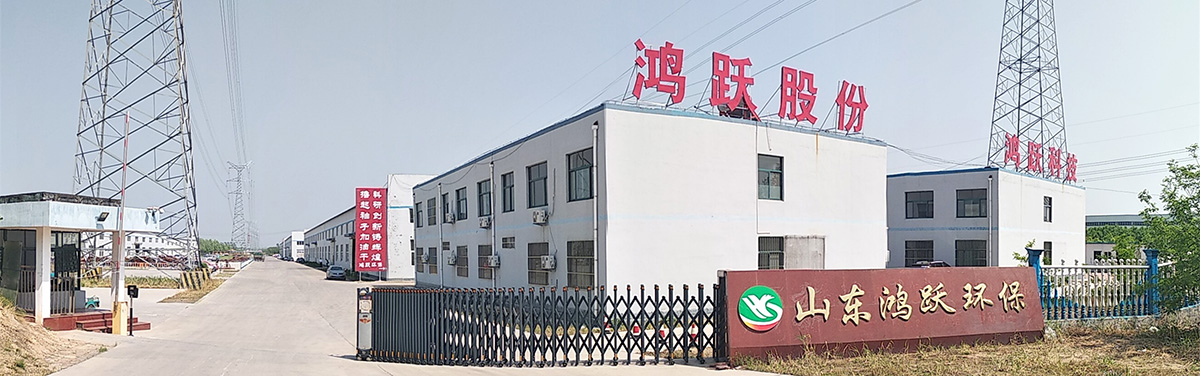
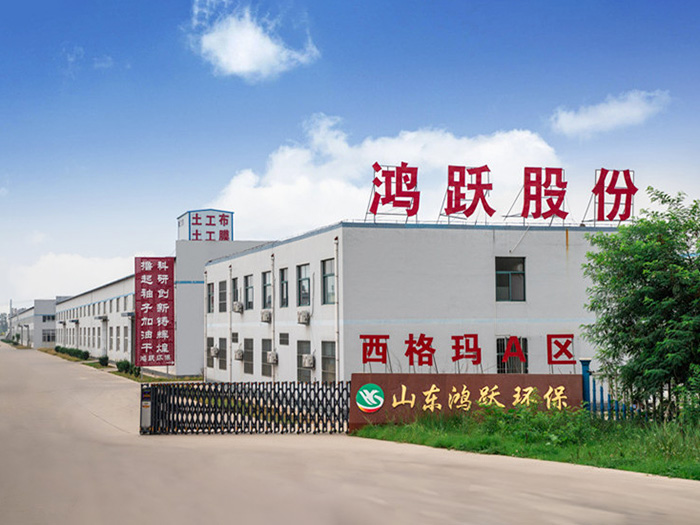
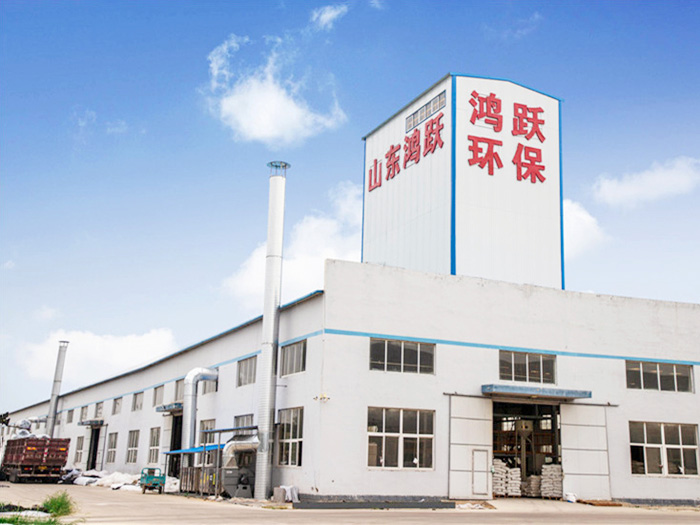
Shandong Hongyue Environmental Engineering Co., Ltd., located at the north end of Fufeng Street, Lingcheng District, Dezhou, Shandong Province, is a scientific and technological geotechnical material manufacturer integrating engineering material production, sales, design and construction services. The company was registered in the Lingcheng District Market Supervision and Administration Bureau of Dezhou City on April 6, 2023, with a registered capital of 105 million yuan. It is one of the largest production bases of geotechnical materials in China, offering convenient logistics and transport access.
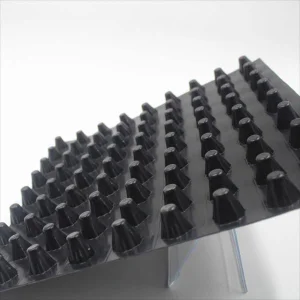
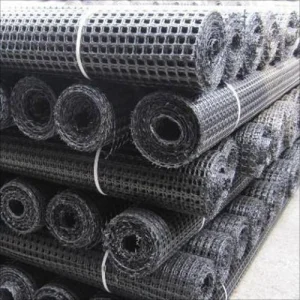
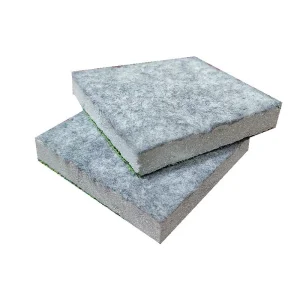
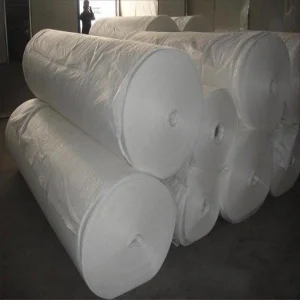
Since its establishment, the company has developed rapidly, expanding its business scale and production capabilities. Our key product lines include:
Our company is a member of the Dezhou Geotextile Association. Our products are widely utilized in highways, railways, bridges, tunnels, municipal environmental protection, mining containment, agriculture, and water conservancy channels across domestic and international markets.
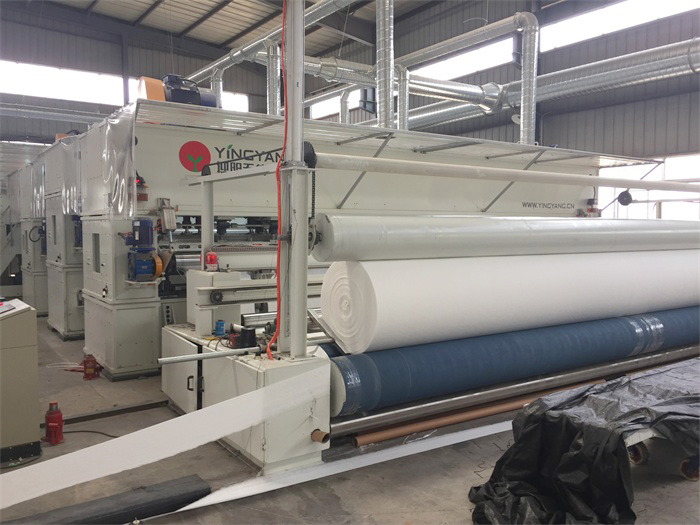
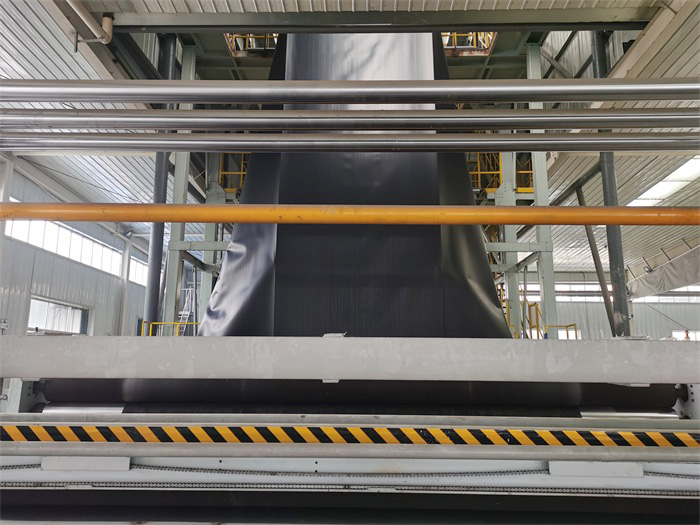
Quality geotextile production requires precise material controls, systematic extrusion, mechanical needle-punching, and continuous quality inspection.
High-purity polyester chips (PET), polypropylene filament (PP), and viscose fibers are inspected and stored. Resins are evaluated for density, melt index, and moisture content to ensure consistent mechanical performance.
Polyester chips are dried and melted under controlled temperatures inside a screw extruder. Liquid polymers are then mixed with polypropylene filaments to establish the chemical base of the final geosynthetic structure.
The molten polymer is extruded through spinneret nozzles to produce fine, continuous filaments. A conveyor system cross-lays these filaments into a uniform, multi-layered fiber web, establishing the initial unit weight and thickness.
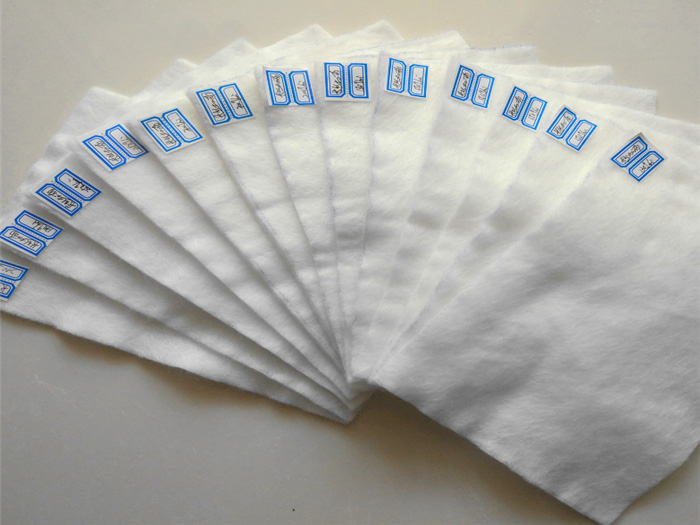
The continuous fiber network undergoes high-speed needle-punching. Thousands of barbed needles entangle the fibers, mechanically interlocking them to yield high tensile strength, dimensional stability, and appropriate liquid permeability.
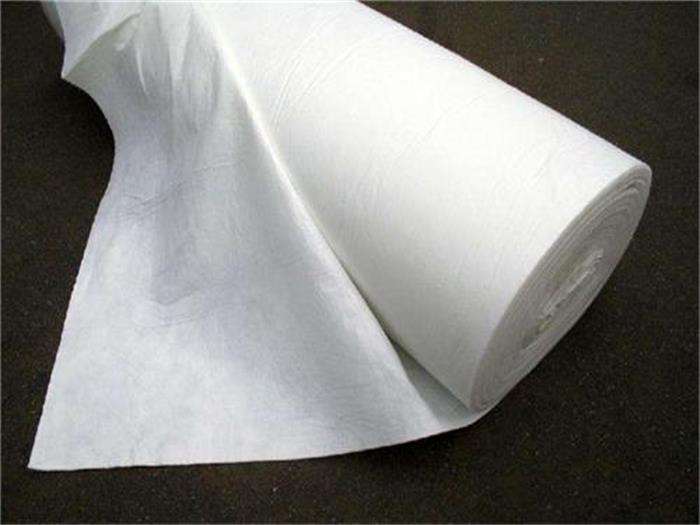
The cured geotextile sheets are trimmed to specific widths and wound onto durable cores. Roll lengths, widths, and structural uniformity are measured continuously to meet custom construction parameters.
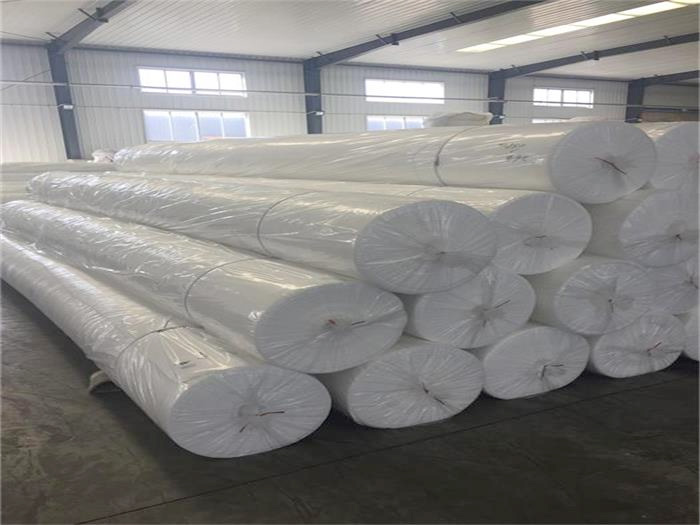
Samples from each production lot are tested for grab tensile strength, tear resistance, puncture resistance (CBR), pore size, and water flow rate. Verification is completed by internal QC laboratories and third-party inspectors to ensure international standard compliance.
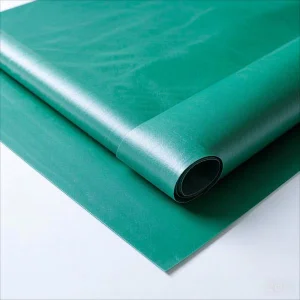
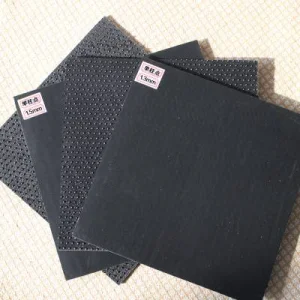
High Density Polyethylene (HDPE) and Linear Low Density Polyethylene (LLDPE) geomembranes serve as high-barrier containment liners. In hydraulic, municipal, and industrial environmental projects, successful barrier installations require selecting the correct material, preparing the subgrade, and performing verified thermal welding.
HDPE offers chemical resistance and UV stability, making it suitable for exposed landfills, mining ponds, and reservoirs. LLDPE provides flexibility and elongation, which is useful for uneven ground or structural applications where localized settlement may occur. Typical thicknesses range from 0.3mm to 2.0mm.
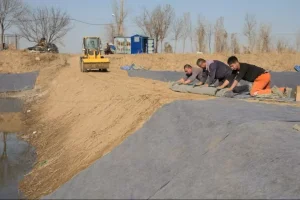
The subgrade must be compacted and cleared of stones, roots, or sharp debris. Geotextiles are typically placed beneath the geomembrane as a protective cushion, reducing mechanical puncture hazards.
Overlapping edges are welded using double-track hot wedge fusion machines, which create a sealed joint with a central air channel for pressure testing. Non-destructive tests, such as vacuum box testing and air channel pressure monitoring, verify joint integrity prior to backfilling.
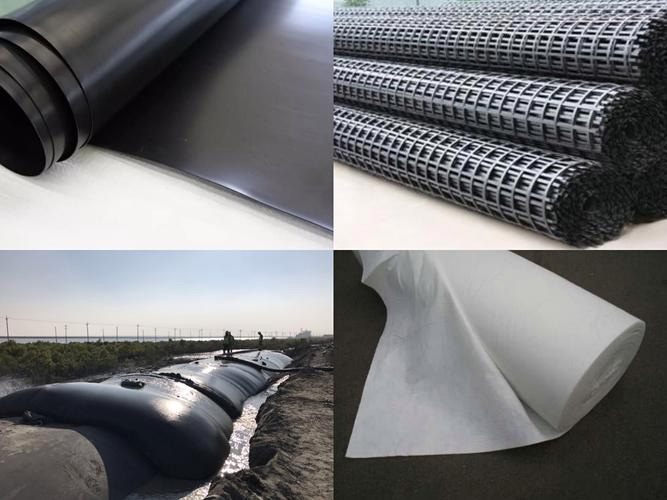
Regular surface inspections help identify puncture damage or excessive silt accumulation. In high-exposure applications, UV protection layers or soil covers help extend the operational service life of the geosynthetic lining system.
Our materials are used in environmental and infrastructure projects globally. Below are typical installation methods for hydraulic, channel, and industrial containment designs.
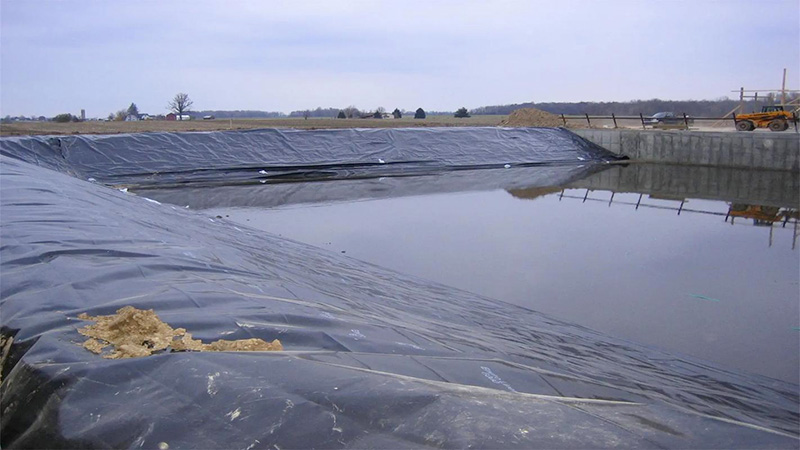
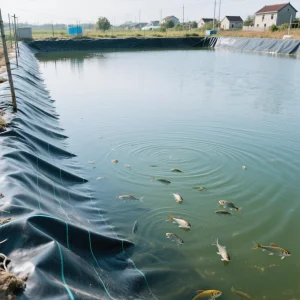
Used as primary liners in municipal reservoirs and agricultural basins. These barriers reduce water loss, stabilize shorelines, and restrict seepage through underlying weathered rock.
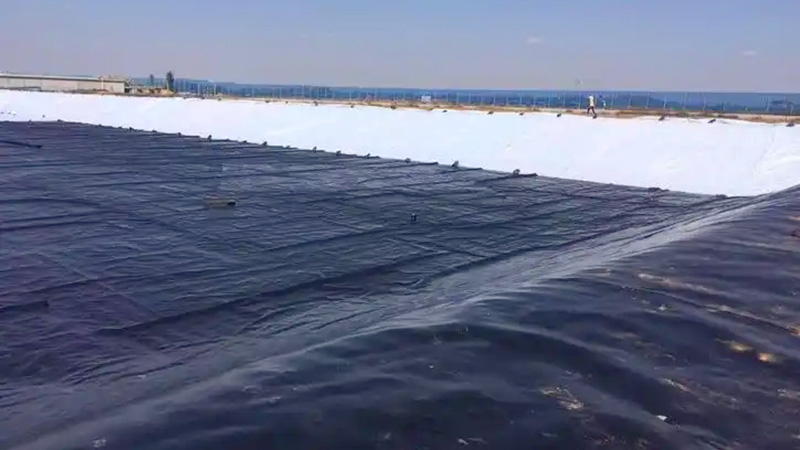
Protects canal walls from erosion and controls water loss. Geomembrane and concrete-blanket systems reduce soil piping and limit vegetative growth in drainage channels.
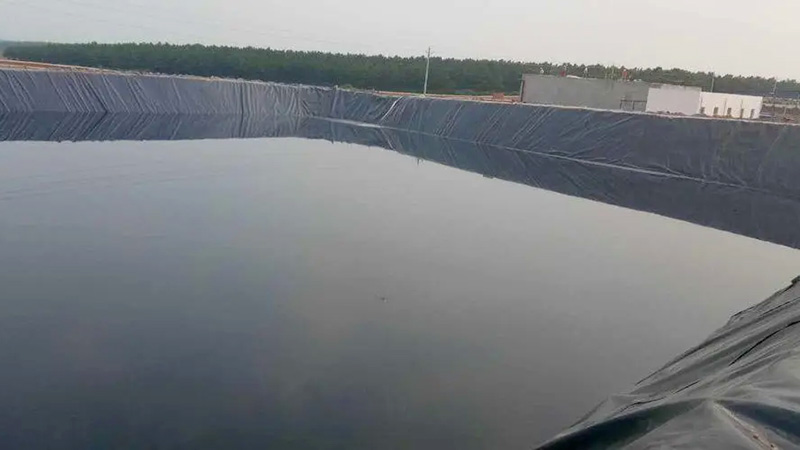
Dual-containment systems prevent leachate from entering local aquifers. Thick HDPE liners combined with bentonite blankets form a reliable bottom barrier.
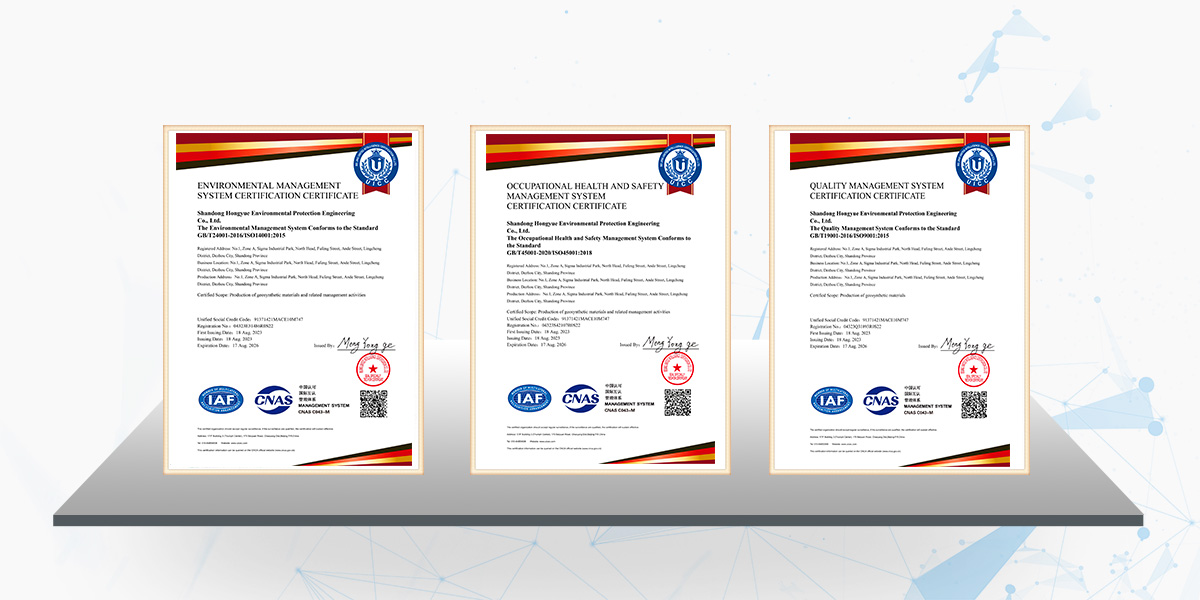
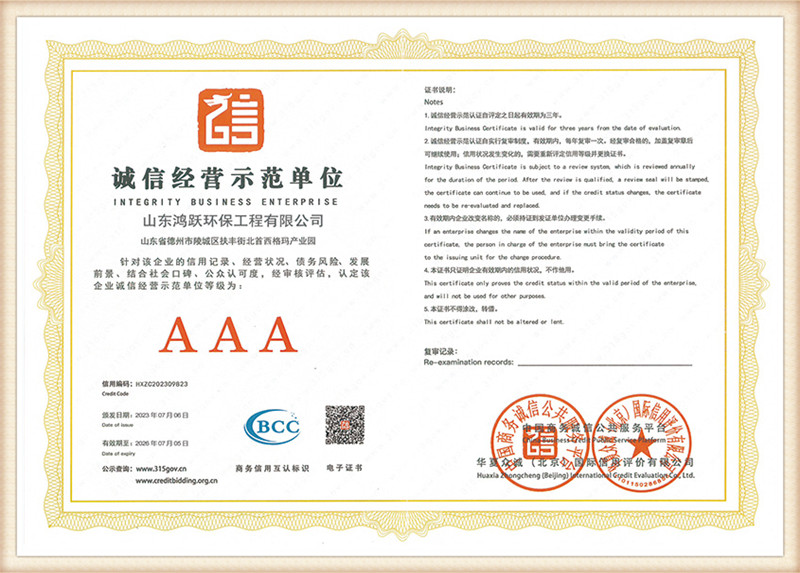
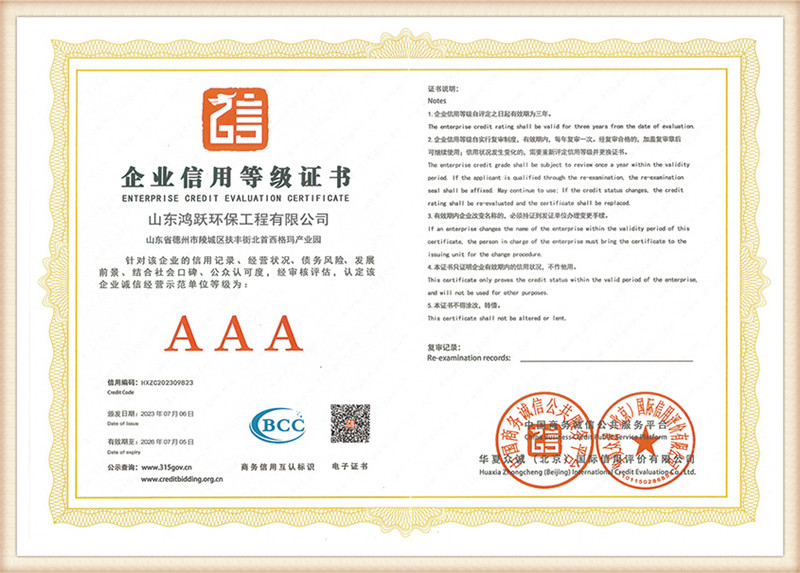
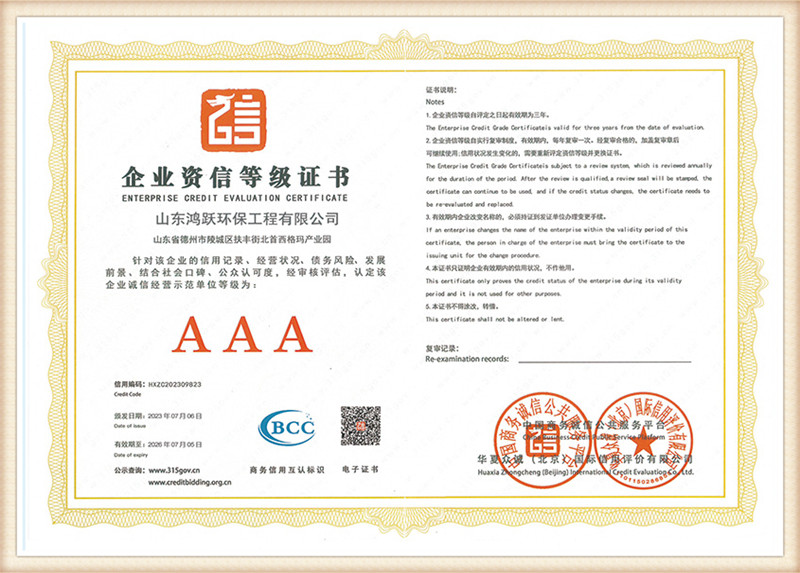
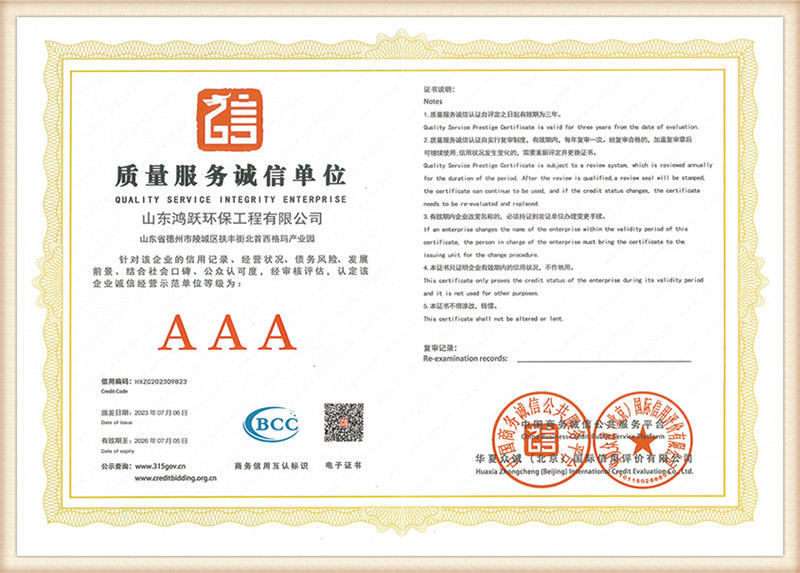
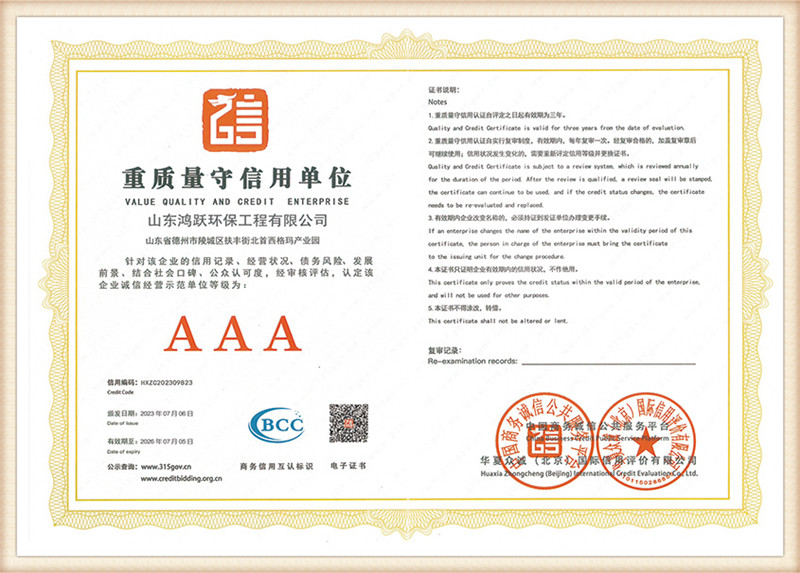
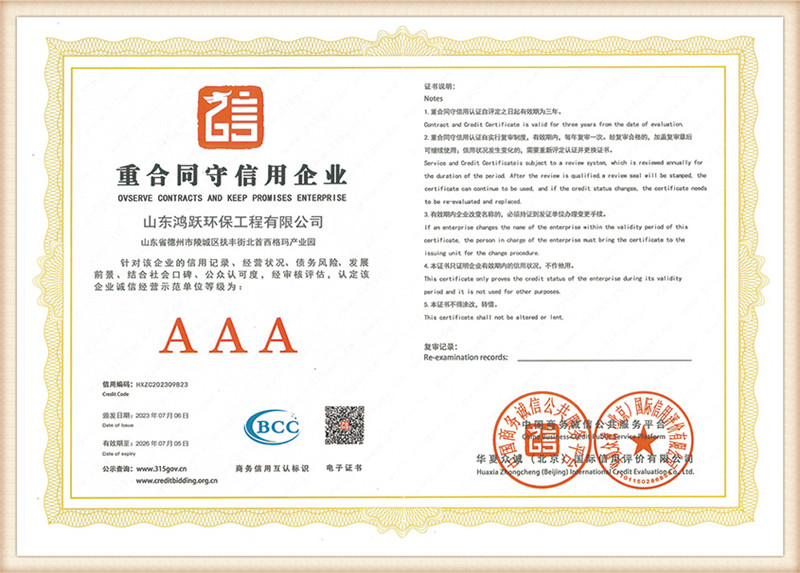
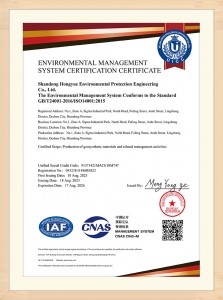
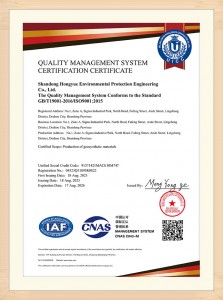
Shandong Hongyue operates certified production and testing systems. The company has obtained ISO9001:2015 International Quality Management System, ISO14001:2015 Environmental Management System, and ISO45001:2018 Occupational Health and Safety Management System certifications.
We utilize raw-material drying systems, extrusion controllers, and high-speed needles. The testing laboratory is equipped to test for tensile strength, elongation, hydraulic transmissivity, permittivity, and UV degradation. All products are designed to meet or exceed national standards, and are verified by third-party testing centers.
Our materials are tested under high load conditions and simulated chemical exposures to verify mechanical stability and barrier properties for global civil infrastructure projects.
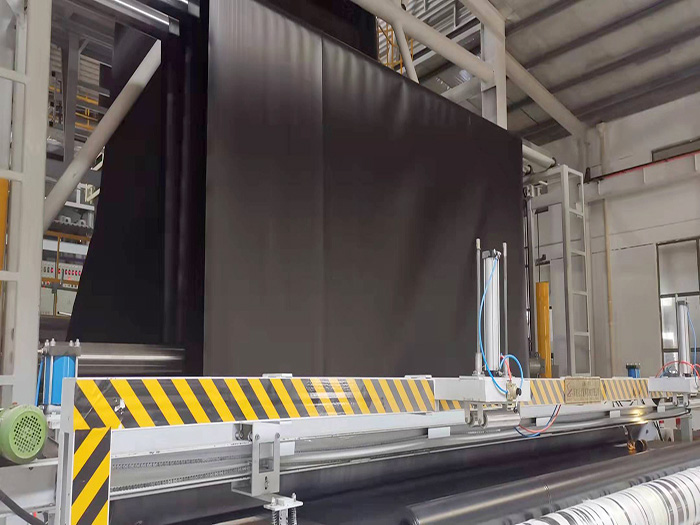
Different subgrades and loading profiles require matching materials to ensure structural durability and control liquid flow.
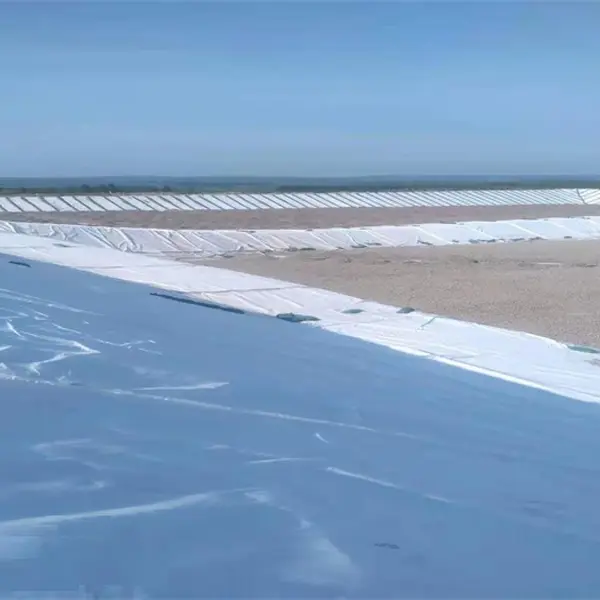
High-durability lining membranes designed to prevent seepage loss in deep channels and reservoirs.
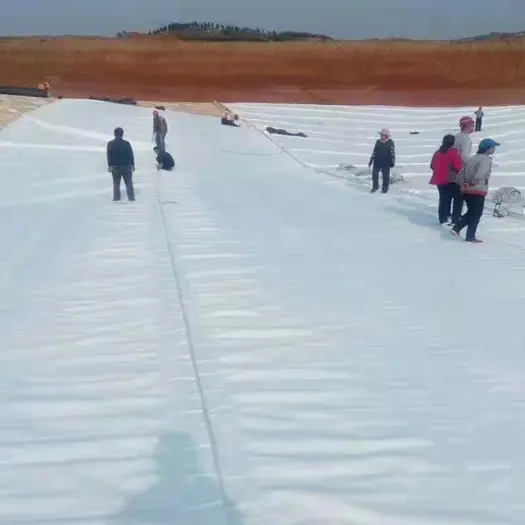
Integrated structures that combine non-woven cushions with concrete layers for durable sub-base protection.
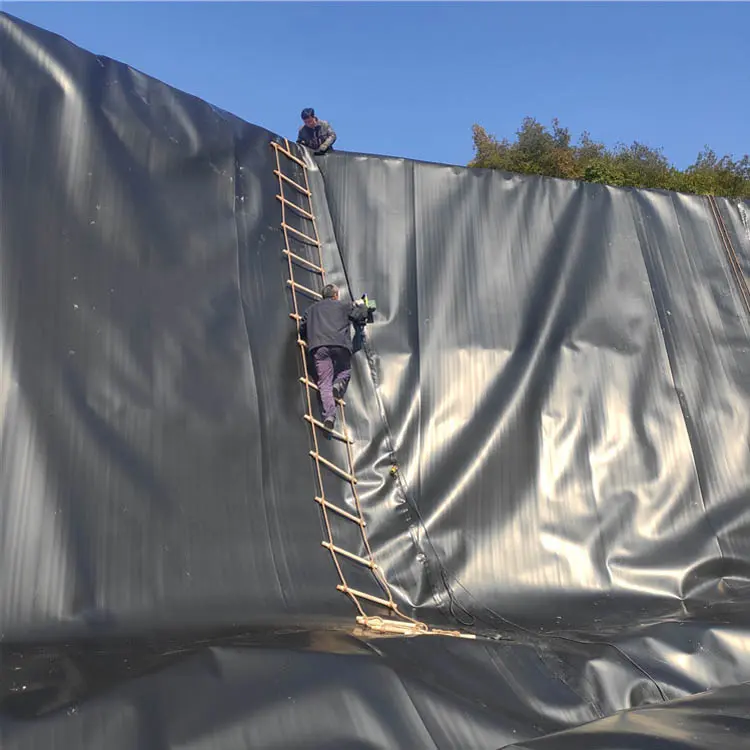
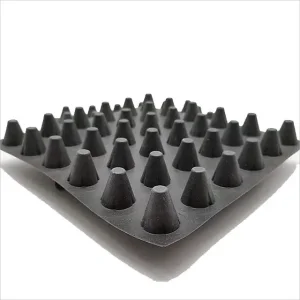
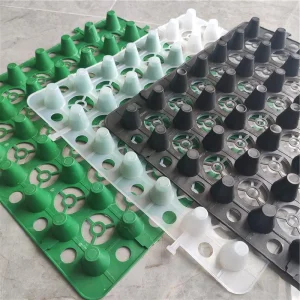
Multi-tiered lining systems using HDPE geomembranes, drainage nets, and clay barriers for groundwater protection.
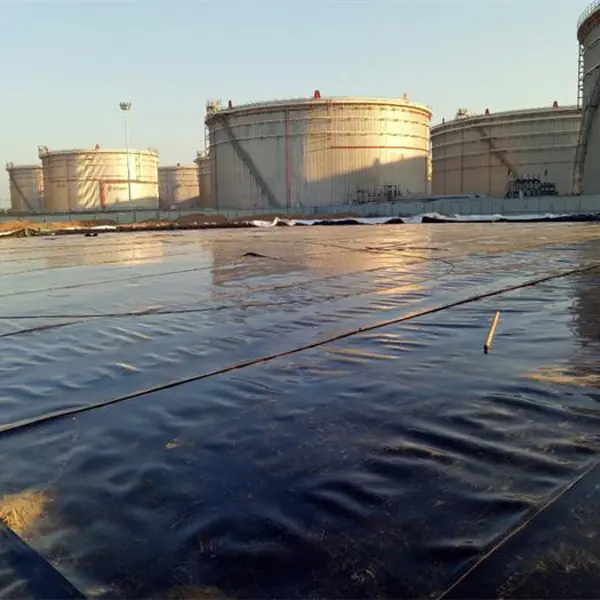
Secondary containment designs resistant to hydrocarbons, preventing chemical seepage in industrial petrochemical facilities.
For rapid stabilization of slopes, watercourse banks, and spillways, the slope protection anti-seepage cement blanket provides an alternative to traditional poured concrete. Composed of a 3D fiber matrix embedded with dry cement mix, and backed with an impermeable geomembrane layer, the blanket is positioned on the slope and hydrated on-site.
The hydrated cement blanket cures to form a reinforced, impermeable concrete layer. This system reduces installation times, eliminates crack propagation, and provides durable erosion protection on steep slopes.
Our bentonite waterproof blankets contain high-swell sodium bentonite clay particles needle-punched between non-woven and woven geotextile layers. When exposed to moisture, the bentonite swells to form a low-permeability clay layer, providing self-sealing characteristics for ponds, landfills, and subterranean foundations.
Infrastructure projects operate under distinct local regulatory frameworks. Achieving engineering approval requires verifying that all geosynthetics meet regional material standards.
Geotextiles are tested for mechanical and hydraulic properties according to ASTM standards: ASTM D4632 (grab tensile strength), ASTM D4533 (trapezoid tearing strength), and ASTM D4751 (apparent opening size).
For US public works and highways, road fabric must comply with AASHTO M288 classifications (Class 1, Class 2, or Class 3) based on installation survivability criteria.
European infrastructure requires CE marks matching EN ISO standards (e.g., EN ISO 10319 for tensile strength and EN ISO 11058 for water permeability).
We research and develop new material configurations to meet shifting demands in civil engineering, focusing on durability and smart monitoring capabilities.
Investigating bio-derived polypropylene and PLA polymer blends to produce biodegradable erosion control blankets with controlled lifespans for temporary slope support.
Integrating optical fiber micro-sensors directly into the warp-knit structural matrix. This enables real-time monitoring of strain levels, thermal shifts, and structural displacement within subgrades.
Adding nano-carbon black particles to the polymer melt to reduce UV degradation in exposed containment liners and dry-climate agricultural works.
Review answers to common questions about selecting, specifying, and installing geotextiles and geomembranes in major civil works.
Browse our secondary containment and stabilization products. We provide direct shipping, custom certifications, and engineering assistance for international infrastructure projects.
 Hongyue