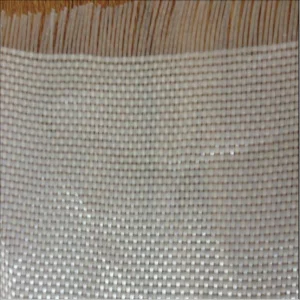
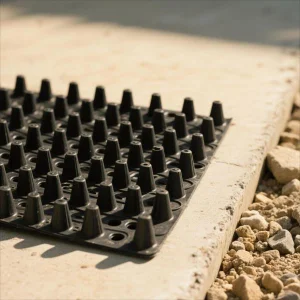
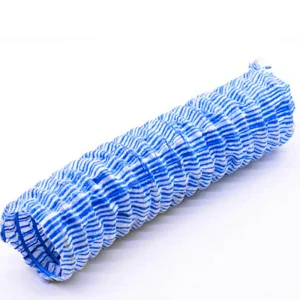
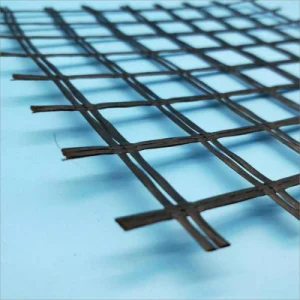
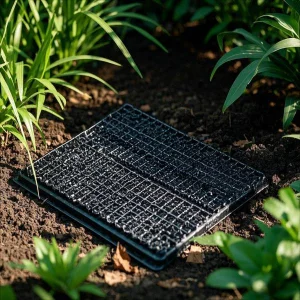
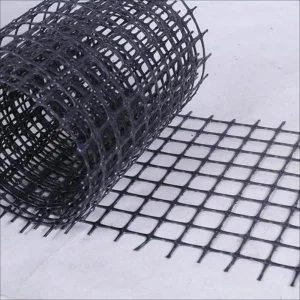
Explore our industrial-grade components engineered for civil engineering, soil isolation, filtration, and waterproofing networks.
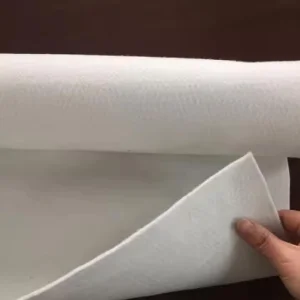
In modern civil, municipal, and residential engineering projects, managing subsurface water migration represents a critical operational challenge. Excess subterranean hydraulic pressure compromises foundation structures, induces soil liquefaction, and triggers local structural collapses. Among the various solutions developed over decades of hydrological engineering, the French drain system stands out as a highly effective mechanism for ground water diversion. However, the operational lifespan and drainage efficiency of these systems depend heavily on the quality and technical specification of the surrounding filter medium: the geotextile fabric.
As premier manufacturers and global exporters based in Shandong, China, we analyze the engineering dynamics of geotextiles specifically tailored for French drain applications. This whitepaper discusses the physics of soil filtration, modern non-woven needle-punched production standards, the commercial advantages of Chinese manufacturing hubs, and the complex procurement requirements of international developers.
Geotechnical Insight: A French drain system without a precisely engineered geotextile filter wrap is highly vulnerable to clogging. The migration of fine soil particles (silt and clay) into the aggregate gravel bed reduces void ratios, causing systemic failure within 24 to 36 months under standard hydrological loads.
The primary function of a custom geotextile fabric wrap in a French drain is dual-action: separation and filtration. It must allow water to pass freely into the gravel trench while retaining the fine particulate matrix of the surrounding subgrade. Balancing these properties requires precise control over two key metrics: Permittivity and Apparent Opening Size (AOS).
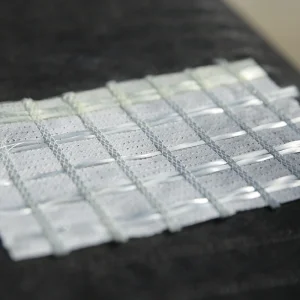
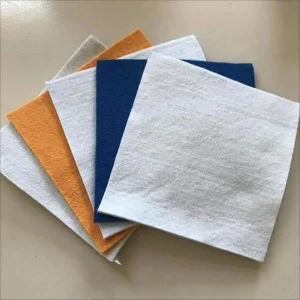
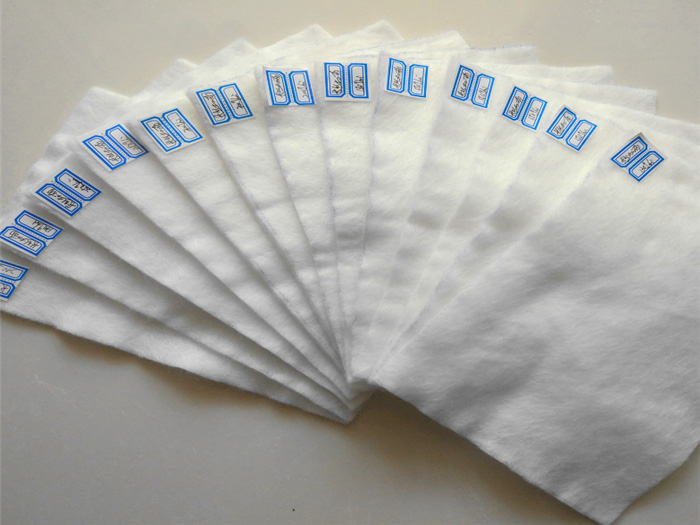
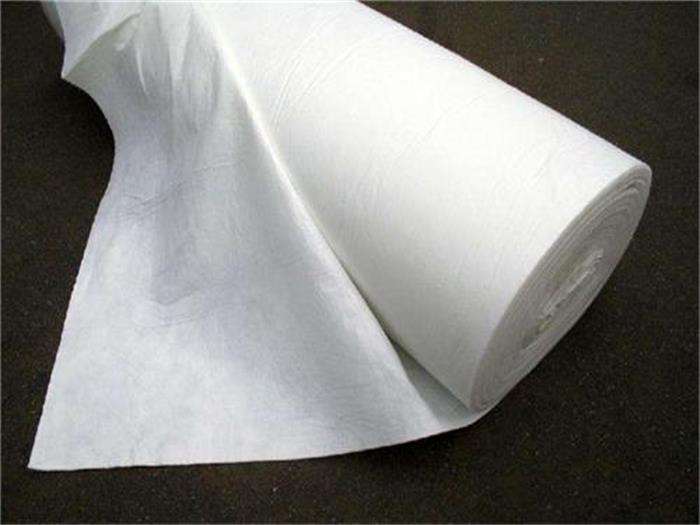
Custom non-woven geotextiles engineered by specialized factories utilize high-density needle-punched matrices. Unlike woven slit-film variants, which can clog easily when exposed to fine silts, non-woven configurations offer high multi-directional permeability. Water paths through the material are tortuous, mimicking natural sandy aquifers and ensuring high hydraulic throughput under challenging conditions.
Engineered to withstand shear stress and puncture forces from sharp gravel aggregates during high-compaction backfilling.
Extends the operational lifespan of drainage systems by over 300%, reducing long-term maintenance and replacement costs.
Highly resistant to soil acids, alkalis, biological decay, and long-term UV degradation in high-exposure projects.
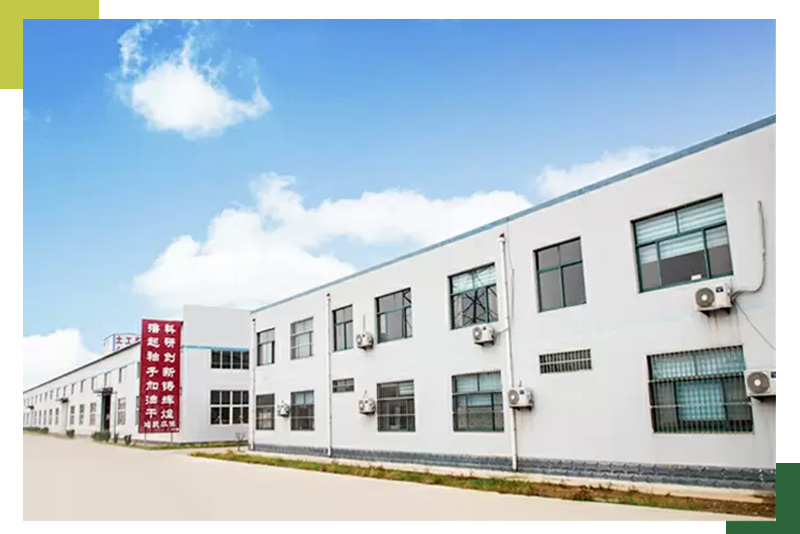
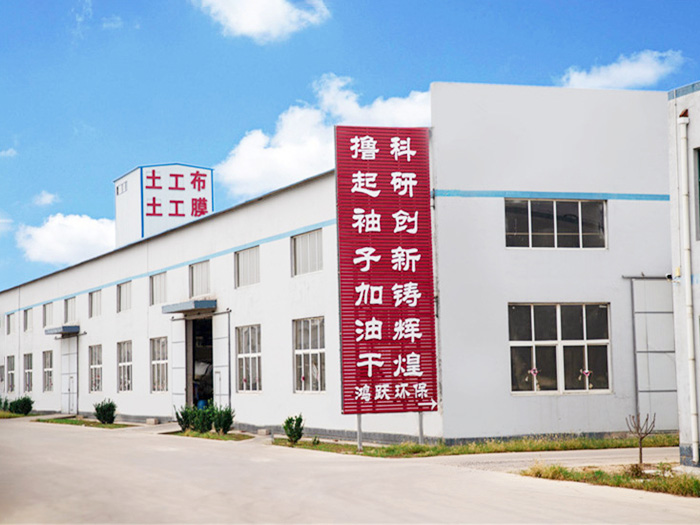
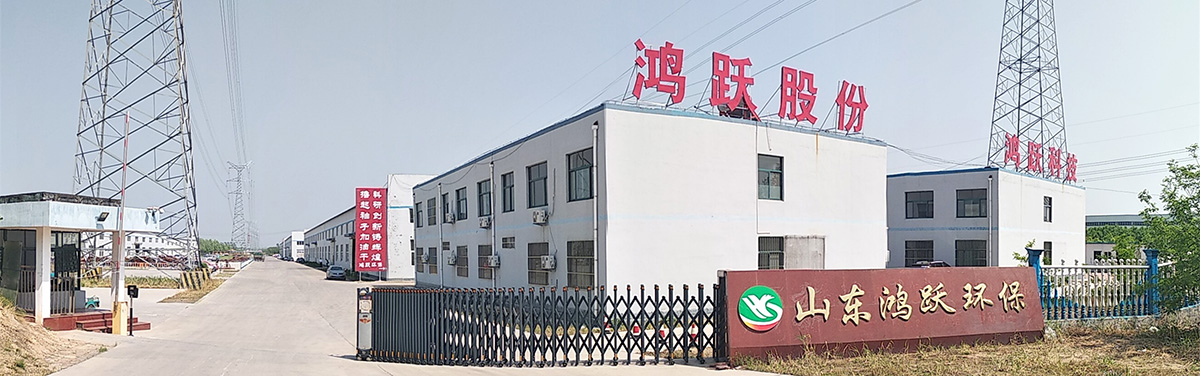
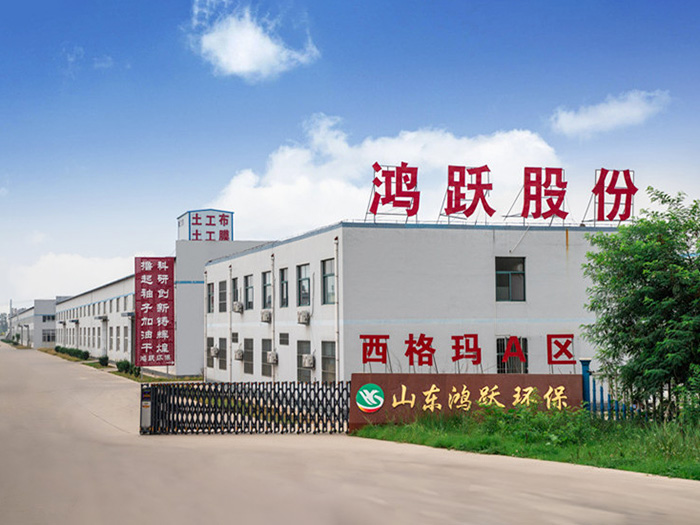
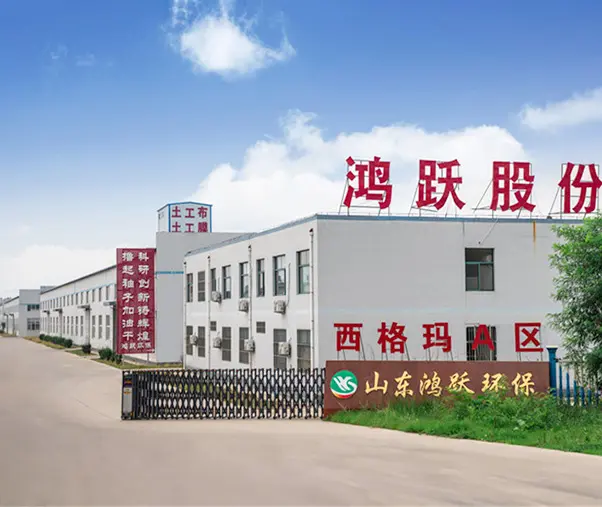
Located at the north end of Fufeng Street, Lingcheng District, Dezhou, Shandong Province, Shandong Hongyue Environmental Engineering Co., Ltd. is a scientific and technological geotechnical material manufacturer integrating engineering material production, sales, design, and construction services. The company was registered with the Lingcheng District Market Supervision and Administration Bureau of Dezhou City on April 6, 2023, with a registered capital of 105 million yuan. We operate one of the largest production bases of geotechnical materials in China, benefiting from a superior geographical location and convenient transport networks.
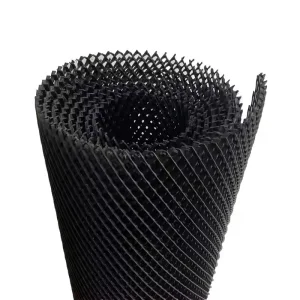
Since our establishment, we have expanded our business to include a wide range of geosynthetic materials: geotextiles, geomembranes, composite geomembranes, waterproof boards, bentonite waterproof blankets, 3D composite drainage nets, composite drainage boards, weaving cloths, woven cloths, membrane bags, blind ditches, waterproof/drainage combinations, woven bags, ecological bags, cement blankets, fiber plant blankets, and flexible pervious pipes.
The global demand for high-performance geotextiles has grown significantly due to rising investments in climate-resilient infrastructure. From municipal stormwater management projects in North America to agricultural land reclamation programs in Australia and regional transportation networks across Europe, efficient drainage solutions are essential. Standard off-the-shelf geotextiles often fail to meet the performance criteria of site-specific soil compositions. This has increased demand for custom-formulated non-woven fabrics with customized physical properties.
China's geosynthetics manufacturing industry, centered in regions like Dezhou in Shandong Province, has successfully adapted to these market trends. The efficiency of Chinese manufacturing is driven by three main factors:
| Physical Property | Standard Testing Protocol | Typical Range (Light Civil) | Typical Range (Heavy Industrial) |
|---|---|---|---|
| Weight / Mass per Unit Area | ASTM D5261 / ISO 9864 | 100 g/m² - 150 g/m² | 200 g/m² - 400 g/m² + |
| Grab Tensile Strength | ASTM D4632 / ISO 10319 | 400 N - 700 N | 800 N - 1800 N |
| Apparent Opening Size (AOS) | ASTM D4751 / ISO 12956 | 0.15 mm - 0.30 mm | 0.075 mm - 0.20 mm |
| Water Permeability Rate | ASTM D4491 / ISO 11058 | > 50 l/(m²·s) | > 120 l/(m²·s) |
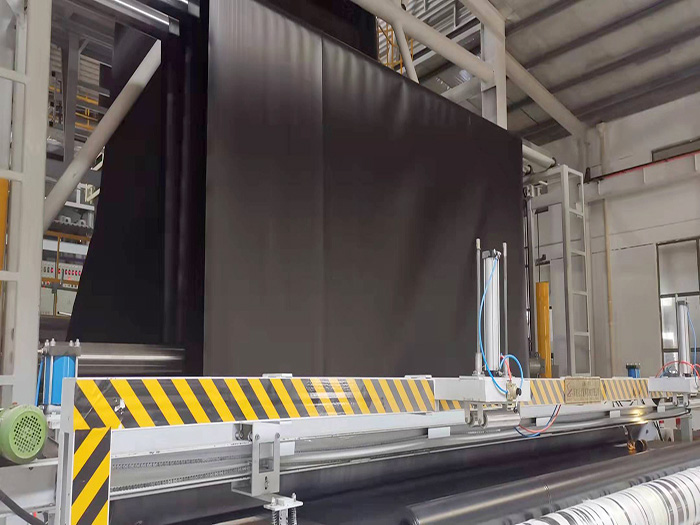
A closer look at how modern production technology and processing systems ensure the quality of non-woven geotextile products.
The primary raw materials used in geotextile production include polyester chips, polypropylene filament, and viscose fiber. All incoming raw materials undergo strict inspection, sorting, and storage protocols to ensure chemical purity and batch-to-batch consistency.
Polyester chips are melted at high temperatures and extruded through a specialized screw extruder. During this stage, polypropylene filaments and viscose fibers are introduced into the blend. Crucial parameters like zone temperatures and head pressures are monitored to ensure a uniform melt.
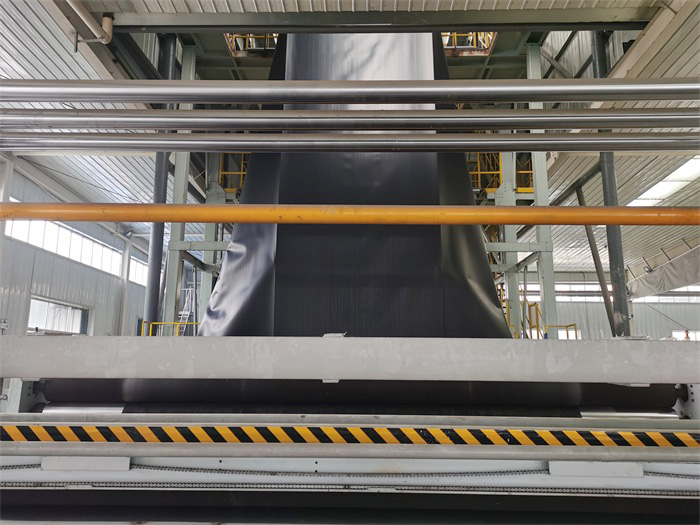
The molten polymer mix is extruded through spinnerets to form fine fiber strands. These fibers are deposited onto a moving conveyor belt to create a uniform, multi-directional network. Key metrics like web thickness, density, and fiber orientation are controlled during this phase.
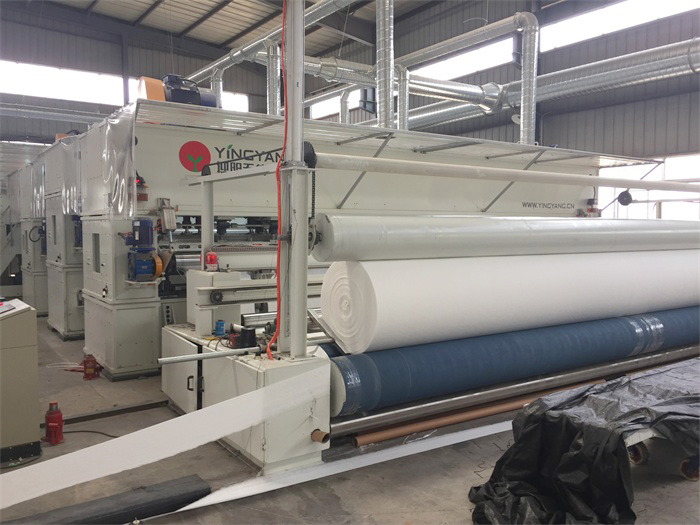
The loose web of fibers is passed through mechanical needle-punching looms. Thousands of barbed needles interlock the fibers, enhancing the material's structural integrity. The fabric then undergoes draft curing, where speed and draft ratios are adjusted to achieve the target tensile strength.
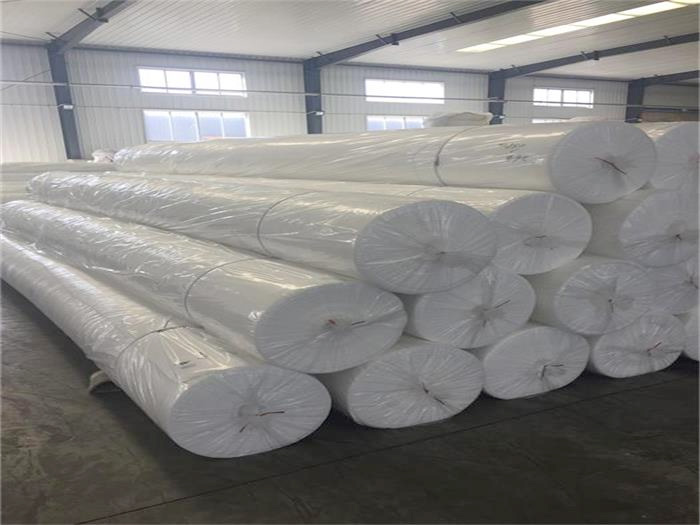
After curing, the geotextile is wound into rolls matching specified project dimensions (length, width, and thickness). Protective outer packaging is applied to shield the rolls from UV exposure and physical damage during international transit.
Samples from each production run undergo comprehensive quality testing. These tests evaluate physical and chemical properties, including grab tensile strength, permittivity, puncture resistance, and apparent opening size (AOS). Only approved batches are cleared for distribution.
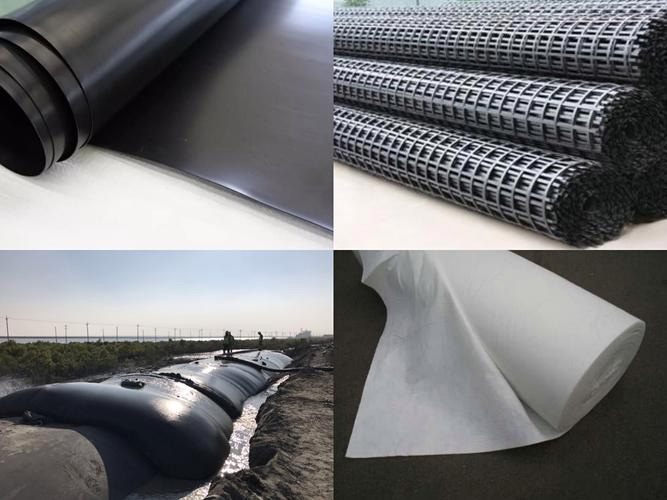
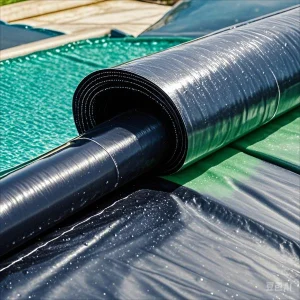
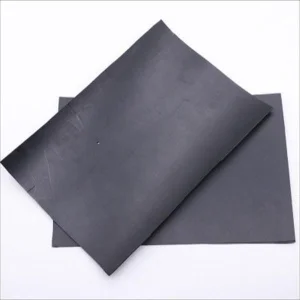
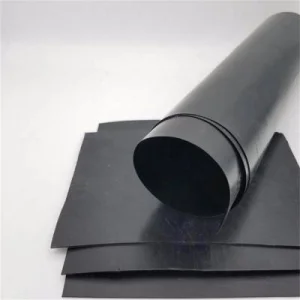
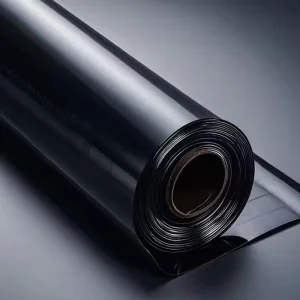
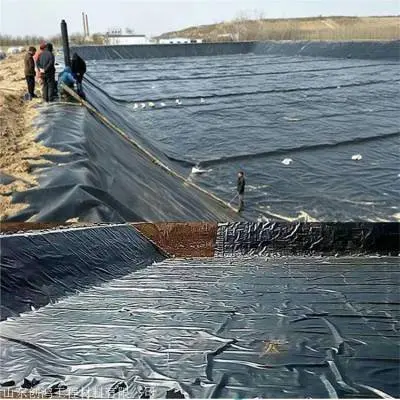
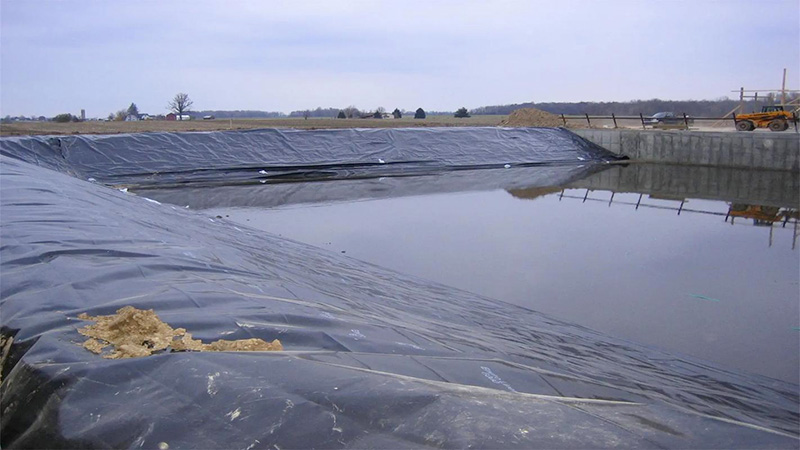
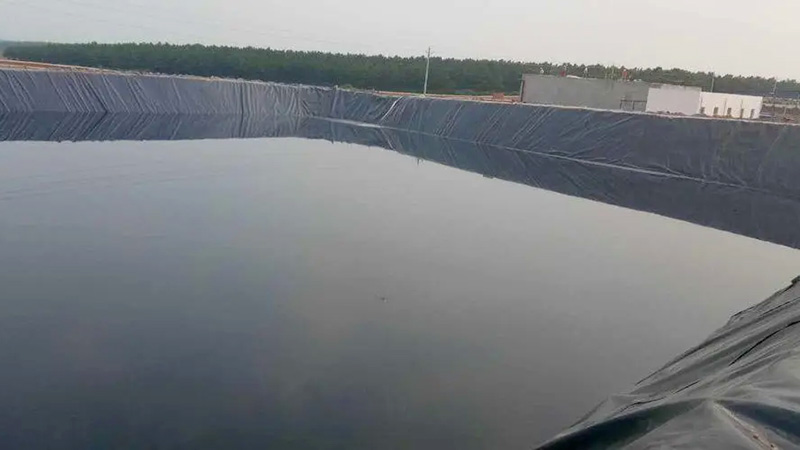
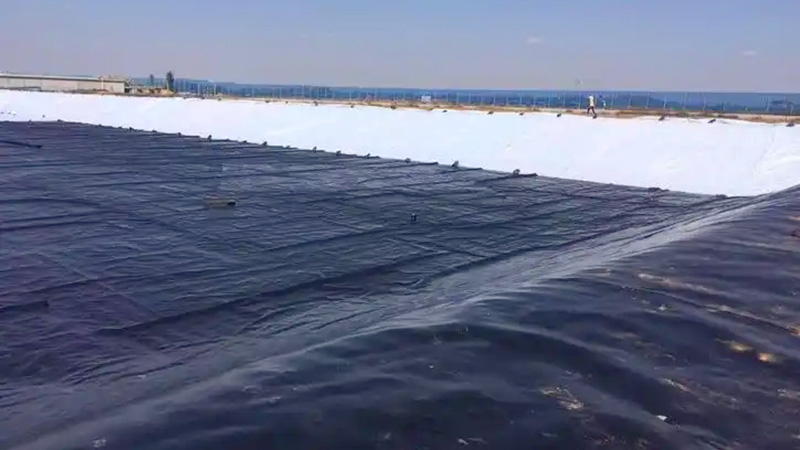
While geotextile fabrics provide filtration and separation in French drain installations, geomembranes are used in projects requiring absolute fluid containment or barrier isolation. High-density polyethylene (HDPE) and linear low-density polyethylene (LLDPE) geomembranes are essential components in modern environmental engineering projects, including landfill linings, chemical containment areas, and hydraulic reservoirs.
The selection of a geomembrane depends on the specific chemical and physical requirements of the project site. Key considerations include:
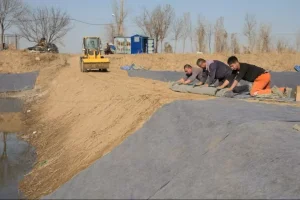
The installation of geomembranes requires precise preparation and execution to prevent damage and ensure leak-free joints:
Regular maintenance helps extend the service life of geomembrane liners. Maintenance teams should schedule routine cleanings to remove sediment, inspect exposed sections for environmental aging or physical damage, and avoid operating heavy machinery directly on the liner without a protective soil cover.
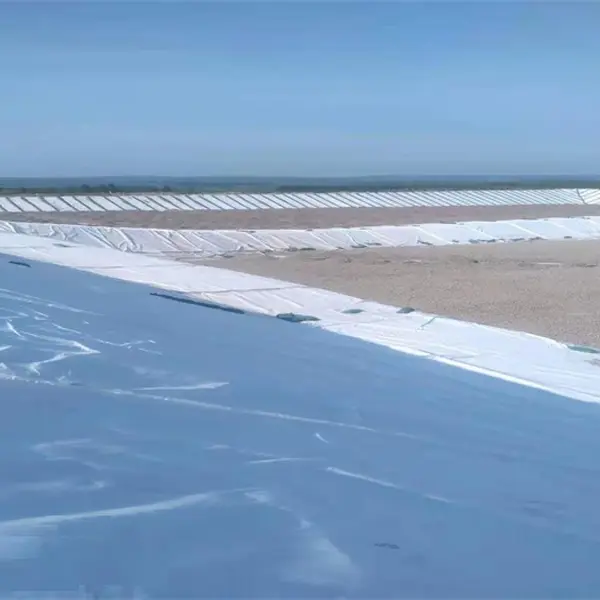
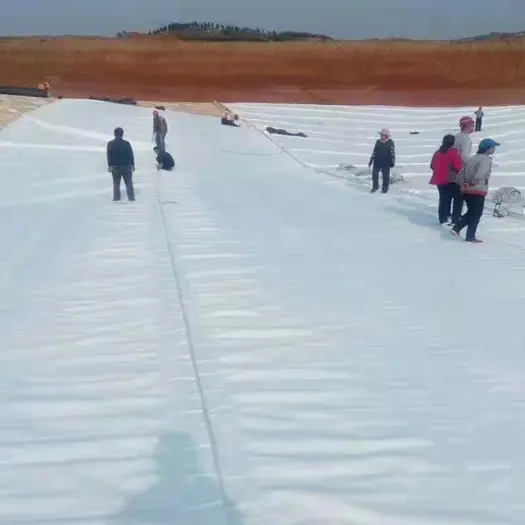
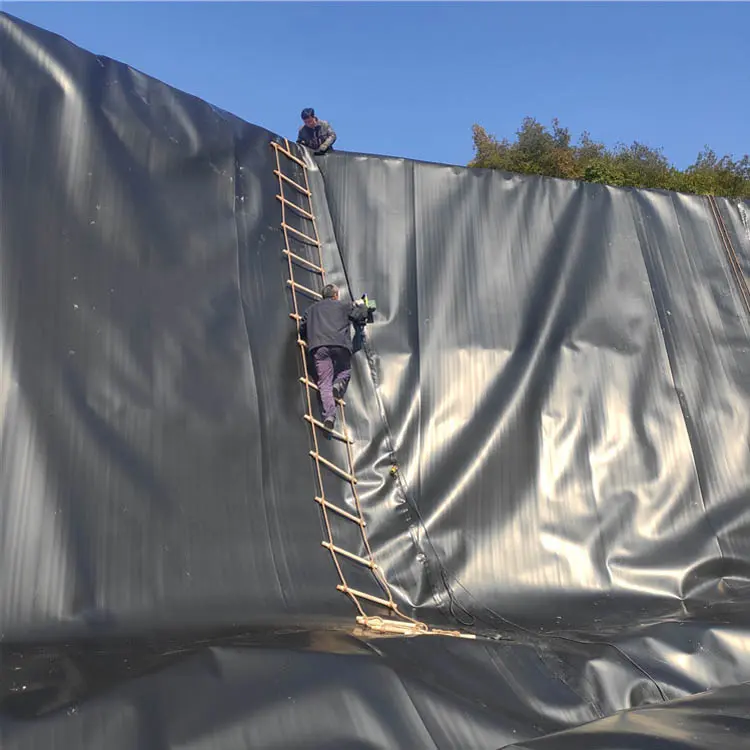
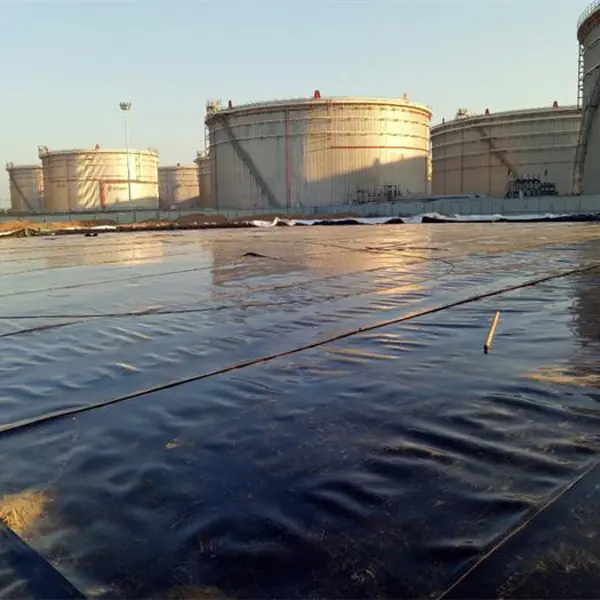
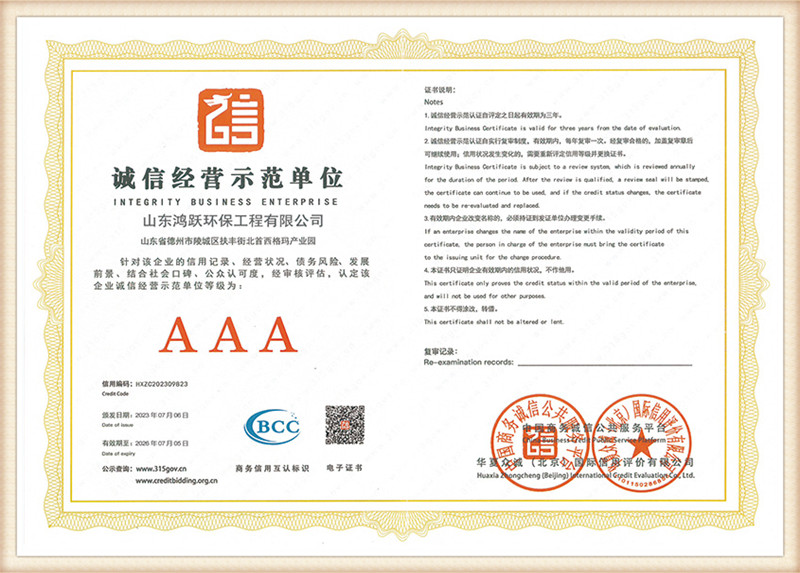
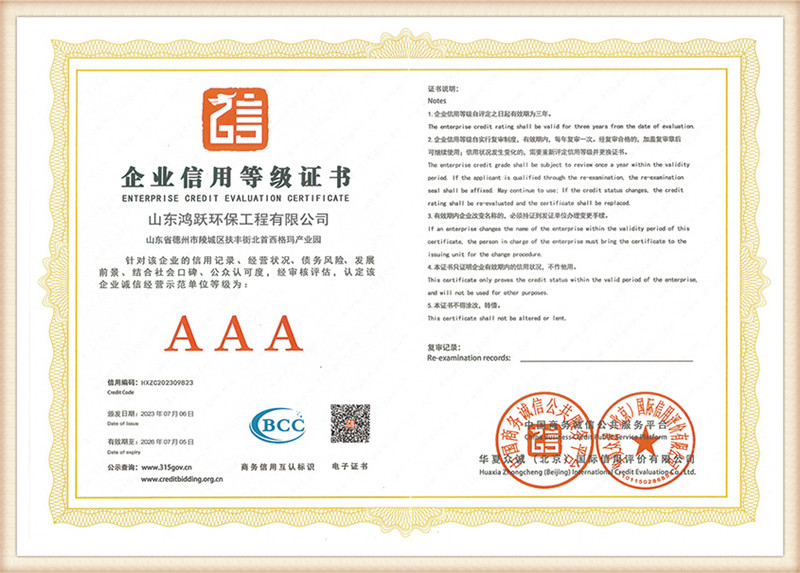
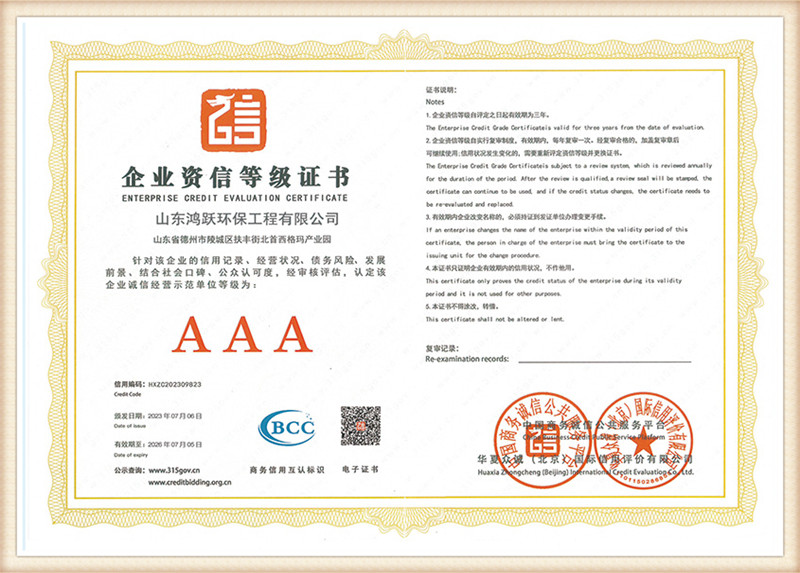
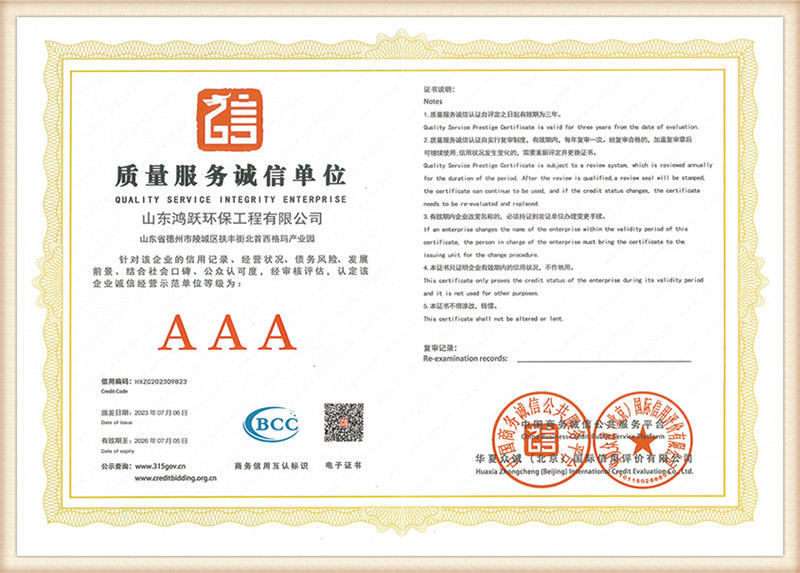
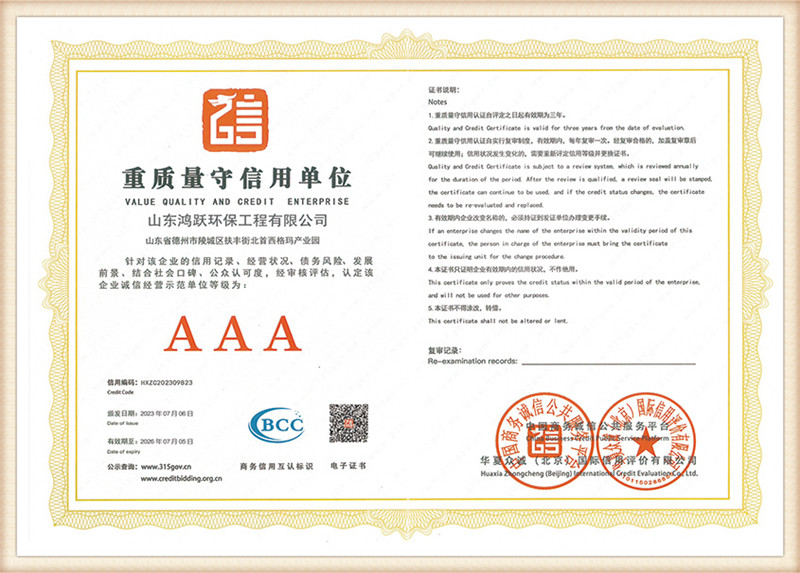
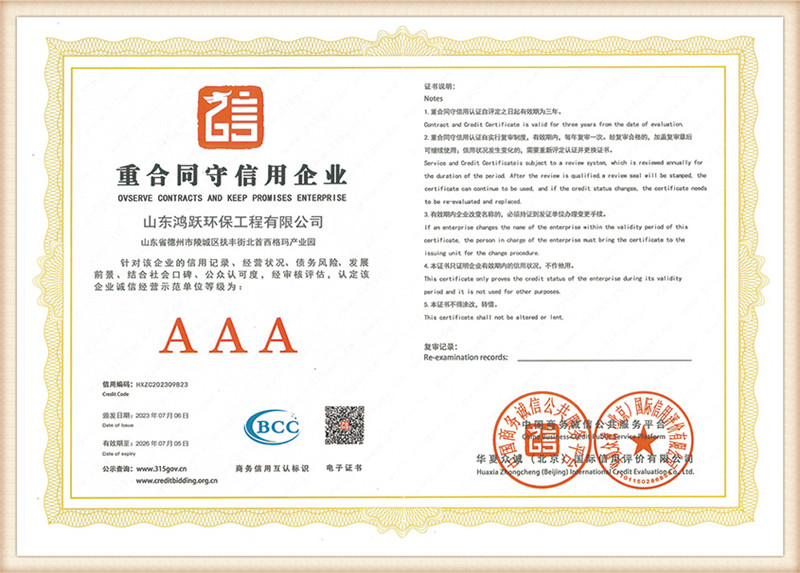
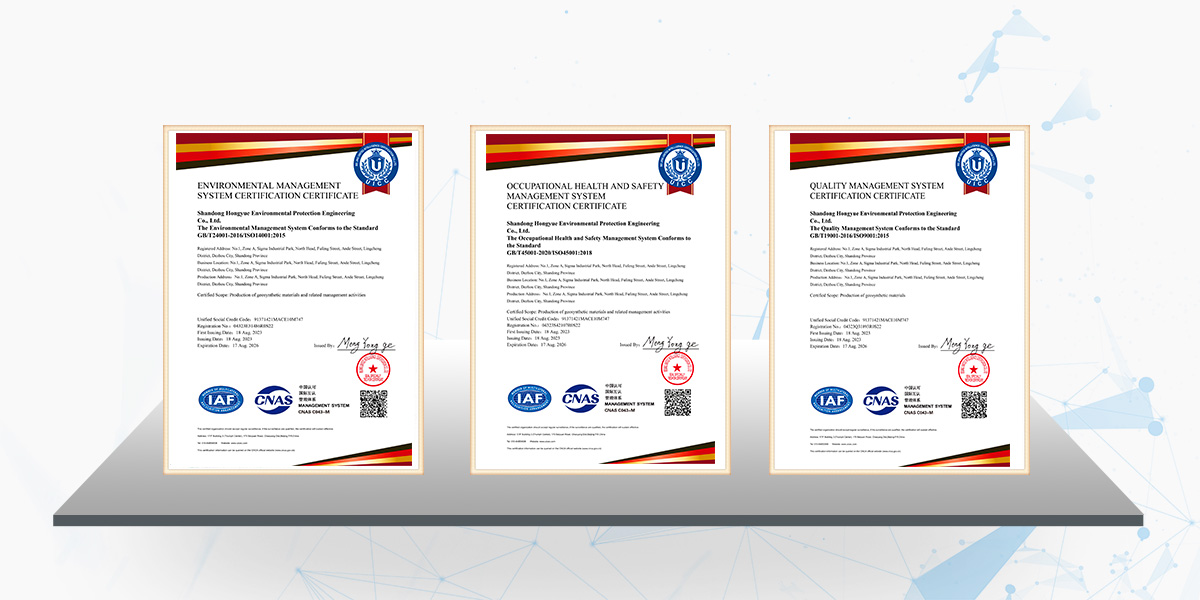
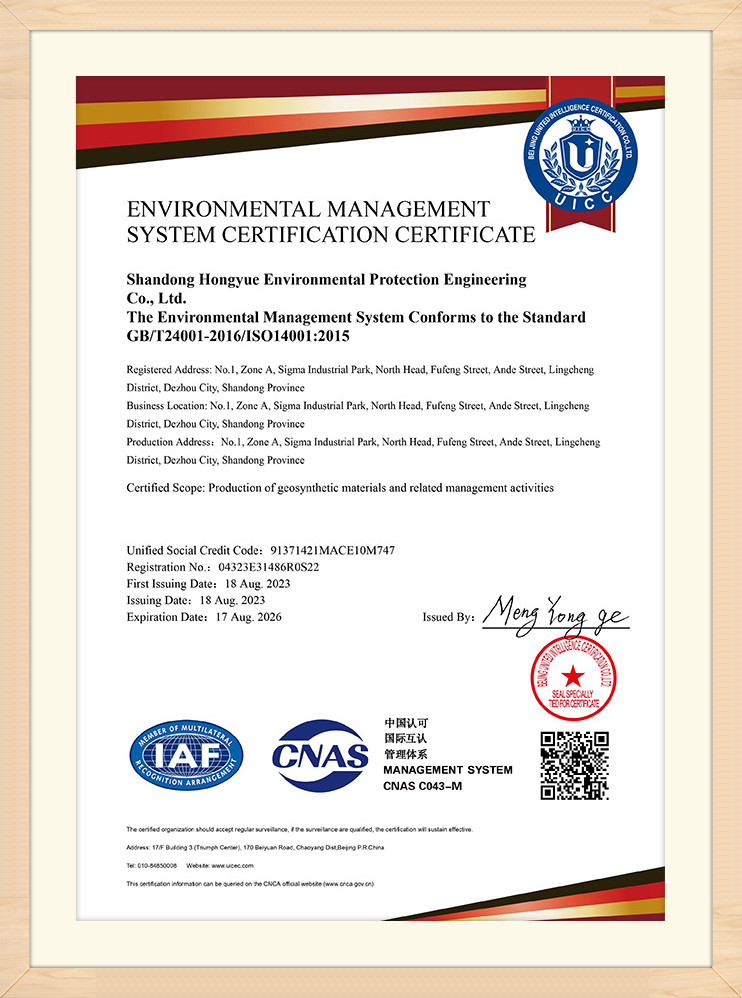
Shandong Hongyue operates under a comprehensive quality management system, delivering certified performance to projects worldwide.
Our production facilities maintain certifications including ISO9001 International Quality Management System, ISO14001 Environmental Management System, and ISO45001 Occupational Health and Safety Management System. Over our years of operation, our products have earned recognition such as "Green Building Materials Products," "China Famous Brand," and "High-Tech Enterprise." We distribute our products across a domestic network covering major municipal centers and export to markets in Europe, the United States, Australia, and Southeast Asia. All manufactured geosynthetic lots are tested to meet or exceed relevant ASTM, GB/T, and ISO standards.
Procuring geotextiles for large-scale engineering projects requires evaluating more than just the unit price. International purchasing managers, engineering designers, and import-export agents must assess the manufacturer's capacity to deliver consistent quality across large orders, package materials securely for sea transit, and provide reliable technical support.
As direct manufacturers, we address these requirements through several key practices:
Answers to common technical questions regarding the selection, application, and procurement of geosynthetics.
Non-woven needle-punched geotextile is recommended for French drains. Woven geotextiles, particularly slit-film designs, have low permeability and can block water flow. Non-woven fabrics feature a porous, multi-directional structure that allows water to drain freely while retaining fine soil particles.
For most residential and light commercial French drains, a non-woven fabric weighing between 100 g/m² and 150 g/m² (approximately 3 to 4 ounces) provides a good balance of water flow and filtration. Heavy civil or high-stress installations may require fabric weights of 200 g/m² or higher.
Our quality assurance program is certified under ISO9001. We source our raw materials from certified petrochemical suppliers and monitor key production metrics in real-time. Additionally, each batch undergoes lab testing to verify its tensile strength, puncture resistance, thickness, and flow rate prior to shipping.
When installed correctly in stable soil conditions, systems wrapped in our high-grade non-woven geotextiles can operate effectively for 30 to 50 years. The fabric's chemical stability prevents biological decay and degradation from naturally occurring acids and alkalis in the soil.
Yes. We can manufacture geotextile rolls in custom widths ranging from 1.0m to 6.0m and lengths from 50m to 300m. This allows us to help customers minimize waste during installation and optimize cargo space during shipping.
MOQs vary depending on the product weight and roll width requested. Generally, we require a minimum order equivalent to one 20-foot container (approximately 20,000 to 30,000 square meters for standard weight fabrics). For in-stock items, we can accommodate smaller trial orders.
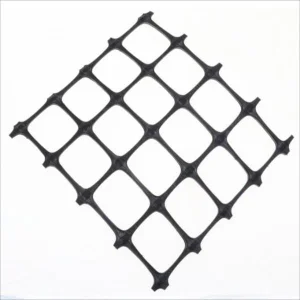
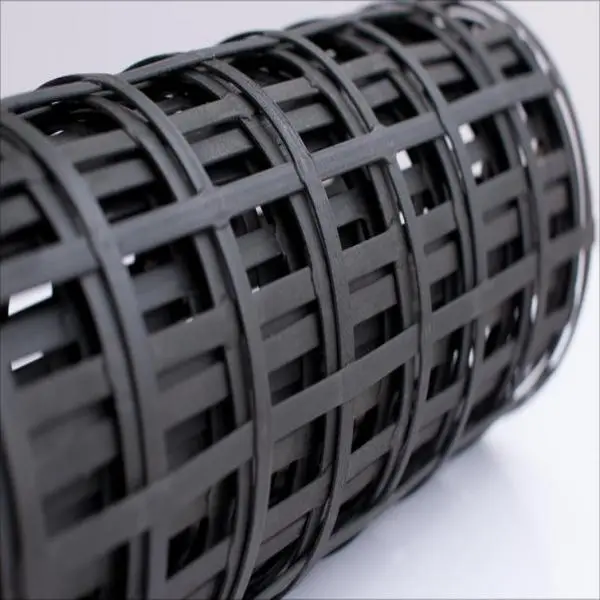
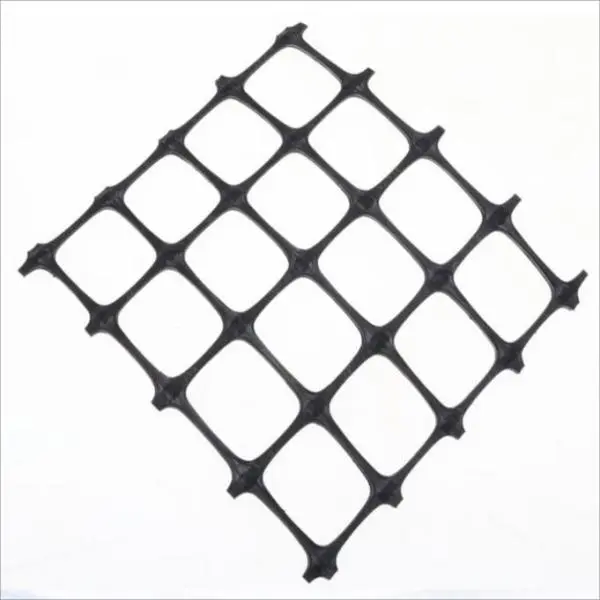
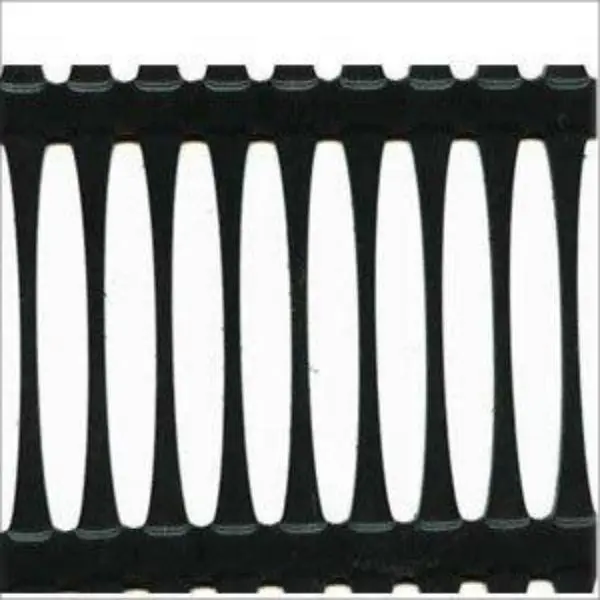
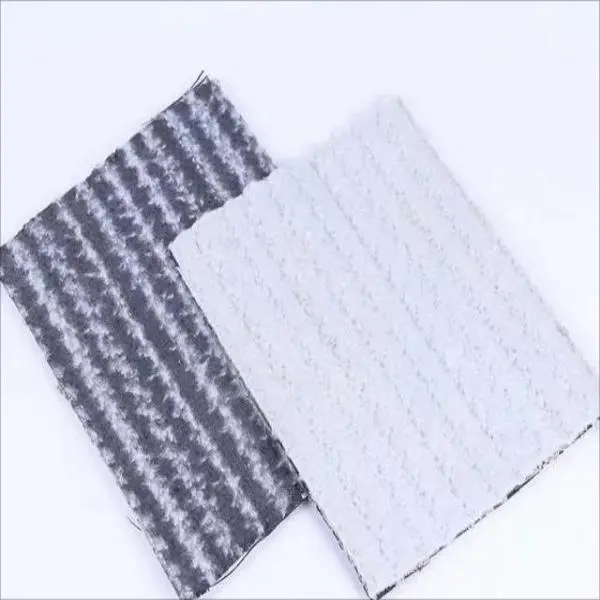
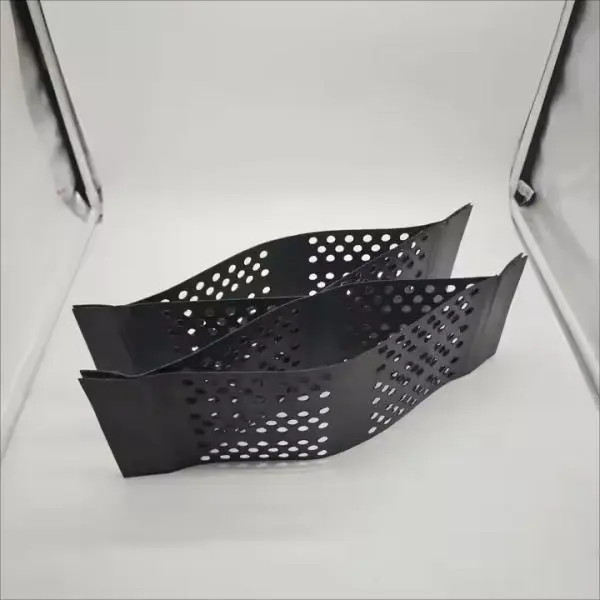
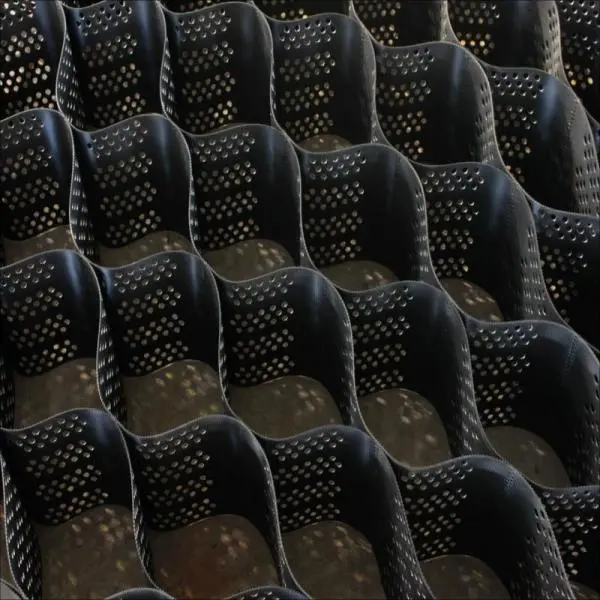
Complete your project requirements with our range of high-performance geogrids, drainage networks, and specialized barrier layers.
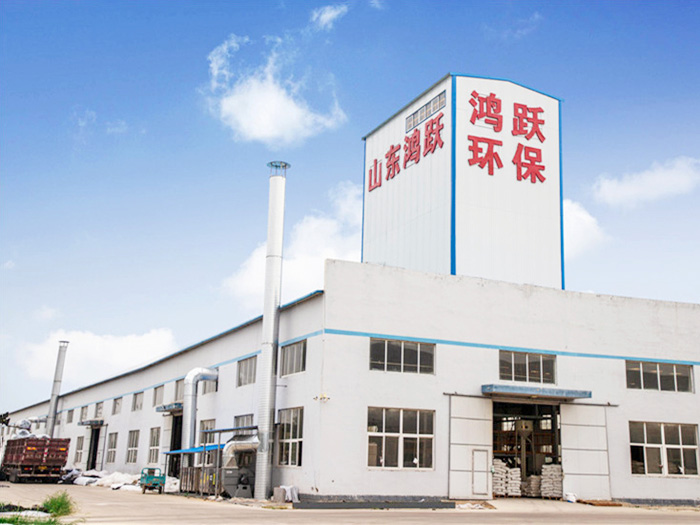
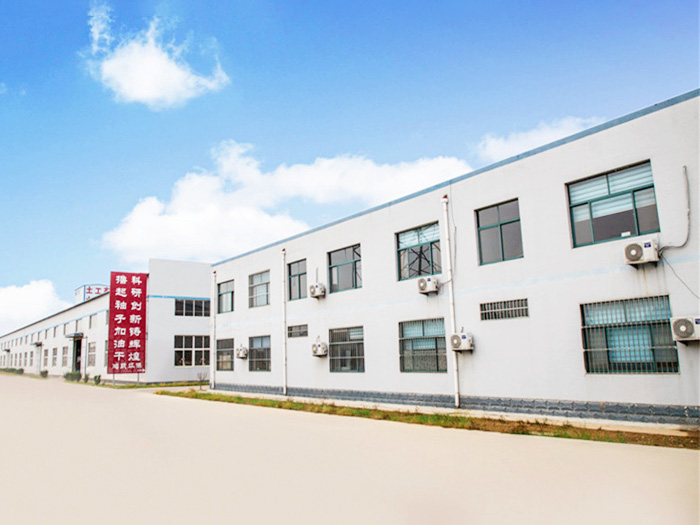
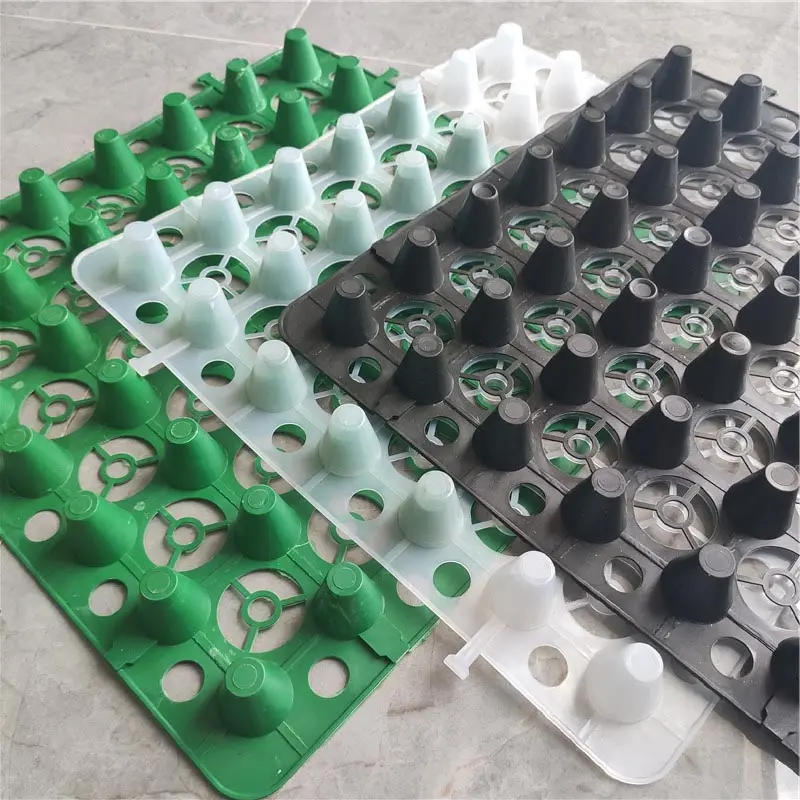
Review our manufacturing facilities, processing equipment, and field deployment sites.
 Hongyue