Engineered to solve high-load paving, soil confinement, and hydraulic filtration challenges worldwide.
Registered Capital (RMB Yuan)
Global Sales Network Hubs
9001, 14000, 45001 Certified
Standardized Testing Compliance
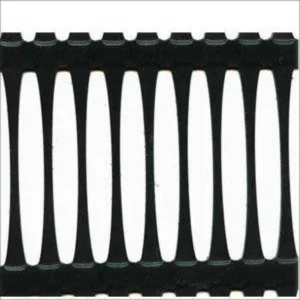
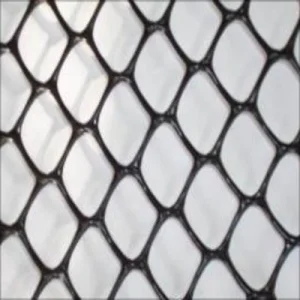
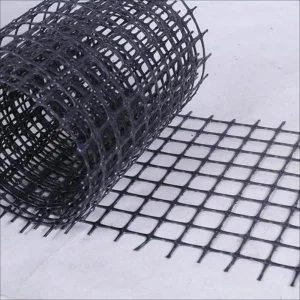
Geogrid paving represents a paradigm shift in modern civil engineering and infrastructure design. By utilizing high-molecular-weight polymers like High-Density Polyethylene (HDPE), Polypropylene (PP), and Polyester (PET), geogrids provide crucial reinforcement, tensile strength, and structural containment to soil, base materials, and asphalt overlays. The core mechanical benefit relies on lateral confinement and aperture interlocking: as vertical load is applied to aggregate layers, the stones lock into the geogrid apertures, converting lateral shear stresses into tensile stresses absorbed by the grid structure.
This dynamic mechanism—known as the tension membrane effect—mitigates subgrade deflection, stops reflective cracking in asphalt layers, and prevents lateral spreading of sub-base aggregates. In logistical terms, integrating high-tensile custom geogrids into roadway paving and soft soil foundations reduces structural aggregate thickness requirements by up to 30-50%, saving immense material and shipping expenses while prolonging pavement service life cycle by up to 2.5 times.
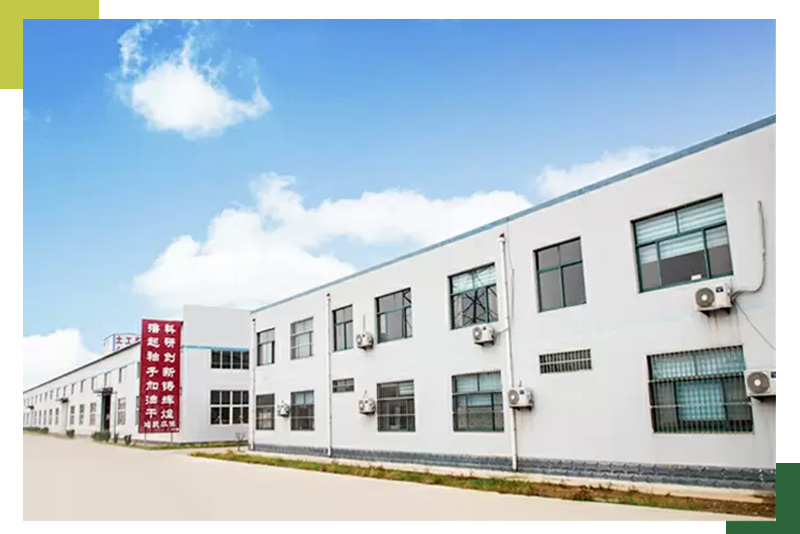
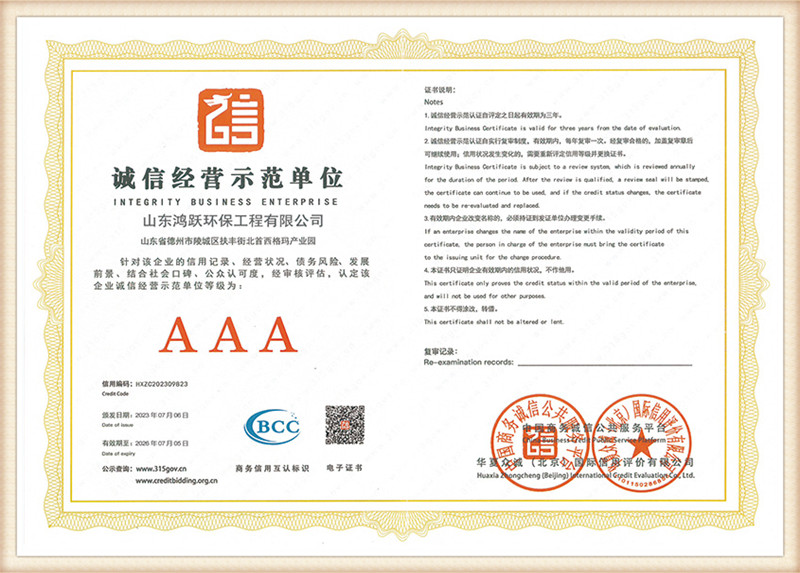
Founded with a robust registered capital of 105 million RMB and situated in Dezhou, Shandong Province, China, Shandong Hongyue Environmental Engineering Co., Ltd. is a leading global technological manufacturer of geotechnical engineering materials. The company combines design consulting, state-of-the-art manufacturing, worldwide logistics, and installation services under one unified roof. Strategically positioned inside one of China's most developed transport and geosynthetics industrial hubs, Shandong Hongyue guarantees efficient processing, quick transport link accesses, and reliable execution of massive global B2B procurement operations.
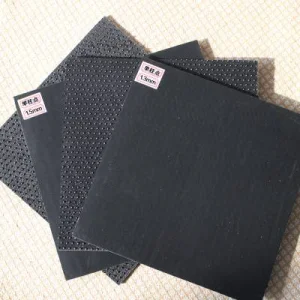
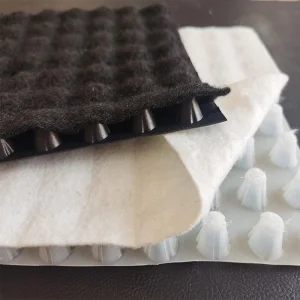
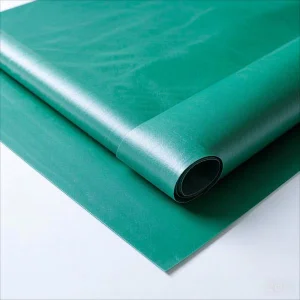
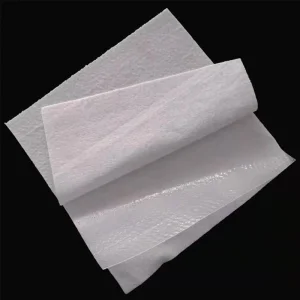
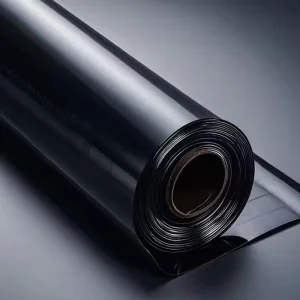
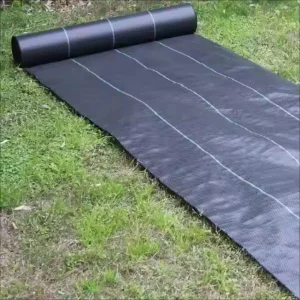
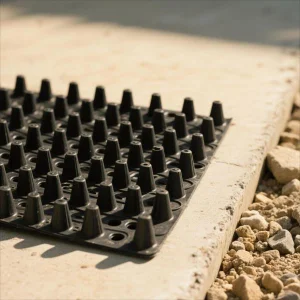
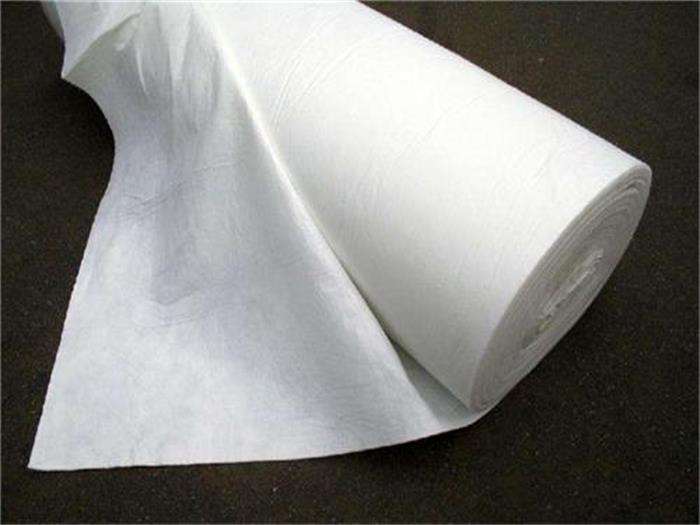
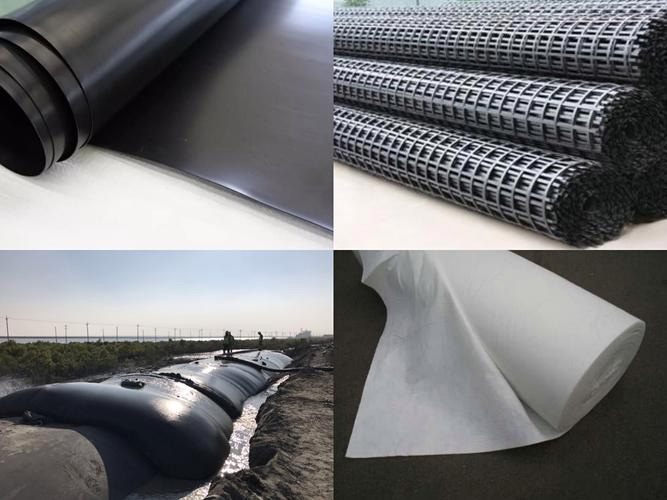
Our product catalog spans a complete geological solution array: high-grade geotextiles, geomembranes, composite geomembranes, sheet-type drainage boards, geogrids, geonets, and bentonite waterproof blankets. Through deep engineering capability and high-caliber production machinery, we deliver optimal solutions for dams, high-speed rail, highways, landfills, and coastal engineering structures across Europe, Australia, North America, and beyond.
Fulfilling the complex demands of B2B buyers, municipal authorities, and geotechnical designers globally.
Different civil designs call for unique geogrid layouts. We specialize in custom aperture sizes, varying rib thicknesses, and targeted tensile properties (ranging from 20 kN/m to over 200 kN/m) to fulfill localized subgrade conditions and regional engineering standards like ASTM, AASHTO, and CE.
By leveraging advanced automated co-extrusion and punching machinery, Shandong Hongyue guarantees steady quality control and high-volume production output. Our integrated logistics channels lower lead times and reduce delivery costs compared to domestic Western suppliers.
From high-heat desert roadway projects in the Middle East to sub-zero subgrade installations in Northern Europe, our custom UV-stabilized, chemical-resistant polymers resist degradation, stress-cracking, and cyclic thermal fluctuations.
A look inside Shandong Hongyue's advanced production facilities, heavy-duty extruders, and raw material storage units.
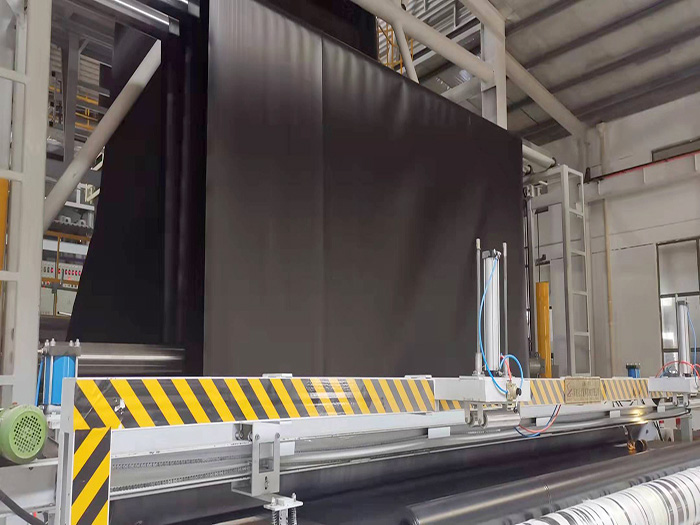
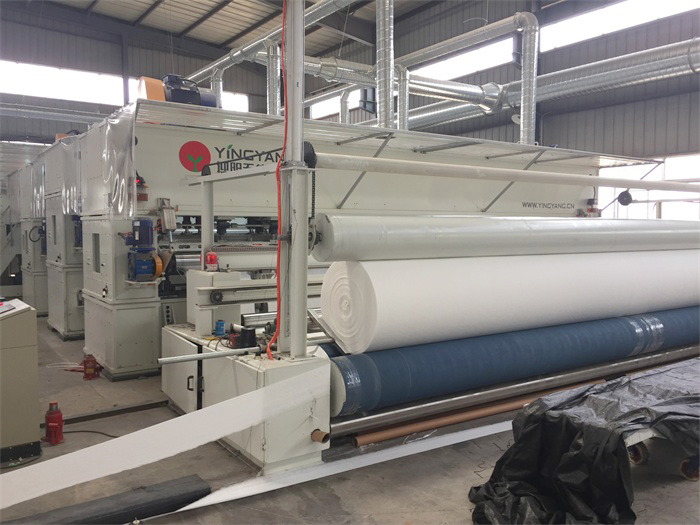
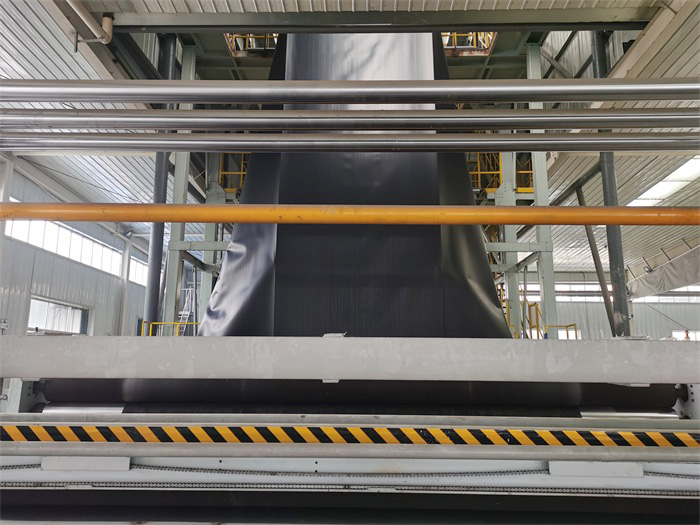
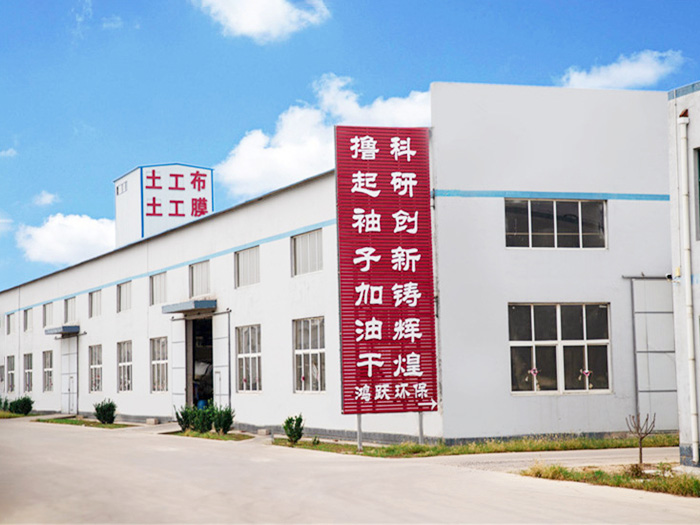
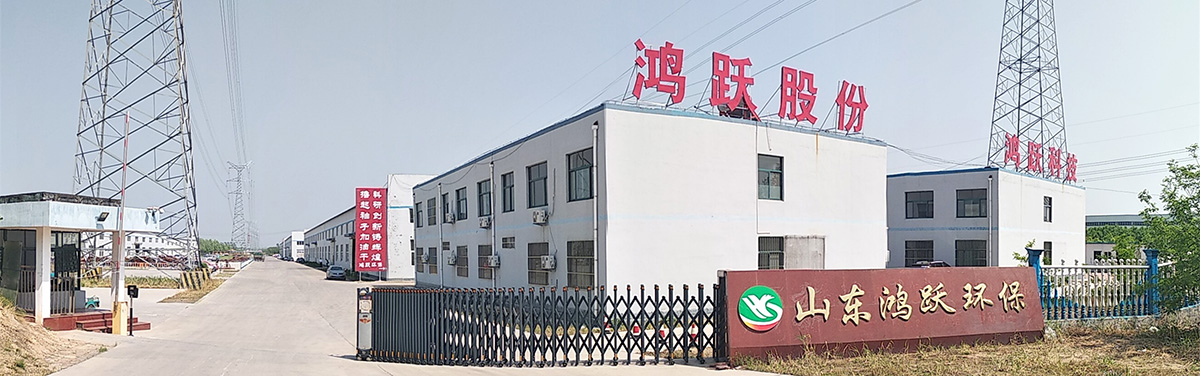
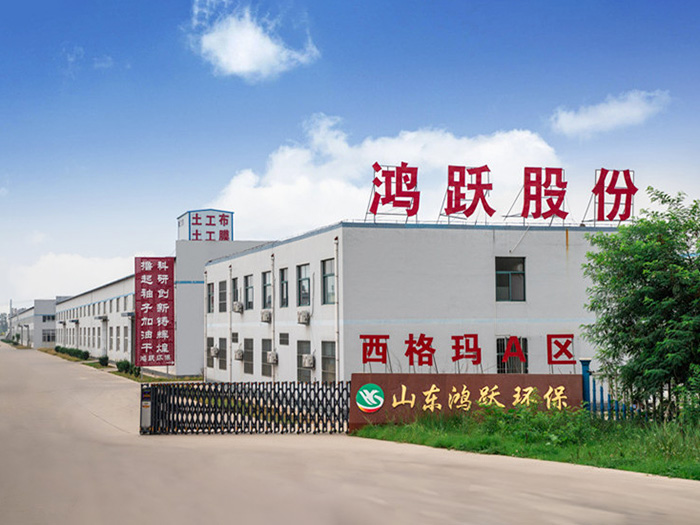
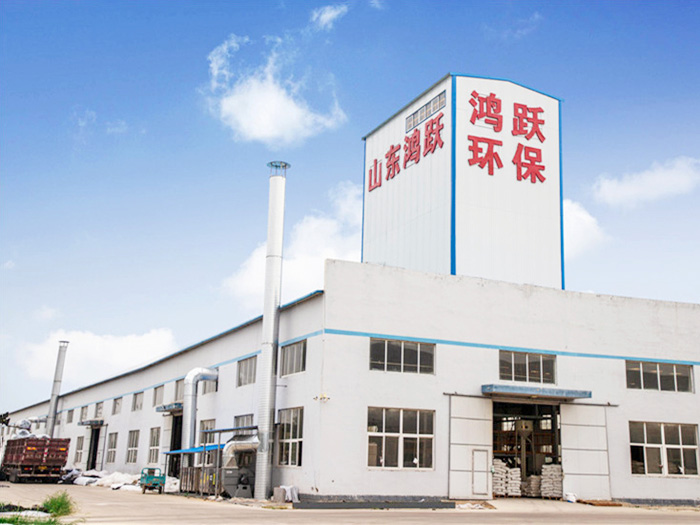
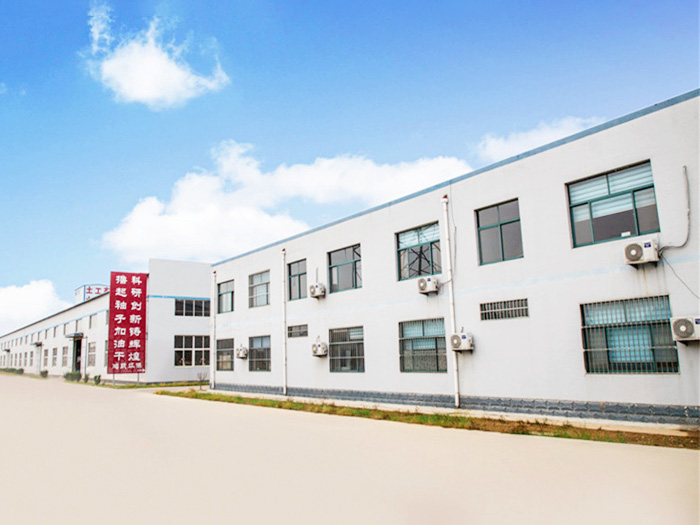
Achieving international quality standards through precise, automated thermal and mechanical processes.
Strict selection of prime virgin polyester (PET) chips, polypropylene (PP) filament, and specialized high-density polyethylene (HDPE) pellets. Every batch undergoes density, melt flow index (MFI), and purity testing prior to loading.
Polymers are heated to precise temperatures and extruded into flat sheets. We add custom carbon black and UV inhibitors to guarantee durability against environmental exposure during long paving projects.
Advanced punching tools create custom aperture networks in the sheet. For geogrids, these flat pre-punched sheets are stretched under high heat to align the polymer molecules, significantly boosting tensile strength.
Uniaxial geogrids undergo machine-direction drawing, and biaxial structures are drawn in both directions. This dual stretching establishes high-tensile junctions that withstand heavy shear stresses.
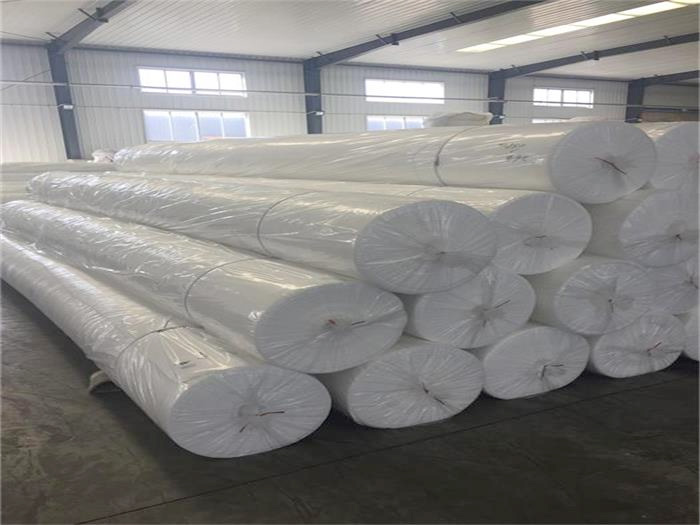
Finished materials are wound into standardized or custom width rolls (up to 6 meters). The packaging prevents physical and UV damage during sea transport and storage.
Our lab tests samples for wide-width tensile properties, junction strength, tear resistance, and dimensional accuracy to verify they meet or exceed international certifications.
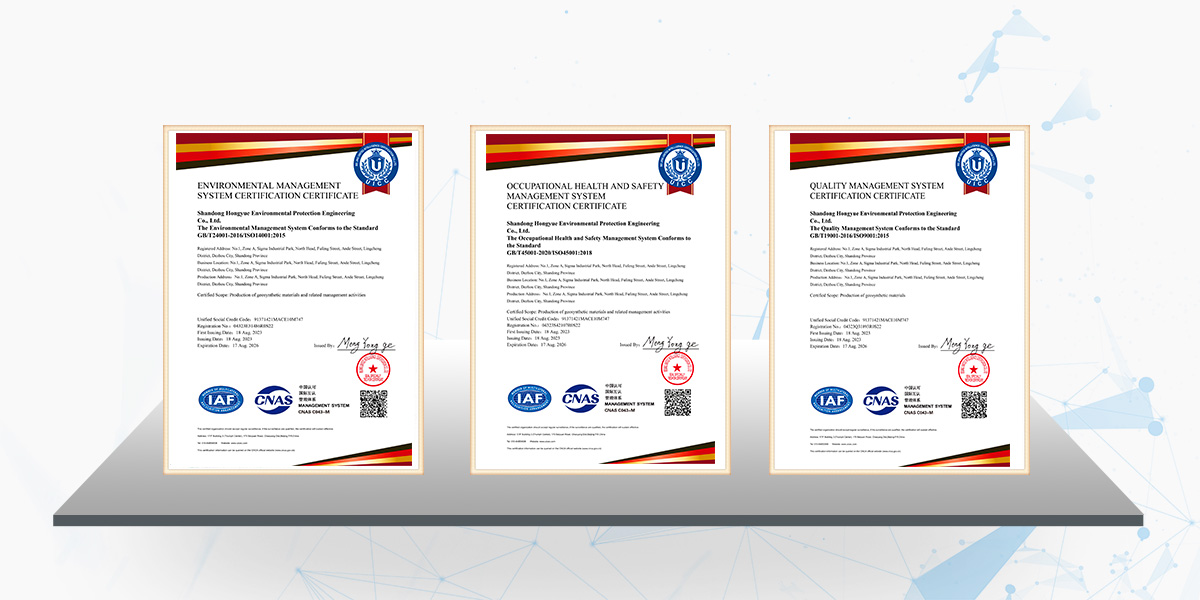
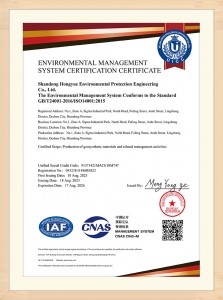
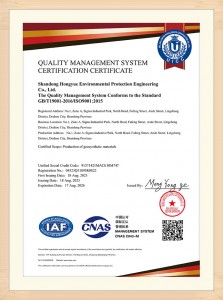
Shandong Hongyue maintains a rigorous, multi-layered quality control framework. Certified under ISO9001 (Quality Management), ISO14000 (Environmental Management), and ISO45001 (Occupational Health & Safety), our manufacturing plant operates in full compliance with global environmental regulations.
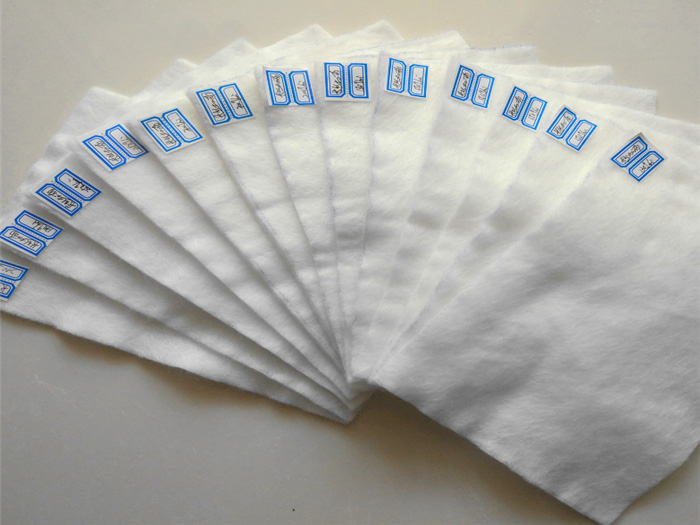
Every roll of geogrid, geomembrane, and geotextile is stamped with a tracking identifier linked to raw material records, machine shifts, and lab results. Testing parameters include ASTM D6637 (tensile properties of geogrids), ASTM D5261 (mass per unit area), and ASTM D4833 (puncture strength). These rigorous practices have earned us certifications from the China National Testing Center, providing engineers and B2B buyers with confidence in the structural integrity of their projects.
Where Shandong Hongyue geosynthetics provide reinforcement, drainage, and containment solutions.
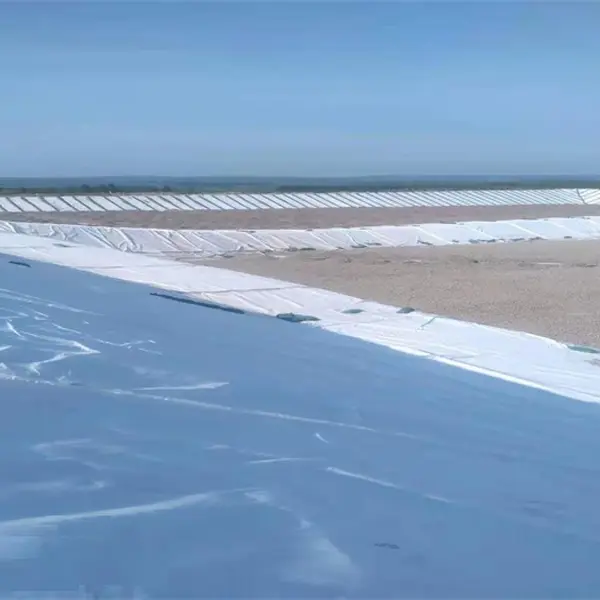
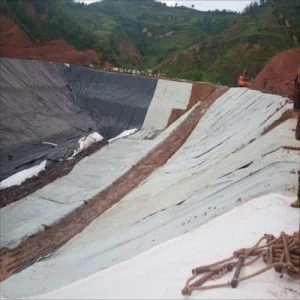
Seepage barriers in dams and channels to prevent water loss and prevent subgrade erosion.
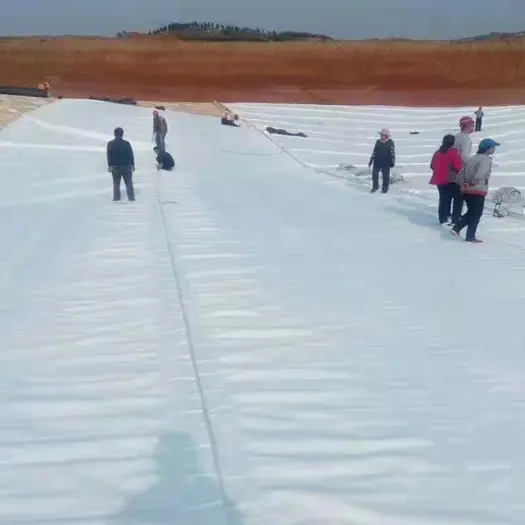
Stable lining layers for high-velocity canals, safeguarding adjacent structures from water damage.
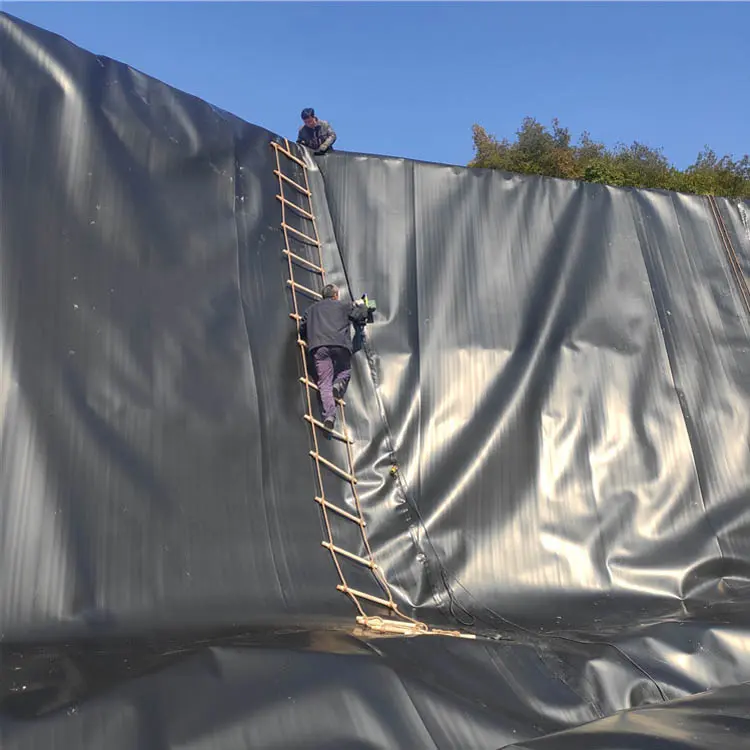
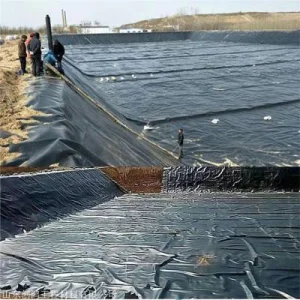
Double-composite liner containment solutions containing leachate to preserve ground water resources.
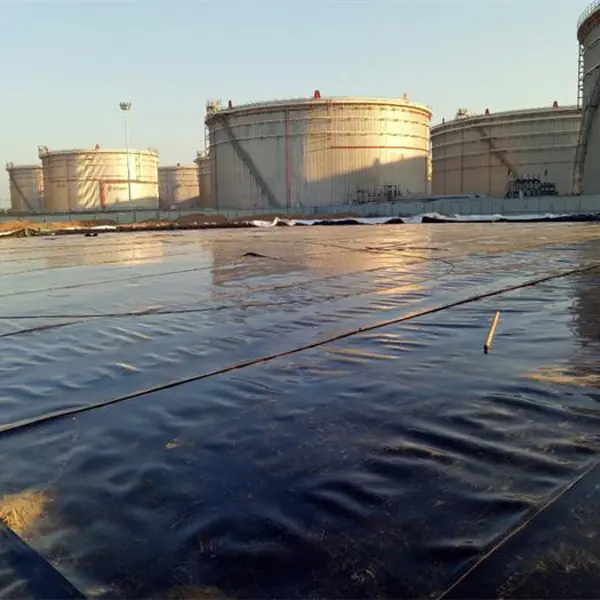
Beyond municipal paving, geogrids and geomembranes provide containment solutions for petrochemical tank farms, mine tailing ponds, and structural foundations. The geomembrane barrier stops hazardous leaks from reaching the soil, while high-strength biaxial geogrids support heavy maintenance transport pathways across soft subgrade soils.
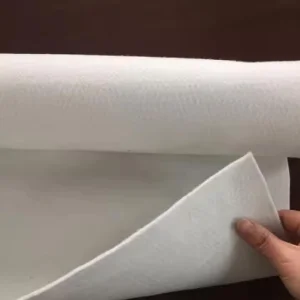
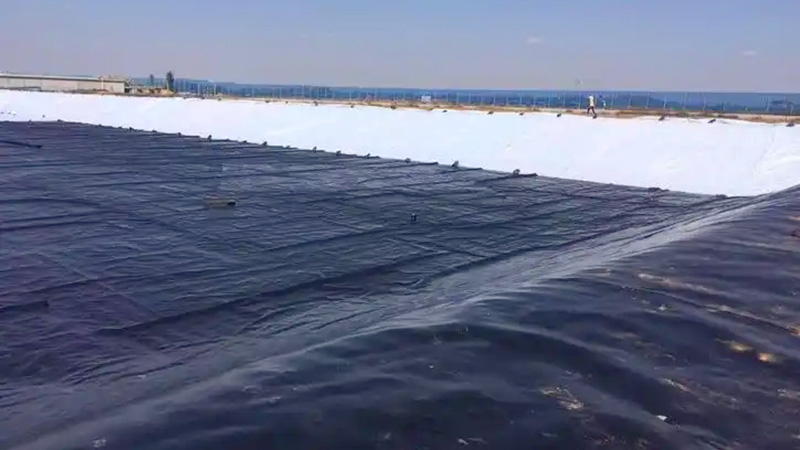
By pairing high-density polyethylene geomembranes with robust non-woven geotextile protection layers, engineers create a durable barrier system that withstands mechanical impact and chemical exposure over long lifespans.
In river channel restoration and canal construction, integrating geocells and geogrids provides permanent slope stabilization. The open structure of these geogrids allows roots to grow, helping vegetation lock into the soil to prevent rain and wave erosion.
Combined with our composite drainage networks, these geotextile installations safely direct excess pore water pressure away, preventing slope failures along major transport corridors.
Analyzing key shifts in sustainable infrastructure, supply chain considerations, and structural specifications.
Modern B2B projects prioritize reducing carbon footprints. Using custom geogrids allows engineers to minimize aggregate requirements, saving fuel on transportation and reducing raw stone mining. This aligns with global green building standards like LEED and Envision.
As traffic loads increase worldwide, design engineers expect rigorous documentation. Standardized laboratory test reports covering creep limits, junction strength, and UV exposure resistance have become essential for bidding on public roadway contracts.
Off-the-shelf options don't fit every project. Design teams frequently specify custom rib geometry, wide roll widths (to minimize overlaps), and integrated geogrid-geotextile composites that combine reinforcement and filtration in a single installation step.
Expert engineering answers to common B2B questions regarding geogrid customization, quality standards, and logistics.
Uniaxial geogrids are stretched in one direction, yielding high tensile strength along a single axis. They are ideal for retaining walls, steep slopes, and embankment reinforcement where load direction is predictable. Biaxial geogrids are stretched in two directions, providing equal tensile capacity longitudinally and transversely. They are best suited for base reinforcement, roadbed paving, and subgrade stabilization where traffic loads are multi-directional.
Junction efficiency represents the strength of the intersection point where longitudinal and transverse ribs cross. Shandong Hongyue utilizes precise, automated extrusion and punching machinery to produce monolithic geogrids. Because the ribs and junctions are formed from a single sheet of polymer, they avoid the weaknesses of welded or woven alternatives, ensuring high junction strength under load.
Yes. We adjust polymer formulations with specialized UV inhibitors, carbon black ratios, and thermal stabilizers to withstand extreme temperatures. Whether a project is in a high-UV desert region or an area with freeze-thaw cycles, our custom formulations maintain structural performance without premature degradation.
Thanks to our large-scale production lines in Dezhou, Shandong Province, standard orders are processed within 10 to 15 days. For custom roll sizes, custom colors, or specific tensile requirements, lead times typically range from 15 to 25 days. Our proximity to the Qingdao Port allows for quick shipping routes worldwide.
Integrating geogrids adds a minor material cost up front but significantly reduces long-term capital and maintenance expenses. By confining the aggregate, geogrids allow for a thinner base course (saving up to 40% on aggregate costs) and extend the time between asphalt repaving cycles, lowering the overall lifetime cost of ownership.
Complete B2B collection of waterproofing, drainage, and soil reinforcement products.
 Hongyue