Explore our core selection of geotechnical materials certified for containment, reinforcement, and drainage applications.
Understanding the macro-trends, regulations, and technological shift driving the growth of geotechnical material engineering.
The global geotextile and geosynthetic materials market is experiencing a profound expansion, driven by accelerating global infrastructure investments, stringent environmental preservation policies, and the challenges presented by climate change. As municipal civil works and industrial sites grapple with unpredictable hydrological conditions, the demand for highly durable, engineered polymer membranes and woven fabrics continues to scale.
The growth pattern of geotechnical materials is segmented by regional priorities. In developing economies, high-speed rail networks, arterial highways, and major dam projects require immense volumes of high-strength spun polyester filament woven geotextiles and HDPE geogrids for base stabilization. Conversely, in mature markets such as North America and Europe, the growth is fueled by landfill expansions, waste treatment plant upgrades, and coastal barrier repairs requiring specialized rough geomembranes and self-adhesive drainage boards.
Geotextiles are engineered to address specific soil challenges depending on their geography:
A transparent breakdown of how geotechnical material configurations translate into industrial custom quotes.
Procuring geotechnical materials requires balancing immediate capital expenditure against long-term maintenance cycles. Understanding the technical variables that drive manufacturing cost structures prevents project budget overruns and ensures the correct safety margins are applied.
| Material Category | Common Weight/Thickness Ranges | Primary Price Influence Factors | Optimized Infrastructure Application |
|---|---|---|---|
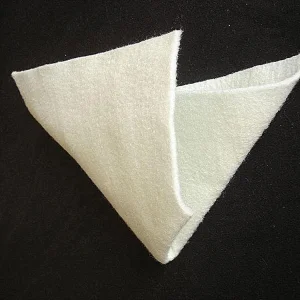
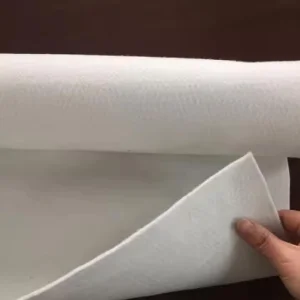
| Non-Woven Geotextile | 100g/m² – 1000g/m² | Polymer raw material index, needle-punch density, fiber type (Short-fiber vs. Filament) | Subgrade filtration, protective cushion for geomembranes, coastal erosion control |
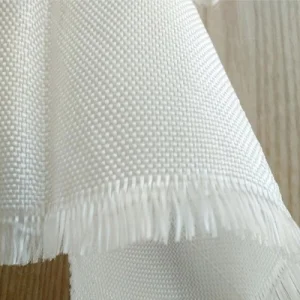
| Woven Geotextile | 150g/m² – 800g/m² | Tensile strength (kN/m), warp/weft configuration, weaving machine speed | High-load base reinforcement, soft ground stabilization, subgrade isolation |
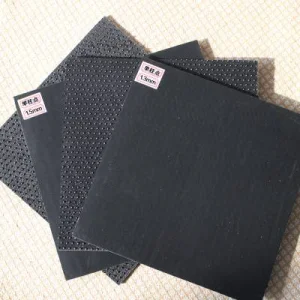
| HDPE Geomembrane | 0.5mm – 3.0mm | Resin grade (Virgin vs. Recycled), surface structure (Smooth vs. Single/Double Rough) | Landfills, tailings ponds, hydraulic dams, chemical tank secondary containment |
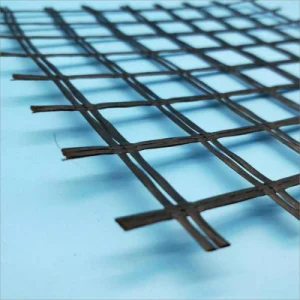
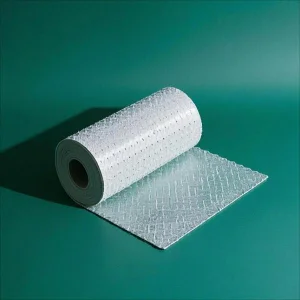
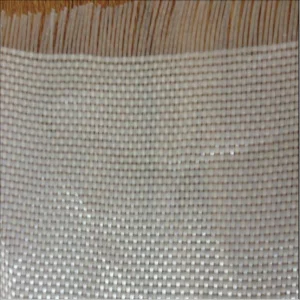
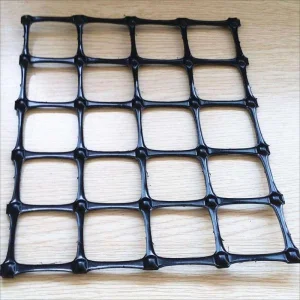
| Plastic & Glass Fiber Geogrids | 20 kN/m – 400 kN/m | Raw material grid structure, tensile elongation percentage, rib junction stability | Asphalt overlay reinforcing, retaining wall backfill soil stabilization |
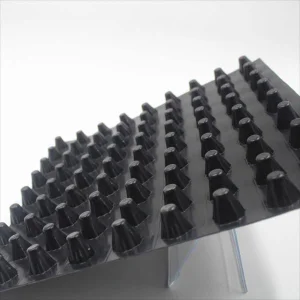
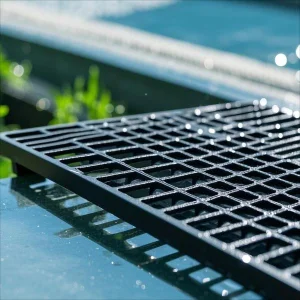
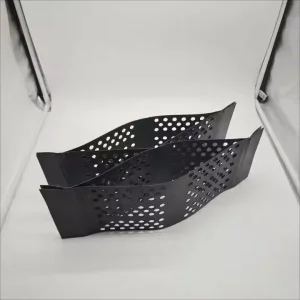
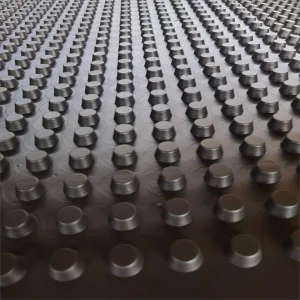
| Geocells & Drainage Boards | Cell depths: 50mm – 250mm | Ultrasonic weld spacing, strip sheet texturing, polymer core resin grade | Steep slope protection, underground garage roof storage, green roofs |
Standard "off-the-shelf" prices rarely reflect the total cost of installation. High-spec municipal projects require certified physical verification, such as ASTM performance certifications, custom roll sizes (to minimize overlap waste on site), or built-in additives like carbon black for extra UV stability and anti-oxidants for prolonged chemical resistance. Requesting an accurate quote requires supplying soil pH levels, hydraulic requirements, and the expected design load of the site.
A leading geotechnical materials manufacturer integrating engineering material design, production, and field construction support.
Shandong Hongyue Environmental Engineering Co., Ltd., located at the north end of Fufeng Street, Lingcheng District, Dezhou, Shandong Province, is a scientific and technological geotechnical material manufacturer integrating engineering material production, sales, design and construction services. The company was registered in the Lingcheng District Market Supervision and Administration Bureau of Dezhou City on April 6, 2023, with a registered capital of 105 million yuan. It is one of the largest production bases of geotechnical materials in China at present, located in Lingcheng District, Dezhou, Shandong Province, with a superior geographical location and convenient transportation.
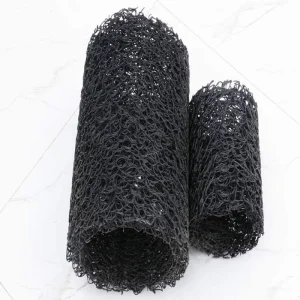
Since the establishment of the company, it has developed rapidly, and our business continues to grow and expand. Our company mainly deals in geotextiles, geomembrane, composite geomembrane, waterproof board, bentonite waterproof blanket, 3D composite drainage net, (composite) drainage board, weaving cloth, woven cloth, membrane bags, blind ditches, waterproof and drainage combinations, woven bags, ecological bags, cement blankets, fiber plants blankets, and flexible pervious pipes.
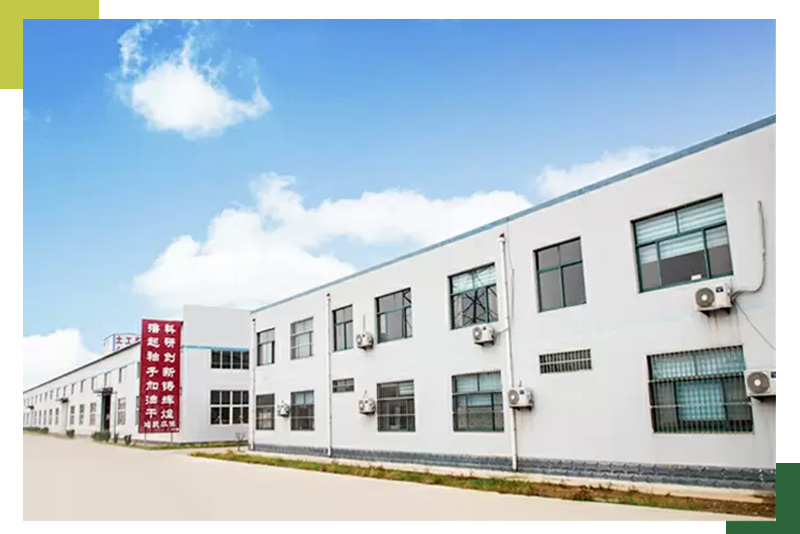
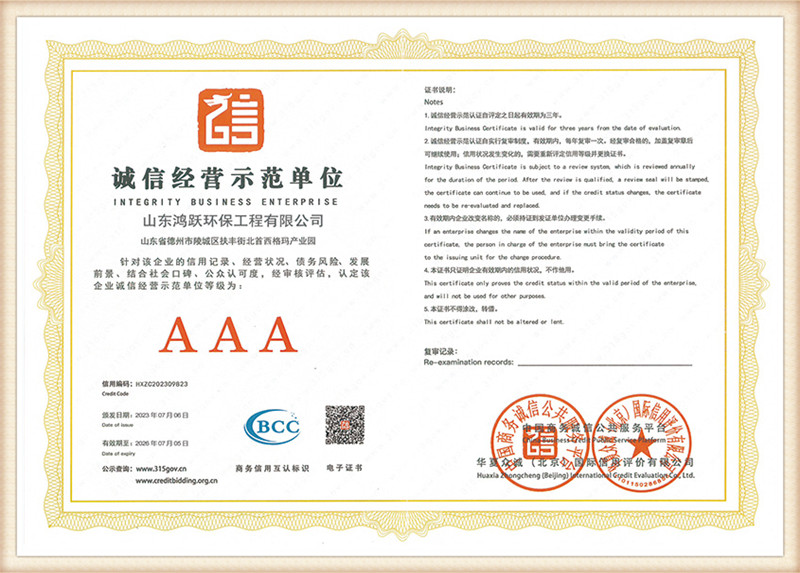
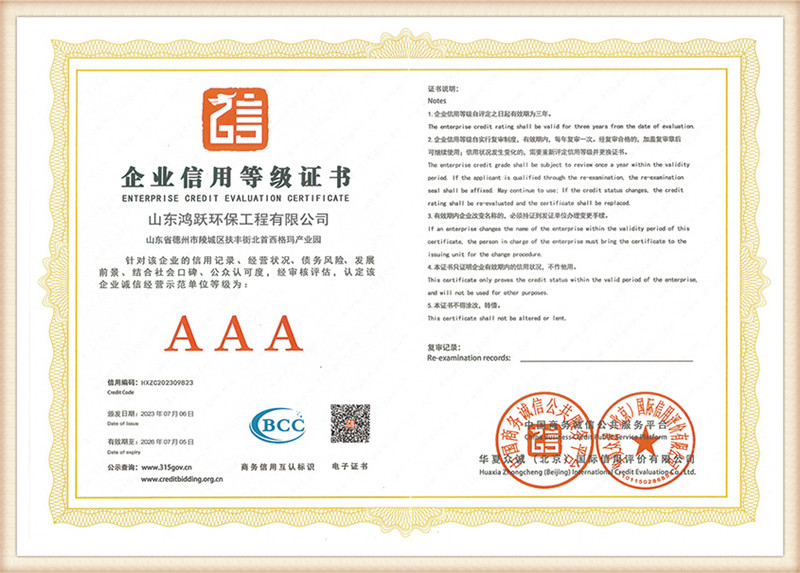
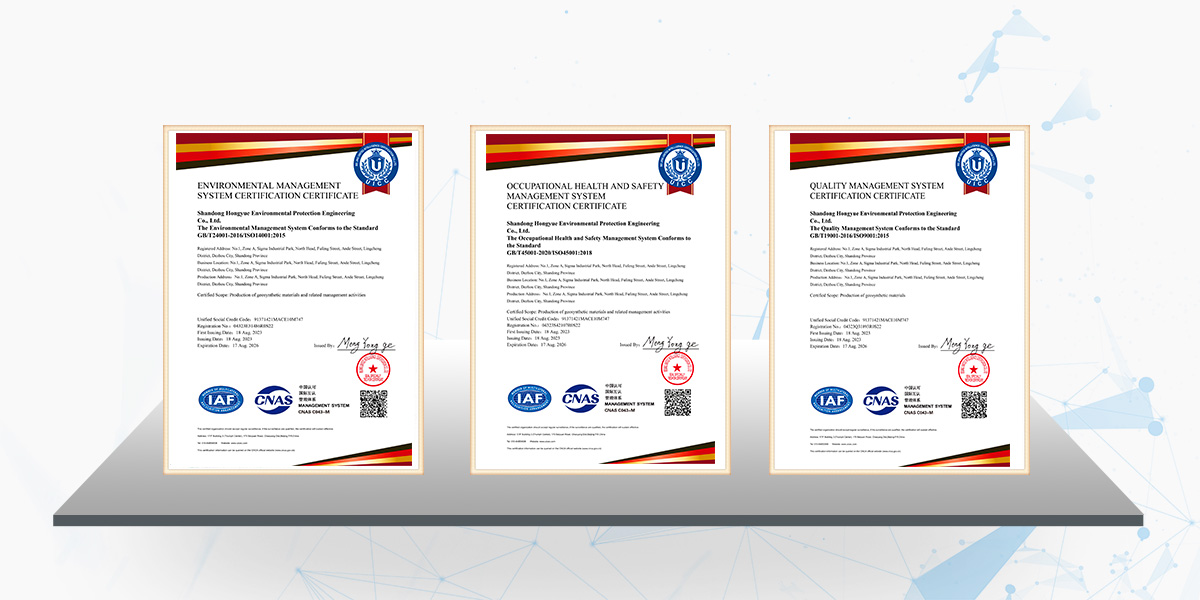
The company has successively passed the ISO9001 international quality system certification, ISO14000 environmental system certification, and ISO45001 occupational health and safety management system certification. We have won multiple honors such as "green and environmentally friendly building materials products", "no consumer complaints", "famous Chinese brands", "high-tech industries", "quality service double excellent units", and "provincial-level poverty alleviation leading enterprises".
We have a professional sales and technical team and belong to the Dezhou Geotextile Association. The company has established sales networks or agency agencies in more than 40 large and medium-sized cities such as Shanghai and Beijing, and its products are exported to multiple countries such as Europe, the United States, Australia, and various parts of the country. The products are widely used in key projects in various provinces and cities, including highways, railways, bridges, tunnels, reservoir and canal water conservancy, artificial lakes, environmental protection, aviation, mining, and agriculture.
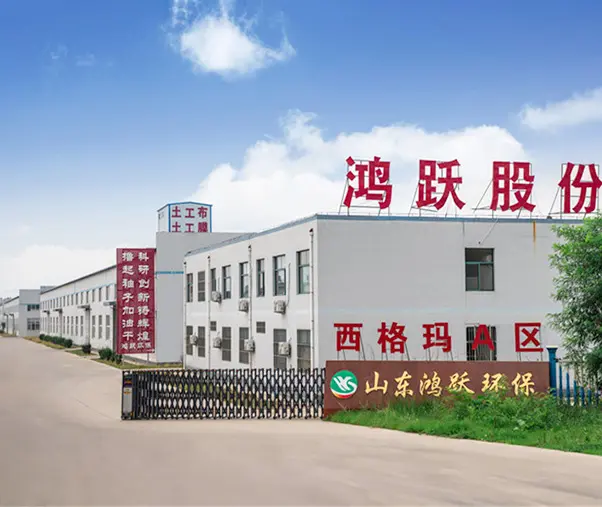
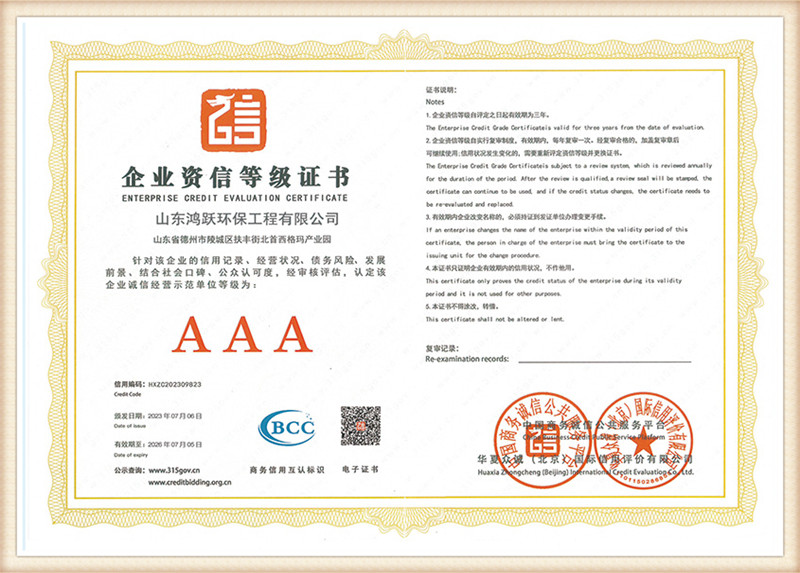
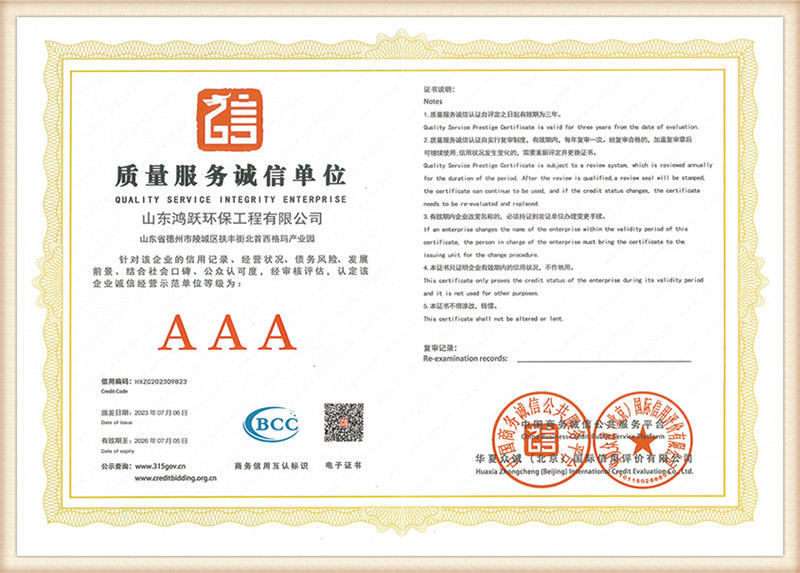
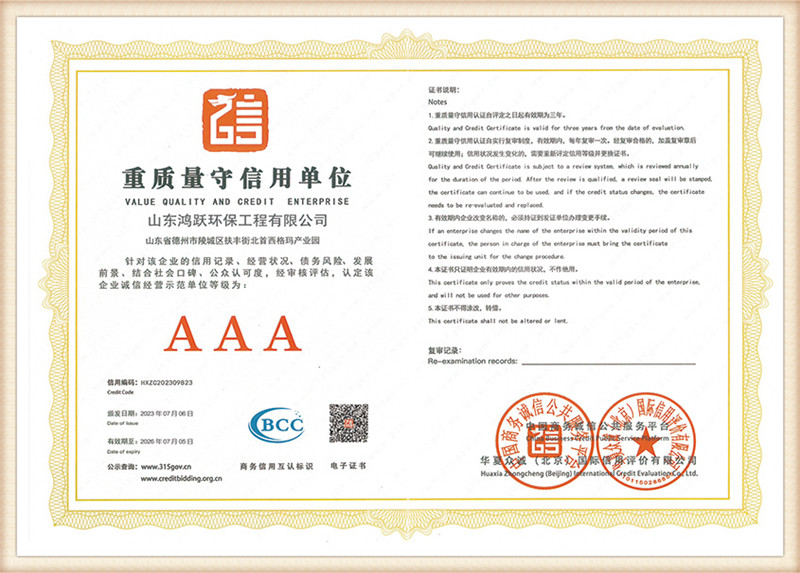
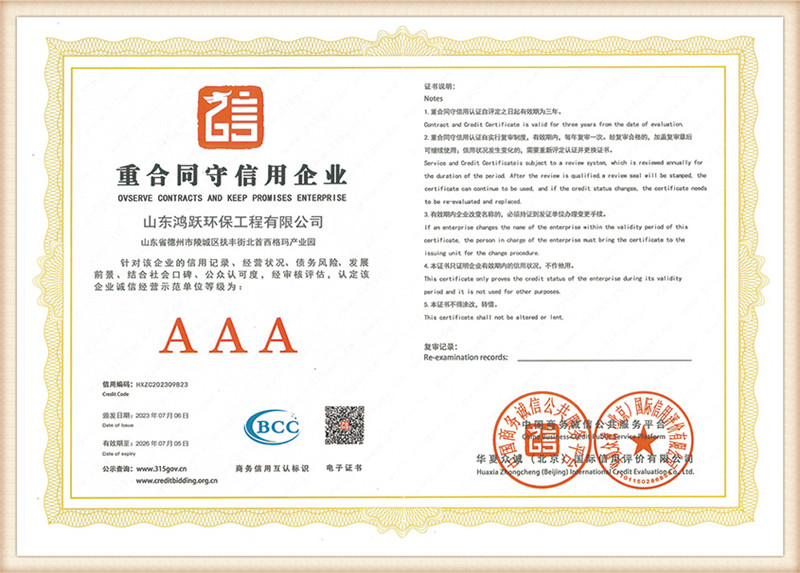
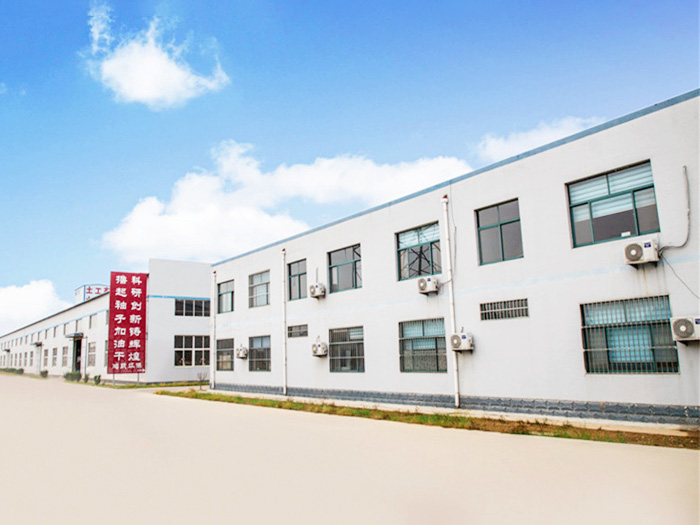
Our factory utilizes top-tier manufacturing lines to produce geomembranes and geotextiles that consistently pass rigorous national standards and international testing regimes.
A step-by-step look into our engineering and manufacturing sequence ensuring premium physical properties.
The main raw materials of geotextile are polyester chips, polypropylene filament, and viscose fiber. These raw materials need to be inspected, arranged, and stored to ensure their quality and stability before melting.
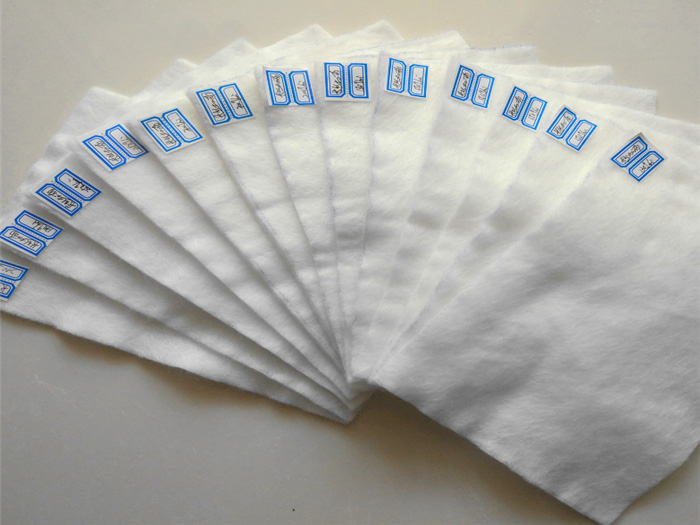
After the polyester slice is melted at high temperatures, it is extruded into a molten state by a screw extruder, and polypropylene filament and viscose fiber are added for mixing. Temperature and pressure parameters are precisely monitored to prevent thermal degradation.
After mixing, the melt is sprayed through the spinneret to form a fibrous substance and form a uniform network structure on the conveyor belt. Thickness, uniformity, and fiber orientation are controlled to ensure physical property stability.
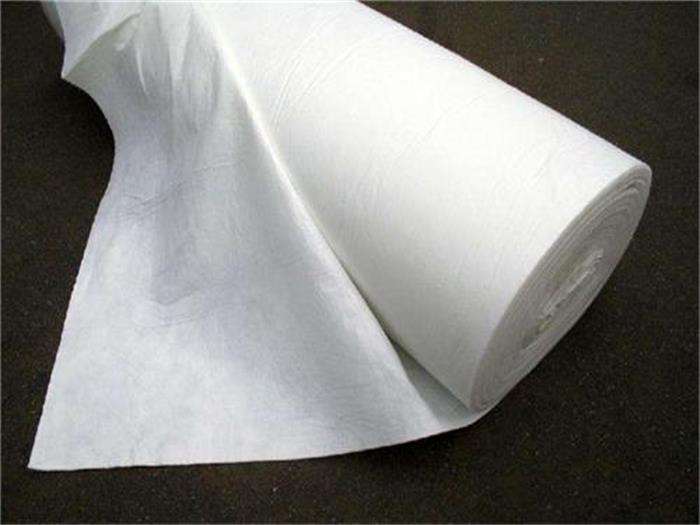
After laying the net into rolls, we carry out draft curing treatment. The temperature, line speed, and draft ratio are managed to align the polymer chains, significantly boosting the final tensile strength of the geotextiles.
The geotextile after draft curing needs to be rolled up and packed for subsequent construction. The length, width, and thickness of the geotextile are measured to ensure that it meets all civil design requirements.
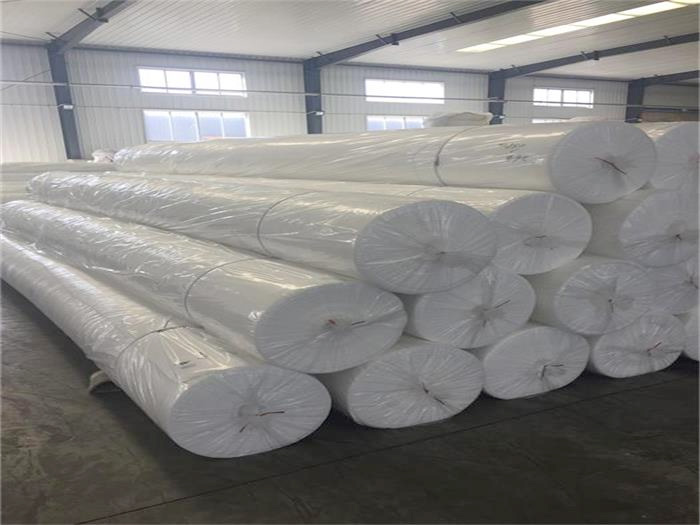
At the end of each production link, the quality of geotextile needs to be inspected. The inspection includes physical property tests (tensile and tear strength), chemical property tests (acid/alkali and aging resistance), and appearance quality checks.
Our engineers provide complete system solutions, from selecting chemical properties to on-site joint treatments.
Geomembranes are widely used in engineering projects requiring reliable seepage prevention, isolation, and structural reinforcement. Proper installation and material selection are critical to the system's longevity.
Choosing the correct polymer base is essential. High-Density Polyethylene (HDPE) provides outstanding chemical resistance and durability, making it ideal for landfills. Linear Low-Density Polyethylene (LLDPE) offers superior flexibility and elongation, perfect for subgrades subject to settlement. The typical thickness ranges from 0.3mm to 2.0mm depending on hydraulic pressure.
The subgrade must be level and clean, free of sharp stones and roots. Laying can be flat or folded based on expansion requirements. Thermal welding is performed at the joints, using double-track wedge welders for flat runs and extrusion welding for details and patches, preventing leakage.
Avoid contact with sharp tools during backfilling. Regular inspections should be conducted to detect surface punctures or thermal stress cracking, and a soil cover or geotextile cushion layer should be used to protect the geomembrane from direct solar exposure and mechanical loads.
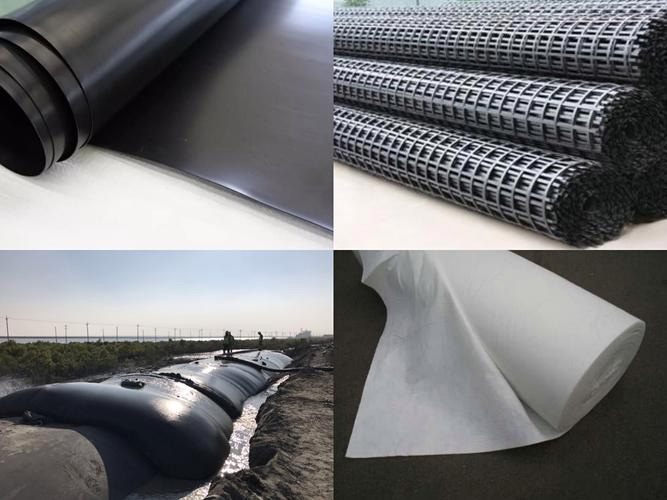
Take a virtual look inside our automated production bays, quality testing labs, and massive storage yards.
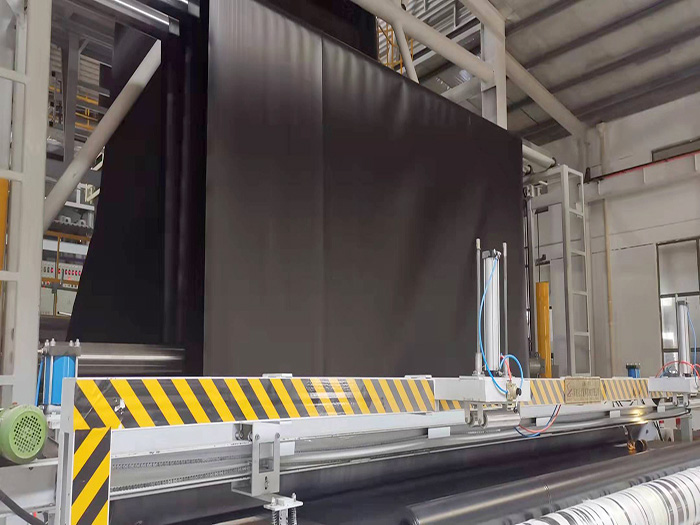
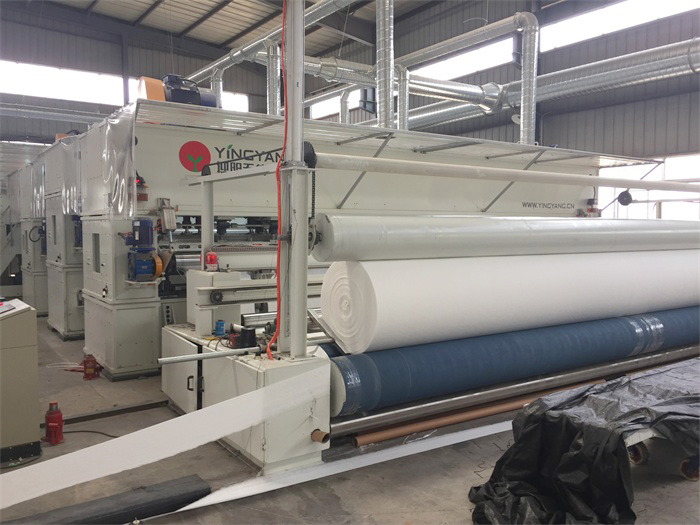
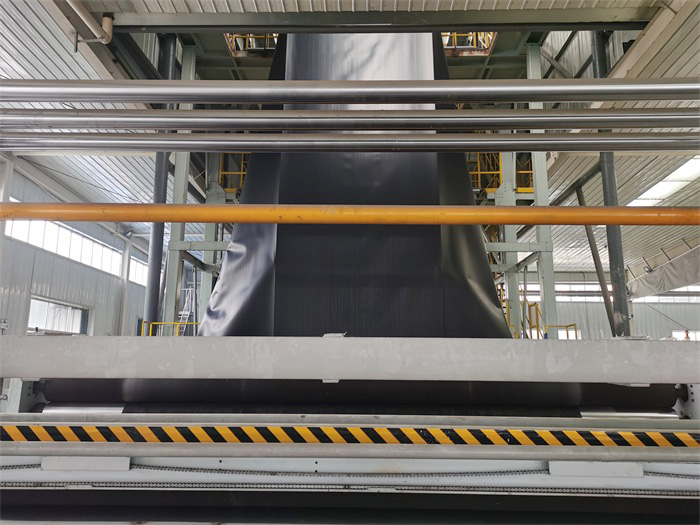
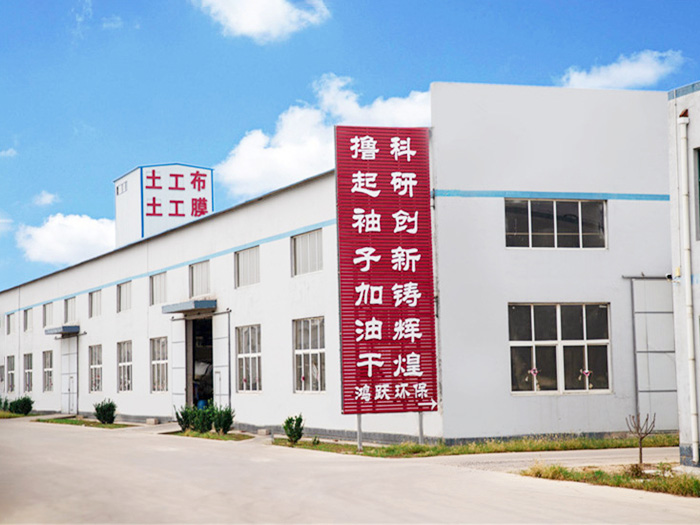
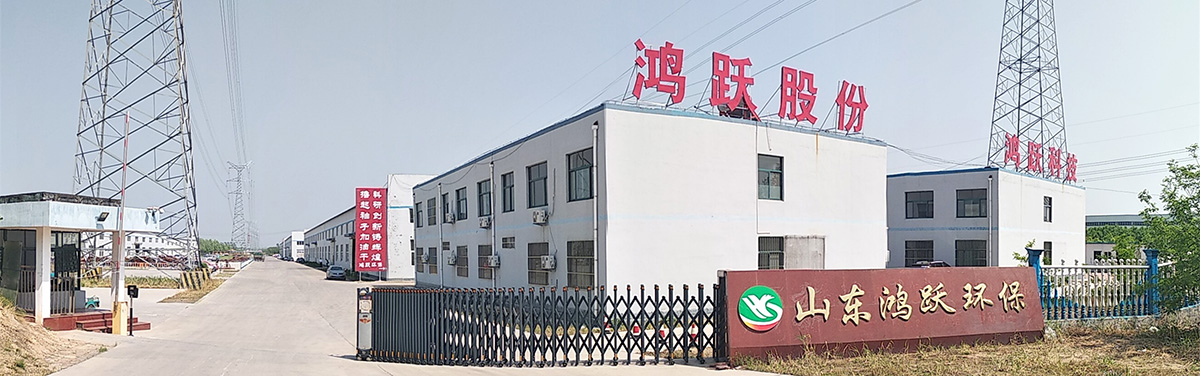
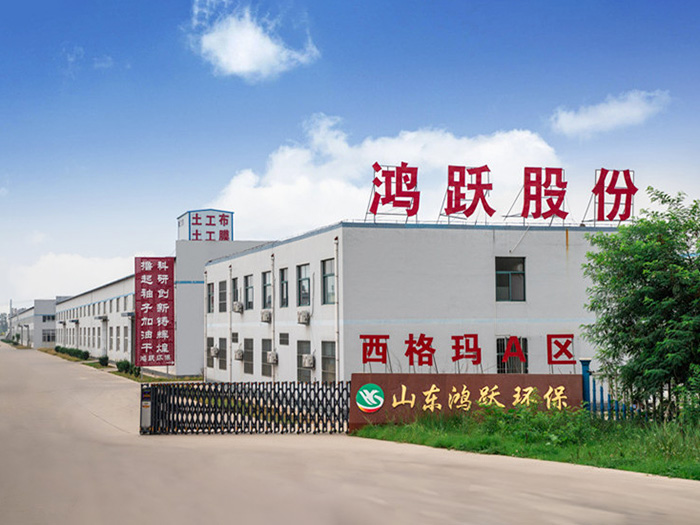
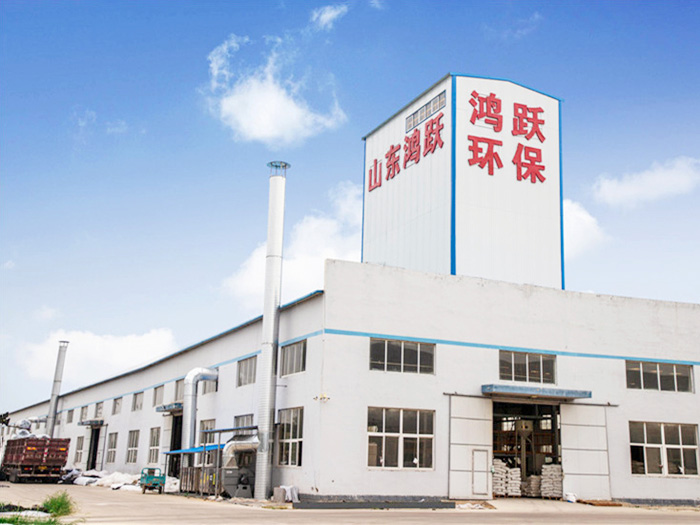
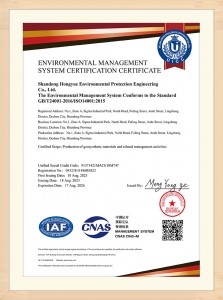
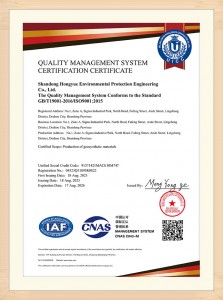
We have a complete and scientific management system. The company adopts advanced production technology and equipment, and has perfect detection means and precision inspection equipment to ensure that our products always maintain excellent performance. The quality of all products produced by the company has met or exceeded national and international standards.
All products have passed the certification of the China National Testing Center, and have passed the national quality supervision and sampling inspections commissioned by the State Administration of Quality Supervision and Inspection.
Real-world implementation of composite geomembranes and geotextiles in challenging civil environments.
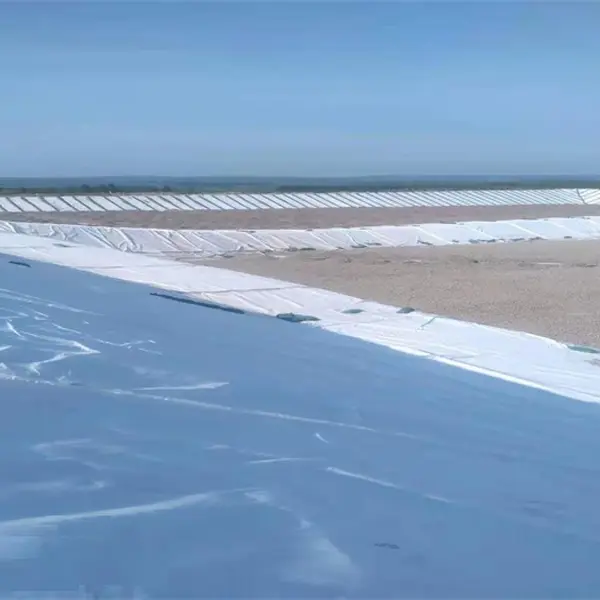
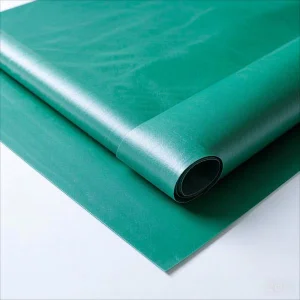
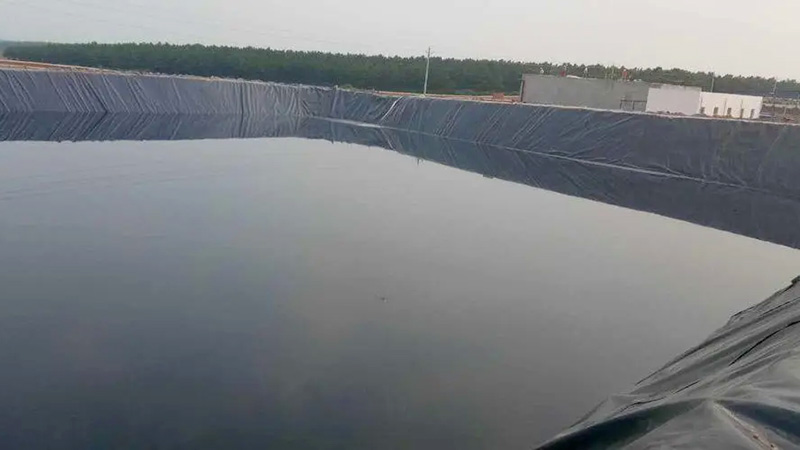
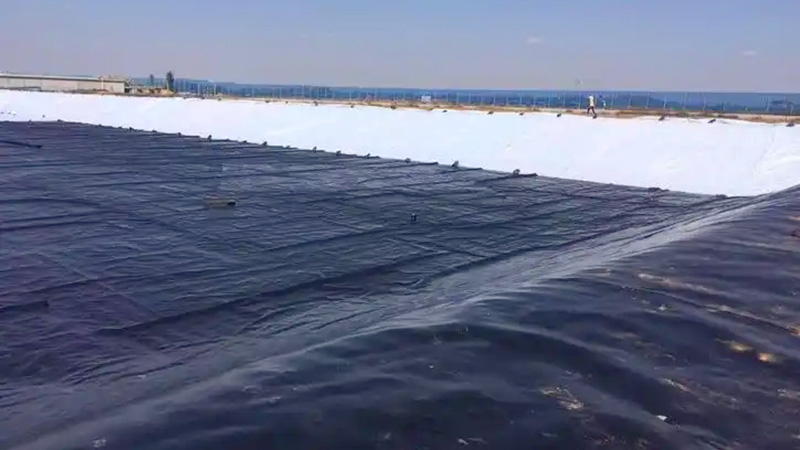
Geomembrane, as an efficient anti-seepage material, plays a vital role in water conservancy projects. Its excellent anti-seepage performance, light weight, easy construction characteristics, and relatively low cost make geomembrane an indispensable part of modern water conservancy projects.
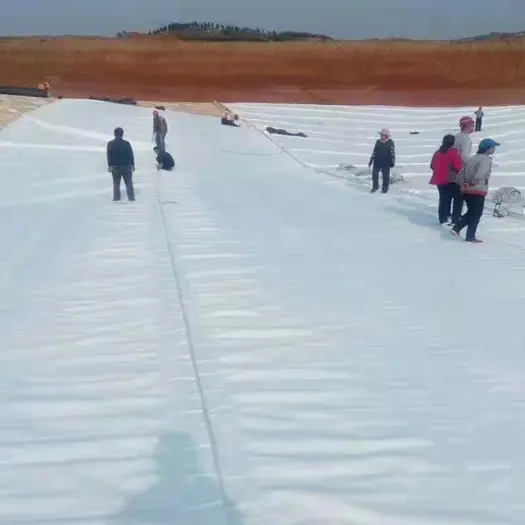
In river and channel governance, geomembrane has a wide range of applications. They regulate water flow, protect farmland, urban infrastructure, and improve the regional ecological environment. Geomembranes are the optimal choice to repair washouts and prevent seepage in banks.
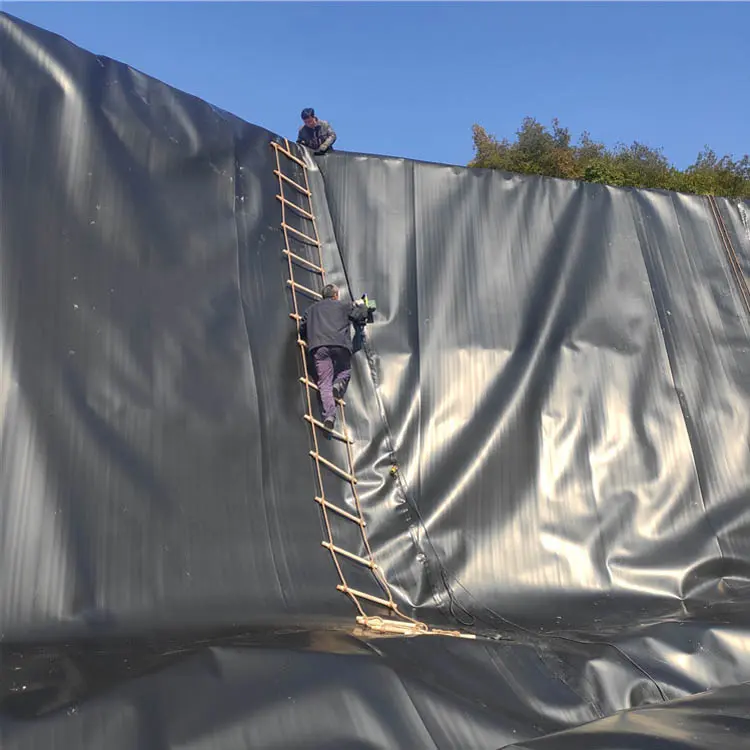
To protect precious underground water supplies, modern municipal landfills require high-barrier liners. Using our thick HDPE geomembranes as part of a multi-layer barrier stops heavy metal leachate from entering local aquifers.
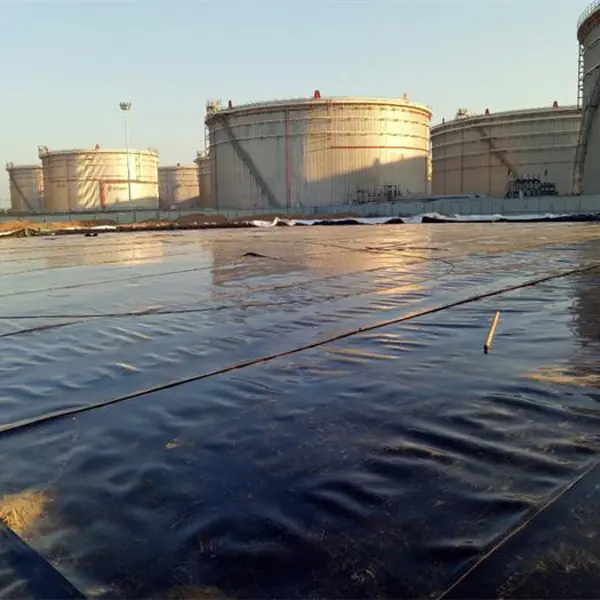
Petrochemical tank farms require absolute safety. In the event of a storage tank failure, secondary containment barriers using chemical-resistant geomembrane liners prevent hydrocarbons from contaminating surrounding soils.
In the construction of reservoirs, because they are built in valleys or low-lying areas, geological conditions are complex. Effective measures are required to avoid leakage between the bottom of the reservoir and the surrounding rock. Using geomembranes solves this problem, improving the safety and stability of the entire reservoir.
Secondly, during the construction of levees, geomembranes reinforce the anti-seepage barrier. Dikes protect downstream areas from flooding, but unpredictable subgrade shifts can lead to micro-fissures. Placing a flexible composite geomembrane prevents localized water erosion.
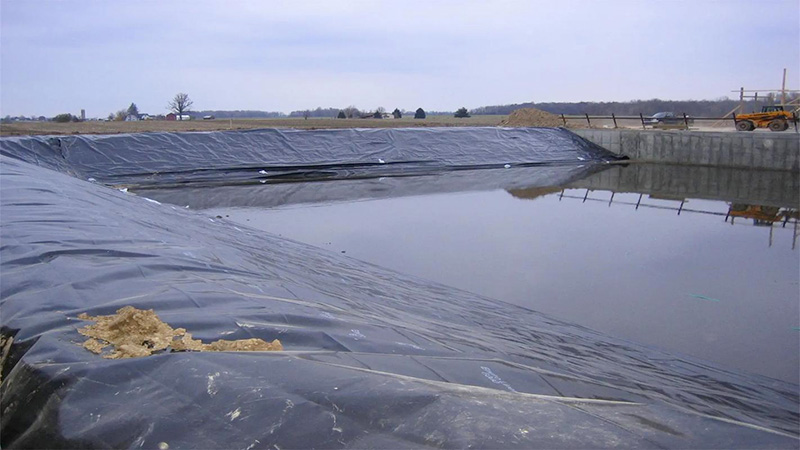
Exploring biodegradable polymers, carbon-neutral manufacturing, and embedded IoT sensing systems.
The geotextile sector is entering a technological transition. With global commitments to reduce carbon emissions, researchers and manufacturers are focusing on sustainable raw materials and smart monitoring systems.
For temporary applications, such as agricultural slope erosion protection and vegetation establishment, long-lived synthetic plastics are being replaced by bio-based polymers (like PLA) or treated natural plant fibers. These materials degrade harmlessly into the soil after two to five years, once the plant roots have naturally anchored the soil structure.
To prevent catastrophic failures in tailings dams and major high-speed rail lines, smart geotextiles with integrated fiber optic lines or conductive carbon fibers are being deployed. These systems measure real-time subgrade strain, temperature variations, and moisture levels, sending alerts to maintenance teams before a sinkhole or slope failure occurs.
Our technical team is continuously optimizing the energy efficiency of our extrusion screw systems. By incorporating post-industrial recycled resins into non-critical drainage boards and geogrids, we help project developers achieve their LEED and green building rating targets.
Authoritative answers to critical technical questions regarding soil mechanics, material selection, and project cost factors.
Woven geotextiles are manufactured by interlacing polypropylene or polyester yarns, giving them very high tensile strength and low elongation. They are used for base reinforcement, road subgrades, and retaining walls. Non-woven geotextiles are made by needle-punching or thermally bonding random fibers, resulting in high permeability and excellent filtration. They are ideal for subgrade drainage, pipe wrapping, and protecting geomembranes from punctures.
Virgin HDPE resins contain long, unbroken polymer chains that provide superior resistance to Environmental Stress Cracking (ESCR), UV degradation, and chemical exposure, ensuring a service life exceeding 100 years in buried environments. Recycled resins have shorter polymer chains and trace impurities, which can reduce their lifespan and crack resistance. Recycled options are best suited for temporary drainage works or non-critical containment paths.
For municipal and industrial projects, you should request ISO 9001 quality certificates, third-party laboratory verification (such as TRI or GAI-LAP certified reports), ASTM testing conformance documents (covering tensile properties, puncture resistance, and permittivity), and CE marking if specifying materials for European infrastructure works.
Bulk quotes are calculated based on raw polymer market rates, roll dimensions, and weight. Larger roll diameters maximize raw yardage per shipment but require heavy offloading equipment on site. Freight costs depend on fuel indexes and container volumes, which can be optimized by packing geogrids inside rolled geotextiles.
Consult with our engineering team to receive a tailored project quote, ASTM data sheets, and custom rolling layout designs.
Contact Our Engineers NowExplore our specialized range of drainage, slope reinforcement, and concrete composite materials.
 Hongyue