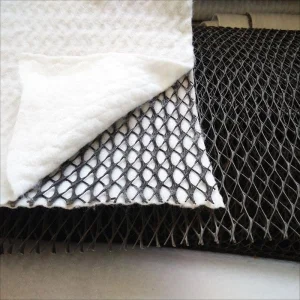
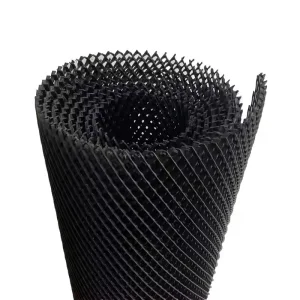
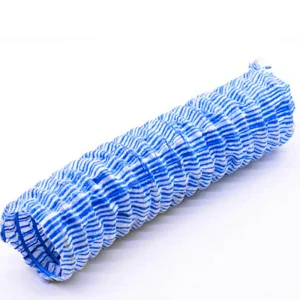
Discover our high-durability, CE-certified geotechnical solutions engineered for structural reinforcement, filtration, drainage, and fluid containment.
Geosynthetics represent a pivotal category of modern civil engineering materials, shifting the paradigms of environmental infrastructure, soil mechanics, and structural containment worldwide.
The international demand for custom geotextiles (Geo Textils) has surged, driven by accelerating global infrastructure investments, strict waste management protocols, and aggressive flood mitigation projects. Whether it is a massive highway construction in North America, high-speed rail networks in Europe, or ecological river restoration projects in Asia, engineering-grade geotextiles serve as the silent backbone, providing vital functions: filtration, separation, reinforcement, drainage, and barrier protection.
In the current industrial landscape, the geotextile sector is transitioning from traditional woven polymeric sheets to advanced, high-tensile, needle-punched non-wovens and smart composite geosynthetics. These advanced structures are engineered to withstand severe environmental stressors—including UV radiation, acidic chemical environments, and mechanical puncture forces. Because soil stability requirements vary dramatically based on local geological characteristics, global procurement departments look for reliable manufacturing partners capable of tailoring geotextile parameters such as tensile strength, hydraulic conductivity, pore size distribution, and material durability.
Established on April 6, 2023, and registered under the Lingcheng District Market Supervision and Administration Bureau of Dezhou City, Shandong Province, Shandong Hongyue Environmental Engineering Co., Ltd. stands as one of the largest, most technologically sophisticated manufacturing bases of geotechnical materials in China. Operating with a substantial registered capital of 105 million yuan, the company integrates advanced material science research, design development, full-scale industrial manufacturing, and global logistical services.
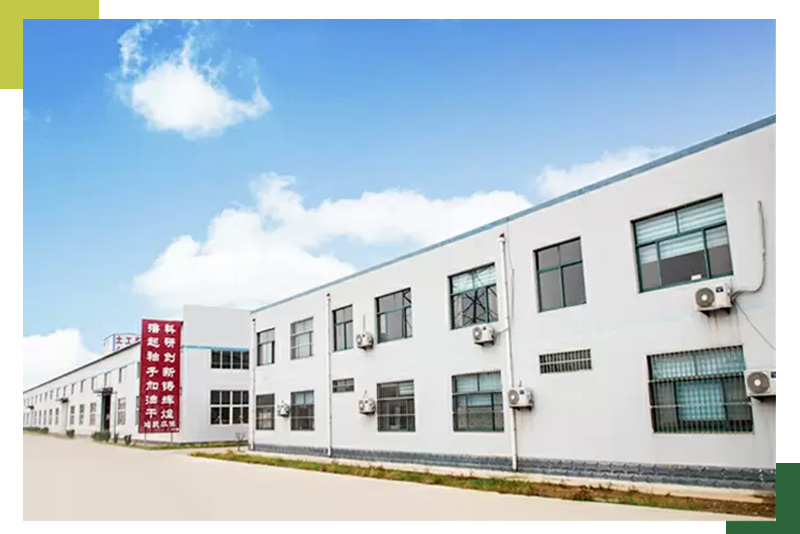
Our enterprise occupies a strategic location in Lingcheng District, Dezhou, Shandong Province. This region is nationally and internationally recognized as a premier industrial hub for geotextile innovation. The geographical position affords exceptional transport links, facilitating expedited shipment of raw material inputs and finished export products via major maritime, rail, and highway freight lines.
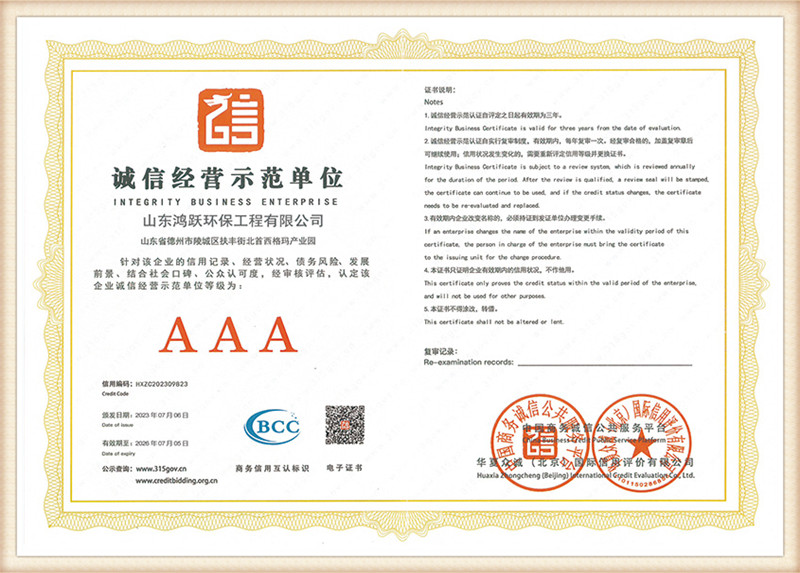
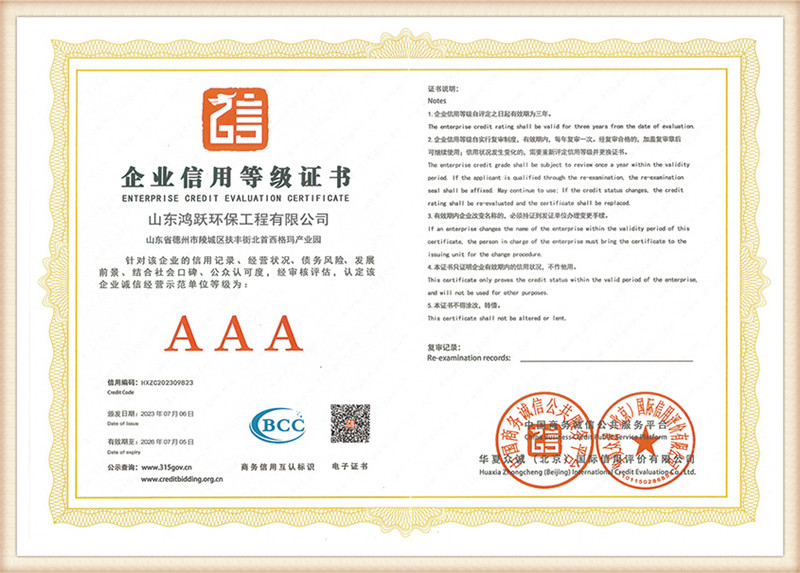
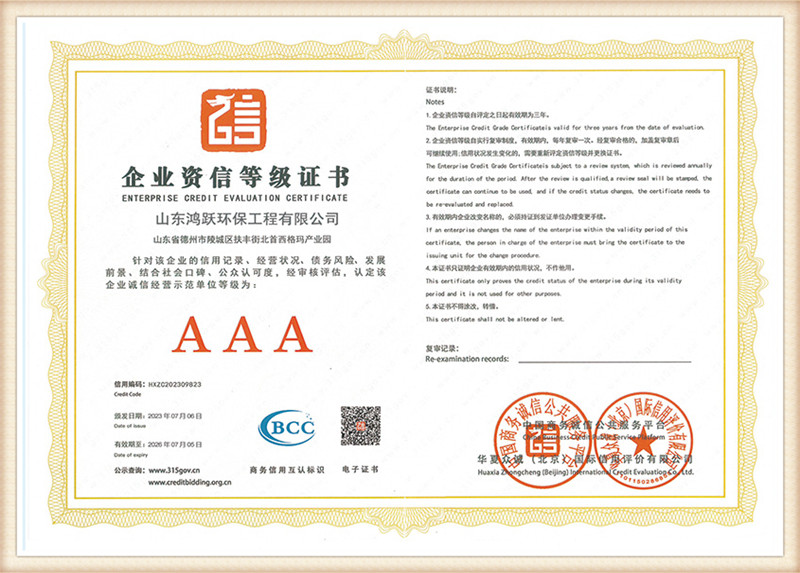
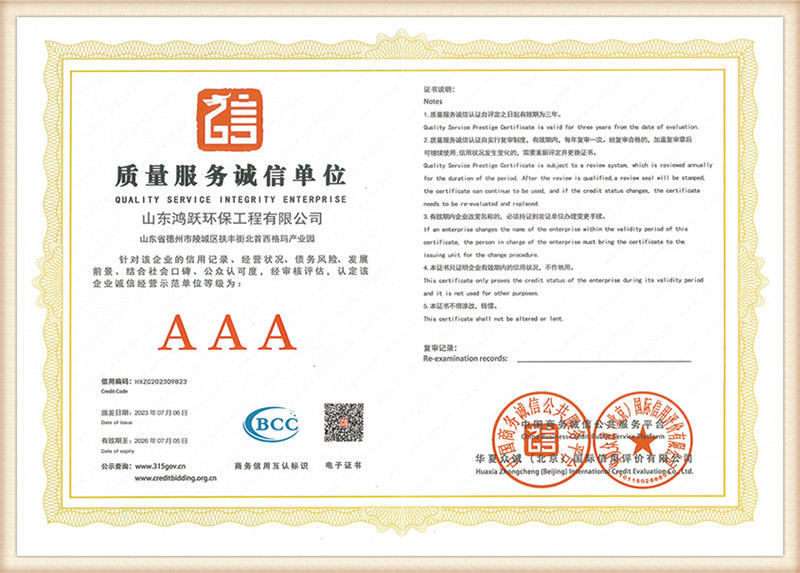
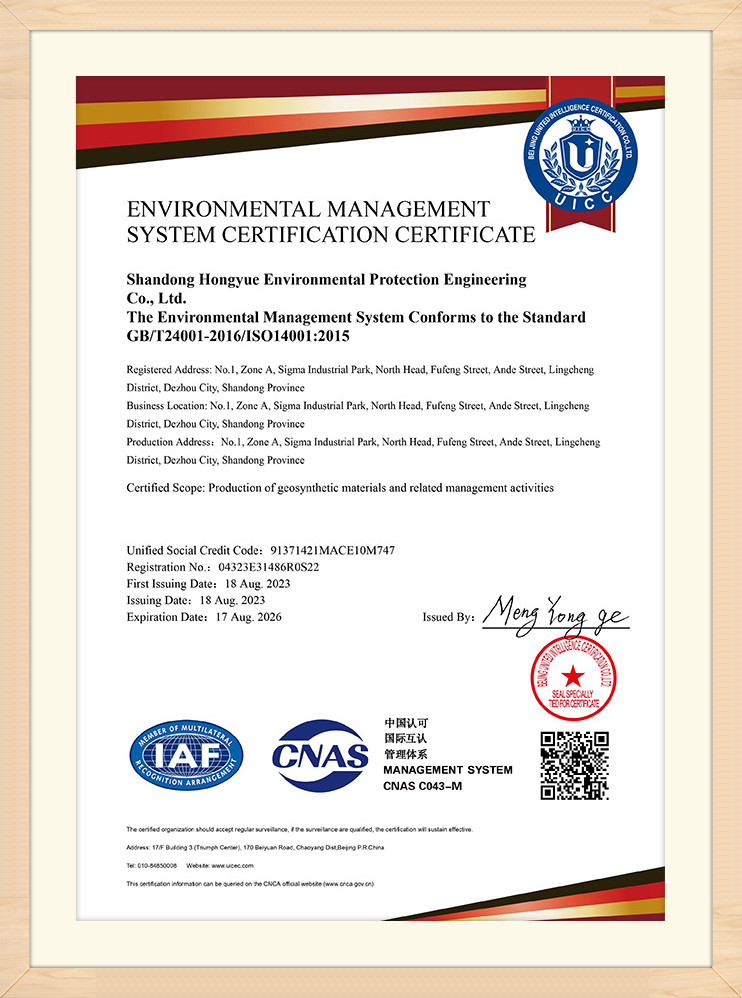
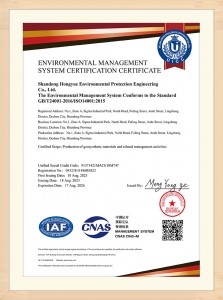
Maintaining high-level compliance is a core pillar of our E-E-A-T credentials. Shandong Hongyue Environmental Engineering has successfully obtained three core international standard certifications:
Ensures a rigid, multi-stage Quality Management System that regulates every facet of production from raw material assessment to post-delivery services.
Validates our eco-responsible operational policies, focusing on reduced resource waste and clean polymer manufacturing practices.
Confirms strict compliance with global occupational health and safety regulations to maintain safe, ethical workforce practices.
Our commitment to industry leadership has earned various state-level and provincial accolades, including the distinction of "Green and Environmentally Friendly Building Materials Products," "No Consumer Complaints Quality Unit," "Famous Chinese Brand," and classification as a "High-Tech Industry Enterprise." The company's global distribution footprint spans key domestic cities like Shanghai and Beijing, with overseas networks serving infrastructure markets across Europe, North America, Australia, South America, and Africa.
Procuring custom geotextiles globally demands a critical balance of technical accuracy, competitive pricing, and logistical speed. Shandong Hongyue leverages China's highly integrated manufacturing ecosystems to deliver these structural benefits directly to our clients.
First, our raw material supply chains are optimized through local clusters in Shandong. High-grade petrochemical resins (including polypropylene and polyester chips) are sourced directly from domestic refineries, minimizing the risks of shipping delays or material price spikes. Second, we deploy automated, state-of-the-art needle punching lines and extrusion plants that run continuous 24/7 schedules. This high-capacity throughput allows us to offer shorter lead times on customized specifications compared to Western manufacturing facilities.
Furthermore, our engineering teams provide end-to-end design-and-build consultations, helping municipal and private operators optimize their specifications for local regulations, soil properties, and load requirements. This integration of design, customized manufacturing, and efficient shipping channels lowers project overhead and accelerates installation timelines.
Geotextile performance is determined during the manufacturing process. A precise sequence of thermochemical and mechanical steps converts raw polymers into durable engineering barriers.
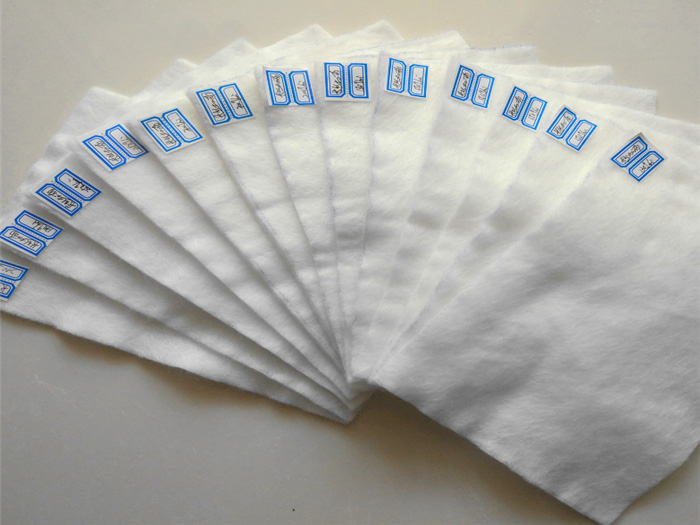
The process begins with high-purity virgin polyester (PET) chips, polypropylene (PP) filament, or viscose fibers. These raw polymers undergo strict density, molecular weight, and moisture analysis to ensure consistent performance under load.
Polyester and polypropylene chips are fed into high-temperature screw extruders. The polymers are liquefied and homogenized under precise temperature profiles and pressure controls to prevent thermal degradation.
The molten polymer is forced through micro-nozzle spinnerets to create continuous fine filaments. High-velocity air currents draw and orient these fibers, which are then deposited onto a moving conveyor belt to form a uniform web.
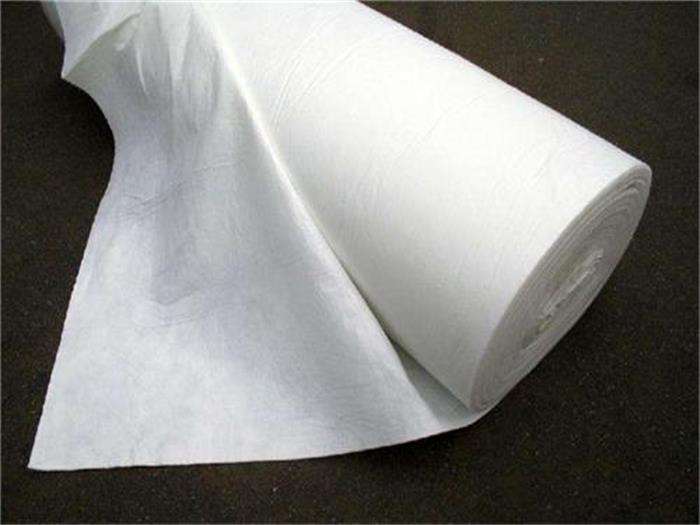
The web is passed through needle punching looms. Thousands of barbed needles rapidly penetrate the fiber web, interlocking the filaments. The interlocked structure then undergoes controlled thermal curing to achieve its final tensile profile.
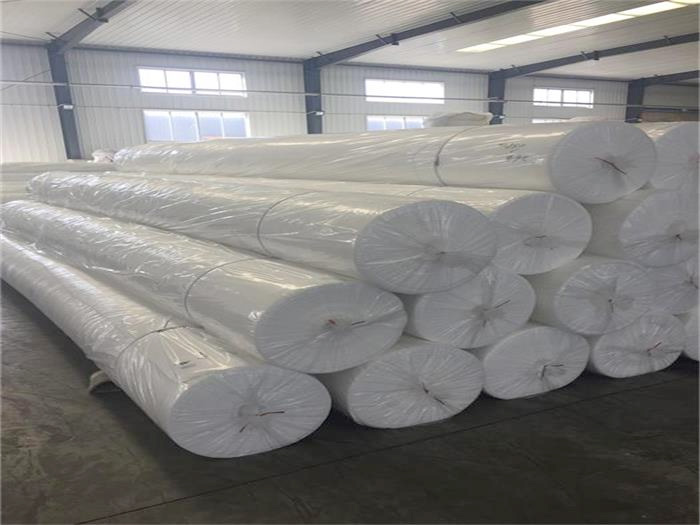
The cured geotextiles are rolled through automated winders. Roll dimensions (width and length) are adjusted to match shipping and site deployment configurations, then wrapped in protective, UV-stable film.
Samples from each batch are tested for unit mass (g/m²), wide-width tensile strength, CBR puncture resistance, grab strength, dynamic puncture resistance, and water permeability to verify compliance with international standards.
Our custom geosynthetics are engineered to meet specific technical requirements across a range of specialized infrastructure applications.
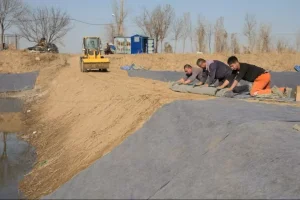
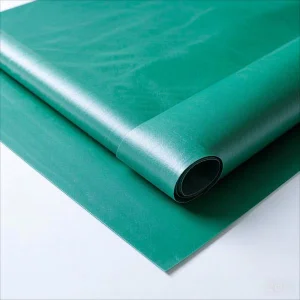
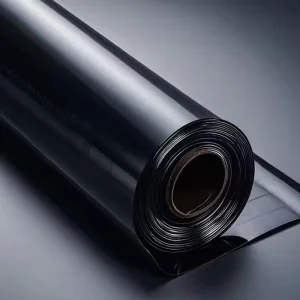
In water conservancy projects, geomembranes act as impermeable liners to prevent water loss through seepage into the surrounding bedrock. They stabilize slopes against hydraulic erosion and improve the overall longevity of reservoirs.
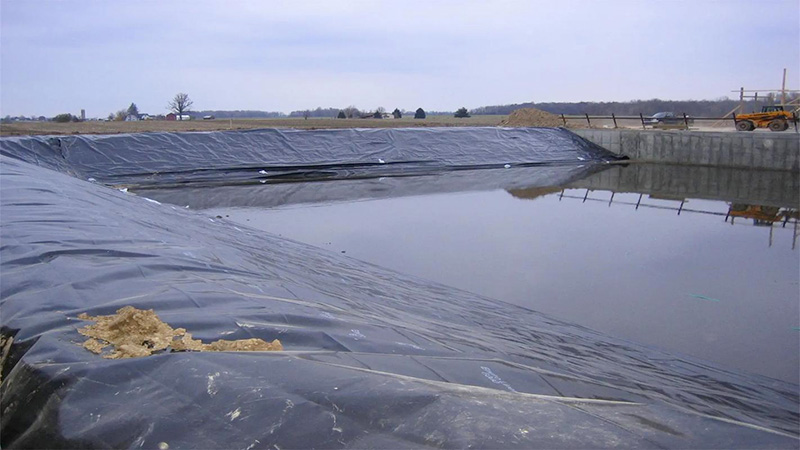
Landfill basements require lining systems to prevent leachate from contaminating nearby groundwater. Composite geomembranes and geosynthetic clay liners (GCLs) form durable, chemical-resistant barrier systems.
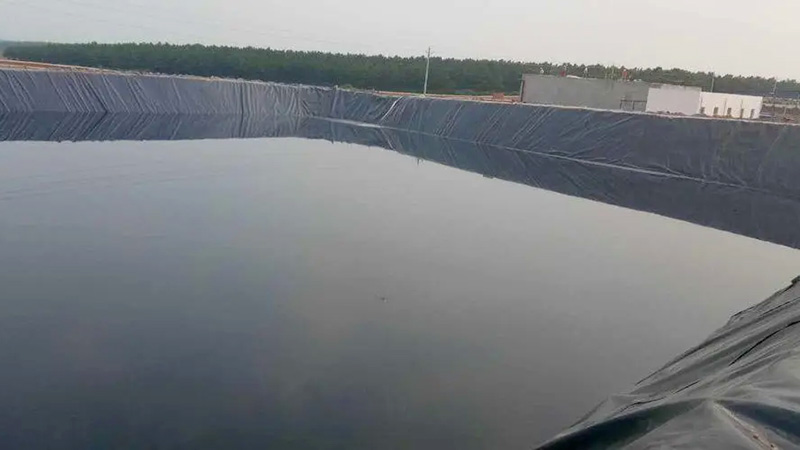
Riverbank structures require protection from hydraulic forces while allowing natural drainage. Woven and non-woven geotextiles retain fine soil particles while permitting water to flow, preventing erosion.
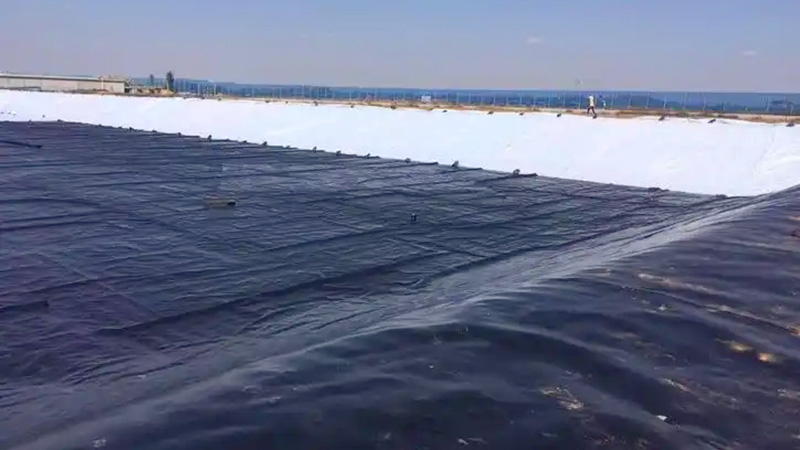
Selecting the correct geosynthetic requires balancing mechanical demands with site environmental conditions. Designers must evaluate key physical parameters:
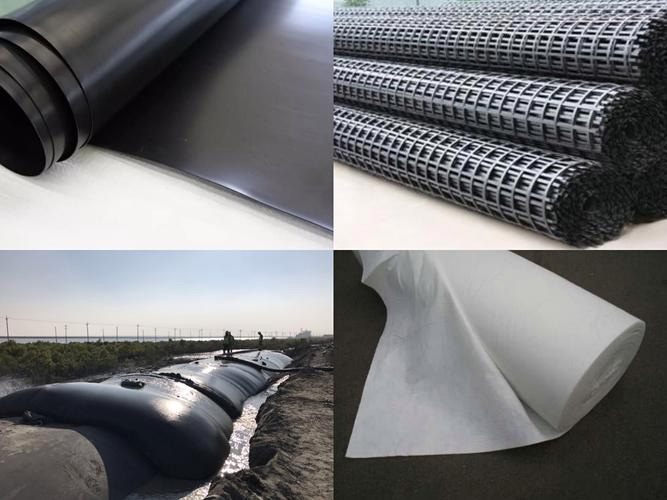
1. Material Chemistry (HDPE vs. LLDPE): High-density polyethylene (HDPE) provides excellent chemical resistance and durability, making it suitable for landfills and industrial chemical containment. Linear low-density polyethylene (LLDPE) offers superior flexibility, allowing it to conform to irregular subgrade surfaces without tearing.
2. Thickness & Puncture Resistance: We supply geomembranes ranging from 0.3mm to 2.0mm in thickness. Thicker options are selected for high-stress applications like deep landfills and oil containment areas, where resistance to sharp rock fragments is critical.
3. Permeability & Pore Size: For non-woven geotextiles, pore size distribution determines filtration efficiency. The material must permit clean water flow while retaining soil particles to prevent piping and internal erosion.
4. Laying and Joint Integrity: A geosynthetic system is only as strong as its joints. We provide technical support for thermal welding and seam testing (air pressure and peel tests) to ensure continuous leak protection across large sites.
Shandong Hongyue works with design and engineering teams to supply integrated material solutions for varied geological conditions.
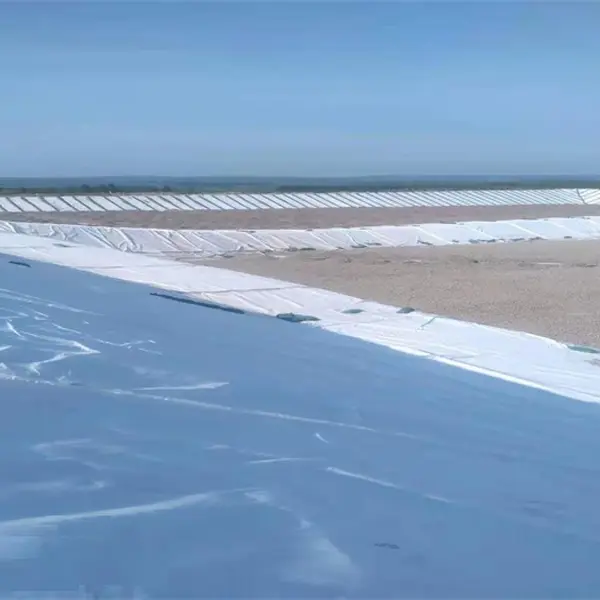
Designed to withstand hydrostatic pressures and environmental exposure, maintaining water volume and preventing foundation saturation.
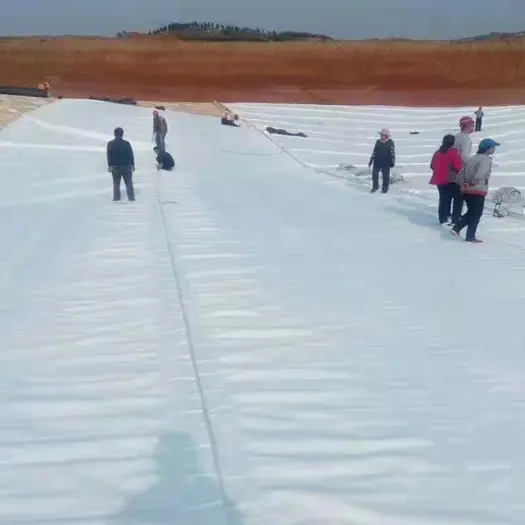
Lining channels with geomembranes reduces seepage losses, improving the delivery efficiency of agricultural water networks.
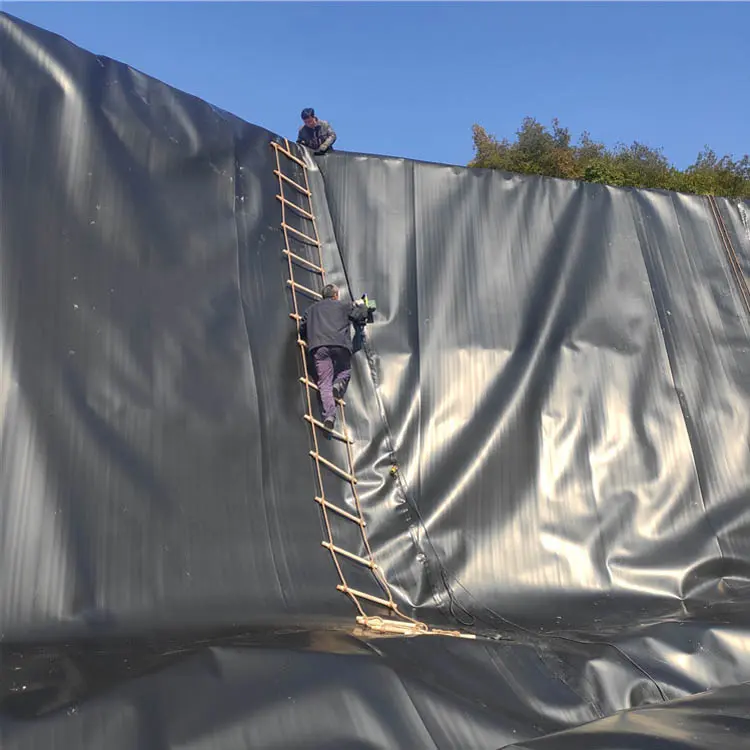
Protects surrounding soils from contaminants in mining, wastewater treatment, and chemical storage facilities.
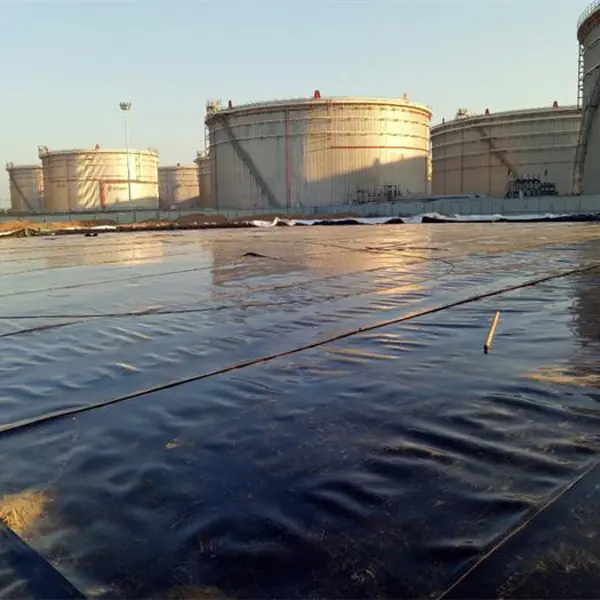
High-durability lining systems for fuel and chemical containment areas, preventing environmental contamination.
Browse expert answers to technical and logistical questions about geosynthetic specification and installation.
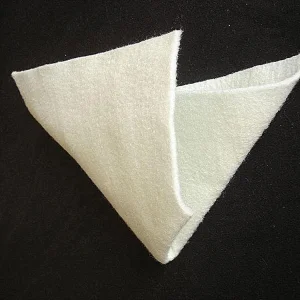
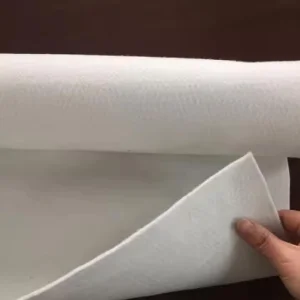
Woven geotextiles are manufactured by weaving synthetic fibers (usually polypropylene ribbon yarns) in a structured orthogonal pattern. They offer high tensile strength and load capacity, making them suitable for subgrade reinforcement, base stabilization, and road construction. Non-woven geotextiles are made by interlocking random filaments through mechanical needle punching or thermal bonding. They provide high water flow rates and filtration properties, making them suitable for sub-surface drainage, soil filtration, and geomembrane protection.
Our products undergo testing to meet global standards (including ASTM, EN, and national GB standards). In addition to our internal ISO-certified testing facilities, our products are sent to third-party institutions like the China National Testing Center to verify mechanical strength, durability, and hydraulic performance.
Yes. We customize the product specifications to match project requirements. This includes adjusting roll widths (up to 6 meters or more) to reduce the number of on-site seams, adjusting roll lengths, and adjusting the unit weight (typically from 100 g/m² up to 1000 g/m²).
The service life depends on exposure to UV light, chemical compounds, and mechanical stress. Our HDPE geomembranes are formulated with high-quality carbon black and anti-oxidant additives. In subterranean and covered applications, they are designed to maintain barrier performance for decades.
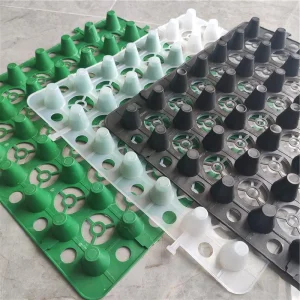
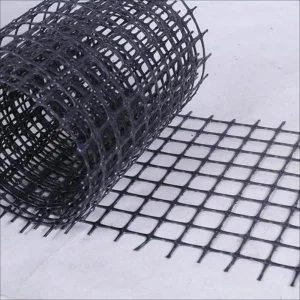
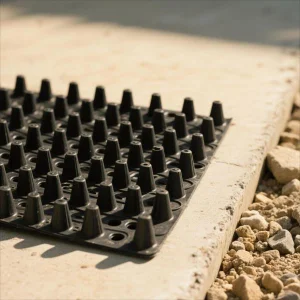
Browse our comprehensive selection of geogrids, structural geonets, drainage sheets, and composite clay liners.
 Hongyue