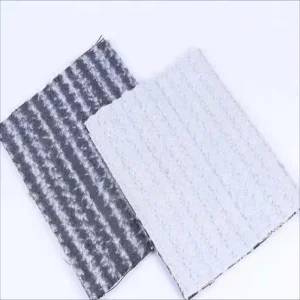
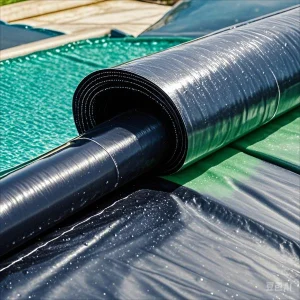
Explore our top-tier catalog of certified geosynthetics engineered for slope stabilization, water conservancy, and transport infrastructure projects globally.
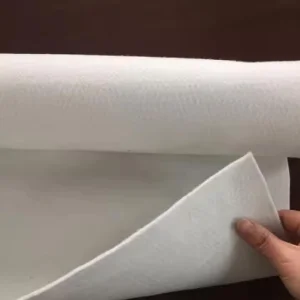
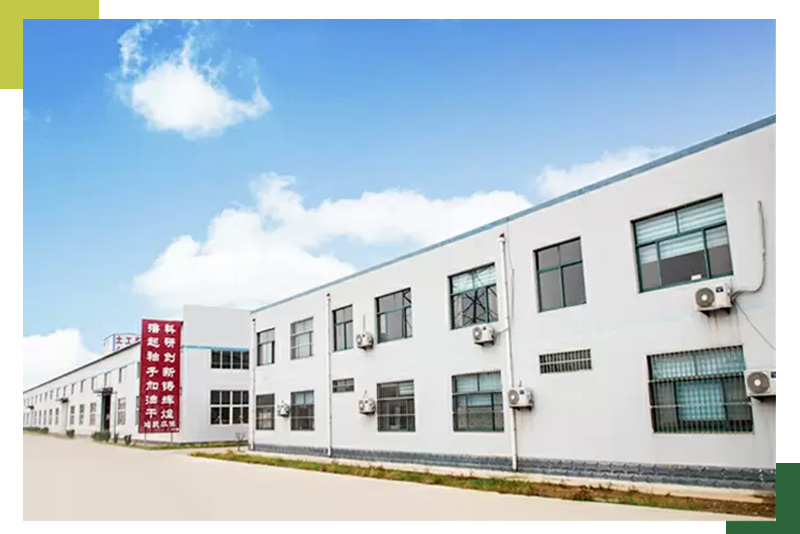
Understanding the capabilities of Shandong Hongyue Environmental Engineering Co., Ltd., China's premier geotechnical industrial center.
Established as a pioneering, science-focused geotechnical material enterprise, Shandong Hongyue Environmental Engineering Co., Ltd. integrates engineering materials research, advanced production processes, international sales channels, design consultancy, and field installation services. Our manufacturing facilities are located at the northern end of Fufeng Street, Lingcheng District, Dezhou, Shandong Province—a strategic geographical hub with excellent transportation infrastructure connecting directly to China's major global shipping ports.
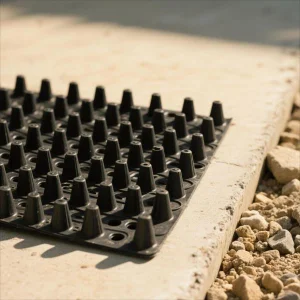
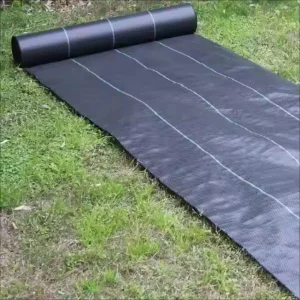
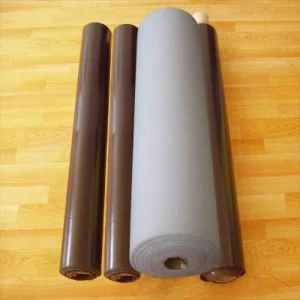
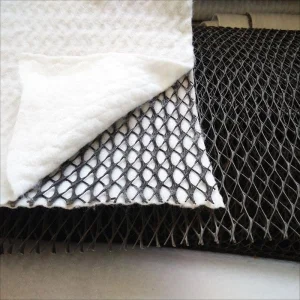
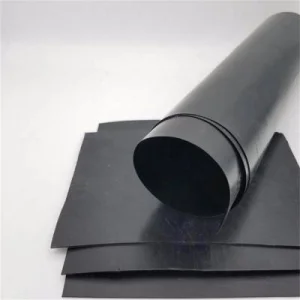
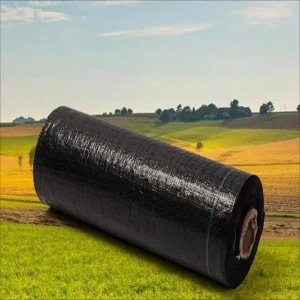
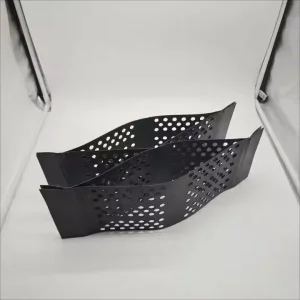
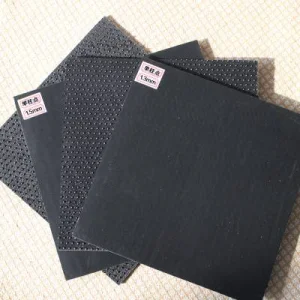
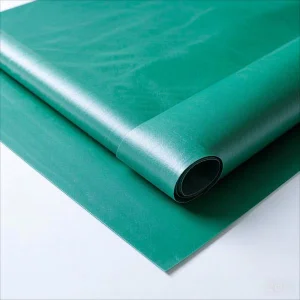
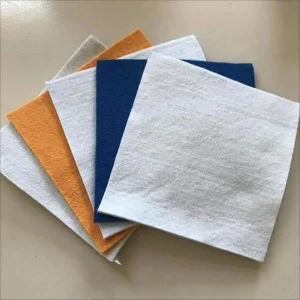
Founded with a robust registered capital of 105 million yuan, the company has grown into one of China's largest manufacturing bases for environmental protection geosynthetics. Our comprehensive portfolio includes high-tensile plastic geogrids, steel-plastic composite geogrids, uniaxial and biaxial geogrids, high-density polyethylene (HDPE) geomembranes, non-woven geotextiles, 3D drainage boards, and advanced bentonite waterproof blankets. Our systems serve critical municipal and environmental projects: high-speed railways, trans-provincial expressways, hydraulic engineering dams, mine tailings containments, municipal landfills, and agricultural conservation structures.
An in-depth analysis of high-density polymer orientation, mechanical soil interaction mechanisms, and junction efficiency parameters.
Modern civil infrastructure demands earthworks that can withstand unprecedented mechanical loading, environmental fluctuation, and geological shifts. Traditional aggregate stabilization methods are increasingly constrained by economic costs, environmental regulations, and the finite availability of premium quarry materials. This is where the application of Custom Geo Grid Mesh structures emerges as the industry benchmark for modern soil stabilization.
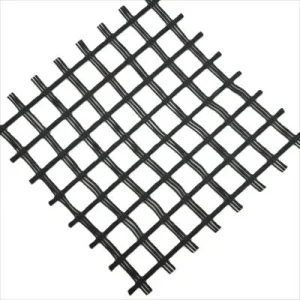
A geo grid mesh functions through physical locking, aggregate confinement, and tension-membrane load distribution. When aggregate is laid over a synthetic geogrid, the individual stones or soil particles interlock within the geogrid apertures. Under external loading, the soil tries to spread laterally; the ribs of the geo grid resist this movement through shear stress resistance at the soil-grid interface. By transferring high stress loads from vertical pressure points into horizontal tensile strain along the polymer ribs, the overall bearing capacity of subgrades is radically increased.
Custom geo grid mesh factories optimize polymer extrusions to create either uniaxial (one-way tensile load bearing) or biaxial (two-way tensile load bearing) configurations. Uniaxial geogrids are primarily used in applications where stress is applied along a single axis, such as in reinforced soil retaining walls, steep slope rehabilitations, and bridge abutments. These nets are manufactured by stretching the polymer sheet in the machine direction, aligning the molecular chain structure to provide exceptionally high creep resistance and long-term design strength under sustained load.
In contrast, Biaxial geogrids are engineered to withstand stress vectors from multiple directions. Stretched in both machine and cross-machine directions, they form rectangular or square apertures. Biaxial geogrids are the standard for roadbed reinforcement, heavy-haul airport runways, railway ballasts, and unstable soft-soil subgrades. The junctions of the grid are critical points; Shandong Hongyue implements high-accuracy temperature and tension controls to ensure junction integrity—a crucial factor in resisting installation damage and dynamic cyclic loading.
| Property / Characteristic | Polypropylene (PP) Biaxial Geogrids | High-Density Polyethylene (HDPE) Uniaxial | Polyester (PET) Woven Geogrids |
|---|---|---|---|
| Primary Tensile Orientation | Bidirectional (X & Y axis) | Unidirectional (Machine direction) | Bidirectional or Custom Uniaxial | Junction Strength / Integrity | Excellent (Monolithic extruded) | Superior (Co-extruded punched) | High (Knitted with polymer coating) |
| Chemical & Acid Resistance | Excellent (pH 2 to 13 range) | Highly Inert to Soil Chemistries | Moderate to High (pH range 3-9) |
| Creep Tendency (120-Year design) | Low (Highly crystalline polymers) | Very Low (Optimized draw ratios) | Extremely Low (High-molecular weight PET) |
| Common Field Application | Pavement Base, Unpaved Road Bedding | Retaining Walls, Steep Slopes | Basal Reinforcement, Embankments |
Shandong Hongyue integrates strict quality control systems. View our production and raw material testing centers.
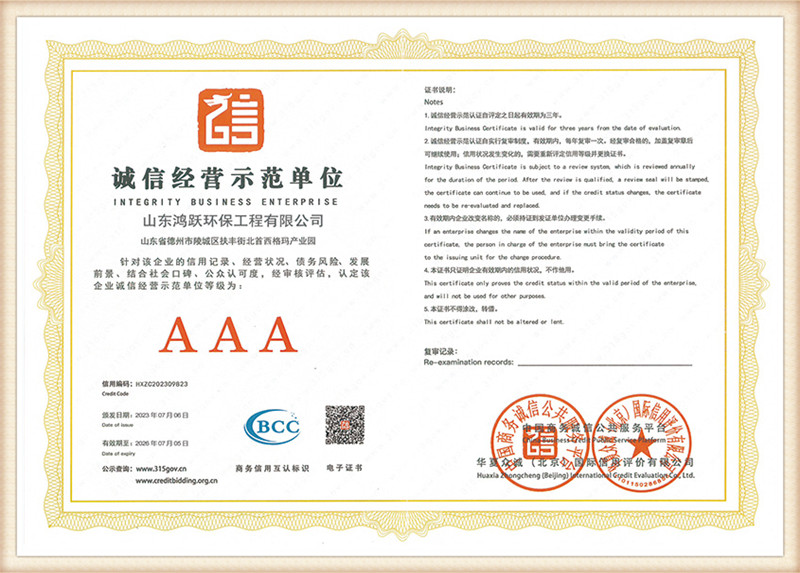
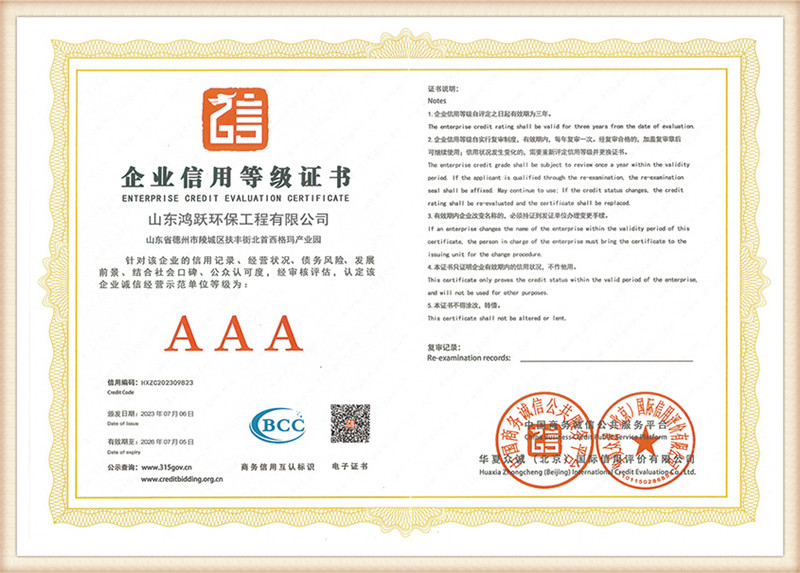
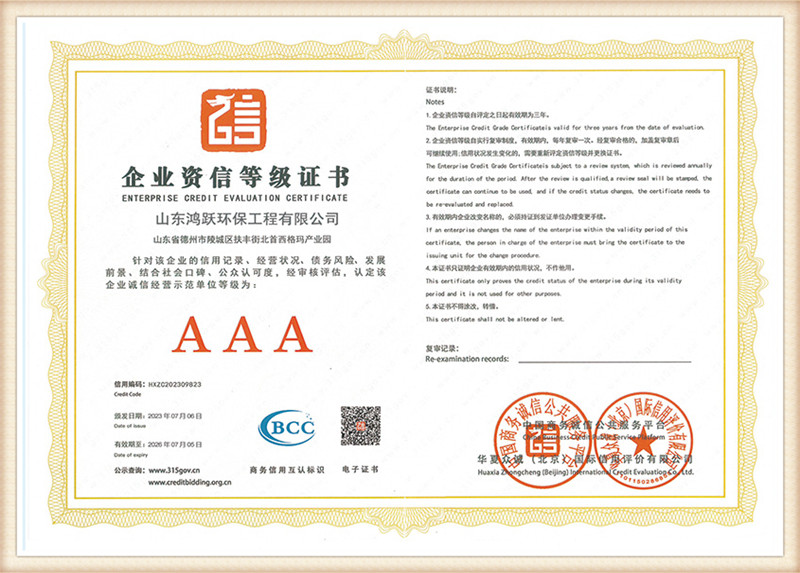
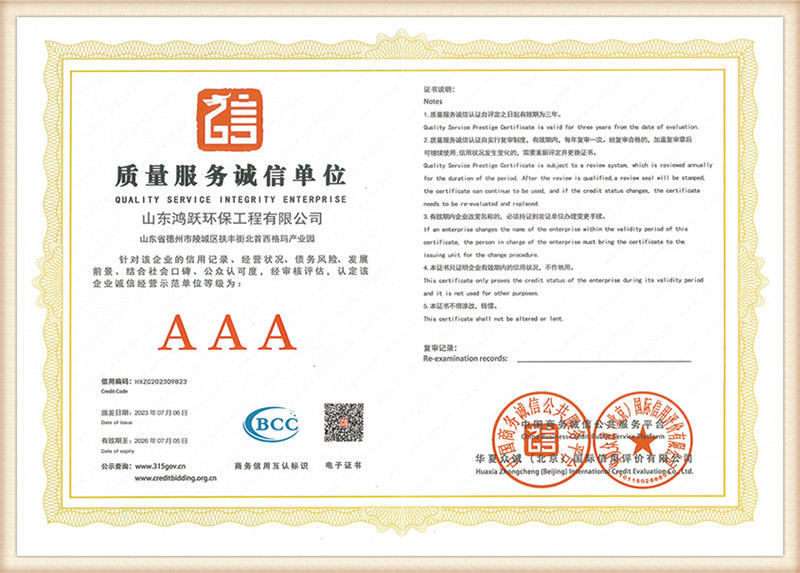
An overview of our fully automated polymer processing and needle-punched geotextile manufacturing line.
The foundation of long-term geogrid durability lies in virgin polymer chips (PP, HDPE, or high-molecular weight PET polyester). We run comprehensive purity checks, moisture analyses, and density calculations to ensure high resistance against environmental stress cracking and microbial soil attack.
The verified polymer raw materials are fed into high-volume, screw-controlled melt extruders. High-temperature precision systems ensure uniform viscosity and thickness as the material is extruded into sheets, avoiding localized stress concentration zones.
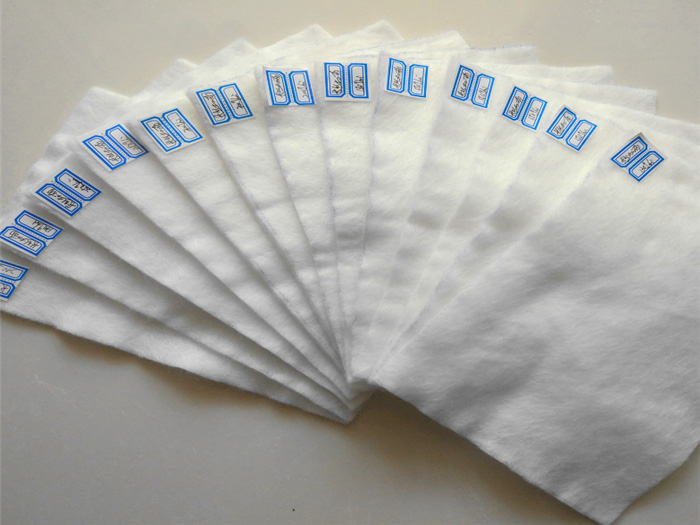
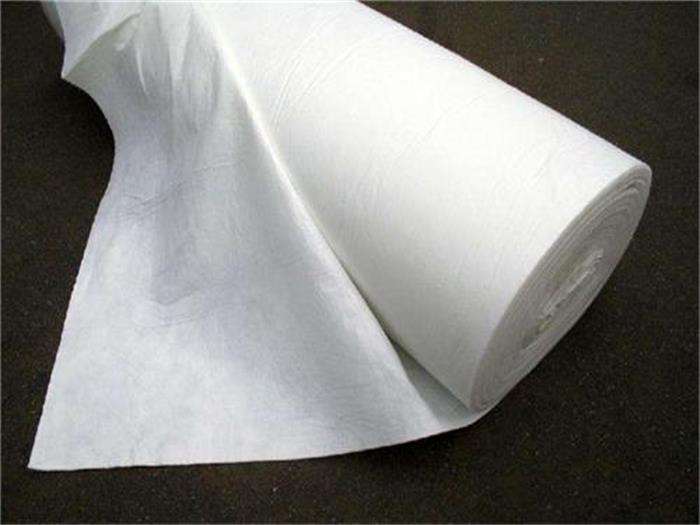
For geogrids, the solid polymer sheet passes through an automated laser/mechanical punching matrix to create the exact grid array. In non-woven geotextile lines, fibers are spun and formed into a uniform, multi-layered mesh on continuous conveyor belts.
The punched sheets pass through specialized heating chambers and tension zones, where they are stretched under precise draw ratios. This mechanical alignment aligns the polymer molecules along the ribs, exponentially raising the tensile strength and modulus.
Cured and cooled geogrids/geotextiles are measured for dimensional accuracy, cut to size, and wound onto heavy-duty cores. Rolls are wrapped in UV-protective film packaging to protect the products during overseas shipping and on-site storage.
Representative samples from every production batch undergo rigorous testing in our calibration facility. Tests cover ultimate tensile strength (ASTM D6637), junction efficiency, carbon black dispersion, and creep behaviors over 10,000 hours.
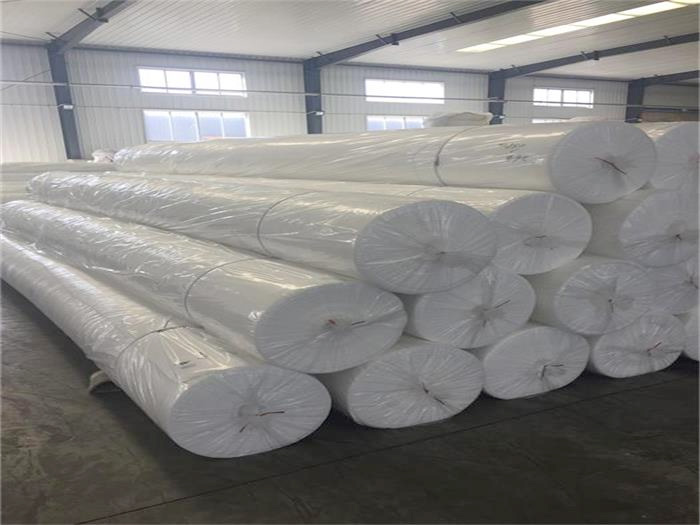
Explore our custom geo grid mesh and barrier liners implemented in national water conservancy, waste management, and road infrastructure projects.
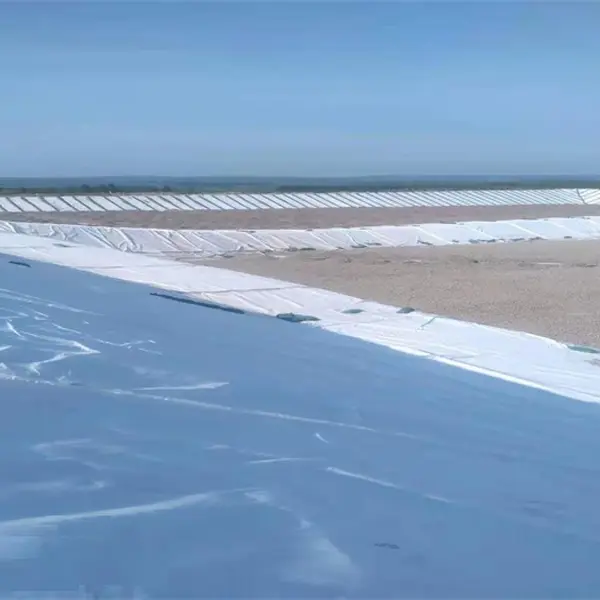
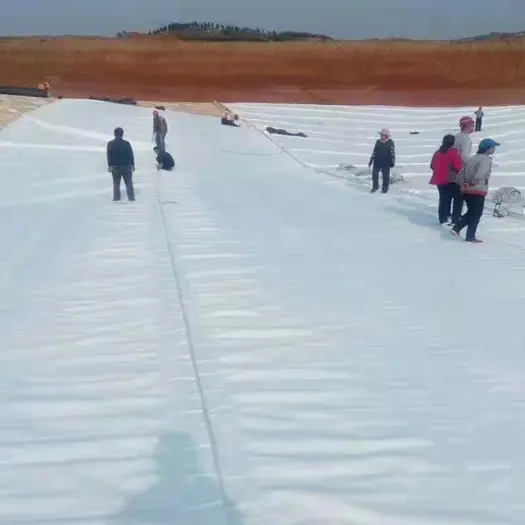
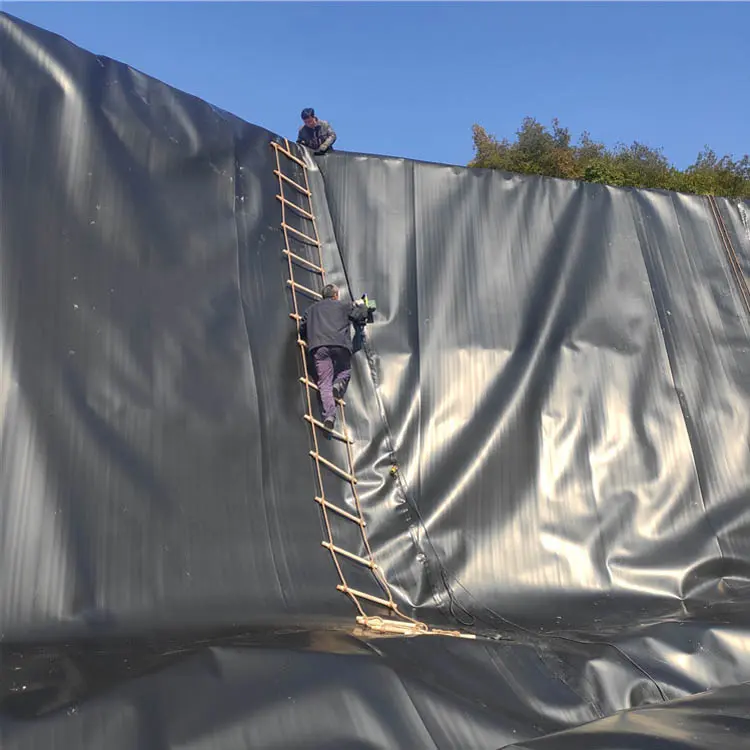
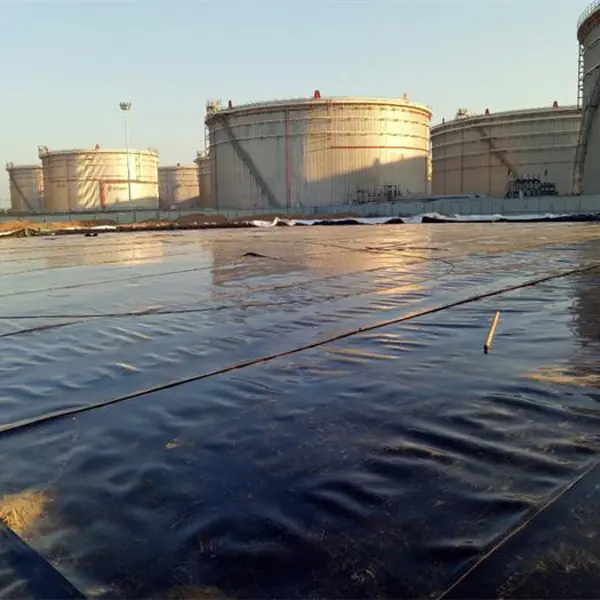
Direct factory production lines for municipal reinforcement, landscape engineering, and environmental containment structures.
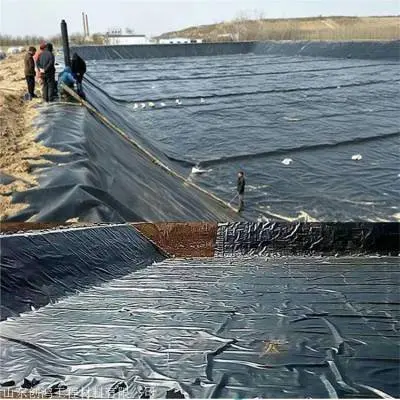
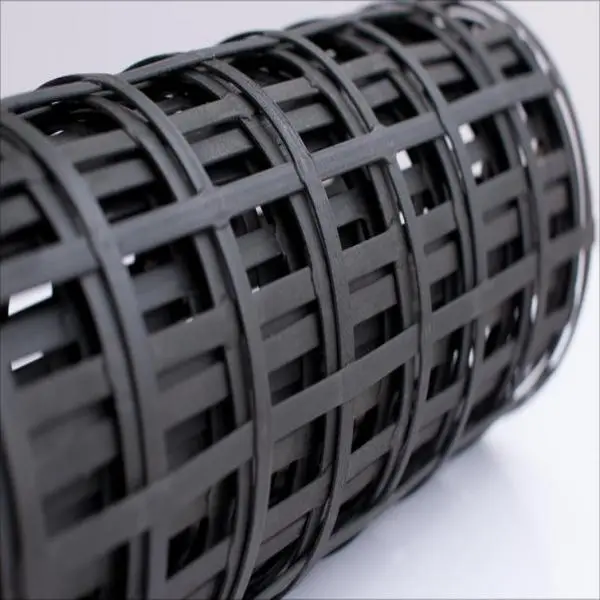
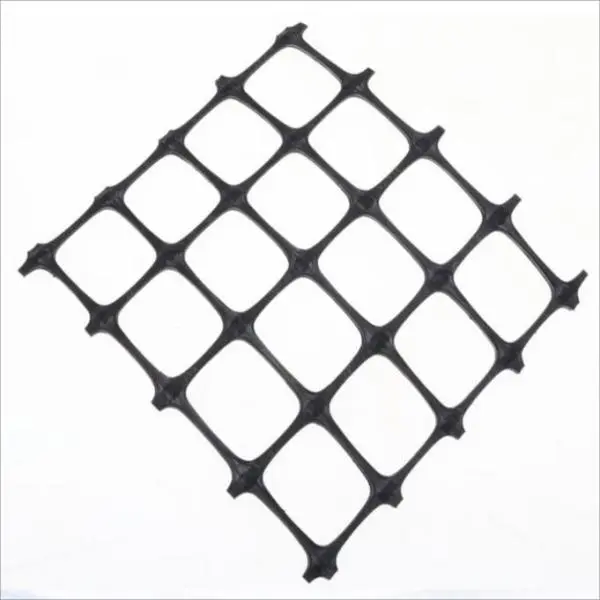
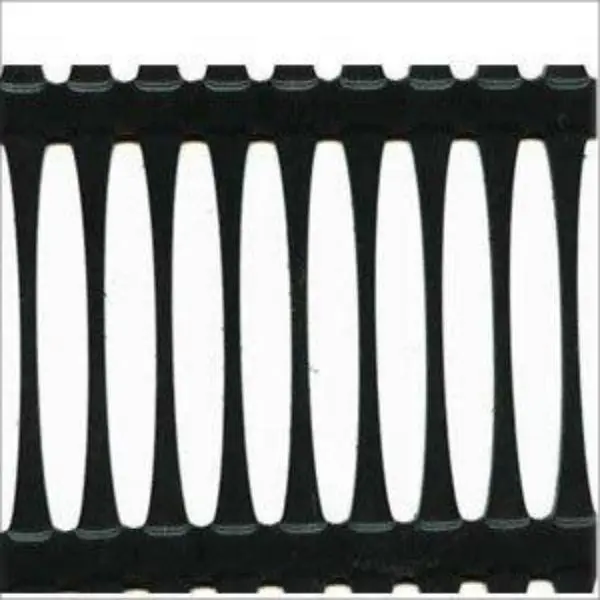
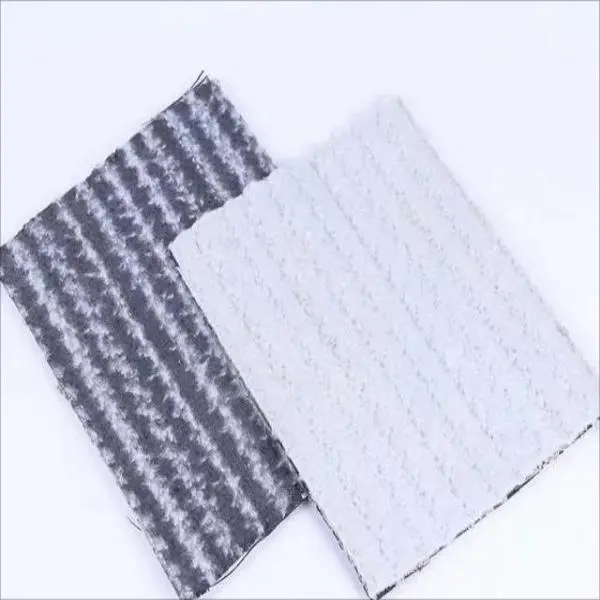
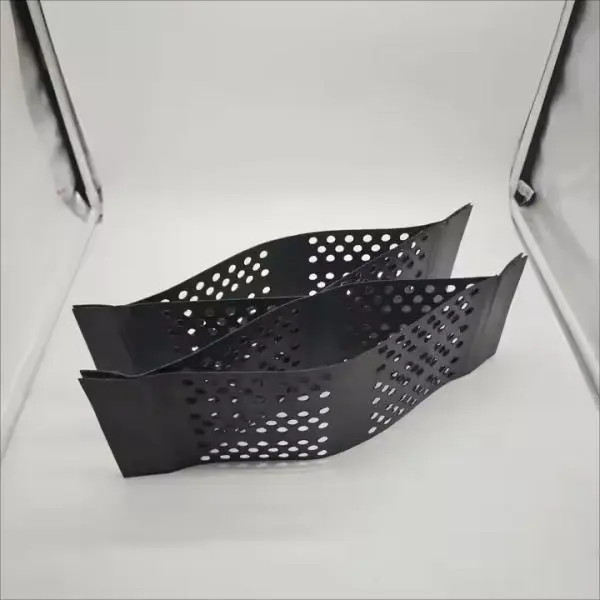
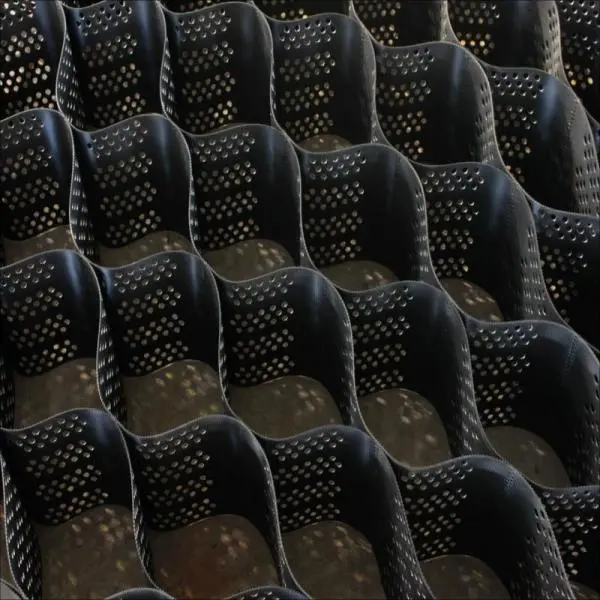
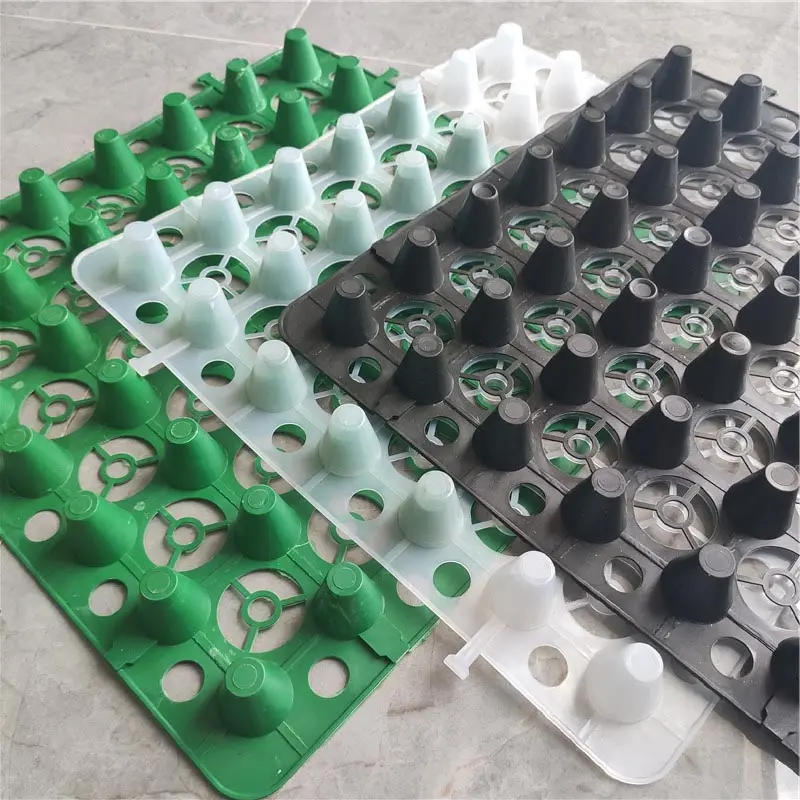
A visual inspection of Shandong Hongyue's large-scale Dezhou manufacturing plants, high-volume warehouses, and advanced testing setups.
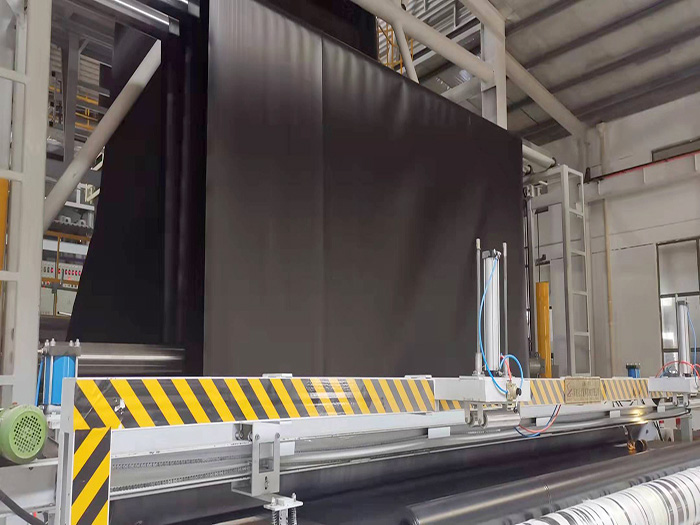
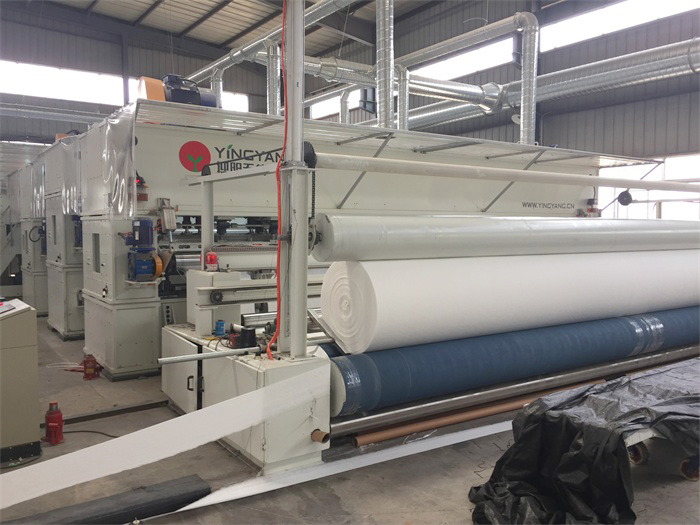
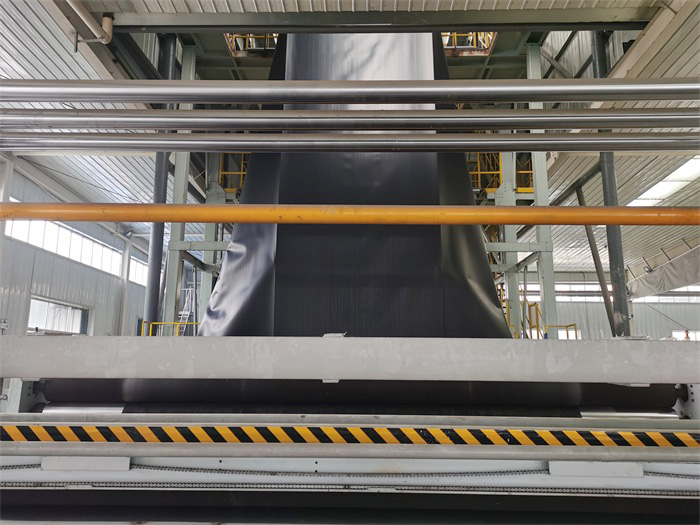
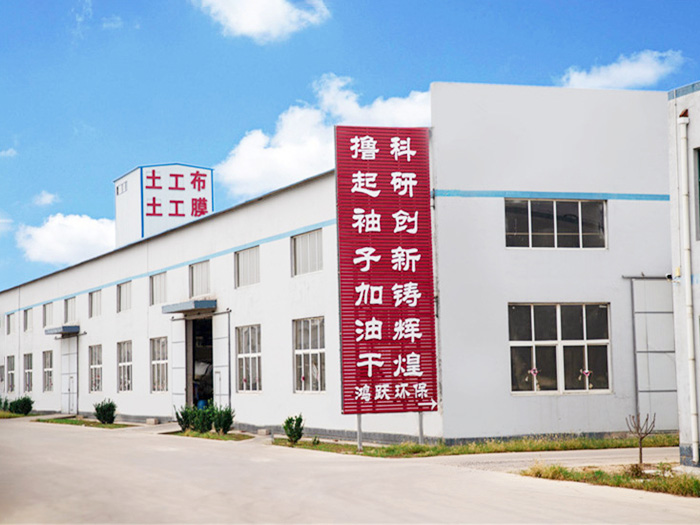
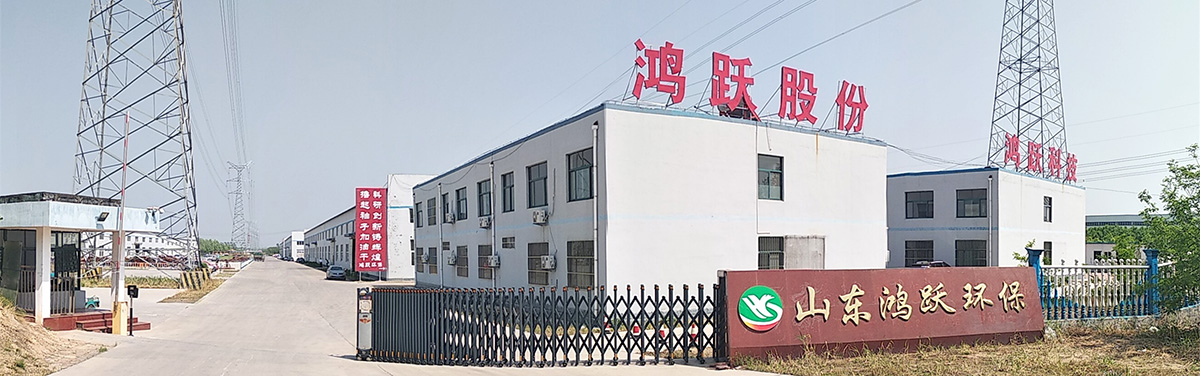
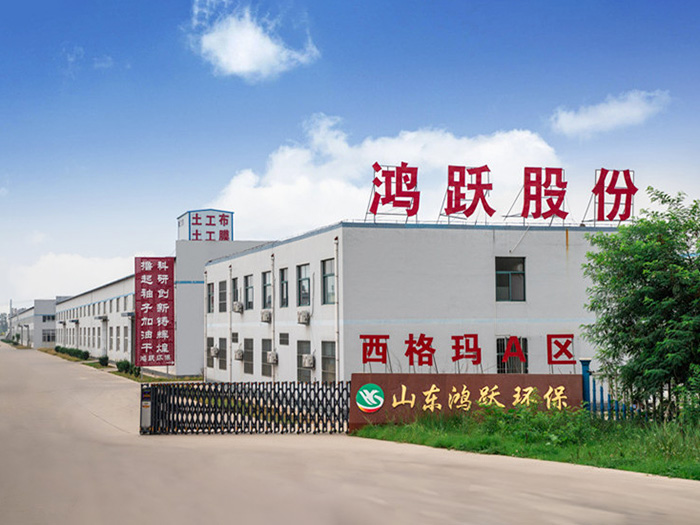
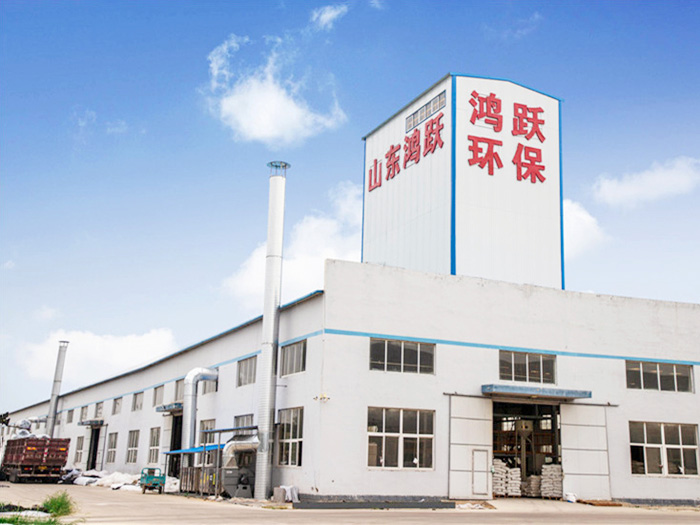
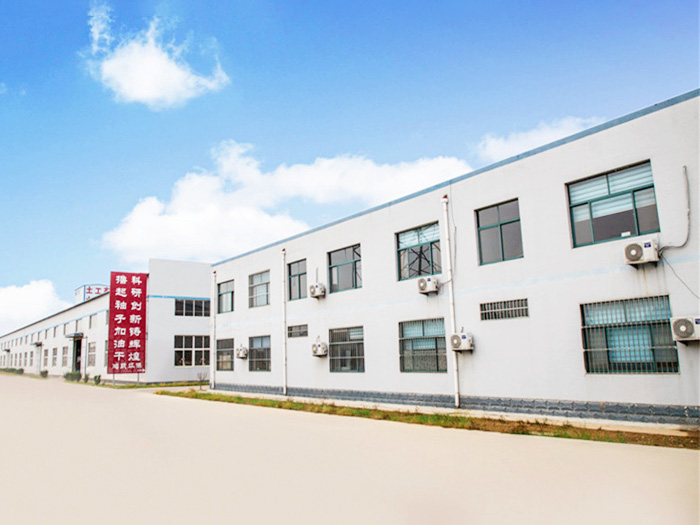
Analyzing the core requirements of engineering procurement managers, commercial distributors, and QA agencies globally.
Global infrastructure investments demand materials that reduce overall maintenance overhead, extend the service life of roads and dams, and meet localized environmental certifications. Geotechnical buyers prioritize partners that offer direct factory pricing, customization options, and comprehensive quality assurance. Operating with a massive registered capital of 105 million yuan, Shandong Hongyue is positioned to deliver consistent material supply for large projects.
When sourcing from a custom geo grid mesh factory, engineering consultants require testing documentations and physical proof of mechanical characteristics:
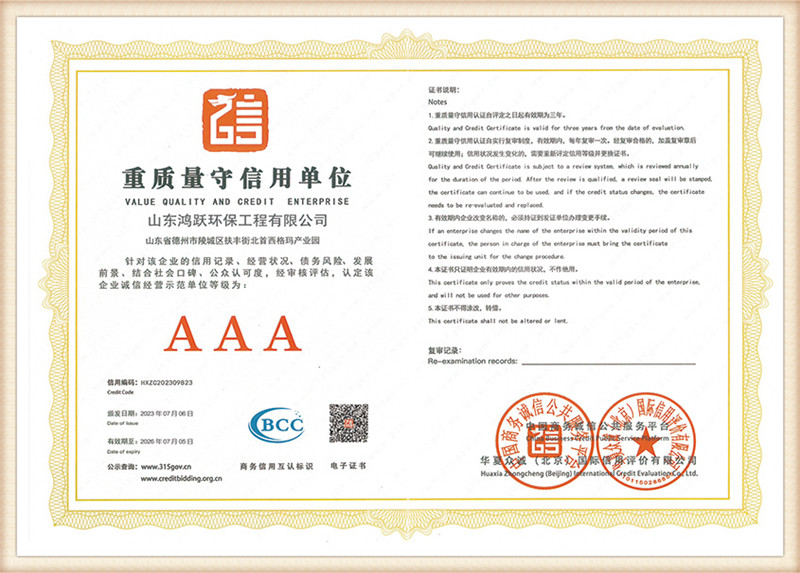
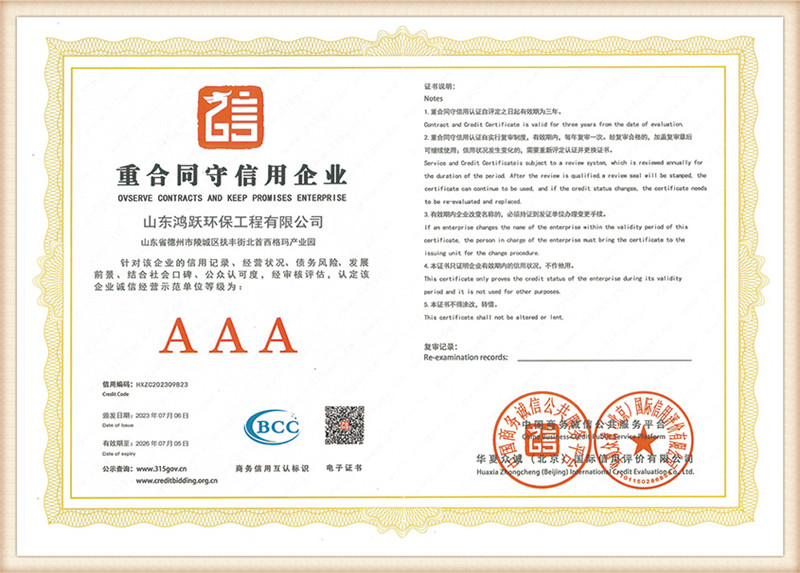
Exporting to European, North American, and Australian markets requires adherence to international testing standards and certifications. Shandong Hongyue operates in compliance with ISO9001 (Quality Management System), ISO14001 (Environmental System), and ISO45001 (Occupational Health and Safety Management System). Our structural geo grid meshes and drainage boards feature European CE certification. Our products undergo regular audits by national testing laboratories, ensuring that every shipment complies with ASTM and ISO standards.
Detailed application practices, handling, subgrade prep, welding techniques, and long-term maintenance of geosynthetics.
Before laying down geogrids or geomembranes, the subgrade must be cleared of organic matter, roots, debris, and sharp stones that could damage the polymer structures. Low spots should be filled and compacted to the project's specification (typically over 95% Standard Proctor Density). In soft soil regions, a base layer of non-woven geotextile serves as a separator, preventing subgrade soil from mixing with the aggregate backfill.
Geogrid rolls are deployed manually or with machine assistance, depending on the roll width (typically 4m to 6m). The geogrid mesh is pulled taut in the direction of primary tensile load and secured using U-shaped metal pins or zip-ties. For longitudinal overlaps, a minimum overlap of 300mm to 500mm is recommended, while transverse overlaps require 500mm or more depending on subgrade strength (CBR values). Heavy machinery is prohibited from driving directly on the geogrid; backfill aggregate must be dumped and pushed forward over the grid to form a protective cover layer.
For anti-seepage projects, geomembrane sheets are joined using double-track hot wedge welding machines. This process fuses the overlapping HDPE edges, creating an airtight air channel between two parallel weld lines. A pressure needle is inserted into the channel to perform non-destructive air pressure testing. If the channel maintains a pressure of 0.2 MPa for five minutes without dropping, the weld seam is certified leak-free, providing reliable containment for critical reservoirs and landfills.
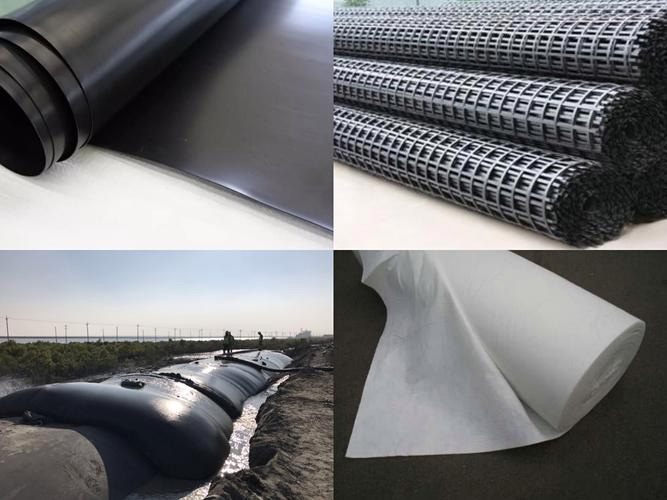
On-site testing of hot-wedge welding seams on a landfill liner system.
Shandong Hongyue's research focus is shifting toward smart geosynthetics and bio-based sustainable polymer materials.
Detailed technical answers to common queries regarding geogrid mechanics, product selections, and factory procurement processes.
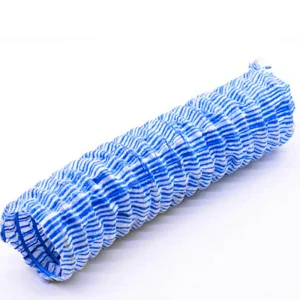
Browse our extended product portfolio of certified geocells, underground drainage elements, and heavy-duty geomembranes.
 Hongyue