Explore our foundational range of composite liners, drainage networks, and reinforcement materials designed for heavy infrastructure and environmental projects.
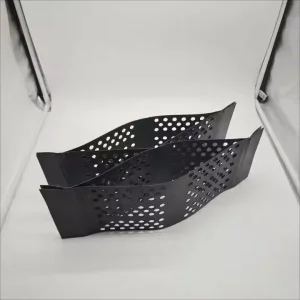
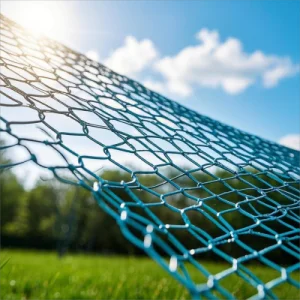
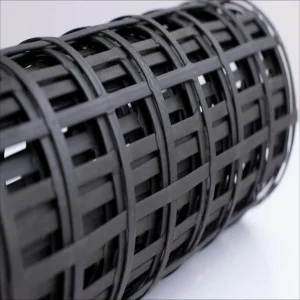
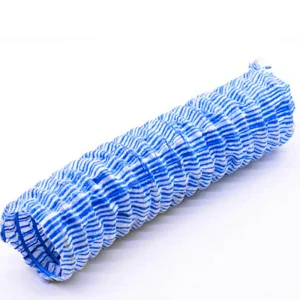
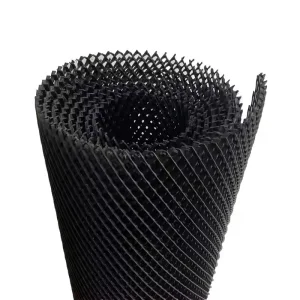
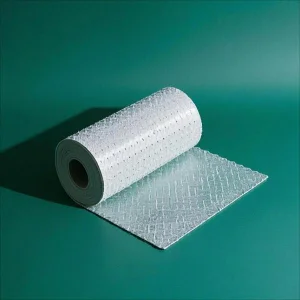
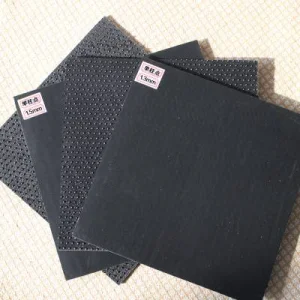
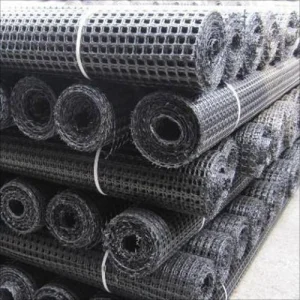
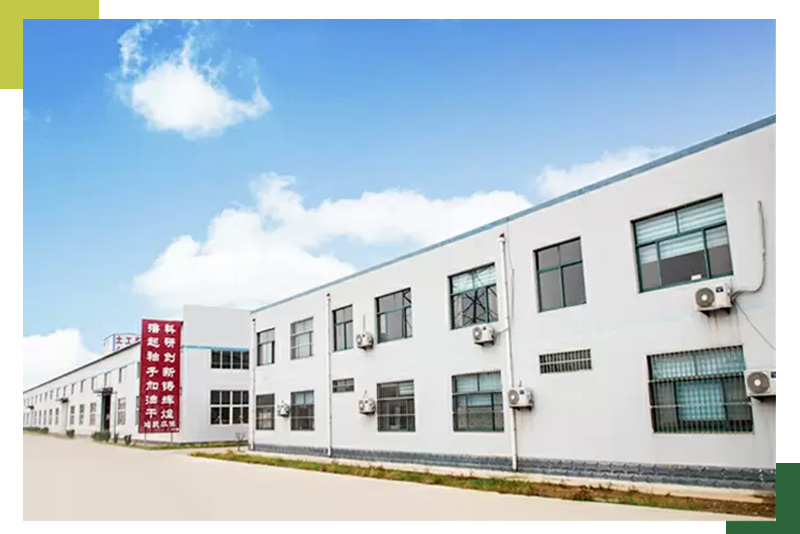
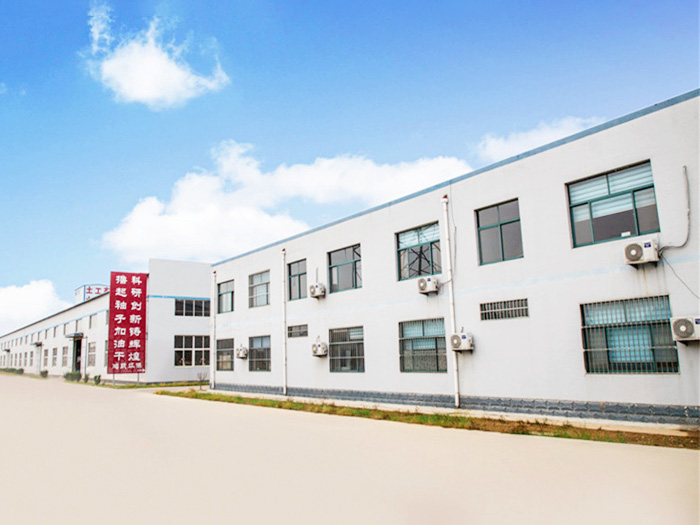
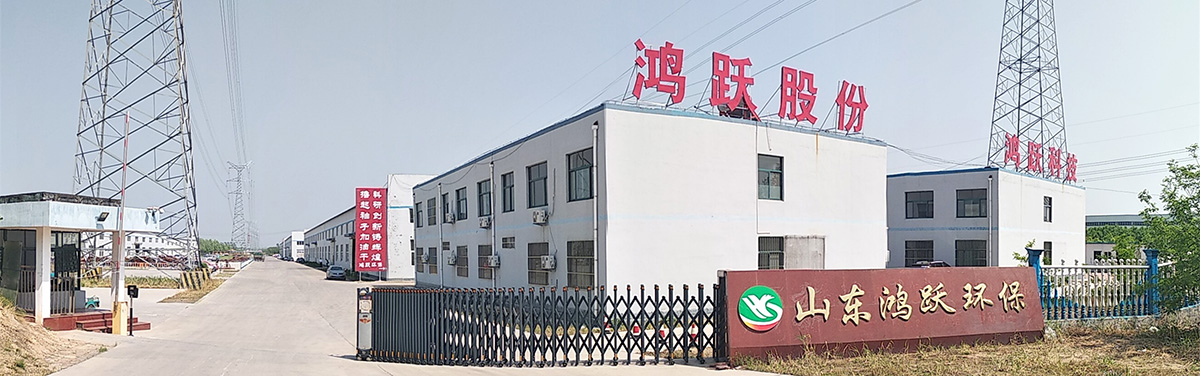
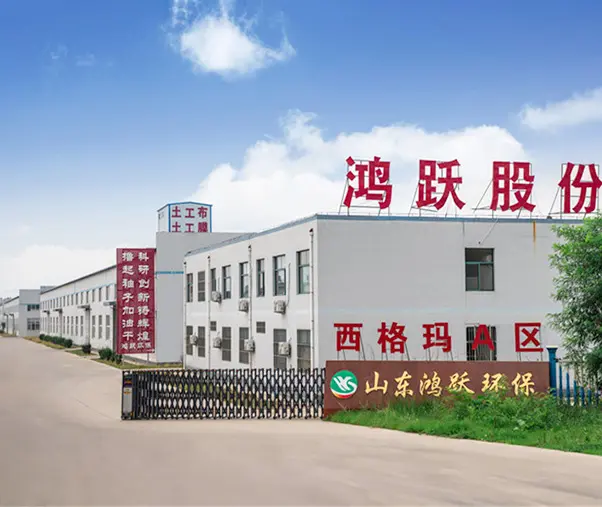
Located at the north end of Fufeng Street, Lingcheng District, Dezhou, Shandong Province, Shandong Hongyue Environmental Engineering Co., Ltd. is a leading scientific and technological geotechnical material manufacturer integrating engineering material production, sales, design, and professional construction services. The company was officially registered in the Lingcheng District Market Supervision and Administration Bureau of Dezhou City on April 6, 2023, carrying a registered capital of 105 million yuan.
As one of the largest production bases of geotechnical materials in China today, Shandong Hongyue leverages a superior geographical location and convenient transportation links to deliver high-performance barrier solutions worldwide. Our commitment to technical excellence has made us an active member of the Dezhou Geotextile Association, placing us at the heart of China’s geosynthetics industry development.
An in-depth analysis of composite barrier mechanics, performance coefficients, and structural integrity parameters for global infrastructure projects.
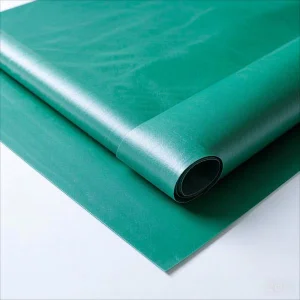
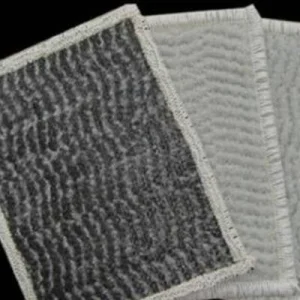
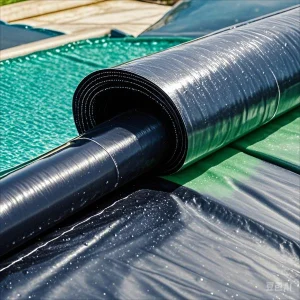
Composite geomembranes represent a milestone in geotechnical barrier systems. By thermally or adhesively bonding a polymeric geomembrane core (typically HDPE, LLDPE, or PVC) with a protective non-woven or woven geotextile liner, engineers achieve a synergistic material structure. This combination dramatically offsets the weaknesses inherent to standalone geomembranes—namely, their susceptibility to mechanical puncture, low interface shear friction, and high thermal expansion rates.
The addition of geotextiles on one or both sides (classified as one-geotextile-one-membrane or two-geotextiles-one-membrane) acts as a continuous mechanical shield. It distributes localized stress concentrations, provides a planar drainage pathway (transmissivity) to relieve hydrodynamic pressure, and introduces high surface friction. This high friction is crucial for stabilizing steep slope lining systems in landfills, reservoirs, and mining tailing ponds.
The choice of polymer dictates the chemical compatibility and mechanical resilience of the lining system:
Why do global engineering firms look to Dezhou, Shandong Province for high-performance geosynthetics? The answer lies in the highly optimized industrial cluster. Dezhou hosts a comprehensive raw material supply chain, ensuring uninterrupted access to premium polymer chips and filaments. This proximity reduces logistics costs and allows manufacturers like Shandong Hongyue to invest heavily in modern, wide-width extrusion and calendering machinery.
Furthermore, standardizing production across the local industry allows for highly competitive pricing structures without compromising on international standards. Working with a Chinese factory possessing a registered capital of 105 million yuan ensures that project owners have the financial security and structural capacity to supply large-scale infrastructure projects requiring millions of square meters of customized liners.
A step-by-step look at how we convert raw polymers and filaments into certified high-strength geotextiles and composite barrier systems.
Our non-woven geotextiles are widely used in civil engineering for filtration, separation, reinforcement, and protection. Our manufacturing sequence follows strict, automated parameters:
We source premium polyester (PET) chips, polypropylene (PP) filament, and viscose fibers. These raw materials are carefully checked, tested, and stored to ensure consistent physical properties and long-term durability.
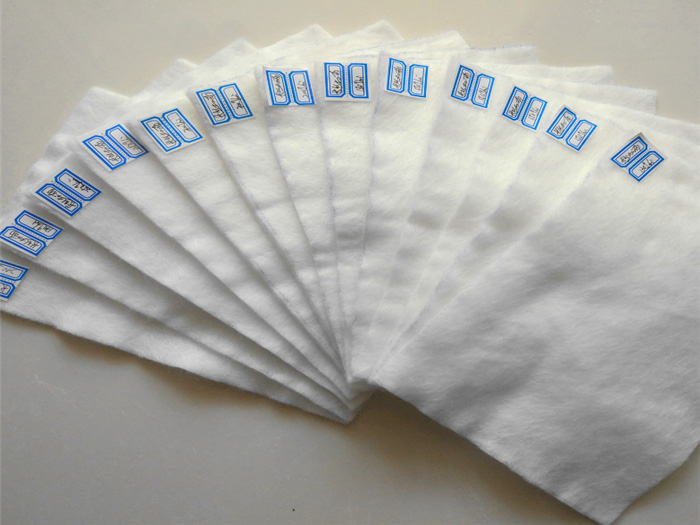
Polyester chips are heated to a molten state in a screw extruder. Polypropylene filament and viscose fibers are mixed in. The system controls temperature, pressure, and flow rates to ensure a uniform melt.
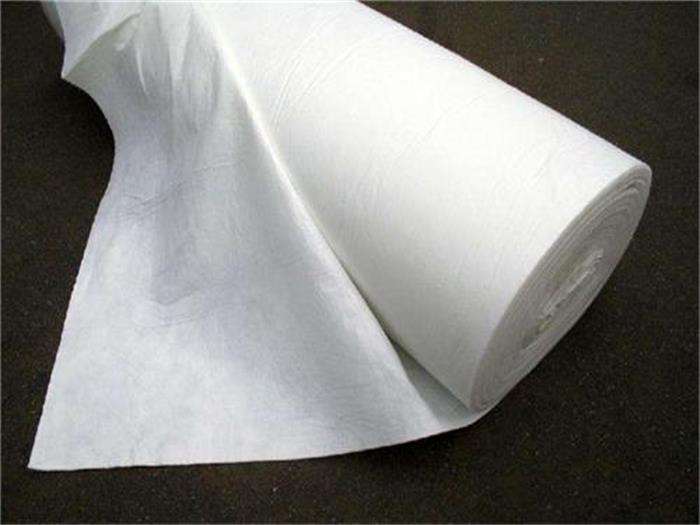
The molten mixture is extruded through spinnerets, forming fine filaments. These are deposited onto a moving conveyor belt to create a uniform web structure. Controlling web thickness and fiber direction is key to achieving optimal tensile strength.
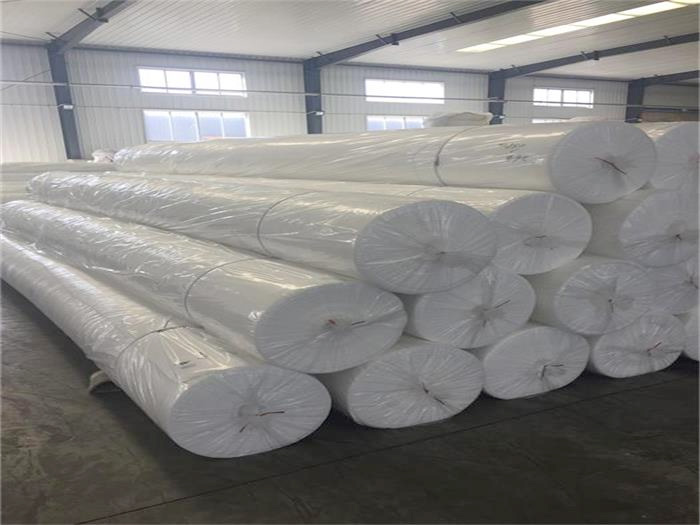
Following fiber deposition, the web undergoes draft curing (Step 4) where temperature and speed are controlled to lock in strength. It is then rolled and packaged (Step 5) according to required dimensions, and finally subjected to quality inspection (Step 6). This inspection tests physical, chemical, and dimensional parameters before shipping to the client.
A guide to geomembrane selection, deployment, and seam welding protocols required to achieve long-term performance.
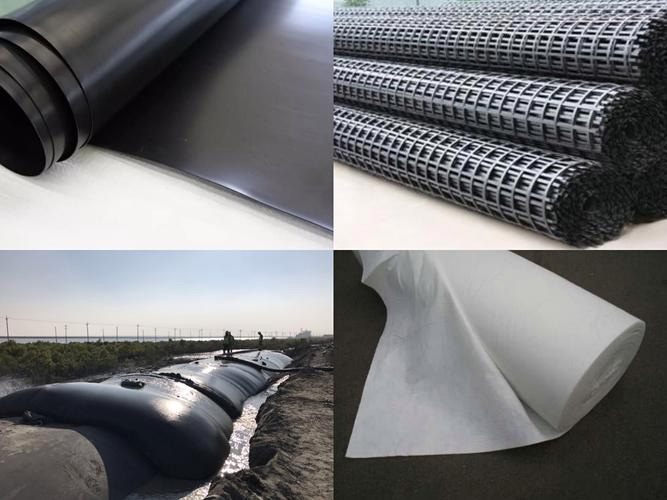
Selecting the right geomembrane thickness and polymer is critical for project performance. Standard thicknesses range from 0.3mm to 2.0mm. High-density polyethylene (HDPE) provides excellent chemical resistance for aggressive environments, while LLDPE offers the high elongation needed to accommodate settlement and uneven subgrades.
Successful installation relies on a smooth, clean subgrade, free of sharp stones or organic material. The composite panels are positioned and prepared for thermal fusion welding. Proper weld-lap cleaning is essential to avoid seam failures and leaks.
We recommend double-track hot wedge welding for primary seams and extrusion welding for patches. Non-destructive testing, such as air pressure testing in the split channel or vacuum box testing, should be performed on all welded seams to verify joint integrity.
Discover how composite geomembranes are deployed to solve containment challenges in key global industries.
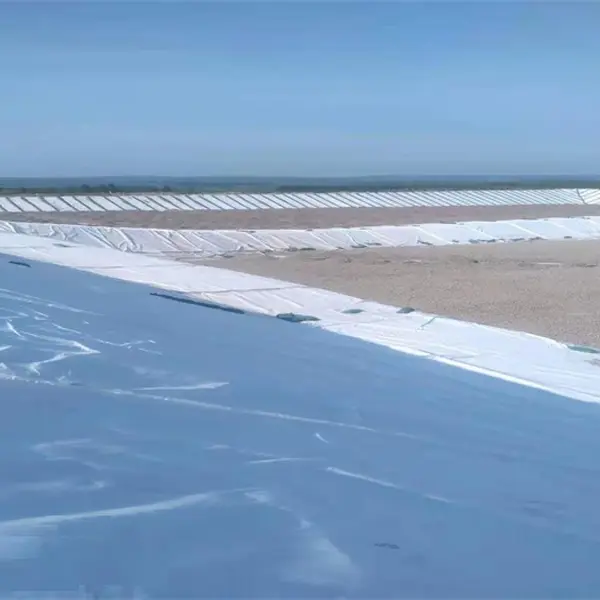
Our composite materials serve as impermeable layers in large dams and reservoirs. The backing geotextile prevents soil erosion and shields the membrane from hydrostatic pressure, reducing risk on complex geological foundations.
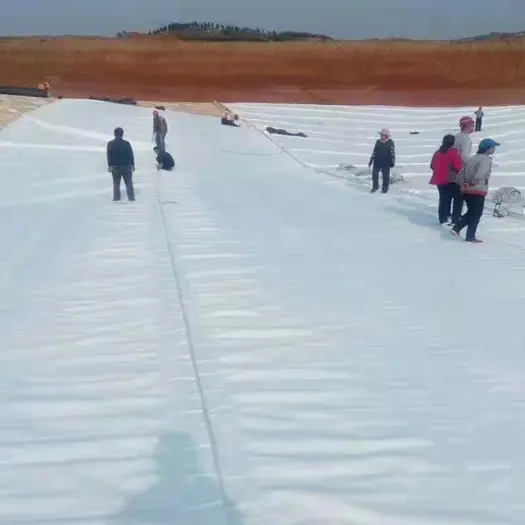
Lining canals with composite geomembranes reduces water loss from seepage. This helps maintain consistent flows for agricultural irrigation and drinking water networks, even in dry climates.
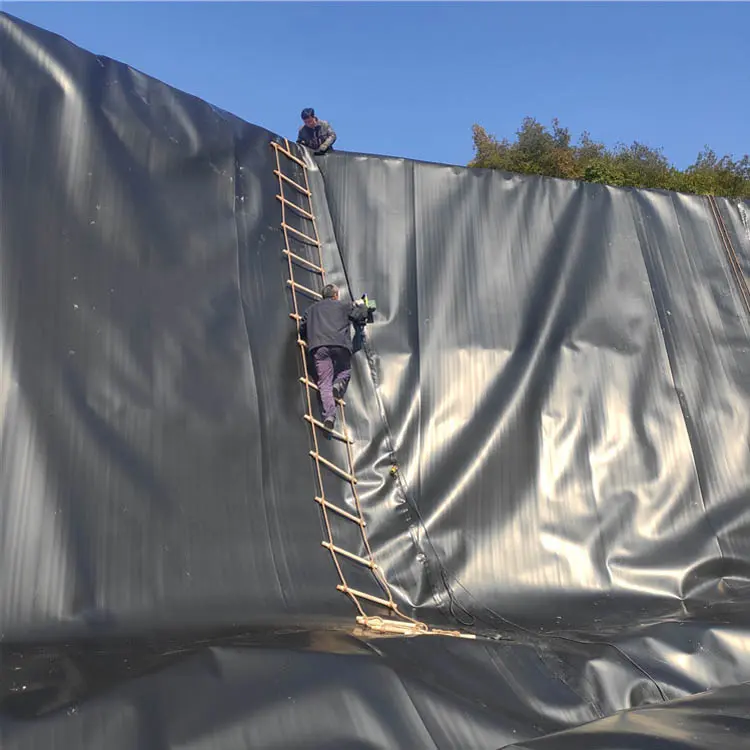
Our systems provide waste containment, preventing hazardous leachate from migrating into local groundwater. The composite layers protect the primary liner from puncture by municipal or industrial waste.
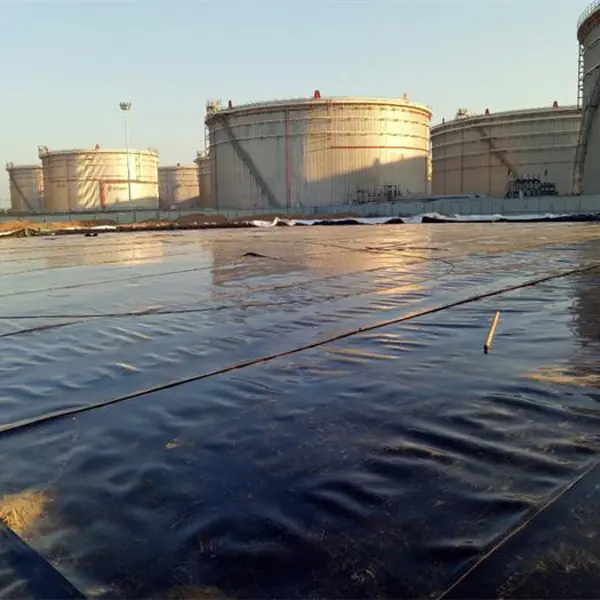
Deployed under refinery tank farms and chemical storage fields, these barriers prevent chemical leaks. The composite liner is designed to withstand hydrocarbons, acids, and bases over extended lifetimes.
Reinforces weak soils, prevents water ingress, and distributes traffic loads under highways and railways.
Protects concrete structures from moisture and water ingress, extending structural lifespans.
Provides secure lining under high-stress tailings dams to prevent acid mine drainage from reaching surrounding ecosystems.
Our quality assurance program tracks production from raw materials to final physical testing, ensuring compliance with global project specifications.
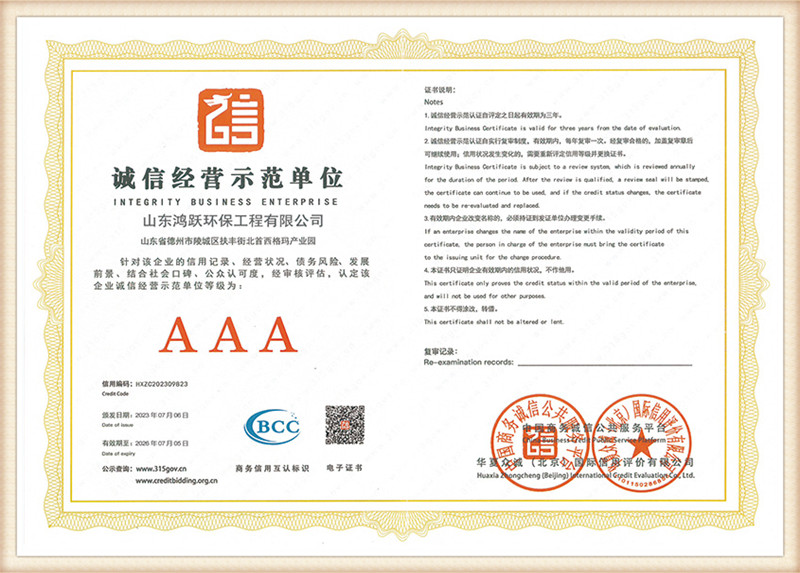
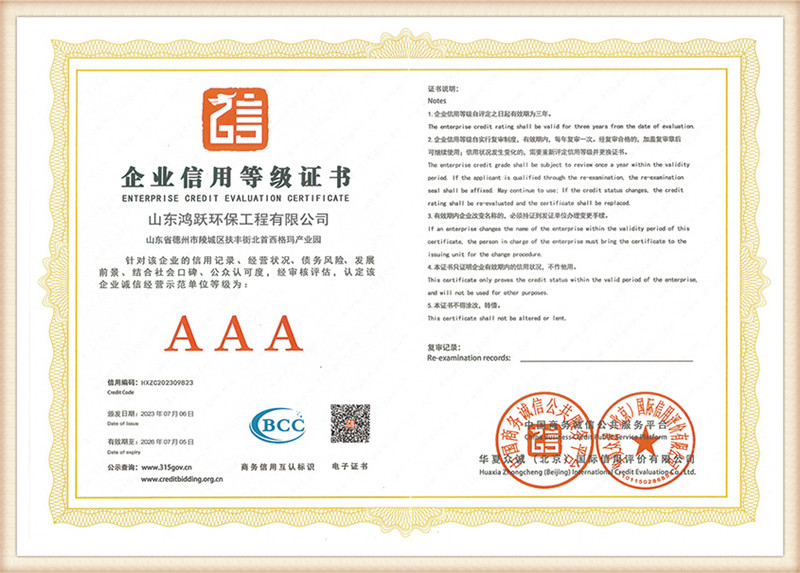
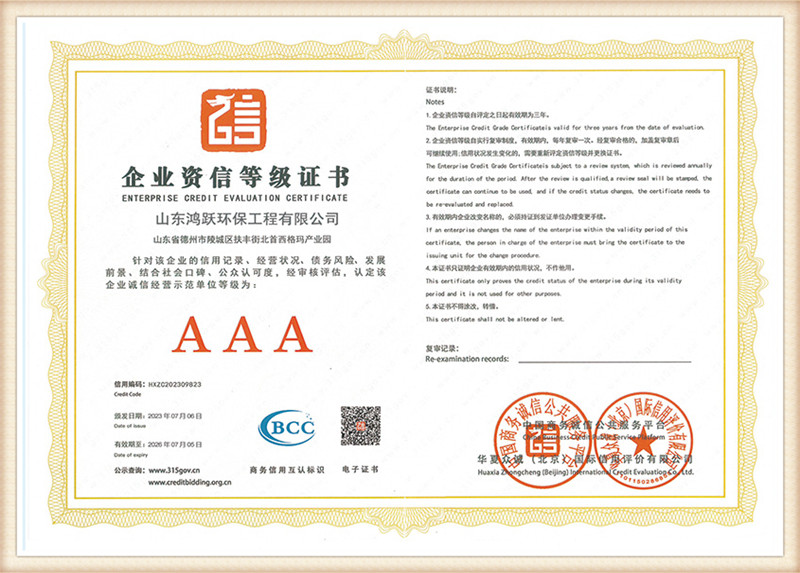
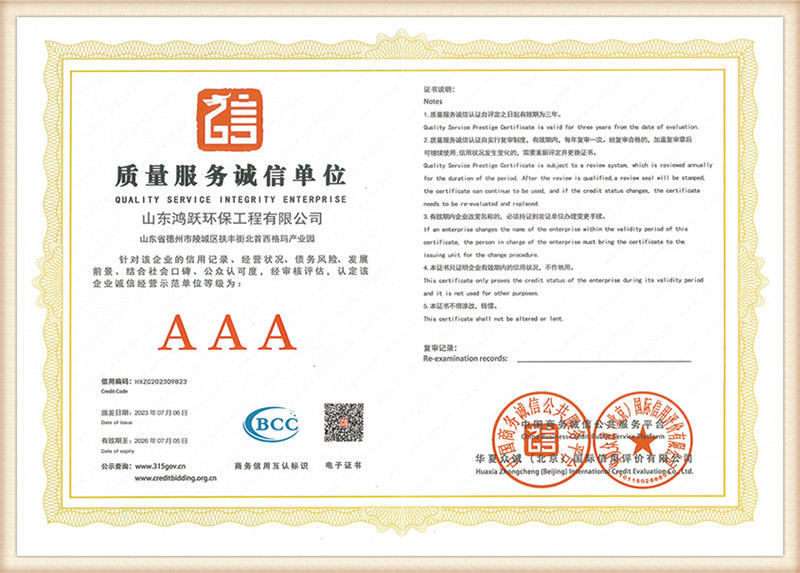
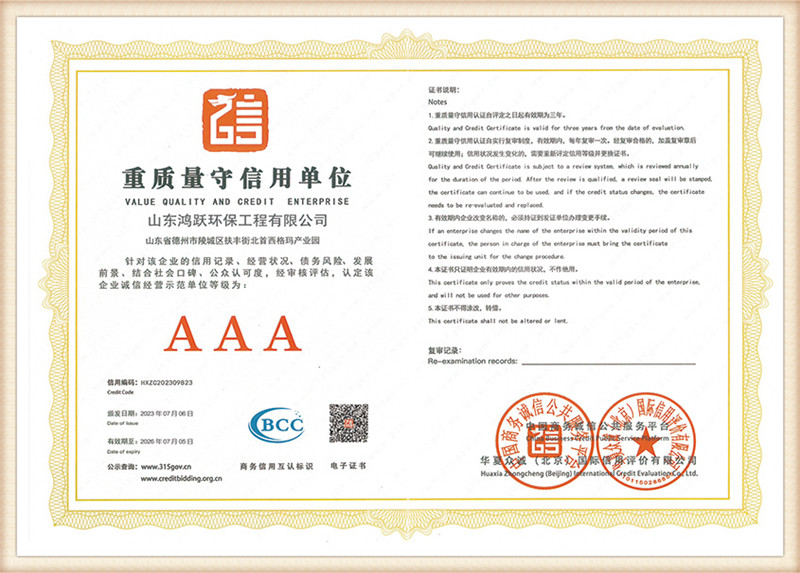
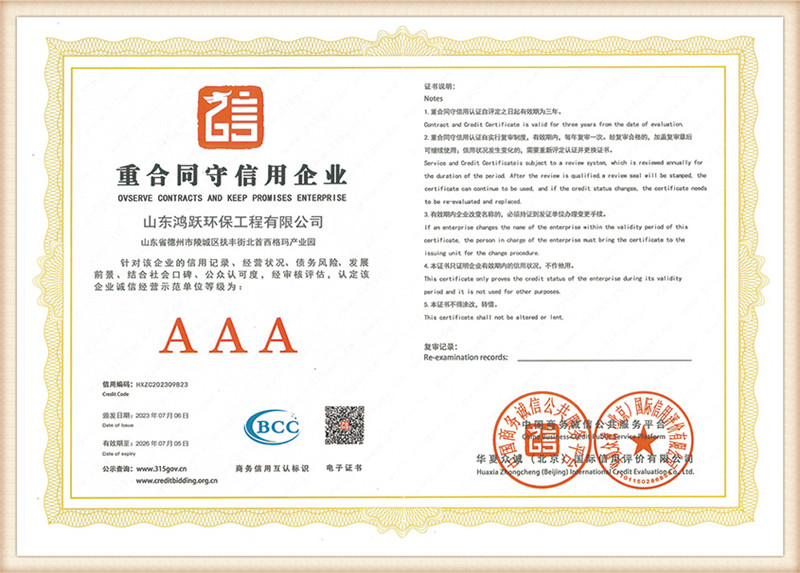
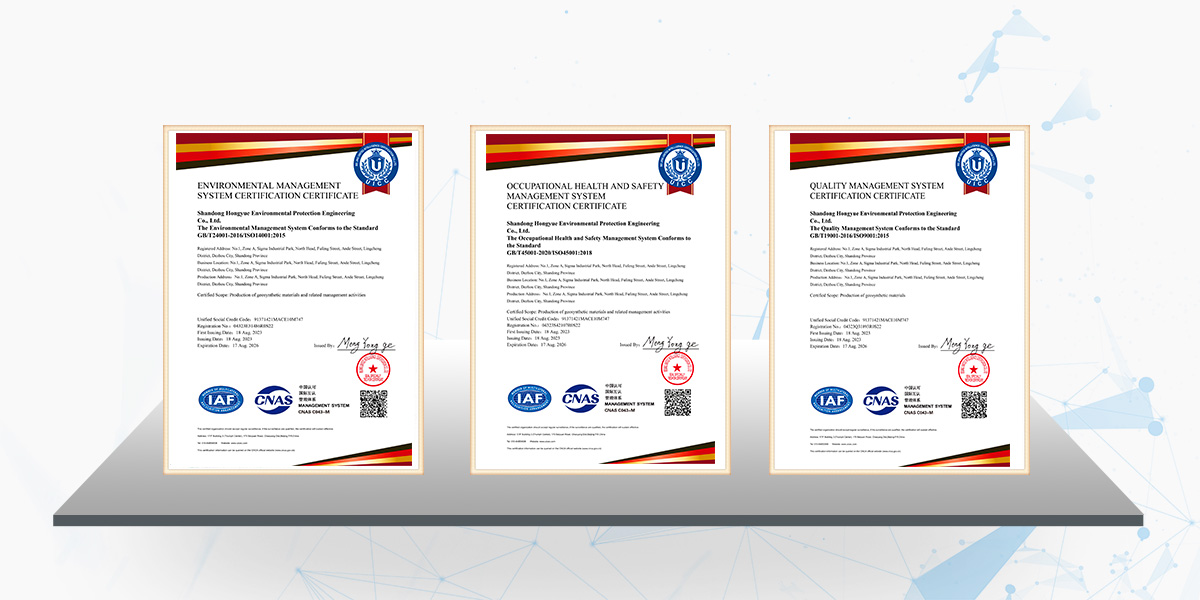
Our facility runs an integrated QA/QC system certified to ISO9001:2015, ISO14001:2015, and ISO45001:2018. We have won multiple honors such as "green and environmentally friendly building materials products", "no consumer complaints", "famous Chinese brands", "high-tech industries", "quality service double excellent units", and "provincial-level poverty alleviation leading enterprises". We maintain an on-site laboratory to test every production run. Key test parameters include:
All products have reached or exceeded international standards, passed the certification of the China National Testing Center, and successfully cleared national quality supervision sampling inspections commissioned by the State Administration of Quality Supervision and Inspection. Our technical team brings over 10 years of field and laboratory experience, supporting engineers globally in designing safe containment systems.
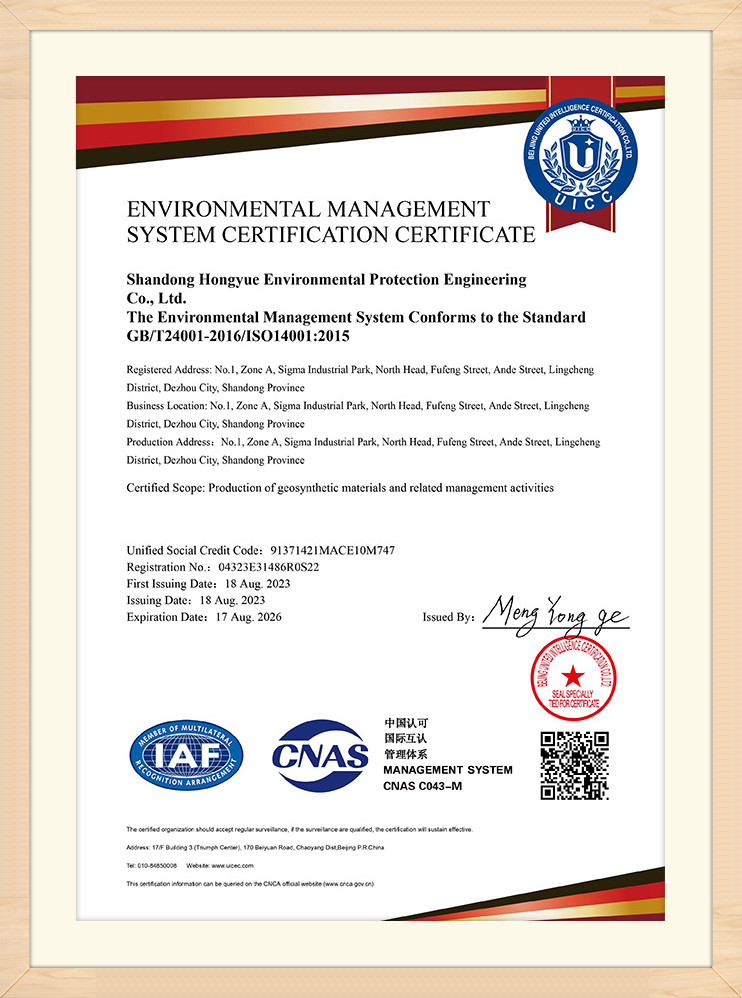
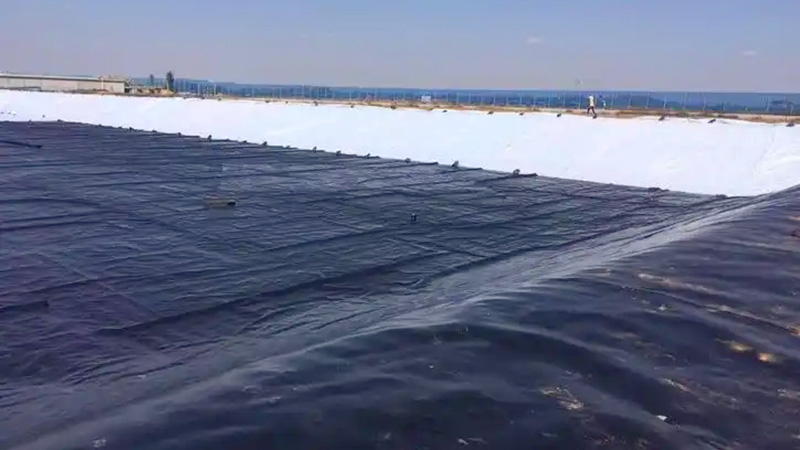
Reviewing composite lining installations across hydraulic, municipal, and transportation applications.
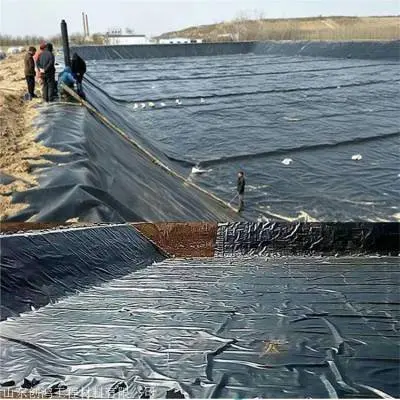
For reservoirs built in fractured rock zones, water loss from leakage is a primary concern. Standalone HDPE liners risk puncture from the underlying rock during filling. In these conditions, our double-sided composite geomembrane is deployed. The bottom geotextile cushions the membrane against rock protrusions, while the top geotextile protects against foot traffic and maintenance operations, maintaining containment integrity.
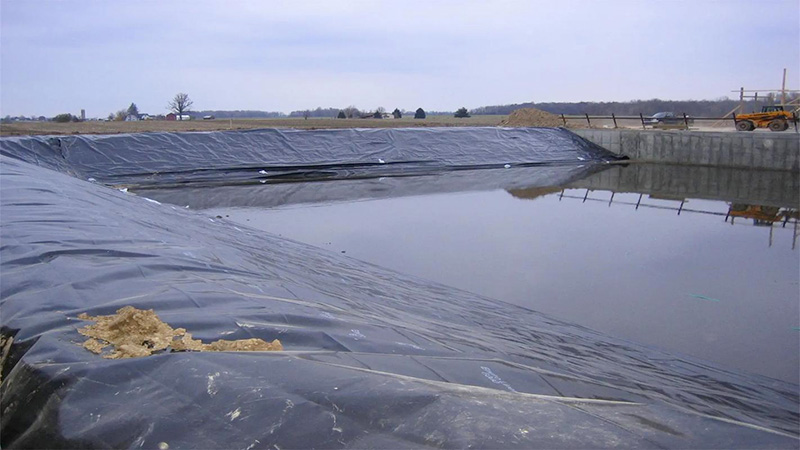
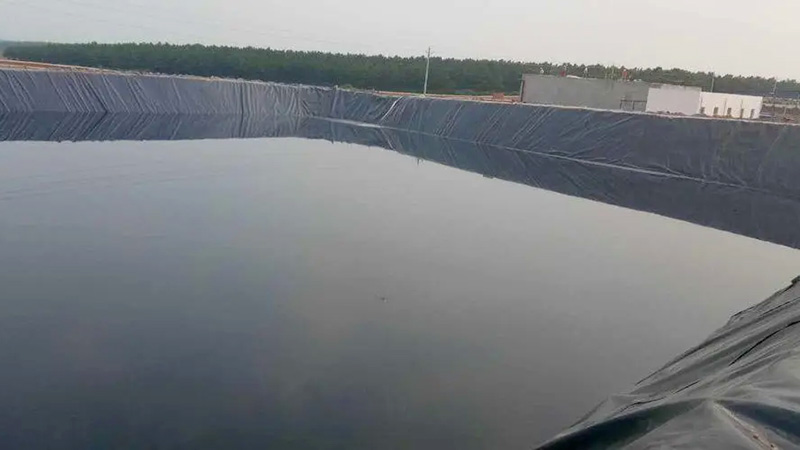
Flooding can saturate levees, causing structural weakness and failure. Installing a composite geomembrane cut-off wall blocks horizontal water migration. The non-woven geotextile provides a drainage path, venting pore water pressure safely and preserving the stability of the levee structure.
Urban watercourses often require artificial containment to maintain water levels and prevent soil contamination. Utilizing our composite membranes allows for rapid channel construction, providing high shear resistance against water currents and protecting local groundwater from urban runoff.
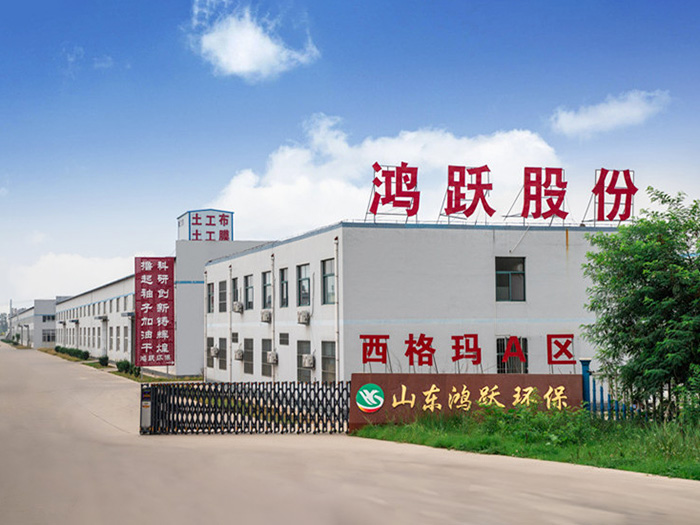
A look inside Shandong Hongyue’s manufacturing lines and warehousing operations in Dezhou.
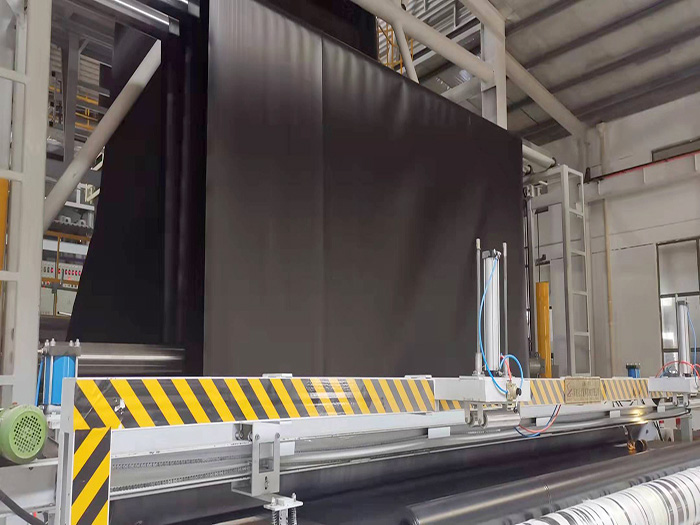
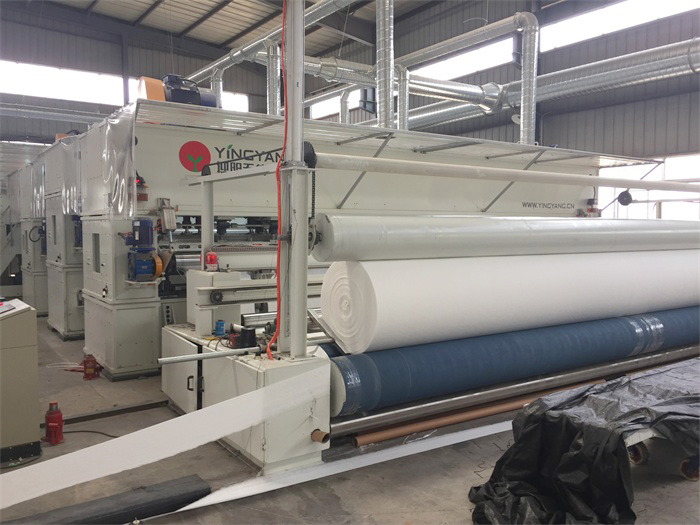
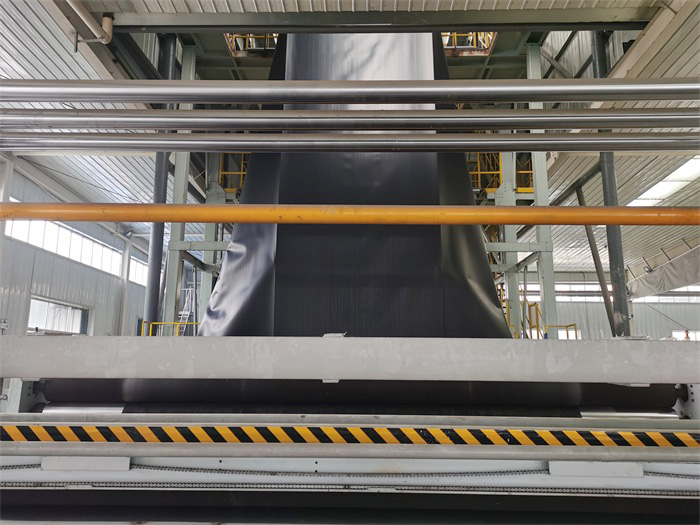
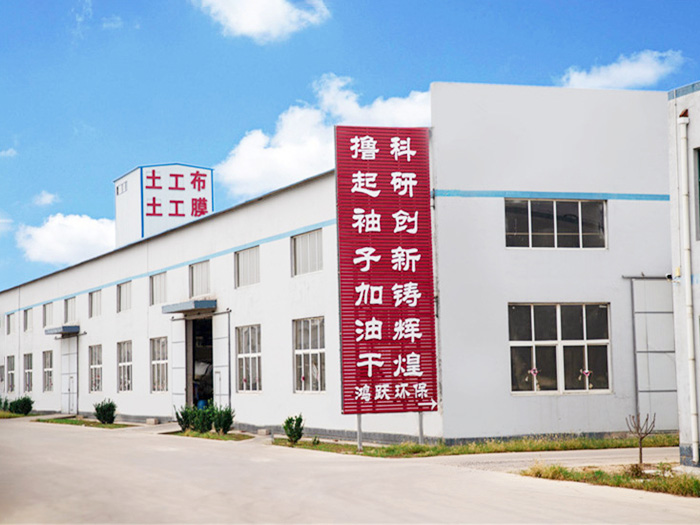
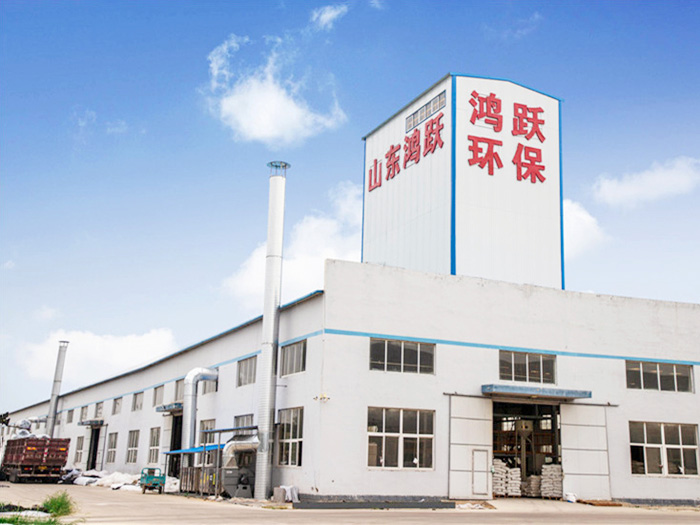
Our manufacturing facility spans over 50,000 square meters, housing extrusion lines, needle-punching lines, and composite lamination systems. This production setup allows us to manufacture wide-width composite geomembranes up to 8 meters wide, reducing the number of field seams required and saving installation costs. Each roll is tracked from raw material batch to final shipment, ensuring complete traceability for our clients.
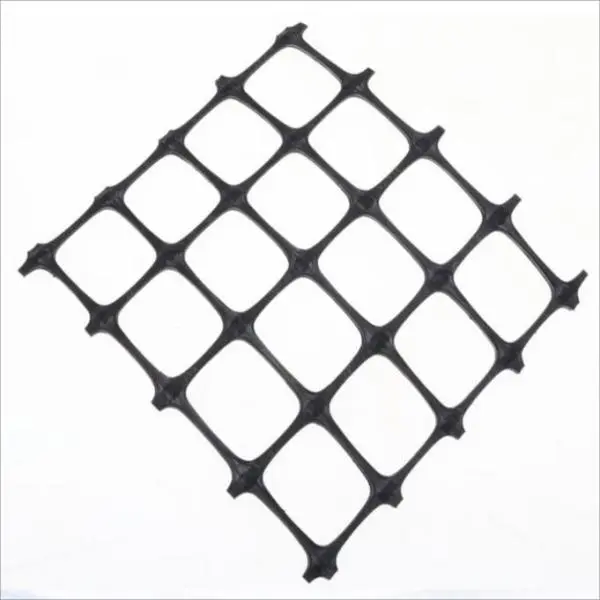
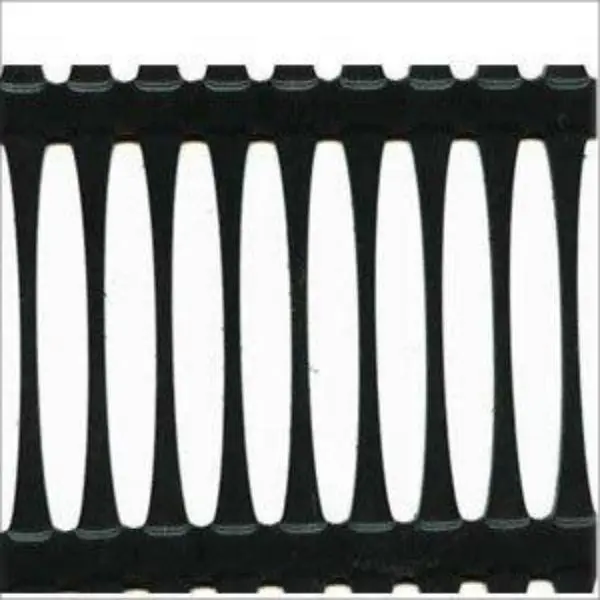
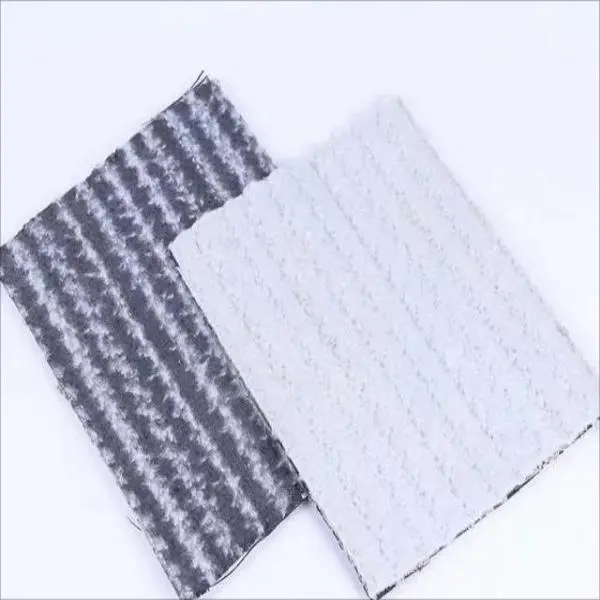
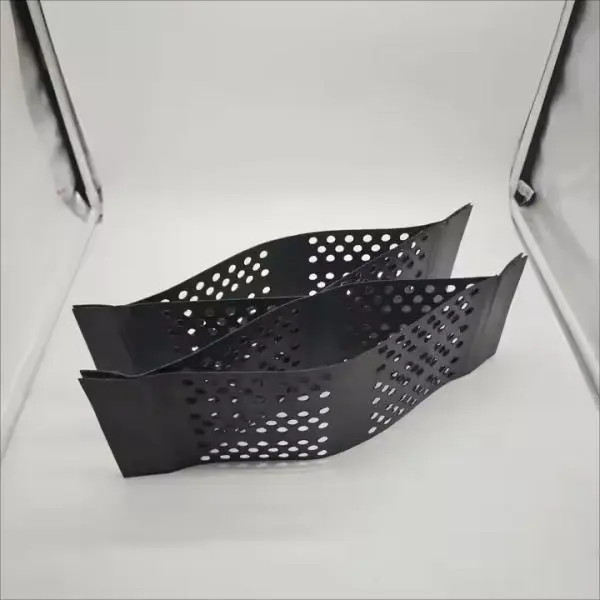
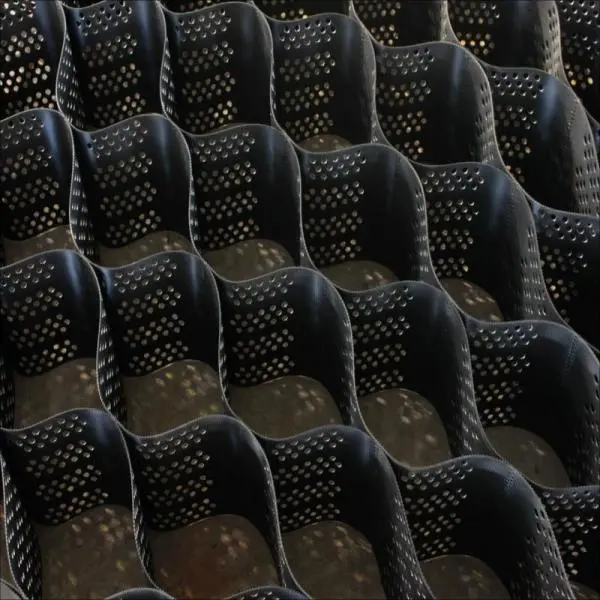
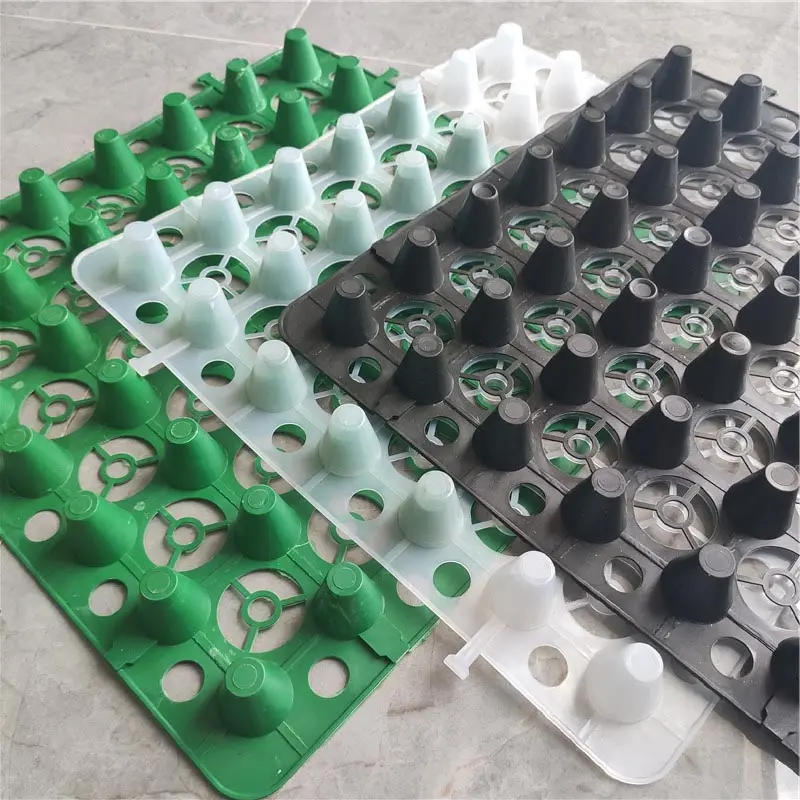
Explore more specialized barrier and drainage systems available from our factory.
Review standard inquiries regarding custom composite geomembranes, design properties, and international shipping.
Browse our full selection of geosynthetic and barrier products, featuring international certifications and factory pricing.
 Hongyue