High-performance soil filtration, stabilization, and municipal drainage products engineered to match rigorous ASTM & ISO standards.
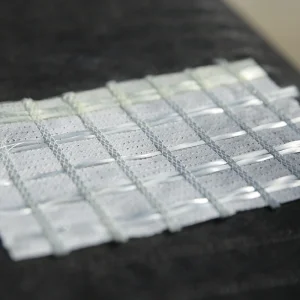
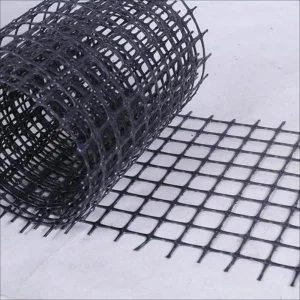
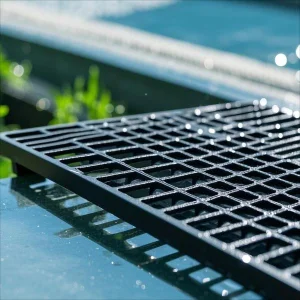
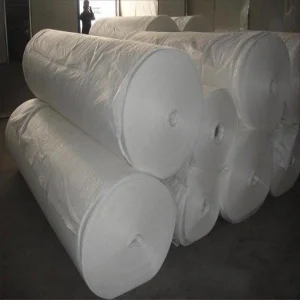
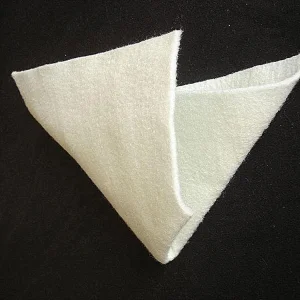
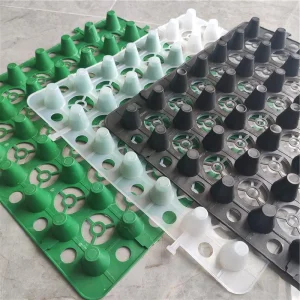
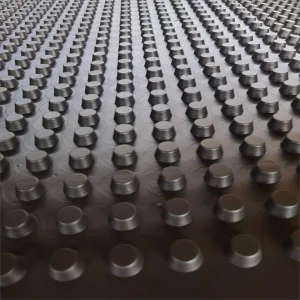
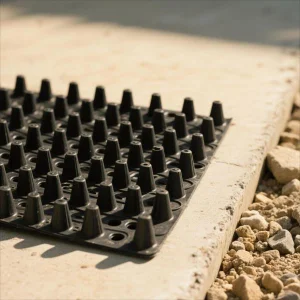
Within the macro-infrastructure development landscape, soil filter fabrics (geotextiles) have transitioned from supplementary accessories to primary structural elements. Civil engineering contractors, environmental design agencies, and municipal authorities globally face the ongoing challenge of maintaining structural integrity under varying environmental pressures. Our soil filter fabrics are designed specifically to resolve critical issues like soil migration, subgrade structural shifting, and localized drainage failures.
Experience & Expertise in Action: Selecting the correct filter fabric requires understanding hydraulic conductivity, permittivity, and apparent opening size (AOS). Standard off-the-shelf fabrics fail when subjected to dynamic shear stresses or when the soil retention-to-permeability ratio is miscalculated. As a key supplier backed by a registered capital of 105 million yuan, Shandong Hongyue Environmental Engineering Co., Ltd. customizes fiber distribution to optimize hydraulic flow while offering stable retention for complex civil projects worldwide.
Systematic application of geotextiles, geogrids, and geomembranes in key environmental and infrastructure projects.
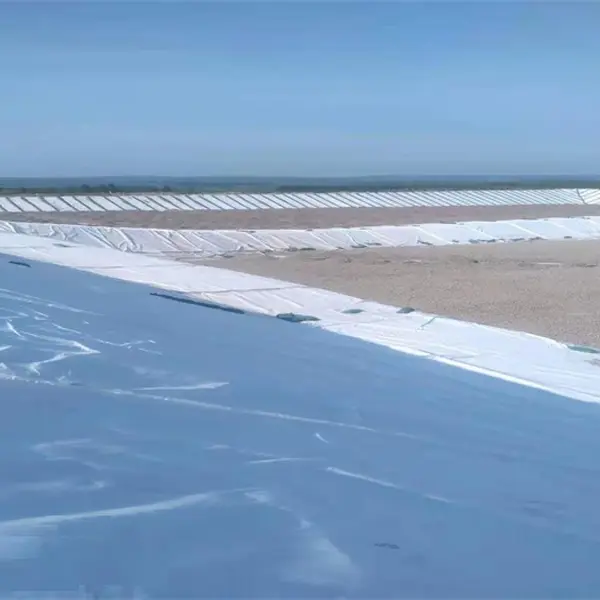
Geomembranes and filter fabrics form structural barriers in reservoir systems, preventing water loss and dike structural failure. By wrapping granular layers, soil erosion along dynamic river channels and canals is systematically controlled.
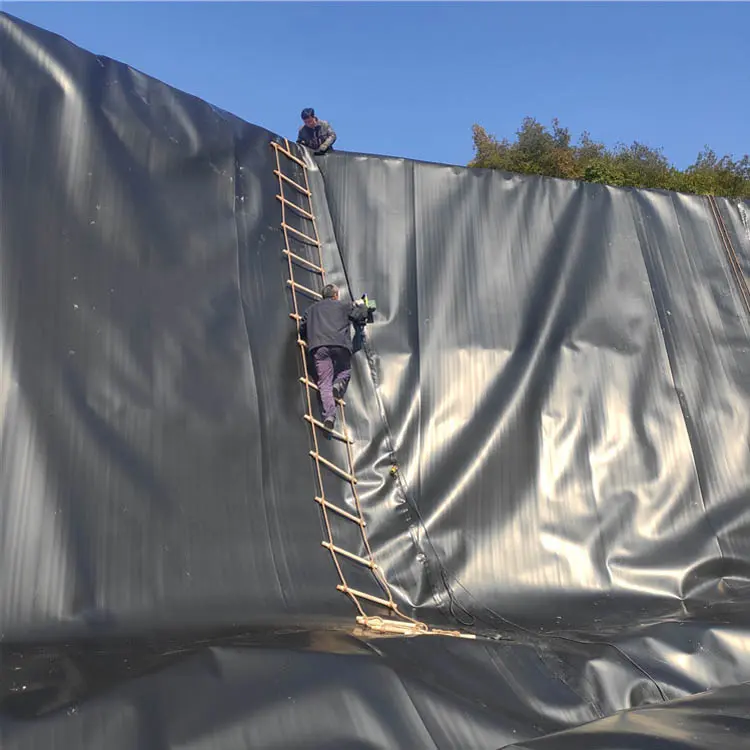
Integrated barrier designs utilizing high-density geomembranes and needle-punched nonwovens prevent leachate contamination. These geosynthetics serve as durable shields against chemical attacks and mechanical punctures.
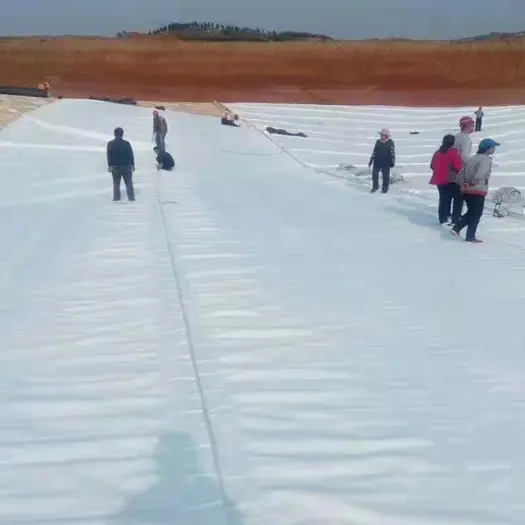
Placing warp knitted composite geotextiles and plastic geogrids under dynamic transport paths limits shear displacement. This controls subgrade cracking, extends highway lifespan, and distributes heavy localized wheel loads.
In standard drainage and filtration designs, a common error is relying on fabric thickness alone. Standard soil mechanics demonstrate that the apparent opening size (AOS, or O90) must balance soil particle size distribution. If the opening is too small, a boundary layer forms, leading to hydrostatic pressure buildup and structural collapse. If too large, fine particles pass through, leading to internal piping failure. Our technical engineers resolve this balance by matching specific soil samples with targeted polymer formulations.
Understanding the engineering steps that ensure our geosynthetics maintain stable hydraulic and mechanical performance.
We source top-grade polyester (PET) chips, polypropylene (PP) filament, and viscose fibers. Raw materials are checked to ensure optimal initial melt flow index values.
Raw materials are melted at high temperatures and extruded under controlled pressure using modern screw extruders to achieve a homogeneous polymer blend.
Extruded filaments are distributed via high-precision spinnerets to form a dense, uniform web structure, directly dictating final transverse and longitudinal strength.
Mechanical needle-punching locks the fibers together. Thermal bonding is then applied where dimensional stability and high tensile strength are required.
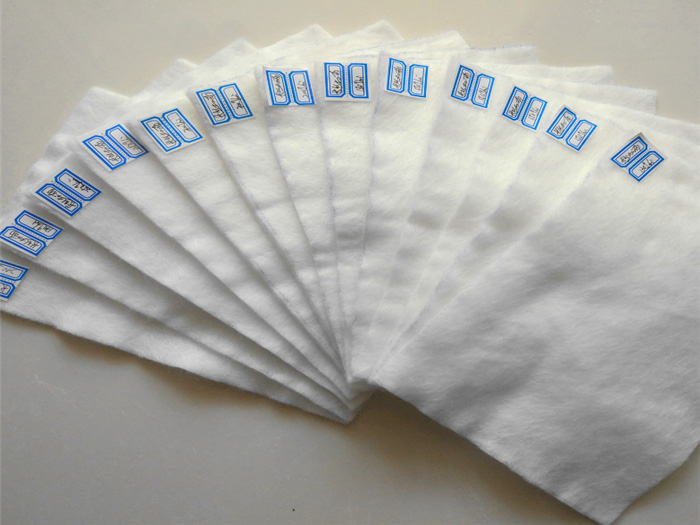
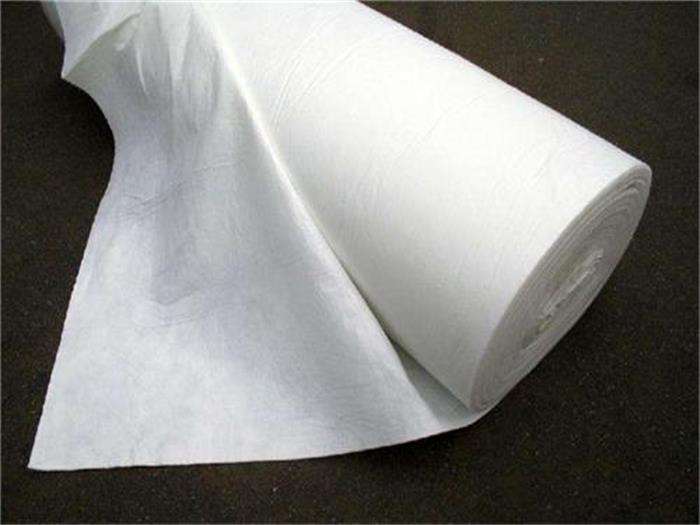
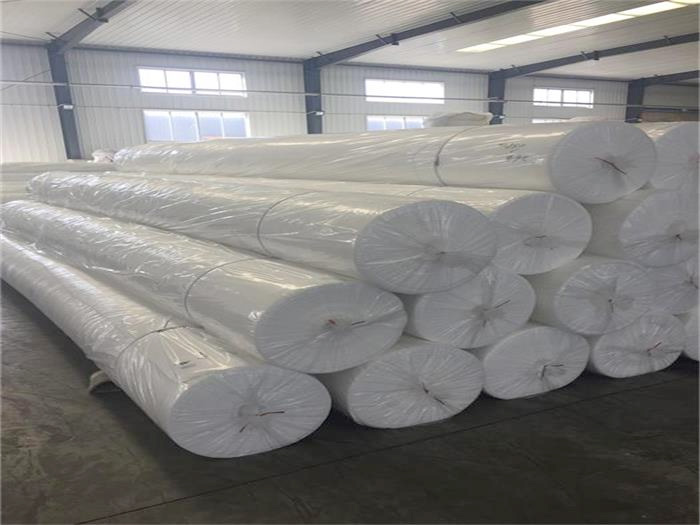
Review general configurations and market price indicators for bulk purchasing decisions.
| Material Class | Common Weight (GSM) | Puncture Resistance (CBR) | Water Permeability | Est. Price Index (FOB China / sqm) | |
|---|---|---|---|---|---|
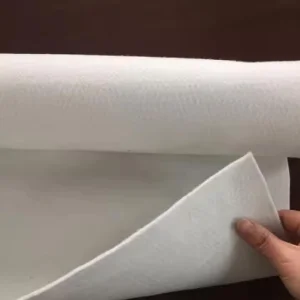
| Short Fiber Polyester (PET) Nonwoven | 100g - 800g | 1.2 - 6.5 kN | 5.0 × 10⁻¹ to 1.0 × 10⁻² cm/s | $0.18 - $1.45 | High cost-efficiency for basic drainage |
| Filament Polypropylene (PP) Nonwoven | 150g - 600g | 2.0 - 8.2 kN | 1.0 × 10⁻¹ to 5.0 × 10⁻³ cm/s | $0.35 - $2.10 | Excellent acid/alkali resistance |
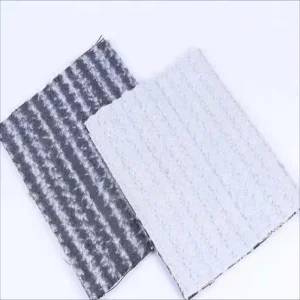
| Warp Knitted Composite Geotextiles | 150g - 1000g | 3.5 - 12.0 kN | 8.0 × 10⁻² to 2.0 × 10⁻³ cm/s | $0.65 - $3.80 | Optimized for road asphalt reinforcement |
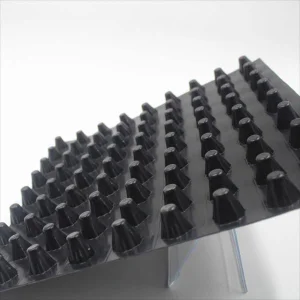
| CE Certified Sheet Drainage Board | 600g - 1500g | Varies by dimple height | High planar transmissivity | $0.80 - $2.90 | Underground structures & garage roofs |
1. Raw Material Index: Polypropylene offers higher chemical stability but tracks global resin indexes closely. Polyester is cost-efficient and provides high tensile properties for standard pH ranges.
2. Unit Weight (GSM): Fabric mass directly determines mechanical puncture performance and hydraulic flow capacities.
3. Customization: Added components like UV inhibitors (for exposed setups) or composite meshes change initial production speeds and component costs.
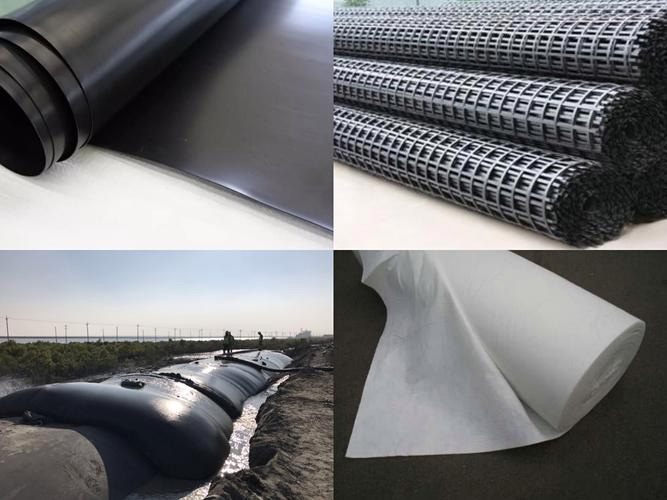
For seepage control in waste ponds, mines, and canals, filter fabrics are paired with geomembranes. While the geomembrane blocks fluid flow, the filter fabric serves as a protective cushion, safeguarding the membrane from substrate punctures.
China's Leading Manufacturing Facility for Technical Geosynthetics & Environmental Protection Materials.
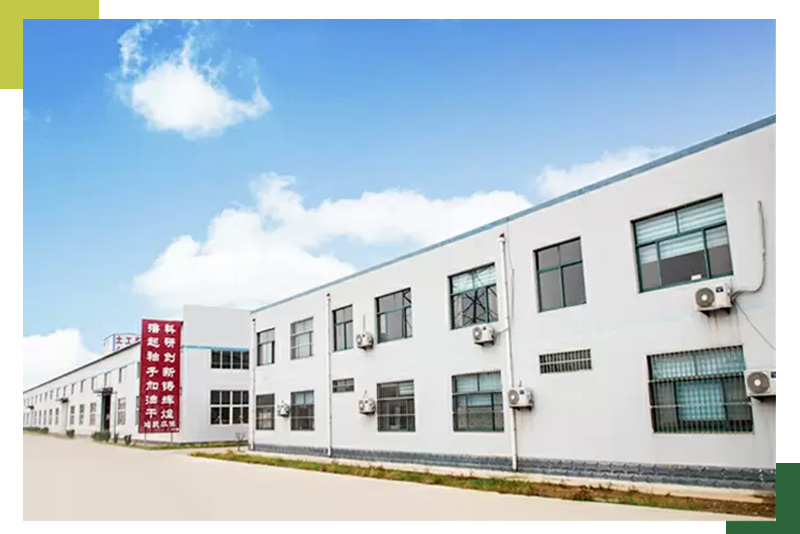
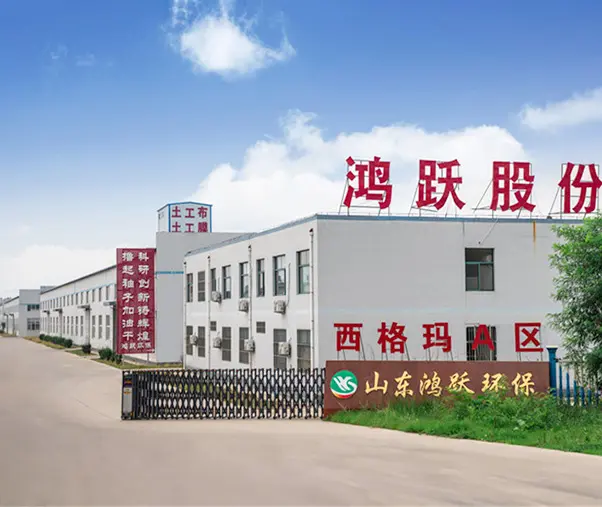
Founded on April 6, 2023, with a registered capital of 105 million yuan, Shandong Hongyue Environmental Engineering Co., Ltd. is situated at the north end of Fufeng Street, Lingcheng District, Dezhou, Shandong Province. As one of China's largest production bases for geosynthetics, our location provides convenient access to global transport corridors.
We supply a diverse range of products, including geotextiles, geomembranes, composite geomembranes, waterproof boards, bentonite blankets, 3D drainage nets, cement blankets, and flexible pervious pipes. Our manufacturing and engineering support teams have more than ten years of field experience in major municipal, rail, road, and environmental protection projects.
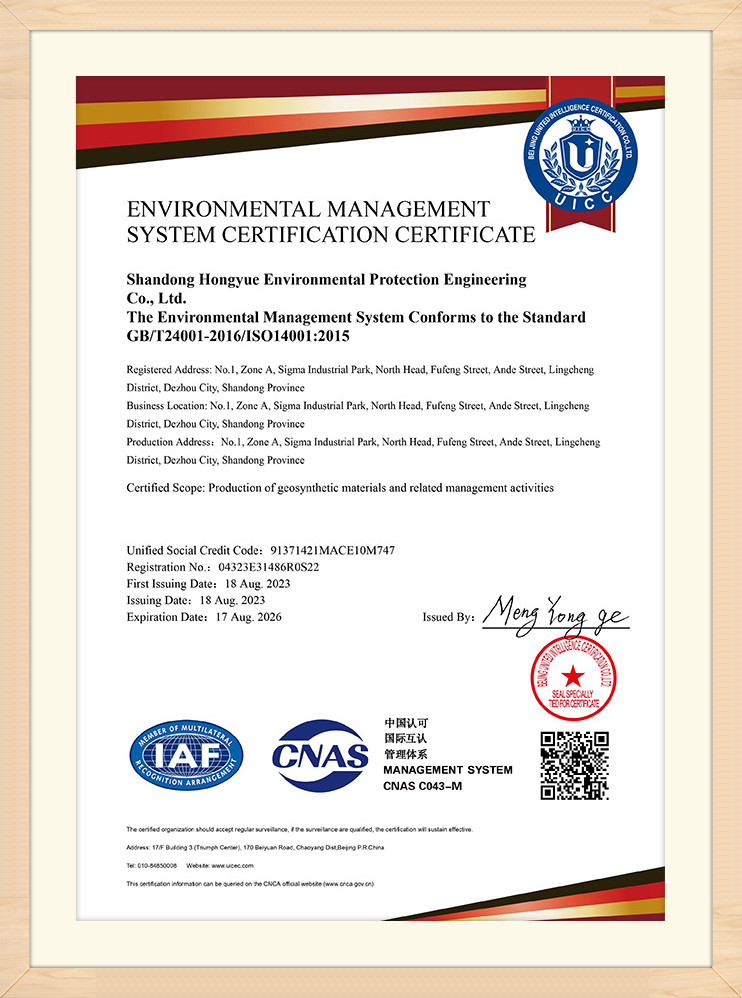
We are certified under the ISO9001 quality management system, the ISO14000 environmental management system, and the ISO45001 occupational health and safety system. This ensures that our manufacturing processes are consistent and reliable.
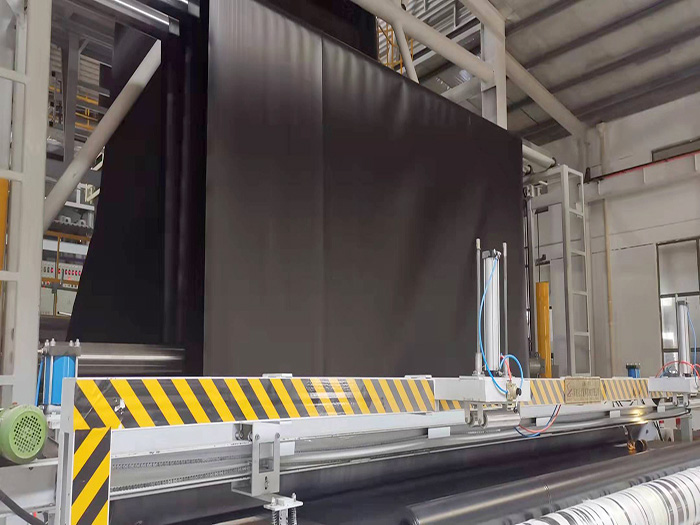
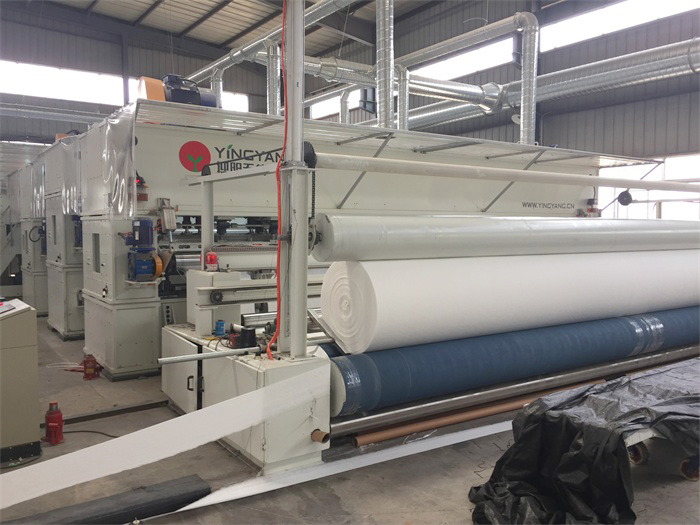
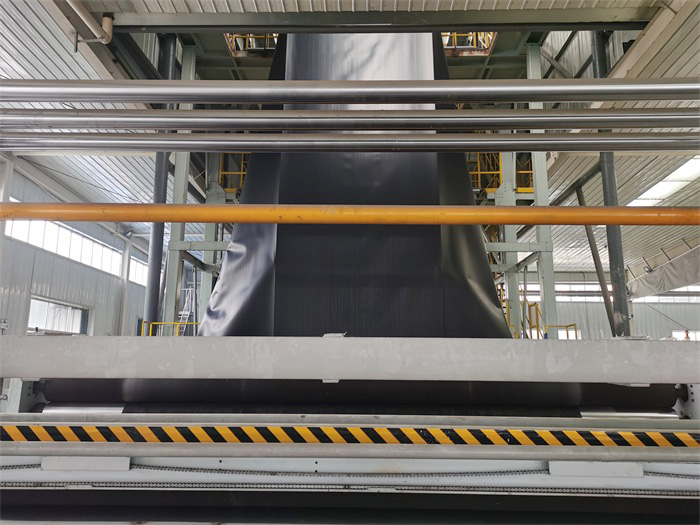
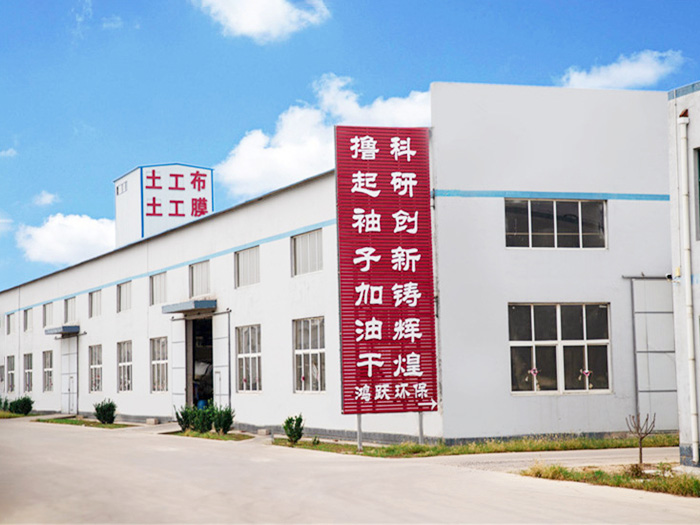
Our QA processes verify mechanical, physical, and hydraulic performance for demanding engineering environments.
We verify batch uniformity by inspecting materials from raw polymer arrival through to final packaging. Our on-site testing covers:
All finished products are checked by national testing authorities, including the China National Testing Center, to confirm they meet project specifications.
Aligning with global decarbonization goals through advanced materials research and development.
Developing nonwoven geotextiles using post-consumer recycled PET chips and bio-derived polymers to reduce carbon footprints while maintaining tensile properties.
Integrating micro-conductive fibers within the geotextile matrix. This allows real-time structural monitoring and leak detection in critical projects.
Utilizing sensor-guided consolidation lines to optimize fiber distribution, ensuring consistent apparent opening sizes across large production runs.
Answers to common technical, logistics, and quality assurance questions for buyers and engineers.
PET (Polyester) offers high tensile strength and cost efficiency but is best suited for environments with neutral pH levels. PP (Polypropylene) is lighter and provides excellent resistance to acids, alkalis, and moisture, making it the preferred choice for landfills, mining operations, and chemical containment applications.
We follow an ISO-certified QA process from material selection through extrusion to post-curing. Every batch undergoes testing for tensile strength, CBR puncture resistance, and permeability. We also work with third-party inspection firms (like SGS and Intertek) to verify certifications before shipping.
To generate a quote, we require the fabric weight (GSM), raw polymer type (PP vs. PET), structure (woven, nonwoven, or composite), physical dimensions (roll width and length), and any specific project standards (such as ASTM or CE certifications).
For projects where geosynthetics will be exposed to sunlight, we add high-grade UV stabilizers (like hindered amine light stabilizers) and carbon black. However, we recommend covering the materials with soil or aggregate within 14 days of laying to maximize long-term performance.
Yes, our engineering and R&D teams specialize in custom geotextile designs. We can adjust the thickness, tensile strength, pore structure, and chemical resistance parameters to meet specific project conditions.
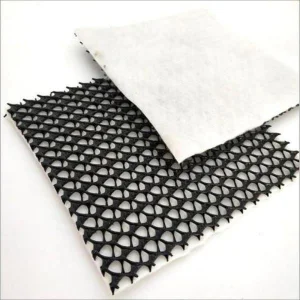
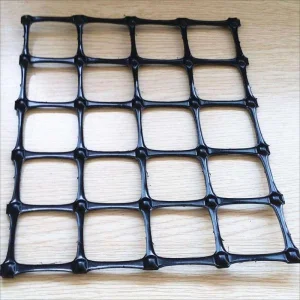
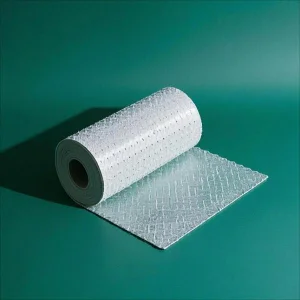
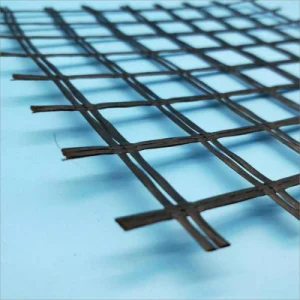
Explore our range of drainage boards, reinforcement nets, and concrete canvas products for slope stabilization and retaining walls.
 Hongyue