Discover state-of-the-art geo-materials manufactured with strict compliance to ISO, ASTM, and CE quality standards.
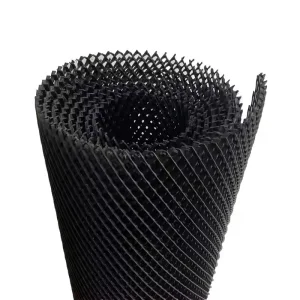
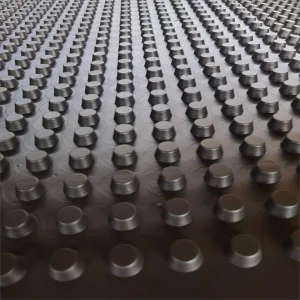
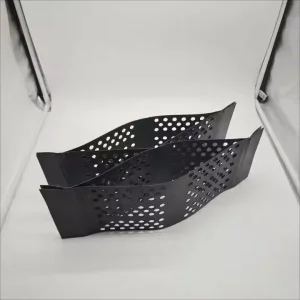
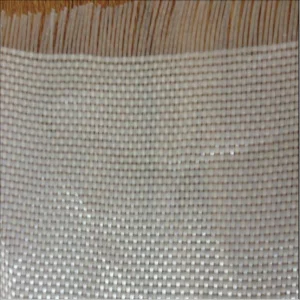
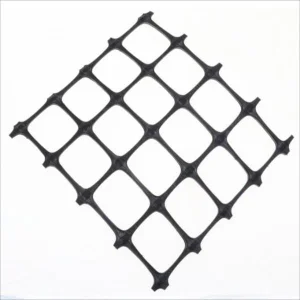
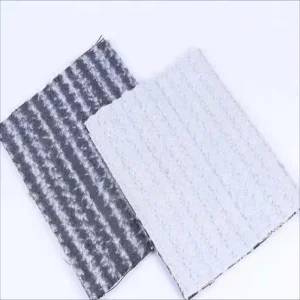
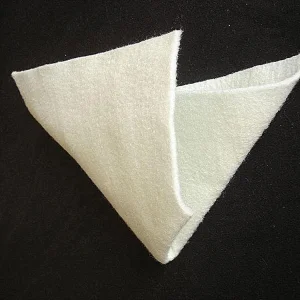
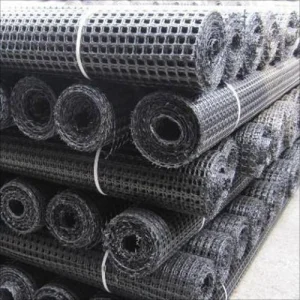
Unlocking technological developments in soakaway membranes and urban stormwater runoff controls.
The global geotechnical civil landscape is undergoing a systemic transition toward ecological sustainability. Central to this movement is the management of municipal stormwater. The integration of soakaway membranes (permeable geotextiles and robust containment geomembranes) has become vital in civil design. Modern engineering standards dictate that retention basins and underground soakaway crates are wrapped with membranes designed specifically to allow high-capacity lateral drainage while preventing soil particle intrusion.
Through rigorous research and field tests, we see a rise in high-performance polymers (both Virgin Polypropylene and Polyester) that exhibit superior tensile strength and puncture resistance. These materials prevent the collapse of underground void structures (such as modular plastic attenuation tanks) while preserving hydraulic conductivity over decadal lifespans. As municipal specifications across Europe (such as CIRIA C753 standards) and North America tighten, the criteria for selecting soakaway membranes has transitioned from simple physical thickness to complex performance criteria, including pore size distribution and permittivity coefficients.
The integration of smart sensory nodes within geosynthetic membranes allows real-time measurement of tension, hydrostatic pressure, and mechanical damage, enabling smart grid monitoring in major infrastructures.
Advanced melt-blown technology ensures precise control over fiber distribution, producing membranes with uniform permeability that avoid clogging under variable clay-loam soil profiles.
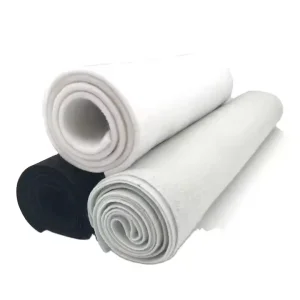
Using needle-punching thermal bonding techniques, our geotextiles offer elevated CBR puncture resistance ratings, ensuring durability against sharp aggregates and backfill stresses.
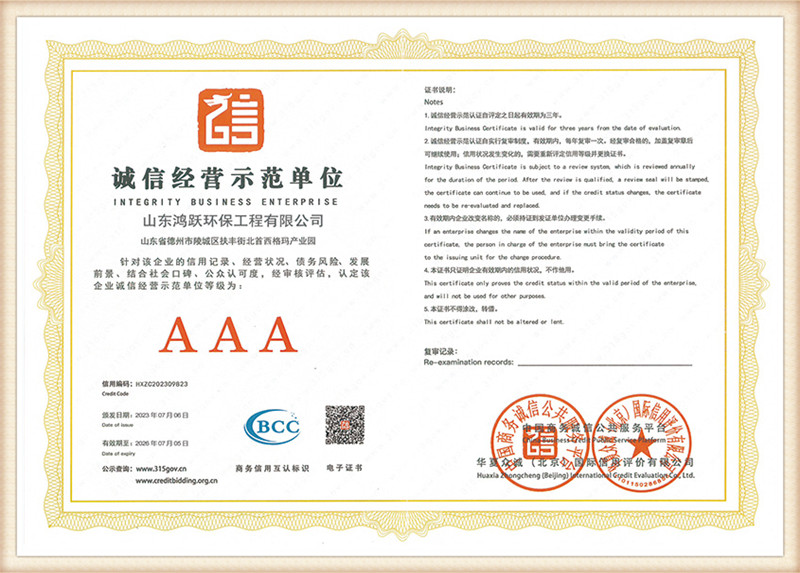
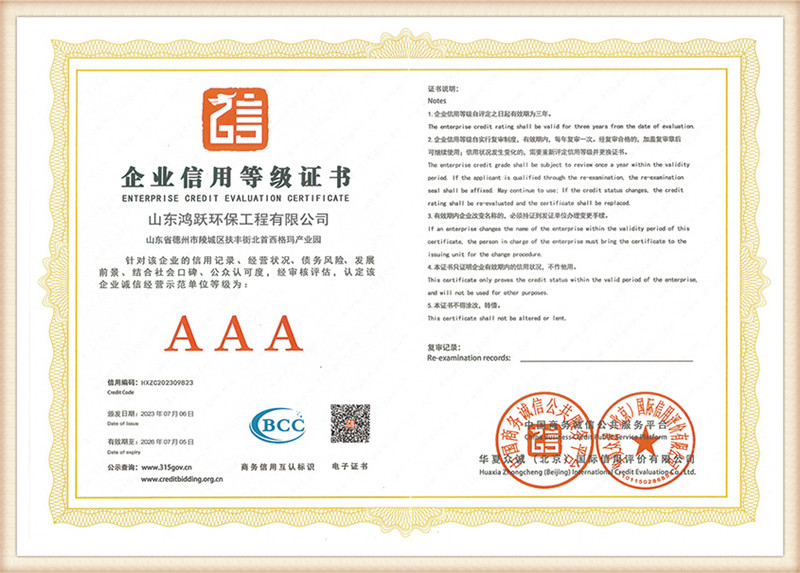
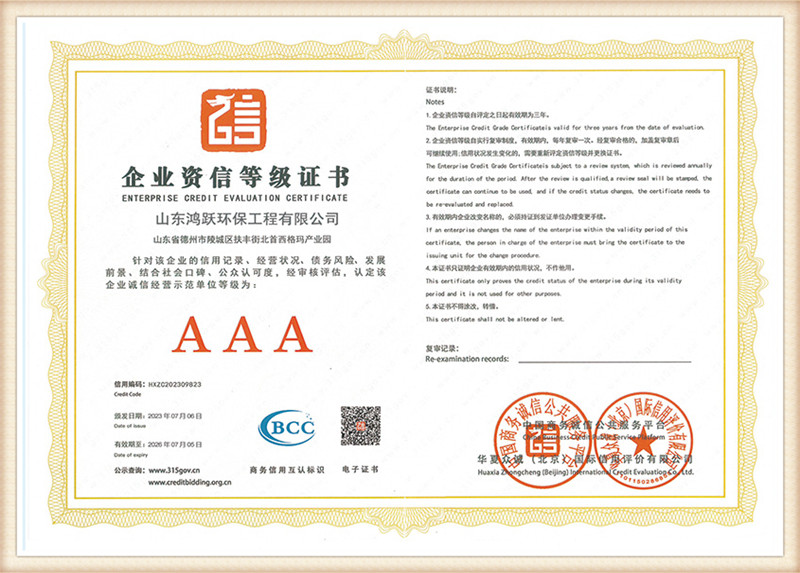
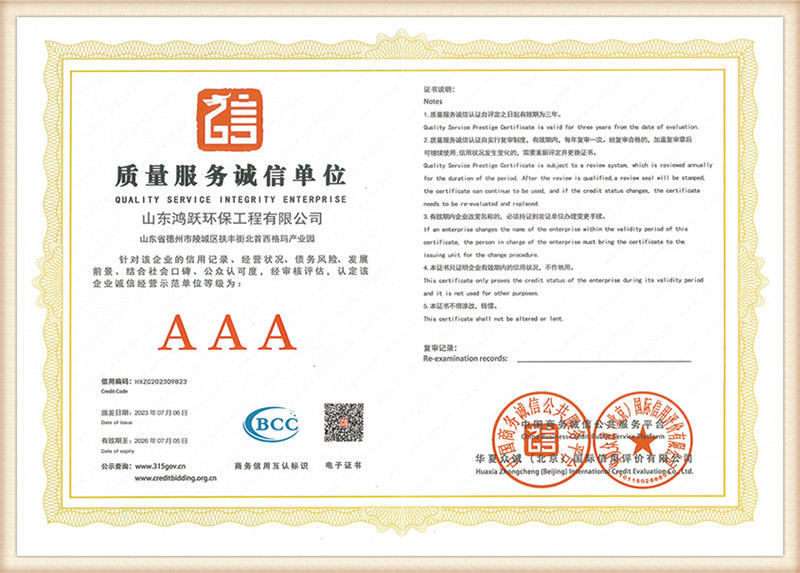
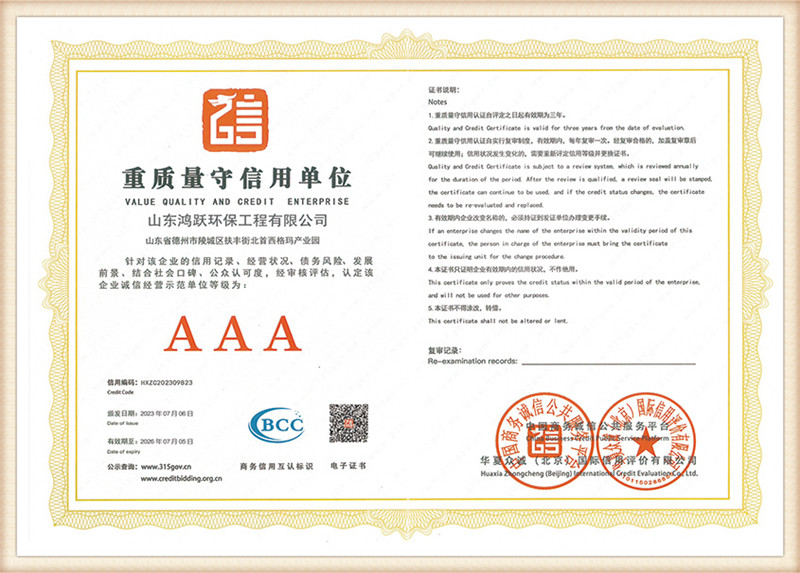
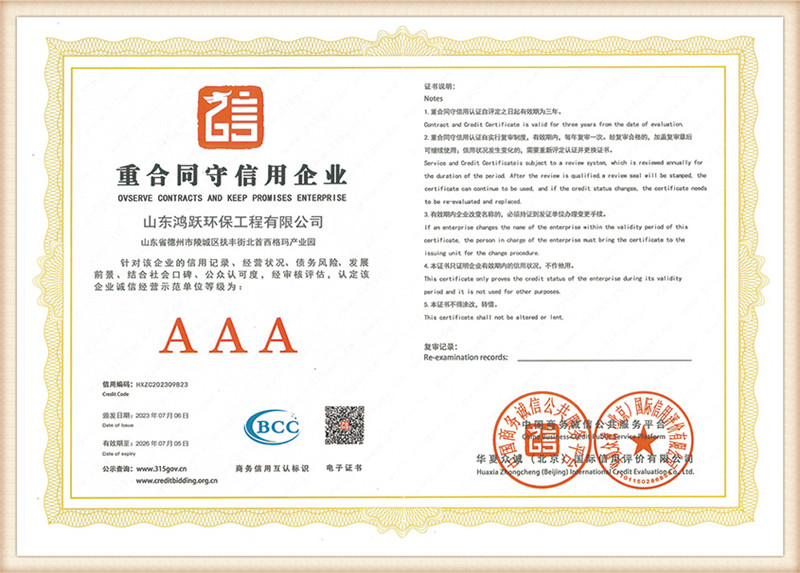
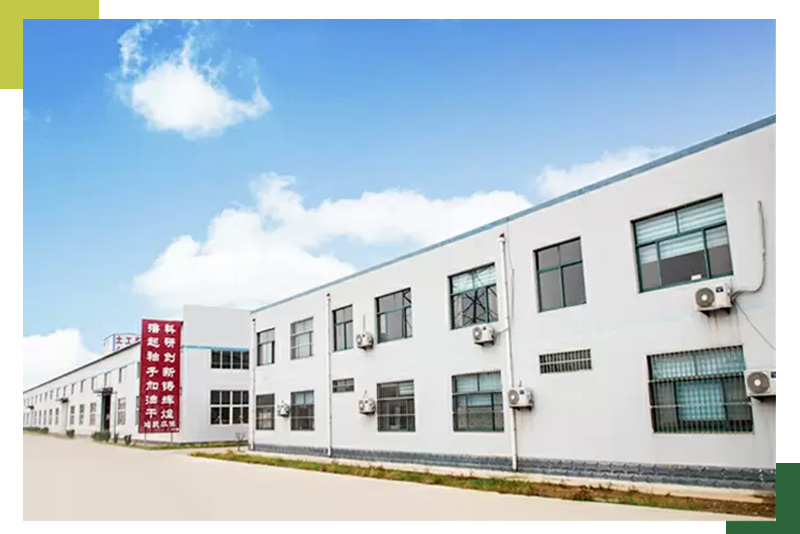
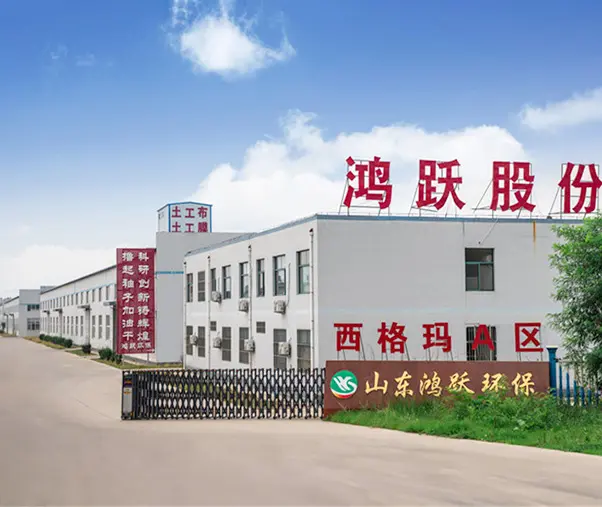
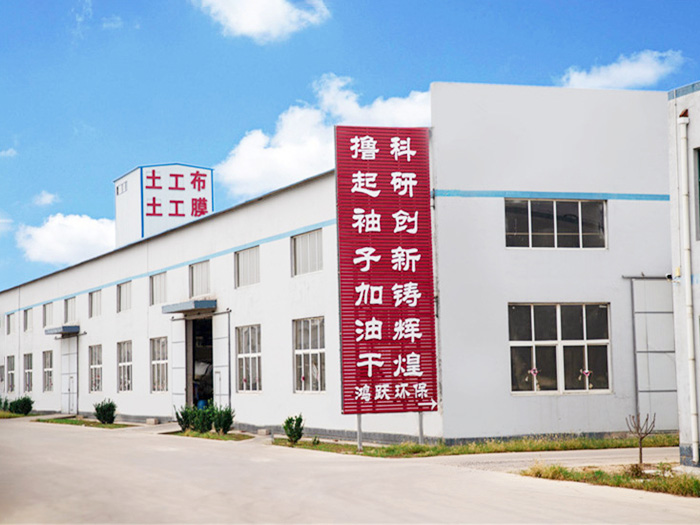
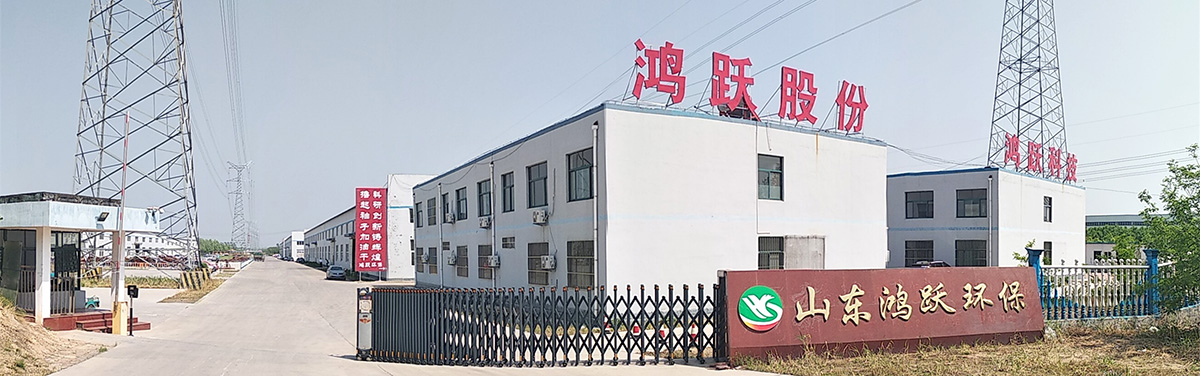
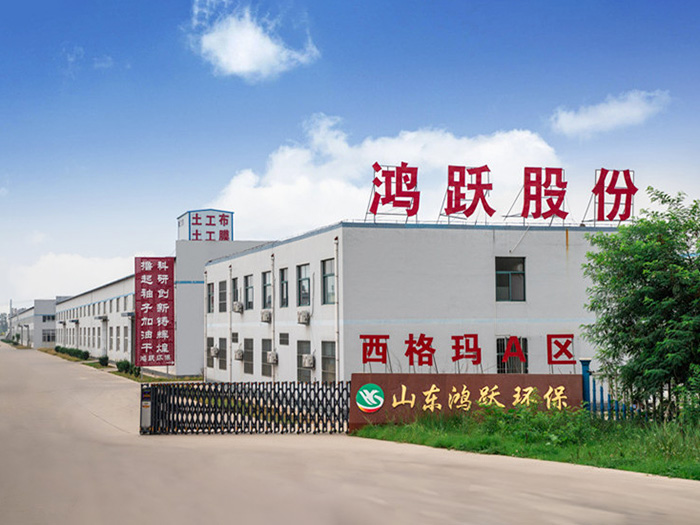
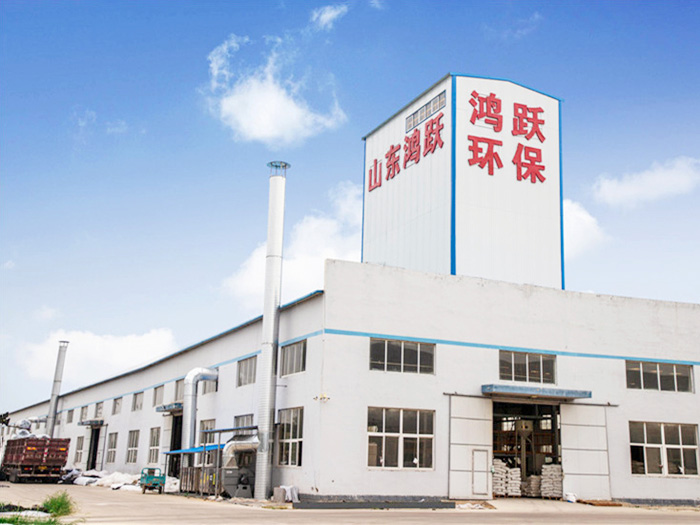
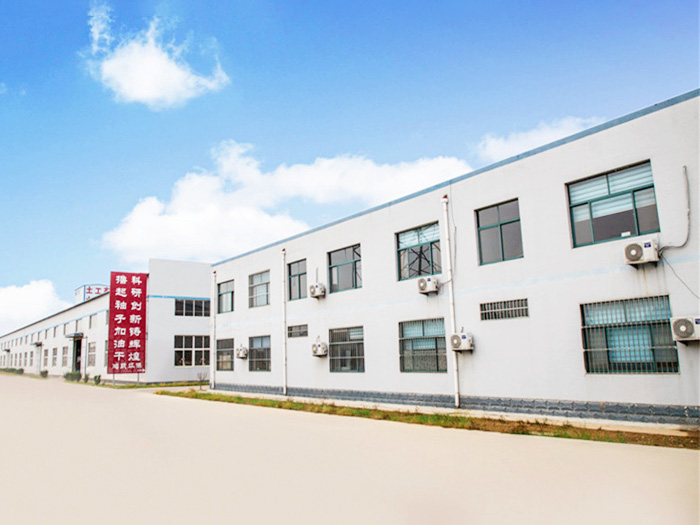
Shandong Hongyue Environmental Engineering Co., Ltd., located at the north end of Fufeng Street, Lingcheng District, Dezhou, Shandong Province, is a scientific and technological geotechnical material manufacturer integrating engineering material production, sales, design and construction services. The company was registered in Lingcheng District Market Supervision and Administration Bureau of Dezhou City on April 6, 2023, with a registered capital of 105 million yuan. It is one of the largest production bases of geotechnical materials in China at present, with a superior geographical location and convenient transportation.
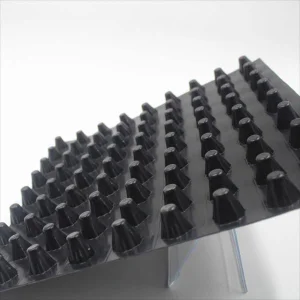
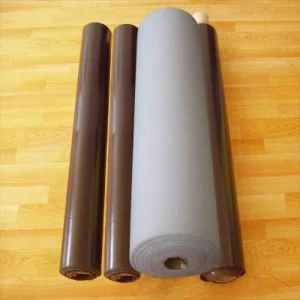
Since the establishment of the company has developed rapidly, business continues to grow and expand. Our company mainly deals in geotextiles, geomembrane, composite geomembrane, waterproof board, bentonite waterproof blanket, 3D composite drainage net, (composite) drainage board, weaving cloth, woven cloth, membrane bags, blind ditches, waterproof and drainage combinations, woven bags, ecological bags, cement blankets, fiber plants blankets, and flexible pervious pipes. Our business includes geosynthetics, waterproofing membrane production, sales, construction, and the import and export of goods.
We have a high-quality product portfolio and a professional sales and technical team. Our company belongs to the Dezhou Geotextile Association, and our products are widely used in highways, railways, bridges and tunnels, reservoirs and canals water conservancy, artificial lakes, environmental protection, aviation, mining, agriculture, and other fields.
Uncompromising standards in health, safety, and environmental stewardship.
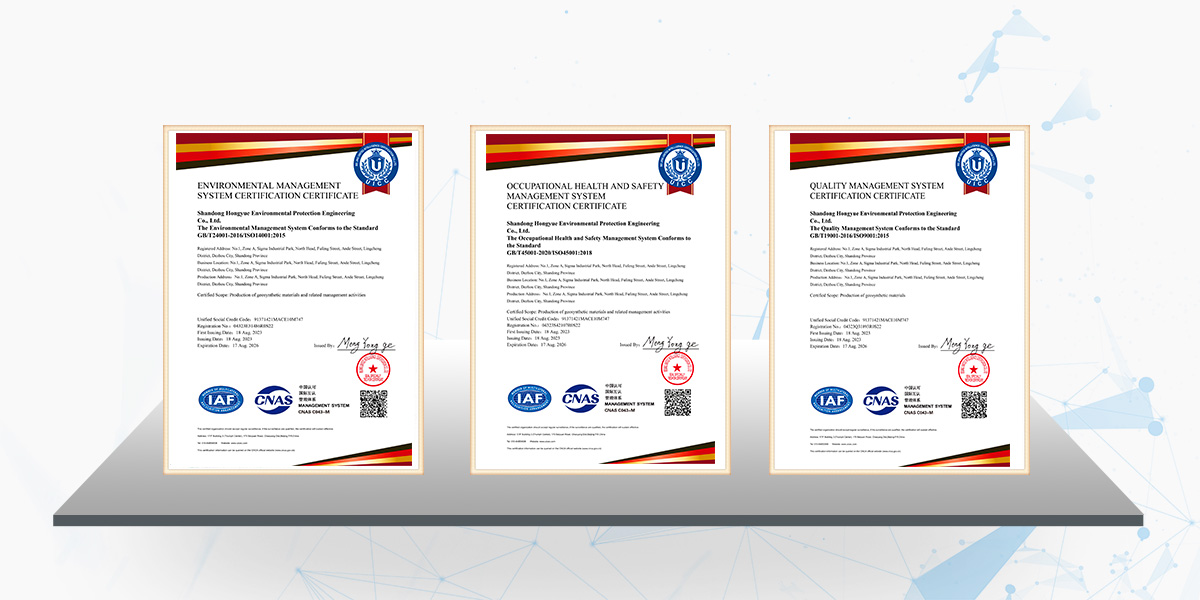
The company has successively passed the ISO9001 international quality system certification, ISO14000 environmental system certification, and ISO45001 occupational health and safety management system certification. We have won multiple honors such as "green and environmentally friendly building materials products", "no consumer complaints", "famous Chinese brands", "high-tech industries", "quality service double excellent units", and "provincial-level poverty alleviation leading enterprises".
We have established sales networks or agency offices in more than 40 large and medium-sized cities, including Shanghai and Beijing. Our products are exported to multiple countries, including Europe, the United States, Australia, and various parts of the world. Our materials are widely deployed in key projects in various provinces and cities, playing pivotal roles in infrastructure stability.
A deep dive into our systematic manufacturing technology and testing protocols.
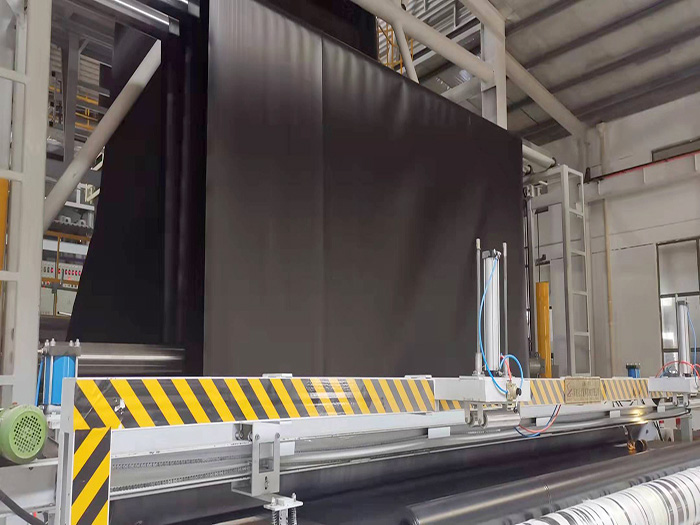
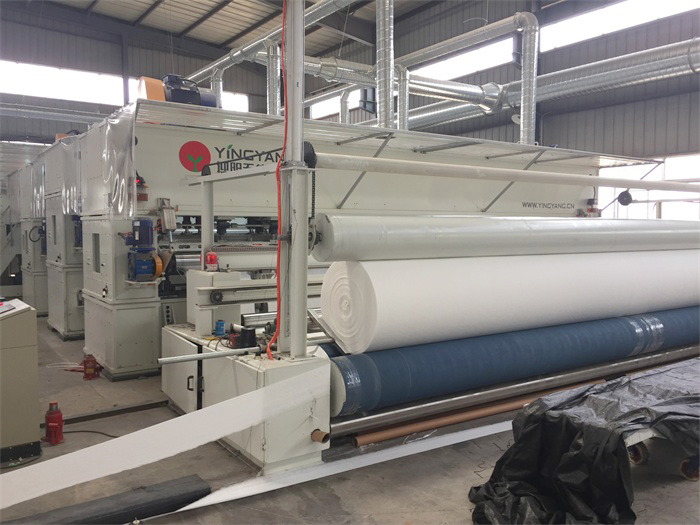
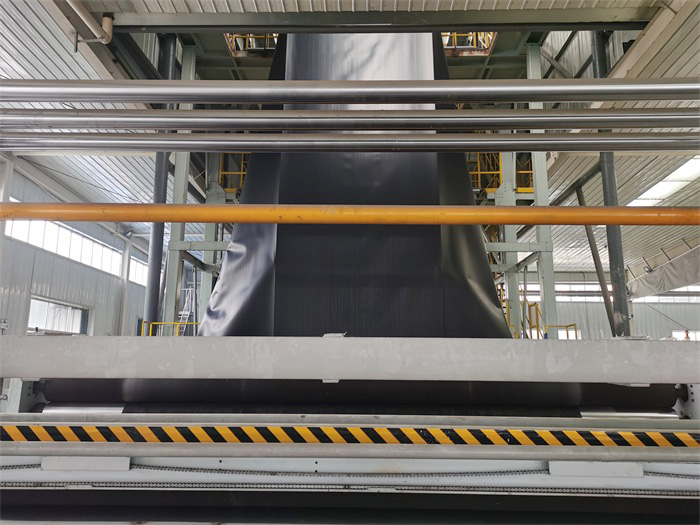
Our geotextiles undergo a highly controlled multi-link process, combining modern machinery and precise raw material selection to ensure structural integrity.
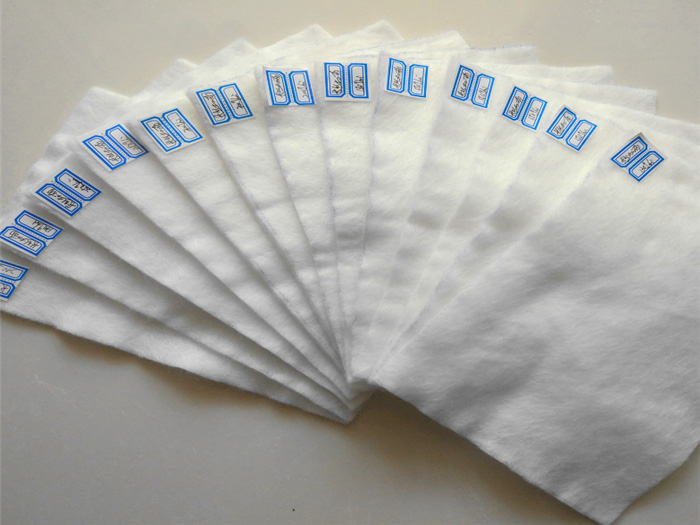
Polyester chips, polypropylene filaments, or viscose fibers are inspected and stored. Melt extrusion is conducted at high temperatures using a screw extruder to ensure standard uniformity.
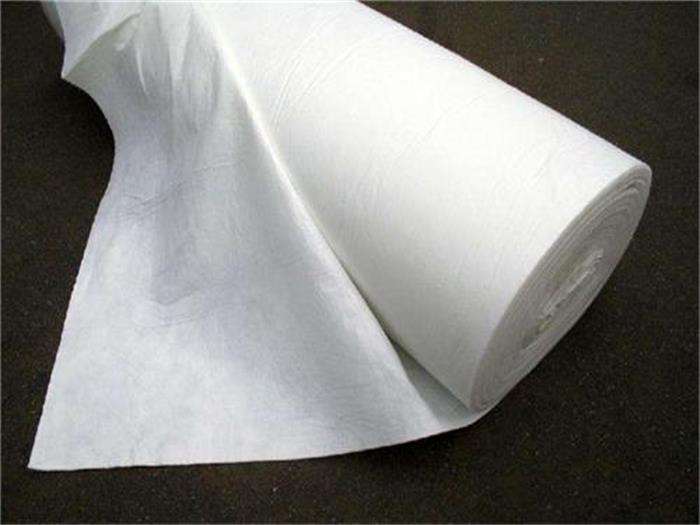
The molten matrix is sprayed through spinnerets to form a fibrous web. It then undergoes draft curing, where temperature, speed, and draft ratios are strictly regulated.
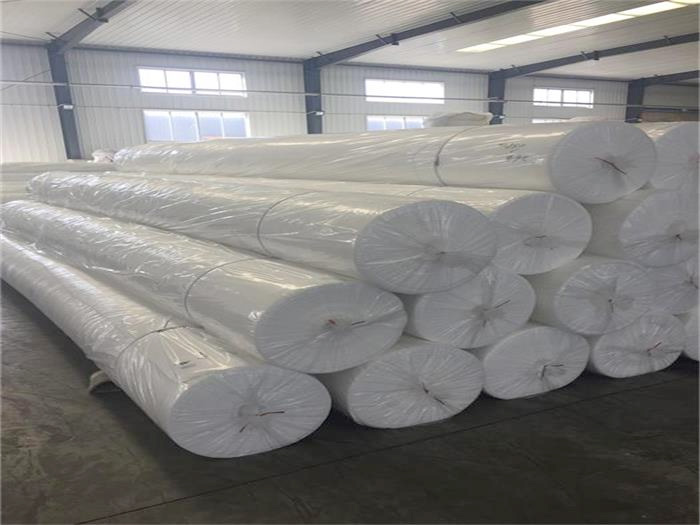
Finished sheets are rolled, measured for length, width, and thickness. Every batch undergoes physical, chemical, and dimensional verification tests before shipping.
Shandong Hongyue Environmental Protection Technology Co., Ltd. has strong technical strength and rich construction experience. We have achieved standardizations for construction sites, materials, and teams, integrating downstream after-sales support. We adhere to the principle of "customer-centered, innovation as a means, and survival through quality."
Our project engineers have more than ten years of experience, serving large-scale domestic and international civil engineering works. Under the coordination of our headquarters, we provide our partners with 24-hour comprehensive technical support and design consultation.
Engineered applications of high-performance geomembranes and drainage networks.
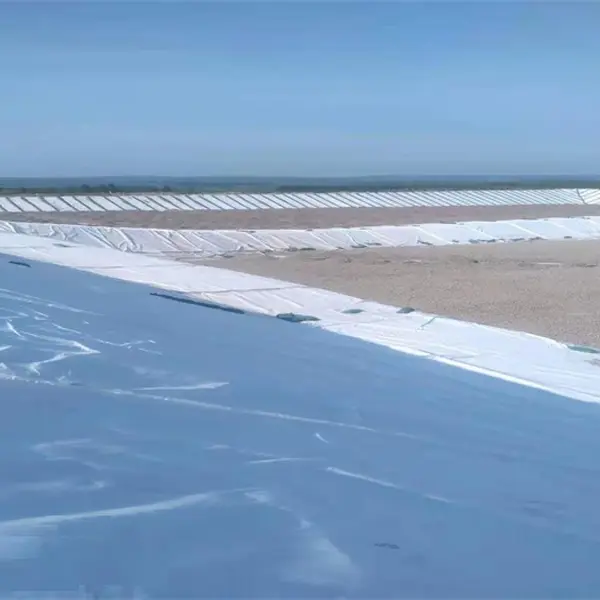
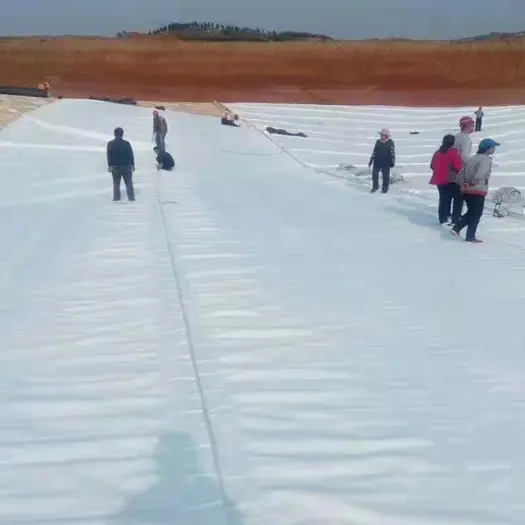
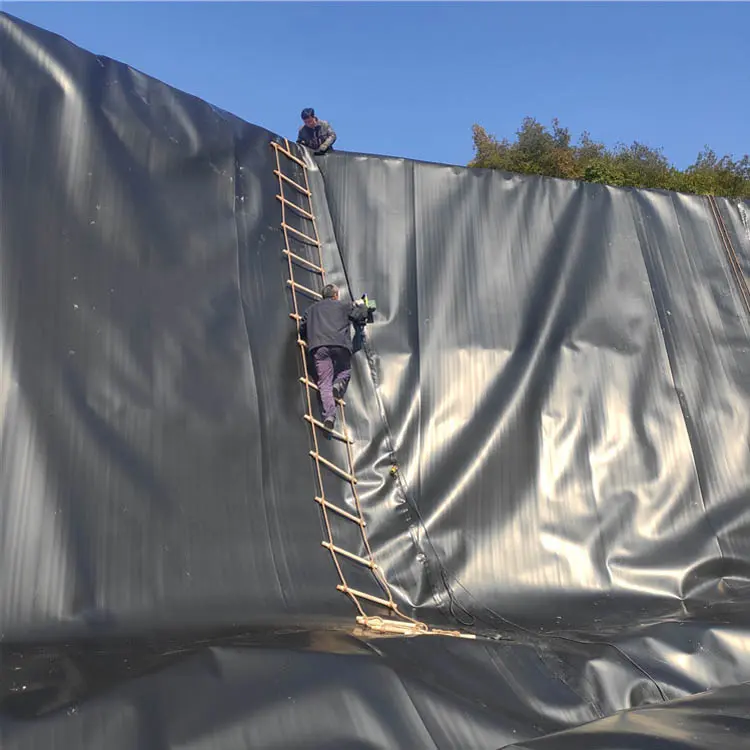
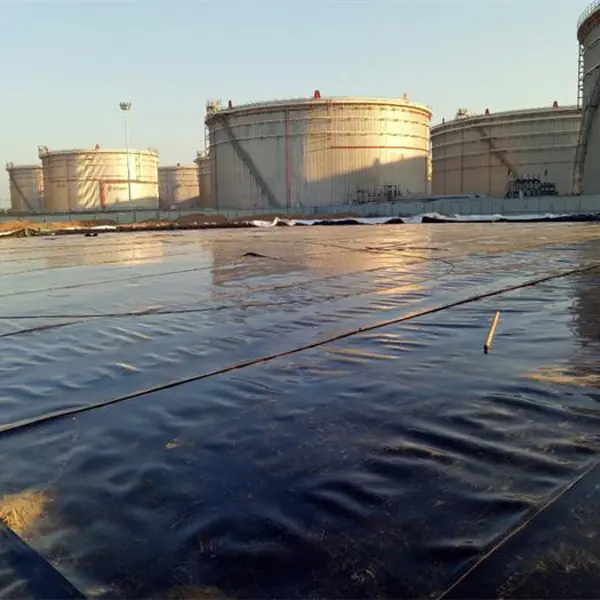
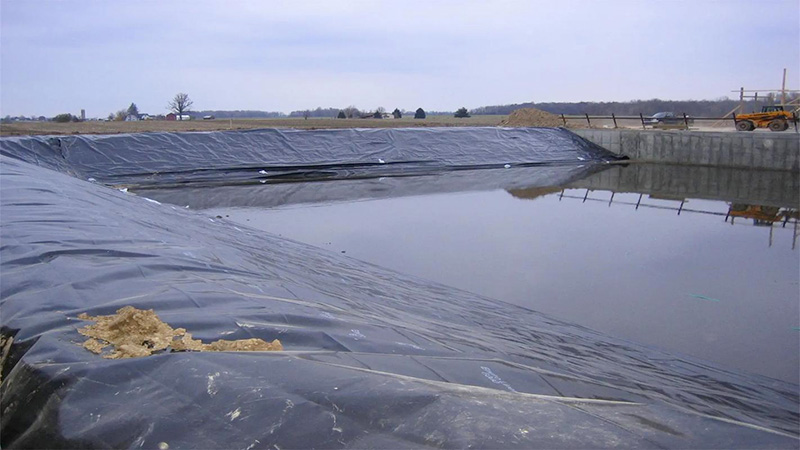
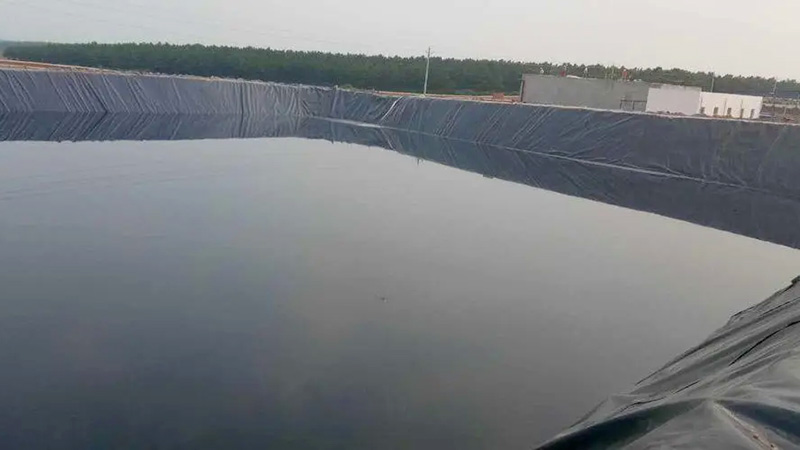
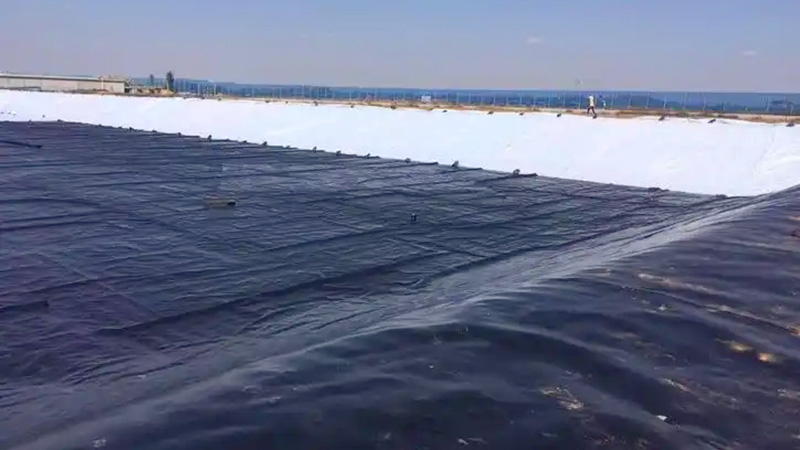
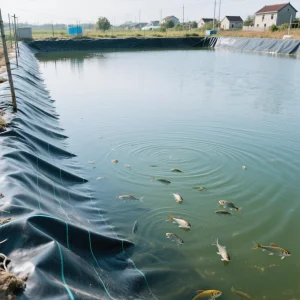
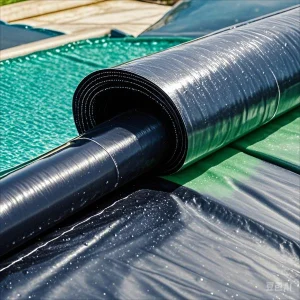
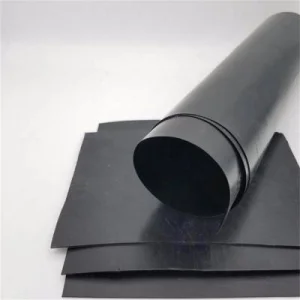
Geomembranes, as highly efficient anti-seepage materials, play a vital role in hydraulic engineering. Their low permeability, lightweight profile, and simple installation process make them indispensable:
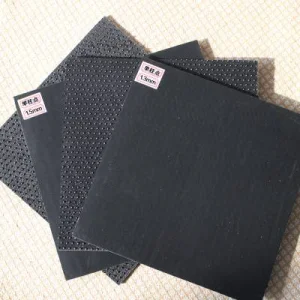
Proper geomembrane deployment relies on three primary guidelines: Selecting the Correct Raw Material and Thickness (typically between 0.3mm and 2.0mm depending on puncture risks), Executing Accurate Laying Procedures (including proper flat ground preparations and thermal weld treatments at joints), and Long-Term Maintenance (clearing debris and ensuring protection from direct UV radiation where non-stabilized).
Detailed breakdown of mechanical parameters and performance attributes of soakaway membranes.
When engineers design a subgrade drainage system, the physical attributes of the soakaway filter fabric must align with the surrounding soil profile. To avoid clogging while maintaining drainage capacity, geotextiles must be evaluated for three metrics: Apparent Opening Size (AOS), Water Permittivity, and CBR Puncture Strength.
The table below serves as a reference framework based on standard manufacturing grades of non-woven needle-punched polypropylene (PP) geotextiles, widely used as wraps for storm-water soakaway crates.
| Property | Standard Test Method | Standard Grade (150g/m²) | Heavy-Duty Grade (300g/m²) |
|---|---|---|---|
| Tensile Strength (MD/CD) | ASTM D4632 | ≥ 9.5 kN/m | ≥ 19.0 kN/m |
| CBR Puncture Resistance | ASTM M6241 | ≥ 1.5 kN | ≥ 3.2 kN |
| Apparent Opening Size (AOS) | ASTM D4751 | 0.07 - 0.2 mm | 0.05 - 0.15 mm |
| Water Permeability Coefficient | ASTM D4491 | ≥ 1.5 x 10⁻¹ cm/s | ≥ 1.0 x 10⁻¹ cm/s |
Quality control is maintained through a complete and scientific management system. Every production lot is tested for weight consistency, tensile profile, and hydraulic performance to ensure alignment with international standards.
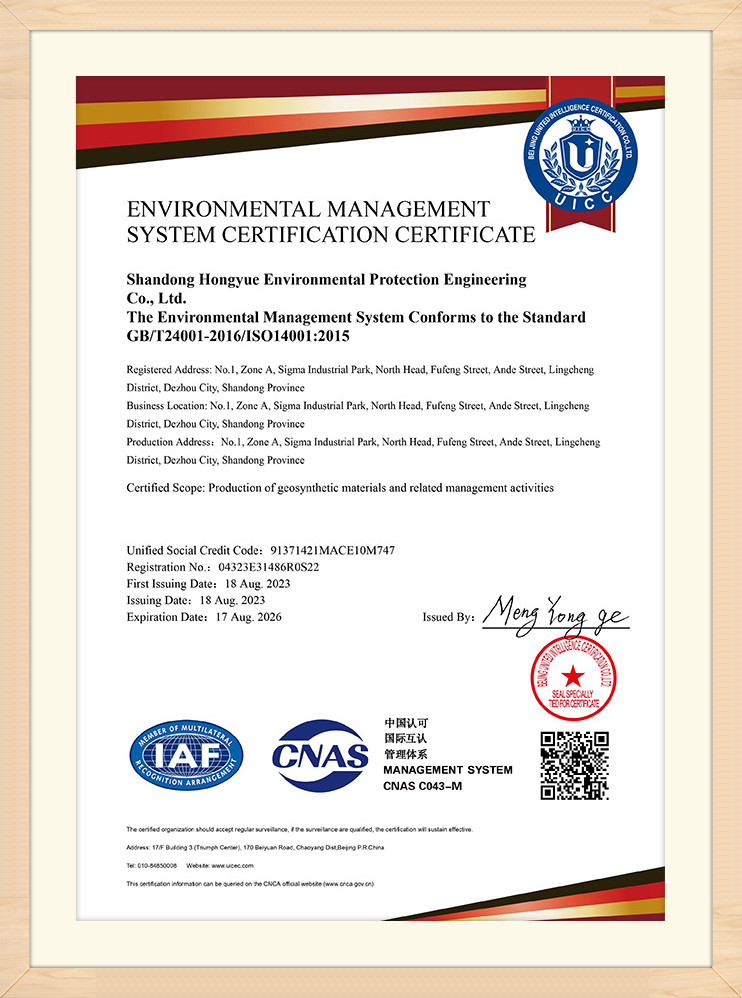
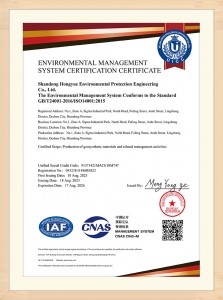
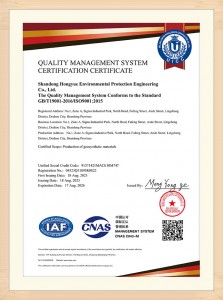
All items pass inspections commissioned by the State Administration of Quality Supervision and testing centers in China.
How engineering innovations are reshaping environmental protection and geosynthetics.
Developing biodegradable polymers for short-to-medium-term soil stabilization projects, reducing microplastic accumulation in agricultural soil systems.
Optimizing carbon-black dispersion within high-density geomembranes to extend UV degradation resistance to over 50 years in exposed projects.
Using laser-guided dual-track hot wedge welders to streamline joint seams, guaranteeing zero leak paths in critical municipal containments.
Direct engineering answers regarding installation, material selection, and procurement logistics.
Connect with our engineering division for customized quotes, design assistance, and technical data sheets.
 Hongyue