Premium quality geotechnical materials engineered for soil reinforcement, stabilization, and hydraulic erosion control projects globally.
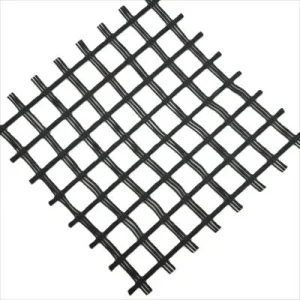
High-tensile fiberglass confinement cells designed for heavy-duty reinforcement in roadbed foundations and extreme temperatures.
View Details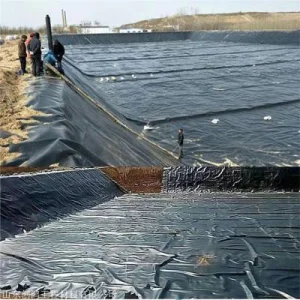
High-density impermeable geomembranes designed for containment lining in aquaculture ponds and chemical basins.
View Details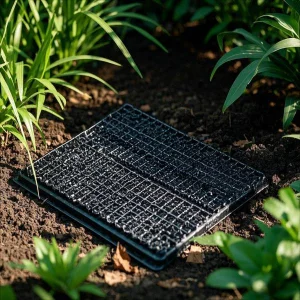
Dimpled plastic drainage panels providing highly effective water flow management for basement walls and green roof landscapes.
View Details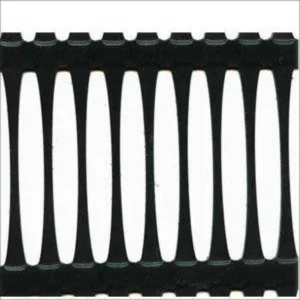
High-strength HDPE geogrids specifically engineered for retaining walls and steep slope reinforcement projects.
View Details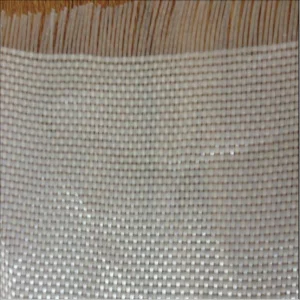
High mechanical strength geotextile fabrics providing filtration, separation, and reinforcement for heavy road foundations.
View Details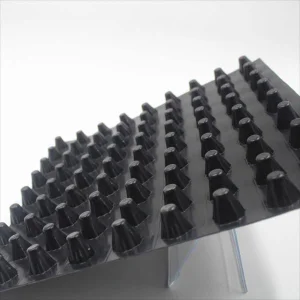
Advanced drainage membranes featuring self-adhesive layers for quick waterproofing integration on concrete foundations.
View Details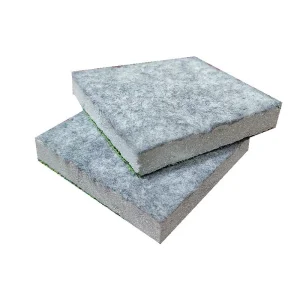
Geosynthetic cement composite mats that rapidly harden upon hydration to form durable, low-maintenance slope protection.
View Details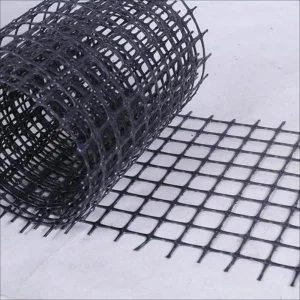
Premium biaxial PP geogrids designed to distribute load in two horizontal directions, optimizing aggregate base designs.
View DetailsThe global civil engineering community is transitioning toward sustainable, resilient, and cost-effective ground modification techniques. Plastic Geocells—also referred to as 3D Cellular Confinement Systems (CCS)—have emerged as a pivotal technology for stabilization, erosion control, and load-distribution across various challenging geological terrains. Manufactured primarily from high-density polyethylene (HDPE), these three-dimensional honeycomb structures offer mechanical confinement that dramatically increases the shear strength of non-cohesive infill materials.
Historically, cellular confinement technology was developed for tactical military operations to construct heavy vehicle pathways over loose sand. Today, as engineering requirements face tighter environmental regulations and extreme weather patterns due to climate change, plastic geocells are used widely in commercial highways, high-speed rail corridors, green canals, and massive waste containment infrastructure. Key market drivers include the rapid expansion of transport networks in developing economies, critical infrastructure rehabilitations in North America and Europe, and the adoption of "Sponge City" concepts to combat urban runoff.
Modern polymer compounding techniques allow leading Chinese manufacturers to produce geocells with enhanced Environmental Stress Cracking Resistance (ESCR), superior carbon black dispersion for extended UV durability, and optimized texturing and perforation profiles. Perforated cell walls maximize lateral water drainage while improving root-soil interlocking, transforming barren sloped faces into self-sustaining eco-engineered green walls.
Engineered polymer blends resistant to strong acidic and alkaline soils, saline conditions, and micro-organic digestion.
Up to 50% structural base thickness reduction by distributing localized point loads radially across the web structure.
Allows the use of local, lower-grade cohesionless soils as infill, reducing transport-related carbon emissions by up to 60%.
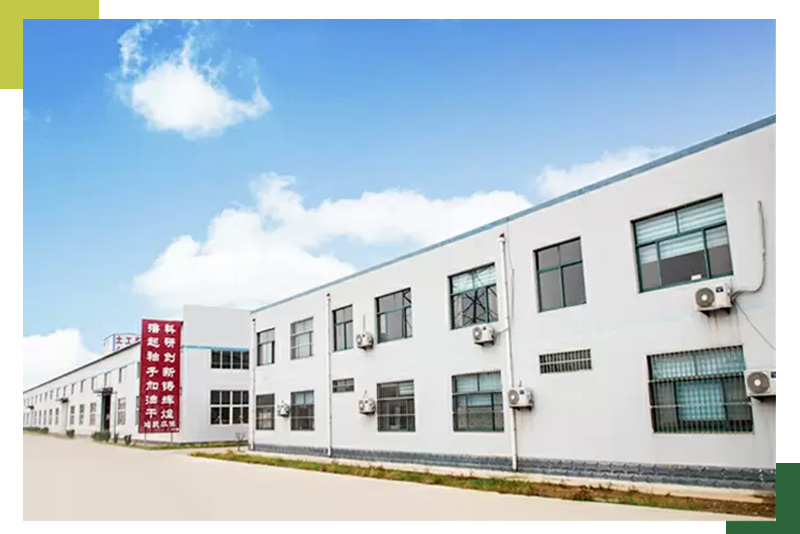
Shandong Hongyue Environmental Engineering Co., Ltd. (also operating as Shandong Hongyue Environmental Protection Technology Co., Ltd.) is located at the north end of Fufeng Street, Lingcheng District, Dezhou, Shandong Province. As a highly specialized, scientific, and technological geotechnical material manufacturer, the company seamlessly integrates material production, sales, structural engineering design, and professional construction services.
Registered in the Lingcheng District Market Supervision and Administration Bureau of Dezhou City on April 6, 2023, with a robust registered capital of 105 million yuan, Shandong Hongyue has rapidly scaled to become one of the largest and most technologically advanced geosynthetic production bases in China. Benefiting from Dezhou's superior geographical position and highly convenient logistics networks, we serve domestic municipal departments and large global contractors.
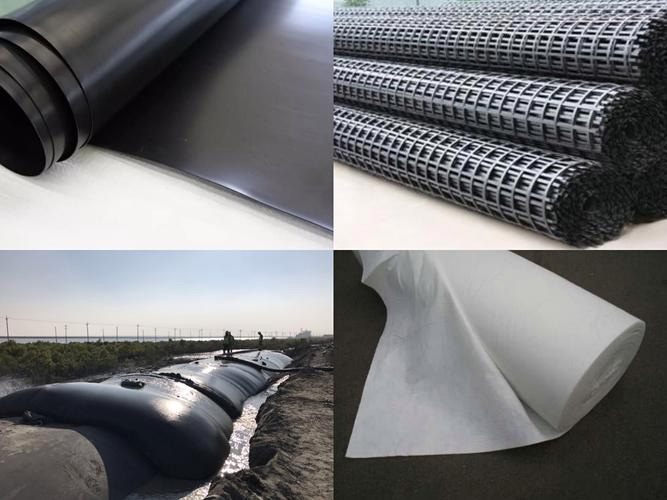
Our diverse product portfolio includes high-quality geotextiles, geomembranes, composite geomembranes, waterproof boards, bentonite waterproof blankets (GCL), 3D composite drainage nets, dimpled drainage boards, woven and non-woven filter fabrics, membrane bags, plastic blind ditches, ecological soil bags, cement blankets, fiber vegetation blankets, and flexible pervious drainage pipes.
State-of-the-art continuous co-extrusion technology ensures uniform sheet thickness, surface texturing, and optimal molecular orientation for high cell-junction strength.
Internal QA processes verify weld peel strength, tensile properties, carbon black dispersion, and dimensional tolerances under ASTM, ISO, and GB/T standards.
Expert analytical guidance for institutional buyers, structural designers, and procurement managers evaluating Chinese geocell suppliers.
When importing plastic geocells from China, global procurement teams must move beyond basic price comparison and focus on technical indicators, raw material traceability, supply chain stability, and regulatory compliance. Many trade intermediaries offer low-grade reprocessed resins that degrade rapidly under UV exposure or fail at the ultrasonic weld seams during filling. Shandong Hongyue addresses these vulnerabilities through technical transparency and verified material data sheets (MDS).
ASTM D5199 and ISO 13426-1 outline the standard methods for verifying weld junction strength. For heavy highway base stabilization, weld peel strength must exceed 1000 N to 1420 N per connection, ensuring the cells do not rupture under severe compaction forces.
Exposure to intense sunlight during installation and along exposed embankments requires a minimum of 2.0% to 3.0% high-grade carbon black compounding. Environmental Stress Cracking Resistance (ESCR) tested via ASTM D5397 should exceed 5,000 hours.
High-performance geocells are shipped as collapsed accordion-style panels. Maximizing container packing density without crushing the polymer hinges is essential to lower ocean freight cost-per-square-meter significantly.
How 3D cellular confinement systems solve complex geological challenges across four critical domains.
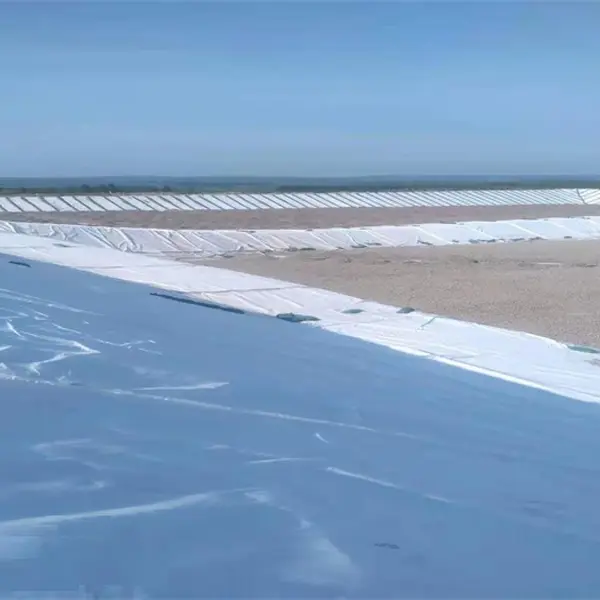
Stabilizing the channels of rivers, canals, and stormwater spillways is critical to preventing erosion. When filled with concrete or heavy gravel, geocells create flexible protective armors that adapt to local settlement while dissipating hydrodynamic energy. The perforated design prevents hydrostatic pressure buildup behind the lining.
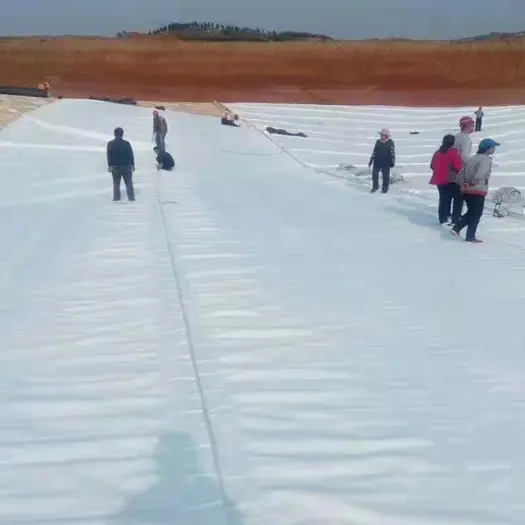
Integrating geomembranes with protective geocell covers ensures durable seepage prevention along riverbeds. The geocell acts as a physical shield protecting the underlying geomembrane layer from mechanical punctures, wildlife disruption, and direct UV degradation, maintaining waterproofing longevity.
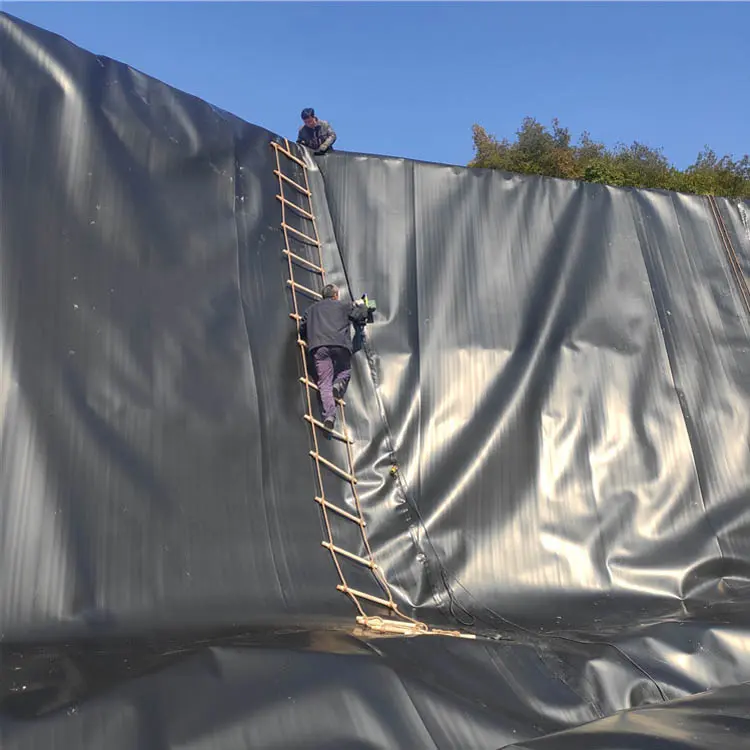
Steep slope capping systems on municipal and hazardous waste landfills require robust structural stability. Geocells anchor vegetated topsoil overlays directly onto smooth, low-friction synthetic geomembrane liners, preventing downslope soil slides while allowing natural ecological restoration.
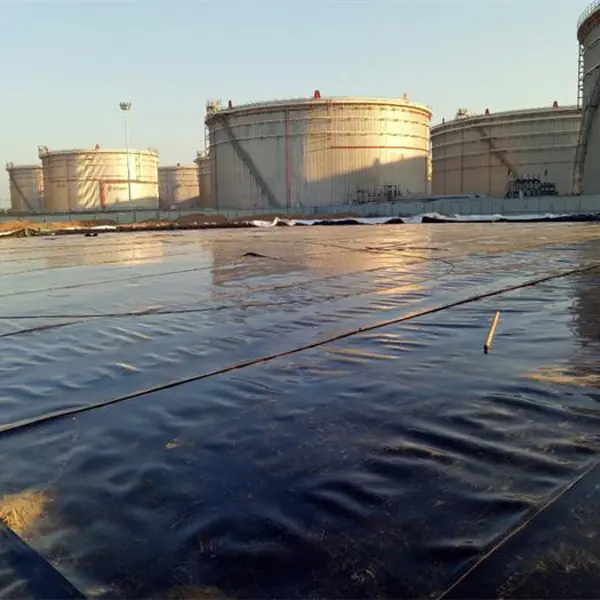
Industrial storage tank fields require fail-safe secondary containment basins. Combining impermeable high-durability geomembranes with concrete-filled plastic geocells creates structurally stable containment bunds. These systems are highly resistant to chemical attack, structural settling, and extreme heat.
A step-by-step breakdown of how raw high-density polyethylene is processed into CE-certified cellular confinement systems at our Dezhou plant.
We select 100% virgin HDPE resins (high-density polyethylene chips) displaying optimal melt indexes and mechanical properties. The base polymer is precisely dry-blended with high-grade carbon black concentrates and proprietary thermal/UV stabilizers to shield the final geocell panels from aggressive long-term sunlight exposure.
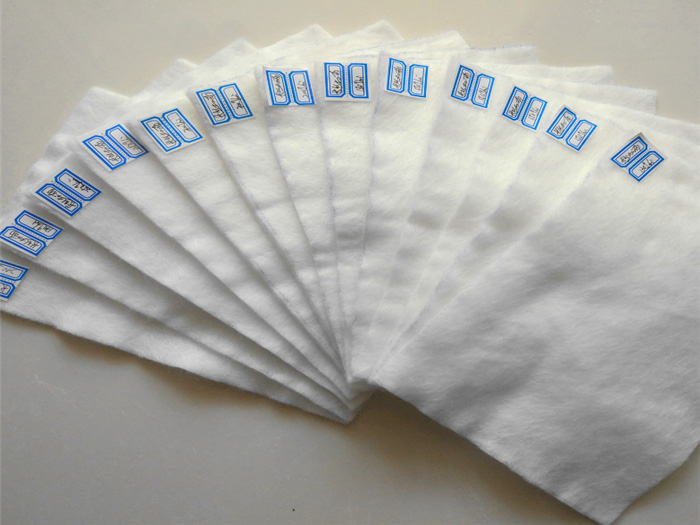
The compounded resin mixture enters high-torque screw extruders where it is melted under high pressure. The melt is extruded through custom flat dies to produce uniform polymer sheets. During the cooling phase, high-pressure texturing rollers emboss a rough, diamond-patterned grid structure onto the surface to increase soil-cell friction. Automated punch presses produce a clean layout of perforations to ensure water drainage.
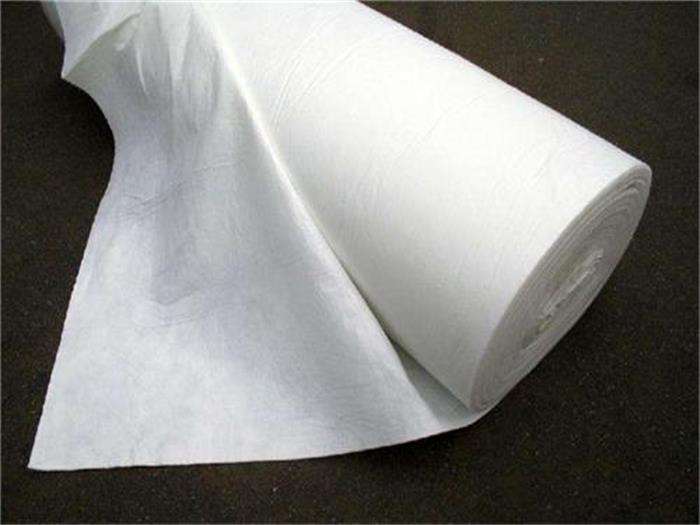
Individual textured polymer strips are cut to length and loaded into fully automated, multi-head ultrasonic welding stations. Precise acoustic energy creates clean polymer fusion at designated weld spacings (e.g., 330mm, 400mm, 660mm). Our digital control systems monitor temperature and weld dwell times in real time to guarantee consistent shear strength at every joint.
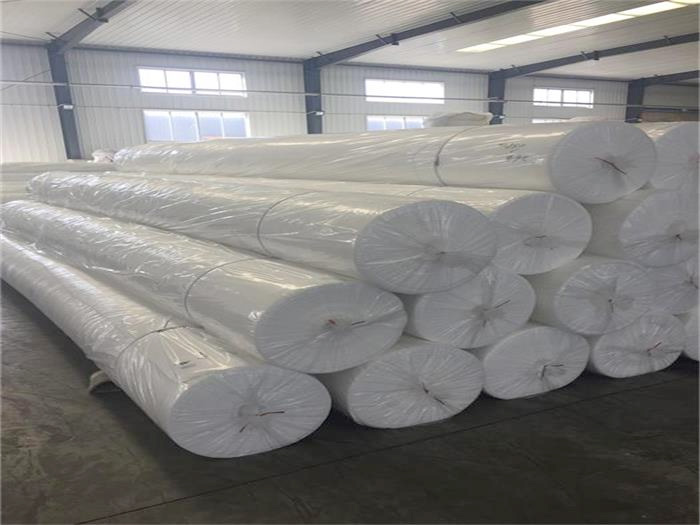
Samples from every batch undergo rigorous mechanical stress testing in our laboratory. Technicians perform seam peel tests, multi-axial tensile tests, and check sheet thicknesses to confirm compliance with ASTM, ISO, and CE regulations. Only certified production lots are packaged for delivery.
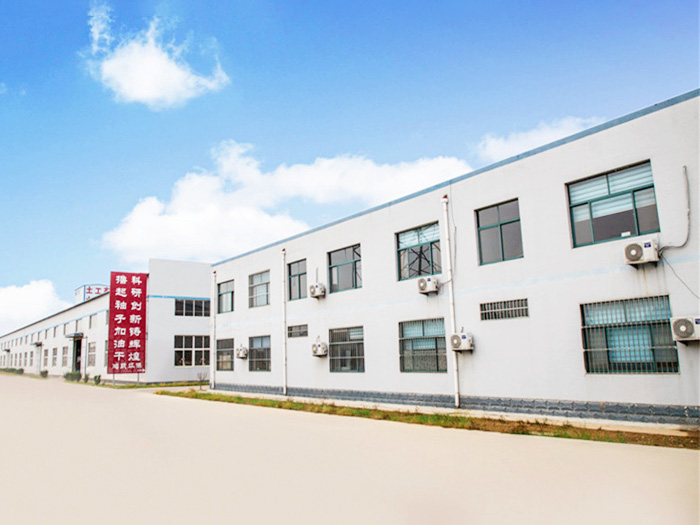
The performance of a geocell confinement system is highly dependent on proper installation and correct anchoring. Shandong Hongyue provides comprehensive on-site installation manuals and engineering support to ensure long-term stability and structural safety.
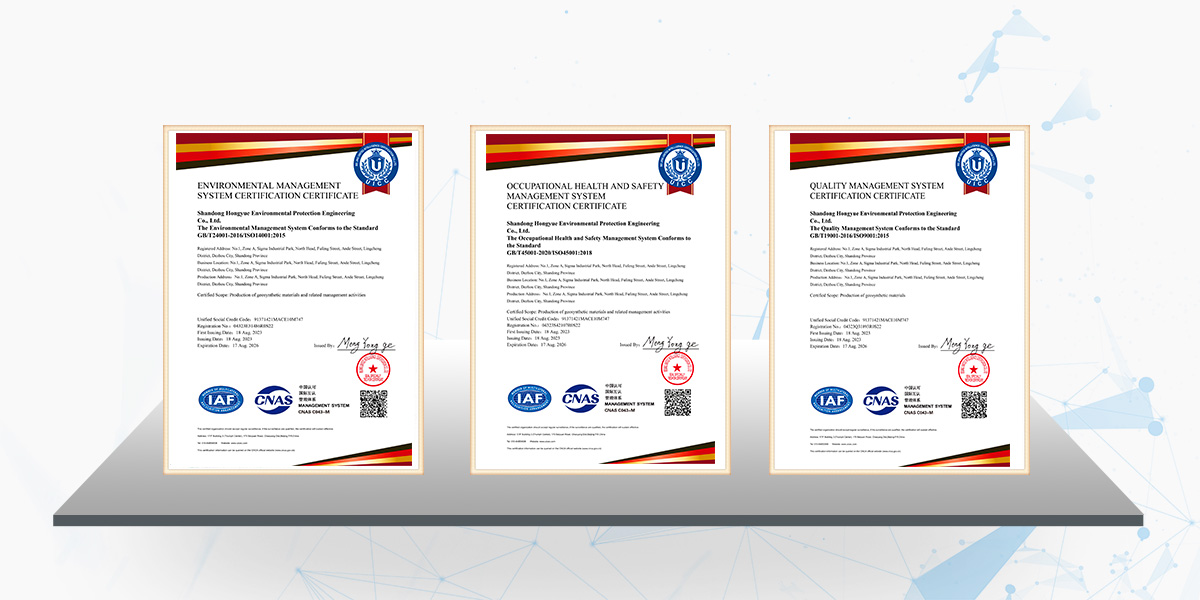
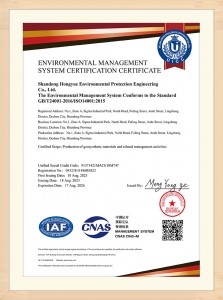
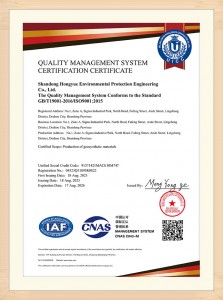
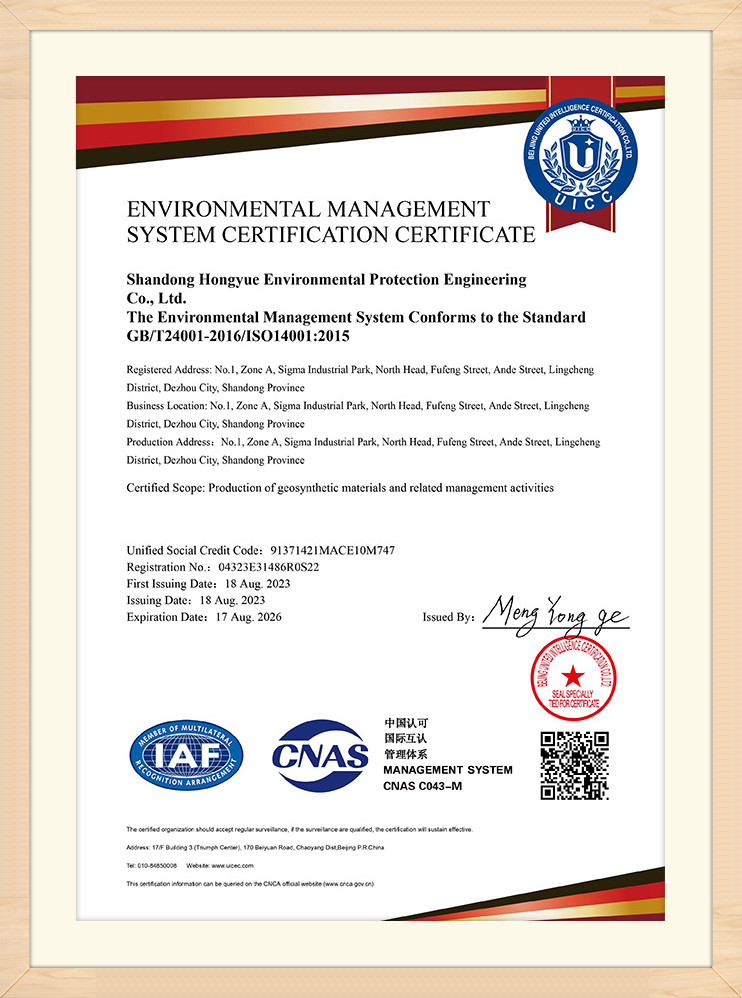
Shandong Hongyue operates under a complete and scientific quality management system. We have successfully obtained ISO9001 international quality system certification, ISO14000 environmental management system certification, and ISO45001 occupational health and safety management system certification.
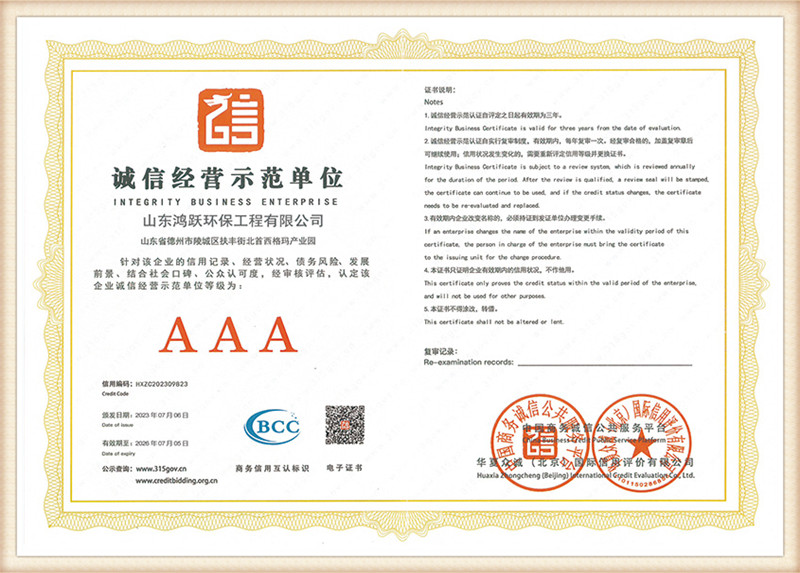
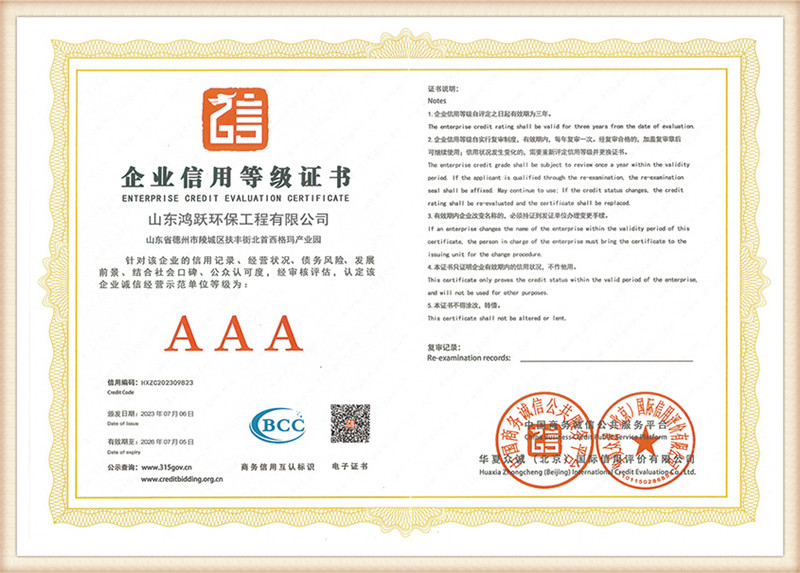
Our products have won numerous honors, including "Green Building Materials Products," "China Famous Brand," and "High-Tech Enterprise." We work closely with the China National Testing Center, and all production batches pass the national quality supervision and sampling inspections conducted by the State Administration of Quality Supervision and Inspection.
Reviewing geomembrane and geocell performance in large-scale reservoir, levee, and river governance projects.
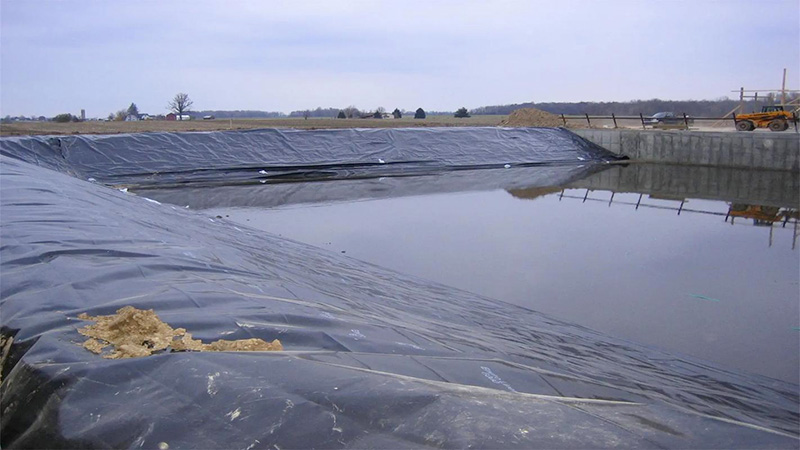
In reservoir construction, geological variations and structural settling pose a high risk of leakage. Integrating durable geosynthetic liners with cellular confinement covers prevents subgrade shifting and ensures long-term pond safety.
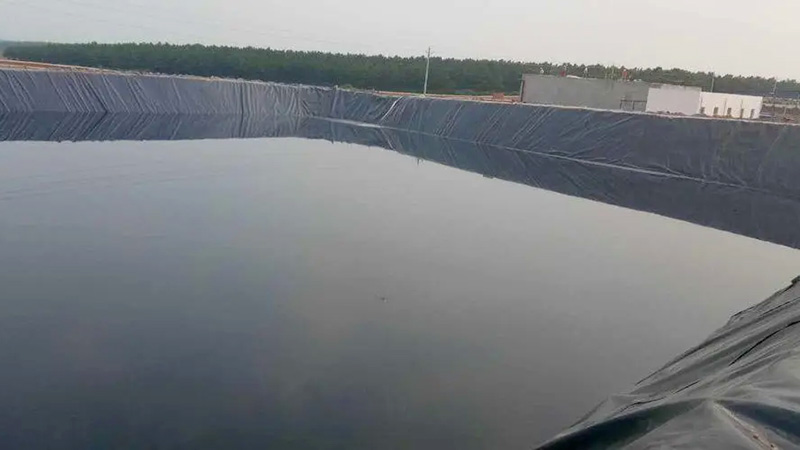
Protecting downstream agricultural lands and cities from flooding requires fail-safe dikes. Geocell armor layers reinforce steep soil levees against high-speed river runoffs and structural erosion.
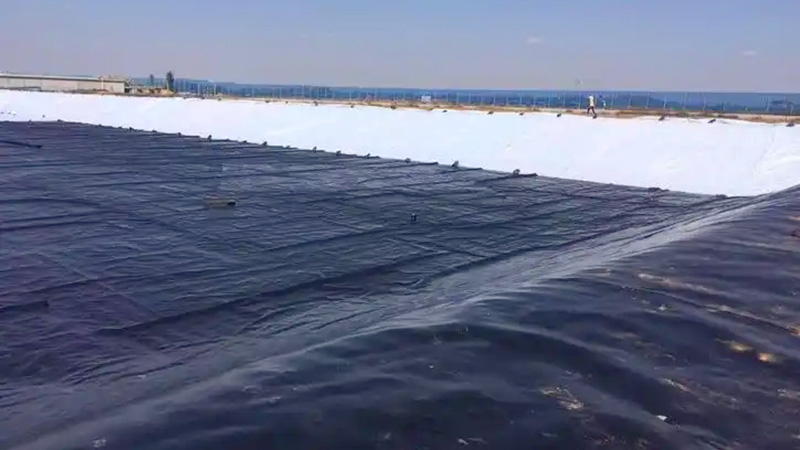
Rebuilding natural watercourses involves balancing flow control with ecological stability. Perforated geocells allow vegetation to establish on channel banks while protecting the slopes from heavy hydraulic shear stress.
Pioneering the next generation of smart and sustainable geosynthetic materials for international civil engineering.
As carbon-neutral construction policies expand, our research department is developing geocells utilizing high-performance recycled ocean-bound plastics and bio-polymer alloys. These materials maintain strict ASTM-certified load capacities while reducing the carbon footprint of production by over 40%, meeting sustainable sourcing mandates.
We are developing smart geocells embedded with thin-film fiber-optic strain sensors. When deployed along high-speed rail beds or steep highway cuts, these sensors transmit real-time deformation and strain data to monitoring software, allowing structural engineers to identify shifting ground before failures occur.
Clear, technical explanations addressing key inquiries from design engineers and procurement officers.
High-quality geocells manufactured from virgin HDPE polymer and compounded with 2.0% to 3.0% carbon black dispersion are designed to last over 50 to 100 years. This longevity is maintained even when buried in highly aggressive soils containing acids, bases, or high salinity levels, as the polymer structure resists chemical degradation.
Weld spacing determines the individual cell pocket size. Standard spacings range from 330mm to 712mm. Closer weld spacings (e.g., 330mm or 400mm) result in smaller pocket sizes, providing higher confinement and strength. These are ideal for steep slope protection (slopes greater than 1:1.5) and heavy load-support projects like railway subgrades.
Yes. One of the main cost-saving advantages of the geocell confinement system is its ability to use poor-quality, local infill materials like sand, clay, or recycled concrete. The three-dimensional cell walls mechanically restrict lateral movement, increasing the load-bearing capacity of low-grade infill and eliminating the need to import expensive quarry aggregate.
We test weld joints regularly using specialized tensile testing equipment. We measure both the seam peel strength (peeling the welded strip apart at a controlled rate) and split strength. Our quality standard requires the weld seam to remain intact and the failure to occur in the parent sheet material rather than the weld itself, confirming a strong, deep ultrasonic fusion.
Premium quality geotechnical materials engineered for soil reinforcement, stabilization, and hydraulic erosion control projects globally.
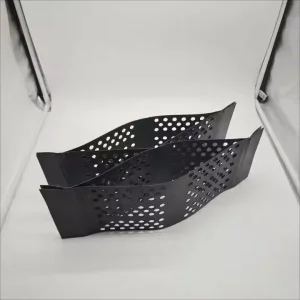
Advanced composite geocells providing superior tensile performance and long-term durability in highly acidic civil engineering sites.
View Details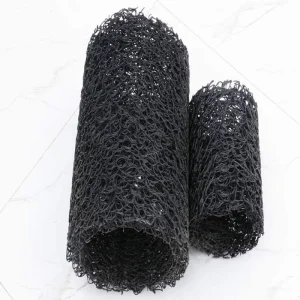
Subsurface drainage conduits designed to collect and drain groundwater in roadbed, tunnel, and municipal projects.
View Details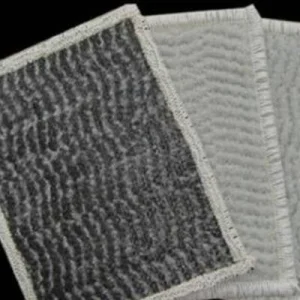
High-expansion sodium bentonite clay blankets (GCL) providing excellent self-sealing waterproofing properties for soil containment liners.
View Details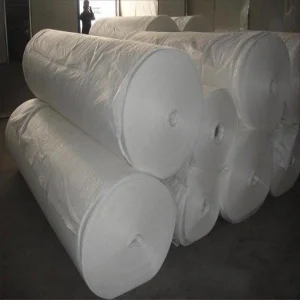
High-permeability non-woven fabrics designed to allow water flow while retaining soil particles in subgrade drainage paths.
View Details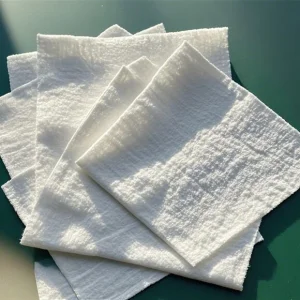
Continuous filament needle-punched polyester geotextiles providing superior tensile strength, filtration, and longevity.
View Details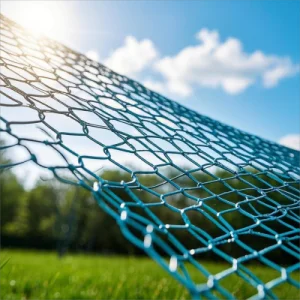
Advanced planar geonets with highly structured plastic grids designed for high-load drainage filtration and planar flow.
View Details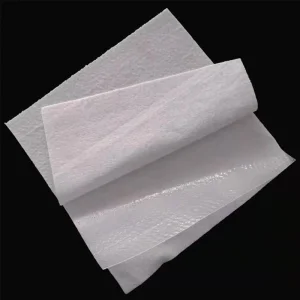
Thermal-bonded composite liners combining robust HDPE membranes with soft nonwoven geotextiles for puncture protection.
View Details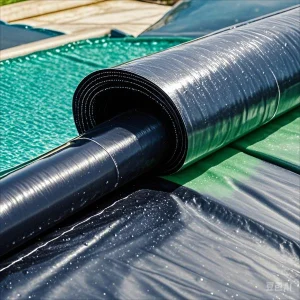
Smooth and textured impermeable liners engineered to prevent root penetration and containment leakage in environmental closures.
View Details Hongyue