Explore our premium range of engineering solutions designed for soil reinforcement, filtration, and waterproofing.
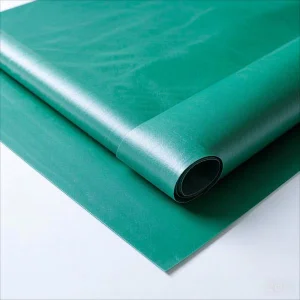
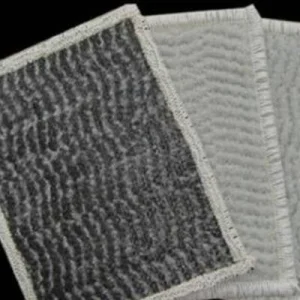
A Premier Scientific and Technological Geotechnical Manufacturer Integrating Production, Design, and Professional Construction Services.
Established on April 6, 2023, with a robust registered capital of 105 million yuan, Shandong Hongyue Environmental Engineering Co., Ltd. has rapidly emerged as one of the largest manufacturing hubs for geotechnical and geosynthetic products in China. Situated in Lingcheng District, Dezhou City, Shandong Province—widely recognized as the heart of China’s geotextile industry—our strategic location guarantees streamlined access to major shipping routes and global logistics chains.
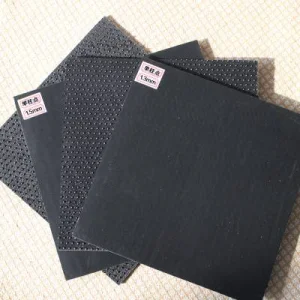
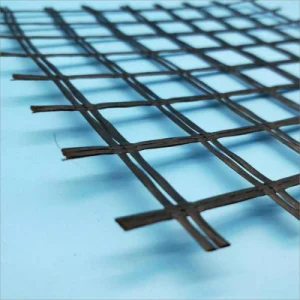
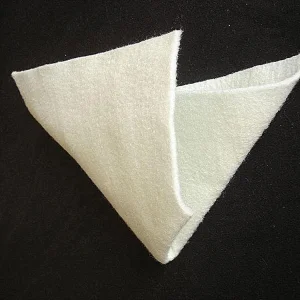
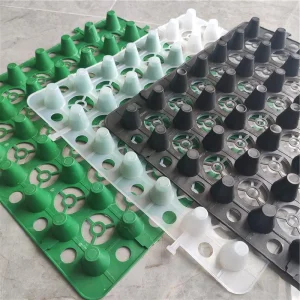
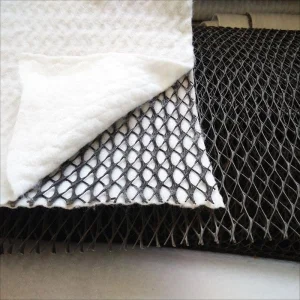
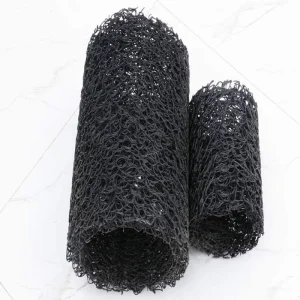
Our expansive business portfolio encompasses the development, production, and installation of premium materials including geotextiles, geomembranes, composite membranes, waterproofing boards, geosynthetic clay liners (GCL/bentonite blankets), 3D composite drainage networks, geogrids, pervious pipes, and fiber vegetative blankets. Armed with specialized civil engineering qualifications, we deliver integrated, full-lifecycle solutions from engineering design consultancy to on-site installation support.
Advancing structural civil engineering through polymer material innovations, intelligent monitoring, and carbon-neutral targets.
Transitioning from standard virgin Polypropylene (PP) and Polyethylene (HDPE) to bio-based and highly recyclable polymers. Our ongoing R&D targets reduction in embodied carbon footprint without sacrificing long-term creep resistance and junction strength.
Embedding fiber-optic sensors and micro-strain gauges directly into the structural ribs. This facilitates real-time deformation and strain monitoring in structural subgrades, landfill slopes, and high-speed railway embankments.
Optimizing materials to perform consistently under intense environmental stresses, ranging from sub-zero Arctic freeze-thaw cycles (-40°C) to scorching desert climates (+60°C) with guaranteed UV stability additives.
Targeted geosynthetic applications addressing critical stability, drainage, and containment issues across industries.
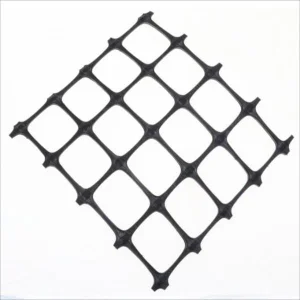
Subgrade failure is a major contributor to asphalt cracking and rutting. Utilizing high-tensile glass fiber geogrids and plastic geogrids effectively lateralizes traffic load distributions, reducing base thickness requirements by up to 30% and extending pavement lifecycle by 15-20 years.
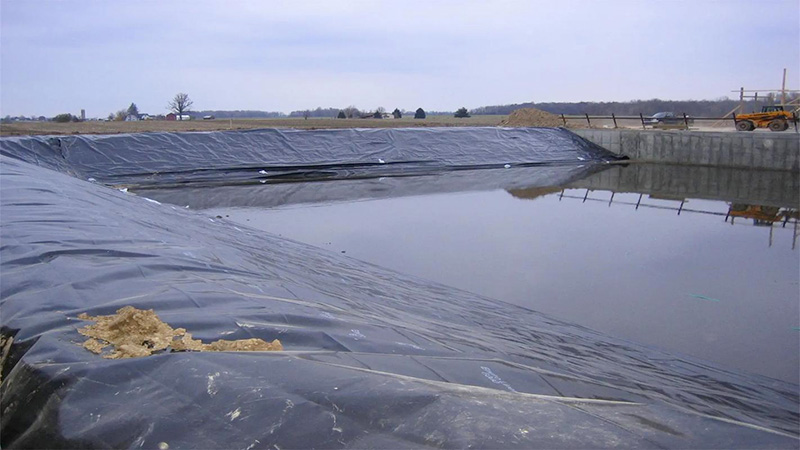
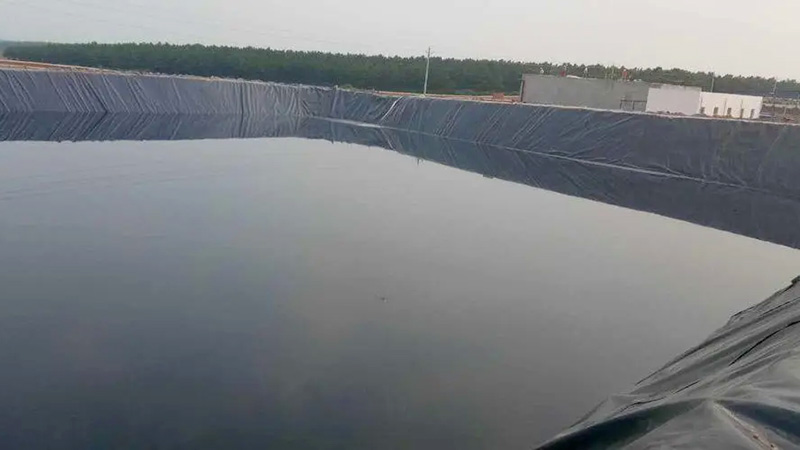
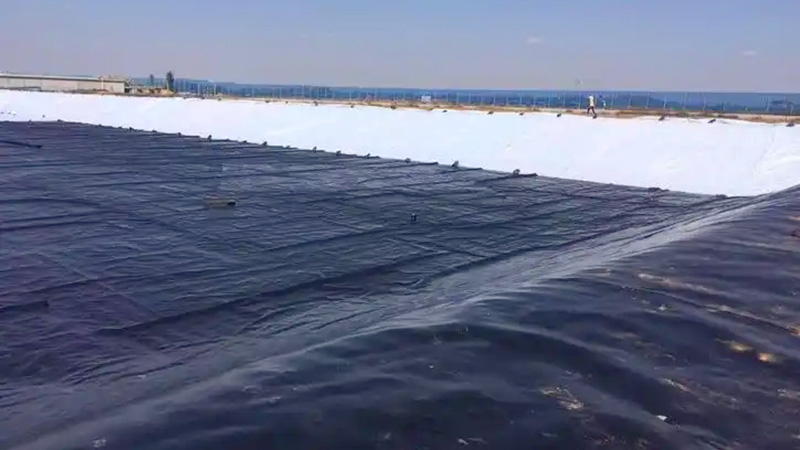
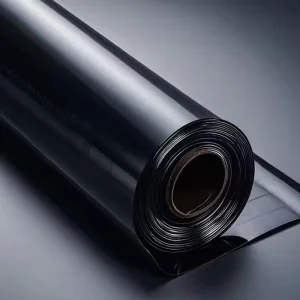
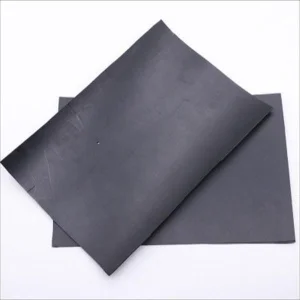
Erosion control and reservoir seepage mitigation require high-performance geomembranes. Our systems prevent massive seepage losses in channels and dams, protecting the surrounding geological ecology while offering excellent puncture resistance against base aggregate pressure.
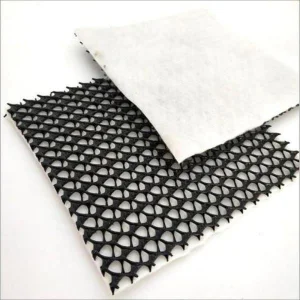
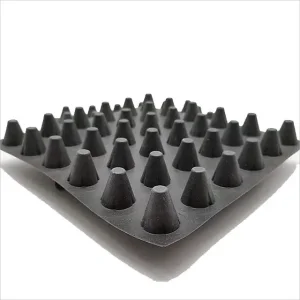
Leachate containment is vital for groundwater preservation. We supply CE-Certified HDPE geomembranes and three-dimensional composite drainage networks that conform strictly to international environmental protection mandates, preventing hazardous pollutant migration.
How Dezhou's industrial clusters and Hongyue's automated processes optimize global procurement costs and logistics.
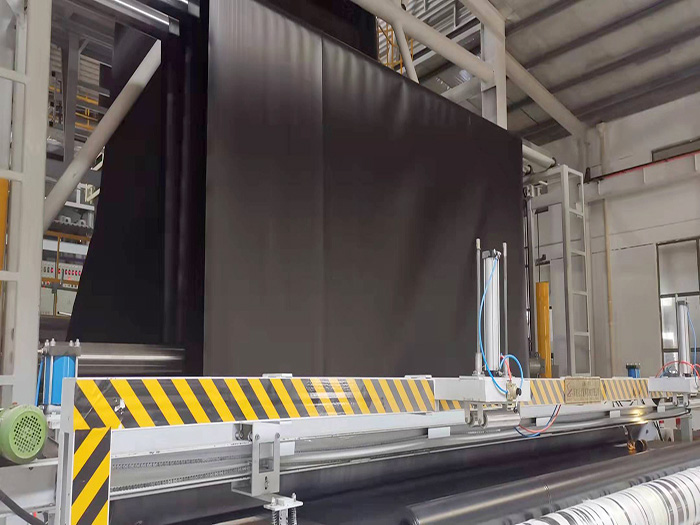
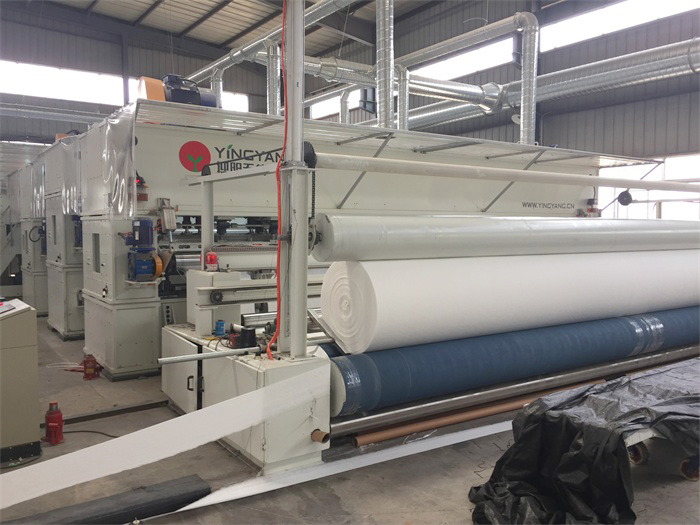
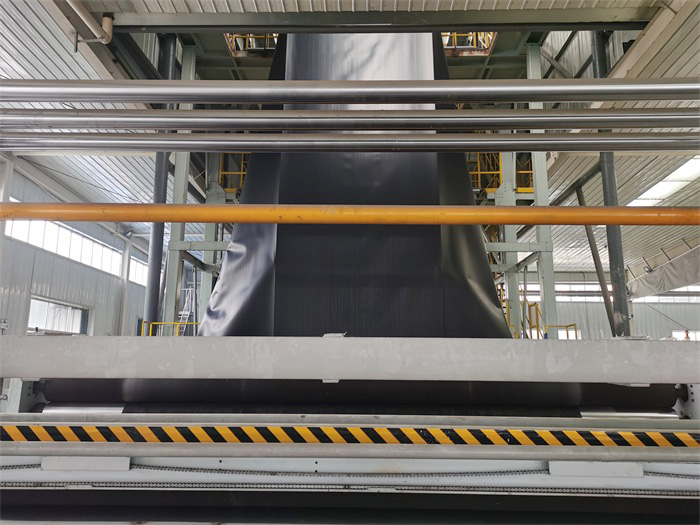
Our manufacturing complex utilizes state-of-the-art extrusion lines, precision warp-knitting equipment, and automated quality monitoring stations. Located in Dezhou's highly concentrated industrial zone, Hongyue benefits from a local ecosystem that minimizes raw material transit costs and simplifies sourcing of high-grade resins. This logistics network ensures that we can scale production rapidly to fulfill large-scale municipal bids and international containerized shipments within tight timelines.
In addition to raw production speed, our Factory 4.0 setup incorporates online thickness-sensors and laser flaw detection. This means every square meter of geogrid or geomembrane is monitored in real-time, drastically reducing post-production defects and ensuring seamless conformity with specifications outlined by ASTM, EN, and ISO testing protocols.
Proof of high durability and performance in real-world infrastructure and municipal civil engineering projects.
A step-by-step overview of our scientific manufacturing methods to ensure maximum mechanical strength and chemical stability.
Inspection and high-temperature drying of virgin polyester chips, polypropylene filament, and custom additives to achieve targeted resistance to UV radiation and thermal aging.
Precise temperature and pressure profiling within the screw extruder converts solid polymer chips into a perfectly uniform, viscous molten state, ready for sheet punching or fiber spinning.
Extruded sheets are punched with uniform aperture patterns and subsequently stretched biaxially under strict thermal controls. This process aligns polymer chains to maximize tensile modulus.
The grid layers are cured at structural stabilization temperatures to eliminate residual internal stresses, preventing product shrinkage and creep deformations in the field.
Finished rolls are dimensionally inspected for width, length, and mass density, labeled with batch details, and wrapped in protective film to shield them from UV exposure.
Randomly selected samples from every batch undergo rigorous wide-width tensile tests, junction efficiency tests, and carbon black dispersion checks inside our ISO-certified lab.
Understanding the critical performance metrics and logistical needs of global civil engineers and supply chain teams.
For geogrids, structural load transfer relies entirely on junction integrity. Our extrusion process creates monolithic junctions that prevent separation under shearing forces.
Engineers evaluate 2% and 5% secant tensile stiffness to minimize long-term settlement. Hongyue geogrid layers exhibit low tension creep, stabilizing structures for decades.
Proper soil mechanical confinement requires optimal aperture sizing. We customize grid geometry to pair efficiently with specified coarse aggregate sizes.
Essential guidance on material selection, precise laying techniques, and preventative maintenance strategies.
Choosing the correct polymer base is fundamental to success. High-Density Polyethylene (HDPE) geomembranes are preferred for containment projects due to their chemical resistance, while Linear Low-Density Polyethylene (LLDPE) is selected for applications requiring greater elasticity and puncture resistance over uneven subgrades.
The subgrade must be compacted and cleared of sharp rocks, root systems, and standing water. Unrolling should avoid dragging the material to prevent tears. Thermal expansion and contraction calculations must be integrated, leaving minor slack to prevent stress concentration at low temperatures.
Panels are fused using double-track hot wedge welding systems. Non-Destructive Testing (NDT) like pressurized air injection in the dual-track channel is used to confirm seam integrity. For complex corners, extrusion welding ensures leak-proof coverage.
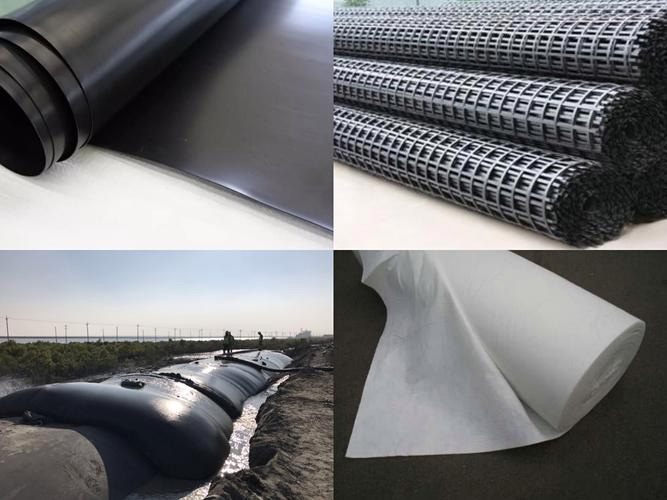
Mitigating water loss and structural damage through advanced geotextile systems.
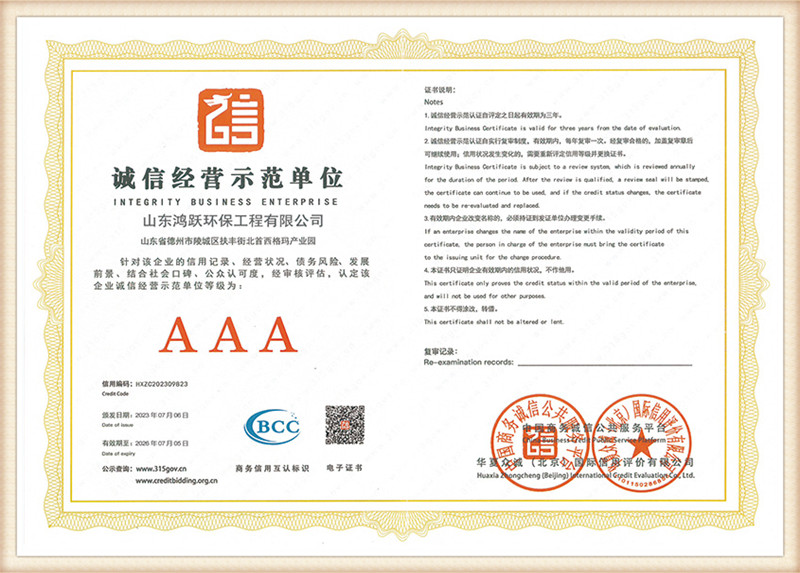
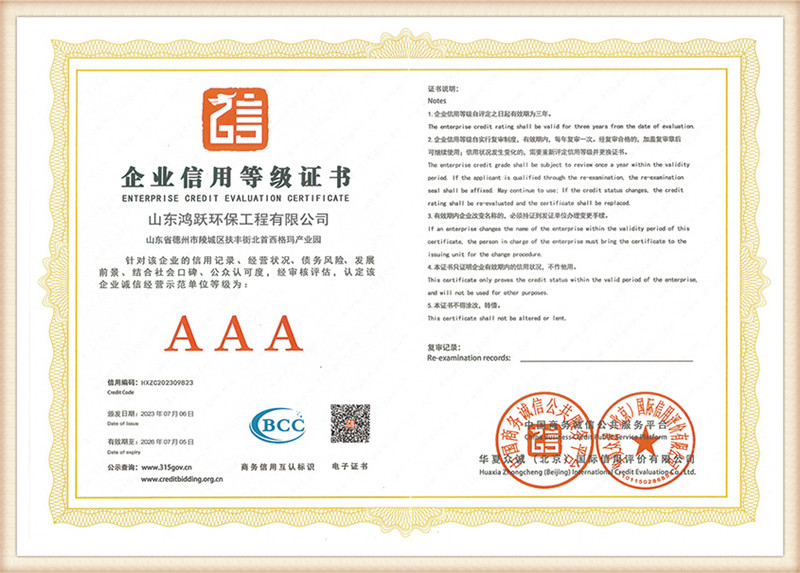
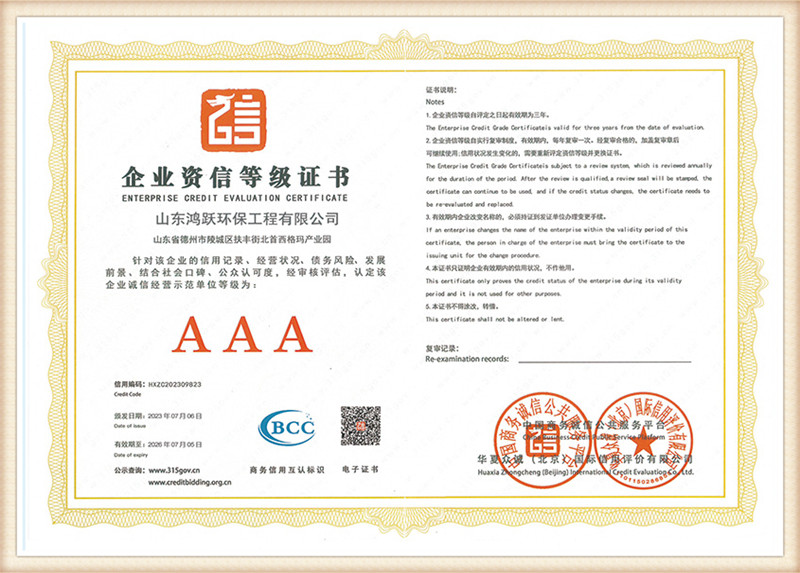
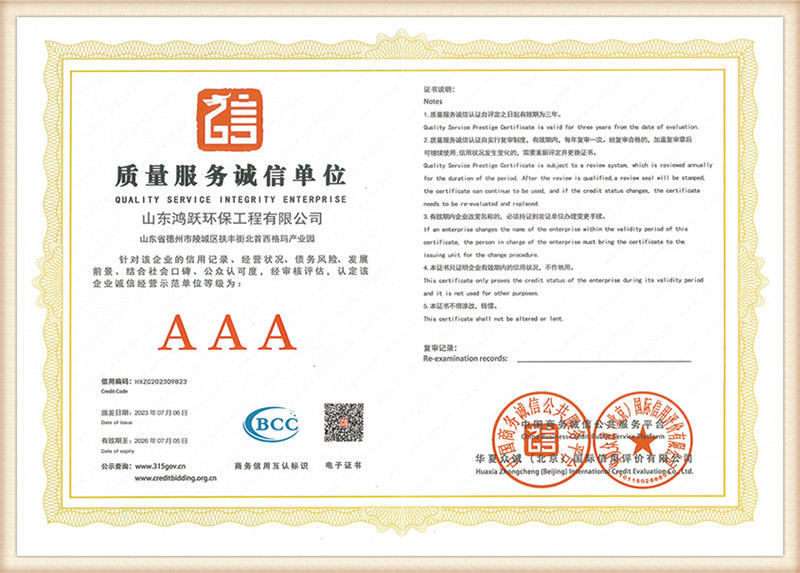
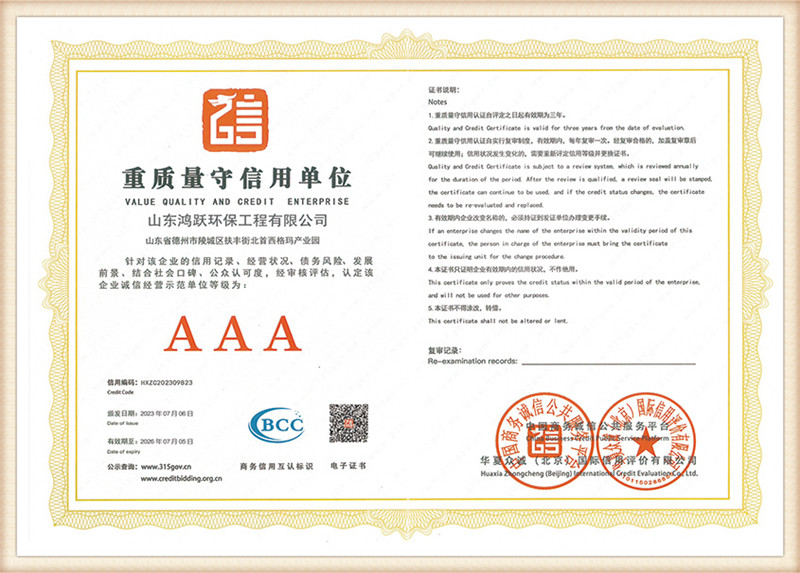
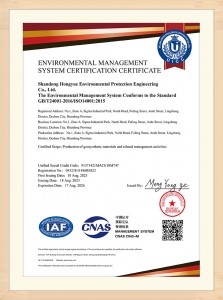
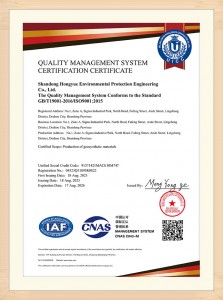
Our commitment to internationally recognized manufacturing and management certifications.
Shandong Hongyue Environmental Engineering Co., Ltd. maintains a quality assurance program that is certified to ISO9001 (Quality Management System), ISO14001 (Environmental Management System), and ISO45001 (Occupational Health & Safety System). We understand that geosynthetic components are critical to structural lifespans. Because of this, we perform internal quality control testing at every phase of the manufacturing process.
Additionally, our products undergo regular, independent evaluation by certified third-party institutions, including the China National Testing Center and international testing agencies. These tests confirm that our geotextiles and geogrids exceed the mechanical and durability criteria required for key infrastructure installations worldwide.
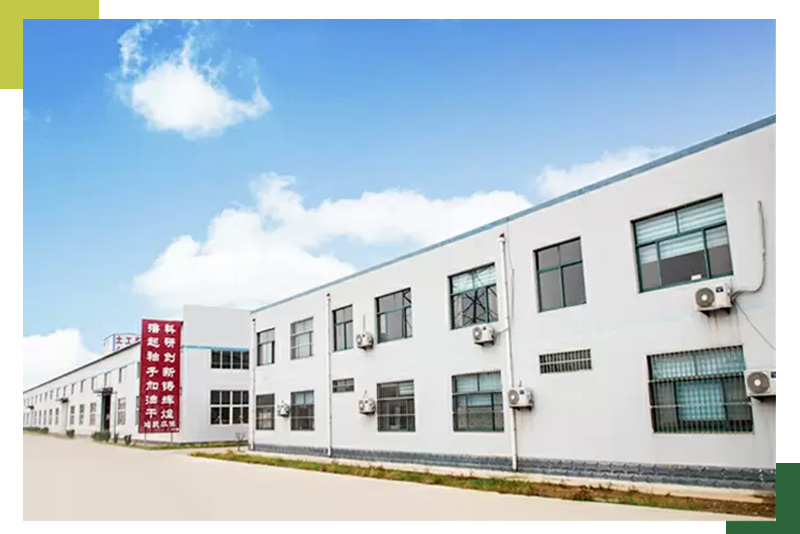
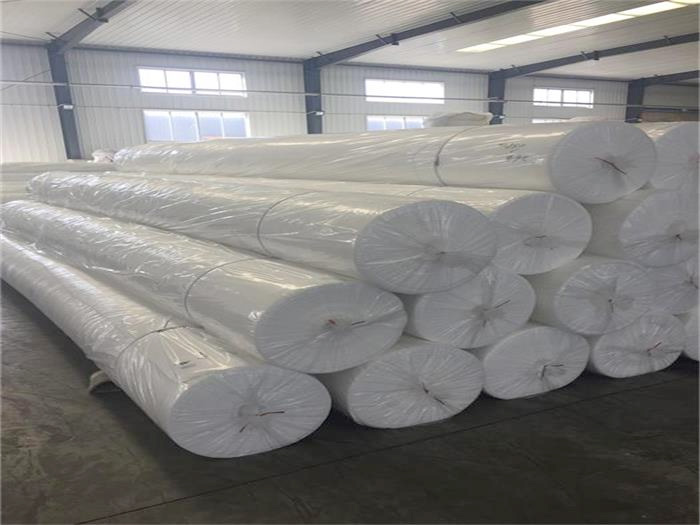
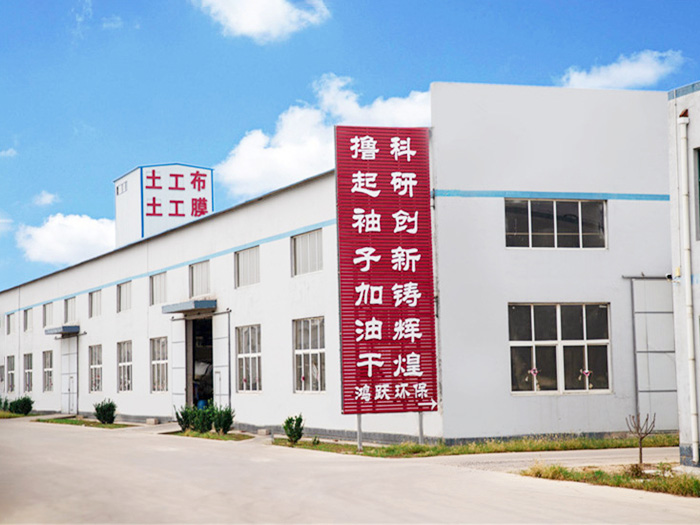
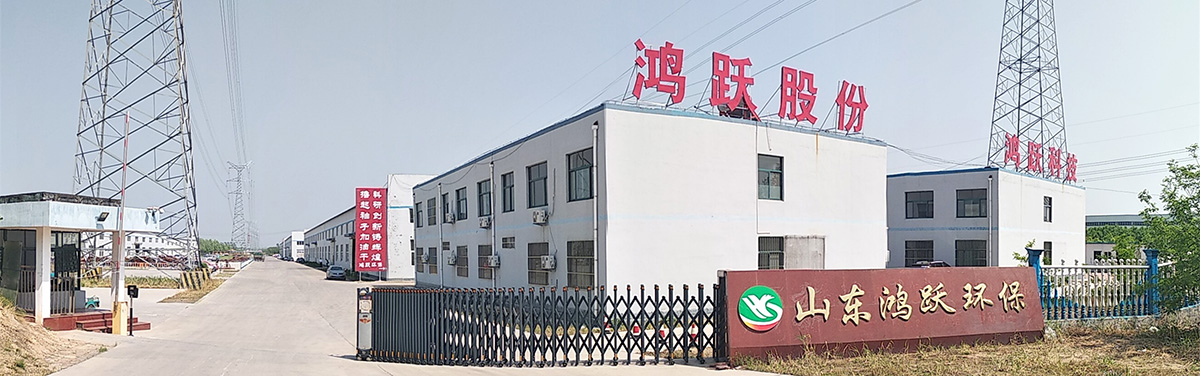
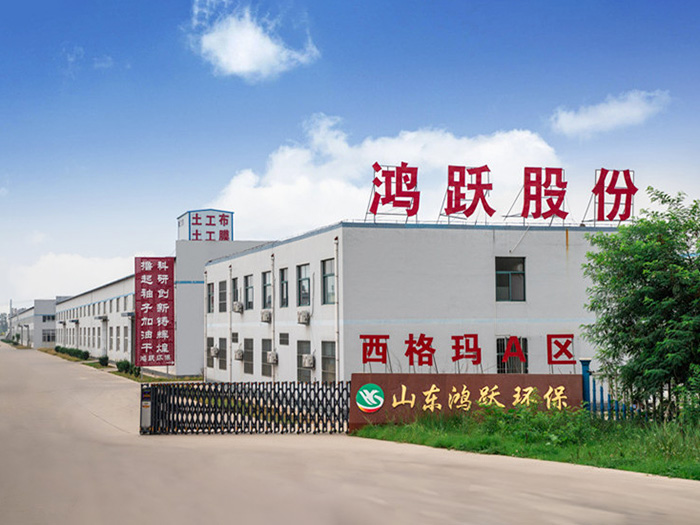
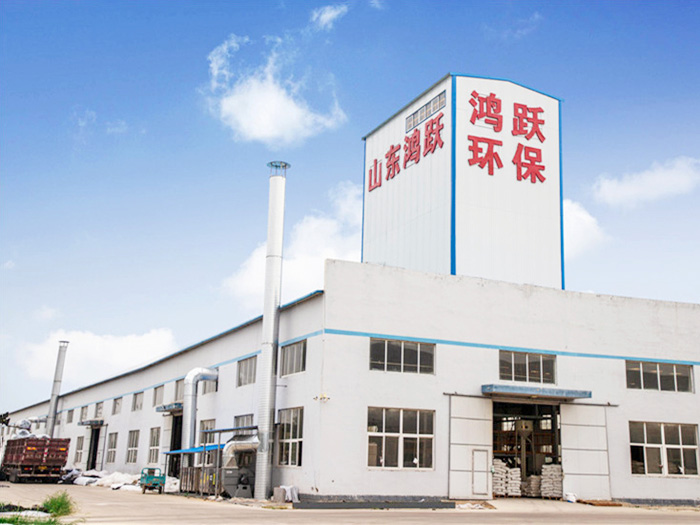
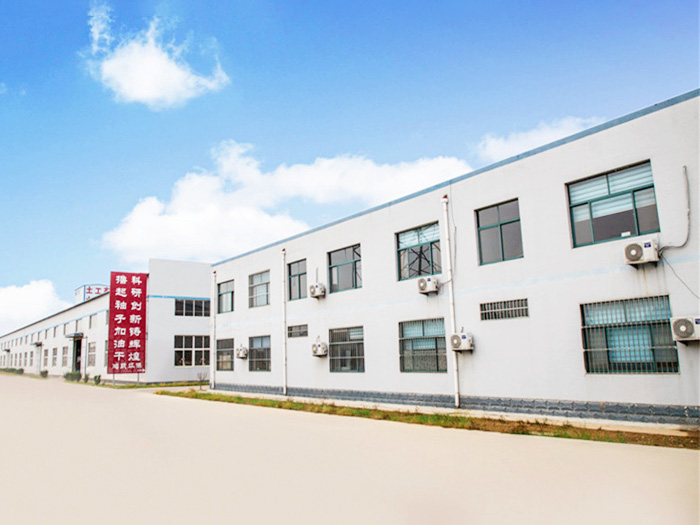
A look inside Shandong Hongyue's modern production facilities and warehousing yards.
Expert answers to common technical, manufacturing, and procurement inquiries about geogrids and geomembranes.
Uniaxial geogrids are stretched primarily in one direction, yielding high tensile strength along a single axis. They are ideally suited for retaining wall reinforcement and steep slope stabilization where primary loads act in a known, singular path. Biaxial geogrids are stretched in two perpendicular directions, offering equal strength along both axes. They are primarily used to reinforce subgrades in road pavements and foundations where traffic loads act dynamically in multiple directions.
We operate an ISO-certified quality monitoring center where we test wide-width tensile strength (ASTM D6637), junction strength (ASTM D7737), puncture resistance, and environmental stress cracking resistance. Each batch is logged with a trackable QC code, ensuring transparency and conformance to client-provided specifications.
Key design factors include the quality and mass per unit area of the natural sodium bentonite powder, the peeling strength of the needle-punched geotextiles encapsulating the clay, and the overall hydraulic conductivity (which should normally be less than 5×10^-9 cm/s under pressure) to ensure reliable containment performance.
Our raw material compounding and heavy fabrication facilities in Shandong.
Testing and archiving samples to verify technical properties and mechanical stability.
Complete your design with our high-capacity drainage networks, geocells, and protective geotextiles.
 Hongyue